Can Sex Postpone Your Period? Facts About Delayed Periods

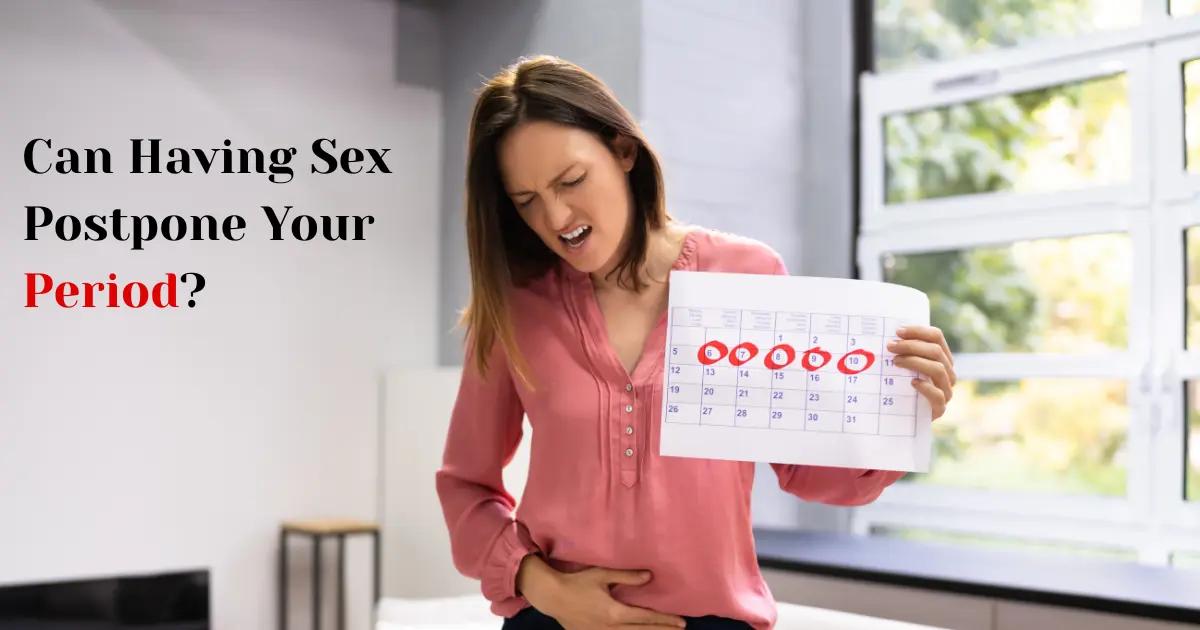
If you’ve noticed your period is late after having sex, you’re likely wondering: can sex postpone period timing? This is one of the most common concerns that sends people searching for answers online, often driven by a mix of curiosity and anxiety. The short answer is that sex itself does not directly delay your period. However, the circumstances surrounding sexual activity—including stress, hormonal changes, and the possibility of pregnancy—can absolutely affect when your period arrives. Understanding the real factors that influence your menstrual cycle can help you distinguish between normal variations and situations that require attention.
Your menstrual cycle is regulated by a complex interplay of hormones, and while the physical act of intercourse doesn’t interfere with this process, several related factors might. Whether you’re dealing with a few days of delay or a significantly late period after sex, this comprehensive guide will explain exactly what’s happening in your body, when you should be concerned, and what steps to take next.
Can Sex Delay Your Period? The Direct Answer
Let’s address the core question immediately: no, having sex cannot directly postpone your period. The physical act of sexual intercourse does not have the biological mechanism to delay menstruation. Your menstrual cycle is controlled by hormones—primarily estrogen and progesterone—that are produced by your ovaries and regulated by your pituitary gland and hypothalamus. Sex does not interfere with this hormonal cascade.
The confusion often arises because many people notice their period is late shortly after having sex, leading them to assume a causal relationship. However, this is typically a coincidence or the result of other factors that happened to occur around the same time as sexual activity. The timing of your period is determined weeks in advance by your body’s hormonal cycle, not by recent sexual activity.
That said, while sex itself doesn’t delay your period, circumstances related to sexual activity can indirectly affect your cycle. The most significant of these is pregnancy, which is the body’s natural way of stopping menstruation. Additionally, the stress and anxiety surrounding sexual activity—particularly concerns about pregnancy or STIs—can impact your hormonal balance and potentially delay your period.
Understanding this distinction is crucial: if your period is late after sex, you need to look at the broader context rather than blaming the act itself. The delay is caused by other factors, some of which may be related to your sexual activity (like pregnancy or stress) and some of which may be completely unrelated (like illness, weight changes, or normal cycle variations).
Why Your Period Might Be Late After Sex (The Real Reasons)
When you experience a late period after sex, several legitimate factors could be at play. The most common reason, and the one that causes the most concern, is pregnancy. If you had unprotected sex or experienced contraceptive failure, pregnancy becomes the primary explanation for a missed period. Even a single instance of unprotected intercourse can result in conception if it occurs during your fertile window.
Beyond pregnancy, stress is one of the most significant factors that can delay your period. The anxiety surrounding sexual activity—whether it’s worry about pregnancy, guilt, relationship concerns, or fear of STIs—triggers your body’s stress response. This activates your hypothalamic-pituitary-adrenal (HPA) axis, which can suppress the hypothalamic-pituitary-ovarian (HPO) axis that controls your menstrual cycle. When stress hormones like cortisol are elevated, they can interfere with the production of reproductive hormones, potentially delaying ovulation and, consequently, your period.
Hormonal contraceptives can also create confusion about cycle timing. If you recently started, stopped, or changed birth control methods around the time you had sex, this could explain menstrual irregularities. Birth control pills, patches, rings, and hormonal IUDs all work by manipulating your natural hormone levels, and it can take several months for your cycle to regulate after any change in contraceptive method.
Other medical conditions that might coincidentally manifest around the time you had sex include polycystic ovary syndrome (PCOS), thyroid disorders, and hormonal imbalances. These conditions don’t cause a late period because of sex, but the timing might make it seem connected. Similarly, significant weight changes, intense exercise, illness, or travel can all disrupt your cycle independently of sexual activity.
How Stress and Anxiety About Sex Can Affect Your Cycle
The psychological impact of sexual activity on your menstrual cycle deserves special attention because it’s often underestimated. When you’re anxious about the possibility of pregnancy or worried about the consequences of sexual activity, your body responds to this mental stress in very physical ways. The hypothalamus, which serves as the command center for your reproductive hormones, is extremely sensitive to stress signals.
Chronic or acute stress can delay ovulation, which in turn delays your period. Since menstruation occurs approximately 14 days after ovulation (this is the luteal phase, which remains relatively consistent), any delay in ovulation directly translates to a delayed period. If you ovulate a week late due to stress, your period will also arrive about a week late, even though your luteal phase length remains normal.
This creates a problematic cycle: you have sex, you worry about pregnancy, the stress delays your period, the late period increases your anxiety, and the additional stress can delay it further. This is particularly common in younger individuals or those new to sexual activity, where anxiety levels tend to be higher. The phenomenon is so well-documented that doctors routinely ask about stress levels when patients present with menstrual irregularities.
Interestingly, even positive stress or excitement can affect your cycle. Major life changes, travel, new relationships, or significant events can all impact your hormonal balance. The body doesn’t distinguish between “good” and “bad” stress when it comes to the physiological stress response—both can affect your reproductive hormones.
To minimize stress-related cycle disruptions, focus on stress management techniques such as regular exercise, adequate sleep, meditation, or talking to someone you trust about your concerns. Remember that occasional cycle variations of a few days are completely normal and don’t necessarily indicate a problem.
Pregnancy: The Most Common Reason for a Missed Period After Sex
When your period is late after having sex, pregnancy is the most important possibility to consider, especially if you had unprotected intercourse or experienced contraceptive failure. Pregnancy is the body’s natural mechanism for stopping menstruation—when a fertilized egg implants in your uterus, your body produces human chorionic gonadotropin (hCG), which maintains the corpus luteum and keeps progesterone levels elevated, preventing the uterine lining from shedding.
Understanding your fertility window is crucial for assessing pregnancy risk. You’re most fertile in the five days leading up to ovulation and the day of ovulation itself. Sperm can survive in the female reproductive tract for up to five days, while an egg remains viable for about 12-24 hours after ovulation. If you had sex during this window without effective contraception, pregnancy becomes a likely explanation for a missed period.
Even if you used protection, no contraceptive method is 100% effective. Condoms can break or slip, birth control pills can be missed or affected by certain medications, and even long-acting reversible contraceptives like IUDs have a small failure rate. If you’re experiencing a late period after sex, pregnancy should be your first consideration, regardless of the contraceptive method used.
Early pregnancy symptoms can sometimes be confused with premenstrual symptoms, making it difficult to distinguish between the two before your period is significantly late. Both can cause breast tenderness, mood changes, fatigue, and mild cramping. However, pregnancy-specific symptoms like nausea, frequent urination, and heightened sense of smell typically develop a bit later.
The timing of conception is also important to understand. Pregnancy doesn’t occur immediately after sex—fertilization typically happens within 24 hours of ovulation, but implantation (when the embryo attaches to the uterine wall) occurs 6-12 days after fertilization. Your period would be due around 14 days after ovulation, so if implantation is successful, you’ll miss your expected period. This means a missed period after sex could indicate pregnancy that resulted from intercourse up to three weeks earlier, not necessarily from your most recent sexual encounter.
Other Factors That Actually Postpone Your Period
While pregnancy and stress are the most common reasons for a late period after sex, numerous other factors can affect your menstrual cycle timing. Weight changes, both significant loss and gain, can disrupt your hormonal balance. Fat tissue produces estrogen, so dramatic changes in body fat percentage can affect your reproductive hormones. Women with very low body fat percentages, such as athletes or those with eating disorders, may experience amenorrhea (absence of menstruation).
Intense physical exercise, particularly endurance training or high-intensity workouts, can delay or stop periods altogether. This condition, known as exercise-induced amenorrhea, occurs when the energy demands of exercise combined with inadequate caloric intake signal to your body that it’s not an optimal time for reproduction. If you recently increased your exercise intensity around the time you had sex, this could explain a delayed period.
Illness and medications can also affect your cycle. Even common illnesses like the flu or a severe cold can temporarily disrupt your hormonal balance. Certain medications, including antidepressants, antipsychotics, chemotherapy drugs, and some blood pressure medications, can interfere with menstruation. If you started a new medication recently, this could be the culprit rather than sexual activity.
Underlying medical conditions such as polycystic ovary syndrome (PCOS), thyroid disorders (both hyperthyroidism and hypothyroidism), diabetes, and pituitary tumors can all cause irregular periods. PCOS, which affects approximately 10% of women of reproductive age, is characterized by hormonal imbalances that often result in irregular or absent periods. These conditions exist independently of sexual activity but might be discovered when you seek medical attention for a late period.
Perimenopause, the transitional period before menopause, typically begins in a woman’s 40s but can start earlier. During this time, hormone levels fluctuate unpredictably, leading to irregular cycles. If you’re in your late 30s or 40s and experiencing a late period after sex, perimenopause might be a contributing factor.
Travel, particularly across time zones, can temporarily disrupt your circadian rhythm and affect your menstrual cycle. Jet lag impacts the hypothalamus, which regulates both your sleep-wake cycle and your reproductive hormones. Similarly, shift work or significant changes to your sleep schedule can affect cycle regularity.
When Sex Might Indirectly Affect Your Menstrual Timing
While sex doesn’t directly delay your period, there are specific scenarios where sexual activity might have an indirect influence on your cycle timing. Understanding these nuances helps you better assess your situation and determine whether your late period is cause for concern.
If you had sex during your fertile window and conception occurred, this is the most direct way that sexual activity leads to a missed period. The act of sex itself didn’t delay your period—pregnancy did—but sex was obviously the necessary precursor. This distinction matters because it shifts your focus from “can sex postpone period timing” to “could I be pregnant?”
Sexual activity can sometimes trigger the release of oxytocin and other hormones that affect your overall hormonal milieu. However, these effects are temporary and minor, not sufficient to significantly alter your menstrual cycle timing. Some women report that orgasm can trigger mild uterine contractions, and there’s speculation that this might influence cycle timing, but there’s no scientific evidence supporting a meaningful effect on when your period arrives.
In rare cases, vigorous sexual activity can cause minor trauma to the cervix or vaginal walls, leading to spotting that might be confused with the start of a period. This spotting is not menstruation and doesn’t affect when your actual period will arrive, but it can create confusion about cycle timing. Similarly, some women experience spotting during ovulation or implantation, which might coincidentally occur around the time of sexual activity.
The lifestyle changes that sometimes accompany new sexual relationships can indirectly affect your cycle. New relationships often involve changes in sleep patterns, eating habits, stress levels, and daily routines—all of which can impact menstrual regularity. If you recently became sexually active in a new relationship and your period is late, consider whether other aspects of your life have also changed.
How Your Menstrual Cycle Actually Works
To fully understand why sex cannot directly postpone your period, it’s helpful to understand the mechanics of your menstrual cycle. The average menstrual cycle lasts 28 days, though anywhere from 21 to 35 days is considered normal, and it’s divided into distinct phases controlled by hormonal fluctuations.
The follicular phase begins on the first day of your period and lasts until ovulation. During this phase, follicle-stimulating hormone (FSH) from your pituitary gland stimulates several follicles in your ovaries to mature. These developing follicles produce increasing amounts of estrogen, which causes the uterine lining (endometrium) to thicken in preparation for potential pregnancy. The follicular phase length varies between individuals and even between cycles in the same person, which is why cycle length varies.
Ovulation occurs when a surge in luteinizing hormone (LH) triggers the release of a mature egg from the dominant follicle. This typically happens around day 14 of a 28-day cycle, but the timing varies based on your individual cycle length. The egg is viable for fertilization for approximately 12-24 hours after release. This is the only time during your cycle when pregnancy can occur (though sperm can survive for several days, waiting for ovulation).
The luteal phase follows ovulation and lasts approximately 14 days in most women (this phase length is more consistent than the follicular phase). After releasing the egg, the follicle transforms into the corpus luteum, which produces progesterone and some estrogen. Progesterone maintains the thickened uterine lining and prepares it for implantation. If pregnancy occurs, the implanting embryo produces hCG, which signals the corpus luteum to continue producing progesterone, preventing menstruation.
If pregnancy doesn’t occur, the corpus luteum degenerates after about 14 days, causing progesterone and estrogen levels to drop sharply. This hormonal withdrawal triggers the shedding of the uterine lining, resulting in menstruation. The first day of bleeding marks day one of your next cycle, and the process begins again.
This carefully orchestrated hormonal sequence explains why sex cannot directly delay your period. By the time you have sex, the hormonal events that will determine when your next period arrives are already in motion or have been completed. Your period timing is determined by when you ovulated (which occurred about two weeks before your expected period), not by recent sexual activity.
When to Take a Pregnancy Test After Sex
If your period is late after sex and pregnancy is a possibility, knowing when to take a pregnancy test is crucial for getting accurate results. Taking a test too early can result in a false negative, leading to unnecessary confusion and anxiety.
Home pregnancy tests detect hCG in your urine. This hormone is produced by the developing placenta after implantation occurs, which typically happens 6-12 days after fertilization. HCG levels double approximately every 48-72 hours in early pregnancy, but it takes time for concentrations to reach detectable levels in urine.
For the most accurate results, wait until the first day of your missed period to take a home pregnancy test. At this point, if you’re pregnant, hCG levels should be high enough for most tests to detect. Testing on the first day of your missed period gives you about 99% accuracy with most modern home pregnancy tests.
If you can’t wait and want to test earlier, some sensitive tests claim to detect pregnancy up to five days before your missed period. However, testing this early significantly increases the chance of a false negative. If you test early and get a negative result but your period still doesn’t arrive, retest with first-morning urine (which contains the most concentrated hCG) on the day your period was due or a few days after.
Blood tests performed by healthcare providers can detect pregnancy earlier than home urine tests—sometimes as early as 6-8 days after ovulation. If you need to know sooner for medical reasons, consult your healthcare provider about a blood test. There are two types: qualitative (yes/no answer) and quantitative (measures exact hCG levels), with the latter being useful for monitoring early pregnancy progression.
Remember that the timing of sex relative to ovulation matters for pregnancy risk, not the timing relative to when you take the test. If you had sex three weeks ago during your fertile window, a test taken now would be accurate. If you had sex just a few days ago, even if your period is late, that recent sexual encounter couldn’t be responsible for your current late period—you’d need to consider earlier sexual activity or other causes for the delay.
When a Late Period After Sex Requires Medical Attention
While occasional cycle variations are normal, certain situations warrant medical evaluation. Knowing when to seek help can prevent complications and provide peace of mind.
If you’ve taken multiple pregnancy tests that are negative but your period is more than a week late, schedule an appointment with your healthcare provider. A persistently absent period with negative pregnancy tests could indicate hormonal imbalances, thyroid problems, PCOS, or other conditions that require diagnosis and treatment. Your doctor can perform blood tests to check hormone levels and rule out underlying medical conditions.
If you experience severe abdominal pain along with a late period, seek immediate medical attention. This could indicate an ectopic pregnancy (where the embryo implants outside the uterus, usually in a fallopian tube), which is a medical emergency. Other warning signs of ectopic pregnancy include shoulder pain, dizziness, fainting, and vaginal bleeding. Ectopic pregnancies can be life-threatening if not treated promptly.
Heavy bleeding or bleeding that’s significantly different from your normal period should also prompt a medical visit. While some women experience implantation bleeding (light spotting when the embryo attaches to the uterine wall), heavy bleeding could indicate miscarriage, infection, or other complications requiring medical care.
If you’ve missed three or more consecutive periods (and you’re not pregnant), this condition called amenorrhea requires evaluation. Secondary amenorrhea (absence of periods in someone who previously menstruated regularly) can result from various causes including hormonal imbalances, extreme weight loss, excessive exercise, stress, or medical conditions affecting the reproductive system, thyroid, or pituitary gland.
Sudden changes in your cycle pattern—such as consistently regular periods becoming irregular, or significant changes in flow or duration—should be discussed with your healthcare provider, especially if accompanied by other symptoms like excessive hair growth, acne, weight gain, or pelvic pain. These could indicate conditions like PCOS or thyroid disorders.
If you’re sexually active and experiencing a late period, especially with symptoms like nausea, breast tenderness, or fatigue, but home pregnancy tests are negative, your doctor can perform more sensitive blood tests and evaluate for other causes. Sometimes, testing too early or testing errors can result in false negatives on home tests.
Common Myths About Sex and Menstruation Debunked
Misinformation about sex and menstruation is widespread, leading to unnecessary anxiety and confusion. Let’s address some of the most common myths to help you distinguish fact from fiction.
Myth: Having sex can “reset” your cycle or change your period date. Reality: Your menstrual cycle follows a hormonal pattern that’s established weeks in advance. Sex doesn’t reset or reprogram this cycle. If your period date changes after becoming sexually active, it’s likely due to other factors like stress, hormonal changes from contraceptives, or normal cycle variation—not the act of sex itself.
Myth: You can’t get pregnant during your period. Reality: While pregnancy is less likely during menstruation, it’s not impossible. Sperm can survive in the reproductive tract for up to five days. If you have a shorter cycle and ovulate early, sperm from sex during your period could still be viable when you ovulate. Additionally, irregular bleeding can be mistaken for a period when it’s actually ovulation spotting or breakthrough bleeding.
Myth: Having sex during your period will make it end faster. Reality: There’s no scientific evidence that sex affects the duration of menstruation. Some women report that orgasm-induced uterine contractions seem to help expel menstrual blood faster, but this is anecdotal and not scientifically proven. Your period duration is determined by hormonal factors, not sexual activity.
Myth: Stress can’t really affect your period that much. Reality: Stress is one of the most significant factors affecting menstrual regularity. The hypothalamus, which controls reproductive hormones, is highly sensitive to stress. Chronic or acute stress can delay ovulation, shorten or lengthen cycles, or even cause missed periods. The anxiety surrounding sexual activity is a legitimate cause of cycle disruption.
Myth: If you’re on birth control, a late period after sex always means pregnancy. Reality: Hormonal contraceptives work by suppressing ovulation and thinning the uterine lining. The “period” you experience on birth control is actually withdrawal bleeding, not a true menstrual period. This bleeding can be lighter, shorter, or even absent, especially with continuous-use pills or hormonal IUDs. A missed withdrawal bleed doesn’t necessarily indicate pregnancy, though it’s still wise to take a test if you’ve missed pills or have other pregnancy concerns.
Myth: You can feel when you ovulate, so you know exactly when you’re fertile. Reality: While some women experience mittelschmerz (ovulation pain) or notice changes in cervical mucus, many women don’t have obvious ovulation symptoms. You cannot reliably predict fertility based on how you feel. This is why unprotected sex at any time during your cycle carries pregnancy risk—you might ovulate earlier or later than expected without realizing it.
Myth: A late period always means pregnancy. Reality: While pregnancy is a common cause of missed periods, numerous other factors can delay menstruation including stress, weight changes, illness, medications, hormonal imbalances, and normal cycle variation. Even in sexually active women, most late periods are not due to pregnancy. However, pregnancy should always be ruled out first when a period is late after sexual activity.
Understanding these facts helps you make informed decisions about your reproductive health and reduces unnecessary anxiety when your period doesn’t arrive exactly on schedule. Your menstrual cycle is influenced by numerous factors, and occasional variations are completely normal. However, if you’re concerned about a late period after sex, taking a pregnancy test and consulting with a healthcare provider are always appropriate steps to take for peace of mind and proper care.
Frequently Asked Questions
Can sex postpone your period?
No, sex itself cannot directly postpone your period. Your menstrual cycle is controlled by hormones, and the physical act of intercourse doesn’t interfere with this hormonal process. However, factors associated with sexual activity—such as stress, anxiety about pregnancy, or actual pregnancy—can affect when your period arrives.
How long can sex delay your period?
Sex cannot delay your period at all on its own. If your period is late after having sex, it’s typically due to other factors like stress (which can delay a period by several days to weeks), hormonal fluctuations, or pregnancy. A delay of up to 7 days is generally considered within the normal range of cycle variation, but longer delays warrant a pregnancy test or consultation with a healthcare provider.
Why is my period late after sex but I'm not pregnant?
If you’re experiencing a late period after sex but aren’t pregnant, stress and anxiety are the most likely culprits. Worrying about potential pregnancy can trigger your body’s stress response, which elevates cortisol levels and can disrupt the hormonal signals that regulate your cycle. Other common causes include changes in weight, exercise habits, sleep patterns, or underlying health conditions like PCOS or thyroid disorders.
Can having sex mess up your period schedule?
Having sex cannot directly mess up your period schedule, as intercourse doesn’t alter your body’s hormonal cycle. That said, the emotional and physical stress surrounding sexual activity—especially if you’re anxious about pregnancy or experiencing relationship stress—can indirectly affect your cycle timing. Your menstrual schedule is primarily governed by the hypothalamic-pituitary-ovarian axis, which responds to stress hormones but not to sexual activity itself.
Can having sex 2 days before your period delay it?
No, having sex 2 days before your expected period cannot delay it. By this point in your cycle, hormonal changes are already well underway to trigger menstruation, and intercourse won’t interrupt this process. If your period doesn’t arrive as expected, it’s more likely due to natural cycle variation, stress, or in rare cases, pregnancy from earlier in your cycle.
How much delay in periods is normal?
A delay of up to 7 days from your expected period is generally considered normal and can happen due to stress, travel, illness, or natural cycle variation. Most menstrual cycles range from 21 to 35 days, with some natural fluctuation from month to month. If your period is more than a week late and you’ve been sexually active, take a pregnancy test; if you’re not pregnant and experience frequent irregular cycles, consult a healthcare provider.
Can sex trigger a late period?
Sex itself cannot trigger a late period, but the anxiety and stress associated with sexual activity can. If you’re worried about pregnancy, STIs, or other concerns related to sex, your body may produce elevated stress hormones that can delay ovulation and subsequently postpone your period. This is an indirect effect of the emotional response to sex, not the physical act itself.
Do period cycles change after having sex for the first time?
No, your period cycle does not physiologically change after having sex for the first time. Your menstrual cycle is regulated by hormones, and losing your virginity doesn’t alter these hormonal patterns. However, many people experience temporary cycle changes around the time they become sexually active due to stress, anxiety, lifestyle changes, or starting hormonal birth control, which can create the impression that sex affected their cycle.
What can actually delay your period besides pregnancy?
Many factors can delay your period besides pregnancy, including high stress levels, significant weight changes, excessive exercise, thyroid disorders, polycystic ovary syndrome (PCOS), certain medications, illness, and hormonal imbalances. Lifestyle factors like travel across time zones, major sleep disruption, and dietary changes can also affect cycle timing. If you’re experiencing persistent irregular periods, it’s important to consult with a healthcare provider to rule out underlying conditions.
You May Also Like

How to Improve Accuracy in Health and Fitness Wearable Apps
What is an Essix Retainer? Complete Guide to Clear Retainers
Lost Your Retainer? Here’s What to Do Right Away