
How a Lawyer Protects Your Rights in a Sex Crime Case

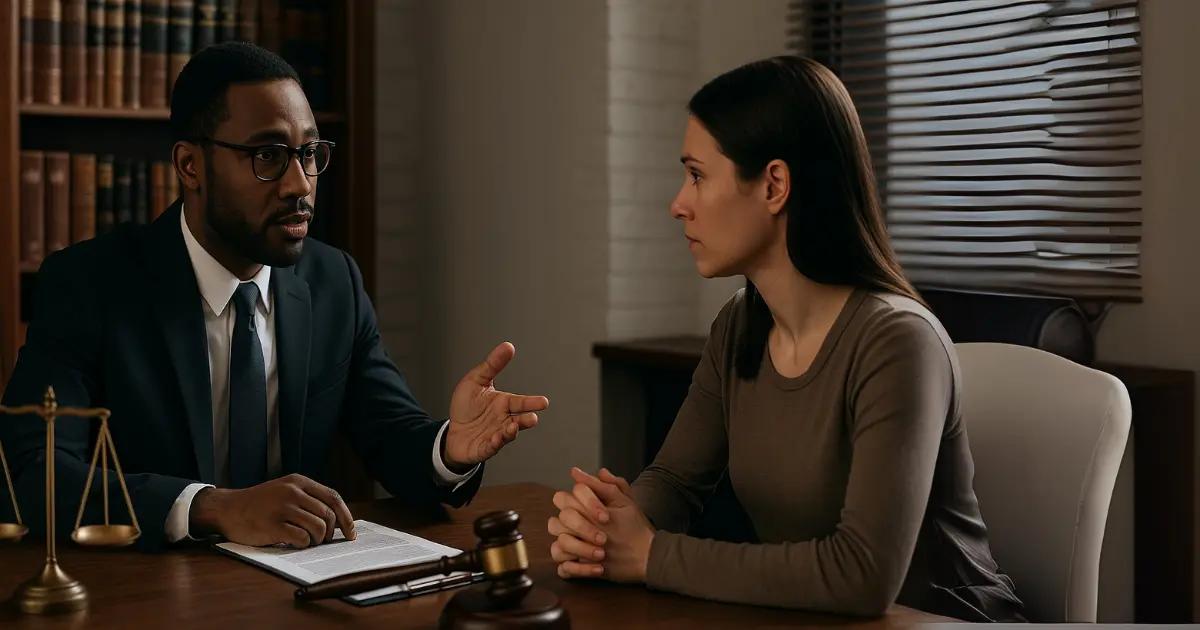
When you’re accused of a sex crime, your entire future hangs in the balance—your freedom, your reputation, your family relationships, and your ability to work. The criminal justice system moves quickly, and without proper legal representation, you risk having your constitutional rights violated at every stage of the process. A sex crime lawyer serves as your shield against prosecutorial overreach, illegal evidence gathering, and procedural violations that could result in wrongful conviction. Understanding exactly how specialized legal counsel protects your rights isn’t just important—it’s essential to securing the best possible outcome in what may be the most challenging situation you’ll ever face.
Why Legal Representation Is Critical in Sex Crime Cases
Sex crime allegations carry uniquely severe consequences that extend far beyond typical criminal charges. Unlike many other offenses, sex crime convictions often result in mandatory sex offender registration under statutes like Penal Code 290, which can follow you for decades or even life. This public registry status affects where you can live, work, and even travel, creating barriers that persist long after you’ve served any sentence.
The social stigma attached to sex crime accusations is immediate and devastating. Even before trial, you may lose your job, face estrangement from family members, and experience community ostracism. Prosecutors know this and often pursue these cases aggressively, even when evidence is questionable. A sex crime defense attorney understands these unique pressures and builds a defense strategy that addresses both the legal and collateral consequences you face.
Sex crime cases also involve highly technical evidence—forensic analysis, digital communications, medical examinations, and expert testimony about consent, trauma responses, and memory reliability. Without an attorney who specializes in these cases, you won’t have the expertise needed to challenge flawed forensic methods or cross-examine prosecution experts effectively. General criminal defense attorneys may lack the specific knowledge required to identify weaknesses in sex crime prosecutions.
The prosecution in sex crime cases typically has vast resources—dedicated sex crime units, victim advocates, and forensic specialists. Facing this institutional power alone, or with inadequate representation, puts you at an enormous disadvantage. A qualified criminal defense lawyer sex crimes specialist levels the playing field by bringing comparable expertise and resources to your defense.
Constitutional Rights You Have When Accused of a Sex Crime
Your constitutional protections remain intact even when facing serious sex crime allegations, though many people don’t realize the full scope of these rights when accused of sex crime charges. The Fourth Amendment protects you against unreasonable searches and seizures, meaning police cannot search your home, vehicle, phone, or computer without a valid warrant or your informed consent. Any evidence obtained through illegal searches can be suppressed and excluded from trial.
The Fifth Amendment guarantees your right to remain silent and protects you from self-incrimination. You are never required to speak to police, investigators, or prosecutors without your attorney present. This right applies from the moment of initial contact with law enforcement through trial and beyond. Anything you say can and will be used against you, which is why exercising this right is crucial in sex crime investigations.
Your Sixth Amendment rights include the right to legal counsel, the right to a speedy and public trial, the right to confront witnesses against you, and the right to an impartial jury. These protections are fundamental to ensuring fair treatment throughout the criminal justice process. A sex offense attorney rights specialist ensures these constitutional guarantees aren’t just theoretical—they’re actively enforced at every stage of your case.
The Fourteenth Amendment’s Due Process Clause requires that you receive fair treatment under the law and that the prosecution proves every element of the charged offense beyond a reasonable doubt. This high burden of proof is your protection against wrongful conviction, but it only works when you have competent legal representation to hold the prosecution accountable to this standard.
Understanding these rights intellectually is different from having them protected in practice. Police and prosecutors are trained to work within—and sometimes around—these protections. Only an experienced attorney can recognize when your rights are being violated and take immediate action to remedy the situation.
How a Lawyer Protects Your Right to Remain Silent
The right to remain silent is perhaps your most powerful protection, yet it’s also the most frequently waived by people who believe they can “explain the situation” to investigators. A sex crime lawyer protects this right by immediately establishing attorney-client privilege and instructing law enforcement that all communication must go through legal counsel. This creates a barrier that prevents investigators from using psychological tactics designed to elicit incriminating statements.
Police interrogation techniques are sophisticated and specifically designed to overcome your natural reluctance to confess. Investigators may claim they “just want to hear your side,” suggest that cooperation will result in leniency, or imply that refusing to talk makes you look guilty. These are all tactics to get you talking. Your attorney recognizes these strategies and ensures you don’t fall victim to them.
Even seemingly innocent statements can be twisted and used against you. Explaining where you were, what you were doing, or your relationship with the accuser can provide prosecutors with information to build their case. A sex crime defense lawyer reviews any statements you’ve already made to law enforcement and develops strategies to minimize their impact while preventing any further self-incrimination.
Your lawyer also protects your silence from being used against you. Prosecutors cannot comment on your decision not to testify, and juries must be instructed that exercising your Fifth Amendment rights cannot be considered evidence of guilt. Your attorney ensures these protections are enforced and objects to any prosecutorial attempts to suggest otherwise.
In some cases, your attorney may determine that providing a statement—under carefully controlled circumstances—serves your defense. This decision is made strategically, with full preparation, and only when the benefits clearly outweigh the risks. This is vastly different from speaking to police without representation, where you have no control over how your words will be interpreted or used.
Preventing Illegal Searches and Seizures of Evidence
Digital evidence has become central to most sex crime prosecutions—text messages, emails, social media communications, photos, videos, and browsing history. Law enforcement often seeks to search phones, computers, tablets, and cloud storage accounts. A sex crime defense attorney scrutinizes every search warrant and consent form to ensure police followed proper constitutional procedures when obtaining this evidence.
Warrants must be based on probable cause and must specifically describe the places to be searched and items to be seized. General “fishing expeditions” violate the Fourth Amendment. Your attorney examines warrant applications to determine whether investigators provided truthful information to judges and whether the scope of the search exceeded what the warrant authorized. Evidence obtained through invalid warrants can be suppressed, potentially destroying the prosecution’s case.
Many people unknowingly consent to searches they could legally refuse. Police may ask to “take a quick look” at your phone or computer, implying you have no choice. Your attorney protects you by ensuring you understand when you can refuse consent and by challenging any searches where consent was coerced or obtained through deception. If you’ve already consented to a search, your lawyer investigates whether that consent was truly voluntary and informed.
Your attorney also protects against illegal seizures of physical evidence—clothing, bedding, DNA samples, or other materials. Proper chain of custody must be maintained, and evidence must be collected according to established protocols. Any breaks in this chain or procedural violations can render evidence inadmissible, which your defense attorney will aggressively pursue.
In cases involving allegations against minors, investigators often seek access to the alleged victim’s communications and social media. Your defense attorney can petition for access to this evidence when it’s relevant to your defense, ensuring that exculpatory evidence isn’t hidden from view. This balanced approach to evidence gathering is something only skilled legal counsel can navigate effectively.
Protecting You During Police Interrogations and Interviews
Police interrogations in sex crime cases are psychologically intense experiences designed to break down your resistance and obtain confessions. Investigators receive specialized training in interrogation techniques that exploit cognitive biases, emotional vulnerability, and fear. A criminal defense lawyer sex crimes specialist prevents these tactics from being used against you by either being present during any questioning or advising you to refuse interrogation entirely.
The Reid Technique and other interrogation methods involve creating a sense of inevitability—suggesting that evidence against you is overwhelming and that confession is your only option for leniency. Investigators may minimize the seriousness of allegations, offer sympathy, or present hypothetical scenarios to get you talking. These tactics have resulted in numerous false confessions, particularly in emotionally charged sex crime cases. Your attorney recognizes these methods and shields you from their psychological impact.
If you’ve already been interrogated without counsel, your lawyer reviews recordings or transcripts to identify coercive tactics, false promises, or violations of Miranda rights. Statements obtained through coercion, after you’ve invoked your right to counsel, or without proper Miranda warnings can be suppressed. This requires detailed legal analysis that only experienced defense counsel can provide.
Your attorney also protects you during “informal” conversations with investigators. Police may contact you at work, at home, or in public settings, claiming they just want to “clear things up” without formal interrogation. These encounters are still legally significant, and anything you say can be used against you. Your lawyer instructs law enforcement that all contact must go through your legal representation, preventing these ambush-style conversations.
In cases where cooperating with investigators might benefit your defense, your attorney negotiates the terms of any interview—ensuring it occurs in a controlled setting, with clear boundaries on topics, and with your lawyer present to intervene if questioning becomes improper. This strategic approach to communication with law enforcement is impossible without professional legal guidance.
How Defense Attorneys Challenge Unreliable Evidence
Sex crime cases often rely heavily on testimonial evidence, which can be unreliable for numerous psychological and scientific reasons. A sex crime lawyer brings expert knowledge of memory science, trauma psychology, and suggestive interviewing techniques to challenge prosecution evidence that appears credible on the surface but crumbles under scrutiny.
Memory is reconstructive, not reproductive—people don’t recall events like playing back a video recording. Instead, memories are rebuilt each time they’re accessed, making them vulnerable to distortion, suggestion, and contamination. Your defense attorney may retain expert witnesses in cognitive psychology to explain to juries how memory works and why alleged victim testimony may be genuinely believed by the witness yet factually inaccurate.
In cases involving child accusers, your attorney examines how interviews were conducted. Suggestive questioning, repeated interviews, and leading questions can implant false memories in children. Forensic interview protocols exist to minimize these risks, but they’re not always followed. Your lawyer reviews interview recordings to identify improper techniques and may seek to exclude testimony obtained through suggestive methods.
Physical and forensic evidence also requires careful scrutiny. DNA evidence, while powerful, must be properly collected, stored, and analyzed. Your attorney ensures that forensic laboratories followed proper protocols and may retain independent experts to review forensic findings. In many cases, forensic evidence is less conclusive than prosecutors claim, and skilled defense counsel exposes these limitations to juries.
Digital evidence presents unique challenges. Metadata can be manipulated, accounts can be accessed by multiple people, and timestamps can be unreliable. Your sex offense attorney rights specialist works with digital forensics experts to authenticate electronic evidence and identify potential tampering or alternative explanations for digital communications that prosecutors claim are incriminating.
Character evidence and prior allegations also require strategic handling. While evidence of your character generally isn’t admissible in criminal trials, prosecutors may try to introduce prior accusations or “pattern evidence.” Your attorney files motions to exclude this prejudicial information and, when it is admitted, presents context that undermines its relevance to the current charges.
Safeguarding Your Right to a Fair Trial and Impartial Jury
The Sixth Amendment guarantees your right to trial by an impartial jury, but achieving this in sex crime cases is particularly challenging due to the emotional nature of allegations and pervasive media coverage. A sex crime defense attorney protects this right through careful jury selection, strategic use of pretrial motions, and vigilant monitoring of courtroom proceedings for bias or prejudice.
Jury selection (voir dire) is critical in sex crime cases. Your attorney questions potential jurors to identify biases related to sexual assault, victim advocacy movements, personal experiences with sexual violence, or preconceived notions about defendants. Potential jurors who cannot set aside these biases are challenged for cause. Your lawyer also uses peremptory challenges strategically to remove jurors who may harbor subtle prejudices that don’t rise to the level of cause challenges.
Pretrial publicity can poison the jury pool, particularly in high-profile sex crime cases. Your attorney may file motions for change of venue if local media coverage has been so pervasive and prejudicial that finding impartial jurors becomes impossible. Even in less publicized cases, your lawyer ensures that jurors haven’t been exposed to inadmissible information about your case through news reports or social media.
During trial, your attorney monitors for prosecutorial misconduct—improper arguments, inflammatory language, or attempts to appeal to jurors’ emotions rather than evidence. Objections must be made in real-time to preserve issues for appeal, and only experienced trial counsel knows when and how to object without alienating the jury. Your lawyer also ensures that jury instructions accurately reflect the law and don’t improperly favor the prosecution.
The presumption of innocence is your shield, but it requires active protection. Prosecutors may subtly undermine this presumption through their arguments and presentation of evidence. Your defense attorney reinforces the presumption of innocence throughout trial, reminds jurors of the prosecution’s burden of proof beyond a reasonable doubt, and ensures that the jury understands they must acquit if the prosecution fails to meet this high standard.
Your right to confront witnesses—including your accuser—is also protected by your attorney. Cross-examination is often the most powerful tool for exposing inconsistencies, bias, or fabrication in testimony. A skilled sex crime defense lawyer conducts cross-examinations that are effective yet respectful, avoiding tactics that might create sympathy for witnesses while still revealing weaknesses in their testimony.
Negotiating Plea Deals vs. Going to Trial: Your Lawyer's Role
One of the most consequential decisions in any sex crime case is whether to accept a plea agreement or proceed to trial. This decision requires careful analysis of evidence strength, potential sentences, collateral consequences, and your personal circumstances. A criminal defense lawyer sex crimes specialist provides the expertise needed to make this decision strategically rather than emotionally.
Plea negotiations in sex crime cases are complex because they involve not just the criminal sentence but also sex offender registration requirements, probation conditions, and long-term consequences for employment, housing, and family relationships. Your attorney evaluates any plea offer against these multiple dimensions, ensuring you understand exactly what you’re agreeing to and what alternatives exist.
Prosecutors often overcharge in sex crime cases, filing the most serious possible charges to create leverage for plea negotiations. Your lawyer recognizes this tactic and works to negotiate charges down to offenses with less severe consequences. In some cases, your attorney may negotiate for charges that don’t require sex offender registration or that allow for expungement after successful completion of probation.
Your attorney also assesses trial risks realistically. While everyone is presumed innocent, juries can be unpredictable, particularly in emotionally charged sex crime cases. Your lawyer evaluates the strength of the prosecution’s evidence, the credibility of witnesses, and the likelihood of conviction if the case goes to trial. This honest assessment allows you to make an informed decision about whether a plea offer is in your best interest.
If you choose to reject a plea offer and proceed to trial, your attorney prepares a comprehensive trial strategy. This includes identifying and retaining expert witnesses, filing pretrial motions to exclude prejudicial evidence, preparing cross-examination strategies for prosecution witnesses, and developing a compelling narrative that creates reasonable doubt. Trial preparation is extensive and requires resources that only dedicated legal counsel can provide.
Conversely, if you decide to accept a plea agreement, your attorney ensures that the agreement is properly documented, that you understand all consequences, and that the court accepts the plea according to proper legal procedures. Your lawyer also advocates for the most favorable sentencing possible within the terms of the agreement, presenting mitigating factors and arguing for alternatives to incarceration when appropriate.
Protecting Your Reputation and Privacy Throughout the Case
Sex crime allegations can destroy your reputation before you ever set foot in a courtroom. A sex crime lawyer works to protect your privacy and minimize reputational damage throughout the legal process, recognizing that the collateral consequences of accusations can be as devastating as formal legal penalties.
Your attorney may file motions to seal court records or limit public access to case documents containing sensitive personal information. While criminal proceedings are generally public, certain information—particularly in cases involving minors or sensitive allegations—can sometimes be protected from public disclosure. Your lawyer explores all available options for maintaining privacy to the extent the law allows.
Media attention is a significant concern in many sex crime cases. Your attorney serves as your spokesperson, providing carefully crafted statements to media when necessary while advising you to avoid making any public comments that could be used against you. In high-profile cases, your lawyer may work with public relations professionals to manage media coverage and counter false narratives.
Social media presents unique challenges. Anything you post online can be discovered and used as evidence. Your sex crime defense attorney advises you on social media use during your case and may recommend temporarily deactivating accounts or adjusting privacy settings. Your lawyer also monitors social media for potentially exculpatory evidence—posts by the accuser or witnesses that contradict their testimony or reveal bias.
Your attorney protects your employment and professional licenses to the extent possible. Many people facing sex crime allegations are required to report arrests or charges to employers or licensing boards. Your lawyer helps you navigate these reporting requirements, advises on what information must be disclosed, and advocates on your behalf with employers or licensing authorities when appropriate.
Family relationships often suffer during sex crime cases, particularly when allegations involve family members or when protective orders are issued. Your attorney works to modify protective orders when appropriate, facilitates supervised visitation arrangements, and helps maintain family connections to the extent legally permissible. These efforts recognize that your life extends beyond the criminal case and that preserving important relationships is crucial to your long-term wellbeing.
What Happens If You Don't Have a Lawyer in a Sex Crime Case
Facing sex crime charges without legal representation is extraordinarily dangerous and almost always results in worse outcomes than having qualified counsel. The criminal justice system is complex, adversarial, and designed for professionals—attempting to navigate it alone puts you at severe disadvantage at every stage of the process.
Without a lawyer, you’re likely to make critical mistakes during initial police contact. You may waive your right to remain silent, consent to searches you could have refused, or provide statements that seem exculpatory but actually strengthen the prosecution’s case. These early mistakes can be impossible to undo and may determine the outcome of your case before formal charges are even filed.
You won’t understand the charges against you or the potential consequences. Sex crime statutes are technical and vary significantly by jurisdiction. Without legal expertise, you won’t know whether you’re charged with a felony or misdemeanor, what the maximum sentence is, whether sex offender registration is required, or what collateral consequences you face. This ignorance prevents you from making informed decisions about your defense.
Representing yourself means you’ll be unfamiliar with rules of evidence, courtroom procedures, and trial strategy. You won’t know which evidence is admissible, how to object to improper prosecution tactics, or how to effectively cross-examine witnesses. Judges will not provide you with legal advice or make allowances for your lack of knowledge—you’ll be held to the same standards as licensed attorneys.
The prosecution has no obligation to be fair to you—their job is to secure a conviction. Without a defense attorney to hold them accountable, prosecutors may engage in overcharging, withhold exculpatory evidence, or use tactics that violate your rights. You won’t recognize these violations or know how to challenge them, leaving you vulnerable to prosecutorial misconduct.
You’ll also lack access to expert witnesses and investigators who are often essential to sex crime defenses. Forensic experts, psychologists, digital forensics specialists, and private investigators are expensive and require legal knowledge to retain and direct effectively. Without these resources, you cannot challenge the prosecution’s evidence or present alternative explanations for the allegations against you.
For those who cannot afford private counsel, public defenders are available, though they’re often overworked and under-resourced. While many public defenders are skilled and dedicated, they typically handle enormous caseloads that limit the time they can devote to each case. If you qualify for a public defender, you should absolutely accept this representation rather than proceeding alone. For those seeking additional resources, organizations offering free legal aid near me or free lawyers for low-income families may provide referrals or limited assistance, though comprehensive representation in serious sex crime cases typically requires dedicated counsel.
How to Choose the Right Sex Crime Defense Attorney
Selecting the right attorney is perhaps the most important decision you’ll make in your sex crime case. Not all criminal defense lawyers have the specialized knowledge and experience required for these complex cases. Your choice of counsel can literally determine whether you maintain your freedom or spend years in prison, making careful selection essential.
Specialization matters significantly in sex crime defense. Look for attorneys who dedicate a substantial portion of their practice to sex crime cases specifically, not just general criminal defense. These lawyers understand the unique evidentiary issues, forensic science, psychological factors, and trial strategies that apply to sex crime prosecutions. Ask potential attorneys what percentage of their caseload involves sex crimes and how many sex crime trials they’ve handled.
Trial experience is critical because the threat of going to trial strengthens your negotiating position in plea discussions. Prosecutors offer better deals to defendants represented by attorneys with proven trial skills because they know these lawyers will actually take cases to trial if necessary. Ask potential attorneys about their trial record—how many trials they’ve conducted, their win-loss record, and whether they’ve handled cases similar to yours.
Resources and support staff also matter. Complex sex crime cases require investigators, expert witnesses, and administrative support. Solo practitioners may struggle to provide these resources, while larger firms or attorneys with established networks can assemble comprehensive defense teams. Ask potential attorneys what resources they can bring to your case and whether they work with investigators and experts regularly.
Personal compatibility is important because you’ll be working closely with your attorney during an extremely stressful period. You need someone who communicates clearly, responds to your questions promptly, and treats you with respect despite the allegations you face. During initial consultations, assess whether the attorney listens to your concerns, explains legal concepts in understandable terms, and demonstrates genuine interest in your case.
Fee structures vary among attorneys. Some charge flat fees for representation through trial, while others bill hourly. Understand exactly what services are covered by quoted fees and what additional costs might arise. While cost is a consideration, the cheapest attorney is rarely the best choice in serious sex crime cases. If finances are a concern, ask about payment plans or whether the attorney accepts cases on a sliding scale. Some organizations provide free lawyers for low-income families near me or can connect you with pro bono sex offender lawyers near me, though availability varies by location.
Credentials and reputation provide useful information about attorney quality. Look for attorneys who are members of organizations like the National Association of Criminal Defense Lawyers or state criminal defense associations. Some attorneys earn recognition as super lawyers or receive other professional accolades, though these honors should be considered alongside other factors. Online reviews can be helpful but should be evaluated critically, as they may not reflect the full picture of an attorney’s capabilities.
Geographic location matters because criminal law varies by state and even by county. An attorney licensed and experienced in your jurisdiction will understand local court procedures, know the prosecutors and judges, and be familiar with how sex crime cases are typically handled in your area. If you’re in a specific location like New York or Florida, searching for sex offender lawyers in new york or sex offender lawyers in florida ensures you find counsel familiar with your state’s specific statutes and procedures.
Initial consultations are typically free or low-cost and provide an opportunity to evaluate potential attorneys. Prepare for these meetings by organizing relevant documents, writing down questions, and being ready to discuss your case honestly. Most attorneys offer a free lawyer consultation over the phone or in person, allowing you to assess multiple lawyers before making a decision. During consultations, ask about the attorney’s assessment of your case, potential defense strategies, likely outcomes, and what you should do immediately to protect your rights.
For those with limited financial resources, several options exist beyond private counsel. Public defender offices serve indigent defendants in criminal cases, though you must qualify based on income. Legal aid organizations may provide free attorney services or referrals to low-cost counsel. Some bar associations operate lawyer referral services that can connect you with qualified attorneys, and many offer reduced-fee initial consultations. While resources like free legal advice hotline 24/7 services or opportunities to talk to a lawyer for free 24/7 chat online can provide general guidance, they typically cannot replace comprehensive representation in serious criminal cases.
Ultimately, the best sex crime defense attorney for your case is one who combines specialized expertise, proven trial skills, adequate resources, and personal compatibility with your needs. This decision deserves careful research and consideration—your future depends on it. Don’t rush the selection process, and don’t choose an attorney based solely on cost or convenience. The right legal representation is an investment in your freedom, your reputation, and your future.
Sex crime allegations represent one of the most serious threats to your liberty and wellbeing that you’ll ever face. The criminal justice system is designed to be adversarial, and without skilled legal representation, you stand little chance of protecting your constitutional rights or achieving a favorable outcome. A qualified sex crime lawyer serves as your advocate, your shield against rights violations, and your guide through an incredibly complex legal process. From the moment of accusation through trial and beyond, specialized legal counsel makes the difference between a fighting chance at justice and almost certain conviction. If you’re facing sex crime allegations, securing experienced legal representation isn’t just advisable—it’s absolutely essential to protecting your rights and your future.
Frequently Asked Questions
What does a sex crime lawyer do?
A sex crime lawyer defends individuals accused of sexual offenses by protecting their constitutional rights throughout the criminal justice process. They investigate the allegations, challenge illegal evidence, negotiate with prosecutors, and build a defense strategy tailored to the specific charges. A skilled sex crime lawyer also works to minimize damage to your reputation and employment while fighting for the best possible outcome, whether that’s case dismissal, reduced charges, or acquittal at trial.
Should I hire a private sex crime lawyer or use a public defender?
While public defenders are qualified attorneys, a private sex crime lawyer typically has more time and resources to dedicate to your case. Private attorneys often specialize exclusively in sex crime defense, giving them deeper expertise in this complex area of law. They can also begin working on your case immediately, conduct independent investigations, and provide more personalized attention during this critical time when your future is at stake.
What qualifies as a sex crime?
Sex crimes include a wide range of offenses such as rape, sexual assault, child molestation, statutory rape, indecent exposure, possession of child pornography, and sexual battery. These charges can also include internet-based crimes like solicitation of a minor online or revenge porn distribution. The specific definition and severity varies by state law, but all sex crimes carry serious penalties including prison time, mandatory sex offender registration, and lifelong consequences for employment and housing.
What happens to a first-time sex offender?
First-time sex offenders face serious consequences that depend on the specific charge, jurisdiction, and circumstances of the case. Even without prior criminal history, convictions typically result in prison time, mandatory sex offender registration, probation with strict conditions, and court-ordered treatment programs. However, a sex crime lawyer may be able to negotiate alternative sentencing, reduced charges, or even case dismissal for first-time offenders, especially in cases involving false accusations or consensual situations mischaracterized as crimes.
What rights do you lose as a convicted sex offender?
Convicted sex offenders face severe restrictions including mandatory registration on public sex offender databases, residency restrictions that limit where you can live, employment barriers in most industries, and prohibitions from being near schools or parks. You may also lose the right to possess firearms, face travel restrictions including international bans, lose custody or visitation rights with your children, and experience difficulty finding housing due to landlord policies. These consequences can last decades or even a lifetime depending on the offense and state laws.
Can I be convicted of a sex crime based solely on an accusation?
Yes, convictions can occur based primarily on victim testimony without physical evidence, which is why having an experienced sex crime lawyer is critical. Many sex crime cases involve “he said, she said” scenarios where the prosecution relies on the accuser’s credibility. Your attorney will challenge inconsistencies in the accuser’s story, investigate their motives, present alibi evidence, and expose any procedural violations to create reasonable doubt and protect you from wrongful conviction.
What should I do immediately after being accused of a sex crime?
Immediately contact a sex crime lawyer and exercise your right to remain silent—do not speak to police, investigators, or the accuser without legal representation present. Anything you say can be misinterpreted and used against you, even if you’re trying to explain your innocence. Preserve any evidence that supports your defense, including text messages, emails, photos, or witness information, and provide this only to your attorney who can properly use it to build your defense strategy.
How can a lawyer defend against false sex crime accusations?
A sex crime lawyer defends against false accusations by thoroughly investigating the accuser’s background, motives, and credibility while identifying inconsistencies in their story. They gather exculpatory evidence such as alibi witnesses, digital communications showing consent or contradicting the timeline, and expert testimony on false memory or coerced statements. Your attorney will also challenge improper police interrogation tactics and ensure that your constitutional rights weren’t violated during the investigation.
What is the hardest aspect of defending a sex crime case?
The hardest aspect is overcoming the presumption of guilt that often exists in the court of public opinion and sometimes even in the courtroom. Sex crime cases carry intense stigma, and juries may be predisposed to believe accusers regardless of evidence quality. Additionally, these cases often lack physical evidence and rely heavily on credibility assessments, making it challenging to prove innocence when the burden should be on the prosecution to prove guilt beyond reasonable doubt.
How much does a sex crime lawyer cost?
Sex crime defense attorneys typically charge between $5,000 to $25,000 for misdemeanor cases and $15,000 to $100,000+ for felony cases, depending on case complexity, attorney experience, and geographic location. While this seems expensive, the cost of conviction—including prison time, lifetime registration, and destroyed career prospects—far exceeds legal fees. Many sex crime lawyers offer payment plans or flat-fee arrangements, and investing in experienced representation is essential when your entire future is at stake.
You May Also Like

Back Injury Claim Denied? How to Appeal & Win Your Case

Domestic Violence Against Men: Legal Rights & Resources