Sibling Bonding Activities for Foster Children: 12+ Hobbies

Foster siblings often enter a home carrying invisible backpacks filled with trauma, loss, and uncertainty. When children from the same biological family are placed together, or when unrelated foster children share a home, sibling bonding activities for foster children become essential tools for healing and connection. These shared experiences create safe spaces where trust can grow, emotions can be processed, and genuine relationships can form. Unlike children who grow up in stable environments, foster siblings may have experienced separation, witnessed domestic violence, or endured neglect that makes trusting another person—even a sibling—feel dangerous. Structured hobbies and activities provide the framework these children need to build connections without the pressure of forced emotional intimacy.
The beauty of shared hobbies lies in their ability to create positive memories and establish routines that foster children desperately need. When siblings work together on a project, play a cooperative game, or learn a new skill side-by-side, they’re not just passing time—they’re building neural pathways that associate each other with safety, fun, and accomplishment. For foster parents and caregivers reading this, you’re about to discover practical, actionable strategies you can implement today, regardless of your budget or the specific challenges your foster children face.
Why Shared Hobbies Matter for Foster Siblings
The relationship between fostering siblings differs fundamentally from typical sibling dynamics. Many foster children have experienced disrupted attachments, making it difficult to form healthy bonds with anyone, including brothers and sisters. Shared hobbies serve multiple therapeutic purposes that address these specific challenges.
First, foster sibling activities create structured interaction time that feels purposeful rather than forced. Children who struggle with emotional vulnerability often find it easier to connect while focusing on an external task. Building a model airplane together or decorating cookies removes the intensity of direct eye contact and emotional conversation, allowing relationships to develop organically. This parallel play and work creates what therapists call “shoulder-to-shoulder” bonding, which feels safer than “face-to-face” interaction for traumatized children.
Second, hobbies provide opportunities for positive reinforcement and shared success. Foster children frequently carry narratives of failure and inadequacy. When siblings complete a puzzle together, score a goal as teammates, or successfully bake bread, they’re rewriting their stories. These accomplishments become shared memories that form the foundation of sibling identity—”Remember when we finally got that kite to fly?” becomes a touchstone of connection.
Third, regular hobby time establishes predictability and routine, which are crucial for children from chaotic backgrounds. Knowing that every Saturday morning means art time with their sibling, or that Wednesday evenings are for cooking together, creates anchors of stability. This predictability helps regulate nervous systems that have been stuck in survival mode, allowing the brain to shift from threat-detection to connection-building.
Research consistently shows that children who maintain sibling relationships in foster care experience better outcomes, including improved mental health, stronger identity formation, and increased placement stability. Shared hobbies aren’t just pleasant activities—they’re therapeutic interventions that support these critical relationships.
Age-Appropriate Hobbies for Foster Children of Different Ages
One of the most common challenges foster parents face is managing activities when siblings have significant age gaps. A teenager and a preschooler require different approaches, yet finding hobbies for foster kids that engage both is entirely possible with thoughtful planning.
For younger children (ages 3-7), focus on sensory-rich activities that don’t require complex instructions. Simple activities like playdough creation, water play, bubble-making, or building with large blocks allow older siblings to take leadership roles while younger ones explore freely. The older child can model behavior and provide gentle guidance, which builds their confidence and nurtures protective instincts. Consider activities like nature scavenger hunts where each child searches for items appropriate to their ability level, or collaborative art projects where the younger child adds handprints while the older one paints details.
For elementary-aged children (ages 8-11), introduce hobbies that involve skill progression and tangible results. This age group thrives on seeing improvement and achieving goals. Board games with cooperative elements, basic coding projects, gardening with visible growth, or collecting hobbies (rocks, leaves, stamps) work exceptionally well. These children can also begin learning instruments together, starting simple rhythm exercises that both can participate in regardless of skill level.
For teenagers (ages 12-18), respect their need for autonomy while creating opportunities for connection. Older foster youth often resist activities that feel childish or forced. Instead, focus on hobbies that feel mature and offer real-world skills: cooking complete meals, photography projects, fitness challenges, or learning video editing. When pairing teenagers with younger siblings, frame activities as mentorship opportunities. A teen teaching a younger sibling to shoot basketball, edit photos, or style hair transforms the dynamic from forced togetherness to valued leadership.
When working with mixed-age sibling groups, choose scalable activities where each child contributes at their level. Cooking is ideal—a teenager can measure and follow recipes, a middle-schooler can mix ingredients, and a young child can pour and stir. Movie-making projects allow the teen to direct and film, the middle child to act and create props, and the youngest to be the star. The key is ensuring every child feels their contribution matters equally.
Creative Arts and Crafts Activities That Build Connection
Arts and crafts offer unparalleled opportunities for emotional expression and connection among foster siblings. The creative process naturally encourages communication, compromise, and collaboration while providing a non-threatening outlet for processing difficult emotions.
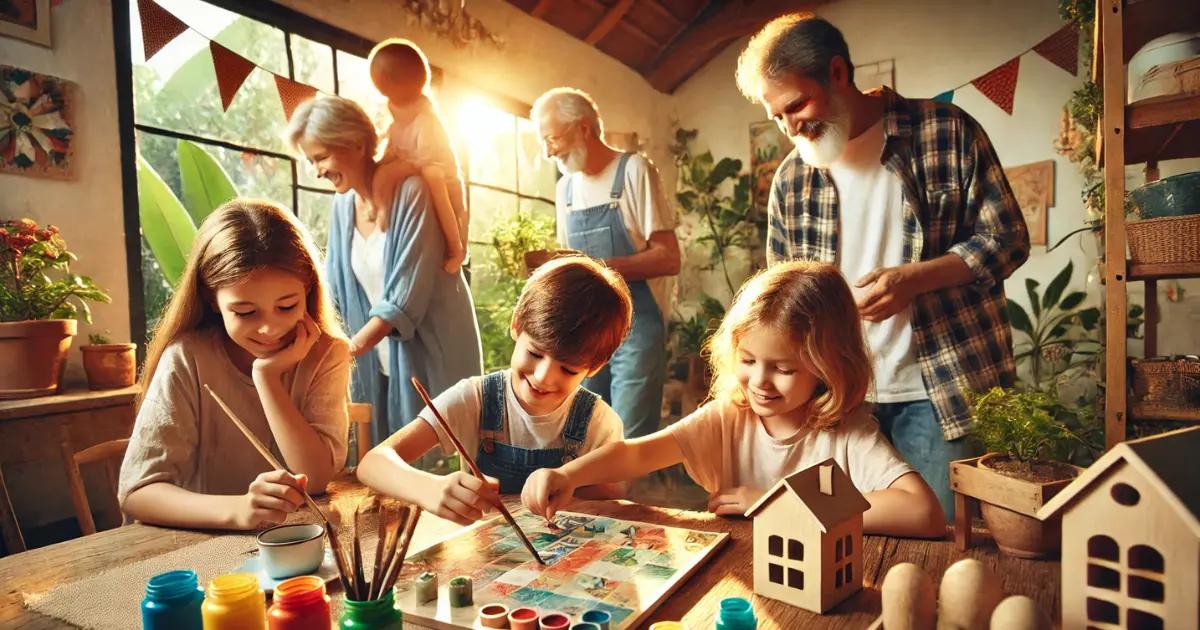
Start with collaborative canvas projects where siblings work on the same piece of art. Purchase an inexpensive large canvas or use poster board, and let each child choose colors and sections to paint. The resulting artwork becomes a visual representation of their combined efforts—imperfect, unique, and entirely theirs. This activity works particularly well because there’s no “right” way to do it, removing performance anxiety that many foster children carry.
Consider memory boxes or scrapbooking as ongoing projects. Provide each sibling group with a decorated box or binder where they can collect mementos from their time together—ticket stubs, photos, drawings, pressed flowers from walks. This creates a tangible record of their shared history, which is especially meaningful for children whose past may feel fragmented or lost. The act of deciding together what to include builds decision-making skills and validates each child’s perspective.
Try clay or playdough sculpting sessions where siblings create figures or objects together. The tactile nature of clay is inherently calming and can help regulate children who are dysregulated. Siblings might build a zoo together, with each child responsible for certain animals, or create a miniature town. The three-dimensional nature of sculpture encourages spatial reasoning and problem-solving as they figure out how to make structures stand or connect pieces.
Tie-dye, fabric painting, or t-shirt design projects create wearable reminders of time spent together. When siblings wear matching or coordinating shirts they designed, it reinforces their connection and creates a sense of belonging to a unit. This visible symbol can be particularly powerful for children who struggle with identity and belonging.
For children who need emotional outlets, writing allow self-expression through collaborative storytelling projects. Siblings can create comic books together, write and illustrate stories, or keep a shared journal where they take turns adding entries. This combines literacy development with emotional processing and creates a narrative of their relationship that they control.
Outdoor Activities and Sports for Sibling Bonding
Physical activity releases endorphins, reduces stress hormones, and provides healthy outlets for the big emotions foster children often carry. Outdoor foster sibling activities combine these benefits with the relationship-building power of shared adventure and achievement.
Nature exploration and hiking offer low-pressure bonding opportunities. The act of walking side-by-side naturally facilitates conversation without the intensity of sitting face-to-face. Create nature journals where siblings document what they observe—birds, insects, interesting plants. Geocaching adds an element of treasure hunting that appeals to a wide age range and teaches map-reading and problem-solving skills. The shared goal of finding the cache creates natural cooperation.
Bike riding works beautifully for building trust between foster siblings. Older children can teach younger ones to ride, which creates a powerful mentorship dynamic. Once both can ride, exploring neighborhood trails together provides freedom and adventure. The physical distance while riding allows for comfortable silence, while stops for water or snacks create natural conversation opportunities.
Team sports and games teach cooperation and communication in structured ways. Rather than competitive sports that pit siblings against each other, focus on activities where they’re teammates. Two-person volleyball, tandem frisbee games, or partner relay races require coordination and mutual support. Even simple activities like playing catch or kicking a soccer ball back and forth create rhythmic, repetitive interactions that are soothing for traumatized nervous systems.
Gardening projects provide long-term engagement and teach responsibility. Assign siblings a garden bed or container garden to care for together. They must cooperate to decide what to plant, create a watering schedule, and maintain their space. Watching seeds grow into plants provides tangible evidence that care and consistency yield results—a powerful metaphor for relationships. Harvesting vegetables or flowers together and using them in meals or decorations creates a sense of pride and accomplishment.
Water activities during warm months offer sensory regulation benefits alongside fun. Simple activities like running through sprinklers, having water balloon tosses (cooperative, not combative), or washing the family car together combine play with purposeful work. Swimming, if accessible, is excellent for body awareness and can be adapted for various skill levels with older siblings helping younger ones gain confidence in the water.
Cooperative Games and Team-Building Hobbies
Traditional competitive games often trigger foster children who already feel they’re competing for attention, resources, and belonging. Building trust between foster siblings requires activities where success depends on working together rather than defeating each other.
Cooperative board games have exploded in popularity and offer excellent options for foster families. Games like “Forbidden Island,” “Outfoxed,” or “Race to the Treasure” require players to work as a team against the game itself. These teach strategic thinking, communication, and the understanding that everyone wins or loses together. For younger children, simple games like “Hoot Owl Hoot” or “Count Your Chickens” introduce cooperative play concepts.
Puzzle building is deceptively powerful for sibling bonding. Large puzzles (500-1000 pieces) become ongoing projects that siblings return to repeatedly. The meditative quality of searching for pieces and the satisfaction of fitting them together creates a calm, focused environment. Siblings naturally divide labor—one might sort by color while another works on edges—learning to appreciate different working styles. Completing a puzzle together provides a clear, visual accomplishment that can be glued and framed as a reminder of their teamwork.
Building challenges with household items cost nothing and spark creativity. Challenge siblings to build the tallest tower with plastic cups, create a marble run with cardboard tubes, or construct a fort with blankets and furniture. Set a timer and work together to complete the challenge. These activities require communication, compromise, and collaborative problem-solving. The temporary nature means there’s no pressure for perfection, and the inevitable collapses often become the most memorable, laughter-filled moments.
Escape room experiences (either commercial or DIY home versions) create intense bonding through shared challenge. Many communities offer family-friendly escape rooms, or you can create simple versions at home using locked boxes, clues, and puzzles. The time pressure and need to combine different perspectives to solve puzzles naturally builds teamwork. Successfully “escaping” together creates a powerful shared memory and inside jokes that strengthen sibling bonds.
Video games with cooperative modes can be valuable tools when used intentionally. Choose games that require teamwork rather than competition—games like “Minecraft” in creative mode, “Overcooked,” or “It Takes Two” demand communication and cooperation. Set clear time limits and ensure gaming is balanced with physical activities, but don’t dismiss the bonding potential of shared digital experiences, especially for older children and teens.
Music and Performance Activities for Emotional Expression
Music and performance arts provide unique pathways for processing emotions and building connections, particularly for children who struggle with verbal expression. These activities for traumatized children offer structure while allowing emotional release.
Creating a family band requires no formal training. Gather simple instruments—drums, shakers, tambourines, recorders, or even homemade instruments from household items. Set aside time for jam sessions where siblings experiment with sounds and rhythms together. There’s no right or wrong, just exploration. As comfort grows, siblings might create simple songs together or learn easy pieces. The rhythmic nature of music is inherently regulating for dysregulated nervous systems.
Dance parties and movement activities release physical tension and create joyful memories. Create playlists together where each sibling contributes favorite songs, then have regular dance sessions. Introduce simple partner dances or create choreography together for a favorite song. Movement-based activities are particularly valuable for children who’ve experienced trauma, as they help reconnect mind and body. Silly dance-offs where siblings try to make each other laugh build playfulness into the relationship.
Karaoke and singing together builds confidence and creates vulnerability in a safe context. Singing together requires breath coordination and creates literal harmony. Start with songs everyone knows, then let siblings teach each other their favorite songs. Recording performances (without pressure to share them) gives children control over their self-expression. For children who are self-conscious, singing in the car during drives provides a low-pressure environment.
Theater and drama activities allow children to explore different perspectives and emotions through characters. Siblings can put on plays for the family, create puppet shows, or film short movies together. Writing scripts collaboratively requires negotiation and compromise. Acting out stories—whether original or adapted from favorites—lets children safely explore big emotions through characters. The rehearsal process builds patience and the performance creates shared accomplishment.
Poetry and spoken word offer outlets for older children and teens. Siblings might attend poetry slams together, write poems for each other, or create a shared poetry journal. The condensed, metaphorical nature of poetry often feels safer for expressing difficult emotions than direct conversation. Reading poetry aloud to each other builds listening skills and emotional attunement.
Cooking and Baking Together as a Bonding Tool
The kitchen offers one of the most naturally collaborative environments for foster care sibling relationships to develop. Cooking and baking combine sensory experiences, clear goals, immediate rewards, and practical life skills in ways few other activities can match.
Weekly baking traditions create predictable rituals that foster children crave. Designate a day for siblings to bake together—cookies on Saturdays, bread on Sundays, or muffins for Monday breakfast. The repetition builds competence and confidence. As skills develop, siblings can take increasing ownership, eventually planning and executing recipes independently. The delicious results provide immediate positive reinforcement and can be shared with the family, giving children the joy of contributing.
Meal planning and preparation teaches responsibility and cooperation. Assign siblings to plan and prepare one family meal per week together. They must agree on a menu, create a shopping list, and work together to cook. This requires negotiation, compromise, and coordination. Younger children can wash vegetables, tear lettuce, or set the table while older ones handle more complex tasks. The family’s appreciation for the meal validates their efforts and strengthens their identity as a team.
Cultural cooking exploration can be particularly meaningful for foster children exploring identity. Research and prepare foods from their heritage or cultures they’re curious about. This opens conversations about background and identity in a concrete, non-threatening way. Creating a recipe book together of tried dishes builds a tangible record of their culinary adventures.
No-cook activities work well for younger children or when time is limited. Making trail mix, assembling sandwiches, creating fruit kabobs, or decorating pre-made items like graham crackers or rice crispy treats still provides collaboration and creativity without heat or sharp objects. These activities focus purely on the fun and cooperation without safety concerns.
Science experiments in the kitchen combine cooking with learning. Making rock candy, creating erupting “volcanoes” with baking soda and vinegar, or observing yeast activation turns the kitchen into a laboratory. These activities satisfy curiosity while teaching cause and effect—concepts that traumatized children often struggle with due to chaotic early experiences.
Building and Construction Hobbies for Problem-Solving Skills
Construction activities offer concrete, hands-on experiences that develop spatial reasoning, planning skills, and patience while creating natural opportunities for sibling cooperation and building trust between foster siblings.
LEGO and building block projects scale from simple to complex, accommodating various ages and abilities. Younger children can build basic structures while older ones tackle complex sets with thousands of pieces. Collaborative builds—creating a city, zoo, or fantasy world together—require planning and coordination. The modular nature means structures can be modified and rebuilt, teaching flexibility and the understanding that mistakes aren’t permanent. Display completed projects prominently to honor the work invested.
Model building teaches patience and attention to detail. Airplane, car, or ship models require following instructions carefully and working methodically. Older siblings can guide younger ones through the process, building mentorship skills. The focused concentration required is meditative and calming. Completing a model provides clear evidence of what sustained effort can achieve—a valuable lesson for children whose lives have felt chaotic and unpredictable.
Woodworking projects offer hands-on skill development with lasting results. Simple projects like birdhouses, picture frames, or small shelves are achievable for children with supervision. The process of measuring, cutting, sanding, and assembling teaches precision and the importance of each step. Working with real tools (age-appropriately) makes children feel capable and trusted. The finished products serve practical purposes, reinforcing that their efforts have value.
Fort and structure building with household materials taps into imaginative play while requiring engineering thinking. Challenge siblings to build structures with specific requirements—a fort that fits both of them, a bridge that can hold a toy car, or a tower taller than the youngest sibling. Provide materials like cardboard boxes, blankets, tape, and string. The planning, building, and inevitable problem-solving when structures collapse all contribute to bonding. These temporary creations focus on process over product, reducing perfectionism.
Robotics and coding projects introduce STEM concepts through hands-on building. Affordable robotics kits designed for children allow siblings to build and program simple robots together. Even without kits, free coding platforms offer collaborative projects where siblings can create games or animations together. These activities prepare children for future opportunities while teaching logical thinking and persistence.
How to Handle Conflict During Shared Activities
Conflict during sibling activities is inevitable and, when handled well, provides valuable learning opportunities. For foster children who may have witnessed or experienced violence, learning to navigate disagreement safely is crucial for healthy relationship development.
Establish clear expectations before activities begin. Create simple ground rules together: hands are for helping not hurting, everyone gets a turn to share ideas, it’s okay to disagree but not okay to name-call. Write these rules on poster board and review them before each activity. Having pre-established agreements reduces reactive responses when tensions rise.
Recognize early warning signs of escalation. Learn each child’s stress signals—voice pitch changes, body tension, withdrawal, or increased activity. Intervene early with a break before emotions explode. Say something like, “I notice energy is getting high. Let’s take a five-minute break for water and deep breaths, then come back.” This teaches children to recognize their own escalation patterns and that breaks are tools, not punishments.
Use “do-overs” as teaching tools. When interactions go poorly—someone grabs materials, speaks harshly, or excludes their sibling—pause the activity and offer a do-over. “That didn’t go well. Let’s rewind and try that again with kind words.” This technique, used in trauma-informed parenting, teaches that mistakes can be corrected and relationships can be repaired. It’s especially powerful for children who believe they’re fundamentally “bad” or that damaged relationships can’t be fixed.
Validate feelings while redirecting behavior. “I see you’re frustrated that your brother used the blue paint you wanted. It’s okay to feel upset. It’s not okay to knock over his painting. What could you do instead?” This approach acknowledges emotions as valid while maintaining behavioral boundaries. Many foster children have been punished for having feelings, so separating feelings from actions is crucial.
Teach and model conflict resolution skills explicitly. Don’t assume children know how to compromise or negotiate. Demonstrate: “When we both want the same thing, we can take turns, share, or find a different solution. Let’s try: you use the blue paint for five minutes, then your sister gets it for five minutes, or we could get another blue paint from the cabinet. Which sounds fair?” Walk through the process multiple times until it becomes familiar.
Celebrate successful conflict navigation. When siblings work through disagreement constructively, acknowledge it specifically: “I noticed you both wanted to be the leader, and you figured out you could take turns. That’s excellent problem-solving!” This positive reinforcement makes conflict resolution itself a source of pride rather than something to avoid.
Know when to end an activity. If emotions are too high or children are too dysregulated to continue safely, it’s okay to stop. “Today isn’t a good day for this activity. Let’s clean up and try again another time when everyone is feeling calmer.” This teaches that sometimes the best solution is stepping away, and that one difficult experience doesn’t mean the activity is ruined forever.
Recognizing Signs of Healthy Sibling Bonding
Foster parents often wonder whether their efforts are working. Sibling bonding time produces subtle but meaningful changes that indicate growing connection and trust. Recognizing these signs helps you know you’re on the right track and identifies which activities are most effective.
Spontaneous interaction increases. When siblings begin seeking each other out outside of structured activity time, bonding is occurring. You might notice them playing together unprompted, one child showing the other something they found interesting, or siblings choosing to sit near each other during quiet time. This voluntary proximity indicates growing comfort and preference for each other’s company.
Inside jokes and shared language develop. Siblings who are bonding create their own communication shorthand—nicknames, references to shared experiences, or phrases that make them both laugh. These linguistic markers signal that they’re building a shared history and identity. When you hear “Remember when we…” followed by laughter, bonding is happening.
Protective behaviors emerge. Notice when one sibling defends the other, shares without being prompted, or shows concern when their brother or sister is upset. A child offering their favorite toy to comfort a sad sibling, or standing up for them with other children, demonstrates that they’ve begun to see themselves as a unit. These protective instincts indicate attachment is forming.
Conflict resolution improves. Healthy sibling relationships include disagreements, but bonded siblings recover more quickly and resolve conflicts more independently over time. If you notice siblings working through minor disputes without adult intervention, or apologizing and moving on faster than before, their relationship is strengthening. The ability to repair ruptures is a hallmark of secure attachment.
Emotional expression becomes more comfortable. Children who are bonding show vulnerability with each other—crying in front of their sibling, sharing fears or worries, or expressing excitement without self-consciousness. If a child who was initially guarded begins showing authentic emotions around their sibling, trust is developing. Similarly, if siblings begin comforting each other during distress, they’re forming secure attachments.
Cooperation during activities increases. Track how activities progress over time. Are siblings negotiating more effectively? Sharing materials more willingly? Celebrating each other’s contributions? Increased cooperation and decreased power struggles during structured activities indicate that the relationship is becoming more secure and less competitive.
Physical affection appears naturally. For children who’ve experienced trauma, physical touch can be complicated. When siblings begin showing appropriate physical affection—high-fives, side hugs, playful shoulder bumps, or sitting close together—it signals growing trust and comfort. Never force physical affection, but celebrate when it emerges organically.
They advocate for time together. Perhaps the clearest sign of bonding is when children request activities with their sibling or express disappointment when separated. “Can we do art time today?” or “I wish my brother was here” indicates that the relationship has become a source of comfort and joy rather than obligation.
Adapting Hobbies for Children with Trauma or Special Needs
Many foster children carry trauma histories or have special needs that require thoughtful adaptation of activities. Understanding how to modify hobbies for foster kids ensures every child can participate meaningfully and experience success.
For children with sensory processing differences, offer choices and modifications. Some children are sensory-seeking and need intense input—they might benefit from activities involving heavy work like kneading dough, digging in gardens, or building with heavy blocks. Others are sensory-avoidant and need gentler experiences—they might prefer watercolor painting over finger painting, or listening to music rather than playing instruments. Always provide alternatives and never force sensory experiences. Create “sensory menus” where children can choose their comfort level.
For children with attention difficulties, break activities into shorter segments with clear beginning and end points. Instead of a two-hour art project, plan four 30-minute sessions. Use visual timers so children can see time passing. Build in movement breaks between focused activities. Choose hobbies with immediate results when possible, as delayed gratification is particularly challenging for children with ADHD or trauma histories. Celebrate small completions rather than only final products.
For children with developmental delays, focus on parallel participation rather than identical tasks. During cooking, one sibling might measure ingredients while their developmentally younger sibling stirs or pours. During art projects, provide materials that work at different skill levels—one child might draw detailed pictures while another uses stamps or stickers. The goal is participation and connection, not identical skill demonstration.
For children with reactive attachment difficulties, start with activities that involve minimal direct interaction and gradually increase proximity and cooperation. Begin with parallel play—both children painting at the same table but on separate papers. Progress to activities requiring brief cooperation—passing materials back and forth. Eventually work toward fully collaborative projects. Respect that trust-building happens slowly and pushing too fast can trigger defensive behaviors.
For children with anxiety, provide structure, predictability, and clear expectations. Anxious children benefit from knowing exactly what will happen: “First we’ll gather materials, then we’ll each choose colors, then we’ll work for 20 minutes, then we’ll clean up together.” Avoid surprise elements or sudden changes. Offer practice runs or demonstrations before asking them to participate. Create “exit plans” so children know they can take breaks if overwhelmed, reducing the anxiety about starting activities.
For children with physical disabilities, adapt activities to ensure full participation. Use adaptive equipment—larger grip paintbrushes, stabilized bowls for cooking, or modified sports equipment. Focus on what children can do rather than limitations. A child in a wheelchair can be the “director” during movie-making projects, the “quality control” taster during cooking, or the “designer” who plans while their sibling executes. Value all contributions equally.
For children with communication challenges, incorporate visual supports, simplified instructions, and alternative communication methods. Use picture schedules showing activity steps. Demonstrate rather than only verbally explaining. Accept non-verbal communication—pointing, gesturing, or using communication devices. Choose activities where verbal communication isn’t essential for participation, like art, building, or movement activities.
For children with trauma histories, prioritize safety and control. Avoid activities that might trigger trauma responses—water play might be difficult for a child who experienced near-drowning, cooking with knives might trigger a child who witnessed violence. Offer choices whenever possible, giving children control over their participation. Never force physical proximity or touch. Watch for signs of dysregulation and respond with co-regulation strategies. Remember that trauma responses aren’t defiance—they’re protective mechanisms that need compassionate understanding.
Low-Cost and Free Hobby Ideas for Foster Families
Financial constraints shouldn’t prevent foster siblings from experiencing bonding activities. Some of the most effective sibling bonding activities for foster children cost little or nothing, relying instead on creativity, time, and intention.
Nature-based activities are entirely free and offer endless variety. Collect interesting rocks, leaves, or sticks and create nature art by arranging them into patterns or pictures. Build fairy houses in the yard using natural materials. Create nature journals using free printables or homemade books from folded paper. Go on “color hunts” where siblings search for items of specific colors. Plant seeds saved from grocery store produce. Watch clouds and find shapes together. The natural world provides infinite engagement opportunities without cost.
Library resources extend far beyond books. Most public libraries offer free programs, craft kits, museum passes, and activity guides. Many have maker spaces with technology and tools available at no cost. Check out books on hobbies you want to try—cooking, origami, magic tricks, science experiments—and use library resources as your curriculum. Attend free library events together, from story times to teen programs, building shared experiences.
Household item crafts transform trash into treasure. Cardboard boxes become castles, robots, or puppet theaters. Plastic bottles become planters or bird feeders. Egg cartons become sorting games or caterpillar crafts. Old magazines provide collage materials. Toilet paper tubes become marble runs or binoculars. Teaching children to see creative potential in everyday items builds resourcefulness and environmental awareness while costing nothing.
Free online resources offer structured activities and learning. Websites like PBS Kids, NASA’s education portal, and National Geographic Kids provide free games, videos, and activity guides. YouTube offers tutorials for virtually any hobby—origami, drawing, magic tricks, dance, cooking. Many museums offer virtual tours. Free coding platforms teach programming. While screen time should be balanced, these resources can supplement hands-on activities and provide rainy-day options.
Community resources often go underutilized. Many communities offer free or low-cost recreation programs specifically for foster families. Check with your local parks and recreation department, community centers, and faith organizations. Some areas have tool libraries where you can borrow equipment for projects. Community gardens often welcome families. Free outdoor concerts, festivals, and events provide entertainment and cultural experiences.
Cooking with pantry staples requires no special purchases. Make bread using flour, water, yeast, and salt. Create pizzas using English muffins, sauce, and cheese. Bake cookies from basic ingredients. Make homemade playdough with flour and salt. The process matters more than fancy ingredients, and children often prefer simple foods they helped create over expensive alternatives.
Movement and games need no equipment. Play tag, hide and seek, or red light/green light. Create obstacle courses using furniture and household items. Have dance parties to free music streaming services. Do yoga using free online videos. Play charades, 20 questions, or storytelling games. Physical play builds connection while supporting healthy development, all without spending money.
Service projects as shared hobbies teach empathy while bonding. Pick up litter in your neighborhood together. Make cards for nursing home residents. Collect items for animal shelters. Create care packages for homeless individuals. These activities build sibling bonds while developing social consciousness and the understanding that they can make positive impacts despite their circumstances.
Documentation projects using smartphones create lasting memories. Take photos during activities and create digital albums together. Film short movies or video diaries. Create photo challenges where siblings search for specific subjects to photograph. These projects cost nothing beyond device use you already have, but create tangible records of your time together that children can revisit.
Creating Sustainable Bonding Routines
The most effective approach to foster care sibling relationships combines variety with consistency. Rather than attempting every activity mentioned, choose a few that resonate with your family’s interests and circumstances, then build them into regular routines.
Start by establishing weekly anchor activities—one or two hobbies that happen at the same time each week. This might be Saturday morning baking, Wednesday evening art time, or Sunday afternoon nature walks. The predictability helps children feel secure and gives them something to anticipate. As these routines become established, they require less effort to initiate and become natural parts of family rhythm.
Rotate special activities monthly to maintain interest and expose children to diverse experiences. One month might focus on outdoor activities, the next on cooking, then arts and crafts, then building projects. This rotation prevents burnout while allowing deep enough engagement for skill development. Let siblings help choose the monthly focus, giving them ownership and investment in the activities.
Document your journey together. Create a family activity journal where you photograph or write about activities you do together. Let siblings decorate pages and add their perspectives. This running record serves multiple purposes: it provides conversation starters, creates a sense of shared history, and offers concrete evidence of relationship growth that children can see and revisit.
Celebrate milestones and progress. When siblings complete a challenging puzzle, successfully bake bread, or finish a building project, acknowledge the achievement. Display completed artwork, save photos of projects, or create a “wall of awesome” showcasing accomplishments. These celebrations reinforce that their efforts matter and that working together produces results worth recognizing.
Be flexible and responsive. Some activities will resonate deeply while others fall flat. Pay attention to which hobbies generate genuine engagement and enthusiasm versus which feel forced. It’s okay to abandon activities that aren’t working and try new approaches. The goal is connection, not checking boxes. If siblings are laughing, communicating, and choosing to spend time together, you’ve succeeded regardless of whether the craft project turned out as planned.
Include but don’t force participation. Some days, one or both children may not want to participate in planned activities. Respect this while maintaining the invitation. “We’re doing art time now. You’re welcome to join when you’re ready.” Often, children who initially opt out will drift over once they see their sibling engaged. Forcing participation creates negative associations, while open invitations preserve autonomy.
Model the behaviors you want to see. Participate in activities alongside siblings when appropriate, demonstrating cooperation, patience with mistakes, and genuine enjoyment. Your enthusiasm is contagious. When you show that these activities matter and that spending time together is valuable, children internalize these messages. Your presence also allows you to facilitate interactions, offer encouragement, and intervene if conflicts arise.
Remember that building sibling bonds through shared hobbies is a marathon, not a sprint. Some children will warm up quickly while others need months to trust and engage. Progress isn’t linear—you’ll see steps forward and backward. What matters is consistent, patient effort to create opportunities for connection. Every positive interaction, every shared laugh, every completed project adds another thread to the relationship fabric you’re helping these children weave together. These shared experiences become the foundation of sibling relationships that can provide support, connection, and belonging throughout their lives, long after they leave foster care.
Frequently Asked Questions
What are the best sibling bonding activities for foster children?
The best sibling bonding activities for foster children include cooperative games, creative projects like art or music, cooking together, and outdoor adventures that require teamwork. Activities that don’t emphasize competition work particularly well, as they allow children to collaborate rather than compete. Trauma-informed activities such as building a fort together, creating a family scrapbook, or gardening provide safe spaces for connection while processing emotions. The key is choosing activities that match the children’s developmental stages and allow for natural conversation and shared accomplishment.
How do you support sibling relationships in foster care?
Supporting sibling relationships in foster care requires creating consistent routines, facilitating regular one-on-one time between siblings, and providing opportunities for shared positive experiences. Foster parents should acknowledge each child’s unique trauma history while encouraging collaborative activities that build trust and communication. It’s essential to avoid comparisons between siblings, celebrate their individual strengths, and create family rituals that give them a sense of belonging together. Professional support through sibling therapy sessions can also help children navigate complex emotions and strengthen their bond.
How do you build trust with a foster child through sibling activities?
Building trust with a foster child through sibling activities starts with consistency, patience, and creating emotionally safe environments where children can express themselves without judgment. Choose low-pressure sibling bonding activities for foster children that allow natural interaction, such as puzzle-solving, baking, or nature walks. Trust develops when children experience repeated positive interactions with their siblings in your care, see that adults follow through on promises, and feel their emotions are validated. Allow children to set the pace for bonding and never force interaction, as trust cannot be rushed in trauma-affected children.
What activities help siblings who fight learn to get along?
Activities that require cooperation rather than competition help fighting siblings learn to work together, such as building projects, escape room challenges, or preparing a meal as a team. Structured activities with clear roles—like creating a video together where one child films and another acts—reduce conflict by giving each child a defined purpose. Therapeutic activities like emotion charades, collaborative art projects, or “two truths and a dream” games help siblings understand each other’s perspectives. The goal is to create positive shared memories that outweigh negative interactions over time.
How can foster parents encourage sibling closeness?
Foster parents can encourage sibling closeness by establishing family traditions, creating opportunities for siblings to be a team (such as completing household projects together), and facilitating regular sibling-only time without adult intervention. Acknowledge and celebrate moments when siblings show kindness to each other, and help them develop their own sibling culture through inside jokes, special handshakes, or shared interests. It’s important to give siblings space to develop their relationship naturally while providing guidance and modeling healthy conflict resolution. Reading books about sibling relationships and discussing them together can also normalize their experiences and feelings.
What are signs of a healthy sibling bond in foster care?
Signs of a healthy sibling bond in foster care include siblings seeking each other out for comfort during stress, sharing spontaneous laughter, and showing genuine interest in each other’s activities or accomplishments. You might notice them creating inside jokes, defending each other to outsiders, or choosing to spend free time together. Healthy sibling bonds also include the ability to disagree respectfully and repair relationships after conflicts. For foster children specifically, signs of bonding include one sibling checking on another after a difficult day or siblings advocating for each other’s needs to caregivers.
Can unrelated foster children in the same home bond as siblings?
Yes, unrelated foster children placed in the same home can absolutely develop strong sibling-like bonds through shared experiences, consistent routines, and intentional sibling bonding activities for foster children. These relationships often form through shared understanding of the foster care experience, mutual support during difficult times, and positive memories created together. While the bond may develop differently than biological sibling relationships, it can be equally meaningful and lasting. Foster parents play a crucial role by treating all children fairly, creating inclusive family traditions, and facilitating activities that help unrelated children see each other as family.
How long does it take for foster siblings to bond?
The timeline for foster siblings to bond varies greatly depending on their ages, trauma histories, previous sibling experiences, and individual temperaments—it can range from weeks to over a year. Some children may show initial connection quickly but need months to develop deep trust, while others may resist bonding initially due to fear of loss or past betrayals. Consistent positive interactions, trauma-informed care, and regular bonding activities gradually build connection over time. Foster parents should focus on progress rather than timelines, celebrating small moments of connection while understanding that genuine sibling bonds in foster care develop at each child’s unique pace.
What are therapeutic sibling bonding activities for children with trauma?
Therapeutic sibling bonding activities for children with trauma include sensory-based activities like play dough creation, sand tray play, or music-making that allow emotional expression without requiring verbal processing. Rhythm-based activities such as drumming together, synchronized movement games, or building to a beat help regulate nervous systems while creating connection. Narrative activities like creating a “sibling superhero story” or building a “memory box” together allow children to process experiences safely. These activities should always be optional, allow children to maintain appropriate physical boundaries, and be facilitated by caregivers trained in trauma-informed approaches.
Should biological siblings always be placed together in foster care?
While keeping biological siblings together in foster care is generally preferred and often legally prioritized, it’s not always in every child’s best interest. Siblings should be placed together when it supports their emotional well-being and safety, but separation may be necessary if one sibling has harmed another, if their needs are too different for one placement to meet, or if keeping them together would prevent finding a stable home. When siblings must be separated, maintaining regular contact through visits, video calls, and shared activities becomes crucial. Each placement decision should be individualized based on the specific children’s needs, relationships, and circumstances rather than following a one-size-fits-all approach.
You May Also Like

Car Finance Claims Explained: Check for Hidden Costs
Water Taxi Market 2025: Sustainable Growth Forecast & Trends

Visionary Leader Impact: Howard Wilner’s Expert Insights