
Hawaiian Baby Woodrose Seeds: Effects, Legality & Safety

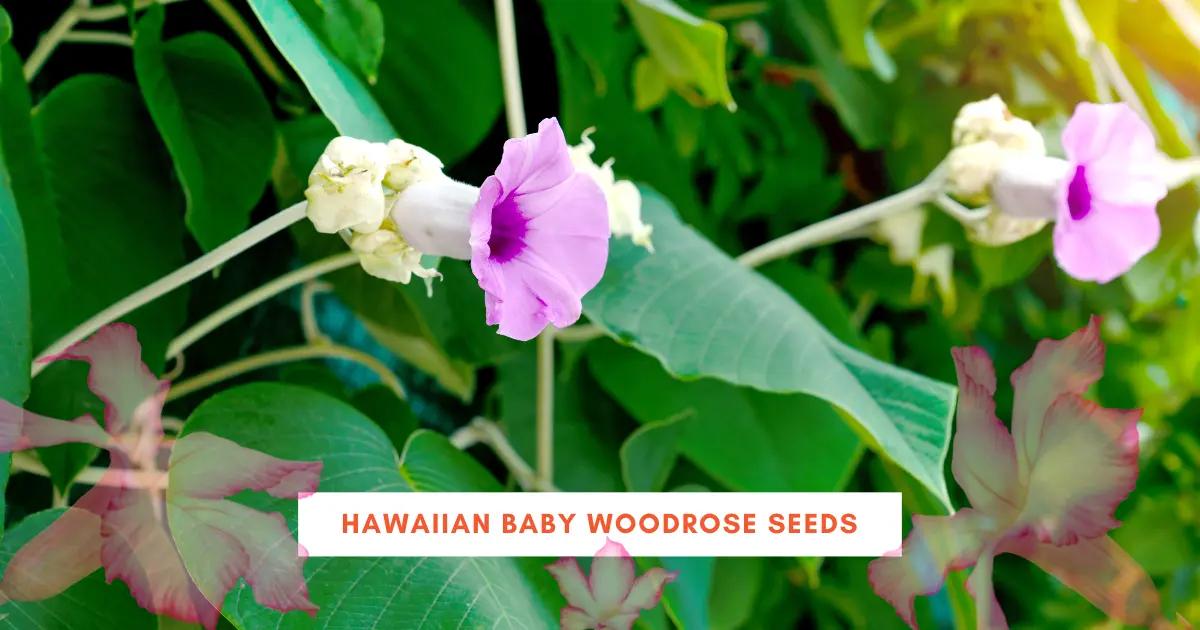
Hawaiian baby woodrose seeds have captured the attention of ethnobotany enthusiasts, psychonauts, and researchers worldwide due to their naturally occurring psychoactive compounds. These seeds, derived from the Argyreia nervosa plant, contain lysergic acid amide (LSA), a compound structurally similar to LSD that produces mind-altering effects. For those seeking comprehensive information about hawaiian baby woodrose effects, legal status, safety protocols, and consumption methods, understanding both the potential benefits and significant risks is essential before considering any use of these powerful seeds.
The growing interest in natural psychoactive substances has placed hawaiian baby woodrose seeds at the intersection of traditional medicine, modern psychedelic research, and legal gray areas. Whether you’re researching argyreia nervosa seeds for academic purposes, considering their ethnobotanical significance, or evaluating personal use, this guide provides factual, unbiased information about what these seeds are, how they work, and the critical safety considerations surrounding them.
What Are Hawaiian Baby Woodrose Seeds?
Hawaiian baby woodrose seeds come from Argyreia nervosa, a perennial climbing vine native to the Indian subcontinent, though the plant has naturalized in Hawaii, Africa, and the Caribbean. Despite the “Hawaiian” name, the plant originated in India and Bangladesh, where it has been used in traditional Ayurvedic medicine for centuries. The vine produces distinctive heart-shaped leaves and trumpet-shaped flowers that eventually develop into seed pods containing 4-6 brown, woody seeds.
Each seed measures approximately 4-7mm in diameter and features a hard, dark brown exterior coating. The seeds themselves are not the baby version of another plant—the “baby” designation distinguishes them from the larger “woodrose” seeds of Merremia tuberosa, an entirely different species. The hawaiian baby woodrose seeds contain significantly higher concentrations of psychoactive alkaloids compared to their larger namesake.
The plant thrives in tropical and subtropical climates, growing vigorously as an ornamental vine in gardens worldwide. Its attractive flowers and rapid growth make it popular for landscaping, though many gardeners remain unaware of the seeds’ psychoactive properties. The vine can grow up to 10 meters in length, producing abundant seed pods that mature throughout the growing season.
Botanically classified within the Convolvulaceae family (morning glory family), Argyreia nervosa shares chemical similarities with other psychoactive members of this plant family, including various morning glory species. This botanical relationship explains the presence of ergoline alkaloids across multiple species within the family, though hawaiian baby woodrose seeds contain notably higher concentrations than most morning glory varieties.
Psychoactive Properties and Active Compounds (LSA)
The primary psychoactive compound in hawaiian baby woodrose seeds is lysergic acid amide (LSA), also known as ergine. LSA belongs to the ergoline alkaloid family and shares structural similarities with lysergic acid diethylamide (LSD), though it produces distinctly different effects. Each seed contains approximately 0.3-0.6mg of LSA, along with other alkaloids including isoergine, ergometrine, and lysergol that contribute to the overall psychoactive profile.
LSA acts primarily as a serotonin receptor agonist, particularly affecting the 5-HT2A receptors in the brain—the same receptors targeted by classical psychedelics like psilocybin and LSD. However, the hawaiian baby woodrose effects differ considerably from synthetic psychedelics due to the presence of multiple alkaloids working synergistically and the compound’s lower binding affinity to serotonin receptors.
The psychoactive experience typically begins 30-90 minutes after ingestion and can last 6-10 hours, with residual effects potentially persisting for up to 12 hours. Users report effects including altered perception, visual distortions (though less intense than LSD), enhanced introspection, emotional shifts, and a dreamlike mental state. The experience tends to be more sedating and less visually intense compared to synthetic psychedelics, with many describing it as having a more “grounded” or “earthy” quality.
The seeds also contain vasoconstrictive compounds that can cause uncomfortable physical side effects, including nausea, muscle tension, and circulatory restriction. These compounds contribute significantly to the challenging aspects of the experience and represent one of the primary safety concerns associated with consuming argyreia nervosa seeds. The ratio of psychoactive compounds to uncomfortable alkaloids makes the experience notably different from purified psychedelics.
Research into LSA’s pharmacology remains limited compared to other psychedelics, though existing studies suggest it has a relatively low toxicity profile in terms of lethal dose. The LD50 (lethal dose for 50% of test subjects) in animal studies is quite high, though this doesn’t account for the psychological risks or the discomfort caused by vasoconstriction and other side effects at psychoactive doses.
Traditional and Modern Uses
In traditional Ayurvedic medicine, Argyreia nervosa has been used for centuries under the Sanskrit name “Vriddhadaru.” Traditional practitioners employed various parts of the plant—roots, leaves, and seeds—to treat conditions including inflammation, rheumatism, nervous disorders, and as an aphrodisiac. The seeds were sometimes prescribed in very small quantities as a rejuvenating tonic, though traditional use rarely involved the high doses associated with psychoactive effects.
Indigenous medical systems in India utilized the plant primarily for its anti-inflammatory and analgesic properties rather than its psychoactive potential. Traditional preparations typically involved grinding the seeds into powder and combining them with other herbs, or creating decoctions from the roots and leaves. These traditional applications focused on physical healing rather than consciousness exploration.
Modern interest in hawaiian baby woodrose seeds emerged during the 1960s psychedelic movement when researchers and experimenters began exploring natural alternatives to synthetic psychedelics. The seeds gained popularity as a legal alternative to LSD, particularly after the widespread prohibition of synthetic psychedelics. Ethnobotanist and psychedelic researcher Albert Hofmann (who first synthesized LSD) studied LSA and confirmed its psychoactive properties in the 1960s.
Contemporary use falls into several categories: recreational psychonauts seeking psychedelic experiences, individuals interested in natural entheogens for spiritual or introspective purposes, and researchers studying naturally occurring psychoactive compounds. Some modern practitioners incorporate the seeds into ceremonial or meditative practices, drawing parallels to other plant-based entheogens used in traditional spiritual contexts.
The seeds have also attracted attention from the microdosing community, with some individuals experimenting with sub-psychoactive doses for potential cognitive or mood benefits. However, this application lacks scientific validation and carries the same legal and safety considerations as higher-dose use. The unpredictable alkaloid content between individual seeds makes consistent microdosing particularly challenging and potentially risky.
Potential Benefits and Claimed Effects
Anecdotal reports and limited research suggest several potential effects of hawaiian baby woodrose seeds, though it’s crucial to note that most claimed benefits lack rigorous scientific validation. Users commonly report enhanced introspection and self-reflection, with many describing profound insights into personal patterns, relationships, and life circumstances. These introspective qualities have led some to explore the seeds for psychological exploration and personal growth.
Some individuals report experiencing enhanced creativity and novel thought patterns during and after experiences with argyreia nervosa seeds. The altered state of consciousness may facilitate different cognitive connections and perspectives, similar to effects reported with other psychedelics. However, the sedating nature of LSA may limit the productive application of these creative insights compared to more stimulating psychedelics.
Spiritual and mystical experiences represent another commonly reported effect, with users describing feelings of interconnectedness, ego dissolution, and transcendent states. These experiences share characteristics with those produced by other classical psychedelics, though they tend to be less intense and more contemplative in nature. For individuals seeking natural entheogens for spiritual practice, the seeds offer an accessible option, though the physical discomfort often detracts from the spiritual aspects.
Limited preliminary research suggests that LSA and related compounds may have potential therapeutic applications similar to other psychedelics, including possible benefits for anxiety, depression, and PTSD. However, these potential applications remain largely theoretical and unexplored in clinical settings. The presence of uncomfortable alkaloids alongside LSA makes hawaiian baby woodrose seeds a poor candidate for therapeutic development compared to purified compounds.
Some traditional medicine claims suggest anti-inflammatory and analgesic properties, and preliminary studies have identified compounds in Argyreia nervosa with potential anti-inflammatory activity. However, these studies typically examine isolated compounds or extracts rather than whole seed consumption, and the psychoactive doses far exceed any therapeutic anti-inflammatory applications.
It’s essential to emphasize that the claimed benefits of hawaiian baby woodrose effects are largely anecdotal and lack the rigorous clinical evidence required to make definitive health claims. The significant side effects and risks often outweigh potential benefits for most individuals, and safer, better-studied alternatives exist for most claimed therapeutic applications.
Risks and Side Effects You Should Know
Consuming hawaiian baby woodrose seeds carries substantial risks that anyone considering use must understand thoroughly. The most common and immediate side effect is severe nausea and vomiting, affecting the majority of users, particularly during the first 1-3 hours after ingestion. This gastrointestinal distress results from the seeds’ alkaloid content and can be intense enough to dominate the entire experience.
Vasoconstriction represents a serious physical risk associated with argyreia nervosa seeds. The ergoline alkaloids cause blood vessels to constrict, potentially leading to reduced circulation to extremities, muscle cramping, increased blood pressure, and in extreme cases, dangerous cardiovascular complications. Individuals with pre-existing cardiovascular conditions face significantly elevated risks, and even healthy individuals may experience uncomfortable or concerning circulatory effects.
Psychological risks mirror those of other psychedelics and include anxiety, paranoia, confusion, and frightening or overwhelming experiences (commonly called “bad trips”). The unpredictable nature of the experience, combined with physical discomfort, increases the likelihood of psychological distress. Individuals with personal or family history of psychotic disorders, schizophrenia, or severe mental illness face substantially higher risks of triggering or exacerbating these conditions.
The seeds’ effects on perception and cognition create risks of accidents and poor judgment. Users should never operate vehicles, machinery, or engage in activities requiring coordination and clear thinking while under the influence. The duration of effects (6-10+ hours) means users must plan for an extended period of impairment in a safe, controlled environment.
Uterine contractions represent a serious risk for pregnant individuals, as ergoline alkaloids can stimulate uterine muscle contractions potentially leading to miscarriage or premature labor. Pregnant or potentially pregnant individuals should absolutely avoid hawaiian baby woodrose seeds under all circumstances. The compounds may also pass into breast milk, making the seeds contraindicated for nursing mothers.
Physical side effects beyond nausea include dizziness, increased heart rate, pupil dilation, temperature regulation difficulties, muscle tension and cramping, headaches, and profound fatigue. Many users report feeling physically exhausted for 24-48 hours following use, with some experiencing a “hangover” period of low mood and energy.
The unpredictable alkaloid content between individual seeds and batches creates dosing challenges and increased risk. Two seeds from the same pod may contain significantly different LSA concentrations, making consistent dosing nearly impossible and increasing the risk of unexpectedly intense experiences or underwhelming effects followed by risky re-dosing.
Long-term risks remain poorly studied, though potential concerns include psychological dependence (though physical addiction is not characteristic of LSA), persistent perceptual changes (HPPD – Hallucinogen Persisting Perception Disorder), and potential cardiovascular effects from repeated vasoconstriction. The lack of long-term research means unknown risks may exist for regular users.
Legal Status: Where Are They Legal or Restricted?
The legal status of hawaiian baby woodrose seeds exists in a complex gray area that varies significantly by jurisdiction and intended use. Understanding whether LSA seeds legal in your location requires examining multiple layers of drug policy, botanical regulations, and enforcement practices.
In the United States, LSA itself is not explicitly scheduled under the Controlled Substances Act, and the seeds are not federally prohibited when sold for ornamental or gardening purposes. However, the Federal Analog Act potentially classifies LSA as a Schedule I substance due to its structural similarity to LSD when intended for human consumption. This creates a legal paradox: possessing the seeds for planting is generally legal, but possessing them with intent to consume for psychoactive effects may constitute a federal offense.
Several U.S. states have enacted specific legislation addressing LSA-containing seeds. Louisiana explicitly prohibits the possession, sale, or distribution of Argyreia nervosa and other LSA-containing plants with intent for human consumption. Other states may prosecute under general drug paraphernalia or analog substance laws if intent to consume can be demonstrated. The legal landscape shifts frequently, making it essential to research current state-specific laws.
In the United Kingdom, Argyreia nervosa seeds are not controlled under the Misuse of Drugs Act, but the Psychoactive Substances Act 2016 prohibits production, supply, or importation of any psychoactive substance intended for human consumption. This effectively makes selling or supplying the seeds for consumption illegal, though personal possession for ornamental purposes remains in a legal gray area.
Australia classifies LSA as a Schedule 9 prohibited substance in most territories, making hawaiian baby woodrose seeds illegal when intended for consumption. However, the plant itself may be grown ornamentally in some regions, creating similar legal ambiguities to those in the U.S.
European Union countries vary widely in their approach. Some nations like Germany and Poland have specific prohibitions on LSA-containing seeds for consumption, while others rely on general psychoactive substance legislation. The Netherlands, despite its relatively liberal drug policies, prohibits the sale of LSA-containing seeds for consumption under its Medicines Act.
Canada does not specifically schedule LSA or hawaiian baby woodrose seeds, though they could potentially fall under the Controlled Drugs and Substances Act’s analog provisions if authorities determine intent for consumption. The seeds remain available through various vendors for ornamental purposes.
Many online retailers navigate these legal complexities by explicitly marketing argyreia nervosa seeds as ornamental, for cultivation purposes only, with disclaimers against human consumption. This approach attempts to comply with regulations while acknowledging the reality of consumer intent. However, purchasing seeds with intent to consume may still violate laws regardless of how they’re marketed.
International shipping of the seeds faces additional complications, as customs regulations and importation laws vary by country. Seeds intercepted by customs may be seized, and recipients could face legal consequences depending on local laws and quantities involved.
The critical distinction in most jurisdictions centers on intent: growing the plant ornamentally versus possessing seeds for consumption. However, proving or disproving intent can be subjective, and law enforcement discretion plays a significant role in whether charges are pursued. Anyone considering acquiring hawaiian baby woodrose seeds must thoroughly research current laws in their specific jurisdiction and understand that legal status can change without notice.
Safe Consumption Methods and Dosage Guidelines
While this information is provided for harm reduction purposes, it’s essential to emphasize that consuming hawaiian baby woodrose seeds carries inherent risks, and the safest choice is not to consume them at all. For those who choose to proceed despite risks, understanding dosage and consumption methods can potentially reduce harm, though it cannot eliminate risks entirely.
Dosage for argyreia nervosa seeds is typically measured by seed count rather than weight due to the practical difficulties of weighing and the traditional measurement method. Reported dosage ranges include: 1-3 seeds for threshold/microdose effects (though this is unreliable and not recommended), 4-6 seeds for a light to moderate experience, 6-8 seeds for a moderate to strong experience, and 8-12 seeds for a strong to very strong experience. However, these ranges are approximate and highly variable due to inconsistent alkaloid content between seeds.
The unpredictability of baby woodrose dosage cannot be overstated. Seeds from the same batch, even the same pod, can vary significantly in LSA content based on growing conditions, maturity, storage, and individual plant variation. This variability makes precise dosing impossible and increases risks of unexpectedly intense experiences or ineffective doses leading to dangerous re-dosing.
First-time users should always start with the lowest possible dose (3-4 seeds maximum) to assess individual sensitivity and response. Individual reactions vary dramatically based on body weight, metabolism, psychological state, and unknown genetic factors. What produces a mild experience for one person may cause an overwhelming experience for another.
The most common consumption method involves removing the outer seed coating, which contains higher concentrations of nausea-inducing compounds. This preparation involves scraping or peeling the brown fuzzy exterior, though this process is tedious and doesn’t eliminate nausea entirely. The inner seed material is then either chewed thoroughly and held in the mouth for sublingual absorption, or ground into powder and consumed.
Some users employ a cold water extraction method attempting to separate LSA from undesirable alkaloids, though the effectiveness of this technique is debated and may reduce overall potency unpredictably. This method involves grinding seeds, soaking in distilled water for several hours in darkness (LSA degrades in light), filtering, and consuming the liquid. However, this doesn’t reliably separate compounds and may introduce additional variables.
Timing of consumption significantly affects the experience. Taking seeds on an empty stomach (3-4 hours after eating) typically produces faster onset and stronger effects but may increase nausea. Some users consume a light meal 1-2 hours before to reduce nausea while still allowing absorption, though this may delay and reduce peak effects.
The setting for consumption should be carefully controlled: a safe, comfortable environment free from responsibilities or obligations for at least 12-16 hours, with trusted, sober companions present (never consume alone), no access to vehicles or dangerous equipment, and minimal external stressors or triggers. The physical and psychological demands of the experience require a supportive environment to minimize risks.
Redosing during an experience is strongly discouraged due to the delayed onset (up to 90 minutes) and the risk of overwhelming effects when multiple doses combine. The temptation to take more seeds when effects seem mild after 45-60 minutes has led to many difficult experiences when both doses take effect simultaneously.
Frequency of use should be minimal if use occurs at all. The psychological intensity of psychedelic experiences generally necessitates substantial integration time between experiences. Using hawaiian baby woodrose seeds more frequently than once every several months increases psychological risks and may indicate problematic use patterns. Tolerance develops rapidly with repeated use, though this should never encourage dose escalation due to safety concerns.
Preparation Techniques and Harm Reduction
Proper preparation extends beyond the physical processing of hawaiian baby woodrose seeds to include psychological readiness, environmental setup, and risk mitigation strategies. Comprehensive harm reduction approaches can potentially reduce negative outcomes, though they cannot eliminate inherent risks.
Seed preparation begins with sourcing. Seeds should be obtained from reputable suppliers who store them properly (cool, dark, dry conditions) to preserve alkaloid content and prevent degradation or contamination. Visually inspect seeds for mold, damage, or unusual appearance. Discard any questionable seeds, as contamination or degradation may increase risks or produce unpredictable effects.
The seed coating removal process, while tedious, may reduce nausea intensity. Methods include scraping with a knife or razor blade, using sandpaper or a nail file to remove the fuzzy brown exterior, or soaking seeds briefly in water to soften the coating before peeling. Work in good lighting and take care to avoid injury during this process. Some users report that removing the coating reduces nausea by 30-50%, though individual results vary significantly.
After coating removal, seeds can be consumed whole (chewed thoroughly), ground into powder using a coffee grinder or mortar and pestle, or prepared via cold water extraction. Each method has proponents, though no preparation technique reliably eliminates uncomfortable side effects. Ground seeds may produce faster onset and potentially more consistent absorption compared to whole seeds.
Psychological preparation involves honest self-assessment of mental state, motivations, and readiness. Individuals experiencing depression, anxiety, recent trauma, or significant life stress should reconsider use, as these factors increase risks of difficult experiences. The “set and setting” principle—psychological mindset and physical environment—profoundly influences psychedelic experiences and outcomes.
Creating a supportive setting includes preparing a comfortable space with access to bathroom facilities, having water and light snacks available (though appetite will likely be suppressed), preparing a playlist of calming music or ensuring a quiet environment based on preference, having blankets and comfortable seating or lying areas, and minimizing potential interruptions or unexpected visitors.
The presence of a sober, trusted trip sitter is one of the most important harm reduction measures. This person should remain sober throughout the experience, be familiar with psychedelic experiences and potential challenges, be prepared to provide reassurance and grounding during difficult moments, have access to emergency services if needed, and be someone the user trusts completely. Never consume argyreia nervosa seeds alone, as the combination of physical and psychological effects can create dangerous situations without support.
Harm reduction supplies should be prepared in advance, including anti-nausea medications (though these may interact with LSA—consult the interactions section), a bucket or container in case of vomiting, a blood pressure monitor if available (to track cardiovascular effects), a journal for recording the experience, and emergency contact information readily accessible.
During the experience, harm reduction practices include staying hydrated (sipping water regularly, though not excessively), remaining in the prepared safe space rather than venturing outside, practicing breathing exercises if anxiety arises, remembering that effects are temporary and will pass, and communicating openly with the trip sitter about physical or psychological distress.
If overwhelming anxiety or panic occurs, grounding techniques can help: focusing on breathing (slow, deep breaths), changing physical position or location within the safe space, listening to calming music, and reminding oneself that the experience is temporary and will end. The trip sitter’s calm, reassuring presence is invaluable during challenging moments.
Post-experience integration is often overlooked but crucial for processing the experience and extracting potential insights. This includes journaling about the experience within 24 hours while memories are fresh, discussing the experience with trusted friends or the trip sitter, allowing adequate rest and recovery time (24-48 hours minimum), and avoiding making major life decisions immediately after the experience. Some individuals find value in professional integration therapy with psychedelic-informed therapists, though this may involve legal risks depending on jurisdiction.
Recognizing when emergency medical intervention is needed is critical. Seek immediate medical help if chest pain, severe difficulty breathing, loss of consciousness, seizures, extreme and persistent agitation or violence, or suicidal ideation occurs. Be honest with medical professionals about what was consumed—they need accurate information to provide appropriate care, and medical confidentiality protections generally apply.
Drug Interactions and Contraindications
Understanding potential drug interactions and medical contraindications is essential for anyone considering hawaiian baby woodrose seeds, as dangerous or life-threatening interactions can occur with common medications and health conditions.
The most dangerous interaction involves monoamine oxidase inhibitors (MAOIs), including prescription antidepressants like phenelzine, tranylcypromine, and isocarboxazid, as well as the supplement St. John’s Wort and certain foods. Combining LSA with MAOIs can cause serotonin syndrome, a potentially fatal condition characterized by dangerously high serotonin levels, symptoms including agitation, confusion, rapid heart rate, high blood pressure, dilated pupils, muscle rigidity, and high fever. This combination should be avoided absolutely, with at least 2-3 weeks between discontinuing MAOIs and considering LSA consumption.
Selective serotonin reuptake inhibitors (SSRIs) and serotonin-norepinephrine reuptake inhibitors (SNRIs)—common antidepressants including fluoxetine, sertraline, escitalopram, venlafaxine, and duloxetine—may reduce or block psychedelic effects due to receptor downregulation and competition. While generally less dangerous than MAOI interactions, combining these medications with LSA still carries serotonin syndrome risk, particularly at higher doses. Additionally, discontinuing antidepressants to use psychedelics can destabilize mental health and should only be considered under medical supervision.
Lithium, commonly prescribed for bipolar disorder, presents serious interaction risks with psychedelics, including increased seizure risk and potentially severe psychological reactions. This combination should be avoided entirely, and individuals with bipolar disorder face elevated risks of manic episodes or psychotic breaks when using psychedelics.
Stimulant medications including amphetamines (Adderall, Vyvanse) and methylphenidate (Ritalin, Concerta) may interact with hawaiian baby woodrose effects by increasing cardiovascular stress, anxiety, and overstimulation. The combination places additional strain on the cardiovascular system beyond what LSA alone produces.
Cardiovascular medications, particularly those affecting blood pressure or circulation, may interact dangerously with LSA’s vasoconstrictive properties. Individuals taking medications for hypertension, heart conditions, or circulatory disorders should avoid argyreia nervosa seeds due to unpredictable interactions and compounded cardiovascular stress.
Tramadol and other opioids with serotonergic activity carry serotonin syndrome risk when combined with LSA. While pure opioid agonists without serotonergic effects present less interaction risk, the respiratory depression from opioids combined with LSA’s effects creates dangerous scenarios.
Alcohol consumption before, during, or immediately after LSA use increases nausea, dehydration, impaired judgment, and unpredictable psychological effects. The combination places additional stress on the liver and may intensify negative physical and psychological effects.
Cannabis interactions with psychedelics are complex and individual-dependent. Some users report that cannabis intensifies psychedelic effects, potentially precipitating anxiety or overwhelming experiences, while others find it reduces nausea. However, the combination increases unpredictability and may trigger anxiety or paranoia, particularly in individuals sensitive to cannabis.
Medical contraindications include cardiovascular conditions (heart disease, hypertension, arrhythmias, history of stroke), as LSA’s vasoconstrictive properties create serious risks for these individuals. Psychiatric conditions including schizophrenia, bipolar disorder, severe anxiety disorders, and personal or family history of psychosis represent strong contraindications due to increased risk of triggering or exacerbating these conditions.
Pregnancy and breastfeeding are absolute contraindications due to ergoline alkaloids’ ability to stimulate uterine contractions and potential passage into breast milk. Liver or kidney disease may impair the body’s ability to metabolize and eliminate LSA and associated compounds, potentially prolonging effects and increasing toxicity risks.
Seizure disorders or history of seizures represent contraindications, as psychedelics may lower seizure threshold in susceptible individuals. Individuals with severe migraines, particularly those with vascular components, may experience worsened symptoms due to LSA’s vascular effects.
Age considerations matter significantly. Adolescents and young adults with still-developing brains face unknown risks from psychedelic use, and elderly individuals may have increased sensitivity to cardiovascular effects and drug interactions due to age-related physiological changes and polypharmacy.
Anyone taking multiple medications or with complex medical histories should consult healthcare providers before considering hawaiian baby woodrose seeds, though this conversation may involve legal and social risks. The safest approach for individuals with medical conditions or taking medications is complete avoidance of LSA-containing seeds.
Frequently Asked Questions About Hawaiian Baby Woodrose
Hawaiian baby woodrose seeds generate numerous questions from curious researchers, potential users, and those seeking to understand these controversial seeds. Throughout this comprehensive guide, we’ve addressed the most critical aspects of these psychoactive seeds, from their botanical origins and chemical composition to legal status, effects, risks, and harm reduction approaches.
The seeds of Argyreia nervosa occupy a unique position in the landscape of natural psychoactive substances—legally ambiguous in most jurisdictions, culturally significant in traditional medicine systems, and increasingly studied within the broader context of psychedelic research. Understanding what hawaiian baby woodrose seeds are used for requires acknowledging both their traditional medicinal applications in Ayurvedic practice and their modern use as natural entheogens containing LSA.
The psychoactive compound in these seeds, lysergic acid amide (LSA), shares structural similarities with the compound found in morning glory seeds and the more famous synthetic psychedelic LSD. This relationship explains the hawaiian baby woodrose effects that users seek, though the experience differs substantially from synthetic psychedelics due to the complex alkaloid profile and significant physical side effects.
Yes, hawaiian baby woodrose is indeed a vine—specifically Argyreia nervosa, a vigorous climbing plant that can reach impressive lengths in suitable climates. The term “woodrose” refers to the woody, rose-like appearance of the seed pods after the flowers fade, distinguishing these seeds from other members of the morning glory family.
For those searching for where to buy hawaiian baby woodrose seeds, numerous online vendors offer them for ornamental and cultivation purposes. However, the legal and ethical complexities surrounding purchase and possession require careful consideration. Seeds marketed for gardening purposes on platforms including specialized ethnobotanical suppliers, some garden seed companies, and occasionally general marketplaces exist in legal gray areas when the actual intent is consumption rather than cultivation.
The question of whether hawaiian baby woodrose seeds are illegal doesn’t have a simple yes-or-no answer. Legal status depends on jurisdiction, intended use, and how possession and sale are framed. In most locations, the seeds themselves aren’t explicitly prohibited when sold for ornamental purposes, but possessing them with intent to consume for psychoactive effects may violate drug analog laws, psychoactive substance legislation, or other regulations.
Regarding hawaiian baby woodrose seeds benefits, the scientific evidence remains limited and largely anecdotal. While traditional medicine systems attribute various therapeutic properties to the plant, and modern users report introspective and potentially transformative experiences, these claimed benefits must be weighed against substantial risks including severe nausea, dangerous vasoconstriction, psychological distress, and legal consequences.
The reality is that argyreia nervosa seeds present a complex risk-benefit calculation that tilts heavily toward risk for most individuals. The unpredictable alkaloid content, uncomfortable physical effects, legal ambiguities, and potential for psychological harm make these seeds a poor choice compared to safer alternatives for most purposes—whether therapeutic, spiritual, or recreational.
For researchers, ethnobotany enthusiasts, and those genuinely interested in understanding these seeds within their cultural and botanical context, this guide provides comprehensive, factual information. For those considering consumption, understanding the full scope of risks, legal implications, and harm reduction approaches is essential, though the safest choice remains abstinence.
The growing body of research into classical psychedelics for therapeutic applications offers promise for evidence-based treatments delivered in controlled, legal, medically supervised settings. These developments may eventually provide safer, legal alternatives to self-experimentation with unpredictable natural substances like hawaiian baby woodrose seeds.
Ultimately, informed decision-making requires honest assessment of motivations, thorough research into local laws, realistic evaluation of risks versus potential benefits, and consideration of safer alternatives. Whether your interest in hawaiian baby woodrose seeds is academic, botanical, or personal, approaching the topic with respect for both the plant’s traditional significance and the serious considerations surrounding its modern use ensures responsible engagement with this powerful natural substance.
Frequently Asked Questions
What are Hawaiian baby woodrose seeds used for?
Hawaiian baby woodrose seeds are primarily used for their psychoactive properties due to the presence of lysergic acid amide (LSA), a naturally occurring compound similar to LSD. Traditionally, some cultures have used these seeds in spiritual and shamanic practices for their consciousness-altering effects. In modern contexts, people also grow the Argyreia nervosa plant ornamentally for its attractive flowers and foliage. However, consumption of hawaiian baby woodrose seeds for psychoactive purposes carries significant health risks and legal considerations that vary by jurisdiction.
Are Hawaiian baby woodrose seeds legal?
The legal status of Hawaiian baby woodrose seeds varies significantly by country and region. In the United States, the seeds themselves are legal to buy, sell, and possess, but preparing or consuming them for their psychoactive LSA content may be illegal under the Federal Analogue Act. Some countries like Australia and several European nations have explicitly banned these seeds or classified LSA as a controlled substance. Always research your local laws before purchasing or possessing hawaiian baby woodrose seeds, as legal consequences can be severe.
What are the side effects of LSA from Hawaiian baby woodrose seeds?
LSA consumption from Hawaiian baby woodrose seeds commonly causes nausea, vomiting, muscle tension, and vasoconstriction (narrowing of blood vessels). Users frequently report uncomfortable physical sensations including cramping, dizziness, and increased heart rate during the experience. Psychological side effects can include anxiety, confusion, paranoia, and in some cases, frightening hallucinations or psychotic episodes. Long-term risks and the potential for lasting psychological effects remain poorly understood due to limited scientific research.
Is Hawaiian baby woodrose the same as elephant creeper?
Yes, Hawaiian baby woodrose (Argyreia nervosa) is commonly known by several names including elephant creeper, woolly morning glory, and silver morning glory. The “elephant creeper” name comes from the plant’s vigorous climbing growth habit and large, heart-shaped leaves. Despite originating in India and not Hawaii, the plant earned its “Hawaiian baby woodrose” name due to its popularity in Hawaii and the rose-like appearance of its seed pods.
How many Hawaiian baby woodrose seeds are psychoactive?
Typically, 4-8 hawaiian baby woodrose seeds are reported to produce psychoactive effects, though potency varies significantly between seeds and individual sensitivity. Lower doses (4-6 seeds) may produce mild effects, while higher doses (8+ seeds) can cause intense experiences with greater risks. However, there is no standardized dosing due to variable LSA content, and consuming any amount carries health risks including severe nausea, cardiovascular strain, and potential psychological distress. Medical supervision is not available for these substances, making any consumption inherently dangerous.
Is LSA a psychedelic like LSD?
Yes, LSA (lysergic acid amide) is classified as a psychedelic compound and is structurally similar to LSD (lysergic acid diethylamide). LSA produces altered states of consciousness, visual distortions, and changes in thought patterns, though effects are generally considered less intense and more sedating than LSD. The experience typically lasts 6-10 hours but is often accompanied by more uncomfortable physical side effects than synthetic LSD. Both compounds work primarily through serotonin receptor activation in the brain.
Can you grow Hawaiian baby woodrose plants legally?
In most jurisdictions, growing Hawaiian baby woodrose plants (Argyreia nervosa) as ornamental vines is legal since the plant itself is not typically classified as a controlled substance. The seeds are often sold legally for horticultural purposes, and the plant produces attractive purple flowers making it popular among gardeners. However, cultivating the plant with intent to harvest seeds for psychoactive consumption may be illegal in some areas. The plant thrives in tropical and subtropical climates and requires warm temperatures, plenty of sunlight, and support structures for its climbing vines.
What is the difference between morning glory seeds and Hawaiian baby woodrose seeds?
Both morning glory seeds (Ipomoea species) and hawaiian baby woodrose seeds contain LSA, but Hawaiian baby woodrose seeds are significantly more potent, requiring fewer seeds to produce psychoactive effects. Morning glory seeds typically require 100-400 seeds for effects, while only 4-8 Hawaiian baby woodrose seeds may produce similar or stronger experiences. Hawaiian baby woodrose seeds also tend to cause more severe nausea and physical discomfort. Additionally, many commercially available morning glory seeds are treated with toxic chemicals to prevent consumption, making them dangerous to ingest.
What are the risks of consuming Hawaiian baby woodrose seeds?
Consuming Hawaiian baby woodrose seeds carries numerous serious health risks including severe nausea and vomiting, dangerous vasoconstriction that can affect circulation, elevated heart rate and blood pressure, and potential for psychological crisis. The seeds may also contain toxic compounds beyond LSA, and there’s risk of allergic reactions or interactions with medications. Individuals with cardiovascular conditions, mental health disorders, or those taking certain medications face heightened dangers. There is also no quality control, medical oversight, or emergency protocol established for adverse reactions to these seeds.
Do Hawaiian baby woodrose seeds have any legitimate medical benefits?
Currently, there are no scientifically validated medical benefits of Hawaiian baby woodrose seeds recognized by medical authorities or regulatory agencies. While some traditional medicine systems have used related plants, and modern research into psychedelics shows promise for conditions like depression and PTSD, these studies focus on controlled, pure compounds under medical supervision. The crude consumption of hawaiian baby woodrose seeds is not equivalent to therapeutic psychedelic research and carries unpredictable risks without established benefits. Any claims about health benefits remain anecdotal and unproven through rigorous scientific study.
You May Also Like

Crows vs Ravens: How to Tell the Difference (ID Guide)

What Do Crows Eat? Complete Crow Diet & Feeding Guide

Woolly Mammoth De-Extinction: Scientists Plan Revival by 2028