Spring Air Back Support Mattress Review 2024 | Back Pain Relief

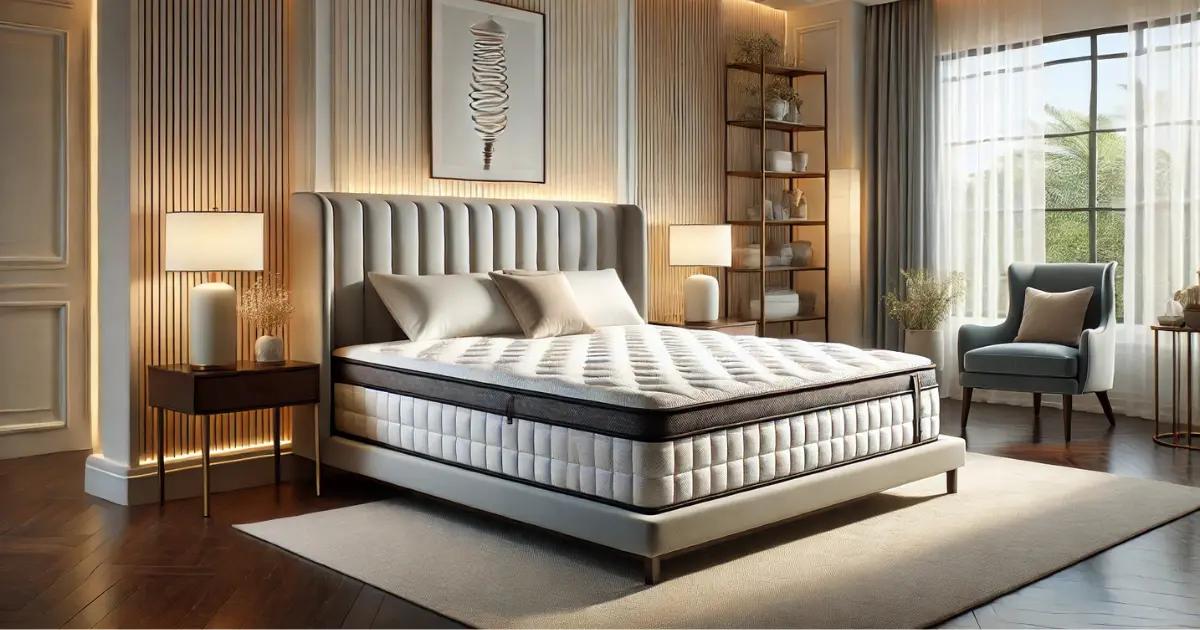
If you’re waking up with back pain or struggling to find a comfortable sleeping position, the spring air back support mattress might be the solution you’ve been searching for. Spring Air has built a reputation over decades for engineering mattresses specifically designed to support spinal alignment while delivering the comfort needed for restorative sleep. This comprehensive guide examines what sets Spring Air’s back support mattresses apart, their construction quality, durability expectations, and whether they truly deliver on their promise to alleviate back discomfort.
Back pain affects millions of sleepers worldwide, and choosing the right mattress can make the difference between restful nights and chronic discomfort. Spring Air’s back support mattress line addresses this challenge through targeted engineering that balances firmness with pressure relief, creating an optimal sleep surface for those with spinal concerns. Whether you’re dealing with lower back pain, ankylosing spondylitis, or simply want preventive support, understanding the specific features of these mattresses will help you make an informed purchasing decision.
What Makes Spring Air Back Support Mattresses Different?
The spring air back support mattress distinguishes itself through a proprietary coil system specifically engineered for spinal health. Unlike generic innerspring mattresses that use uniform coil tension throughout, Spring Air implements zoned support technology that provides firmer resistance in the lumbar region while offering softer cushioning for shoulders and hips. This targeted approach ensures your spine maintains its natural curvature throughout the night, regardless of your sleeping position.
Spring Air has been manufacturing mattresses since 1926, giving the company nearly a century of experience in sleep technology. Yes, Spring Air is still very much in business, operating through a network of licensed manufacturers and retailers across North America. The company has evolved with sleep science advancements while maintaining its core focus on back support and durability. Their back support mattress line represents the culmination of this expertise, incorporating modern materials with time-tested construction methods.
What truly sets Spring Air apart is their commitment to customization. The brand offers multiple firmness levels within their back support collection, recognizing that “back support” doesn’t mean one-size-fits-all firmness. A side sleeper with back pain needs different support characteristics than a stomach sleeper, and Spring Air’s range accommodates these variations. Their mattresses also feature edge support reinforcement, which prevents the sagging that often occurs with traditional innerspring beds and ensures the entire sleep surface remains usable.
The brand’s back supporter mattress models incorporate advanced comfort layers above the support core, including memory foam, latex, or specialized cushioning materials that contour to your body while the coil system maintains proper alignment. This dual-action approach—contouring comfort on top, structured support beneath—creates the ideal environment for back pain relief without sacrificing the responsive feel that many sleepers prefer over all-foam alternatives.
How Spring Air Mattresses Promote Spinal Alignment
Spinal alignment during sleep is critical for preventing and alleviating back pain. The spring air back support mattress achieves proper alignment through a multi-layered approach that addresses the body’s natural curves and pressure points. The foundation of this system is the individually wrapped coil technology, where each spring operates independently to respond to your body’s specific contours and weight distribution.
When you lie on a Spring Air back support mattress, the coils compress differently under various body parts. Heavier areas like your hips receive more resistance to prevent sinking too deeply, while lighter areas like your shoulders encounter less resistance, allowing them to nestle into the mattress slightly. This differential response keeps your spine in a neutral position—the same healthy alignment your spine maintains when standing with good posture.
For individuals with ankylosing spondylitis, a chronic inflammatory condition affecting the spine, maintaining proper spinal alignment becomes even more crucial. The best mattress for ankylosing spondylitis typically features medium-firm to firm support with pressure-relieving comfort layers—exactly what Spring Air’s back support models provide. The mattress must be firm enough to prevent the spine from curving unnaturally while soft enough to cushion tender joints and reduce pressure on inflamed areas.
The zoned support system in Spring Air mattresses divides the sleep surface into distinct regions, each calibrated for specific body zones. The center third of the mattress—where your lower back and hips rest—features firmer coils with higher gauge wire to provide robust lumbar support. This prevents the lower back from sagging into the mattress, a common problem that leads to morning stiffness and pain. The upper and lower zones use slightly softer coils to accommodate shoulders and legs comfortably.
Spring Air also incorporates a perimeter support system that reinforces the mattress edges. This feature serves two purposes for spinal health: it prevents roll-off when sleeping near the edge, and it maintains consistent support across the entire mattress surface. Many back pain sufferers find that sleeping near the edge of a mattress without proper edge support causes them to adjust their sleeping position unconsciously, leading to spinal misalignment and discomfort.
Construction and Materials: Inside a Spring Air Back Support Mattress
Understanding the construction of a spring air back support mattress reveals why these beds perform differently than budget innerspring options. The foundation layer consists of individually encased coils, typically ranging from 800 to 1,200 coils in a queen-size mattress depending on the specific model. These coils are wrapped in fabric pockets that allow each spring to move independently, reducing motion transfer and providing precise support where your body needs it most.
Above the coil system, Spring Air layers multiple comfort materials designed to enhance pressure relief while maintaining the supportive foundation below. Many models in the back support line feature high-density foam as a transitional layer between the coils and the top comfort layers. This foam acts as a buffer, preventing you from feeling individual coils while distributing your weight evenly across the support system.
Some Spring Air back support mattress models incorporate copper-infused memory foam or gel-infused foam in their comfort layers. The copper mattress benefits include enhanced cooling properties, as copper conducts heat away from the body more effectively than standard foam. Copper also possesses natural antimicrobial properties, helping keep the sleep surface fresher over time. The Spring Air copper mattress reviews frequently highlight improved temperature regulation compared to traditional memory foam mattresses, making these models particularly appealing for hot sleepers who also need back support.
The black copper mattress variant from Spring Air represents their premium back support offering, featuring advanced copper gel memory foam combined with their signature back supporter coil system. This model provides the contouring pressure relief that memory foam delivers while the copper infusion addresses the heat retention issues that sometimes plague all-foam beds. The result is a spinal alignment mattress that cradles your body without causing you to overheat during the night.
Spring Air’s hybrid back supporter models combine the best attributes of innerspring and foam mattresses. These hybrids typically feature a substantial coil system for support and durability, topped with generous layers of memory foam, latex, or proprietary comfort foams. The Spring Air Back Supporter Hybrid models are particularly popular among back pain sufferers because they deliver the pressure relief of foam with the responsive support and breathability of coils.
The cover materials on Spring Air back support mattresses vary by model but generally feature breathable, moisture-wicking fabrics that enhance airflow and temperature regulation. Some models include quilted covers with additional cushioning for surface comfort, while others use stretch-knit fabrics that allow the comfort layers beneath to contour more effectively to your body shape.
Firmness Levels and Who They're Best For
The spring air back support mattress line offers multiple firmness options because back support requirements vary significantly based on sleeping position, body weight, and personal preference. Understanding which firmness level suits your needs is essential for achieving the back pain relief you’re seeking.
Firm back support mattresses from Spring Air typically rate around 7-8 on a 10-point firmness scale, where 10 is the firmest. These models work best for stomach sleepers and back sleepers, particularly those with higher body weight (over 230 pounds). The firm surface prevents excessive sinking, keeping the spine aligned rather than allowing the hips to drop below the shoulders. Firm Spring Air mattresses also suit individuals who prefer sleeping “on” rather than “in” their mattress, providing a stable, supportive surface with minimal contouring.
Medium-firm options (rating 6-7 on the firmness scale) represent the most popular choice among back pain sufferers. These mattresses offer the balanced support that accommodates multiple sleeping positions while still providing enough give for pressure relief at the shoulders and hips. The consumer reports best mattress for side sleepers often falls into this medium-firm category, as side sleepers need cushioning for their shoulders and hips while maintaining lumbar support. Spring Air’s medium-firm back support mattresses excel in this versatility, making them ideal for combination sleepers who change positions throughout the night.
Medium options (rating 5-6) provide more contouring and pressure relief while still maintaining the supportive coil system beneath. These work well for lighter-weight individuals (under 130 pounds) who need back support but might find firmer mattresses uncomfortable. Side sleepers with back pain often prefer this firmness level, as it allows the shoulders and hips to sink slightly while the zoned support system maintains spinal alignment.
When selecting firmness, consider that a mattress that’s too firm can create pressure points that cause you to toss and turn, disrupting sleep quality and potentially worsening back pain. Conversely, a mattress that’s too soft won’t provide adequate support, allowing your spine to curve unnaturally. Spring Air’s back support mattresses address this challenge through their zoned construction—even their medium-firmness models maintain firmer support in the lumbar region while offering softer comfort in other zones.
Body weight plays a crucial role in how you experience mattress firmness. A 150-pound person will sink less into a medium-firm mattress than a 250-pound person on the same bed. Spring Air accounts for this by offering reinforced support options in their back supporter line, with higher coil counts and denser comfort layers in models designed for heavier individuals. If you’re shopping for a spring air back support mattress king or spring air back support mattress queen for two sleepers with different weights, consider a medium-firm option that can accommodate both body types reasonably well.
Durability: How Long Does a Spring Air Mattress Last?
The lifespan of a Spring Air mattress typically ranges from 7 to 10 years with proper care, though some owners report their mattresses lasting even longer. This durability stems from the high-quality materials and construction methods Spring Air employs in their back support mattress line. The individually wrapped coils resist sagging better than traditional Bonnell coils, and the high-density foams used in the comfort layers maintain their shape and support properties longer than budget foam alternatives.
Several factors influence how long your spring air mattress durability will extend. Proper foundation support is critical—placing your Spring Air mattress on a solid platform bed, adjustable base, or box spring designed for the mattress type ensures the support system doesn’t prematurely wear out. Using the mattress without adequate support can cause the coils to compress unevenly, leading to sagging and reduced back support effectiveness.
Regular rotation extends mattress life significantly. Spring Air recommends rotating your back support mattress 180 degrees every three to six months, especially during the first year. This practice distributes wear evenly across the sleep surface, preventing body impressions from forming in your primary sleeping area. While most modern mattresses, including Spring Air’s back support models, are designed with specific head and foot orientations due to zoned support, rotation still helps maintain even wear.
The quality of materials directly impacts longevity. Spring Air uses tempered steel in their coil systems, which resists permanent compression better than lower-quality metals. The foam layers feature higher density ratings than many competitors, meaning they bounce back more effectively after compression and resist developing permanent body impressions. The Spring Air copper mattress reviews consumer reports often highlight the durability of copper-infused models, as the copper gel helps the foam maintain its resilience over time.
Environmental factors also affect mattress lifespan. Excessive moisture, extreme temperatures, and inadequate airflow can degrade materials prematurely. Using a breathable mattress protector shields your Spring Air mattress from spills and body oils while allowing airflow. Ensuring your bedroom maintains moderate humidity levels (30-50%) prevents moisture buildup that can compromise foam and fabric components.
Signs that your Spring Air back support mattress needs replacement include visible sagging (particularly in the center where you sleep), lumps or unevenness in the sleep surface, increased back pain or stiffness upon waking, and noticeable coil noise when you move. If your mattress is within its warranty period and shows these issues, contact Spring Air or your retailer about potential warranty coverage.
Spring Air vs. Other Back Support Mattress Brands
When comparing the spring air back support mattress to other brands specializing in back pain relief, several distinctions emerge. Understanding these differences helps you determine whether Spring Air offers the best value and performance for your specific needs.
Spring Air vs. Sealy Posturepedic: Both brands focus heavily on back support, but their approaches differ. Sealy’s Posturepedic line emphasizes reinforced center support with their Posturepedic Technology, which adds extra coils in the center third of the mattress. Spring Air achieves similar results through zoned coil systems but typically offers more firmness variety within their back support collection. Price-wise, Spring Air often comes in slightly lower than comparable Sealy models, making it an attractive option for budget-conscious shoppers seeking quality back support.
Spring Air vs. Serta Perfect Sleeper: Serta’s Perfect Sleeper line targets common sleep problems including back pain, using their Custom Support system with individually wrapped coils. The construction philosophy is similar to Spring Air’s approach, though Serta tends to incorporate more foam layers in their comfort systems. Spring air mattress reviews frequently note a more traditional innerspring feel compared to Serta’s plushier surface comfort, which may appeal to sleepers who prefer a firmer, more responsive sleep surface.
Spring Air vs. Beautyrest: Beautyrest’s pocketed coil technology (Beautyrest Pocketed Coil) is renowned for motion isolation and support. While both brands use individually wrapped coils, Beautyrest typically features higher coil counts (often 1,000+ in a queen). Spring Air counters with strategic zoning and often more affordable pricing. For back support specifically, both perform admirably, though Beautyrest models tend toward the luxury price range while Spring Air offers more mid-range options.
Spring Air vs. Tempur-Pedic: This comparison contrasts innerspring hybrid construction with all-foam memory foam beds. Tempur-Pedic excels at pressure relief and contouring, which benefits many back pain sufferers. However, some sleepers find memory foam too enveloping or warm. The spring air back support mattress provides comparable pressure relief through foam comfort layers while maintaining the responsive support and breathability of coils. Price-wise, Spring Air typically costs significantly less than Tempur-Pedic’s comparable models.
According to various best mattress consumer reports, Spring Air consistently ranks well for durability and back support, though it may not receive the same brand recognition as some competitors. This relative obscurity often works in consumers’ favor, as Spring Air mattresses frequently offer similar or better construction quality at lower price points than heavily marketed brands.
One consideration when comparing brands: avoid mattresses listed in top 10 worst mattresses consumer reports, which typically include ultra-budget brands using low-quality foams and thin coil systems. Spring Air’s established reputation and quality construction place it well above these problematic options, offering reliable performance backed by decades of manufacturing experience.
Real Customer Reviews: Does It Actually Help Back Pain?
The true test of any best mattress for back pain lies in real-world performance. Analyzing spring air mattress reviews from verified purchasers reveals consistent patterns in customer experiences with back support models.
Positive reviews frequently highlight immediate back pain relief, with many customers reporting noticeable improvement within the first week of sleeping on their Spring Air back support mattress. One common theme in spring air back supporter mattress reviews involves customers who had been waking with lower back stiffness on their previous mattress experiencing significant reduction or complete elimination of morning pain. Side sleepers particularly praise the pressure relief at shoulders and hips while maintaining lumbar support.
The Spring Air copper mattress reviews specifically mention improved sleep quality due to better temperature regulation. Customers who previously slept hot on memory foam mattresses report staying cooler throughout the night, which indirectly benefits back pain by reducing sleep disruptions that cause position changes and potential spinal misalignment.
Durability receives strong marks in long-term reviews. Customers reporting on mattresses owned for 5+ years frequently note that their Spring Air back support mattress maintains its supportive properties without significant sagging. This longevity is particularly important for back pain sufferers, as a sagging mattress quickly loses its ability to maintain proper spinal alignment.
Critical reviews, while less common, typically focus on firmness expectations not matching reality. Some customers expecting a very firm mattress find certain Spring Air models softer than anticipated, while others seeking a plush feel find the back support models too firm. This underscores the importance of testing mattresses in-store when possible or carefully reviewing firmness specifications before purchasing online.
Motion isolation receives mixed feedback. While the individually wrapped coils reduce motion transfer compared to traditional innerspring mattresses, they don’t isolate movement as completely as all-foam beds. Couples with significant weight differences or one partner who moves frequently during sleep sometimes report feeling each other’s movements, though most reviews indicate this isn’t disruptive enough to affect sleep quality.
Edge support consistently earns praise in customer reviews. The reinforced perimeter construction prevents the “roll-off” feeling common with many mattresses, and couples appreciate being able to use the full surface area without feeling unstable near the edges. This feature also makes getting in and out of bed easier, which matters for individuals with back pain who may struggle with mobility.
The spring air back supporter mattress costco reviews deserve special mention, as Costco-exclusive models often represent excellent value. Customers purchasing through Costco benefit from the retailer’s generous return policy, and reviews of these models generally mirror the positive feedback for Spring Air back support mattresses sold through other channels, with the added advantage of Costco’s competitive pricing.
Pricing and Where to Buy Spring Air Mattresses
The spring air mattress price varies considerably based on model, size, and retailer, but generally positions the brand in the mid-range category—more affordable than luxury brands like Tempur-Pedic or Stearns & Foster, yet higher quality than budget innerspring options. Understanding pricing structures helps you find the best value for your back support needs.
A spring air back support mattress queen typically ranges from $800 to $1,800, depending on the specific model and features. Basic back supporter models with standard foam comfort layers fall toward the lower end of this range, while premium options featuring copper-infused memory foam, advanced cooling technology, or hybrid construction reach the higher price points. A spring air back support mattress king size generally costs $200-$400 more than the queen equivalent in the same model line.
The Spring Air Back Supporter mattress price for entry-level models starts around $700 for a queen, making it accessible for budget-conscious shoppers who still want quality back support. Mid-tier models with enhanced comfort layers and better materials range from $1,000-$1,400 for a queen. Premium back supporter models with advanced features can reach $1,800-$2,200 for a queen size.
Finding spring air mattress near me requires understanding Spring Air’s distribution model. The company operates through licensed manufacturers and authorized retailers rather than company-owned stores. This means availability varies by region, and the specific models offered may differ between retailers. Searching for who sells spring air mattresses in your area typically yields local mattress specialty stores, furniture retailers, and select department stores.
For those searching for a spring air mattress near california or spring air mattress near texas, these states have strong Spring Air retail presence due to their large populations. Major metropolitan areas in these states typically have multiple authorized dealers, giving you opportunities to test different models before purchasing.
The Spring Air Back Supporter mattress Costco represents one of the best value propositions in the back support mattress market. Costco periodically carries Spring Air models, often at prices $200-$400 below what you’d pay at traditional mattress retailers for comparable construction. The spring air back support mattress costco models may be exclusive constructions made specifically for Costco, but they maintain the quality standards and back support features that define the brand. Costco’s return policy also provides peace of mind, allowing you to return the mattress if it doesn’t meet your expectations.
Online purchasing options for Spring Air mattresses exist but are more limited than bed-in-a-box brands. Some authorized retailers offer online ordering with delivery, though you’ll typically pay shipping fees for such a large item. The advantage of buying from local retailers includes free or low-cost delivery, setup, and old mattress removal—services that add value beyond the mattress price itself.
Sales and promotions significantly impact final pricing. Mattress retailers typically offer major discounts during holiday weekends (Memorial Day, Labor Day, Presidents Day, and Black Friday), when you might save 20-40% off regular prices. Some retailers also offer price-matching, so if you find a lower price on the same Spring Air model elsewhere, ask if they’ll match it.
Warranty and Trial Period Information
Understanding warranty coverage and trial periods is crucial when investing in a spring air back support mattress, as these protections ensure you’re covered if the mattress doesn’t perform as expected or develops defects.
Spring Air typically offers a 10-year limited warranty on their back support mattresses, though some premium models come with extended warranties up to 15 or 20 years. This warranty covers manufacturing defects, including issues with the coil system, excessive sagging beyond specified limits (usually 1.5 inches), and defects in the cover or quilting materials. The warranty is non-prorated for the first few years (often 2-5 years depending on the model), meaning Spring Air will replace a defective mattress at no cost during this period. After the non-prorated period, the warranty becomes prorated, requiring you to pay a percentage of the replacement cost based on how long you’ve owned the mattress.
Important warranty exclusions include normal wear and tear, damage from improper use or support, stains or soiling, and comfort preferences. If you simply decide you don’t like the firmness level after the trial period ends, the warranty won’t cover an exchange. This is why testing the mattress during the trial period is so important.
Trial periods for Spring Air mattresses vary by retailer rather than being set by the manufacturer. Some mattress specialty stores offer 90-120 day comfort guarantees, allowing you to exchange the mattress for a different firmness level or receive a refund if you’re not satisfied. Other retailers may offer shorter trial periods or no trial period at all, so clarify this before purchasing.
The Spring Air Back Supporter mattress Costco benefits from Costco’s generous return policy, which typically allows returns within 90 days of purchase. This provides substantial protection for your investment, giving you three months to determine whether the mattress effectively addresses your back pain. However, Costco’s policy may require you to return the mattress to a warehouse, which can be logistically challenging for such a large item.
To maintain warranty coverage, you must use your Spring Air mattress on an appropriate foundation. This typically means a solid platform bed, a box spring specifically designed for the mattress type, or an adjustable base. Using the mattress on a floor, unsupported slats, or an incompatible foundation can void the warranty. Keep your purchase receipt and any warranty documentation in a safe place, as you’ll need proof of purchase to file a warranty claim.
Some retailers offer extended warranty options beyond Spring Air’s manufacturer warranty. These third-party warranties may cover additional issues like accidental stains or damage, but read the terms carefully to understand what’s actually covered versus what’s excluded. In many cases, Spring Air’s standard warranty provides adequate protection without purchasing additional coverage.
If you need to file a warranty claim, contact the retailer where you purchased the mattress first. They’ll guide you through their specific claims process, which typically involves documenting the defect with photographs and measurements. For sagging claims, the warranty usually requires the sag to reach a minimum depth (often 1.5 inches) when measured with a straight edge across the affected area without any weight on the mattress.
Is a Spring Air Back Support Mattress Right for You?
Determining whether a spring air back support mattress suits your needs requires honest assessment of your sleep preferences, back pain type, budget, and expectations. This mattress type excels in specific scenarios while other options might better serve different sleeper profiles.
You’re an ideal candidate for a Spring Air back support mattress if:
You prefer the responsive feel of innerspring mattresses over the enveloping sensation of all-foam beds. Spring Air’s coil-based construction provides the bounce and ease of movement that many sleepers miss when switching to memory foam. If you’ve tried all-foam mattresses and felt “stuck” or had difficulty changing positions, the spring air back support mattress offers pressure relief without sacrificing responsiveness.
You sleep hot and need a cooler sleep surface. The coil system in Spring Air mattresses promotes airflow far better than solid foam cores, and even models with memory foam comfort layers sleep cooler than all-foam alternatives. The copper mattress benefits in Spring Air’s copper-infused models further enhance cooling, making these excellent choices for warm sleepers with back pain.
You need strong edge support. Whether you sleep near the edge, sit on the mattress edge frequently, or share the bed with a partner and want to use the full surface area, Spring Air’s reinforced perimeter construction delivers superior edge support compared to many foam mattresses and budget innerspring options.
You’re seeking mid-range pricing with quality construction. Spring Air offers the sweet spot between budget mattresses that won’t last and luxury brands that may exceed your budget. The durability and materials justify the investment, typically providing 7-10 years of reliable back support.
You have access to local retailers where you can test the mattress before buying. Since Spring Air sells primarily through brick-and-mortar stores, you can lie on different models to find the right firmness level rather than relying solely on online descriptions.
Consider alternatives if:
You need maximum motion isolation. While Spring Air’s individually wrapped coils reduce motion transfer significantly, all-foam mattresses still isolate movement better. If you’re an extremely light sleeper sharing the bed with a restless partner, an all-foam option might serve you better.
You prefer shopping online with extensive trial periods. Spring Air’s retail-focused distribution model means you’ll typically get shorter trial periods than bed-in-a-box brands offering 365-night trials. If you want maximum time to test the mattress at home, online-only brands might better suit your needs.
You need an extremely soft or extremely firm mattress. Spring Air’s back support line focuses on the medium-firm to firm range that benefits most back pain sufferers. If you require a very plush mattress or an ultra-firm surface, you might need to look at specialized models from other brands.
You have severe medical conditions requiring specific mattress features. While Spring Air back support mattresses help many people with conditions like ankylosing spondylitis, severe cases might require medical-grade mattresses with specific pressure-relief or adjustability features. Consult your healthcare provider about mattress requirements for serious medical conditions.
The spring air mattress reviews consumer reports and customer feedback consistently indicate that these mattresses deliver on their back support promises for the majority of users. The combination of zoned coil support, quality comfort layers, and durable construction creates a sleep surface that maintains spinal alignment while providing pressure relief—the essential formula for back pain relief.
Ultimately, the best way to determine if a Spring Air back support mattress is right for you is to test one in person. Visit retailers carrying spring air mattress models, lie on different firmness levels in your typical sleeping position, and spend at least 10-15 minutes on each mattress. Pay attention to how your lower back feels, whether your shoulders and hips receive adequate cushioning, and whether the mattress feels comfortable rather than just supportive. Your body will tell you whether this mattress type suits your needs.
For those wondering who owns spring air mattress, the company operates as a licensing organization with multiple manufacturers producing Spring Air mattresses under license. This structure allows for regional manufacturing and distribution while maintaining quality standards across all licensed producers. This model has helped Spring Air remain competitive and accessible while preserving the quality that has defined the brand for nearly a century.
If you’re experiencing back pain and seeking a mattress that combines traditional innerspring support with modern comfort technology, the spring air back support mattress deserves serious consideration. Its balanced approach to support and comfort, proven durability, and mid-range pricing make it an excellent value for sleepers prioritizing spinal health. Whether you choose a basic back supporter model or upgrade to a copper-infused hybrid, you’re investing in a sleep surface engineered specifically to address the challenges of back pain while delivering the comfort needed for restorative sleep.
Frequently Asked Questions
Is the Spring Air mattress still in business?
Yes, Spring Air is still in business and continues to manufacture quality mattresses. The company has been operating since 1926 and remains one of the established mattress brands in North America. Spring Air mattresses are available through various retailers, including Costco, and the company continues to innovate with new models focused on back support and spinal alignment.
What is the lifespan of a Spring Air mattress?
A Spring Air back support mattress typically lasts 7-10 years with proper care and maintenance. The actual lifespan depends on the specific model, usage patterns, and how well you maintain the mattress. Higher-end Spring Air models with quality coil systems and durable materials often reach or exceed the 10-year mark, while entry-level models may show wear closer to the 7-year range.
What mattress do doctors recommend for back pain?
Doctors typically recommend medium-firm mattresses that provide both support and pressure relief for back pain sufferers. The spring air back support mattress is often recommended because it combines supportive coil systems with comfort layers that maintain spinal alignment. The ideal mattress should keep your spine in a neutral position while cushioning pressure points at the shoulders and hips.
What are the disadvantages of a spring mattress?
Spring mattresses can have motion transfer issues, meaning you may feel your partner’s movements during the night. They may also develop sagging or squeaking over time, particularly in lower-quality models. However, modern spring air back support mattresses address many of these concerns with individually wrapped coils, reinforced edge support, and quality construction that minimizes these traditional drawbacks.
Are spring mattresses good for your spine?
Yes, quality spring mattresses are excellent for spinal health when properly designed. Spring mattresses provide firm, responsive support that prevents your body from sinking too deeply, which helps maintain proper spinal alignment throughout the night. The coil system in a spring air back support mattress is specifically engineered to support the natural curves of your spine while distributing weight evenly.
What type of mattress is best for spinal alignment?
The best mattress for spinal alignment is one that maintains your spine’s natural S-curve while you sleep. Medium-firm innerspring or hybrid mattresses typically excel at this because they provide consistent support without excessive sinking. Look for mattresses with zoned support systems that offer firmer support under heavier areas like the hips while providing softer cushioning for shoulders and legs.
Which is better, memory foam or spring mattress?
Neither is universally “better”—it depends on your specific needs and preferences. Memory foam excels at pressure relief and motion isolation, while spring mattresses offer better breathability, edge support, and responsive support for spinal alignment. Many people with back pain prefer spring mattresses because they provide firmer, more consistent support, though hybrid models combining both technologies offer advantages of each.
What makes Spring Air mattresses unique?
Spring Air mattresses are unique for their focus on back support technology and spinal alignment engineering. The brand pioneered the “Back Supporter” line specifically designed with reinforced lumbar support zones and advanced coil systems. Spring Air also offers excellent value, particularly through retailers like Costco, making quality back support accessible at competitive price points compared to luxury mattress brands.
How should you sleep on your back to align your spine?
To align your spine while sleeping on your back, place a pillow under your knees to maintain the natural curve of your lower back. Your head should rest on a pillow that keeps your neck aligned with your spine—not too high or too flat. A supportive mattress like the spring air back support mattress provides the foundation by keeping your body level and preventing your hips from sinking, which is crucial for proper alignment.
Will an air mattress help with back pain?
Traditional inflatable air mattresses are generally not recommended for chronic back pain as they lack proper support structure. However, adjustable air chamber mattresses (like Sleep Number) can help by allowing firmness customization. For consistent back support, a spring air back support mattress with a quality coil system typically provides better spinal alignment and durability than air-based sleep surfaces for long-term use.
You May Also Like

Car Finance Claims Explained: Check for Hidden Costs

Water Taxi Market 2025: Sustainable Growth Forecast & Trends

Visionary Leader Impact: Howard Wilner’s Expert Insights