
Why Did Dillon’s Restaurant Close After Kitchen Nightmares?

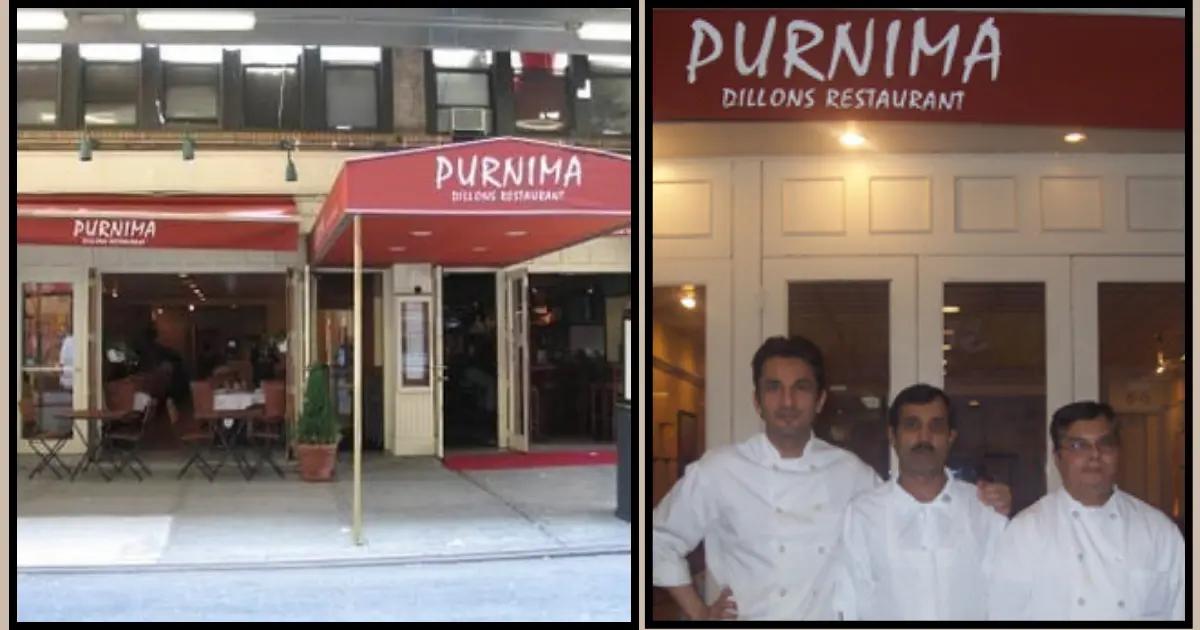
When Dillon’s restaurant appeared on Gordon Ramsay’s hit show Kitchen Nightmares in 2007, viewers watched as the celebrity chef attempted to rescue a struggling New York establishment from financial ruin. Despite Ramsay’s intensive makeover, redesign, and menu overhaul, Dillon’s restaurant closed its doors permanently just over a year after the episode aired. The closure raised important questions about whether reality TV interventions can truly save failing restaurants or merely provide temporary publicity boosts. Understanding why Dillon’s restaurant failed even after receiving expert help from one of the world’s most renowned chefs offers valuable lessons about restaurant management, sustainable business practices, and the limitations of quick-fix solutions in the competitive food service industry.
What Was Dillon's Restaurant and Why Was It on Kitchen Nightmares?
Dillon’s was an upscale Indian-American fusion restaurant located in Manhattan, New York, owned by Purnima Dillon. The establishment opened with ambitious goals of combining traditional Indian cuisine with contemporary American dining experiences. However, by the time Kitchen Nightmares producers discovered the restaurant in 2007, it was hemorrhaging money at an alarming rate, losing approximately $6,000 per month with debts exceeding $300,000.
The restaurant’s problems were multifaceted and deeply rooted. Purnima, while passionate about food, lacked formal restaurant management training and struggled with the operational complexities of running a full-service dining establishment. The menu was confusing and overly ambitious, attempting to please everyone while satisfying no one. Dishes ranged from traditional Indian curries to American steaks, creating an identity crisis that confused potential customers and made kitchen operations unnecessarily complicated.
What made Dillon’s restaurant particularly compelling for Kitchen Nightmares was the dramatic interpersonal dynamics. The restaurant employed Purnima’s daughter and son-in-law, creating family tensions that spilled into daily operations. Staff morale was abysmal, with servers and kitchen workers caught in the crossfire of management disputes. The dining room atmosphere reflected this chaos, with inconsistent service, long wait times, and food quality that varied wildly from night to night.
Gordon Ramsay selected Dillon’s because it represented a perfect storm of common restaurant failures: poor management, identity confusion, family drama, financial desperation, and operational dysfunction. The restaurant’s location in competitive Manhattan made the stakes even higher, as New York diners have countless options and little patience for mediocrity.
Gordon Ramsay's Makeover: What Changed at Dillon's?
When Gordon Ramsay arrived at Dillon’s restaurant, he implemented his signature transformation approach with characteristic intensity. The makeover began with a brutal assessment of the existing menu, which Ramsay described as “confused” and “trying to be everything to everyone.” He tasted numerous dishes, finding most to be poorly executed, underseasoned, or simply unappetizing. His famous bluntness shocked the staff but set the stage for necessary changes.
Ramsay’s first major intervention was streamlining the menu dramatically. He eliminated the confusing fusion concept and refocused the restaurant on high-quality Indian cuisine with modern presentation. The new menu featured approximately 15 carefully curated dishes instead of the previous 40-plus options. This reduction allowed the kitchen to perfect each dish, reduce food waste, improve consistency, and speed up service times. Signature dishes were developed that could become customer favorites and generate word-of-mouth marketing.
The physical transformation was equally dramatic. The dining room received a complete redesign with warmer lighting, updated décor that reflected Indian cultural elements without being cliché, and a more intimate seating arrangement. The kitchen was reorganized for better workflow, with new equipment placement and clearer station assignments. Ramsay also implemented new inventory management systems to reduce waste and control costs more effectively.
Perhaps most importantly, Ramsay addressed the management and staffing issues head-on. He conducted intensive training sessions with the kitchen brigade, teaching proper cooking techniques and plating standards. Front-of-house staff received customer service training emphasizing consistency and professionalism. Ramsay confronted the family dynamics directly, holding difficult conversations about roles, responsibilities, and the need to separate personal relationships from business decisions.
The relaunch night, filmed for the show, appeared successful. Customers praised the refined menu, improved service, and transformed atmosphere. The kitchen operated more smoothly, and staff seemed energized by the changes. For viewers watching at home, it seemed like Dillon’s restaurant had turned a corner and would thrive under its new direction.
The Real Reasons Dillon's Restaurant Closed After Kitchen Nightmares
Despite the dramatic improvements showcased on television, Dillon’s restaurant closed in early 2009, approximately 15 months after the Kitchen Nightmares episode aired. The closure resulted from multiple interconnected factors that Gordon Ramsay’s brief intervention couldn’t permanently resolve. Understanding these reasons reveals why many Kitchen Nightmares restaurant closures occur despite initial improvements.
Reverting to old habits was the primary culprit. Within weeks of filming’s conclusion, management began reintroducing old menu items that customers requested. The streamlined menu gradually expanded again as Purnima struggled to say no to customer demands. This menu creep recreated the original problems: kitchen confusion, inconsistent quality, higher food costs, and slower service. Without Ramsay’s daily oversight, the discipline required to maintain the focused concept evaporated.
The debt burden proved insurmountable. While the show provided a temporary publicity boost and some physical improvements, it didn’t erase the $300,000+ debt accumulated before filming. The restaurant needed sustained profitability to service this debt, but the brief post-show bump in business wasn’t enough. Monthly operating losses resumed within months, adding to the existing financial hole. Banks and creditors eventually lost patience, and the financial pressure became unbearable.
Management competency gaps persisted after the cameras left. Purnima’s passion for food couldn’t substitute for professional restaurant management skills. Critical areas like cost control, inventory management, staff scheduling, and marketing required expertise she hadn’t developed. The brief training during filming couldn’t compensate for years of experience. Without ongoing professional management support, operational inefficiencies continued draining profits.
The competitive Manhattan restaurant market showed no mercy. New York diners have extraordinary choices, and restaurants must consistently deliver exceptional experiences to build loyal customer bases. Dillon’s location, while in Manhattan, wasn’t in a prime dining district with heavy foot traffic. The restaurant needed strong marketing and a compelling unique selling proposition to draw customers from across the city. The temporary publicity from Kitchen Nightmares faded quickly, and the restaurant lacked the marketing sophistication to maintain momentum.
Family dynamics continued undermining operations. The interpersonal tensions that existed before filming never fully resolved. Working with family members creates unique challenges, especially when roles and authority aren’t clearly defined. Disagreements about business direction, hurt feelings, and blurred boundaries between personal and professional relationships created ongoing dysfunction that affected staff morale and decision-making quality.
Timeline: How Long Did Dillon's Stay Open After the Show?
The Dillon’s restaurant episode of Kitchen Nightmares filmed in May 2007 and aired on Fox in November 2007. Understanding the timeline helps illustrate how quickly the initial improvements deteriorated and why the restaurant ultimately failed.
May 2007 – Filming Period: Gordon Ramsay spent approximately one week at Dillon’s conducting his assessment, implementing changes, and filming the transformation. The restaurant closed briefly for the physical renovation and reopened with the new concept for the relaunch night featured in the episode.
June-October 2007 – Pre-Broadcast Period: During these months before the episode aired, the restaurant operated with the new menu and concept. Initial customer response was reportedly positive, with some regulars appreciating the improved quality and consistency. However, without the publicity boost from broadcast, business remained challenging. Staff reported that management began making small compromises to the Ramsay formula during this period.
November 2007 – Episode Airs: When the Kitchen Nightmares episode broadcast nationally, Dillon’s experienced a significant surge in customers. Curiosity-seekers, reality TV fans, and Gordon Ramsay enthusiasts made reservations to experience the transformed restaurant. This publicity bump created the restaurant’s busiest period in years, generating hope that the turnaround might succeed.
December 2007 – March 2008 – Temporary Success: The post-broadcast period saw sustained increased business for several months. However, operational challenges emerged as the restaurant struggled to handle higher customer volumes. Kitchen staff turnover occurred, and maintaining Ramsay’s quality standards proved difficult without his oversight. The menu began expanding again as management tried to accommodate various customer requests.
April – September 2008 – Decline Begins: As the publicity effect faded, customer traffic declined toward pre-show levels. The restaurant’s financial situation remained precarious, with monthly losses resuming. Staff morale declined as it became clear the business wasn’t achieving sustainable profitability. Management made increasingly desperate attempts to boost revenue, including discount promotions that further eroded profit margins.
October 2008 – January 2009 – Final Months: By fall 2008, the restaurant’s closure seemed inevitable. Debt payments became irregular, supplier relationships deteriorated, and staff departures accelerated. The final weeks saw reduced operating hours and a skeleton crew attempting to maintain service. Dillon’s restaurant closed permanently in early 2009, with the exact closure date in January or February depending on sources.
This timeline reveals that while Kitchen Nightmares provided a temporary lifeline, the fundamental problems preventing success were never fully addressed. The restaurant survived approximately 15 months post-filming but only about 8-10 months after the initial publicity boost faded.
Owner and Management Issues That Led to Failure
The Dillon’s restaurant failure ultimately traced back to persistent owner and management deficiencies that Gordon Ramsay’s brief intervention couldn’t permanently fix. Purnima Dillon’s journey from passionate cook to failed restaurant owner illustrates common entrepreneurial pitfalls in the food service industry.
Lack of restaurant management experience was the foundational problem. Purnima had culinary passion and cultural knowledge of Indian cuisine but no formal training in restaurant operations, financial management, or hospitality business practices. She learned through trial and error, making costly mistakes that accumulated into insurmountable debt. Critical skills like reading financial statements, managing cash flow, controlling food costs, and optimizing labor scheduling remained weak throughout the restaurant’s existence.
Inability to make difficult decisions plagued the business consistently. Successful restaurant owners must make tough calls: firing underperforming staff, refusing customer demands that compromise the concept, cutting popular but unprofitable menu items, and investing in necessary improvements even when cash is tight. Purnima struggled with these decisions, often choosing short-term comfort over long-term business health. Her reluctance to enforce the streamlined menu Ramsay created exemplified this weakness.
Emotional decision-making rather than data-driven management created ongoing problems. Purnima made choices based on feelings, family pressures, and customer complaints rather than analyzing what the business financially needed. When regular customers requested old menu items, she added them back despite knowing it complicated kitchen operations. When family members wanted specific roles, she accommodated them regardless of qualifications. This emotional approach prevented the disciplined execution required for restaurant success.
The family employment situation created unique challenges. Having her daughter and son-in-law work at the restaurant blurred professional boundaries and complicated management decisions. Family disagreements about business direction became personal conflicts. Performance issues with family members were harder to address directly. Other staff members perceived favoritism and unfair treatment, damaging morale. The family dynamics that Kitchen Nightmares viewers found entertaining were actually symptoms of serious organizational dysfunction.
Resistance to professional help beyond the TV show intervention limited improvement opportunities. After Ramsay left, Purnima didn’t hire an experienced restaurant manager or business consultant to maintain momentum. She didn’t join industry associations, attend management training, or seek mentorship from successful restaurateurs. The pride or financial constraints that prevented seeking ongoing professional support ensured that knowledge gaps remained unfilled.
Marketing and brand-building neglect meant the restaurant never developed a sustainable customer base. Beyond the temporary Kitchen Nightmares publicity, Dillon’s had minimal marketing presence. No social media strategy, limited local advertising, poor online review management, and weak community engagement meant the restaurant remained invisible to potential customers. In Manhattan’s competitive market, passive marketing approaches guarantee failure.
Did Kitchen Nightmares Actually Help or Hurt Dillon's?
The question of whether Kitchen Nightmares helped or hurt Dillon’s restaurant doesn’t have a simple answer. The show’s impact was complex, providing both significant benefits and unexpected drawbacks that influenced the restaurant’s trajectory.
Positive impacts were substantial in the short term. The physical renovation, estimated at $50,000-$100,000 in value, provided improvements the restaurant couldn’t have afforded independently. New kitchen equipment, dining room redesign, and updated décor created a more professional environment. The menu refinement and operational training gave the restaurant a fighting chance at success with a clearer concept and better execution standards.
The publicity value was enormous. Appearing on a nationally televised show with millions of viewers provided marketing exposure worth hundreds of thousands of dollars. The episode generated immediate customer interest, filled reservations for weeks, and created buzz that briefly made Dillon’s a destination restaurant. This visibility temporarily reversed the downward spiral and provided a platform for potential long-term success.
Gordon Ramsay’s credibility and expertise lent legitimacy to the restaurant. His endorsement signaled to potential customers that Dillon’s was worth visiting. The association with a celebrity chef elevated the restaurant’s profile and created curiosity among food enthusiasts who might not have otherwise considered it.
Negative impacts emerged more subtly but proved significant. The show’s editing portrayed Purnima and the restaurant in sometimes unflattering ways, emphasizing dysfunction and failure. While this made compelling television, it potentially damaged the restaurant’s reputation among viewers who saw it as a disaster rather than a success story. Some potential customers may have been deterred by the negative portrayal.
The temporary nature of the intervention created unrealistic expectations. The show format suggests that one week of intensive work can permanently fix years of accumulated problems. This narrative doesn’t reflect reality—sustainable change requires ongoing effort, learning, and support. When Ramsay left and the cameras stopped rolling, Dillon’s was left with improved infrastructure but the same management challenges that created the original problems.
The publicity boost created operational pressures the restaurant wasn’t equipped to handle. The sudden surge in customers after the episode aired overwhelmed staff, exposed remaining operational weaknesses, and created quality control challenges. Some first-time visitors during this busy period may have had subpar experiences due to the volume, damaging the restaurant’s reputation among potential regular customers.
Perhaps most problematically, the show may have created a false sense of security. The dramatic transformation and positive relaunch night suggested the restaurant was saved, potentially reducing urgency about addressing underlying issues. Management may have believed the Kitchen Nightmares makeover was sufficient rather than recognizing it as merely a starting point requiring continued improvement and professional development.
Comparing Dillon’s to other Kitchen Nightmares restaurant closures reveals a pattern. Statistics suggest approximately 60-70% of restaurants featured on the show eventually close, similar to the general restaurant industry failure rate. This suggests the show neither significantly helps nor hurts long-term survival—it simply provides a temporary intervention that succeeds only when combined with sustained management competency and operational discipline.
What Happened to the Owners and Staff After Closure?
After Dillon’s restaurant closed in early 2009, the fates of those involved varied significantly. Understanding what happened to the people behind the restaurant provides closure to the story and illustrates the personal costs of restaurant failure.
Purnima Dillon, the owner, faced significant financial and personal challenges following the closure. The restaurant’s debts, which exceeded $300,000 before Kitchen Nightmares and likely grew afterward, created serious financial obligations. While specific details of her debt resolution aren’t publicly documented, restaurant closures typically involve bankruptcy proceedings, creditor negotiations, and years of financial recovery. Purnima reportedly left the restaurant industry entirely, a common outcome for failed restaurant owners who find the experience too traumatic or financially devastating to attempt again.
The emotional toll on Purnima shouldn’t be underestimated. Restaurant ownership was her dream and identity. The public failure, amplified by national television exposure, created embarrassment and disappointment that extended beyond financial loss. The strain on family relationships, particularly with her daughter and son-in-law who worked at the restaurant, added personal pain to business failure. Recovery from such a comprehensive defeat takes years and sometimes never fully occurs.
Information about specific staff members who worked at Dillon’s is limited, as most weren’t prominently featured in the Kitchen Nightmares episode. Restaurant staff typically move to other establishments when their workplace closes, especially in markets like Manhattan with abundant food service opportunities. Experienced servers, cooks, and managers usually find new positions relatively quickly, though often at comparable or lower compensation levels. The closure likely caused temporary financial hardship for hourly workers who lost income suddenly.
The family members involved in the restaurant faced particularly complex situations. Working with family creates intertwined financial and personal stakes that make failure more devastating. The daughter and son-in-law who worked at Dillon’s not only lost employment but potentially experienced strained family relationships, financial losses if they had invested personally, and the shared trauma of public failure. Whether these family relationships recovered or suffered permanent damage isn’t publicly known.
Comparing Dillon’s aftermath to other Kitchen Nightmares participants provides context. Similar to questions about what happened to Rick and Tricia from J Willy’s or what happened to Michon’s from Kitchen Nightmares, most failed restaurant owners quietly exit the industry and rebuild their lives privately. The public nature of their failures on national television often makes them reluctant to discuss their experiences afterward. Some find success in different careers, while others struggle with the financial and emotional aftermath for years.
Unlike some Kitchen Nightmares participants who maintained public profiles or returned to the restaurant industry in different capacities, Purnima appears to have chosen privacy. This decision is understandable given the public nature of her restaurant’s failure and the personal challenges involved. The lack of public information about her subsequent activities suggests she successfully moved on from the restaurant industry and rebuilt her life away from the spotlight.
Lessons from Dillon's Closure: Why Restaurant Makeovers Often Fail
The story of Dillon’s restaurant offers valuable lessons for aspiring restaurant owners, business students, and anyone interested in understanding why quick-fix interventions rarely solve deep-rooted organizational problems. These lessons extend beyond the restaurant industry to any business facing operational and management challenges.
Sustainable change requires sustained effort, not one-time interventions. Gordon Ramsay’s week-long transformation created a foundation for success but couldn’t instill the ongoing discipline, learning, and adaptation required for long-term viability. Restaurant success demands daily commitment to quality, consistency, financial management, and customer service. Without systems and habits that maintain standards after initial improvements, regression to old patterns is inevitable. This lesson applies equally to personal development, organizational change, and any transformation initiative.
Management competency cannot be outsourced or temporarily borrowed. Purnima’s fundamental lack of restaurant management skills remained her Achilles heel despite Ramsay’s expertise. Professional management requires knowledge, experience, and judgment developed over years. Brief training sessions cannot substitute for this expertise. Successful business owners either possess these skills themselves, hire qualified managers who do, or commit to intensive ongoing education. Attempting to run a complex business without adequate management capability guarantees eventual failure regardless of other advantages.
Financial problems require financial solutions, not just operational improvements. Dillon’s $300,000+ debt burden needed debt restructuring, capital infusion, or bankruptcy protection—not just a new menu and décor. While operational improvements can increase revenue and reduce costs, they rarely generate sufficient cash flow quickly enough to resolve serious debt problems. Businesses facing financial crisis need financial expertise and often require difficult decisions like equity dilution, asset sales, or formal insolvency proceedings. Ignoring the financial reality while focusing only on operations is a common but fatal mistake.
Clear concept and market positioning are essential in competitive industries. Dillon’s original identity crisis—trying to be both Indian and American, upscale and casual, traditional and modern—confused customers and prevented the restaurant from building a loyal following. Successful restaurants have clear answers to “What are we?” and “Who are we for?” These fundamental strategic questions must be answered definitively and reflected consistently in every aspect of the operation. Attempting to appeal to everyone appeals to no one.
Family businesses require exceptional boundary management. The family dynamics at Dillon’s created dysfunction that undermined business operations. Successful family businesses establish clear governance structures, separate business from personal relationships, base decisions on merit rather than family politics, and often bring in outside professional management for objectivity. Without these boundaries, family businesses suffer from conflicts of interest, emotional decision-making, and organizational dysfunction that destroy value.
Marketing and customer acquisition must be ongoing priorities, not afterthoughts. Dillon’s relied on the temporary Kitchen Nightmares publicity without developing sustainable marketing capabilities. In competitive markets, restaurants must continuously attract new customers, retain existing ones, and build brand awareness. This requires marketing expertise, consistent effort, and adequate budget allocation. Businesses that treat marketing as optional or secondary inevitably struggle with customer acquisition and revenue generation.
Pride and ego can prevent seeking necessary help. Purnima’s apparent reluctance to hire professional management, seek ongoing consulting support, or admit knowledge gaps limited her ability to address the restaurant’s problems. Successful entrepreneurs recognize their limitations and actively seek expertise in areas where they’re weak. This requires humility and willingness to invest in professional help—qualities that separate successful business owners from those who fail despite passion and hard work.
The broader lesson about reality TV restaurant makeovers is that they’re entertainment, not comprehensive business solutions. Shows like Kitchen Nightmares create compelling narratives of transformation and redemption, but the format’s constraints prevent addressing the deep systemic issues that cause restaurant failures. Viewers should understand that the dramatic before-and-after story is simplified for television and that real business turnarounds require far more time, resources, and expertise than any TV show can provide.
Finally, restaurant industry statistics are sobering and should inform realistic expectations. Approximately 60% of restaurants fail within the first three years, and 80% close within five years. These high failure rates reflect the industry’s intense competition, thin profit margins, operational complexity, and demanding nature. Success requires exceptional execution across multiple dimensions simultaneously—food quality, service excellence, financial management, marketing effectiveness, and operational efficiency. Most restaurant owners, even with passion and dedication, lack the comprehensive skill set required for sustained success.
The closure of Dillon’s restaurant, despite Gordon Ramsay’s intervention and national television exposure, ultimately reinforces a fundamental business truth: there are no shortcuts to building sustainable enterprises. Success requires competent management, adequate capitalization, clear strategic positioning, operational discipline, and sustained effort over years. Quick fixes and dramatic makeovers make compelling television but rarely create lasting business transformation. For aspiring restaurant owners, the Dillon’s story serves as a cautionary tale about the importance of developing genuine business capabilities rather than hoping that external interventions will compensate for fundamental deficiencies.
Frequently Asked Questions
Why did Dillon's restaurant close after Kitchen Nightmares?
Dillon’s restaurant closed in early 2009, approximately one year after Gordon Ramsay’s Kitchen Nightmares intervention in 2007. Despite the makeover, the restaurant struggled with persistent financial problems, management issues, and an inability to maintain the improvements Ramsay implemented. The underlying debt and operational challenges proved too significant to overcome, even with the temporary boost from television exposure.
What happened to Purnima from Dillon's restaurant?
After Dillon’s restaurant closed, owner Purnima stepped away from the restaurant industry. The financial and emotional toll of the restaurant’s failure, combined with the stress of appearing on national television, led her to pursue other ventures outside of food service. While specific details about her current activities remain private, she did not open another restaurant following Dillon’s closure.
Is Dillon's restaurant in New York still open?
No, Dillon’s restaurant is permanently closed. The establishment shut down in early 2009 and never reopened. The location in New York that once housed Dillon’s has since been occupied by other businesses, and there are no plans to revive the Dillon’s brand or concept.
How long did Dillon's stay open after Kitchen Nightmares aired?
Dillon’s remained open for approximately 12-14 months after the Kitchen Nightmares episode aired in 2007. While the show provided temporary publicity and increased foot traffic, the restaurant couldn’t sustain the momentum. The brief post-show success wasn’t enough to resolve the deep-seated financial problems that had accumulated before Gordon Ramsay’s intervention.
What were the main reasons Dillon's restaurant failed?
The primary reasons for Dillon’s failure included overwhelming debt, poor financial management, inconsistent food quality, and lack of a clear restaurant identity. Additionally, the owners struggled to maintain the standards and systems Gordon Ramsay established during the makeover. The combination of pre-existing financial burdens and operational inexperience ultimately led to the restaurant’s downfall despite the Kitchen Nightmares intervention.
Did Gordon Ramsay's changes help Dillon's restaurant at all?
Yes, Gordon Ramsay’s changes provided temporary improvements to Dillon’s, including increased customer traffic, a streamlined menu, and better kitchen organization. However, these positive changes were short-lived as the restaurant reverted to old habits and couldn’t overcome its substantial debt. The Kitchen Nightmares makeover addressed surface-level issues but couldn’t resolve the fundamental business problems that plagued Dillon’s.
What happened to the Dillon's restaurant location after it closed?
After Dillon’s restaurant closed in 2009, the New York location was taken over by new tenants and businesses. The space no longer operates as Dillon’s, and all traces of the original restaurant have been removed. The property has since housed different establishments, with no connection to the former Kitchen Nightmares featured restaurant.
How successful are Kitchen Nightmares restaurants after the show?
Statistics show that approximately 60-70% of restaurants featured on Kitchen Nightmares eventually close, similar to the general restaurant industry failure rate. Dillon’s restaurant closure fits this pattern, demonstrating that even celebrity chef interventions cannot guarantee long-term success. The show’s makeovers provide temporary relief, but sustainable success requires committed ownership, sound financial management, and consistent execution of improvements.
Was Dillon's already in debt before Kitchen Nightmares?
Yes, Dillon’s was significantly in debt before appearing on Kitchen Nightmares, which was one of the primary reasons the owners sought Gordon Ramsay’s help. The restaurant had accumulated substantial financial obligations that made recovery extremely difficult. Even with the show’s renovations and publicity, the pre-existing debt burden proved insurmountable and contributed directly to why Dillon’s restaurant closed permanently.
You May Also Like

Car Finance Claims Explained: Check for Hidden Costs

Water Taxi Market 2025: Sustainable Growth Forecast & Trends

Visionary Leader Impact: Howard Wilner’s Expert Insights