Kangaroo Whip Conditioner: Is Shea Butter Safe for Leather?

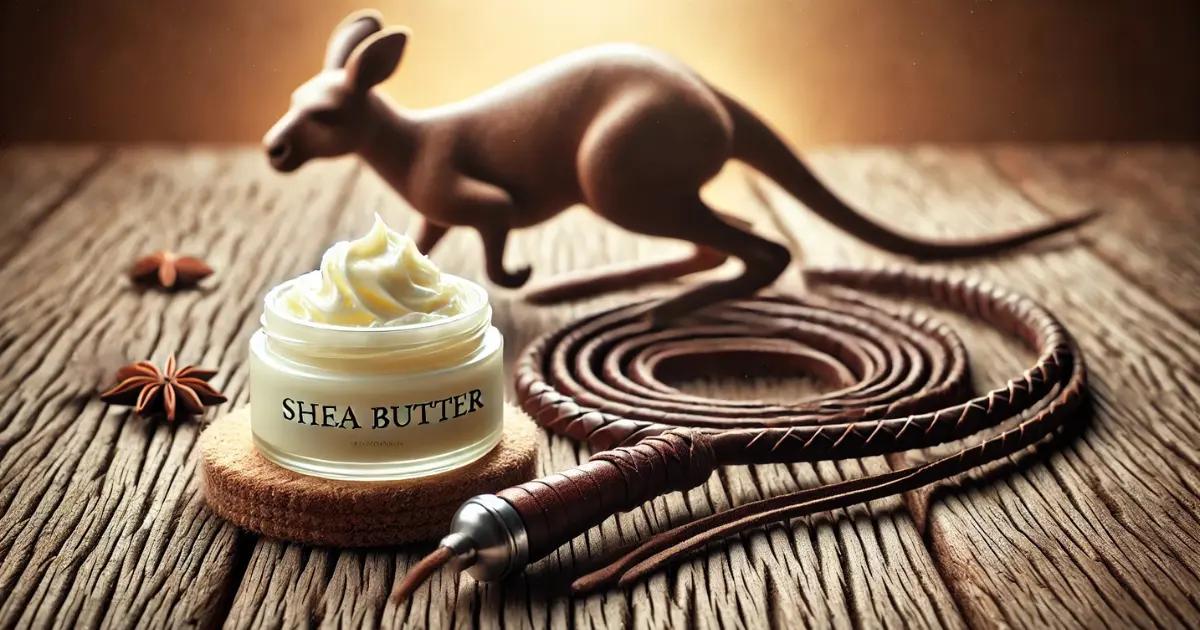
When it comes to maintaining a high-quality kangaroo leather whip, choosing the right kangaroo whip conditioner can mean the difference between decades of reliable performance and premature deterioration. Many whip enthusiasts wonder whether common household products like shea butter can safely condition their valuable kangaroo whips, or if specialized leather treatments are necessary. Kangaroo leather represents one of the strongest and most flexible materials used in whipmaking, but its unique fiber structure requires specific care approaches that differ from conventional cowhide or other leather types. Understanding whether shea butter is a good whip conditioner for kangaroo whip maintenance requires examining the leather’s properties, the conditioner’s composition, and how these elements interact over time.
What Makes Kangaroo Leather Unique for Whips
Kangaroo leather stands apart from all other leather types due to its extraordinary strength-to-weight ratio and distinctive fiber structure. Unlike cowhide, which has randomly oriented fibers, kangaroo leather features a highly uniform parallel fiber arrangement that creates exceptional tensile strength—up to ten times stronger than cowhide of equivalent thickness. This unique characteristic makes it the preferred material for performance whips, bullwhips, and equestrian applications where durability and flexibility are paramount.
The fiber density in kangaroo leather is remarkably consistent throughout the hide, with minimal variation between different sections. This uniformity allows whipmakers to create thinner, lighter whips that maintain structural integrity under repeated stress. A kangaroo bullwhip can be plaited with strands as thin as 3mm while still delivering the characteristic crack that signals supersonic tip speed. This wouldn’t be possible with most other leather types without sacrificing durability.
Another distinguishing feature is the leather’s natural oils and fat content. Kangaroo leather contains less natural fat than cowhide, making it less prone to becoming greasy or heavy when conditioned. However, this also means it can dry out more quickly if not properly maintained, particularly in arid climates or with frequent use. The leather’s pore structure is finer and more tightly packed, which affects how it absorbs and retains conditioning products.
The thinness of kangaroo leather—often just 0.8mm to 1.2mm for whip strands—means that any conditioning product penetrates quickly and thoroughly. This characteristic makes product selection critical, as over-conditioning or using inappropriate substances can saturate the leather, compromising its structural properties. The material’s flexibility when properly cared for allows whips to develop the flowing motion necessary for precision cracking and performance work.
Is Shea Butter Safe for Kangaroo Leather Whips?
The question of whether shea butter for leather whip conditioning is appropriate requires examining both the benefits and potential drawbacks of this popular natural product. Shea butter, extracted from the nuts of the African shea tree, contains high concentrations of fatty acids and vitamins that provide excellent moisturizing properties for skin and some leather applications. However, its suitability for kangaroo whip conditioner use is more nuanced than many enthusiasts realize.
Shea butter’s primary composition includes oleic acid (40-60%), stearic acid (20-50%), linoleic acid (3-11%), and palmitic acid (2-9%). These fatty acids can penetrate leather fibers and provide temporary softening and water resistance. For thicker, oil-tanned leathers, shea butter can work reasonably well as a conditioning agent. However, kangaroo leather’s fine fiber structure and minimal natural fat content create specific challenges when using shea butter for sale as a maintenance product.
The main concern with using shea butter on kangaroo leather whips centers on residue buildup and fiber saturation. Shea butter has a melting point of approximately 89-100°F (32-38°C), meaning it can remain semi-solid at room temperature and may not fully absorb into the leather. This can leave a waxy surface coating that attracts dust and dirt, gradually building up layers that interfere with the whip’s performance. The accumulated residue can make the leather feel tacky and reduce the clean release necessary for proper cracking.
Additionally, shea butter’s heavy molecular structure may over-soften kangaroo leather if applied too liberally. While some softening is desirable for breaking in a new whip, excessive conditioning can reduce the leather’s structural integrity, causing it to stretch unevenly or lose its crisp response. For performance whips where precision matters, this degradation in handling characteristics can be problematic.
That said, shea butter isn’t necessarily harmful in small quantities for occasional use. If you’re in a situation where specialized leather conditioners aren’t available, a very light application of shea butter—warmed and rubbed in thoroughly—can provide temporary moisture without causing immediate damage. The key is moderation: use sparingly, work it in completely, and wipe away any excess. However, for regular maintenance and optimal long-term care, specialized kangaroo leather conditioners remain the superior choice.
Best Conditioners for Kangaroo Whip Maintenance
Selecting the right kangaroo whip conditioner requires understanding which products are specifically formulated to work with the unique properties of this exceptional leather. Professional whipmakers and experienced users consistently recommend certain products that have proven effective over decades of use without causing deterioration or performance issues.
Pecard Leather Dressing stands as one of the most widely recommended products in the whipmaking community. This time-tested conditioner uses a blend of natural oils and waxes that penetrate kangaroo leather effectively without over-softening or leaving heavy residue. Pecard’s formulation is designed to restore flexibility while maintaining the leather’s structural properties, making it ideal for both new whip break-in and ongoing maintenance. The product comes in different formulations, with the classic Leather Dressing being most appropriate for whips rather than the heavier Antique or Weatherproof versions.
Neatsfoot oil represents another traditional option, though it requires careful application. Pure neatsfoot oil (not compound versions containing petroleum additives) can effectively condition kangaroo leather when used sparingly. The oil penetrates deeply and restores suppleness to dried leather fibers. However, over-application can darken the leather significantly and may cause excessive softening. When using neatsfoot oil as a leather whip conditioner, apply only the smallest amount necessary and allow complete absorption before handling the whip.
Lexol Leather Conditioner offers a modern alternative that many users find effective for kangaroo leather care. This pH-balanced product uses emulsified oils that penetrate without leaving surface residue. Lexol is particularly useful for whips that see regular use, as it conditions without building up layers over time. The product’s liquid consistency makes it easy to apply evenly, though care should still be taken to avoid over-saturation.
Specialized whip conditioners from manufacturers like David Morgan and Bernie Wojcicki are formulated specifically for performance whips. These products typically use proprietary blends designed to maintain the precise balance between flexibility and firmness that kangaroo whips require. While often more expensive than general-purpose leather conditioners, they’re engineered for the exact application and eliminate guesswork about compatibility.
For those seeking natural alternatives, pure emu oil has gained popularity among whip enthusiasts. Emu oil’s molecular structure allows it to penetrate deeply without leaving heavy residue, and its natural composition is less likely to cause adverse reactions with kangaroo leather. The oil is non-greasy, absorbs quickly, and doesn’t significantly darken the leather. However, quality varies significantly between brands, so sourcing from reputable suppliers is essential.
How to Properly Condition a Kangaroo Leather Whip
Understanding how to condition a leather whip properly is as important as selecting the right product. The conditioning process for kangaroo leather differs from other leather types due to its thinness and fiber structure, requiring a methodical approach that emphasizes restraint and thoroughness over heavy application.
Begin by assessing your whip’s current condition. Examine the leather closely under good lighting, looking for signs of dryness such as stiffness, surface cracking, or color fading. Gently flex different sections of the whip to identify areas that feel brittle or inflexible. New whips typically require minimal conditioning, as quality whipmakers condition the leather during construction. Used whips or those stored in dry environments may show more obvious signs of needing treatment.
Before applying any conditioner, clean the whip thoroughly. Use a soft, slightly damp cloth to wipe down the entire length, removing dust, dirt, and any previous conditioner residue. Pay particular attention to the handle area and any sections that show buildup. Allow the whip to dry completely before proceeding—conditioning damp leather can trap moisture and lead to mildew or fiber degradation.
When ready to apply conditioner, use the absolute minimum amount necessary. For a standard 6-foot bullwhip, a quantity roughly the size of a pea is typically sufficient for the entire whip. Warm the conditioner between your fingers to improve its flow characteristics, then apply it to a clean, lint-free cloth rather than directly to the whip. This indirect application method provides better control and prevents over-saturation.
Work the conditioner into the leather using long, smooth strokes that follow the direction of the plaiting. Start at the handle and work toward the fall, applying gentle pressure to help the product penetrate. For leather whip maintenance, focus on the thong (main body) rather than the cracker or fall, which are typically replaced periodically and don’t require conditioning. Pay extra attention to areas that flex most during use, such as the transition from handle to thong and the belly section.
After application, allow the conditioner to absorb for 15-30 minutes. The leather should appear slightly darker and feel more supple, but it shouldn’t feel wet or greasy. If any excess product remains on the surface, wipe it away with a clean cloth. Leaving surface residue invites dust accumulation and can make the whip feel sticky during use.
For those wondering how to leather condition a hunting whip specifically, the process remains largely the same, though hunting whips’ shorter length and different construction may require slightly different attention to the keeper and lash areas. The keeper (the loop at the end) should receive conditioning attention, as it experiences significant stress during use.
Alternative Natural Conditioners for Leather Whips
Beyond commercial products and shea butter, several alternative natural conditioners can effectively maintain kangaroo leather whips when used appropriately. These options appeal to users seeking traditional methods or those with concerns about synthetic additives, though each comes with specific considerations for condition kangaroo leather applications.
Beeswax mixed with oil creates a time-honored leather treatment that provides both conditioning and water resistance. The traditional formula combines pure beeswax with neatsfoot oil or jojoba oil in approximately a 1:4 ratio. When warmed and applied sparingly, this mixture penetrates kangaroo leather while leaving a protective coating that doesn’t feel heavy or sticky. The wax component helps seal the leather’s surface without blocking its ability to breathe, making it particularly useful for whips used in humid environments or outdoor conditions.
Jojoba oil stands out among plant-based conditioners due to its unique chemical structure—technically a liquid wax ester rather than a true oil. This composition closely resembles the sebum naturally produced by animal skin, allowing it to integrate seamlessly with leather fibers. Jojoba oil doesn’t oxidize or turn rancid like many vegetable oils, making it stable for long-term leather care. For kangaroo whips, pure jojoba oil can be applied very sparingly, as its penetrating power means a little goes an extremely long way.
Mink oil has been used for leather conditioning for generations, though opinions on its suitability for kangaroo leather vary among experts. Mink oil penetrates deeply and provides excellent water resistance, but it can significantly darken leather and may over-soften thin kangaroo strands if applied too liberally. If choosing mink oil for whip conditioning, select pure mink oil rather than compounds containing silicone or petroleum derivatives, and apply it even more sparingly than other conditioners.
Coconut oil occasionally appears in discussions about natural leather care, but it’s generally not recommended for kangaroo whips. While coconut oil provides moisture, it can oxidize over time, potentially causing leather to become brittle rather than supple. Additionally, its tendency to solidify at cooler temperatures makes it less practical than other options. If used at all, it should be considered only for emergency situations when no better alternative exists.
Lanolin, the natural oil from sheep’s wool, offers another traditional option. Anhydrous lanolin (without water content) can condition leather effectively while providing water resistance. However, lanolin is quite heavy and sticky, making it better suited for thicker work leathers than fine kangaroo whip strands. If using lanolin, mix it with a lighter carrier oil and apply extremely sparingly to avoid making the whip feel tacky.
Common Mistakes That Damage Kangaroo Whips
Understanding what not to do is equally important as knowing proper best whip conditioner techniques. Many well-intentioned whip owners inadvertently damage their kangaroo leather through conditioning errors, storage mistakes, or improper use that could easily be avoided with correct information.
Over-conditioning represents the single most common mistake in whip maintenance. The misconception that “more is better” leads owners to apply excessive amounts of conditioner or condition too frequently, saturating the leather fibers. Over-conditioned kangaroo leather becomes limp, stretches unevenly, and loses the structural integrity necessary for proper cracking. The leather may develop a permanently greasy feel and attract dust that embeds in the fibers. Once over-conditioned, a whip is difficult to restore, often requiring months of use and careful cleaning to remove excess product.
Using petroleum-based products like Vaseline, motor oil, or generic leather treatments containing petroleum distillates causes long-term deterioration of kangaroo leather. These substances initially seem to soften and darken the leather attractively, but they break down the fiber structure over time, causing brittleness and cracking. Petroleum products also oxidize, leaving residues that can’t be fully removed and that continue damaging the leather even after you stop using them.
Storing whips improperly accelerates deterioration regardless of conditioning practices. Hanging a whip by its cracker or fall creates stress points that stretch and weaken the leather. Coiling a whip tightly for storage creates permanent kinks and bends that affect performance. Storing whips in direct sunlight fades and dries the leather, while storage in damp basements or garages invites mildew growth. Proper storage involves hanging the whip by its handle in a cool, dry location away from direct sunlight, or coiling it loosely if hanging isn’t possible.
Many users wonder can kangaroo leather get wet, and while brief exposure to moisture won’t immediately ruin a whip, repeated wetting and drying cycles cause significant damage. Water swells leather fibers, and as they dry, they contract unevenly, leading to stiffness and cracking. If a whip does get wet, it should be allowed to dry naturally at room temperature—never near heat sources like radiators or in direct sunlight. Once completely dry, light conditioning can help restore suppleness, but prevention is always preferable to treatment.
Conditioning a dirty whip traps grit and debris against the leather, where it acts like sandpaper during use, abrading the fibers from within. Always clean a whip thoroughly before conditioning, and ensure it’s completely dry before applying any product. Similarly, conditioning immediately before use can make the whip slippery and difficult to control, potentially leading to accidents or poor technique that stresses the leather unnecessarily.
For those asking why won’t my whip crack, over-conditioning is often the culprit. A properly maintained whip should feel supple but firm, with enough body to transmit the wave of energy from handle to tip. Over-conditioned leather absorbs too much energy, preventing the wave from building sufficient speed to create the supersonic crack. If your whip has become too soft, discontinue conditioning and use it regularly to allow excess product to work out naturally.
How Often Should You Condition a Kangaroo Whip
Determining the appropriate conditioning frequency for kangaroo whip conditioner application depends on multiple factors including usage frequency, climate conditions, and the whip’s current state. Unlike some leather goods that benefit from regular scheduled conditioning, kangaroo whips require a more nuanced, condition-based approach that prioritizes observation over calendar dates.
For actively used whips—those employed weekly or more frequently for performance, sport, or work—conditioning every 3-6 months typically provides adequate maintenance. However, this guideline should be adjusted based on visual and tactile assessment rather than followed rigidly. A whip used daily in a dry climate may require conditioning every 2-3 months, while one used weekly in a humid environment might go 6-9 months between treatments. The leather itself provides the best indicators of when conditioning is needed.
New whips generally require minimal conditioning for the first year of use. Quality whipmakers condition the leather during construction, and the breaking-in period allows the leather to settle into its working characteristics without additional product. Over-conditioning a new whip can prevent proper break-in, creating a limp, unresponsive tool. Most experts recommend waiting until a new whip has been used for at least 50-100 hours before considering any conditioning beyond what the maker applied.
Whips in storage or used infrequently need conditioning less often than actively used ones, but they shouldn’t be neglected entirely. Examine stored whips every 3-4 months, looking for signs of drying such as stiffness, color fading, or surface cracking. A stored whip in a climate-controlled environment might only need conditioning once per year, while one in a garage or shed may require more frequent attention. Before storing a whip for an extended period, apply a very light conditioning treatment to help the leather maintain flexibility during dormancy.
Climate plays a crucial role in conditioning frequency. Arid environments with low humidity cause leather to dry more quickly, potentially requiring conditioning every 2-3 months for regularly used whips. Conversely, humid climates may allow 6-8 months between treatments. Seasonal changes also matter—whips may need conditioning as you transition from humid summer to dry winter, but not require treatment again until the following seasonal shift.
The “feel test” provides the most reliable indicator of conditioning needs. A properly maintained kangaroo whip should feel supple but not soft, with a slight natural resistance when flexed. If the leather feels stiff, brittle, or makes cracking sounds when flexed gently, conditioning is overdue. If it feels limp, overly soft, or greasy, it’s been over-conditioned and needs time to dry out. Developing this tactile sense takes experience, but it’s more reliable than any fixed schedule.
Expert Tips for Long-Term Whip Care
Maintaining a kangaroo leather whip for decades of reliable service extends beyond conditioning to encompass comprehensive care practices that address all aspects of whip longevity. Professional whipmakers and experienced users have developed techniques that maximize the lifespan of these valuable tools while maintaining optimal performance characteristics.
Regular inspection forms the foundation of long-term whip care. Before and after each use session, examine the entire whip for signs of wear, damage, or developing problems. Check the plaiting for loose strands, inspect transition points where different sections join, and look for areas where the leather appears stressed or beginning to fray. Early detection of issues allows for simple repairs before they become major problems requiring professional intervention or rendering the whip unusable.
Proper handling technique prevents much of the wear that shortens whip lifespan. Avoid dragging the whip across abrasive surfaces like concrete or gravel, which abrades the leather and embeds grit into the fibers. When practicing or performing, use appropriate surfaces like grass, dirt, or specialized indoor flooring. Learn correct cracking technique to avoid excessive stress on the whip—poor technique that requires excessive force to achieve cracks causes premature wear and potential breakage.
The cracker and fall (the terminal sections of the whip) are consumable components designed to absorb the most stress and protect the valuable kangaroo leather thong. Replace crackers regularly—they’re inexpensive and easy to change, unlike repairing damaged leather. A worn cracker that’s allowed to deteriorate completely can cause the fall to fray, which then damages the thong itself. Most active users replace crackers every 2-4 weeks of regular use, though frequency varies based on technique and surface conditions.
Temperature extremes should be avoided whenever possible. Don’t leave whips in hot cars where temperatures can exceed 150°F, as extreme heat can cause leather to dry, crack, and lose flexibility. Similarly, avoid exposing whips to freezing temperatures, which make the leather brittle and prone to cracking. If a whip has been exposed to temperature extremes, allow it to return gradually to room temperature before use, and assess whether conditioning is needed to restore suppleness.
Rotation extends whip life for those who use them frequently. Professional performers and serious practitioners often maintain multiple whips, rotating between them to allow each adequate rest between use sessions. This practice allows the leather to recover from the stress of use and helps prevent the fatigue that comes from constant repetition. Even a 24-hour rest period between intensive use sessions can significantly extend a whip’s working life.
Documentation helps track maintenance history and identify patterns. Keep simple records noting when you condition your whip, what product you used, and any observations about the leather’s condition. This information helps you refine your maintenance schedule and identify whether certain products or practices work better for your specific situation. For valuable or custom whips, documentation also provides useful information if professional repair or restoration becomes necessary.
Professional maintenance should be considered for high-value whips or when problems develop beyond your skill to address. Experienced whipmakers can repair damaged plaiting, replace worn sections, and restore whips that have been improperly maintained. While professional services involve cost, they’re often worthwhile for preserving valuable whips or those with sentimental significance. Establishing a relationship with a reputable whipmaker provides access to expert advice tailored to your specific whip and usage patterns.
Conclusion: Making Informed Decisions About Kangaroo Whip Conditioning
While shea butter can provide temporary moisture to kangaroo leather in emergency situations, it’s not the optimal choice for regular kangaroo whip conditioner use. The specialized nature of kangaroo leather—with its exceptional strength, fine fiber structure, and minimal natural fat content—demands conditioning products specifically formulated to maintain its unique properties without over-softening or leaving problematic residue. Products like Pecard Leather Dressing, pure neatsfoot oil, and specialized whip conditioners offer superior performance and long-term leather health compared to general-purpose products like shea butter.
Successful leather whip maintenance requires understanding that less is more when it comes to conditioning. The most common mistake whip owners make is over-conditioning, which degrades performance and can permanently damage the leather’s structure. By conditioning only when the leather shows actual signs of dryness, using minimal product quantities, and allowing complete absorption before use, you’ll maintain your whip’s optimal performance characteristics while protecting your investment for decades of reliable service.
The key to exceptional kangaroo leather care lies in observation, restraint, and using products proven effective for this specific application. Whether you’re maintaining a performance bullwhip, an equestrian hunting whip, or a collector’s piece, the principles remain consistent: clean regularly, condition sparingly with appropriate products, store properly, and handle with technique that minimizes unnecessary stress. By following these expert-backed practices and avoiding common mistakes like using inappropriate conditioners or over-treating the leather, your kangaroo whip will deliver the exceptional performance and longevity that makes this remarkable material the gold standard in whipmaking.
Frequently Asked Questions
Can you use shea butter as a kangaroo whip conditioner?
Shea butter is not recommended as a kangaroo whip conditioner because it can leave a sticky residue and doesn’t penetrate kangaroo leather effectively. While shea butter works well for human skin, it lacks the proper formulation needed for leather preservation and can attract dust and dirt to your whip. Specialized leather conditioners designed for kangaroo leather, such as Pecard Leather Dressing or pure neatsfoot oil, provide better protection and flexibility without compromising the leather’s integrity.
What is the best kangaroo whip conditioner to use?
The best kangaroo whip conditioner options include Pecard Leather Dressing, pure neatsfoot oil (not compound), and specialized kangaroo leather conditioners available from whipmakers. These products are specifically formulated to penetrate the dense fibers of kangaroo leather without over-softening or damaging the material. Apply conditioner sparingly 2-3 times per year or when the leather feels dry, as over-conditioning can make your whip too soft and affect its cracking performance.
How do you properly condition a leather whip?
To condition a leather whip, first clean it with a slightly damp cloth to remove dirt and debris, then allow it to dry completely. Apply a small amount of appropriate leather conditioner to a soft cloth and work it into the leather using circular motions, focusing on dry areas while avoiding over-saturation. Let the conditioner absorb for several hours or overnight, then buff away any excess with a clean cloth before using the whip.
Can kangaroo leather get wet?
Kangaroo leather can tolerate light moisture, but it should not be soaked or exposed to heavy rain. If your kangaroo whip gets wet, allow it to air dry naturally at room temperature away from direct heat sources like radiators or sunlight, which can cause cracking and stiffening. Once completely dry, apply a light coat of kangaroo whip conditioner to restore flexibility and prevent the leather from becoming brittle.
Why won't my whip crack properly?
A whip may fail to crack due to several factors including improper technique, excessive moisture or conditioning that makes the leather too heavy, or a damaged or frayed cracker (the replaceable tip). The leather may also be too dry and stiff, preventing the wave motion needed to break the sound barrier. Check your cracker for wear, ensure your whip is properly conditioned but not over-oiled, and review your cracking technique to generate sufficient speed through the whip’s length.
Can I use mink oil on kangaroo leather whips?
Mink oil is generally not recommended for kangaroo leather whips because it can over-soften the leather and make it too pliable for proper whip performance. While mink oil works well for boots and heavy leather goods, it penetrates too deeply into kangaroo leather’s fine fibers, potentially compromising the whip’s structural integrity and cracking ability. Stick with lighter conditioners specifically recommended for kangaroo leather or performance whips.
What should you never use on leather whips?
Never use petroleum-based products, silicone sprays, olive oil, vegetable oils, or household moisturizers on leather whips as these can deteriorate the leather fibers, cause rancidity, or leave sticky residues. Avoid harsh cleaners, saddle soap with high detergent content, and products containing alcohol or solvents that can dry out and crack the leather. These substances can permanently damage your whip and void any warranties from the whipmaker.
How often should you condition a kangaroo bullwhip?
A kangaroo bullwhip typically needs conditioning 2-3 times per year with regular use, or whenever the leather feels dry to the touch. Over-conditioning is more harmful than under-conditioning, as it can make the whip too soft and heavy, affecting its performance. Climate also matters—whips in dry environments may need more frequent conditioning, while those in humid areas require less.
Do whips actually break the sound barrier when they crack?
Yes, whips do break the sound barrier when they crack, which is what creates the distinctive “crack” sound. The tip of the whip travels faster than the speed of sound (approximately 767 mph at sea level), creating a small sonic boom. This happens because the wave traveling down the whip accelerates as it moves toward the increasingly lighter and thinner end, with the cracker reaching supersonic speeds.
How do you clean a kangaroo leather whip?
Clean a kangaroo leather whip by wiping it down with a slightly damp (not wet) cloth to remove surface dirt, dust, and sweat after each use. For stubborn dirt, use a cloth dampened with distilled water and a tiny amount of pH-neutral leather cleaner, working in sections from handle to cracker. Allow the whip to air dry completely before storing, and apply a light coat of kangaroo whip conditioner if the cleaning process has dried out the leather.
You May Also Like

Car Finance Claims Explained: Check for Hidden Costs

Water Taxi Market 2025: Sustainable Growth Forecast & Trends

Visionary Leader Impact: Howard Wilner’s Expert Insights