Log Cabin Addition to Your Home: Benefits, Costs & Guide

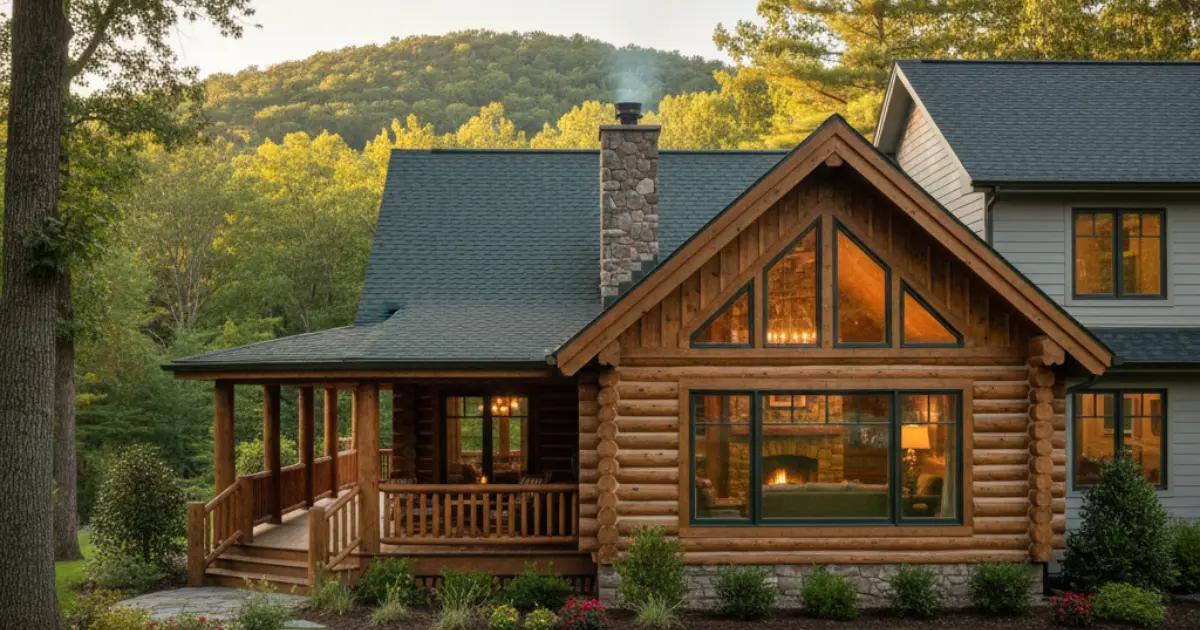
Adding a log cabin addition to your property represents one of the most versatile and cost-effective ways to expand your living space without the complexity and expense of traditional home extensions. Whether you’re envisioning a dedicated home office, a private guest retreat, an art studio, or simply additional storage, a log cabin offers a practical solution that combines functionality with natural aesthetic appeal. As remote work becomes increasingly common and homeowners seek to maximize their property’s potential, the demand for backyard log cabins has surged dramatically. These structures provide immediate usable space, typically at a fraction of the cost of conventional additions, while potentially increasing your property value and offering remarkable flexibility in design and purpose.
What Is a Log Cabin Addition? (Types and Purposes)
A log cabin addition refers to a standalone or attached wooden structure built on your property, constructed primarily from logs or log-style materials. Unlike traditional home additions that require extensive foundation work and integration with existing structures, log cabin additions can be freestanding buildings placed strategically in your backyard or garden area. Modern log cabin additions come in various configurations, from authentic solid timber constructions to more affordable alternatives featuring vinyl log cabin siding or log cabin siding panels that replicate the classic appearance.
The term encompasses several distinct categories. Garden log cabins are typically smaller structures designed for leisure, hobbies, or storage, ranging from 100 to 300 square feet. Residential log cabin additions are larger, more substantial buildings intended for extended living purposes, often featuring insulation, electrical systems, and plumbing. These can range from 400 to over 1,000 square feet. Then there are hybrid additions—the concept of adding a stick built addition to a log home—where traditional framing techniques are combined with log aesthetics to create seamless expansions of existing log homes.
Log cabin addition kits have revolutionized the market, offering pre-cut, pre-drilled components that significantly reduce construction time and labor costs. These kits range from basic shell structures to comprehensive packages including windows, doors, roofing materials, and finishing elements. Some manufacturers even offer log home addition kits specifically designed to match existing log home architecture, ensuring visual continuity across your property.
The materials used vary considerably based on budget and aesthetic preferences. Authentic log cabins utilize solid timber—typically pine, cedar, spruce, or oak—with logs ranging from 44mm to 95mm in thickness for residential applications. For those seeking the log cabin aesthetic without the premium price, fake log cabin siding or vinyl log cabin siding provides a convincing alternative. Major retailers like log cabin siding Lowes and log cabin siding Home Depot stock various options, including log cabin siding with chinking that mimics traditional log construction techniques.
Top Benefits of Adding a Log Cabin to Your Property
The decision to add a log cabin to your property delivers multiple tangible benefits that extend beyond simple square footage expansion. Cost efficiency stands as perhaps the most compelling advantage. Compared to traditional brick-and-mortar extensions, backyard log cabins typically cost 40-60% less per square foot, with basic models starting around $50-$80 per square foot installed, while conventional home additions frequently exceed $150-$300 per square foot depending on your location and specifications.
Installation speed represents another significant benefit. While traditional home additions can take 4-8 months from planning to completion, a log cabin addition can often be installed and ready for use within 2-6 weeks. This rapid deployment means minimal disruption to your daily life and faster return on investment. Log cabin add on kits further accelerate this timeline, with some homeowners completing installation in as little as one week with adequate preparation and assistance.
Versatility and flexibility define the log cabin advantage. Unlike permanent home additions that commit you to a specific use, log cabins can easily transition between purposes as your needs evolve. Today’s home office can become tomorrow’s art studio, guest room, or rental unit. This adaptability proves particularly valuable for growing families or those whose work situations change over time.
The natural aesthetic appeal of log construction creates an inviting atmosphere that’s difficult to replicate with conventional building materials. Wood’s inherent warmth, texture, and connection to nature contribute to improved mental well-being and productivity. Studies have shown that working in natural wood environments can reduce stress levels and increase focus—making a log cabin home office particularly beneficial for remote workers.
Energy efficiency, when properly constructed, offers long-term savings. Solid timber possesses natural insulating properties, with thermal mass that helps regulate interior temperatures. Modern log cabin additions featuring double-glazed windows, proper insulation, and quality construction can achieve impressive energy performance, reducing heating and cooling costs compared to poorly insulated traditional structures.
Perhaps most importantly, a well-designed log cabin addition provides separation and privacy that attached additions cannot match. This physical distance proves invaluable for home offices (separating work from family life), guest accommodations (providing visitors with independence), or creative studios (minimizing distractions). The psychological benefit of “going to work” by walking to a separate structure shouldn’t be underestimated for remote workers struggling with work-life boundaries.
Popular Uses for Backyard Log Cabins
The versatility of log cabin additions manifests in the diverse ways homeowners utilize these structures. Home office spaces have become the predominant use, accelerated by the remote work revolution. A dedicated log cabin home office eliminates household distractions, provides professional video conferencing backgrounds, and creates clear boundaries between work and personal life. Typical home office log cabins range from 120 to 250 square feet, offering ample space for desks, storage, and small meeting areas. The natural lighting possible with strategically placed windows reduces eye strain, while the separation from the main house improves focus and productivity.
Guest houses and rental units represent another popular application. A garden log cabin configured as guest quarters provides visiting family and friends with privacy and independence while keeping them close. Increasingly, homeowners are monetizing these structures through short-term rental platforms, generating income that can offset the initial investment within 3-5 years in desirable markets. Guest house configurations typically include sleeping areas, compact bathrooms, and kitchenettes, ranging from 300 to 600 square feet.
Creative professionals have embraced log cabins as art studios, music rooms, and craft workshops. The natural acoustics of timber construction benefit musicians, while the abundant natural light possible through large windows or skylights serves visual artists perfectly. The separation from the main house allows for messy projects, late-night creativity, and storage of supplies without impacting living spaces. These studios typically range from 150 to 400 square feet depending on the medium and equipment requirements.
Fitness and wellness spaces have gained popularity, with homeowners converting log cabins into private gyms, yoga studios, or meditation retreats. The natural wood environment creates a calming atmosphere conducive to mindfulness practices, while the privacy allows for uninhibited exercise routines. These spaces typically incorporate rubber flooring, mirrors, and climate control, ranging from 200 to 400 square feet.
Practical applications include storage solutions and workshops. For hobbyists, gardeners, or DIY enthusiasts, a log cabin provides organized, weather-protected storage with workspace for projects. These functional cabins often feature workbenches, tool storage, and shelving systems, typically ranging from 100 to 300 square feet. The aesthetic appeal of log construction makes these structures far more attractive than traditional metal sheds while offering superior durability.
Some homeowners create entertainment and leisure spaces—game rooms, home theaters, reading libraries, or pool houses. These recreational log cabins become gathering spaces for family and friends, offering entertainment options separate from the main living areas. Configurations vary widely based on intended use, from compact 150-square-foot reading retreats to expansive 500-square-foot entertainment centers.
Log Cabin vs. Traditional Home Addition: Cost Comparison
Understanding the financial implications of a log cabin addition versus traditional home extension proves crucial for informed decision-making. The log cabin cost structure differs fundamentally from conventional additions, offering potential savings at multiple stages of the project.
For a basic 200-square-foot structure, a prefabricated log cabin kit typically costs $10,000-$16,000 for materials alone, with installation adding another $3,000-$8,000 depending on site preparation requirements and whether you hire professionals or undertake DIY installation. Total investment: approximately $13,000-$24,000. A comparable traditional home addition of the same size would cost $30,000-$60,000, factoring in foundation work, framing, exterior finishing, roofing, and integration with existing structures.
Scaling up to a 400-square-foot log cabin addition suitable for a home office or guest suite, material costs range from $20,000-$40,000 for quality kits, with installation and finishing (electrical, insulation, interior work) adding $10,000-$25,000. Total investment: $30,000-$65,000. The traditional addition equivalent would cost $60,000-$120,000, nearly double the log cabin investment.
For those considering larger structures, the question “how much does it cost to build a 2000 sq ft log cabin?” frequently arises. A custom-built 2,000-square-foot log cabin suitable as a substantial guest house or rental unit typically costs $200,000-$400,000 fully finished, averaging $100-$200 per square foot. This includes foundation, utilities, interior finishing, and quality fixtures. A traditional 2,000-square-foot home addition would cost $300,000-$600,000, with costs potentially exceeding $300 per square foot in high-cost markets.
The cost advantage of log cabins stems from several factors. Foundation requirements are typically simpler—many log cabins utilize pier foundations, concrete pads, or treated timber bases rather than full basement foundations. Prefabrication reduces labor costs significantly, with factory-cut components minimizing on-site cutting and fitting. Simplified permitting for detached structures in many jurisdictions reduces architectural and engineering fees. Faster construction means lower labor costs and shorter contractor engagement periods.
However, the comparison isn’t purely financial. Traditional additions integrate seamlessly with existing homes, potentially offering better resale value in some markets. They provide direct interior access without stepping outside, valuable in harsh climates. The question “is it cheaper to add an addition or build up?” depends heavily on your existing structure—building up requires structural assessment and reinforcement, potentially costing more than ground-level additions, while log cabins avoid these complications entirely by remaining separate structures.
Long-term costs also merit consideration. Quality log cabins require periodic maintenance—staining or sealing every 3-5 years, chinking inspection, and rot prevention—adding $500-$2,000 annually. Traditional additions typically require less specialized maintenance but may have higher heating and cooling costs if not properly insulated. Over a 20-year period, maintenance costs roughly equalize, making initial investment the primary differentiator.
How a Log Cabin Can Increase Your Property Value
The impact of a log cabin addition on property value depends on multiple factors including quality, purpose, local market conditions, and execution. When properly planned and constructed, backyard log cabins can increase property value by 5-15%, though this varies considerably based on context.
Functional, permitted structures add the most value. A well-built log cabin home office with proper electrical, insulation, and finishing that complies with local building codes represents legitimate square footage expansion. Appraisers typically value such structures at 50-75% of the cost of equivalent interior space, meaning a $40,000 log cabin addition might add $20,000-$30,000 to your property’s appraised value.
Guest houses and rental-capable log cabins demonstrate particularly strong value addition in markets where accessory dwelling units (ADUs) are permitted and desirable. Properties with income-generating potential command premium prices, with investors and buyers willing to pay 10-20% more for properties offering rental income opportunities. In high-demand urban and suburban markets, a quality guest cabin can add $50,000-$100,000 to property value while generating $1,000-$2,500 monthly rental income.
The aesthetic appeal and uniqueness of log construction attracts certain buyer demographics, particularly those valuing natural materials, sustainability, and distinctive character. Before and after log cabin additions frequently showcase dramatic property transformations, with previously underutilized yards becoming functional, attractive spaces. This visual appeal translates to faster sales and stronger offers when properties hit the market.
However, value addition isn’t guaranteed. Unpermitted structures can actually decrease property value, as they represent liability and potential legal complications for buyers. Poorly constructed cabins showing signs of deterioration, inadequate foundations, or amateur workmanship may be viewed as teardown projects, adding zero value or even reducing property appeal. Location matters tremendously—a log cabin placed awkwardly, blocking views, or consuming too much yard space can detract from property value rather than enhancing it.
Market conditions influence value impact significantly. In areas where outdoor space and home offices are highly valued (suburban and rural markets, regions with mild climates), log cabin additions resonate strongly with buyers. In dense urban markets where yard space itself commands premium prices, buyers may prefer open yards over structures. Understanding your local market dynamics proves essential before investing.
The concept of a log cabin with modern addition or modern log cabin exterior updates can maximize value by appealing to contemporary tastes while maintaining character. Modern log cabin interior designs featuring open layouts, contemporary fixtures, and updated amenities attract broader buyer pools than dated, rustic configurations. Strategic updates—replacing old windows with energy-efficient models, adding modern lighting, or incorporating smart home technology—can significantly boost perceived value.
Real estate professionals generally agree that log cabin additions offer the best value proposition when they serve clear, desirable purposes (home office, guest suite), are properly permitted and constructed, complement rather than overwhelm the property, and are maintained in excellent condition. Under these circumstances, you can expect to recoup 60-80% of your investment in added property value, with the remaining value captured through years of functional use and enjoyment.
Planning Permission and Building Regulations for Log Cabins
Navigating the regulatory landscape represents one of the most critical—and often overlooked—aspects of adding a log cabin to your property. Requirements vary dramatically based on location, structure size, intended use, and proximity to property boundaries, making research and compliance essential before purchasing or installing any cabin.
In the United States, regulations operate at multiple levels. Zoning ordinances established by local municipalities dictate where accessory structures can be placed, how large they can be, and what purposes they can serve. Common restrictions include setback requirements (typically 5-15 feet from property lines), maximum size limits (often 120-200 square feet for permit-exempt structures), height restrictions (usually 12-15 feet), and lot coverage percentages (limiting total built area to 30-40% of property size).
Building permits are typically required for log cabins exceeding certain size thresholds (commonly 120-200 square feet) or including electrical, plumbing, or HVAC systems. The permitting process involves submitting plans, paying fees ($200-$2,000 depending on project scope), and scheduling inspections at various construction stages. Permit requirements exist to ensure structural safety, proper foundations, adequate egress, and code-compliant electrical and plumbing work.
Many jurisdictions offer permit exemptions for small structures, often called “sheds” or “accessory buildings,” typically under 120-200 square feet without utilities. These exemptions allow quick installation without formal permitting, though you must still comply with setback requirements and zoning restrictions. However, using such structures as living spaces, offices with employees, or rental units often violates exemption terms, potentially resulting in fines and forced removal.
The question “can you add an addition to a log cabin?” in terms of expanding existing structures introduces additional complexity. Additions to existing permitted structures typically require new permits, especially if they increase overall square footage beyond original approvals. Adding a stick built addition to a log home requires careful attention to building codes, as mixing construction methods demands proper engineering to ensure structural integrity and weather-tightness at connection points.
Homeowners associations (HOAs) impose additional restrictions beyond municipal codes. Many HOAs prohibit outbuildings entirely or restrict their appearance, size, and placement severely. Review your HOA covenants, conditions, and restrictions (CC&Rs) before proceeding, and submit formal requests for approval with detailed plans, renderings, and specifications. HOA approval processes can take 30-90 days and may require modifications to your plans.
Utility connections trigger specific requirements. Adding electrical service requires licensed electrician work and electrical permits with inspections. Plumbing connections to municipal water and sewer systems require plumbing permits and may trigger additional fees or capacity assessments. Septic systems for off-grid cabins require health department approvals and professional installation. Many jurisdictions prohibit habitable structures without proper sanitation facilities, limiting use options for unpermitted cabins.
Foundation requirements vary based on structure size and local frost depth. Many areas require frost-protected foundations extending below frost lines (12-48 inches depending on climate), while others accept pier foundations, concrete pads, or treated timber bases for smaller structures. Foundation work often requires separate permits and inspections, adding time and cost to projects.
For those considering rental use, short-term rental regulations add another layer of complexity. Many jurisdictions now regulate or prohibit short-term rentals, require special permits, impose occupancy taxes, or mandate safety features like fire sprinklers and emergency egress windows. Research local short-term rental laws before planning income-generating cabin uses.
The safest approach involves consulting with local building departments early in your planning process. Most departments offer pre-application consultations where officials review your plans informally and identify potential issues before you invest in materials or contractors. This proactive engagement prevents costly mistakes and ensures your log cabin addition complies with all applicable regulations.
Choosing the Right Size and Style for Your Needs
Selecting appropriate dimensions and design elements for your log cabin addition requires balancing functional requirements, budget constraints, regulatory limitations, and aesthetic preferences. Making informed choices at this stage prevents costly modifications and ensures long-term satisfaction with your investment.
Size considerations begin with intended use. A dedicated home office requires minimum 100-120 square feet for a single workstation with storage, though 150-200 square feet provides comfortable space for multiple monitors, filing cabinets, and small meeting areas. Guest accommodations demand 250-400 square feet to include sleeping areas, compact bathrooms, and kitchenettes comfortably. Art studios and workshops benefit from 200-400 square feet depending on equipment and project scale. Storage-focused cabins can function well at 80-150 square feet for typical residential needs.
However, regulatory thresholds often influence size decisions more than pure functional requirements. If your jurisdiction offers permit exemptions for structures under 120 square feet, designing a 119-square-foot cabin eliminates permitting costs, delays, and inspections—potentially saving $2,000-$5,000 and months of waiting. Conversely, if you need 130 square feet and must permit anyway, consider expanding to 180-200 square feet to maximize value from the permitting investment.
Ceiling height dramatically impacts usability and comfort. Standard 7-8 foot ceilings feel cramped in small spaces, while 9-10 foot ceilings create openness and allow for loft storage or sleeping areas. Vaulted or cathedral ceilings add architectural interest and volume without increasing footprint, though they complicate heating and may trigger height restrictions in some jurisdictions.
Style selection involves choosing between traditional log aesthetics and modern interpretations. Classic log cabins feature full-log construction with visible chinking, natural wood interiors, and rustic details. These designs offer authentic character and timeless appeal but require more maintenance and may feel dated to some buyers. Modern log cabin exterior designs incorporate clean lines, large windows, metal roofing, and contemporary color palettes while maintaining wood construction. Modern log cabin interior approaches feature open layouts, minimalist fixtures, and neutral colors that appeal to contemporary tastes.
Log cabin siding colors extend beyond natural wood tones. While traditional honey, amber, and brown stains remain popular, modern approaches include gray-washed finishes, white or black stained exteriors, and two-tone combinations. These contemporary finishes can help log cabins blend with modern home architecture or create striking contrasts that enhance curb appeal. Major retailers offering log cabin siding Lowes and log cabin siding Home Depot stock various pre-finished options in trending colors.
Window and door placement requires careful planning. Maximize natural light with strategically placed windows—south-facing for passive solar heating in cold climates, north-facing for consistent indirect light in art studios. French doors or sliding glass doors create indoor-outdoor connections valuable for garden cabins. Consider views from both inside the cabin and from your main house—poorly placed windows can create privacy concerns or block desirable sightlines.
Roof style impacts both aesthetics and functionality. Gable roofs offer classic appeal, excellent water shedding, and loft potential. Shed roofs provide modern aesthetics and simple construction but may accumulate snow in cold climates. Hip roofs offer superior wind resistance and traditional appearance but cost more to construct. Roof pitch affects interior volume, with steeper pitches (6/12 to 8/12) creating more usable interior space than shallow pitches (3/12 to 4/12).
Material selection extends beyond structural logs. Roofing materials range from economical asphalt shingles ($3-5 per square foot) to premium metal roofing ($8-14 per square foot) or cedar shakes ($6-9 per square foot). Flooring options include engineered wood, luxury vinyl plank, or polished concrete, each offering different aesthetics, durability, and maintenance requirements. Window quality dramatically affects energy efficiency—invest in double-glazed, low-E windows for year-round comfort and reduced heating/cooling costs.
For those matching existing architecture, log home additions pictures and before and after log cabin additions provide valuable inspiration. Many manufacturers offer log home addition kits designed to complement specific log home styles, ensuring visual continuity. When adding to non-log homes, consider whether you want the cabin to match your house or serve as a contrasting accent piece—both approaches can work aesthetically when executed thoughtfully.
Maintenance Requirements: What to Expect
Understanding maintenance obligations before investing in a log cabin addition prevents surprises and ensures long-term structural integrity and appearance. While log cabins require more specialized maintenance than vinyl-sided structures, proper care keeps them beautiful and functional for decades.
Exterior wood maintenance represents the primary ongoing requirement. Untreated or improperly sealed logs absorb moisture, leading to rot, insect infestation, and structural degradation. Quality exterior stains or sealants protect wood from UV damage, moisture penetration, and biological growth. Application frequency depends on climate and product quality—typically every 3-5 years in moderate climates, potentially every 2-3 years in harsh conditions with intense sun or heavy precipitation.
The maintenance process involves cleaning (pressure washing at low pressure or hand scrubbing), allowing thorough drying (3-7 days depending on weather), light sanding of weathered areas, and applying 2-3 coats of quality stain or sealant. Professional application costs $2-$5 per square foot, while DIY approaches require $200-$600 in materials for typical 200-400 square foot cabins plus 2-4 days of labor. Neglecting this maintenance accelerates deterioration, potentially requiring expensive log replacement ($50-$150 per linear foot) within 10-15 years.
Chinking and caulking inspection should occur annually. Chinking—the material filling gaps between logs—can crack, shrink, or separate as logs expand and contract with seasonal moisture changes. Failed chinking allows water infiltration, air leakage, and pest entry. Inspect all chinking seams, particularly on weather-exposed sides, and repair failures promptly with compatible chinking materials ($8-$15 per tube). Synthetic acrylic chinking offers superior flexibility and longevity compared to traditional cement-based products.
Addressing “what are the common log cabin problems?” reveals several recurring issues. Moisture damage tops the list—poor drainage, inadequate roof overhangs, or failed sealing allows water penetration leading to rot. Ensure proper grading around your cabin, maintain gutters and downspouts, and verify roof overhangs extend at least 18-24 inches beyond walls. Insect infestation, particularly carpenter bees, termites, and powder post beetles, can devastate log structures. Annual inspections for bore holes, sawdust accumulation, or insect activity allow early intervention before significant damage occurs.
Log settling and shifting occurs naturally as wood dries and adjusts to environmental conditions. New cabins may settle 1-3 inches in the first year, requiring door and window adjustments. Quality log cabin construction incorporates settling spaces and adjustable components, but monitoring and periodic adjustments prevent binding doors or cracked windows. This settling process typically stabilizes after 2-3 years.
Foundation maintenance prevents more serious structural issues. Inspect pier foundations annually for shifting, cracking, or settling. Verify concrete pads remain level and crack-free. Check treated timber bases for rot or insect damage, replacing compromised members promptly. Proper foundation maintenance prevents the cabin from becoming unlevel, which stresses log connections and creates gaps in chinking.
Roof maintenance follows standard practices but deserves particular attention on log structures. Clean gutters quarterly, inspect shingles or metal panels annually, and address damage immediately. Water infiltration through failed roofing causes exponentially more damage to log structures than conventional buildings, as moisture trapped in logs promotes rapid rot. Budget $300-$800 annually for roof maintenance and minor repairs.
Interior maintenance proves less demanding. Interior log surfaces benefit from periodic cleaning and optional finishing, though many owners prefer natural, unfinished interiors that develop character over time. If finishing interior logs, use breathable products that allow moisture vapor transmission—trapping moisture inside logs accelerates rot. Climate control in occupied cabins helps maintain stable humidity levels (40-60%), reducing log movement and cracking.
For those utilizing vinyl log cabin siding or fake log cabin siding, maintenance requirements decrease dramatically. These products require only periodic cleaning (annual pressure washing) and occasional caulking repairs, eliminating staining and sealing requirements. However, they lack the authentic character and natural benefits of real wood construction—a trade-off some homeowners accept for reduced maintenance obligations.
Long-term maintenance budgeting should allocate $500-$2,000 annually for typical residential log cabins, with costs varying based on size, climate, and whether you hire professionals or handle maintenance personally. This investment protects your initial capital outlay and ensures your log cabin addition remains an asset rather than becoming a liability requiring expensive remediation.
Installation Process: What You Need to Know
Understanding the installation timeline and requirements helps set realistic expectations and ensures successful project completion. Whether hiring professionals or attempting DIY installation, knowing the process prevents costly mistakes and delays.
Site preparation begins weeks before cabin arrival. Select a location considering sun exposure, drainage, views, privacy, and access for delivery trucks and equipment. Level the site—even minor slopes require correction, as log cabins demand level foundations for proper assembly and long-term stability. Remove vegetation, roots, and organic material that could decompose under the foundation. Compact soil thoroughly to prevent settling.
Foundation installation follows site preparation. Concrete pad foundations require excavation (4-6 inches deep), gravel base installation, perimeter forms, and concrete pouring. Allow 7-10 days for curing before cabin installation. Pier foundations involve digging holes below frost line, setting concrete piers or treated posts, and installing support beams. This approach suits sloped sites and provides excellent drainage but requires precise leveling. Treated timber bases offer the simplest option for smaller cabins—pressure-treated 6×6 or larger timbers set on gravel beds and carefully leveled.
For kit installations, delivery coordination proves critical. Log cabin addition kits arrive on flatbed trucks requiring adequate access—narrow driveways, low-hanging branches, or tight turns can prevent delivery. Ensure clear access and level staging areas near the installation site. Kits typically include all structural components, hardware, and assembly instructions, though windows, doors, roofing, and finishing materials may be separate shipments.
Assembly timelines vary by size and complexity. Small 120-200 square foot cabins can be assembled by 2-3 people in 2-4 days with basic tools and moderate DIY skills. Larger 400-600 square foot structures require 5-10 days and potentially professional assistance for roof installation and complex details. Log home addition kits designed to attach to existing structures demand professional installation to ensure proper integration, weatherproofing, and structural connection—budget 2-4 weeks for these complex projects.
The assembly process follows logical sequences. Install floor joists and decking first, creating a stable work platform. Erect walls by stacking logs according to manufacturer’s numbering systems, securing with provided hardware. Most modern kits utilize interlocking designs requiring minimal tools—primarily levels, rubber mallets, drills, and wrenches. Install windows and doors as walls rise, ensuring proper alignment and weatherproofing. Complete roof framing and sheathing, then install roofing materials. Finish with trim, gutters, and exterior sealing.
Professional installation costs vary regionally but typically range from $3,000-$8,000 for basic shell assembly of 200-400 square foot cabins. This investment ensures proper construction, saves time, and often includes warranties on workmanship. For complex installations involving electrical, plumbing, or structural integration with existing buildings, professional contractors become essential—expect total installation costs of $10,000-$25,000 for fully finished, utility-connected cabins.
Utility installation requires licensed professionals in most jurisdictions. Electrical work involves running service from your main panel (requiring electrician and permit), installing outlets, lighting, and switches per code requirements. Budget $1,500-$4,000 for basic electrical in small cabins, more for extensive lighting, HVAC, or 240V service. Plumbing connections for bathrooms or kitchenettes require trenching, pipe installation, and connections to existing systems—expect $2,000-$6,000 for basic bathroom plumbing.
Insulation and interior finishing transform shells into comfortable spaces. Insulation options include spray foam (excellent performance, $1.50-$3.00 per square foot), fiberglass batts (economical, $0.50-$1.50 per square foot), or rigid foam panels (good performance, $1.00-$2.50 per square foot). Interior finishing—drywall, paneling, or leaving logs exposed—depends on aesthetic preferences and intended use. Budget $3,000-$10,000 for insulation and interior finishing in typical residential cabins.
Climate control installation completes the process. Heating options include electric baseboard heaters (simple, inexpensive installation), mini-split heat pumps (efficient, provides cooling), or extending existing HVAC systems (complex, expensive). Cooling may be unnecessary in mild climates or can be addressed with ceiling fans and proper ventilation. Budget $800-$4,000 for climate control depending on system choice and cabin size.
Final inspections by building departments verify code compliance before occupancy. Schedule inspections for foundation, framing, electrical, plumbing, and final completion as required by your permits. Address any deficiencies promptly—most are minor and easily corrected. Upon passing final inspection, you receive occupancy approval and can begin using your new space.
Is a Log Cabin Right for Your Home? Key Considerations
Determining whether a log cabin addition aligns with your specific situation requires honest assessment of multiple factors beyond simple desire for additional space. This final evaluation helps ensure your investment delivers expected benefits and avoids common pitfalls.
Climate compatibility significantly impacts log cabin suitability. Wood construction thrives in moderate climates with balanced humidity and temperature ranges. Extremely humid regions (coastal areas, tropical climates) accelerate rot and require aggressive maintenance schedules. Very dry climates cause excessive log shrinkage and cracking. Harsh winter climates demand superior insulation and heating systems, increasing costs. If you live in climate extremes, consider whether log construction’s aesthetic appeal justifies additional maintenance and energy costs versus alternative building methods.
Your property characteristics determine feasibility. Adequate yard space—typically at least 400-600 square feet of relatively level area—is essential. Properties with steep slopes, poor drainage, or limited access may require expensive site work that erodes cost advantages. Urban lots with minimal setbacks may not accommodate cabins while meeting zoning requirements. Assess your property realistically, considering not just available space but how a cabin affects remaining yard usability, views from your house, and neighbor relations.
Intended use clarity prevents buyer’s remorse. Vague plans for “extra space” often result in underutilized cabins that become expensive storage sheds. Define specific purposes—dedicated home office, guest quarters, rental unit, studio—and design accordingly. Consider whether your intended use justifies the investment. A $40,000 cabin for occasional guest visits may not make financial sense, while the same cabin generating $1,500 monthly rental income proves highly profitable. Be honest about whether you’ll actually use the space as envisioned or if it represents aspirational thinking unlikely to materialize.
Financial readiness extends beyond initial costs. Can you afford the investment without compromising emergency funds or retirement savings? Do you have capacity for ongoing maintenance costs? If financing the project, will monthly payments strain your budget? Consider opportunity costs—could the same funds generate better returns through other investments? For those viewing cabins as income properties, run realistic numbers on rental demand, rates, occupancy percentages, and expenses before assuming profitability.
Regulatory compliance willingness proves essential. If your jurisdiction requires permits, are you prepared to navigate the process, wait for approvals, and pay associated fees? Can you accept potential denial or required modifications? If considering unpermitted installation, understand the risks—fines, forced removal, insurance complications, and resale difficulties. Homeowners unwilling to comply with regulations should reconsider log cabin additions, as non-compliance creates more problems than it solves.
Maintenance commitment separates successful log cabin owners from those who regret their purchases. Are you willing to invest time and money in regular maintenance? Can you handle or afford professional staining every few years? Do you have skills and tools for minor repairs, or budget for contractors? Those seeking truly low-maintenance solutions should consider alternatives like vinyl-sided structures or traditional additions, as authentic log construction demands ongoing care.
Long-term plans influence decision-making. If you plan to sell within 3-5 years, will the cabin appeal to potential buyers in your market? Does it complement your home’s style and neighborhood character? If staying long-term, will the cabin serve evolving needs as your family situation changes? Consider flexibility—can the space adapt to different uses over time?
Alternative options deserve consideration before committing. Could you achieve similar benefits by converting existing space—finishing a basement, converting a garage, or repurposing underutilized rooms? Would a traditional addition better serve your needs despite higher costs? Could co-working spaces or storage units address your needs without capital investment? Explore alternatives thoroughly to ensure a log cabin represents the optimal solution rather than simply an appealing option.
For those considering cabin addition ideas or small cabin addition ideas to expand existing structures, evaluate whether additions make sense versus standalone buildings. Additions offer interior access and architectural integration but cost more and complicate construction. Standalone cabins provide flexibility and lower costs but require outdoor access. Your climate, intended use, and preferences determine which approach suits your situation.
Ultimately, log cabin additions prove ideal for homeowners with adequate property, clear purpose, financial capacity, regulatory compliance willingness, and maintenance commitment. They offer exceptional value for those seeking affordable space expansion with natural aesthetic appeal. However, they’re not universal solutions—careful evaluation of your specific circumstances ensures your log cabin addition becomes a valued asset rather than a regretted expense.
By thoroughly considering these factors, researching local requirements, defining clear purposes, and planning comprehensively, you position yourself for successful log cabin addition that enhances your property, serves your needs, and provides years of satisfaction and utility. Whether you envision a productive home office, welcoming guest retreat, creative studio, or income-generating rental, a well-planned log cabin addition can transform your property and lifestyle in meaningful, lasting ways.
Frequently Asked Questions
Can you add a log cabin addition to an existing home?
Yes, you can absolutely add a log cabin addition to your existing home, whether it’s a traditional house or another log structure. A log cabin addition can be seamlessly integrated with your current property through careful planning and proper foundation work. Many homeowners choose this option because it’s often more cost-effective than conventional additions and can be completed in a shorter timeframe.
How much does a log cabin addition typically cost?
The cost of a log cabin addition varies widely depending on size, materials, and complexity, but generally ranges from $150 to $300 per square foot. A basic 200-square-foot log cabin addition might cost between $30,000 and $60,000, while larger or more customized structures can exceed $100,000. This is often 20-40% less expensive than traditional stick-built additions of comparable size, making it an attractive option for budget-conscious homeowners.
Is it cheaper to add a log cabin addition or build up?
Adding a log cabin addition is typically cheaper than building up (adding a second story) to your existing home. Building up requires extensive structural reinforcement, potential roof removal, and temporary relocation during construction, which significantly increases costs. A detached or attached log cabin addition requires only foundation work and basic utilities connection, making it a more economical choice for most homeowners.
What are the main disadvantages of log cabin additions?
The primary disadvantages include regular maintenance requirements such as re-staining or sealing every 3-5 years, potential for log settling and gaps that need chinking, and possible insect or moisture issues if not properly treated. Additionally, some insurance companies charge higher premiums for log structures due to fire risk concerns. However, modern treatments and construction techniques have significantly reduced many of these traditional concerns.
How hard is it to add onto a log cabin or integrate one with my home?
Adding a log cabin addition is generally easier than traditional construction, especially if you choose a prefabricated kit. Most log cabin kits come with pre-cut, numbered logs and detailed instructions that simplify assembly. The main challenges involve ensuring a level foundation, properly connecting utilities if needed, and matching the aesthetic if attaching to an existing structure, but these are manageable with professional guidance or contractor assistance.
Can you turn a regular house into a log cabin style with an addition?
Yes, you can transform your property’s appearance by adding a log cabin addition that complements your existing home. Many homeowners create a cohesive look by adding log cabin siding to their main house or designing the addition with transitional elements that blend both styles. This approach allows you to enjoy the rustic charm of log construction while maintaining your current home’s structure.
Will a log cabin addition add value to my property?
A well-designed log cabin addition typically adds significant value to your property, often returning 60-80% of the construction cost in increased home value. The addition provides functional square footage, enhances curb appeal, and offers unique character that appeals to many buyers. Properties with versatile outdoor structures like home offices, guest houses, or studios are increasingly desirable in today’s real estate market.
What are common problems with log cabin additions and how can they be prevented?
Common issues include log settling (which occurs naturally as wood dries), gaps between logs, moisture penetration, and insect damage. These problems can be prevented through proper construction techniques including adequate roof overhangs, quality chinking and sealing, regular maintenance, and using kiln-dried or treated logs. Modern log cabin kits are engineered to minimize settling and come with warranties that address these concerns.
Is a log cabin addition cheaper to build than a traditional house addition?
Yes, log cabin additions are generally 20-40% cheaper than traditional stick-built additions of the same size. The cost savings come from simpler construction methods, faster build times, reduced labor costs, and the availability of affordable prefabricated kits. Additionally, log cabins often require less interior finishing work since the exposed logs serve as both structure and aesthetic element.
Why don't some insurance companies like log cabin additions?
Some insurance companies view log structures as higher fire risks compared to conventional construction, though this perception is often outdated. Modern log cabins are treated with fire-retardant chemicals and meet current building codes for fire safety. Many insurers now offer competitive rates for log structures, especially when homeowners install smoke detectors, fire extinguishers, and maintain proper clearance from vegetation.
You May Also Like
Building Materials That Improve Indoor Comfort: Expert Guide
How Heating Systems Shaped Home Architecture: 100-Year History