How to Choose a Professional Locksmith: 11 Essential Tips

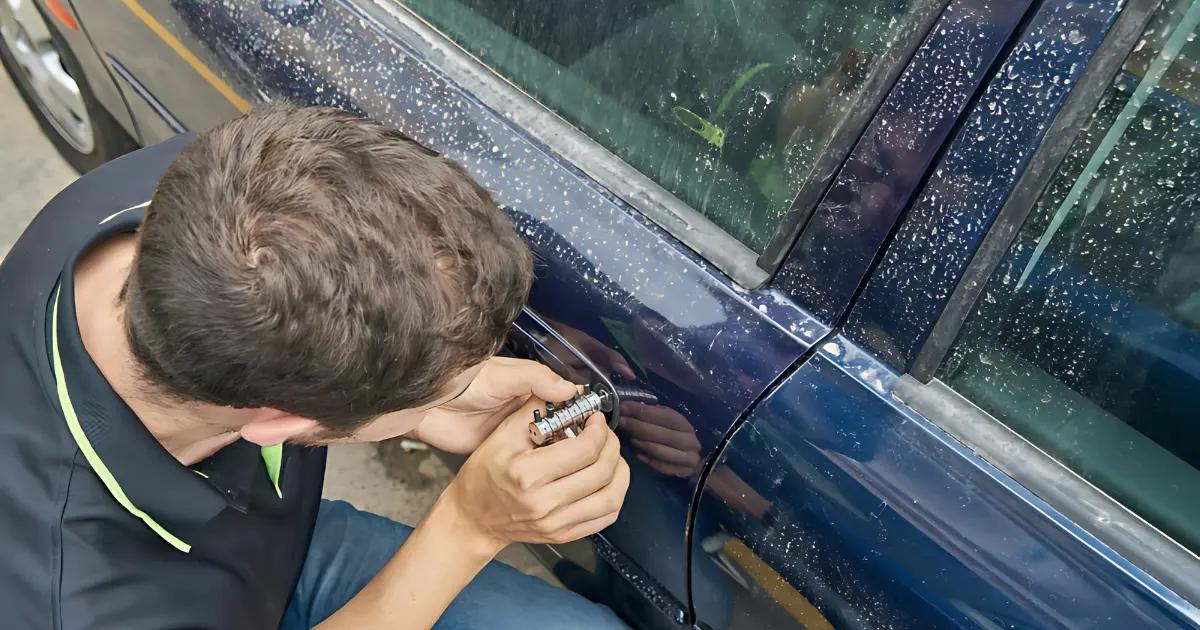
When you’re locked out of your home, office, or vehicle, the urgency to choose a professional locksmith can lead to hasty decisions that cost you dearly—both financially and in terms of security. Whether you’re facing an emergency lockout, planning a comprehensive security upgrade, or recovering from a break-in, selecting the right locksmith service is a critical decision that impacts your safety, property protection, and wallet. The locksmith industry, unfortunately, attracts both highly skilled professionals and opportunistic scammers who exploit vulnerable situations. This comprehensive guide will walk you through the essential steps to find a reliable locksmith, verify their credentials, understand fair pricing structures, and avoid common scams that plague unsuspecting customers every day.
Why Choosing the Right Locksmith Matters (Security & Cost Risks)
The decision to choose a professional locksmith extends far beyond simply getting a door unlocked. Your locksmith gains intimate knowledge of your security systems, access points, and vulnerabilities. Hiring an unqualified or dishonest technician can expose you to serious risks including unauthorized key duplication, compromised security systems, and even future break-ins. According to industry reports, homeowners who hire unlicensed locksmiths are 300% more likely to experience security breaches within six months of service.
The financial implications are equally significant. Scam locksmiths routinely quote low prices over the phone, only to inflate charges dramatically once on-site, sometimes demanding hundreds or even thousands of dollars for simple jobs that should cost $50-$150. These predatory practices target people in vulnerable situations—locked out late at night, stranded in parking lots, or dealing with emergency situations where clear thinking is compromised by stress and urgency.
Beyond immediate costs, poor locksmith work can damage your locks, doors, and security hardware, requiring expensive repairs or replacements. A professional locksmith uses specialized tools and techniques to minimize damage, while an amateur may resort to destructive methods that create additional problems. The right locksmith protects both your security and your budget, making the selection process worth the time and effort required to verify credentials and reputation.
Verify Licensing and Insurance Requirements
The first and most critical step to find a reliable locksmith is verifying their licensing and insurance status. Locksmith licensing requirements vary significantly by state and municipality, so understanding your local regulations is essential. States like California, Texas, and Illinois have strict licensing requirements, while others have minimal or no mandatory licensing. Regardless of local laws, legitimate professional locksmiths voluntarily obtain certifications and insurance to demonstrate their commitment to quality and accountability.
Request the locksmith’s license number and verify it through your state’s licensing board or regulatory agency. In California, for example, locksmiths must be licensed by the Bureau of Security and Investigative Services (BSIS). A professional automotive locksmith in Menifee or any other location should readily provide this information without hesitation. If a locksmith refuses to share licensing details or claims they “don’t need a license,” consider this an immediate red flag.
Insurance verification is equally important. A reputable locksmith carries both general liability insurance and workers’ compensation coverage. General liability protects you if the locksmith damages your property during service, while workers’ compensation ensures you’re not liable if they’re injured on your property. Ask for proof of insurance and contact the insurance provider directly to confirm the policy is current and valid. This extra step takes only a few minutes but can save you from significant financial liability.
Professional associations also indicate credibility. Membership in organizations like the Associated Locksmiths of America (ALOA) requires adherence to ethical standards and ongoing education. While not mandatory, these affiliations demonstrate a locksmith’s commitment to professional development and industry best practices. When evaluating locksmith credentials to verify, look for certificates displayed in their vehicle or office, and don’t hesitate to ask about their training background and years in business.
Check Online Reviews and Better Business Bureau Ratings
In today’s digital age, online reviews provide invaluable insights into a locksmith’s reliability, professionalism, and pricing practices. However, not all reviews are created equal, and scammers have become sophisticated at manipulating online reputations. When researching how to find a reliable locksmith, examine multiple review platforms including Google Reviews, Yelp, Better Business Bureau (BBB), and industry-specific sites.
Look for patterns rather than individual reviews. A company with hundreds of five-star reviews but no negative feedback may be purchasing fake reviews. Legitimate businesses typically have a mix of ratings, with the majority positive but some critical feedback that demonstrates authenticity. Pay special attention to how the company responds to negative reviews—professional locksmiths address complaints constructively and offer solutions, while scammers often become defensive or ignore criticism entirely.
The Better Business Bureau rating system provides standardized evaluation criteria including complaint history, business transparency, and resolution practices. An A+ or A rating indicates a company that consistently meets customer expectations and resolves disputes fairly. Check the BBB profile for complaint details, not just the letter grade. A company with an A rating but multiple unresolved complaints about pricing disputes should raise concerns.
Cross-reference reviews across platforms to identify inconsistencies. Scammers often create fake Google listings with fabricated reviews while having no presence on Yelp or the BBB. Legitimate businesses maintain consistent information across all platforms, including the same business name, address, and phone number. Be wary of locksmiths with multiple listings under slightly different names or those using generic names like “AAA Locksmith” or “24-Hour Locksmith”—these are common tactics used by scam operations to dominate search results.
Recent reviews matter more than older ones. A locksmith with excellent reviews from five years ago but declining quality in recent months may have changed ownership or lowered standards. Focus on reviews from the past 6-12 months to get an accurate picture of current service quality. Additionally, look for detailed reviews that mention specific technicians, describe the service process, and include pricing information—these are more credible than vague, generic praise.
Ask About Pricing Upfront (Avoid Hidden Fees)
One of the most common tactics used to avoid locksmith scams involves getting detailed pricing information before agreeing to service. Legitimate locksmiths provide transparent pricing structures and are willing to discuss costs over the phone, while scammers quote artificially low prices to get you to commit, then dramatically increase charges once on-site. Understanding typical locksmith pricing helps you identify unreasonable quotes and negotiate fairly.
When calling for emergency locksmith services or scheduled work, ask for a complete breakdown of costs including service call fees, labor rates, parts, and any potential additional charges. A professional locksmith will explain their pricing structure clearly: “Our service call is $X, labor for a standard residential lockout is $Y, and if we need to replace the lock, parts range from $Z to $W depending on the model you choose.” This transparency demonstrates honesty and allows you to make an informed decision.
Be specific about your situation when requesting quotes. Describe the type of lock, door material, whether you have keys, and the urgency of the situation. The more information you provide, the more accurate the estimate will be. For example, if you’re searching for car key replacement near me, specify your vehicle’s make, model, and year, as transponder key programming costs significantly more than traditional key cutting.
How much does a locksmith charge per hour? Industry standards vary by region and service type, but typical rates range from $50-$100 per hour for standard services, with emergency after-hours calls commanding premiums of 50-100% above regular rates. Simple lockouts usually cost $75-$150 during business hours, while rekeying services average $20-$30 per lock. Car key replacement varies widely: traditional keys cost $5-$25, while transponder keys with programming can range from $150-$400 depending on vehicle complexity.
Watch for these pricing red flags: quotes significantly below market rates (often used as bait), refusal to provide estimates over the phone, vague pricing like “starting at $15” without upper limits, and cash-only policies that avoid paper trails. Legitimate locksmiths accept multiple payment methods and provide itemized receipts. If a locksmith arrives and quotes a price dramatically higher than the phone estimate, you have the right to refuse service—though scammers may pressure you or claim you’re obligated to pay a cancellation fee.
Confirm Physical Business Address and Local Presence
A verifiable physical business address is one of the most reliable indicators of a legitimate locksmith service. Scam operations frequently use virtual addresses, P.O. boxes, or residential addresses while claiming to be local businesses. When you choose a professional locksmith, confirming their actual location protects you from out-of-state call centers that dispatch unlicensed contractors to your area.
Search for the business address on Google Maps and verify it corresponds to an actual storefront or office. Drive by the location if possible—legitimate locksmiths typically have signage, business hours posted, and visible operations. Be suspicious of addresses that lead to residential homes, empty lots, or generic office buildings with no locksmith signage. Many scam operations use addresses in commercial districts to appear legitimate but have no actual presence at those locations.
Local presence matters for several reasons beyond legitimacy. A nearby locksmith can respond faster to emergencies, understands local building codes and security requirements, and has a reputation to protect within the community. They’re also subject to local business regulations and easier to hold accountable if problems arise. When searching for “choose a professional locksmith near me,” prioritize companies with established local roots over national chains or directory listings.
Verify the business name matches across all platforms—website, Google listing, vehicle signage, and business cards. Scammers often use multiple business names and phone numbers to create the illusion of competition while actually operating as a single entity. If you call three different “local” locksmiths and reach the same answering service, you’re likely dealing with a scam network. Legitimate businesses maintain consistent branding and contact information.
Check how long the business has operated at their current location. Established locksmiths with years of community presence have invested in their reputation and are less likely to engage in predatory practices. Ask about their history: “How long have you been serving this area?” and “Do you have a physical shop I can visit?” Hesitation or vague answers suggest the business may not be as established as they claim.
Look for 24/7 Emergency Availability and Response Time
Lock emergencies don’t follow business hours, making 24/7 emergency availability an essential service feature for comprehensive locksmith companies. However, true round-the-clock availability requires significant infrastructure—on-call technicians, emergency dispatch systems, and mobile service vehicles—that scam operations rarely maintain. When evaluating emergency locksmith services, distinguish between companies that genuinely offer 24/7 coverage and those that simply advertise it.
Test their emergency response system by calling outside normal business hours. Legitimate 24/7 locksmiths answer calls directly or through a professional answering service that can dispatch technicians immediately. If your call goes to voicemail with a promise to “call back during business hours,” the company doesn’t truly offer emergency services. Ask specific questions: “Do you have technicians available right now?” and “What’s your typical response time for my area?”
Response time expectations vary by location and situation. In urban areas, emergency locksmiths typically arrive within 20-45 minutes, while rural locations may require 60-90 minutes. Be wary of promises like “15 minutes guaranteed”—while possible in some situations, this claim is often used to secure your business, then excuses are made for delays. A realistic estimate followed by prompt arrival demonstrates professionalism and honesty.
Emergency availability should include all service types, not just lockouts. A comprehensive locksmith handles residential, commercial, and automotive emergencies at any hour. If a company only offers certain services during emergencies or refers you elsewhere for specific jobs, they may lack the expertise or equipment for full-service locksmith work. Ask whether they handle your specific emergency in-house or subcontract to other providers.
Understand emergency pricing structures before committing. After-hours premiums are industry standard, but they should be clearly communicated upfront. Typical emergency surcharges range from 50-100% above regular rates, depending on the time and day. A locksmith who quotes standard rates over the phone but adds “emergency fees” upon arrival is engaging in deceptive practices. Legitimate companies explain their emergency pricing policy during the initial call.
Ensure They Offer the Specific Service You Need
Locksmith services encompass a wide range of specializations, and not all locksmiths handle every type of job. Before you choose a professional locksmith, confirm they have specific expertise in the service you require. General locksmiths may handle basic residential lockouts and rekeying but lack the specialized knowledge for high-security commercial systems, automotive transponder programming, or safe installation and repair.
Residential locksmith services typically include lockouts, rekeying, lock installation and repair, deadbolt installation, and master key system setup. If you need smart lock installation, security system integration, or high-security lock upgrades, verify the locksmith has experience with these advanced technologies. Ask about the brands they work with—familiarity with your specific lock manufacturer indicates relevant expertise.
Commercial locksmith services require additional knowledge of access control systems, panic hardware, fire safety regulations, and ADA compliance. Commercial projects often involve master key systems for multi-tenant buildings, electronic access control, and high-security locks that resist picking and bumping. If you’re securing a business, choose a locksmith with documented commercial experience and references from similar businesses in your industry.
Automotive locksmith services have become increasingly complex with modern vehicle security systems. Traditional car key cutting is relatively simple, but transponder key programming, proximity key fob replacement, and ignition cylinder repair require specialized diagnostic equipment and manufacturer-specific knowledge. When searching for automotive services, ask whether the locksmith has the equipment to program keys for your specific vehicle make and model—not all locksmiths invest in the expensive programming tools required for newer vehicles.
Specialized services like safe opening and repair, vault installation, antique lock restoration, and forensic locksmith services require additional training and equipment. If you need these specialized services, seek locksmiths who specifically advertise this expertise rather than general practitioners. Which keys cannot be copied? High-security keys with restricted keyways, patented key designs like Medeco, ASSA, or Mul-T-Lock, and keys marked “Do Not Duplicate” require authorization from the original issuer—a specialized locksmith will understand these restrictions and follow proper protocols.
Ask About Experience and Specialized Certifications
Experience and certifications distinguish skilled professionals from minimally trained technicians. When you evaluate locksmith credentials to verify, years in business provide one measure of expertise, but specialized certifications demonstrate commitment to ongoing education and mastery of advanced techniques. The Associated Locksmiths of America (ALOA) offers several certification levels that indicate professional competency.
The Registered Locksmith (RL) certification represents entry-level professional competency, requiring passing a comprehensive exam covering lock types, key systems, and basic security principles. The Certified Registered Locksmith (CRL) designation requires additional experience and testing, indicating advanced knowledge. The Certified Master Locksmith (CML) represents the highest level of achievement, requiring extensive experience, rigorous testing, and demonstrated expertise across multiple locksmith specializations.
Ask potential locksmiths about their certification status and request to see credentials. Legitimate certified locksmiths proudly display their certifications and can provide verification numbers you can check with ALOA. Beyond general certifications, specialized credentials exist for automotive locksmithing, safe and vault technology, and access control systems. A locksmith with manufacturer-specific certifications (like Medeco, Schlage, or Kwikset authorized service provider status) has received factory training on those products.
Years of experience matter, but quality of experience matters more. A locksmith who has spent 20 years performing basic residential lockouts has different expertise than one who has spent 10 years working on commercial security systems and high-security installations. Ask about their experience with situations similar to yours: “How many [specific type of lock/vehicle/system] have you worked on?” and “What’s the most challenging [relevant situation] you’ve handled?”
Continuing education demonstrates professional commitment. The locksmith industry evolves constantly with new lock technologies, security systems, and techniques. Ask whether the locksmith participates in ongoing training, attends industry conferences, or maintains memberships in professional organizations. Locksmiths who invest in their education stay current with emerging technologies and provide better service than those relying solely on outdated knowledge.
Get Written Estimates Before Work Begins
A written estimate serves as a binding agreement that protects both you and the locksmith from misunderstandings and disputes. Professional locksmiths provide detailed written estimates before beginning work, outlining all costs, services, and terms. This documentation becomes crucial if pricing disputes arise or if you need to file complaints with consumer protection agencies or the Better Business Bureau.
The written estimate should include several key components: the service call fee, labor charges, parts costs with specific lock or key models listed, any applicable taxes, and the total estimated cost. It should also specify the payment terms, warranty information, and the estimated time to complete the work. If the locksmith discovers additional problems during the job, they should provide a revised written estimate before proceeding with additional work.
Insist on the estimate before the locksmith begins work, not after. Some scam operators start working immediately, then present inflated bills once the job is complete, knowing you’re unlikely to dispute charges when you’re already locked out or in an emergency situation. A written estimate gives you the opportunity to compare prices, ask questions, and decline service if the costs seem unreasonable—all before you’re committed.
Understand the difference between estimates and quotes. An estimate provides an approximate cost that may change based on unforeseen complications, while a quote represents a fixed price that shouldn’t increase unless you approve additional services. Ask which type of pricing the locksmith provides and under what circumstances the price might change. Legitimate locksmiths explain potential variables upfront: “This estimate assumes a standard pin-tumbler lock; if we discover a high-security lock, the cost would increase to approximately $X.”
Keep copies of all written documentation, including the initial estimate, any revised estimates, and the final invoice. Compare these documents to ensure charges match what was agreed upon. If discrepancies exist, address them immediately before making payment. Most disputes can be resolved on-site when you have written documentation to reference. If the locksmith refuses to honor their written estimate without valid justification, you have grounds to file complaints with consumer protection agencies.
Warning Signs of Locksmith Scams to Avoid
Recognizing common locksmith scam tactics helps you avoid locksmith scams before becoming a victim. Scammers exploit emergency situations, time pressure, and lack of industry knowledge to overcharge customers and provide substandard service. Understanding these warning signs empowers you to identify fraudulent operators and protect yourself from predatory practices.
The unmarked vehicle is a major red flag. Legitimate locksmiths drive clearly marked vehicles with company names, logos, and contact information displayed prominently. Scammers arrive in personal vehicles or rental cars with magnetic signs that can be quickly removed. If the locksmith arrives in an unmarked vehicle, ask to see their business license and identification before allowing them to begin work. Professional locksmiths understand this concern and willingly provide verification.
Drilling as the first solution indicates either incompetence or intentional damage to justify higher charges. Skilled locksmiths use non-destructive entry techniques for most lockouts, reserving drilling for situations where other methods have failed or when specifically requested by the customer. If a locksmith immediately reaches for a drill without attempting picking or other methods, they’re either poorly trained or deliberately damaging your lock to increase costs.
Demanding cash payment only suggests the locksmith wants to avoid paper trails that could be used in disputes or legal actions. While some legitimate locksmiths prefer cash, they should also accept credit cards, checks, or digital payment methods. Cash-only policies combined with other red flags strongly indicate a scam operation. Insist on paying by credit card, which provides consumer protection and dispute resolution options if problems arise.
Bait-and-switch pricing is the most common scam tactic. The locksmith quotes a low price over the phone—often $15-$35—then claims upon arrival that your situation is more complex and requires higher charges, sometimes 10-20 times the original quote. They may claim your lock is “high security,” the job requires “specialized tools,” or other justifications for price increases. If the on-site quote dramatically exceeds the phone estimate without clear justification, refuse service and report the company to consumer protection agencies.
Pressure tactics and intimidation should immediately end the interaction. Scammers may become aggressive when you question charges, refuse to leave until you pay inflated prices, or threaten to leave your property unsecured if you don’t pay immediately. You have the right to refuse service at any time, and legitimate locksmiths respect this. If you feel threatened, contact law enforcement immediately.
Generic or changing business names indicate scam operations. If the locksmith arrives representing a different company than you called, or if they use vague names like “Locksmith Services” or “Emergency Locksmith” without specific branding, you’re likely dealing with a call center that dispatches unlicensed contractors. Verify the business name matches across the phone call, website, vehicle signage, and invoice before allowing work to proceed.
Questions to Ask Before Hiring a Locksmith
Asking the right questions before you choose a professional locksmith helps you evaluate their legitimacy, expertise, and suitability for your specific needs. These questions serve as a screening tool to identify professional locksmiths and eliminate scammers or unqualified technicians. Take notes during your conversations to compare responses from multiple locksmiths and make an informed decision.
Licensing and Insurance Questions: “What is your license number, and which agency issued it?” “Do you carry liability insurance and workers’ compensation?” “Can you provide proof of insurance?” “Are you bonded?” These questions establish basic legitimacy and protect you from liability. Hesitation or refusal to answer indicates serious concerns about the locksmith’s credibility.
Pricing and Payment Questions: “What is your service call fee?” “What is your hourly rate or flat fee for this service?” “Are there additional charges for after-hours service?” “What payment methods do you accept?” “Can you provide a written estimate before beginning work?” “Under what circumstances would the final cost exceed the estimate?” Clear answers demonstrate transparency and help you budget appropriately.
Experience and Expertise Questions: “How long have you been in business?” “Do you have experience with [specific lock type, vehicle make, security system]?” “What certifications do you hold?” “Are you a member of any professional locksmith associations?” “Can you provide references from similar jobs?” These questions assess whether the locksmith has relevant expertise for your situation.
Service Availability Questions: “Do you offer 24/7 emergency service?” “What is your typical response time for my location?” “Do you have a technician available right now?” “Do you handle this type of service in-house or subcontract it?” Understanding availability and response capabilities helps you plan accordingly and avoid delays during emergencies.
Business Verification Questions: “What is your physical business address?” “Can I visit your shop?” “How long have you operated from this location?” “What is the name of your business as it appears on your license?” These questions verify local presence and help you avoid out-of-state call centers posing as local businesses.
Is it cheaper to go to a locksmith or dealer? For automotive services, independent locksmiths typically charge 30-50% less than dealerships for key replacement and programming. Dealerships often require towing your vehicle to their location and may take several days to order keys, while mobile locksmiths come to you and often complete the work immediately. However, some newer vehicles with complex security systems may require dealership-specific programming equipment, making the dealer your only option despite higher costs.
Pay attention not just to the answers but to how the locksmith responds. Professional locksmiths answer questions confidently, provide specific information, and welcome your due diligence. They understand that informed customers make better decisions and appreciate working with people who value quality and legitimacy. Conversely, evasive answers, irritation at being questioned, or pressure to commit without asking questions all indicate you should continue your search elsewhere.
The process to choose a professional locksmith requires diligence, but the investment of time protects you from security risks, financial exploitation, and the frustration of poor service. By verifying credentials, checking reviews, confirming transparent pricing, and asking thorough questions, you position yourself to make a confident hiring decision. Whether you’re facing an emergency lockout or planning a comprehensive security upgrade, these guidelines ensure you work with a qualified professional who prioritizes your security and treats you fairly. Remember that legitimate locksmiths welcome scrutiny and happily provide the information you need to verify their credibility—if a locksmith resists your reasonable questions or pressures you to commit without proper verification, that alone tells you everything you need to know about their trustworthiness.
Frequently Asked Questions
How do I choose a professional locksmith I can trust?
To choose a professional locksmith, start by verifying their credentials including a valid business license, insurance coverage, and physical business address. Check online reviews on multiple platforms like Google, Yelp, and the Better Business Bureau, and confirm they provide upfront pricing before beginning any work. A legitimate locksmith will arrive in a marked vehicle, wear identification, and never ask for full payment before completing the service.
How much does a professional locksmith typically charge?
Professional locksmiths typically charge between $50 to $150 per hour for standard services, with emergency or after-hours calls ranging from $150 to $250. Most locksmiths also charge a service call fee of $15 to $40 just to come to your location. Always request a detailed written estimate before work begins, as prices vary based on your location, time of day, and the complexity of the job.
How can I tell if a locksmith is legitimate or a scammer?
A legitimate locksmith will have a verifiable business name, physical address, and proper licensing for your state or municipality. Red flags include quotes that are suspiciously low over the phone but dramatically increase upon arrival, unmarked vehicles, requests for cash-only payment, or inability to provide proof of insurance. Scammers often use generic names like “Locksmith Services” and provide vague pricing, so always ask for the exact company name and verify it independently.
What questions should I ask before hiring a locksmith?
Before you choose a professional locksmith, ask for their full business name, physical address, and license number, then verify this information independently. Request a detailed estimate including all fees (service call, labor, parts, and emergency charges), ask about their experience with your specific lock type, and confirm they carry liability insurance. Also inquire about their arrival time, payment methods accepted, and whether the price quoted is guaranteed or just an estimate.
Is it cheaper to use a locksmith or go to a car dealership?
Using a professional locksmith is typically 50-70% cheaper than going to a car dealership for key replacement and lock services. While dealerships may charge $200-$600 for key fob replacement and programming, locksmiths usually charge $100-$250 for the same service. However, for some high-security or newer vehicle models, dealerships may be your only option for certain specialized services.
What door locks do police and security experts recommend?
Police recommend Grade 1 deadbolts (the highest ANSI/BHMA rating) with at least a one-inch throw bolt and reinforced strike plates with 3-inch screws. Smart locks with backup mechanical keys, pick-resistant cylinders, and anti-drill features provide additional security. Brands frequently recommended by law enforcement include Medeco, Mul-T-Lock, and Schlage’s high-security lines, which offer superior resistance to picking, bumping, and forced entry.
Which types of keys cannot be copied by locksmiths?
High-security keys marked “Do Not Duplicate,” patented key systems like Medeco, Mul-T-Lock, and Abloy, and certain government or restricted keys cannot be copied without proper authorization. Transponder car keys and key fobs require specialized equipment and programming that not all locksmiths possess. When you choose a professional locksmith for key duplication, they should always ask for proof of ownership or authorization before copying any restricted key.
How much do locksmiths charge for emergency service calls?
Emergency locksmith service calls typically cost between $150 and $250, which includes the after-hours premium and basic service fee. This rate applies to nights, weekends, and holidays, and is in addition to the actual work performed (lock picking, rekeying, or replacement). Some locksmiths charge a flat emergency rate while others add a 50-100% surcharge to their regular hourly rate, so always clarify the total expected cost before agreeing to service.
You May Also Like

Unlimited Design ROI: Startup to Enterprise Cost Analysis

Hosted PBX Benefits: 7 Reasons Modern Businesses Switch