Project Free TV Alternatives: Safe & Legal Streaming 2025

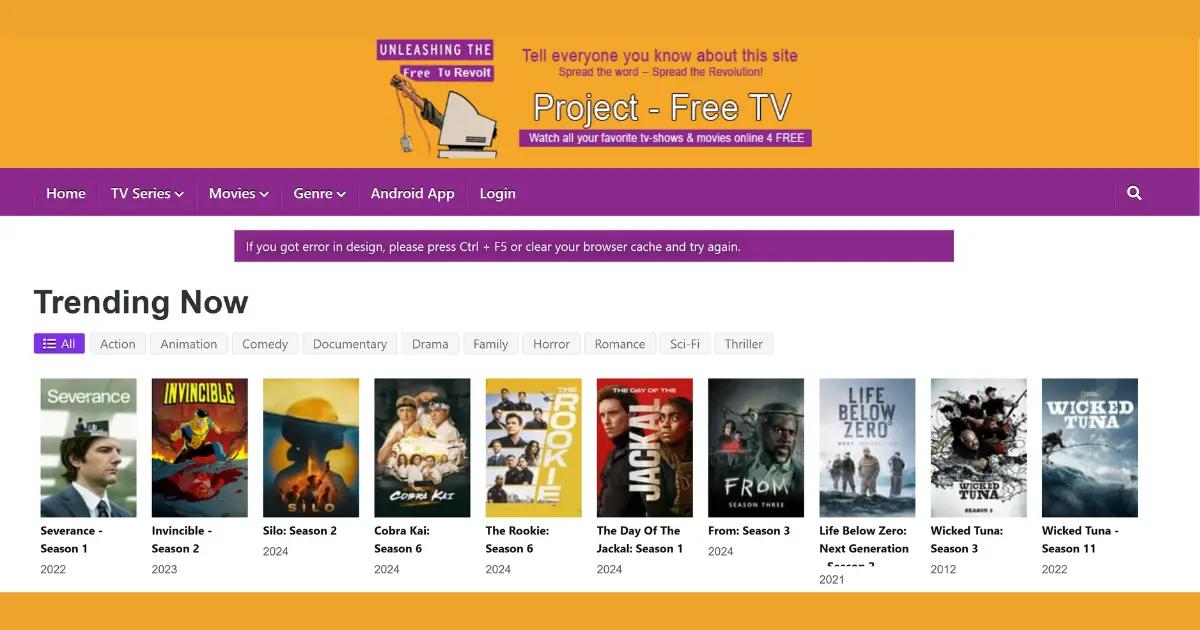
If you’ve been searching for project free tv alternatives, you’re likely aware that the original Project Free TV site has been shut down—or you’ve encountered suspicious clones that raise red flags about safety and legality. The truth is, while the promise of unlimited free streaming sounds appealing, sites like Project Free TV often come with serious risks including malware, legal consequences, and poor streaming quality. In this comprehensive guide, we’ll explore what happened to Project Free TV, why you should avoid it and similar sites, and most importantly, reveal the best legal streaming alternatives that let you watch your favorite shows and movies safely without breaking the bank.
What Is Project Free TV? (History and Current Status)
Project Free TV was once one of the internet’s most popular free streaming aggregator sites, launched in the early 2010s when streaming was still in its infancy. Unlike Netflix or Hulu, Project Free TV didn’t host content itself—instead, it functioned as a directory that linked to third-party sources where users could stream TV shows and movies without paying subscription fees. The site gained massive popularity among cord-cutters looking for alternatives to expensive cable packages.
At its peak, Project Free TV attracted millions of visitors monthly who searched for everything from current TV episodes to classic films. Users could browse by genre, release date, or popularity, making it a convenient one-stop destination for entertainment. However, the site operated in a legal gray area—it didn’t have licensing agreements with content creators or distributors, which meant most of the content available through its links was pirated.
The original Project Free TV domain was shut down in 2016 following legal pressure from copyright holders and anti-piracy organizations. Since then, numerous copycat sites have emerged using variations of the name, including domains like “project free tv space,” “project free tv mx,” and “project free tv cyou.” These clone sites attempt to capitalize on the brand recognition of the original, but they’re often even more dangerous than their predecessor.
Today, when people search for Project Free TV, they typically encounter one of these clone sites or find that links lead to dead pages, malicious redirects, or sites loaded with intrusive advertisements. The landscape has fundamentally changed—what was once a relatively functional (if legally questionable) service has fragmented into a minefield of risky alternatives that pose serious threats to users.
Is Project Free TV Safe and Legal? The Truth
The straightforward answer to “is project free tv safe” is no—neither the original site nor its current clones are safe or legal to use. Let’s break down both aspects to understand the full picture of risks involved.
Legal Concerns
From a legal standpoint, Project Free TV and similar streaming aggregators operate by linking to copyrighted content without authorization from rights holders. While the sites themselves don’t host the content, they facilitate copyright infringement by directing users to pirated streams. In many jurisdictions, accessing copyrighted content without permission—even if you’re not downloading it—can expose you to legal liability.
The legal risks vary by country. In the United States, while enforcement typically targets the operators of piracy sites rather than individual users, there have been cases where internet service providers (ISPs) have sent warning letters to subscribers caught streaming pirated content. In European countries like Germany and the UK, penalties can be more severe, with users potentially facing fines for accessing unauthorized streams.
Copyright holders have become increasingly aggressive in pursuing legal action against piracy sites. The shutdown of the original Project Free TV was just one example in a broader crackdown that has also targeted sites like 123movies, Putlocker, and countless others. When you use these services, you’re participating in an ecosystem that content creators, studios, and legal authorities actively work to dismantle.
Safety and Security Risks
Beyond legal concerns, Project Free TV clones pose significant cybersecurity threats. These sites generate revenue primarily through advertising, but unlike legitimate platforms, they don’t vet their advertisers. This creates an environment ripe for malicious actors to distribute malware, ransomware, and other threats.
Common security risks include:
- Malvertising: Malicious advertisements that can infect your device simply by loading on the page, without requiring any clicks
- Phishing scams: Fake login pages or surveys designed to steal your personal information and credentials
- Drive-by downloads: Automatic downloads of malware that occur when visiting the site
- Cryptojacking scripts: Hidden code that uses your device’s processing power to mine cryptocurrency without your knowledge
- Browser hijackers: Software that changes your browser settings and redirects you to unwanted sites
Reddit discussions about “project free tv reddit” and “safe movie sites reddit” consistently warn users about these dangers. Many users report that their antivirus software blocks these sites entirely, while others share stories of infections that required complete system reinstallation to resolve.
Additionally, many Project Free TV clones require users to disable ad blockers or download specific players to view content—both red flags that indicate potential malware distribution. Legitimate streaming services never require you to disable security software or install suspicious applications.
Why You Should Avoid Project Free TV and Similar Sites
Understanding the specific reasons to avoid Project Free TV and its clones can help you make informed decisions about your streaming habits. The risks extend beyond just legal and security concerns—they impact your viewing experience, privacy, and even your financial security.
Poor Streaming Quality and Reliability
Even when Project Free TV clones work, the streaming experience is typically subpar. Links frequently break, videos buffer endlessly, and quality is often limited to standard definition or worse. You’ll spend more time clicking through broken links and dealing with pop-ups than actually watching content. Legitimate streaming services invest heavily in content delivery networks (CDNs) to ensure smooth, high-quality playback—something piracy sites simply cannot match.
Privacy Violations
Free streaming sites often track your viewing habits, IP address, and browsing behavior without proper disclosure or consent. This data can be sold to third parties or used for targeted advertising campaigns. Unlike regulated streaming platforms that must comply with privacy laws like GDPR and CCPA, piracy sites operate outside legal frameworks and have no accountability for how they handle user data.
Supporting Criminal Enterprises
Many piracy sites are operated by organized crime groups that use them as fronts for various illegal activities. Revenue from advertising on these sites can fund other criminal operations. By using these services, you’re inadvertently supporting an ecosystem that harms both content creators and society at large.
No Customer Support or Recourse
When something goes wrong with a legitimate streaming service—billing issues, technical problems, or account access—you have customer support to help resolve the issue. With piracy sites, you have zero recourse if your device gets infected, your personal information is stolen, or the site suddenly disappears with any information you may have provided.
Ethical Considerations
Creating quality entertainment requires significant investment—from writers and actors to cinematographers and production crews. When you stream pirated content, you’re depriving these creators of fair compensation for their work. This ultimately reduces the resources available for creating new content and can lead to job losses in the entertainment industry.
Best Legal Alternatives to Project Free TV in 2025
The good news is that finding legal streaming sites free or affordable alternatives has never been easier. The streaming landscape has evolved dramatically, with numerous legitimate options that provide excellent content without the risks associated with piracy sites. Here are the best project free tv replacement options available today.
Tubi
Tubi stands out as one of the most comprehensive free streaming services available, offering over 50,000 movies and TV shows completely free with ads. Owned by Fox Corporation, Tubi is entirely legal and features content from major studios including Paramount, Lionsgate, and MGM. The platform includes everything from classic films to recent releases, plus a growing library of original content.
What makes Tubi particularly appealing is its well-organized interface, personalized recommendations, and availability across virtually every streaming device including Roku, Fire TV, Apple TV, gaming consoles, and smart TVs. The ad load is reasonable—typically 4-6 minutes of commercials per hour, which is less than traditional broadcast television.
Pluto TV
Pluto TV offers a unique hybrid approach, combining on-demand content with over 250 live TV channels. Also owned by Paramount, Pluto TV is completely free and legal, featuring channels dedicated to specific genres, shows, or themes. You can watch everything from news and sports to classic TV series and movies, all organized in a familiar channel-guide format.
The service includes dedicated channels for popular franchises like Star Trek, CSI, and Survivor, plus genre-specific channels for horror, comedy, drama, and more. Pluto TV works on all major platforms and requires no registration—you can start watching immediately.
Crackle
Sony’s Crackle has been a pioneer in free, ad-supported streaming since 2007. While its library is smaller than Tubi or Pluto TV, Crackle offers quality over quantity with a curated selection of films and TV shows, including Sony Pictures content and original programming. The platform features a rotating selection of content, with new titles added monthly.
Crackle’s original series have gained critical acclaim, and the platform offers a cleaner, less cluttered interface compared to some competitors. It’s available on most streaming devices and requires only a free account to access all content.
Freevee (formerly IMDb TV)
Amazon’s Freevee service provides thousands of movies and TV shows completely free with ads. The platform includes popular series like “Bosch: Legacy,” “Jury Duty,” and classic shows from major networks. As an Amazon property, Freevee benefits from the company’s robust streaming infrastructure, ensuring reliable, high-quality playback.
Freevee is integrated into Amazon’s ecosystem, making it easily accessible to Prime Video users, but you don’t need a Prime membership to use it. The service is available on Fire TV devices, Roku, and through the Prime Video app on various platforms.
The Roku Channel
Available on all Roku devices and as a standalone app on other platforms, The Roku Channel offers a vast library of free movies and TV shows, plus over 300 live TV channels. The platform aggregates content from multiple sources and includes a mix of classic films, recent releases, and popular TV series.
The Roku Channel also offers premium subscriptions as add-ons, allowing you to subscribe to services like Showtime or Starz directly through the platform. However, the free tier alone provides substantial entertainment value without any subscription required.
Free Streaming Services (Ad-Supported and Legal)
Beyond the major platforms mentioned above, several other free tv streaming services deserve consideration. These legal alternatives provide diverse content options while maintaining safety and legitimacy.
Peacock Free Tier
NBCUniversal’s Peacock offers a substantial free tier with thousands of hours of content, including current NBC shows (available the day after broadcast), classic series like “The Office” and “Parks and Recreation,” Universal films, and live sports. While the premium tiers offer more content and fewer ads, the free version provides significant value without any payment required.
Xumo Play
Xumo Play combines live TV channels with on-demand content, all completely free. The service features over 250 channels covering news, sports, entertainment, and lifestyle content. Xumo’s interface resembles traditional cable TV, making it familiar and easy to navigate for users transitioning from cable.
Plex
While Plex is primarily known as media server software, it also offers a free streaming service with thousands of movies and TV shows, plus live TV channels. The platform’s content library includes offerings from major studios and independent creators. Plex’s unique advantage is that it can also organize and stream your personal media collection alongside its free content.
YouTube
Often overlooked as a streaming alternative, YouTube offers an enormous amount of free content beyond user-generated videos. Many networks and studios upload full episodes and movies to YouTube legally, either as ad-supported content or through YouTube’s free movie section. You’ll find classic films, documentaries, and even some current TV shows available completely free.
Kanopy and Hoopla
If you have a library card, Kanopy and Hoopla provide access to thousands of films and TV shows completely free. These services partner with public libraries to offer streaming content to cardholders. Kanopy specializes in critically acclaimed films, documentaries, and educational content, while Hoopla offers a broader selection including popular movies, TV series, music, and audiobooks.
Local Network Apps
Major broadcast networks like ABC, NBC, CBS, and Fox offer free streaming apps that provide access to current episodes of their shows, usually available the day after broadcast. While you may need a cable login for full access, many shows are available free with ads for a limited time after airing. This is an excellent legal way to keep up with current TV without a cable subscription.
Affordable Premium Streaming Options Worth Considering
While free options are abundant, sometimes paying a modest subscription fee provides significantly better value, content selection, and viewing experience. These safe streaming alternatives offer excellent content libraries at reasonable prices.
Netflix Basic with Ads
Netflix introduced an ad-supported tier at $6.99 per month, providing access to most of its extensive library of original series, films, and licensed content. While some titles are unavailable on this tier due to licensing restrictions, you still get access to popular shows like “Stranger Things,” “The Crown,” and “Wednesday,” plus Netflix’s acclaimed film catalog.
The ad load is relatively light compared to traditional TV, and the streaming quality remains high. For users who don’t mind occasional commercials, this tier offers exceptional value considering Netflix’s content investment and production quality.
Hulu with Ads
At $7.99 per month, Hulu’s ad-supported plan provides access to current episodes from major networks the day after they air, plus a vast library of complete series, Hulu Originals, and films. Hulu is particularly valuable for keeping up with current TV without a cable subscription, offering content from ABC, NBC, Fox, and other networks.
The platform also includes acclaimed original series like “The Handmaid’s Tale,” “Only Murders in the Building,” and “The Bear.” The ad experience is comparable to traditional broadcast TV, making it a familiar transition for cable-cutters.
Disney+ Basic
Disney+ recently introduced an ad-supported tier at $7.99 per month, providing access to its entire library of Disney, Pixar, Marvel, Star Wars, and National Geographic content. For families or fans of these franchises, the value is exceptional—you get access to decades of classic content plus new releases and original series.
The platform includes everything from animated classics to Marvel Cinematic Universe films, Star Wars series, and National Geographic documentaries. The ad load is minimal, and the streaming quality remains excellent across all devices.
Paramount+ with Showtime
Paramount+ offers two tiers: Essential with ads ($5.99/month) and Paramount+ with Showtime ($11.99/month). The Essential tier provides access to Paramount’s extensive library including CBS shows, Paramount films, and original series. The premium tier adds Showtime content and removes ads, offering exceptional value for the price.
The platform is particularly strong for sports fans, offering live NFL games, soccer, and other sporting events, plus a deep catalog of reality TV, dramas, and comedies from CBS and other ViacomCBS properties.
Max (HBO Max)
While Max doesn’t offer a free tier, its ad-supported plan at $9.99 per month provides access to one of the highest-quality content libraries available, including all HBO programming, Warner Bros. films, DC content, and Max Originals. The platform features critically acclaimed series like “House of the Dragon,” “The Last of Us,” and “Succession,” plus an extensive film catalog.
For viewers who prioritize quality over quantity, Max offers exceptional value with its curated selection of premium content. The ad experience is less intrusive than many competitors, with shorter commercial breaks.
How to Stream Safely: VPNs and Security Tips
Even when using legitimate streaming services, implementing proper security measures protects your privacy and enhances your streaming experience. Here are essential tips for safe streaming in 2025.
Use a Reputable VPN
A Virtual Private Network (VPN) encrypts your internet traffic and masks your IP address, providing privacy and security while streaming. While VPNs are often associated with accessing geo-restricted content, they also protect against ISP throttling, prevent tracking by advertisers, and secure your connection on public Wi-Fi networks.
Choose a reputable VPN provider with a proven no-logs policy, strong encryption, and servers in multiple countries. Top options include NordVPN, ExpressVPN, and Surfshark. Avoid free VPN services, as they often log and sell user data, defeating the purpose of using a VPN for privacy.
Note that some streaming services actively block VPN traffic to enforce geographic licensing restrictions. If you’re using a VPN solely for privacy on domestic services, this typically isn’t an issue, but be aware that you may need to disable your VPN to access certain platforms.
Keep Software Updated
Regularly update your streaming devices, apps, and operating systems to ensure you have the latest security patches. Cybercriminals often exploit known vulnerabilities in outdated software to gain access to devices and networks. Enable automatic updates whenever possible to maintain protection without manual intervention.
Use Strong, Unique Passwords
Create strong, unique passwords for each streaming service account. Use a password manager like Bitwarden, 1Password, or LastPass to generate and store complex passwords securely. Enable two-factor authentication (2FA) on any streaming service that offers it, adding an extra layer of security to your accounts.
Install Quality Antivirus Software
Maintain active, updated antivirus software on all devices you use for streaming. While legitimate streaming services don’t pose malware risks, comprehensive security software protects against threats from other sources and can alert you if you accidentally navigate to a malicious site.
Be Cautious with App Downloads
Only download streaming apps from official sources like the Apple App Store, Google Play Store, Amazon Appstore, or Roku Channel Store. Avoid sideloading apps from unknown sources, as these can contain malware. Be particularly wary of “project free tv apk download” or similar unofficial apps—these are frequently vehicles for malware distribution.
Monitor Your Accounts
Regularly check your streaming service accounts for unauthorized access. Most platforms show recent login activity and active sessions, allowing you to identify and terminate suspicious access. Also monitor your payment methods for unauthorized charges, as compromised streaming accounts are sometimes used to make fraudulent purchases.
Secure Your Home Network
Change your router’s default administrator password, enable WPA3 encryption (or WPA2 if WPA3 isn’t available), and create a strong Wi-Fi password. Consider setting up a guest network for smart TVs and streaming devices, isolating them from computers and phones that contain sensitive personal information.
Review Privacy Settings
Take time to review and adjust privacy settings on your streaming services. Many platforms collect viewing data for recommendations and advertising purposes. While you can’t completely opt out of data collection, you can often limit what’s shared with third parties and control personalized advertising preferences.
Understanding the Streaming Landscape in 2025
The streaming industry has matured significantly since Project Free TV’s heyday, offering consumers more legitimate choices than ever before. Understanding current trends helps you make informed decisions about which services best meet your needs.
The Rise of Ad-Supported Streaming
The most significant trend in recent years has been the proliferation of ad-supported streaming options. As subscription fatigue sets in and consumers become more price-conscious, both free services like Tubi and premium services with ad-supported tiers have gained popularity. This model benefits everyone: viewers get free or cheaper access to content, advertisers reach engaged audiences, and platforms generate revenue to license and create content.
Ad-supported streaming has become increasingly sophisticated, with platforms using data to deliver more relevant, less intrusive advertising. Many services now offer interactive ads, shoppable content, and shorter commercial breaks compared to traditional broadcast television.
Content Fragmentation and Bundling
While the abundance of streaming services provides more content choices, it has also led to fragmentation, with exclusive shows and movies scattered across multiple platforms. This has driven the return of bundling, with services like Disney+ offering bundles with Hulu and ESPN+, and platforms like Apple TV+ and Amazon Prime Video serving as aggregators that let you subscribe to multiple services through a single interface.
For budget-conscious viewers, strategic subscription rotation—subscribing to one service for a month to watch specific content, then switching to another—has become a common practice. Unlike cable contracts, most streaming services allow monthly cancellation without penalties.
The Quality Arms Race
Streaming platforms continue to invest heavily in original content, competing not just on library size but on quality and exclusivity. This benefits consumers who now have access to prestige television and films that rival or exceed traditional Hollywood productions. Services like Apple TV+, while having smaller libraries, focus on high-quality original content that attracts subscribers.
International Content Expansion
Streaming has globalized entertainment, with platforms investing in content from diverse markets and making it available worldwide. Korean dramas, Spanish-language series, and anime have found massive international audiences through streaming platforms, enriching the viewing options available to all subscribers.
Making the Transition from Piracy to Legal Streaming
If you’ve previously relied on sites like Project Free TV, transitioning to legal streaming might seem daunting or expensive. However, with strategic planning, you can access abundant content legally while staying within budget.
Start with Free Services
Begin by exploring the free, ad-supported services mentioned earlier. Install apps for Tubi, Pluto TV, Freevee, and The Roku Channel to discover the vast amount of content available without any subscription. You’ll likely find that these services satisfy most of your entertainment needs without costing anything.
Identify Your Must-Have Content
Make a list of shows and movies you absolutely want to watch, then identify which platforms offer them. Rather than subscribing to everything at once, prioritize one or two services that provide the most value based on your viewing preferences. You can always add or switch services later.
Take Advantage of Free Trials
Most streaming services offer free trial periods ranging from 7 to 30 days. Use these strategically to binge-watch specific shows or evaluate whether a service justifies its cost. Just remember to cancel before the trial ends if you don’t want to continue—set a calendar reminder to avoid unexpected charges.
Share Accounts Legally
Many streaming services allow multiple simultaneous streams and user profiles, making account sharing with family or household members cost-effective. While services are cracking down on password sharing with people outside your household, legitimate sharing within your family can significantly reduce per-person costs.
Look for Student and Bundle Discounts
Students can access significant discounts on services like Spotify (which includes Hulu), Apple Music (which includes Apple TV+), and Amazon Prime. Additionally, bundling services often provides better value than subscribing individually—for example, the Disney Bundle includes Disney+, Hulu, and ESPN+ at a reduced combined price.
Use Your Existing Subscriptions
Check whether you already have access to streaming services through other subscriptions. Amazon Prime includes Prime Video, some mobile phone plans include streaming service subscriptions, and credit cards sometimes offer streaming credits or complimentary subscriptions as cardholder benefits.
The Future of Free and Legal Streaming
The streaming landscape continues to evolve rapidly, with several trends pointing toward an even more favorable environment for consumers seeking legal, affordable entertainment options.
Increased Investment in Free Streaming
Major media companies are recognizing the value of ad-supported streaming as both a revenue source and a way to reach audiences who won’t pay for subscriptions. Expect continued investment in free platforms, with improving content quality and expanding libraries. Services like Tubi and Pluto TV are licensing increasingly recent and popular content, narrowing the gap between free and paid offerings.
Improved Ad Experiences
As ad-supported streaming matures, platforms are investing in better ad technology that delivers more relevant, less intrusive advertising. Interactive ads, shoppable content, and shorter commercial breaks are becoming standard. Some platforms are experimenting with ad-free episodes as rewards for engaged viewers or offering the choice between watching a longer ad break upfront for uninterrupted viewing.
Consolidation and Competition
The streaming market will likely see continued consolidation, with smaller services being acquired by larger platforms or shutting down. However, this consolidation may benefit consumers by creating more comprehensive platforms with larger libraries. Simultaneously, new entrants continue to emerge, ensuring competitive pressure that keeps prices reasonable and drives innovation.
Enhanced Personalization
Artificial intelligence and machine learning are improving content recommendations, making it easier to discover shows and movies you’ll enjoy across the vast libraries available. This personalization extends to advertising, with more relevant ads creating a better viewing experience even on free, ad-supported platforms.
Integration and Aggregation
Platforms are increasingly serving as aggregators, allowing you to subscribe to multiple services through a single interface and search across all your subscriptions simultaneously. This reduces the friction of content fragmentation and makes it easier to find what you want to watch regardless of which service offers it.
The streaming revolution has fundamentally transformed how we consume entertainment, and the abundance of legal, safe alternatives to Project Free TV demonstrates that you no longer need to risk malware, legal consequences, or poor quality to access free content. Whether you choose entirely free ad-supported services, affordable premium options, or a strategic combination of both, the legitimate streaming ecosystem offers something for every budget and preference. By making informed choices and implementing basic security practices, you can enjoy unlimited entertainment safely, legally, and often at little to no cost—making piracy sites like Project Free TV not just risky, but completely unnecessary in 2025.
Frequently Asked Questions
What are the best project free tv alternatives that are safe and legal?
The best legal project free tv alternatives include Tubi, Pluto TV, Crackle, Peacock Free, and The Roku Channel, all of which offer thousands of movies and TV shows without requiring a subscription. These services are completely legitimate, supported by ads rather than subscriptions, and don’t expose you to malware or legal risks. Unlike Project Free TV, these platforms have proper licensing agreements with content owners and provide high-quality, reliable streaming experiences.
Is Project Free TV safe to use?
No, Project Free TV and its clones are not safe to use. These sites typically host pirated content and are riddled with malicious ads, pop-ups, and potential malware that can infect your device. Additionally, using these sites exposes you to legal risks since streaming copyrighted content without permission violates copyright laws in most countries.
Can you get in trouble for watching illegal streaming sites?
Yes, you can face legal consequences for using illegal streaming sites, though enforcement varies by country. While authorities typically target site operators rather than individual viewers, your internet service provider (ISP) can monitor your activity and may send warning letters or throttle your connection. In some jurisdictions, repeat offenders can face fines or legal action, making legal project free tv alternatives a much safer choice.
What TV apps are 100% free and legal?
Completely free and legal TV apps include Tubi, Pluto TV, Crackle, Peacock (free tier), The Roku Channel, Freevee (Amazon’s free service), and Xumo. These apps generate revenue through advertisements rather than subscriptions, allowing them to offer legitimate content at no cost to viewers. All of these services have proper licensing agreements and provide safe, high-quality streaming without legal or security risks.
What are the risks of using ProjectfreeTV?
The primary risks include exposure to malware and viruses through malicious ads, potential legal consequences for streaming pirated content, identity theft from phishing attempts, and poor streaming quality with constant buffering. Many Project Free TV clones also attempt to steal personal information or install unwanted software on your device. These risks far outweigh any perceived benefits, especially when safe project free tv alternatives are readily available.
Where can I watch all TV channels for free legally?
Pluto TV offers over 250 live TV channels completely free, including news, sports, entertainment, and movies, making it one of the most comprehensive free options. Other services like The Roku Channel, Xumo, and Plex also offer live TV channels alongside on-demand content. While no single service offers literally “all” channels, combining several free platforms gives you access to thousands of hours of legitimate content without any subscription fees.
Are there any hidden gem streaming sites that are legal?
Yes, several lesser-known legal streaming services offer excellent content, including Kanopy (free with a library card), Hoopla (also library-based), Tubi (surprisingly extensive catalog), and Plex (which combines personal media with free streaming). These hidden gems often have unique content libraries that differ from mainstream services and provide completely legal, safe alternatives to sites like Project Free TV. Many users are unaware these services exist, making them true “hidden gems” in the streaming landscape.
What happened to the original Project Free TV?
The original Project Free TV was shut down due to copyright infringement and legal pressure from content owners and authorities. Since then, numerous clone sites have appeared claiming to be Project Free TV, but these are typically scam sites designed to distribute malware or steal user information. The shutdown of the original site demonstrates the legal risks associated with pirated streaming platforms and highlights why users should seek legitimate project free tv alternatives instead.
Can I get caught using free streaming sites?
Yes, your activity on illegal streaming sites can be tracked by your ISP, copyright enforcement agencies, and potentially law enforcement. While individual viewers are rarely prosecuted, ISPs often send warning notices, and repeated violations can result in service termination or legal action. Using legal free streaming services eliminates this risk entirely while still providing access to thousands of movies and TV shows at no cost.
What are legal alternatives to 123Movies and similar sites?
Legal alternatives include Tubi, Crackle, Pluto TV, Peacock Free, The Roku Channel, Freevee, Vudu’s free section, and Plex, all offering extensive libraries without requiring illegal streaming. These services provide the same convenience as sites like 123Movies but with proper licensing, better quality, no malware risks, and complete legal protection. Many of these project free tv alternatives actually offer better streaming quality and more reliable service than illegal sites.
You May Also Like

NYT Connections Hint: Today’s Puzzle Help & Solving Tips

SimpCityForum Guide: How to Navigate & Engage (2024)
PogChamp Emote Meaning: What It Is & Why It Was Removed