How to Become a CPR Trainer: Certification Guide 2025

If you’ve ever wanted to become a CPR trainer, you’re considering a rewarding path that combines life-saving skills with the opportunity to educate others. CPR instructors play a critical role in communities by teaching cardiopulmonary resuscitation techniques that can mean the difference between life and death during cardiac emergencies. Whether you’re a healthcare professional looking to expand your credentials, a fitness instructor wanting to add valuable skills, or someone passionate about public safety, becoming a certified CPR instructor offers flexible career opportunities and the satisfaction of empowering others with essential knowledge. This comprehensive guide walks you through every step of the CPR instructor certification process, from understanding the requirements to building a successful teaching career.
What is a CPR Trainer and What Do They Do?
A CPR trainer, also known as a CPR instructor, is a certified professional authorized to teach cardiopulmonary resuscitation, automated external defibrillator (AED) use, and often basic first aid to students. These instructors work with diverse populations—from healthcare workers needing Basic Life Support (BLS) certification to parents, teachers, lifeguards, and community members seeking general CPR knowledge.
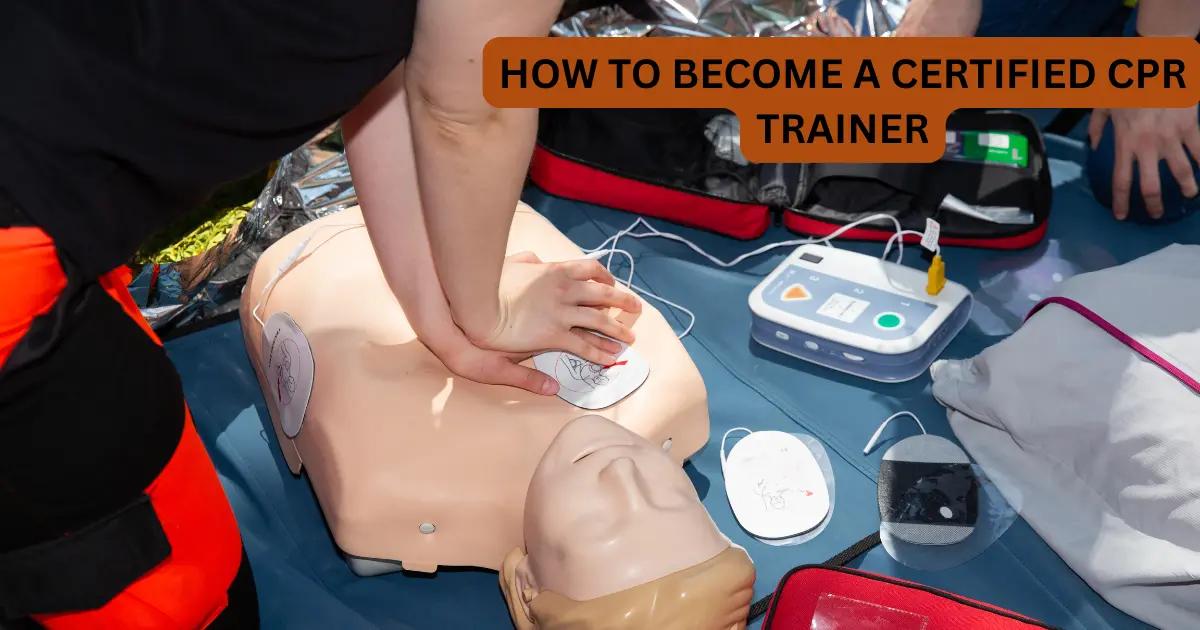
CPR instructors conduct hands-on training sessions where they demonstrate proper chest compression techniques, rescue breathing, and AED operation. They evaluate student performance, provide corrective feedback, and issue certification cards upon successful completion. Beyond the technical teaching, effective CPR trainers create engaging learning environments that help students retain critical information and build confidence to act during real emergencies.
The role extends beyond classroom instruction. CPR trainers maintain their own certifications, stay current with guideline updates from organizations like the American Heart Association or American Red Cross, manage course materials and equipment, and often handle administrative tasks like student registration and record-keeping. Many instructors work independently, contracting with businesses, schools, and community organizations, while others are employed by hospitals, training centers, or emergency services.
The demand for qualified CPR instructors continues to grow as more workplaces, schools, and organizations recognize the importance of having trained personnel on-site. This creates opportunities for both part-time supplemental income and full-time careers in health and safety education.
Requirements to Become a CPR Instructor
Before you can become a CPR trainer, you must meet specific prerequisites established by certifying organizations. While requirements vary slightly between the American Heart Association (AHA), American Red Cross, and other certifying bodies, several common standards apply across the board.
Age and Education Requirements
Most organizations require instructor candidates to be at least 18 years old, though some programs accept candidates as young as 16 with parental consent. There’s typically no formal education requirement beyond a high school diploma or equivalent, making CPR instructor certification accessible to a wide range of individuals regardless of their academic background.
Current CPR Certification
You must hold a current, valid CPR certification in the courses you wish to teach. For example, if you want to teach BLS for healthcare providers, you need to be BLS-certified yourself. This prerequisite ensures instructors have firsthand experience with the material and techniques they’ll be teaching. Your certification must be current throughout the instructor course and remain valid while you teach.
Healthcare Provider Background
While not always mandatory, many successful CPR instructors have backgrounds in healthcare, emergency services, education, or fitness. Healthcare professionals like nurses, paramedics, and EMTs often pursue CPR instructor certification as a natural extension of their expertise. However, dedicated individuals from any background can become excellent instructors with proper training and commitment.
Physical Ability
CPR instruction is physically demanding. Instructors must be able to demonstrate proper chest compressions repeatedly throughout training sessions, kneel on the floor for extended periods, and physically assist students with technique corrections. Candidates should be in good physical condition and capable of performing CPR skills without limitation.
Communication and Teaching Skills
Strong communication abilities are essential. You’ll need to explain complex concepts clearly, provide constructive feedback, manage classroom dynamics, and adapt your teaching style to different learning preferences. While formal teaching experience isn’t required, comfort with public speaking and group facilitation significantly enhances your effectiveness.
Choosing the Right CPR Instructor Certification Program
Selecting the appropriate CPR instructor certification program is a crucial decision that affects your credibility, teaching opportunities, and career trajectory. The two dominant organizations in the United States are the American Heart Association and the American Red Cross, though other recognized programs exist.
American Heart Association (AHA) Instructor Network
The American Heart Association CPR instructor certification is widely regarded as the gold standard, particularly for healthcare-focused training. The AHA offers several instructor pathways including BLS Instructor, Heartsaver Instructor, ACLS Instructor, and PALS Instructor certifications. The AHA Instructor Network provides extensive resources, ongoing support, and access to updated materials aligned with the latest resuscitation science.
To become an AHA CPR instructor, you must complete the AHA CPR instructor course through an authorized Training Center. The program emphasizes evidence-based teaching methods and requires instructors to align with an AHA Training Center to teach courses and issue certifications. This affiliation ensures quality control but may limit some independent teaching flexibility.
American Red Cross Instructor Certification
The American Red Cross CPR instructor course offers a slightly different approach, with programs designed for both healthcare providers and general public audiences. Red Cross certification is particularly strong in community settings, schools, and workplace safety programs. The organization provides comprehensive instructor resources and a well-established brand recognition.
Learning how to become a CPR instructor American Red Cross involves completing their Instructor Candidate Training, which combines online learning with in-person skills sessions. Red Cross instructors also must be authorized by a local Red Cross Training Provider to teach and issue certifications.
Other Certification Organizations
Additional organizations like the National Safety Council, Emergency Care & Safety Institute, and Health & Safety Institute offer CPR instructor programs. These alternatives may provide more flexibility for independent instructors or specialized training environments. However, AHA and Red Cross certifications generally offer the broadest recognition and acceptance by employers and regulatory bodies.
Factors to Consider When Choosing
Consider your target audience when selecting a program. If you plan to teach primarily healthcare professionals, AHA BLS instructor certification is often preferred. For community education, workplace safety, or school programs, either AHA Heartsaver or Red Cross certification works well. Research which certifications are most accepted in your geographic area and by potential clients or employers.
Also consider the support structure each organization provides. Training Center affiliations, continuing education opportunities, instructor communities, and access to updated materials all impact your long-term success as a CPR trainer.
Step-by-Step Process to Get CPR Instructor Certified
Understanding how to teach CPR classes begins with completing the certification process. While specific steps vary by organization, this roadmap outlines the general pathway to become a CPR trainer.
Step 1: Obtain Your Provider-Level CPR Certification
Before enrolling in an instructor course, ensure you hold current certification in the course(s) you want to teach. Take a BLS, Heartsaver, or other appropriate CPR course and pass the skills evaluation. This foundational certification typically requires 4-6 hours of training and remains valid for two years.
Step 2: Find an Authorized Training Center
Locate an AHA Training Center, Red Cross Training Provider, or other authorized organization offering instructor courses in your area. You can search online directories on the AHA or Red Cross websites. Contact the Training Center to inquire about upcoming CPR instructor course dates, prerequisites, and registration procedures.
Step 3: Complete the Instructor Candidate Application
Submit an application to the Training Center, which may include background checks, proof of current CPR certification, and agreement to the organization’s instructor policies. Some Training Centers require an interview or screening process to assess your suitability for the instructor role.
Step 4: Complete Online Prerequisite Coursework
Most programs now include online components that must be completed before attending in-person sessions. This typically involves watching instructional videos, studying teaching methodologies, reviewing course content, and completing knowledge assessments. The online portion may take 6-10 hours depending on the program.
Step 5: Attend the In-Person Instructor Course
The classroom portion of American Heart Association CPR instructor training or Red Cross instructor courses typically spans 1-2 days. During this intensive session, you’ll practice teaching skills, receive feedback from experienced instructors, learn classroom management techniques, and demonstrate your ability to teach CPR effectively. Expect to perform multiple practice teaching sessions where you’ll be evaluated on your presentation, technical accuracy, and student engagement.
Step 6: Pass the Instructor Evaluation
To earn your certification, you must successfully demonstrate teaching competency. This includes accurately performing and teaching all required skills, effectively managing a simulated classroom, providing appropriate feedback to students, and showing mastery of course content. The evaluation is skills-based rather than a written exam, focusing on your practical teaching ability.
Step 7: Align with a Training Center
After passing the instructor course, you must formally align with an authorized Training Center to teach courses and issue certifications. This alignment involves agreeing to follow organizational guidelines, purchasing or accessing course materials, and potentially paying alignment fees. Your Training Center becomes your administrative home base for reporting courses and ordering certification cards.
Step 8: Monitor Your First Course
Many programs require new instructors to be monitored during their first independent course. An experienced instructor observes your teaching, provides feedback, and ensures you’re implementing the program correctly. This mentorship step helps new instructors build confidence and refine their teaching approach.
How Much Does CPR Instructor Certification Cost?
Understanding the financial investment required is essential when planning to become a CPR trainer. The costs vary based on the certifying organization, geographic location, and whether you pursue additional specializations.
Initial Instructor Course Fees
The CPR instructor course itself typically costs between $250 and $500. This fee covers the online coursework, in-person training, instructor manual, and initial certification card. American Heart Association courses tend toward the higher end of this range, while some regional programs may offer lower pricing. When researching how much does it cost to become a CPR instructor, always verify what’s included in the quoted price.
Training Center Alignment Fees
Many Training Centers charge annual alignment fees ranging from $50 to $200 per year. This fee maintains your active instructor status and provides access to the organization’s resources, course materials, and certification card ordering system. Some Training Centers waive alignment fees if you teach a minimum number of courses annually.
Course Materials and Equipment
You’ll need to purchase or access course materials for the classes you teach. Instructor resource kits, student manuals, and certification cards represent ongoing costs. If teaching independently, you’ll also need CPR manikins (ranging from $100 to $500 each), AED trainers ($200-$400), and other supplies. Many instructors start by teaching through established Training Centers that provide equipment, then invest in their own as they build their business.
Certification Renewal Costs
Instructor certifications typically expire every two years and require renewal through an update course costing $75-$150. You’ll also need to maintain your own provider-level CPR certification, which costs an additional $50-$100 every two years.
Total First-Year Investment
Expect to invest approximately $500-$1,000 in your first year, including the initial course, alignment fees, and basic materials. This investment can be recouped relatively quickly once you begin teaching, as CPR instructors typically charge $50-$150 per student or $500-$1,500 per group class.
How long does it take to become a CPR trainer?
One of the most common questions people ask is how long does it take to become a CPR instructor. The timeline is relatively short compared to many professional certifications, making it an accessible credential for those looking to start teaching quickly.
Minimum Timeline: 2-4 Weeks
If you already hold current provider-level CPR certification and an instructor course is immediately available, you could theoretically complete the process in as little as 2-4 weeks. This includes completing the online prerequisite coursework (6-10 hours over several days), attending the 1-2 day in-person course, and completing any post-course requirements.
Typical Timeline: 1-3 Months
For most people, the realistic timeframe is 1-3 months from initial decision to teaching your first class. This accounts for scheduling an available instructor course (which may not run monthly in all areas), completing prerequisites at a comfortable pace, and arranging your Training Center alignment. If you need to first obtain your provider-level certification, add an additional 1-2 weeks to this timeline.
Time Investment Breakdown
The actual training time required is quite manageable. Online coursework takes 6-10 hours that you can complete at your own pace. The in-person instructor course requires 8-16 hours (typically one or two full days). Preparation time for your first course adds another 4-6 hours. In total, you’re looking at approximately 20-30 hours of dedicated time to become a certified CPR instructor.
Accelerated Options
Some Training Centers offer intensive programs that compress the timeline further. Weekend intensive courses allow working professionals to complete everything in a single weekend. Additionally, some organizations now offer blended or hybrid formats that maximize online learning and minimize in-person time requirements.
Building Teaching Competency
While you can technically be certified within weeks, developing true teaching competency takes longer. Most new instructors report feeling fully confident after teaching 5-10 courses over several months. The learning curve involves refining your presentation skills, managing different student personalities, troubleshooting equipment issues, and adapting to various teaching environments.
Skills and Qualities Needed to Be an Effective CPR Instructor
Beyond meeting the formal requirements to become a CPR trainer, successful instructors possess specific skills and personal qualities that enhance their teaching effectiveness and student outcomes.
Technical Proficiency
Mastery of CPR techniques is non-negotiable. You must perform all skills flawlessly and understand the physiological rationale behind each technique. Students look to you as the expert, so your demonstrations must be precise, consistent, and aligned with current guidelines. This includes proper hand placement, compression depth and rate, effective ventilations, and correct AED operation.
Communication Excellence
The ability to explain complex medical concepts in accessible language is crucial. Effective CPR instructors break down technical information into digestible pieces, use analogies and examples that resonate with diverse audiences, and adjust their communication style based on student backgrounds. Clear verbal instructions combined with visual demonstrations create the most effective learning environment.
Patience and Empathy
Students learn at different paces and bring varying levels of anxiety about performing CPR. Some may have experienced traumatic events or fear they’ll fail the course. Patient instructors create safe learning spaces where students feel comfortable asking questions, making mistakes, and practicing repeatedly until they achieve competency. Empathy for student concerns builds trust and enhances learning outcomes.
Classroom Management
Managing groups of 6-12 students requires organizational skills and situational awareness. You must keep training sessions on schedule, ensure all students receive adequate practice time, maintain equipment, handle disruptions professionally, and create an environment conducive to learning. Strong classroom management prevents chaos and maximizes productive learning time.
Adaptability and Problem-Solving
No two classes are identical. Equipment malfunctions, students with physical limitations, language barriers, and unexpected situations require instructors to think on their feet. The best CPR trainers adapt their teaching methods, modify activities when necessary, and find creative solutions to ensure all students can successfully complete the course.
Motivational Ability
CPR training can be physically demanding and mentally challenging. Effective instructors motivate students through encouragement, positive reinforcement, and by connecting the training to real-world impact. Sharing success stories, emphasizing the life-saving importance of the skills, and celebrating student progress keeps energy high and engagement strong.
Attention to Detail
Accurate record-keeping, proper completion of certification cards, adherence to organizational guidelines, and precise skill evaluation all require meticulous attention to detail. Small errors in documentation or skill assessment can have significant consequences, so successful instructors maintain high standards of accuracy and professionalism.
Career Opportunities and Salary for CPR Trainers
Many people wonder “can you make money as a CPR instructor?” The answer is yes, though income varies significantly based on how you structure your teaching practice. Understanding the CPR instructor salary landscape helps you set realistic expectations and identify the most lucrative opportunities.
Employment Models
CPR instructors work in several different capacities. Some are employed full-time by hospitals, training centers, or emergency services organizations with salaries ranging from $35,000 to $55,000 annually. Others work as independent contractors, teaching classes for various organizations on a per-class basis. Many instructors teach part-time while maintaining other employment, using CPR instruction as supplemental income.
Per-Class Earnings
When researching how much does a CPR instructor make per class, typical rates range from $200 to $500 for a standard 4-6 hour class with 6-12 students. Independent instructors who provide their own equipment and materials generally earn more than those teaching through established Training Centers. Corporate and healthcare facility contracts often pay premium rates, sometimes $500-$1,500 per session.
Geographic Variations
Location significantly impacts earning potential. The CPR instructor salary California and other high cost-of-living areas tends to be higher, with experienced instructors in metropolitan areas earning $60-$80 per hour. Rural areas typically offer lower rates but may have less competition. Researching CPR instructor jobs near me provides insight into local market rates.
Full-Time Income Potential
Full-time independent CPR instructors who actively market their services and build a steady client base can earn $40,000-$70,000 annually. Those who expand into multiple certification types, offer specialized training, or develop corporate contracts may exceed $80,000. However, reaching this income level requires business development skills, consistent marketing, and building a strong reputation.
Part-Time and Supplemental Income
Many instructors teach 2-4 classes per month, generating $1,000-$2,500 in monthly supplemental income. This model works well for healthcare professionals, teachers, or fitness instructors who want to diversify their income without leaving their primary career. The flexibility allows you to scale up or down based on your availability and financial goals.
Remote and Online Opportunities
The pandemic accelerated development of blended learning models. While hands-on skills practice remains essential, some CPR instructor jobs remote opportunities exist for teaching the cognitive portions of courses online. These positions typically pay $25-$40 per hour and offer greater flexibility for instructors who prefer remote work.
Career Advancement Paths
Experienced CPR instructors can advance to Training Center Coordinator positions, managing other instructors and overseeing program quality. Some become Master Instructors who train new instructor candidates. Others expand into related fields like first aid instruction, wilderness medicine, or emergency preparedness consulting. These advanced roles offer higher earning potential and greater professional recognition.
Job Market Outlook
Demand for CPR training continues growing as more organizations recognize the importance of having trained personnel. Healthcare facilities, schools, fitness centers, construction companies, and childcare facilities regularly need CPR training. Searching CPR instructor jobs near California or your specific location reveals numerous opportunities. The Bureau of Labor Statistics projects steady growth in health education and training occupations through the next decade.
Maintaining Your CPR Instructor Certification
Earning your certification is just the beginning. Maintaining your status as a certified CPR instructor requires ongoing commitment to professional development and compliance with organizational requirements.
Certification Renewal Requirements
CPR instructor certifications typically expire every two years. To renew, you must complete an Instructor Update course before your expiration date. These update courses, lasting 4-6 hours, review guideline changes, reinforce teaching skills, and ensure you remain current with best practices. The renewal process also requires maintaining your own provider-level CPR certification.
Teaching Activity Requirements
Most organizations require instructors to teach a minimum number of courses within each certification period to maintain active status. This might be 2-4 courses per year, depending on the organization. These requirements ensure instructors maintain their teaching skills and stay engaged with the material. If you don’t meet minimum teaching requirements, you may need to complete additional training to reactivate your instructor status.
Continuing Education
Beyond formal renewal requirements, successful CPR trainers engage in ongoing professional development. This includes attending workshops, participating in instructor communities, reviewing updated research on resuscitation science, and learning new teaching techniques. Organizations like the AHA Instructor Network provide resources, webinars, and forums where instructors share best practices and stay informed about program changes.
Monitoring and Quality Assurance
Training Centers periodically monitor instructors to ensure quality and compliance. This might involve observing your classes, reviewing your documentation, or evaluating student feedback. Monitoring helps identify areas for improvement and ensures all instructors maintain high standards. View these quality checks as opportunities for professional growth rather than punitive measures.
Staying Current with Guidelines
Resuscitation guidelines are updated approximately every five years based on the latest scientific evidence. Major updates occurred in 2020, with the next comprehensive review expected around 2025. Staying informed about guideline changes is essential for teaching accurate, evidence-based content. Subscribe to updates from your certifying organization and review interim guidance statements as they’re released.
Equipment Maintenance
If you own training equipment, regular maintenance ensures it functions properly and meets current standards. CPR manikins require cleaning after each use, periodic replacement of face shields and lung bags, and eventual replacement as they wear out. AED trainers need battery replacements and software updates. Well-maintained equipment reflects professionalism and provides students with quality training experiences.
Record Keeping and Documentation
Maintaining accurate records of courses taught, students certified, and your own credentials is essential. Most organizations require instructors to report courses within specific timeframes and retain records for several years. Organized documentation protects you professionally and ensures students receive their certifications promptly. Digital record-keeping systems streamline this process and reduce administrative burden.
Professional Liability Considerations
While teaching through an established Training Center typically provides liability coverage, independent instructors should consider professional liability insurance. This protection covers you in the unlikely event of claims related to your instruction. Many professional organizations offer affordable instructor liability policies specifically designed for CPR trainers.
Building Your CPR Training Business
Once certified, many instructors wonder how to become an independent CPR instructor and build a sustainable teaching practice. Success requires more than just teaching skills—it demands business acumen and marketing savvy.
Identifying Your Target Market
Determine which audiences you want to serve. Healthcare facilities need BLS training for clinical staff. Businesses require Heartsaver CPR/AED for workplace safety compliance. Schools need training for teachers and coaches. Fitness centers want instructors certified in CPR. Childcare facilities must maintain staff certifications. Each market has different needs, scheduling preferences, and budget considerations. Specializing in one or two markets allows you to develop expertise and build a strong reputation.
Marketing Your Services
Effective marketing is essential for attracting clients. Create a professional website showcasing your credentials, course offerings, and testimonials. Utilize social media to share safety tips and promote upcoming classes. Network with local businesses, schools, and healthcare facilities. Join professional organizations and attend community events. Consider offering free community classes to build visibility and demonstrate your teaching quality. Many successful instructors find that word-of-mouth referrals from satisfied clients become their primary marketing channel.
Pricing Your Classes
Research local market rates when setting your prices. Consider your costs (materials, equipment, insurance, travel), your experience level, and the value you provide. Don’t undervalue your services—quality instruction deserves fair compensation. Many instructors offer tiered pricing based on class size, location (on-site vs. public venue), and course type. Corporate clients typically pay premium rates compared to individual students.
Scheduling and Logistics
Successful instructors develop efficient systems for scheduling, registration, payment processing, and communication. Online scheduling tools, automated reminders, and digital payment options streamline operations and enhance the student experience. Consider whether you’ll teach at a fixed location, travel to client sites, or offer both options. Each model has different logistical considerations and cost structures.
Expanding Your Offerings
Once established, consider expanding beyond basic CPR. Add first aid certification, pediatric courses, or specialized programs like wilderness first aid. Multiple certifications increase your marketability and allow you to serve diverse client needs. Some instructors also offer related services like AED program management, safety consulting, or custom training programs for specific industries.
Building Long-Term Client Relationships
Recurring revenue from repeat clients provides business stability. Many organizations need annual recertification training for their staff. Providing excellent service, maintaining consistent quality, and offering convenient scheduling encourages clients to return year after year. Consider offering discounts for multi-year contracts or referral incentives to encourage client loyalty.
Online and Blended Learning Options
Technology has transformed CPR education, creating new opportunities for instructors. Understanding how to become a BLS instructor online or incorporate digital tools into your teaching enhances your versatility and market reach.
Blended Learning Models
Most modern CPR courses use blended learning, combining online cognitive instruction with in-person skills practice. Students complete the knowledge portion independently through interactive online modules, then attend a shorter skills session with an instructor. This model reduces in-person time from 4-6 hours to 1-2 hours, making training more convenient for busy professionals. As an instructor, you facilitate the skills session, evaluate performance, and issue certifications.
Benefits of Blended Instruction
Blended courses offer several advantages. Students learn at their own pace, reviewing difficult concepts as needed. You spend less time lecturing and more time on hands-on practice. Classes can accommodate more students since the cognitive portion is completed independently. This efficiency allows you to teach more classes and potentially increase your income.
Becoming a Blended Learning Instructor
To become a CPR instructor online using blended formats, complete the same instructor certification process, then receive additional training on facilitating blended courses. You’ll learn to manage the online component, conduct skills-only sessions efficiently, and troubleshoot technical issues students might encounter with the digital platform.
Virtual Classroom Instruction
Some organizations now offer virtual classroom options for the cognitive portions of courses, with instructors teaching via video conferencing. While hands-on skills still require in-person practice, the lecture and discussion components can occur remotely. This creates opportunities for CPR instructor jobs remote that weren’t previously available.
Technology Requirements
Teaching blended or virtual courses requires comfort with technology. You’ll need reliable internet, familiarity with learning management systems, and the ability to troubleshoot basic technical issues. While the learning curve is manageable, instructors who embrace technology position themselves for greater opportunities in the evolving training landscape.
Specialized CPR Instructor Certifications
Beyond basic CPR instruction, several specialized certifications allow you to serve specific populations and command premium rates.
BLS Instructor Certification
Learning how to become a BLS instructor opens opportunities to teach healthcare professionals. BLS instructor certification through the AHA is highly valued in medical settings. The BLS course covers more advanced techniques than basic CPR, including two-rescuer scenarios, bag-mask ventilation, and team dynamics. Healthcare facilities regularly need BLS training for nurses, physicians, EMTs, and other clinical staff, creating steady demand for qualified instructors.
Pediatric CPR Specialization
Pediatric CPR instruction focuses on infants and children, serving childcare providers, teachers, parents, and pediatric healthcare workers. The techniques differ from adult CPR, requiring specialized knowledge of child development and age-appropriate interventions. Instructors with pediatric expertise are particularly valuable to schools, daycare centers, and pediatric medical facilities.
ACLS and PALS Instructor Certification
Advanced Cardiovascular Life Support (ACLS) and Pediatric Advanced Life Support (PALS) represent higher-level certifications for experienced healthcare providers. Teaching these courses requires extensive medical knowledge and typically appeals to instructors with clinical backgrounds. ACLS and PALS instructors command higher fees due to the specialized nature of the content.
First Aid Instructor Certification
Adding first aid instruction to your credentials allows you to offer comprehensive safety training. Many clients prefer bundled CPR/First Aid courses, making dual-certified instructors more marketable. First aid instruction covers wound care, burns, fractures, environmental emergencies, and other common injuries.
Wilderness and Remote First Aid
For instructors interested in outdoor education, wilderness first aid certification teaches emergency response in remote settings where professional medical care is hours away. This specialization appeals to outdoor recreation programs, summer camps, adventure tourism companies, and wilderness guides.
Common Challenges and How to Overcome Them
Even experienced instructors face challenges. Understanding common obstacles and strategies to address them prepares you for a successful teaching career.
Managing Difficult Students
Occasionally you’ll encounter students who are disruptive, resistant to feedback, or struggle to master skills. Maintain professionalism, provide patient individual attention, and use positive reinforcement. If a student cannot demonstrate competency, provide additional practice opportunities and clear, specific feedback. Remember that certification requires demonstrated skill mastery—you cannot pass students who don’t meet standards.
Balancing Quality and Efficiency
Time pressure can tempt instructors to rush through material or skip important practice time. Resist this temptation. Thorough, quality instruction is essential for student safety and your professional reputation. Plan your classes carefully, manage time effectively, and don’t overscheduled yourself to the point where quality suffers.
Staying Motivated During Slow Periods
CPR instruction often has seasonal fluctuations, with slower periods during summer months or holidays. Use downtime productively by marketing your services, pursuing additional certifications, updating your materials, or networking with potential clients. Building a diverse client base across different sectors helps smooth out seasonal variations.
Dealing with Emotional Situations
Students sometimes share traumatic experiences related to cardiac emergencies or express anxiety about performing CPR. Create a supportive environment where students feel comfortable sharing concerns. Acknowledge their feelings while emphasizing that proper training increases confidence and capability. If a student becomes emotionally overwhelmed, offer to speak privately and provide appropriate support resources.
Equipment Issues
Manikin malfunctions, missing supplies, or AED trainer problems can disrupt classes. Always arrive early to test equipment, bring backup supplies, and have contingency plans. Maintaining well-organized equipment kits and performing regular maintenance prevents most issues. When problems do occur, handle them calmly and professionally.
Keeping Content Fresh
Teaching the same material repeatedly can become monotonous. Combat this by continuously refining your presentation, incorporating new examples and scenarios, learning from other instructors, and staying current with resuscitation research. Enthusiasm is contagious—maintaining your own engagement keeps students engaged.
Resources for CPR Instructors
Successful instructors leverage available resources to enhance their teaching and professional development.
Professional Organizations
The American Heart Association CPR instructor network provides extensive resources including teaching materials, guideline updates, webinars, and instructor forums. The American Red Cross offers similar support for their instructors. Joining professional organizations connects you with fellow instructors, provides continuing education opportunities, and keeps you informed about industry developments.
Online Communities
Social media groups and online forums allow instructors to share experiences, ask questions, and learn from colleagues nationwide. These communities offer practical advice on everything from marketing strategies to handling unusual teaching situations. Participating in these networks reduces the isolation that independent instructors sometimes experience.
Training Materials and Supplies
Quality training materials enhance student learning. Organizations like Edmonton CPR And First Aid Training | Coast2Coast (c2cfirstaidaquatics.com) offer comprehensive training programs and resources. Invest in durable equipment, updated student materials, and engaging visual aids. While initial costs may seem high, quality materials last for years and reflect professionalism.
Business Development Resources
Small business resources help you manage the administrative aspects of instruction. Tools for scheduling, invoicing, marketing, and customer relationship management streamline operations and allow you to focus on teaching. Many affordable or free options exist specifically designed for service-based businesses.
Continuing Education Opportunities
Conferences, workshops, and advanced training programs help you grow professionally. The AHA and Red Cross host regional and national conferences where instructors learn new techniques, network with peers, and earn continuing education credits. Investing in your own development makes you a better instructor and opens doors to advanced opportunities.
Becoming a CPR trainer offers a unique combination of meaningful work, flexible scheduling, and income potential. Whether you pursue it as a full-time career or part-time endeavor, CPR instruction allows you to make a tangible difference in your community while developing valuable skills. The certification process is accessible, the time investment is manageable, and the demand for qualified instructors continues to grow. By following the steps outlined in this guide, maintaining high teaching standards, and continuously developing your skills, you can build a successful and rewarding career as a certified CPR instructor. The knowledge that your students may one day save a life using the skills you taught them provides satisfaction that few professions can match.
Frequently Asked Questions
How long does it take to become a CPR trainer?
It typically takes 2-4 days to become a CPR trainer once you meet the prerequisites. You’ll need to first obtain and maintain current CPR certification for at least 6-12 months, then complete an instructor course that usually runs 16-24 hours over 2-3 days. The entire process from starting your CPR certification to becoming a certified instructor generally takes 6-18 months depending on the organization and your schedule.
What qualifications do you need to become a CPR trainer?
To become a CPR trainer, you must hold current CPR/AED certification from a recognized organization like the American Heart Association or American Red Cross for at least 6 months to 1 year. You’ll also need to complete an instructor training course, pass written and skills evaluations, and demonstrate strong communication and teaching abilities. Some organizations may require a healthcare background or additional certifications depending on the level of instruction you plan to provide.
Can you make money as a CPR instructor?
Yes, you can definitely make money as a CPR instructor, with earnings ranging from $50 to $300+ per class depending on your location, experience, and whether you work independently or for an organization. Many CPR instructors earn $25-75 per hour, with experienced independent instructors potentially earning $40,000-$60,000 annually if teaching full-time. The income potential increases significantly if you establish your own training business and teach corporate or healthcare groups.
Is it hard to become a CPR trainer?
Becoming a CPR trainer is moderately challenging but achievable for most people with dedication and preparation. The instructor course requires you to master teaching techniques, demonstrate proficiency in all CPR skills, pass written exams (typically requiring 84% or higher), and successfully teach practice sessions under evaluation. While the material itself isn’t overly complex, you’ll need strong communication skills, confidence in public speaking, and the ability to provide constructive feedback to students.
How much does it cost to become a CPR instructor?
The cost to become a CPR trainer typically ranges from $300 to $700 for the instructor course itself, depending on the certifying organization and location. Additional costs include your prerequisite CPR certification ($50-$100), instructor materials and manuals ($100-$200), and potential alignment fees if you want to teach independently ($250-$500 annually). In total, expect to invest $700-$1,500 initially to become fully certified and equipped to teach your first classes.
Can I become a CPR instructor online?
You cannot become a CPR trainer entirely online, as all major certifying organizations require in-person skills evaluation and practice teaching sessions. However, many programs offer hybrid formats where you complete the didactic portion (lectures, videos, reading materials) online, then attend 1-2 days of hands-on training for skills practice and evaluation. This blended approach provides flexibility while ensuring you can properly demonstrate and teach life-saving techniques.
Is it worth becoming a CPR instructor?
Becoming a CPR instructor is worth it if you value making a meaningful community impact while earning supplemental or full-time income. Beyond the financial benefits, instructors gain personal satisfaction from teaching life-saving skills, enjoy flexible scheduling, and enhance their professional credentials in healthcare, fitness, education, or safety fields. The relatively low barrier to entry and high demand for CPR training make it a worthwhile investment for many people.
What's the difference between American Heart Association and Red Cross CPR instructor certification?
Both American Heart Association (AHA) and American Red Cross CPR instructor certifications are widely recognized and respected, with the main differences being in teaching methodology and target audiences. AHA certification is often preferred in healthcare settings and emphasizes evidence-based guidelines, while Red Cross certification is popular in community, workplace, and educational environments with a focus on practical application. Either certification will qualify you to teach CPR effectively, so choose based on your target student population and local demand.
Do I need a healthcare background to become a CPR trainer?
No, you do not need a healthcare background to become a CPR trainer, though it can be beneficial. Most certifying organizations welcome instructors from diverse backgrounds including education, fitness, public safety, and corporate training. What matters most is your ability to master CPR techniques, communicate effectively, and teach students with confidence and clarity, regardless of your professional background.
How often do CPR instructors need to recertify?
CPR instructors must recertify every two years to maintain their teaching credentials and stay current with the latest guidelines. This typically involves completing an instructor renewal course, demonstrating continued teaching activity (often a minimum number of classes taught), and maintaining your own CPR provider certification. Some organizations also require instructors to complete continuing education units or attend periodic updates when new guidelines are released.
You May Also Like
How to Improve Accuracy in Health and Fitness Wearable Apps

What is an Essix Retainer? Complete Guide to Clear Retainers
Lost Your Retainer? Here’s What to Do Right Away