Family Gathering Entertainment Ideas: 50+ Indoor & Outdoor

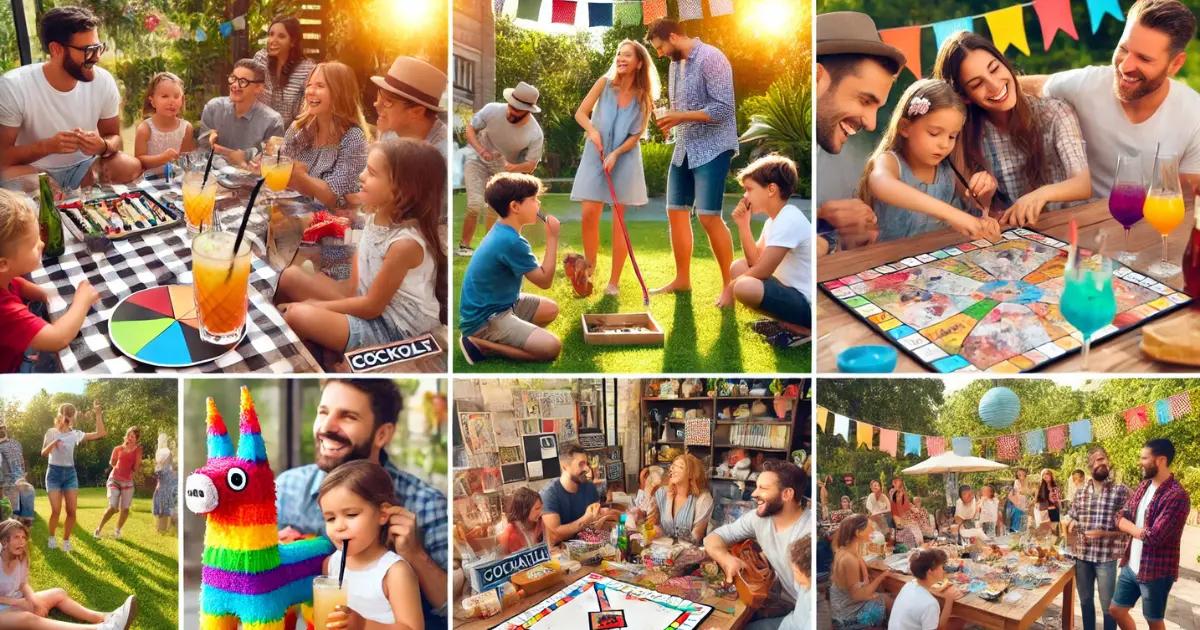
Planning family gathering entertainment ideas can feel overwhelming when you’re trying to keep everyone from toddlers to grandparents engaged and happy. The key to a successful large family gathering isn’t just about bringing people together—it’s about creating an environment where genuine connections happen naturally through shared activities and laughter. Whether you’re hosting a holiday celebration, summer reunion, or milestone birthday party, the right mix of indoor and outdoor entertainment transforms potentially awkward moments into memories your family will talk about for years to come.
This comprehensive guide provides tested, practical activities that work for mixed age groups, accommodate different mobility levels, and won’t require you to take out a second mortgage or exhaust yourself playing cruise director all day. From classic outdoor games to creative indoor alternatives, you’ll find entertainment options that keep the energy flowing while allowing you to actually enjoy your own gathering.
Why Planning Entertainment Matters for Large Family Gatherings
The difference between a forgettable family gathering and one that becomes part of your family’s cherished stories often comes down to intentional entertainment planning. When you bring together multiple generations with varying interests, energy levels, and attention spans, structured activities serve as social lubricants that break down barriers and create natural conversation opportunities.
Without planned entertainment, large family gatherings typically default to small clusters of people talking among themselves—the adults congregate in the kitchen, teenagers disappear into their phones, and children run wild without direction. This fragmentation defeats the entire purpose of gathering together. Strategic entertainment choices create shared experiences that unite different age groups and give everyone common ground for interaction.
Research on family dynamics consistently shows that shared activities strengthen family bonds more effectively than passive socializing alone. When cousins who barely know each other team up for a scavenger hunt, or when grandparents teach grandchildren a game from their childhood, these interactions build connections that transcend the event itself. The entertainment you choose becomes the framework for relationship-building.
Planning also reduces host stress significantly. When you have a loose schedule of activities, you’re not constantly wondering “what should we do next?” or feeling responsible for every moment of entertainment. Guests know what to expect, can opt in or out based on their preferences, and the gathering flows naturally from one activity to another without awkward lulls.
Best Outdoor Activities for Large Family Gatherings
Outdoor spaces provide natural advantages for large family gathering activities—more room for movement, less concern about noise levels, and built-in entertainment through nature itself. The key is selecting activities that accommodate various physical abilities while keeping everyone engaged.
Classic Lawn Games with Competitive Brackets transform simple activities into memorable tournaments. Set up stations for cornhole, ladder toss, bocce ball, and giant Jenga. Create a tournament bracket where family teams compete throughout the day, with winners advancing to championship rounds. This structure keeps people engaged over hours rather than minutes, and the competitive element brings out playful family dynamics. Assign team names based on family branches or generations to add another layer of fun.
Scavenger Hunts Tailored to Your Location work brilliantly for mixed age groups because you can design clues at different difficulty levels. For backyard gatherings, hide items and create riddle-based clues that require teamwork to solve. For park or campground reunions, design nature-based hunts where teams photograph specific items (a bird’s nest, three different leaf shapes, someone doing a cartwheel) rather than collecting objects. Include challenges that require multi-generational cooperation, like “take a photo of the youngest and oldest team member doing the same pose.”
Water-Based Entertainment provides relief during warm-weather gatherings while creating hilarious photo opportunities. Set up multiple water balloon toss stations with increasing distances, organize relay races with sponges and buckets, or create a slip-and-slide course with obstacles. For a more relaxed option, set up sprinklers that children can run through while adults supervise from shaded seating areas. Water activities naturally draw participants of all ages and create an atmosphere of playful chaos that families remember fondly.
Outdoor Movie Night Setup transforms your gathering space as evening approaches. Rent or borrow a projector and screen (or use a white sheet), arrange blankets and lawn chairs in theater-style seating, and let family members vote on a movie that appeals across generations. Provide popcorn stations where people can customize their snacks with various toppings. This activity allows tired children and elderly relatives to relax while still participating in the group experience.
Sports Tournaments with Modified Rules keep athletic family members engaged while accommodating those with limited mobility. Organize kickball, volleyball, or softball games with rules adjusted for safety and inclusion—perhaps everyone must kick with their non-dominant foot, or players over 60 get to bat twice. The modifications level the playing field and often create funnier, more memorable moments than serious competition would.
For families looking for professional-grade entertainment, venues like get air Rapid City offer trampoline parks and inflatable obstacle courses that can accommodate large groups with varying skill levels, providing a splurge-worthy option that requires zero setup on your part.
Indoor Entertainment Ideas When Weather Doesn't Cooperate
Smart hosts always prepare indoor family reunion games as backup plans, because weather, temperature extremes, or unexpected circumstances can force gatherings inside. The challenge with indoor entertainment is managing space constraints and noise levels while keeping everyone engaged.
Board Game Rotation Stations work exceptionally well for large groups when you set up multiple game areas simultaneously. Choose games with different complexity levels and time commitments—quick party games like Telestrations or Codenames at one station, strategy games like Ticket to Ride at another, and classic card games at a third. Rotate players every 30-45 minutes so people experience different games and interact with various family members. This approach prevents the common problem of one long game monopolizing everyone’s time.
Indoor Talent Show or Variety Hour taps into your family’s hidden performers and creates entertainment that’s uniquely personal. Give family members advance notice to prepare acts—musical performances, comedy sketches, magic tricks, poetry readings, or demonstrations of unusual skills. Even reluctant performers often participate when acts can be group-based (siblings performing together) or humorous rather than polished. Document the performances on video to create lasting memories and future entertainment for family members who couldn’t attend.
Crafting Stations for All Ages provide calming, creative activities that work especially well for mixed groups. Set up different stations with varying complexity—simple coloring pages and sticker activities for young children, friendship bracelet making for tweens, and more complex projects like family tree artwork or photo frame decorating for adults. Crafting naturally facilitates conversation while keeping hands busy, and participants take home tangible reminders of the gathering.
Murder Mystery or Escape Room Games transform your space into an immersive experience. Purchase printable murder mystery kits designed for large groups, assign characters in advance, and let the drama unfold over dinner. Alternatively, create DIY escape room challenges using puzzles, locks, and clues hidden throughout your space. These activities require cooperation, critical thinking, and role-playing that brings out playful sides of family members who might otherwise remain reserved.
Karaoke Competition with Themed Rounds breaks down social barriers faster than almost any other activity. Set up a karaoke system (apps like Smule or YouTube karaoke tracks work if you don’t have equipment) and organize themed rounds—duets, decades-specific songs, Disney songs, or country versus pop battles. The key is creating an atmosphere where terrible singing is celebrated rather than mocked, which happens naturally when you start with confident performers who embrace the silliness.
Games That Work for All Ages and Abilities
The most successful multi-generational family activities are those that don’t require physical prowess, complex rules, or extensive preparation. These games create level playing fields where a five-year-old and an eighty-year-old can compete fairly and enjoy themselves equally.
Charades with Family-Specific Categories remains timeless because it requires only creativity and enthusiasm. Customize categories to include family inside jokes, memorable family vacations, relatives’ quirky habits, or family traditions. This personalization makes the game funnier and more meaningful than generic charades. Split into teams that mix age groups so children and adults strategize together, and consider allowing sound effects for younger players who struggle with pure pantomime.
Bingo with Customized Cards adapts to any family gathering theme. Create cards featuring family member names, shared memories, common family phrases, or items people might be wearing. As you call items, players mark their cards, and winners receive small prizes. This game works beautifully because it requires minimal physical movement, accommodates hearing or vision impairments when called clearly, and allows conversation to continue during play.
Telephone Pictionary (also called Telestrations) combines drawing and guessing in a format that produces hilarious results regardless of artistic ability. Each player starts with a word or phrase, draws it, passes the drawing to the next person who writes what they think it depicts, and continues alternating between drawing and guessing. The final reveal showing how dramatically the original phrase transformed creates genuine laughter. This game works for ages 6 and up with minimal rule modifications.
Two Truths and a Lie: Family Edition helps relatives learn surprising facts about each other. Each person shares three statements about themselves—two true, one false—and others guess the lie. This simple game often reveals unexpected talents, experiences, or historical family facts that spark extended conversations. It works particularly well for gatherings where distant relatives or new family members (through marriage or adoption) are getting acquainted.
Minute to Win It Challenges provide quick, energetic entertainment that anyone can attempt. Set up stations with challenges like stacking cups, cookie face (moving a cookie from forehead to mouth without hands), or balloon keep-up. These sixty-second challenges create excitement without requiring sustained physical exertion, making them accessible to most family members. The brief time commitment means even reluctant participants will try, and failures are as entertaining as successes.
Creative Activities to Capture Family Memories
The best family reunion entertainment serves double duty—entertaining in the moment while creating artifacts that preserve memories for future generations. These activities ensure your gathering produces tangible reminders of time spent together.
Living Family Tree Photo Project combines genealogy with creative photography. Designate a large wall or outdoor space where you’ll arrange family members by generation for a massive group photo. Create smaller groupings—all the cousins, all the siblings, each family unit—and photograph them with signs indicating their relationship to the family patriarch or matriarch. Print these photos during or immediately after the gathering and create a display showing your family’s structure visually. This becomes a treasured keepsake and helps younger generations understand their family connections.
Video Interview Station preserves family stories and wisdom. Set up a quiet space with a camera or smartphone on a tripod and a list of interview questions. Have family members interview elderly relatives about their childhoods, courtship stories, historical events they witnessed, or advice for younger generations. Rotate interviewers so multiple perspectives are captured. These recordings become priceless family archives that gain value as years pass.
Collaborative Art Projects allow everyone to contribute to a lasting memento. Provide a large canvas where family members add handprints in different colors, labeled with names and dates. Alternatively, create a quilt square station where each family unit decorates a fabric square with fabric markers; later, someone sews these into a family reunion quilt. Another option is a “advice tree” where family members write wisdom or wishes on paper leaves that are attached to a painted tree trunk on canvas.
Time Capsule Creation projects your gathering into the future. Provide a waterproof container and ask family members to contribute items representing current times—photos from the gathering, handwritten letters to future family members, current newspaper headlines, popular candy or small toys, and predictions about the future. Seal the capsule with instructions to open it at the next milestone reunion (perhaps 10 or 25 years later). This activity gives everyone something to anticipate and creates a tangible link between present and future family gatherings.
Recipe Book Compilation preserves family culinary traditions. Ask each family unit to bring copies of their signature recipe along with a brief story about its significance. During the gathering, compile these into a family cookbook, either digitally or in printed form. Include photos of dishes and the family members who make them. This project celebrates family food traditions while creating a practical resource that keeps recipes alive across generations.
Food-Based Entertainment Ideas (Cooking Together, Contests)
Food naturally brings families together, and transforming meal preparation or consumption into entertainment serves multiple purposes—it feeds your guests while keeping them engaged and creating memorable experiences around your family’s culinary traditions.
Build-Your-Own Food Bars turn meals into interactive experiences. Set up taco bars, burger stations, pizza-making areas, or sundae bars where family members customize their meals. This approach accommodates dietary restrictions naturally (everyone chooses their ingredients), reduces host stress (guests serve themselves), and creates movement and conversation around food stations. For added entertainment, organize a “most creative combination” contest where family members vote on the most inventive or outrageous food creation.
Cooking Competitions with Family Teams channel the excitement of cooking shows into your gathering. Divide into teams and provide identical ingredient boxes, then challenge teams to create the best dish within a time limit. Alternatively, organize category-specific contests—best dessert, best appetizer, or best use of a specific ingredient. Have non-cooking family members serve as judges, rating dishes on presentation, creativity, and taste. This activity works especially well when you have family members who pride themselves on their cooking skills.
Recipe Recreation Challenge honors family culinary history. Challenge family members to recreate a beloved dish from a deceased relative using only their memories and taste-testing (no written recipe). Multiple people attempt the same dish, then everyone samples and discusses which version comes closest to the remembered original. This activity preserves food traditions while creating opportunities to share stories about the family member whose recipe you’re recreating.
Cocktail or Mocktail Mixing Competition adds sophistication to adult gatherings while including non-drinkers. Set up a bar station with various mixers, fruits, herbs, and spirits. Challenge participants to create signature drinks, name them after family members or inside jokes, and present them to judges. For inspiration on classic combinations, explore cocktail recipes that can be modified to suit your family’s preferences. Create both alcoholic and non-alcoholic categories so everyone can participate.
Blind Taste Testing Games challenge family members’ palates while creating hilarious moments. Blindfold participants and have them identify foods by taste alone—different soda brands, chocolate varieties, or regional foods. Alternatively, create a “guess the chef” challenge where family members sample dishes and try to identify who made each one based on cooking style. These games work for all ages and create funny moments when people confidently misidentify obvious foods.
Low-Cost vs. Splurge-Worthy Entertainment Options
Budget considerations significantly impact entertainment planning, but memorable experiences don’t require expensive investments. Understanding which activities deliver maximum impact at minimal cost—and which splurges genuinely enhance your gathering—helps you allocate resources effectively.
Budget-Friendly Entertainment That Delivers
Many of the most memorable family gathering entertainment ideas on a budget cost virtually nothing beyond basic supplies you likely already own. Classic outdoor games like hide-and-seek, tag variations, or relay races require zero financial investment but create genuine excitement. Scavenger hunts using items found around your property or neighborhood cost nothing but planning time. Storytelling circles where older generations share family history or younger members present school projects require only attention and respect.
DIY game stations using household items prove surprisingly effective. Create bowling using empty bottles and a ball, design obstacle courses using furniture and household objects, or organize paper airplane competitions using notebook paper. These improvised activities often generate more laughter than expensive alternatives because their imperfection invites playfulness rather than serious competition.
Digital resources provide free entertainment when used intentionally. YouTube offers countless tutorial videos for learning group dances, magic tricks, or simple craft projects together. Streaming services you already subscribe to provide movie options for outdoor screenings. Smartphone apps enable photo scavenger hunts, trivia competitions, or collaborative playlist creation where family members add their favorite songs.
When Splurging Makes Sense
Certain investments significantly elevate gatherings and justify their cost through the quality of experience they provide. Professional entertainment like magicians, face painters, or balloon artists removes hosting pressure while providing polished performances that captivate mixed-age audiences. These performers typically charge $100-300 for 1-2 hours but deliver entertainment value that amateur efforts can’t match.
Rental equipment transforms ordinary spaces into extraordinary venues. Bounce house rentals ($150-400) provide hours of entertainment for children while giving adults conversation time. Photo booth rentals with props ($200-500) create professional-quality keepsakes and encourage silly interactions. Sound system rentals ensure music and announcements reach everyone clearly, particularly important for outdoor gatherings.
Catering or partially catered meals represent splurges that many hosts find worthwhile. When you’re not exhausted from cooking, you actually enjoy your own gathering and participate in entertainment rather than missing activities while managing food. Even partial catering—ordering appetizers or desserts while preparing main dishes yourself—significantly reduces stress.
Venue rentals sometimes prove more cost-effective than hosting at home when you factor in preparation time, cleanup, and stress levels. Parks with pavilions, community centers, or event spaces provide amenities like tables, chairs, kitchens, and bathrooms without requiring your home to accommodate large groups. The $100-500 rental fee often justifies itself through convenience alone.
How to Organize Activities Without Overwhelming Yourself
The most common mistake hosts make is attempting to personally manage every aspect of entertainment, which transforms them from participants into exhausted coordinators. Strategic delegation and smart planning allow you to facilitate fun without sacrificing your own enjoyment.
Recruit Activity Captains by assigning specific family members to oversee individual activities. Identify relatives who excel at organization, enjoy being in charge, or have relevant expertise, then ask them to manage one activity from setup through execution. For example, your athletic cousin handles the sports tournament, your crafty aunt oversees the art station, and your tech-savvy nephew manages the photo booth. This distribution prevents you from becoming the bottleneck for every decision while empowering others to contribute meaningfully.
Create Self-Running Activity Stations that require minimal supervision once established. Set up clearly labeled stations with written instructions, all necessary supplies, and examples of finished products. For games, post rules visibly and provide everything needed for play. This approach allows family members to engage with activities at their own pace without waiting for your guidance or permission. Check in periodically rather than hovering constantly.
Establish a Loose Schedule Rather Than Rigid Timing that provides structure without creating stress. Designate time blocks for different activity types—morning outdoor games, afternoon creative activities, evening entertainment—but allow flexibility within those blocks. Post the schedule visibly so family members know what’s coming but don’t feel pressured to participate in everything. This framework prevents the gathering from feeling aimless while accommodating the reality that activities rarely run exactly as planned.
Prepare Activity Kits in Advance by gathering all supplies needed for each activity into labeled containers. Include instructions, equipment, prizes, and backup supplies so whoever manages that activity has everything immediately accessible. This preparation eliminates the mid-activity scramble for missing items and allows smooth transitions between entertainment options.
Build in Unstructured Time intentionally because constant organized activities exhaust participants and prevent organic interactions. Schedule breaks where people can eat, rest, or simply chat without programmed entertainment. These pauses often produce the most meaningful conversations and allow introverts to recharge before the next activity.
Entertainment Timeline: Sample Schedule for a Full-Day Gathering
A well-structured timeline balances active and passive entertainment, accommodates different energy levels throughout the day, and creates natural flow without feeling overscheduled. This sample schedule for a noon-to-evening gathering illustrates how to sequence activities effectively.
12:00-1:00 PM: Arrival and Casual Games – As family members arrive at different times, have low-key activities available that people can join immediately without waiting for everyone. Set up lawn games like cornhole or bocce ball outdoors, and board games or coloring stations indoors. This prevents early arrivals from standing around awkwardly while accommodating late arrivals without disrupting activities.
1:00-2:00 PM: Welcome and Lunch – Gather everyone for a brief welcome, perhaps sharing the day’s schedule and introducing new family members. Serve lunch buffet-style so people can eat at their own pace while continuing conversations. This meal serves as a natural gathering point that brings everyone together without requiring organized entertainment.
2:00-3:30 PM: High-Energy Outdoor Activities – When everyone has eaten and energy levels are high, launch your most active entertainment. Run the sports tournament, organize relay races, or start the scavenger hunt. This timing takes advantage of afternoon energy before heat or fatigue set in. Have shaded seating available for those who prefer watching to participating.
3:30-4:30 PM: Creative and Quiet Activities – Transition to calmer entertainment as energy naturally dips. Set up craft stations, conduct family interviews, or organize the collaborative art project. This timing works well for young children who might need quiet time or naps, and for older relatives who appreciate a break from physical activity. Serve afternoon snacks during this period.
4:30-5:30 PM: Group Games and Competitions – Bring energy back up with inclusive games that work for all ages—charades, trivia, or minute-to-win-it challenges. These activities re-engage the full group after the quieter period and create excitement heading into evening. Consider incorporating a fun element like hang a piñata for younger family members during this time block.
5:30-6:30 PM: Dinner Preparation and Serving – If you’re doing a cooking competition or build-your-own food bars, this is the time. Otherwise, serve dinner similarly to lunch with minimal formality. Consider having different family units responsible for different courses to distribute the workload and give everyone ownership of the meal.
6:30-7:30 PM: Talent Show or Entertainment Showcase – After dinner, when everyone is relaxed and fed, present your talent show, video interviews, or other performance-based entertainment. This timing ensures you have everyone’s attention and creates a memorable centerpiece for the gathering. The post-dinner period naturally lends itself to sitting and watching rather than active participation.
7:30-9:00 PM: Evening Wind-Down Activities – As the gathering nears its end, offer low-key options that allow gradual departures without disrupting ongoing activities. Set up an outdoor movie, organize a campfire with storytelling, or continue board games for those who want to stay. This flexible ending prevents the awkward moment when the “official” event ends but people aren’t ready to leave.
This timeline provides structure while remaining flexible enough to adjust based on your family’s energy, weather conditions, and natural flow. The key is alternating between high-energy and calm activities, building toward an evening centerpiece, and allowing organic interactions throughout.
Creating Lasting Memories Through Thoughtful Entertainment
The most successful large family gatherings share a common element—they create conditions for genuine connection through shared experiences rather than forcing interactions. Your entertainment choices serve as catalysts for these connections, providing frameworks within which relationships naturally deepen and memories form organically.
Remember that perfection isn’t the goal; participation is. The activity that goes hilariously wrong often becomes the story your family retells for years, while the perfectly executed event might fade from memory. Embrace imperfection, laugh at mishaps, and focus on creating an atmosphere where everyone feels welcome to participate at their comfort level.
Your role as host isn’t to entertain everyone personally but to facilitate an environment where family members entertain each other. By providing diverse activity options, delegating responsibilities, and building in flexibility, you create space for your family’s unique dynamics to shine. The entertainment you plan simply provides the stage; your family members create the memorable performance.
As you implement these family gathering entertainment ideas, pay attention to which activities resonate most with your specific family. Every family has different dynamics, interests, and traditions that make certain activities more successful than others. Take notes during your gathering about what worked well, what fell flat, and what spontaneous moments created the most joy. This information becomes invaluable for planning future gatherings and developing your family’s unique entertainment traditions.
The effort you invest in planning meaningful entertainment pays dividends far beyond a single day. You’re not just filling time—you’re creating the shared experiences that become family lore, strengthening bonds across generations, and building traditions that your family will carry forward. When relatives leave your gathering already asking “when’s the next one?” you’ll know your entertainment planning succeeded in its ultimate purpose: bringing your family closer together through the simple joy of playing, laughing, and creating memories together.
Frequently Asked Questions
How can I make my family gatherings more fun?
Make family gatherings more fun by planning a mix of structured activities and free time for natural conversation. Include interactive games that accommodate all ages, set up activity stations where people can drop in and out, and create opportunities for both high-energy entertainment and quieter bonding moments. The best family gathering entertainment ideas balance participation with flexibility, allowing introverts and extroverts alike to enjoy themselves.
What are good family gathering entertainment ideas for large groups?
Excellent family gathering entertainment ideas for large groups include outdoor lawn games like cornhole and giant Jenga, team-based activities like scavenger hunts or relay races, and collaborative projects like creating a family time capsule. Indoor options include trivia games about family history, karaoke sessions, craft stations, and movie marathons with a voting system. The key is choosing activities that don’t require everyone to participate simultaneously, allowing people to join at their own pace.
What activities bring families together at reunions?
Activities that bring families together include collaborative cooking or potluck preparations, storytelling circles where elders share family history, group photo sessions with fun props, and multi-generational team games. Creating a family cookbook, building a memory board with old photos, or organizing talent shows where all ages can participate also foster connection. These activities work because they encourage interaction across generations while celebrating shared family identity.
How do you entertain a large group of adults at a family gathering?
Entertain large groups of adults with activities like outdoor tournament-style games (bocce ball, horseshoes, or volleyball), wine or beer tastings, murder mystery games, or card game tournaments. Set up conversation-starter stations, organize a family Olympics with silly competitions, or create a DIY cocktail bar where adults can mix drinks together. Adult-focused family gathering entertainment ideas should balance social interaction with light competition and humor.
What are some budget-friendly family gathering entertainment ideas?
Budget-friendly options include DIY backyard games using household items, nature scavenger hunts, charades or Pictionary using free printables, and potluck-style cooking competitions. Create entertainment through free activities like storytelling sessions, family talent shows, group walks or hikes, and photo challenges using smartphones. Many memorable family gathering entertainment ideas cost little to nothing—the investment is in planning and enthusiasm rather than expensive equipment.
What games are good for large family reunions with all ages?
Games that work for all ages include relay races with modified challenges for different abilities, bingo with family-themed cards, balloon volleyball, musical chairs, and simple board game rotations. Outdoor options like capture the flag, water balloon tosses, and obstacle courses can be adapted for various skill levels. The best games have simple rules, allow for team participation, and can be modified on the fly to keep everyone engaged.
What are fun indoor family gathering entertainment ideas for bad weather?
Indoor entertainment ideas include setting up game stations with board games and card games, hosting a family movie marathon with themed snacks, organizing craft activities like tie-dye or painting, and creating an indoor scavenger hunt. Consider karaoke competitions, cooking or baking challenges, puzzle-building teams, or a family game show with trivia about relatives. Having a backup plan of indoor activities ensures your gathering stays fun regardless of weather.
How long should activities last at a family gathering?
Most structured activities should last 30-60 minutes to maintain energy and interest without causing fatigue. Plan for 3-5 different activities throughout a day-long gathering, with plenty of unstructured time between for eating, chatting, and resting. Shorter 15-20 minute icebreaker games work well at the beginning, while longer activities like tournaments or craft projects can extend throughout the event as drop-in options.
What should you avoid doing at family gatherings?
Avoid over-scheduling every minute, which prevents natural conversation and exhausts guests, especially children and elderly relatives. Don’t plan activities that exclude certain age groups or mobility levels, force participation in uncomfortable ways, or create overly competitive environments that might cause family tension. Also avoid controversial topics as planned discussion points and resist the urge to document every moment—let people be present and enjoy themselves naturally.
How do you plan entertainment for a small family gathering at home?
For small gatherings, focus on intimate activities like cooking together, playing board games or card games around the table, sharing photo albums and memories, or doing collaborative projects like assembling a puzzle. Small groups allow for deeper conversation, so plan activities that facilitate this—such as question games, storytelling prompts, or working together on a family tree. The advantage of smaller gatherings is the ability to be flexible and follow the group’s energy rather than sticking to a rigid schedule.
You May Also Like
NYT Connections Hint: Today’s Puzzle Help & Solving Tips

SimpCityForum Guide: How to Navigate & Engage (2024)
PogChamp Emote Meaning: What It Is & Why It Was Removed