Biogas Odour Control: Carbon Filtration Systems Guide

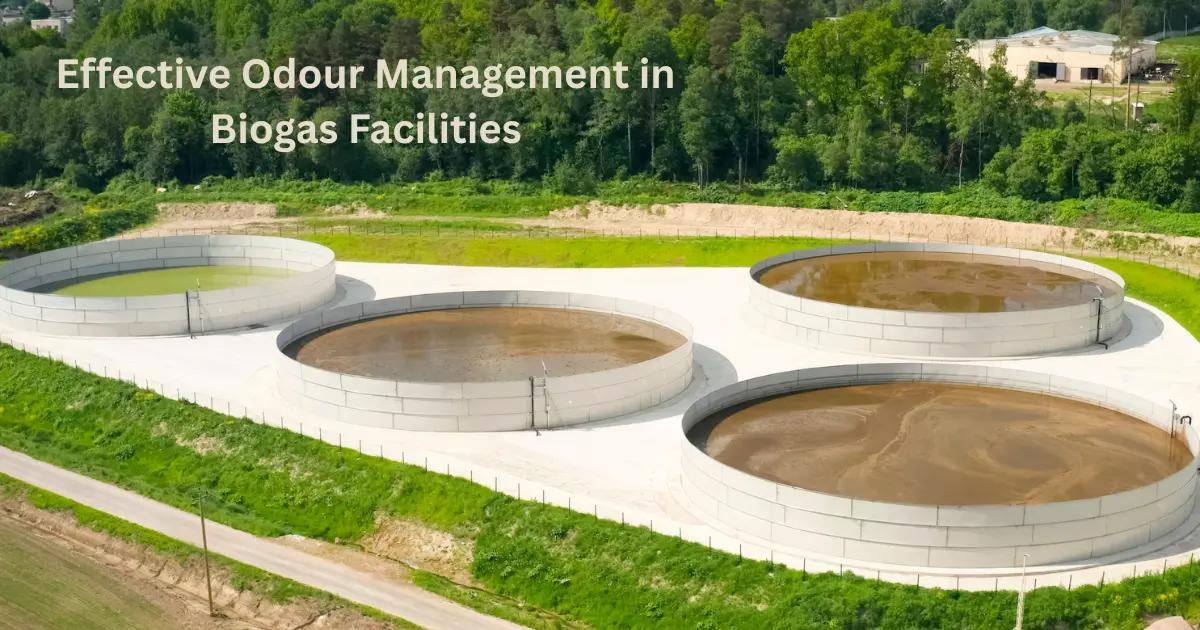
Managing biogas odour control is one of the most pressing operational challenges facing facility managers and plant operators today. While biogas technology offers tremendous environmental and economic benefits, the characteristic odours emanating from these facilities can trigger community complaints, regulatory scrutiny, and operational restrictions that threaten plant viability. The question isn’t whether odour management matters—it’s which solution delivers reliable, cost-effective results. Carbon filtration has emerged as the gold standard for biogas facility odour management, offering proven performance in removing hydrogen sulfide (H2S), ammonia, and volatile organic compounds (VOCs) that create those problematic smells. This comprehensive guide examines why carbon filtration works, how it compares to alternatives, and what facility managers need to know to implement systems that protect both community relations and bottom-line performance.
Why Biogas Facilities Struggle with Odour Control
Biogas production facilities face unique odour challenges that distinguish them from other industrial operations. The anaerobic digestion process that converts organic waste into valuable biogas inherently generates odorous compounds as byproducts. Unlike manufacturing facilities where odours might be isolated to specific processes, biogas plants have multiple odour sources operating continuously—feedstock storage areas, digester vents, biogas upgrading systems, digestate handling zones, and gas utilization points.
The proximity of many biogas facilities to residential areas compounds these challenges. As renewable energy infrastructure expands into suburban and rural communities, the buffer zones that once separated industrial operations from homes have shrunk. A facility that might have operated without complaint in an isolated location now faces scrutiny from neighbors who can detect odours at concentrations measured in parts per billion. This sensitivity isn’t just perception—human noses can detect hydrogen sulfide at concentrations as low as 0.5 parts per billion, well below levels that pose health risks but high enough to generate complaints.
Regulatory frameworks have tightened considerably over the past decade. Environmental agencies now impose strict odour emission limits, require continuous monitoring, and mandate rapid response to community complaints. Facilities that fail to maintain compliance face escalating penalties, operational restrictions, and in severe cases, forced shutdowns. The financial impact extends beyond fines—odour issues damage community relationships, complicate permit renewals, and create barriers to facility expansion.
Weather conditions amplify odour problems unpredictably. Temperature inversions trap odorous compounds near ground level, while wind patterns can carry smells miles from the source. Seasonal variations in feedstock composition alter the chemical makeup of biogas, creating odour profiles that fluctuate throughout the year. These variables make passive odour management strategies unreliable, demanding active control systems that perform consistently regardless of external conditions.
Many facility managers discover their odour problems only after community complaints escalate. By that point, relationships with neighbors have deteriorated, regulatory agencies are involved, and the cost of remediation has multiplied. Proactive biogas odour control implementation prevents these scenarios, but requires understanding the specific compounds causing problems and selecting technologies proven to address them.
The Science Behind Biogas Odours: H2S, Ammonia, and VOCs
Understanding what causes biogas to smell is essential for selecting effective control technologies. The characteristic “rotten egg” odour most people associate with biogas comes primarily from hydrogen sulfide (H2S), a toxic gas produced when sulfur-containing organic matter breaks down under anaerobic conditions. H2S concentrations in raw biogas typically range from 100 to 10,000 parts per million depending on feedstock composition, with animal manure and food waste producing particularly high levels. This compound poses dual challenges—its intensely unpleasant smell at low concentrations and its corrosive properties at higher levels, which damage equipment and infrastructure.
Ammonia (NH3) contributes a sharp, pungent odour distinct from H2S. Generated during protein decomposition, ammonia becomes especially problematic in facilities processing nitrogen-rich feedstocks like poultry manure or slaughterhouse waste. While less toxic than H2S at typical biogas concentrations, ammonia’s irritating properties affect respiratory systems and eyes, making it a significant concern for worker safety and community health. Ammonia also reacts with moisture to form ammonium compounds that can create visible plumes, drawing attention to facility emissions even when concentrations remain within regulatory limits.
Volatile organic compounds (VOCs) represent a complex mixture of carbon-containing chemicals that contribute varied odour characteristics—from sweet and fruity to putrid and nauseating. These compounds include mercaptans, organic acids, aldehydes, ketones, and aromatic hydrocarbons. Each feedstock type generates a unique VOC profile, making odour management particularly challenging for facilities that process diverse waste streams. Some VOCs, like dimethyl sulfide and methanethiol, have extremely low odour thresholds, meaning humans detect them at concentrations far below what analytical instruments might flag as concerning.
The synergistic effects of these compounds create odour problems greater than the sum of individual components. A mixture containing sub-threshold concentrations of multiple odorous compounds can produce offensive smells that wouldn’t occur from any single compound alone. This complexity explains why simple dilution or masking strategies fail—effective biogas facility odour management must remove the actual compounds, not just reduce their concentration or cover them with fragrances.
Temperature and pressure variations within biogas systems affect how these compounds behave. As biogas moves through collection systems, upgrading equipment, and utilization devices, changing conditions can cause odorous compounds to condense, volatilize, or react with other substances. Digestate handling presents particular challenges, as the liquid and solid residues from anaerobic digestion retain dissolved and absorbed odorous compounds that release into the air during storage, dewatering, and land application. Understanding these release mechanisms helps facility managers identify all potential odour sources, not just the obvious ones like biogas vents.
How Carbon Filtration Works for Biogas Odour Removal
Carbon filtration biogas systems leverage the remarkable adsorptive properties of activated carbon to capture and retain odorous compounds. Activated carbon’s structure—millions of microscopic pores creating surface areas exceeding 1,000 square meters per gram—provides vast binding sites for odour molecules. As contaminated air passes through a carbon bed, odorous compounds adhere to carbon surfaces through physical adsorption (van der Waals forces) and chemical adsorption (chemical bonding), effectively removing them from the gas stream.
The activation process that creates this porous structure involves heating carbon-rich materials (typically coal, coconut shells, or wood) to high temperatures in controlled atmospheres. This treatment burns away volatile components and creates the internal pore network that gives activated carbon its exceptional adsorptive capacity. Different activation methods and base materials produce carbons with varying pore size distributions, allowing manufacturers to optimize products for specific applications. For H2S removal biogas applications, specially impregnated carbons containing metal oxides or alkaline compounds enhance sulfur capture beyond what standard activated carbon achieves.
When biogas or ventilation air contacts activated carbon, several mechanisms work simultaneously. Large odour molecules like some VOCs fill macropores (pores larger than 50 nanometers), while smaller molecules like H2S penetrate into mesopores (2-50 nanometers) and micropores (less than 2 nanometers). The massive internal surface area means that even a relatively compact carbon filter can process enormous volumes of contaminated air. A single kilogram of activated carbon can provide adsorptive surface area equivalent to several football fields, explaining why these systems achieve such dramatic odour reduction in relatively small footprints.
Impregnated carbons designed specifically for biogas applications contain chemical additives that react with target compounds. For hydrogen sulfide removal, carbons impregnated with potassium hydroxide or sodium hydroxide convert H2S into stable sulfur compounds through chemical reactions, preventing re-release and extending carbon life. These chemically enhanced carbons can achieve H2S removal efficiencies exceeding 99%, reducing concentrations from thousands of parts per million to single-digit levels. This performance makes biogas carbon filter for odour control systems particularly effective for facilities facing stringent emission limits.
The contact time between contaminated air and carbon determines removal efficiency. Slower flow rates allow more complete adsorption, but require larger filter vessels or multiple units in series. Facility designers balance removal efficiency requirements against space constraints and pressure drop limitations. Most biogas applications target residence times of 2-5 seconds within the carbon bed, achieving removal efficiencies of 95-99% for primary odour compounds while maintaining acceptable airflow resistance.
Temperature and humidity affect carbon performance significantly. Higher temperatures reduce adsorptive capacity, while moisture can compete with odour compounds for adsorption sites. However, modern biogas carbon filtration systems incorporate pre-conditioning stages that optimize gas conditions before carbon contact. Cooling systems reduce temperature, while moisture separators remove excess water vapor, ensuring carbon operates at peak efficiency. These pre-treatment stages, though adding system complexity, dramatically extend carbon life and maintain consistent performance across varying operating conditions.
Types of Carbon Filtration Systems for Biogas Plants
Biogas facilities employ several carbon filtration configurations, each suited to specific applications and operational requirements. Fixed-bed carbon filters represent the most common design—cylindrical or rectangular vessels filled with granular activated carbon through which contaminated air flows. These systems offer simplicity, reliability, and straightforward maintenance. Operators monitor pressure drop across the bed to determine when carbon saturation requires replacement. Fixed-bed designs work well for continuous, steady-state applications like digester vent treatment or biogas upgrading off-gas management.
Modular carbon filter systems provide flexibility for facilities with variable odour loads or space constraints. These units consist of multiple smaller carbon vessels that can operate in parallel or series configurations. Parallel operation increases total airflow capacity, while series arrangements maximize removal efficiency for particularly challenging odour streams. The modular approach allows facilities to scale treatment capacity as production increases or to isolate individual modules for carbon replacement without shutting down the entire system. This design proves especially valuable for facilities undergoing phased expansion or processing feedstocks with seasonal odour variations.
Deep-bed carbon scrubbers combine carbon filtration with chemical scrubbing for comprehensive odour control. These hybrid systems use water or chemical solutions to remove water-soluble compounds like ammonia before passing remaining odours through activated carbon beds. The two-stage approach addresses the full spectrum of biogas odours more effectively than either technology alone. Ammonia, which saturates carbon quickly and reduces its capacity for other compounds, gets removed in the scrubbing stage, allowing carbon to focus on H2S and VOCs. Facilities processing high-nitrogen feedstocks particularly benefit from this integrated design.
Regenerable carbon systems offer economic advantages for large-scale operations. Rather than disposing of saturated carbon, these systems use thermal or steam regeneration to drive adsorbed compounds off the carbon, restoring adsorptive capacity. While regeneration equipment adds significant capital cost, facilities processing high odour loads can achieve lower operating costs through carbon reuse. Regeneration typically restores 85-95% of original capacity, with carbon beds lasting through multiple regeneration cycles before replacement becomes necessary. The decision to invest in regeneration capability depends on carbon consumption rates, disposal costs, and facility scale.
Mobile carbon filtration units provide temporary or supplemental odour control. Trailer-mounted systems can deploy rapidly to address emergency situations, support maintenance activities, or provide additional capacity during peak odour periods. These units prove particularly valuable during facility startups, when process optimization is ongoing and odour emissions may exceed normal levels. Rental options allow facilities to access carbon filtration technology without capital investment, useful for evaluating performance before committing to permanent installations.
Specialized biogas upgrading carbon filters target specific contaminants in gas destined for pipeline injection or vehicle fuel use. These systems employ multiple carbon types in series—each optimized for different compound classes—to achieve the ultra-low contaminant levels required for renewable natural gas applications. While more complex than odour control filters, these upgrading systems demonstrate carbon filtration’s versatility across the biogas value chain.
Carbon Filtration vs. Other Odour Control Methods
Comparing biogas plant odour solutions requires evaluating performance, costs, reliability, and operational complexity across available technologies. Biological filtration (biofilters) uses microorganisms to break down odorous compounds as contaminated air passes through media beds containing bacteria, fungi, and other organisms. While biofilters offer low operating costs and environmental friendliness, they require careful moisture and temperature management, large footprints, and performance can be inconsistent with variable odour loads. Biofilters excel at treating high-volume, low-concentration odour streams but struggle with the high H2S concentrations common in biogas applications. Carbon filtration delivers more predictable performance and handles concentration spikes that would overwhelm biological systems.
Chemical scrubbers use liquid solutions (typically caustic or acidic) to absorb and neutralize odorous compounds. These systems achieve excellent removal efficiencies for specific compounds—particularly ammonia and H2S—but generate liquid waste streams requiring treatment and disposal. Chemical consumption creates ongoing operating costs that can exceed carbon replacement expenses. Scrubbers also require more complex operation with pumps, tanks, and control systems that demand regular maintenance. For facilities with access to wastewater treatment or where liquid waste disposal poses no challenges, scrubbers complement carbon filtration in hybrid systems. However, as standalone solutions, scrubbers typically cost more to operate than well-designed carbon systems.
Thermal oxidation destroys odorous compounds by heating contaminated air to temperatures where organic molecules combust. While achieving near-complete odour destruction, thermal oxidizers consume substantial energy—often requiring natural gas or electricity inputs that offset biogas production benefits. Capital costs run significantly higher than carbon filtration, and operating temperatures of 700-1,000°C create safety concerns and require specialized materials. Thermal oxidation makes economic sense only for facilities with extremely high odour loads or where other methods have failed. Most biogas operations find carbon filtration delivers adequate performance at a fraction of thermal oxidation’s cost.
Masking agents and odour neutralizers attempt to cover unpleasant smells with more acceptable fragrances or chemically alter odour perception. These approaches fail to address regulatory compliance requirements, which focus on actual emission reduction, not odour masking. Community acceptance of masking agents varies widely—some residents find replacement odours equally objectionable. These products work best as temporary measures during maintenance or as supplements to primary control systems, not as standalone solutions.
Dilution through stack height disperses odours over wider areas, reducing ground-level concentrations. While simple and inexpensive, dilution merely redistributes the problem rather than solving it. Regulatory agencies increasingly reject dilution as an acceptable control strategy, requiring actual emission reduction. Tall stacks also create visual impacts that communities may oppose, and weather conditions can still bring diluted odours to ground level during inversions.
Carbon filtration’s advantages become clear in this comparison: predictable performance across varying conditions, manageable operating costs, compact footprints, simple operation, and proven regulatory compliance. The technology removes odours rather than masking or diluting them, addressing both community concerns and regulatory requirements. While not the lowest-cost option in every scenario, carbon filtration offers the best balance of effectiveness, reliability, and total cost of ownership for most biogas odour control applications.
Real-World Results: Case Studies in Biogas Odour Management
A 2.5 MW agricultural biogas facility in Wisconsin faced shutdown threats after neighboring residents filed complaints about hydrogen sulfide odours during summer months. The facility processed dairy manure and food processing waste, generating biogas with H2S concentrations averaging 3,200 ppm. Initial attempts using a biofilter failed to provide consistent odour control, particularly during temperature extremes. The facility installed a dual-stage carbon filtration system with impregnated carbon specifically designed for H2S removal. Results were dramatic—H2S emissions dropped to less than 5 ppm, eliminating detectable odours beyond the property boundary. Community complaints ceased within three weeks of system startup, and the facility has operated without odour incidents for over four years. The carbon replacement cycle of 18-24 months proved economically sustainable, with annual operating costs of approximately $28,000 compared to potential revenue losses exceeding $400,000 if the facility had been forced to curtail operations.
A municipal wastewater treatment plant in Oregon incorporating anaerobic digestion struggled with odours from both digester gas and biosolids handling. Proximity to a residential development less than 300 meters away created intense community pressure. The facility implemented a comprehensive carbon filtration strategy addressing multiple odour sources: digester vent gases, biogas upgrading off-gases, and building ventilation exhaust. The modular system allowed phased installation, with initial units targeting the highest-impact sources. Within six months, odour complaints dropped 94%, and the facility achieved full regulatory compliance. The modular design proved particularly valuable when the plant expanded digester capacity—additional carbon modules integrated seamlessly without redesigning the entire system. Total capital investment of $185,000 and annual operating costs of $32,000 compared favorably to the estimated $2.3 million cost of relocating biosolids handling operations, the alternative the city had been considering.
A food waste processing facility in the United Kingdom processing 50,000 tonnes annually faced unique challenges from highly variable feedstock composition. Odour profiles changed weekly as different waste streams arrived, creating unpredictable emission patterns. Standard carbon filtration struggled with rapid saturation from particularly odorous loads. The facility implemented a hybrid system combining chemical scrubbing for ammonia removal with regenerable activated carbon beds for VOCs and H2S. The scrubber pre-treatment extended carbon life significantly, while the regeneration capability reduced carbon consumption by 70%. The system maintained consistent performance despite feedstock variations, and the facility expanded operations by 40% without increasing odour complaints. While capital costs exceeded simple carbon filtration by approximately 60%, the operational flexibility and reduced carbon consumption delivered payback within 3.2 years.
These case studies demonstrate common success factors: proper system sizing based on actual odour loads, carbon selection matched to specific compounds, regular monitoring and maintenance, and integration with overall facility operations. Facilities that treat carbon filtration as a core operational system rather than an add-on accessory achieve the best results. The investment in proper design and quality components pays dividends through reliable performance, extended carbon life, and avoided costs from complaints, regulatory actions, and operational restrictions.
Calculating ROI: Cost Analysis of Carbon Filtration Systems
Understanding the financial implications of activated carbon biogas systems requires examining both capital and operating costs against the value they protect. Capital costs for carbon filtration systems vary widely based on airflow requirements, removal efficiency targets, and system complexity. A basic fixed-bed carbon filter for a small biogas facility (treating 1,000-2,000 cubic feet per minute) typically ranges from $25,000 to $60,000 installed. Mid-size facilities requiring 5,000-10,000 CFM capacity should budget $80,000 to $180,000, while large installations exceeding 20,000 CFM can reach $300,000 to $500,000 for comprehensive systems with redundancy and automation.
Operating costs center on carbon replacement, the single largest recurring expense. Carbon consumption depends on odour load, with facilities processing high-sulfur feedstocks replacing carbon more frequently than those handling cleaner materials. Typical replacement intervals range from 12 to 36 months, with costs of $3,000 to $15,000 per replacement for small systems and $20,000 to $60,000 for large installations. Impregnated carbons cost 20-40% more than standard activated carbon but last 50-100% longer in biogas applications, making them more economical despite higher unit prices. Facilities should calculate carbon costs per ton of feedstock processed or per cubic meter of biogas produced to accurately compare options and track performance over time.
Energy costs for fans and blowers moving air through carbon beds represent the second major operating expense. Pressure drop across carbon beds typically ranges from 2 to 8 inches of water column, requiring fan power of 5-25 horsepower depending on airflow. Annual electricity costs of $2,000 to $12,000 are common, though energy-efficient fan designs and optimized bed depths can reduce these figures. Facilities with variable odour loads benefit from variable-frequency drives that adjust fan speed to match actual treatment requirements, cutting energy consumption by 30-50% compared to constant-speed operation.
Maintenance costs beyond carbon replacement remain modest—typically $3,000 to $8,000 annually for inspections, filter changes, and minor repairs. Systems with chemical scrubbing stages add chemical costs and additional maintenance, increasing annual expenses by $5,000 to $20,000 depending on scrubber size and chemical consumption rates. Labor for carbon replacement varies by system design, with modular units allowing faster changeouts than large fixed beds requiring confined space entry and specialized equipment.
The value protected by effective odour control often dwarfs system costs. Regulatory fines for odour violations start at $5,000 to $25,000 per incident and escalate quickly for repeat offenses. Forced operational restrictions—reduced processing capacity, limited operating hours, or feedstock limitations—can cost facilities hundreds of thousands in lost revenue annually. Community opposition can delay or prevent facility expansions representing millions in potential value. One facility calculated that preventing just three odour complaint incidents annually justified their entire carbon filtration investment through avoided regulatory costs and preserved community relationships.
Biogas revenue protection provides another ROI perspective. A facility generating $500,000 in annual biogas revenue faces existential risk from odour-related shutdowns. A $150,000 carbon filtration system with $35,000 annual operating costs represents insurance protecting that revenue stream. Viewed this way, the system pays for itself if it prevents even a single month-long shutdown over its operational life. Many facilities find that carbon filtration delivers positive ROI within 2-4 years through a combination of avoided costs, protected revenue, and enabled expansion opportunities.
Financing options affect ROI calculations significantly. Outright purchase requires capital availability but avoids interest costs. Equipment leasing spreads costs over time and may offer tax advantages, though total payments exceed purchase prices. Some carbon suppliers offer service agreements where they own and maintain the system while charging monthly fees based on airflow or performance guarantees. These arrangements convert capital expenses to operating expenses, appealing to facilities with limited capital budgets or those preferring to focus internal resources on core biogas operations rather than odour control system management.
Implementation Best Practices for Maximum Effectiveness
Successful carbon filtration implementation begins with accurate odour load characterization. Facilities should conduct comprehensive air sampling to identify specific compounds, concentrations, and flow rates at all potential emission points. Generic assumptions about “typical” biogas odours lead to undersized systems or inappropriate carbon selection. Professional odour assessments cost $5,000 to $15,000 but prevent expensive mistakes. Testing should occur during peak odour periods—often summer months when biological activity peaks—to ensure systems handle worst-case conditions.
System sizing requires balancing removal efficiency against practical constraints. Oversizing provides safety margins but wastes capital and space. Undersizing guarantees performance problems and community complaints. The industry standard targets 95-99% removal efficiency for primary odour compounds, achieved through proper residence time (typically 2-5 seconds) and adequate carbon depth (minimum 12 inches, preferably 18-24 inches for biogas applications). Facilities should design for peak loads, not average conditions, and include capacity for future expansion if growth is anticipated.
Carbon selection demands matching product specifications to actual odour profiles. Standard activated carbon works adequately for VOCs but performs poorly on H2S without chemical impregnation. Facilities should request carbon manufacturer data showing performance on specific compounds at concentrations matching their applications. Beware of generic activated carbon marketed for multiple uses—biogas applications require specialized products. Reputable suppliers provide performance guarantees and technical support, while commodity carbon vendors offer lower prices but no application expertise.
Pre-treatment stages significantly extend carbon life and improve performance. Particulate filters prevent dust and debris from fouling carbon beds, while moisture separators reduce humidity that competes with odour compounds for adsorption sites. Cooling systems benefit facilities in hot climates where elevated temperatures reduce carbon capacity. These pre-treatment components add 15-30% to system costs but can double carbon life, delivering strong returns on investment. Skipping pre-treatment to reduce initial costs almost always proves penny-wise and pound-foolish.
Proper installation ensures optimal performance and longevity. Carbon beds must be level to prevent channeling—preferential flow paths that allow odours to bypass carbon contact. Vessel seals must be airtight to prevent untreated air from mixing with cleaned exhaust. Instrumentation for monitoring pressure drop, temperature, and flow rates enables proactive maintenance before performance degrades. Many facilities install redundant systems or bypass capabilities allowing carbon replacement without shutting down odour control, critical for continuous operations.
Operational protocols should include regular inspections, performance monitoring, and documented maintenance. Weekly pressure drop checks identify carbon saturation trends, allowing scheduled replacements rather than emergency responses to odour breakthrough. Monthly visual inspections catch seal failures, moisture accumulation, or other issues before they compromise performance. Quarterly odour testing verifies removal efficiency and provides documentation for regulatory compliance. These routine activities require minimal labor but prevent the costly problems that arise from neglected systems.
Staff training ensures operators understand how carbon filtration works, recognize performance indicators, and respond appropriately to problems. Many odour control failures result from operational errors—bypassing systems during maintenance, ignoring pressure drop warnings, or delaying carbon replacement to save costs. Facilities should document operating procedures, establish clear responsibility for system oversight, and include carbon filtration in operator training programs. The most sophisticated system fails if operators don’t understand or prioritize its operation.
Maintenance Requirements and System Longevity
Carbon filtration systems deliver reliable long-term performance when properly maintained, with well-designed installations operating effectively for 15-20 years before major component replacement becomes necessary. However, this longevity requires consistent attention to maintenance activities that prevent small issues from becoming major failures. The carbon media itself requires periodic replacement—the primary maintenance activity—with intervals determined by odour load, carbon type, and operating conditions. Facilities should establish baseline pressure drop measurements when installing fresh carbon, then monitor weekly to track saturation progression.
Pressure drop increases as carbon adsorbs odorous compounds and pores fill. When pressure drop reaches 150-200% of baseline values, carbon replacement becomes necessary even if odour breakthrough hasn’t occurred. Waiting for detectable odours before replacing carbon risks community complaints and regulatory violations. Proactive replacement based on pressure monitoring prevents these scenarios. Some facilities install differential pressure switches that trigger alarms at predetermined thresholds, ensuring operators receive timely warnings.
Carbon replacement procedures vary by system design. Modular units with removable cartridges allow quick changeouts—often completed in 2-4 hours with minimal tools. Large fixed-bed vessels require confined space entry, specialized equipment for carbon removal and disposal, and careful filling procedures to prevent channeling. Facilities lacking internal expertise should contract with carbon suppliers or specialized service companies for replacement activities. While adding cost, professional service ensures proper procedures and may include performance testing to verify system restoration.
Pre-filter maintenance prevents premature carbon fouling. Particulate filters protecting carbon beds require monthly inspection and quarterly replacement in most applications. Moisture separators need weekly drainage to prevent water accumulation, with automatic drain traps reducing labor requirements. Facilities in humid climates or processing wet feedstocks should inspect moisture removal systems more frequently. Neglecting pre-treatment maintenance shortens carbon life significantly—a $500 filter replacement can prevent $15,000 in premature carbon replacement.
Fan and blower maintenance follows manufacturer recommendations, typically including quarterly lubrication, annual belt replacement, and periodic motor inspections. Vibration monitoring identifies bearing wear before failures occur, preventing unplanned downtime. Variable-frequency drives require annual inspection of electrical connections and cooling systems. These mechanical components represent the primary failure points in carbon filtration systems, making preventive maintenance essential for reliable operation.
Vessel and ductwork inspections should occur annually, examining for corrosion, seal degradation, and structural issues. Biogas environments contain corrosive compounds that attack carbon steel and some stainless alloys. Coating failures or material degradation require prompt repair to prevent leaks that allow odours to bypass treatment. Gasket replacement every 3-5 years maintains airtight seals, while structural reinforcement may be needed in areas subject to vibration or thermal cycling.
Documentation of all maintenance activities provides valuable operational data and regulatory compliance evidence. Maintenance logs should record pressure drops, carbon replacement dates and quantities, filter changes, and any performance issues. This data reveals trends—such as declining carbon life indicating feedstock changes or process problems—that allow proactive adjustments. Regulatory agencies often request maintenance records during inspections, making thorough documentation essential for demonstrating compliance and operational diligence.
Seasonal maintenance considerations affect system performance. Winter conditions may cause moisture freezing in separators or ductwork, requiring heat tracing or insulation. Summer heat reduces carbon capacity, potentially requiring more frequent replacement during peak temperature months. Facilities should adjust maintenance schedules to address seasonal factors, ensuring consistent performance year-round. Some operators maintain spare carbon inventory to enable rapid replacement during peak odour seasons without waiting for supplier deliveries.
Regulatory Compliance and Community Relations Benefits
Effective biogas odour control through carbon filtration delivers benefits extending far beyond odour reduction itself. Regulatory compliance represents the most immediate advantage, as environmental agencies worldwide have tightened emission standards and enforcement. In the United States, state environmental agencies increasingly impose specific odour emission limits on biogas facilities, with some jurisdictions requiring continuous monitoring and reporting. The European Union’s Industrial Emissions Directive establishes stringent odour control requirements for anaerobic digestion facilities, while countries like Germany and the Netherlands enforce particularly strict standards. Carbon filtration systems provide documented, verifiable performance that satisfies regulatory requirements and withstands agency scrutiny.
Permit applications for new facilities or expansions now routinely require detailed odour management plans. Regulatory agencies evaluate proposed control technologies, demanding performance data and design specifications. Facilities proposing carbon filtration benefit from the technology’s proven track record and extensive performance documentation. Permits that might face community opposition or regulatory skepticism with less-established technologies often proceed smoothly when robust carbon filtration systems are included. This permitting advantage can save months of delays and thousands in consultant fees, accelerating project timelines and improving return on investment.
Community relations improve dramatically when odour issues are effectively addressed. Biogas facilities depend on community acceptance for long-term viability—hostile neighbors can file complaints, oppose expansions, and pressure elected officials to impose restrictions. Carbon filtration demonstrates tangible commitment to environmental stewardship, converting potential opponents into neutral parties or even supporters. Facilities that proactively implement odour control before complaints arise build trust and goodwill that pays dividends when future approvals are needed.
The “social license to operate” concept has become increasingly important in renewable energy development. Communities expect facilities to minimize negative impacts, and odours rank among the most common complaints about biogas plants. Effective odour management preserves the social license, allowing facilities to operate without constant conflict. Some facilities conduct community tours showcasing their carbon filtration systems, using the technology as evidence of responsible operation. This transparency builds credibility and demonstrates that biogas production can coexist harmoniously with residential areas.
Property value protection represents an often-overlooked benefit. Odour issues from industrial facilities can depress nearby property values, creating liability exposure and community antagonism. Studies have documented 5-15% property value reductions in areas affected by persistent industrial odours. By eliminating odours, carbon filtration protects neighboring property values, reducing the facility’s potential liability and improving relationships with adjacent landowners. Some facilities have successfully negotiated easements or expansions by demonstrating effective odour control that protects neighbor interests.
Employee recruitment and retention benefit from good odour management. Workers prefer facilities that don’t subject them to unpleasant smells, and chronic odour exposure can affect morale and productivity. Facilities with effective carbon filtration systems find recruiting easier and turnover lower than those with persistent odour problems. While difficult to quantify precisely, improved employee satisfaction translates to better operational performance and reduced labor costs.
Insurance and liability considerations favor facilities with documented odour control. Some insurers offer premium reductions for facilities demonstrating proactive environmental management, including effective odour control systems. In litigation scenarios—whether from community complaints or regulatory actions—documented investment in proven odour control technology demonstrates good faith and due diligence. While not guaranteeing favorable outcomes, this evidence strengthens the facility’s legal position significantly compared to operations that ignored odour issues until forced to address them.
The cumulative effect of these benefits often exceeds the direct value of odour reduction alone. Facilities that view carbon filtration purely as a cost miss the broader strategic advantages. When evaluated holistically—considering regulatory compliance, community relations, permitting advantages, property value protection, employee satisfaction, and liability reduction—carbon filtration systems deliver returns that justify investment even beyond their primary odour control function. This comprehensive perspective helps facility managers make informed decisions and secure organizational support for necessary investments in odour management infrastructure.
Biogas technology offers tremendous potential for renewable energy production and waste management, but realizing this potential requires addressing the odour challenges inherent in anaerobic digestion processes. Carbon filtration has emerged as the most reliable, cost-effective solution for biogas facility odour management, delivering proven performance across diverse applications and operating conditions. Facility managers and operators who understand the science behind biogas odours, properly size and select carbon filtration systems, implement best practices, and maintain equipment diligently will achieve the odour control necessary for regulatory compliance, community acceptance, and long-term operational success. The investment in quality carbon filtration technology protects revenue, enables growth, and ensures that biogas facilities can operate as good neighbors while contributing to renewable energy goals. As regulatory standards tighten and community expectations rise, effective odour management through carbon filtration transitions from optional enhancement to operational necessity—a reality that forward-thinking facility managers recognize and address proactively.
Frequently Asked Questions
How to reduce the smell of biogas?
The most effective method to reduce biogas smell is through carbon filtration systems that adsorb hydrogen sulfide and other odorous compounds. Activated carbon filters can remove up to 99% of odour-causing gases, making them the industry standard for biogas odour control. Other methods include chemical scrubbers, biofilters, and proper facility ventilation, though carbon filtration typically offers the best balance of efficiency and cost-effectiveness for most operations.
Does biogas smell bad?
Yes, untreated biogas typically has a strong, unpleasant odour similar to rotten eggs due to hydrogen sulfide (H2S) content. Raw biogas also contains ammonia, mercaptans, and volatile organic compounds that contribute to its characteristic smell. However, with proper biogas odour control systems in place, these odours can be effectively eliminated before they impact surrounding communities or work environments.
What is the purpose of carbon filtration in biogas facilities?
Carbon filtration serves to remove hydrogen sulfide, mercaptans, and other odorous sulfur compounds from biogas and facility emissions. The activated carbon’s porous structure traps odour molecules through adsorption, preventing them from being released into the atmosphere. This process not only controls odours but also protects equipment from corrosion and helps facilities meet environmental regulations.
Is biogas harmful to humans?
Biogas itself is not inherently toxic, but it contains components that can be harmful in certain concentrations. Hydrogen sulfide, even at low levels, can cause headaches, nausea, and respiratory irritation, while high concentrations can be dangerous or fatal. Proper biogas odour control systems protect both workers and nearby residents by removing these harmful compounds before they can cause health issues.
Does a carbon filter remove methane from biogas?
No, standard activated carbon filters do not effectively remove methane, which is the primary energy component of biogas. Carbon filtration specifically targets hydrogen sulfide, mercaptans, and other sulfur-based odour compounds while allowing methane to pass through. This selective removal is actually beneficial, as it purifies the biogas for energy use while eliminating the problematic odorous gases.
What are the disadvantages of biogas facilities?
The main disadvantages include high initial capital costs, odour management challenges, and the need for consistent feedstock supply. Without proper biogas odour control measures, facilities can face community opposition, regulatory penalties, and operational restrictions. However, modern carbon filtration systems and other odour control technologies have largely addressed these concerns, making biogas facilities viable neighbors in both rural and semi-urban settings.
How much does carbon filtration for biogas cost?
Carbon filtration systems for biogas facilities typically range from $15,000 to $150,000 depending on facility size, gas flow rates, and required removal efficiency. Operating costs include periodic carbon replacement (every 6-24 months) and minimal maintenance, usually totaling $3,000-$20,000 annually. While the investment is significant, it’s generally far less expensive than alternative odour control methods like chemical scrubbers and prevents costly community complaints or regulatory fines.
What will neutralize biogas smell naturally?
Natural biogas odour control methods include biofilters that use microorganisms to break down odorous compounds, soil filters, and proper facility design with adequate buffer zones. Maintaining optimal digester conditions (pH, temperature, and loading rates) can also minimize odour production at the source. However, for reliable and consistent results, most facilities combine these natural approaches with engineered solutions like carbon filtration.
Do biogas facilities really need carbon filters?
Yes, most biogas facilities require carbon filters or equivalent odour control systems to operate successfully and maintain community relations. Regulatory agencies increasingly mandate odour control measures, and facilities without proper biogas odour control face complaints, fines, and potential shutdowns. Carbon filtration represents a proven, cost-effective solution that protects both the facility’s operational license and its relationship with neighboring communities.
You May Also Like

Reducing Cyber Risk: Practical Guide for UK Businesses 2024

eSIM vs Physical SIM: Why Travelers Are Switching in 2025