Most Reliable Washing Machines: Durable Brands That Last

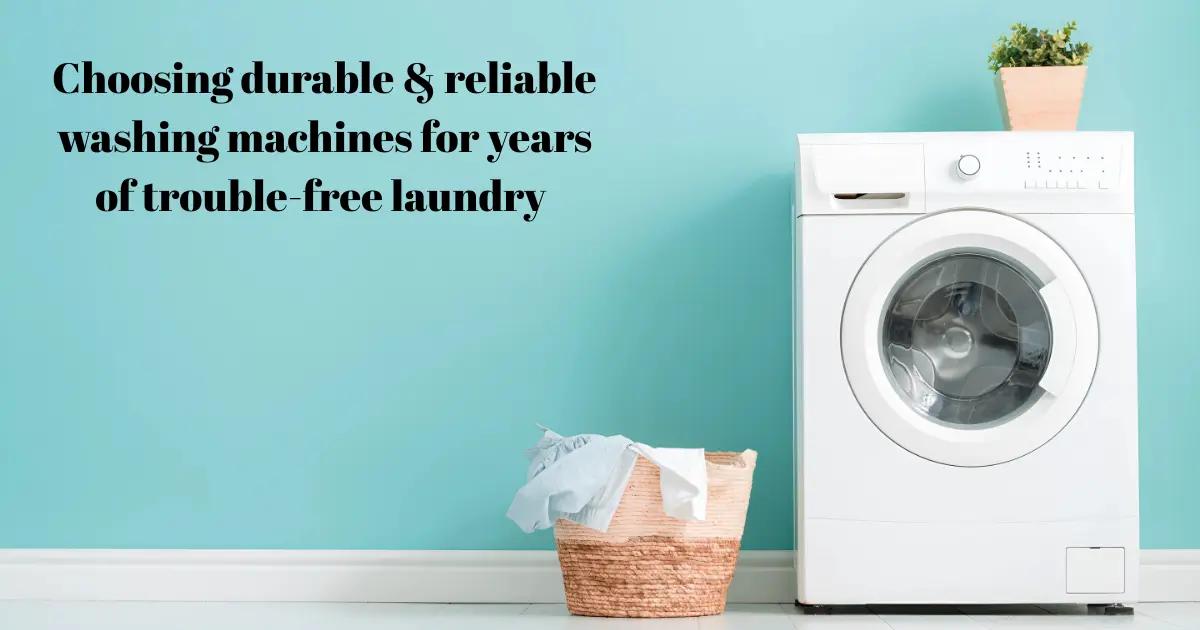
When you’re shopping for reliable washing machines, you’re not just buying an appliance—you’re making a long-term investment in your home’s functionality and your family’s daily comfort. The frustration of dealing with a washing machine that breaks down after just two or three years is all too common, leaving homeowners facing expensive repairs or premature replacements. The good news? With the right knowledge about construction quality, brand reliability, and key durability indicators, you can select a washing machine that delivers trouble-free performance for a decade or more. This comprehensive guide cuts through marketing hype to reveal what actually matters when choosing the most durable washing machine brands and models that will serve you faithfully for years to come.
What Makes a Washing Machine Durable? (Construction & Build Quality)
Understanding the fundamental construction elements that separate reliable washing machines from those destined for early failure is essential before you spend a single dollar. Durability isn’t about fancy digital displays or smartphone connectivity—it’s about the quality of components hidden beneath the exterior panels.
The drum and basket construction represents the heart of any washing machine’s longevity. Stainless steel drums outlast plastic or porcelain-coated alternatives by years, resisting corrosion, chipping, and cracking even under heavy use. The basket should be welded rather than bolted together, as welded construction eliminates weak points where stress fractures commonly develop. Premium manufacturers use thicker gauge stainless steel (typically 18-gauge or heavier) that can withstand the tremendous forces generated during high-speed spin cycles.
The motor type and transmission system directly determine how long your machine will operate without major repairs. Direct-drive motors, which connect directly to the drum without belts or pulleys, reduce mechanical complexity and eliminate common failure points. These motors typically last 15-20 years compared to 7-10 years for traditional belt-driven systems. Look for machines with metal gears in the transmission rather than plastic components, which wear down rapidly under the constant load of heavy, wet laundry.
The suspension and shock absorption system might seem like a minor detail, but it’s critical for long-term reliability. Quality machines use heavy-duty springs and hydraulic dampeners that control drum movement during the spin cycle. Inferior suspension systems allow excessive vibration, which gradually damages internal components, loosens connections, and causes premature bearing failure. The best washing machines feature four-point suspension systems with adjustable leveling feet that ensure stable operation even on slightly uneven floors.
Water inlet valves and pump assemblies made from brass or stainless steel far outlast plastic alternatives. These components handle thousands of fill and drain cycles over the machine’s lifetime, and plastic valves are prone to cracking, especially in areas with hard water or temperature fluctuations. Similarly, drain pumps with metal impellers and housings resist corrosion and maintain consistent performance year after year.
The control board and electronic components deserve special attention in modern washing machines. While older mechanical controls were simpler and often more reliable, today’s electronic systems can be equally durable when properly designed. Look for machines with sealed, moisture-resistant control boards positioned away from potential water exposure. Manufacturers that use automotive-grade electronic components and conformal coating on circuit boards demonstrate a commitment to longevity that cheaper brands skip to reduce costs.
Most Reliable Washing Machine Brands (Based on Repair Data)
When determining which brand of washer is most reliable, actual repair frequency data tells a far more accurate story than marketing claims or online reviews. Independent service data collected from thousands of repair technicians reveals clear patterns about which manufacturers consistently produce the longest lasting washing machines.
Speed Queen consistently ranks as the most reliable washing machine brand across multiple independent studies and consumer reports. These commercial-grade machines are built to withstand 25 years of use or approximately 10,400 wash cycles—roughly five times the industry average. Speed Queen uses heavy-duty components throughout, including metal gears, robust suspension systems, and powerful motors designed for laundromat environments. The Speed Queen top load washer models, particularly the TC5 series, maintain a repair rate below 5% in the first five years of ownership, compared to industry averages of 15-20%. While these machines cost more upfront, their exceptional longevity makes them the best value for buyers prioritizing reliability above all else.
Consumer Reports and service technician surveys consistently identify Miele as producing some of the best quality washing machines available, particularly in the front-load category. These German-engineered appliances undergo rigorous testing equivalent to 20 years of use before leaving the factory. Miele’s repair rates remain remarkably low, with fewer than 7% of machines requiring service in their first five years. The company’s commitment to using premium materials—including ProfiEco motors designed for 10,000 operating hours and stainless steel components throughout—justifies their premium pricing for buyers seeking the best washing machine 2026 options.
Bosch represents another European manufacturer with exceptional reliability ratings, particularly for front-load models sold in both European and North American markets. The best washing machine Europe consistently features Bosch models, which maintain repair rates around 10% in the first five years. Their EcoSilence Drive motors operate virtually maintenance-free, and the company’s focus on water efficiency doesn’t compromise durability—a common trade-off with other manufacturers.
Among mainstream American brands, Whirlpool maintains the strongest reliability record, particularly for top-load models. While not matching Speed Queen’s commercial-grade durability, Whirlpool’s mid-range and premium lines show repair rates of 12-15% in the first five years—significantly better than many competitors. Their direct-drive top-loaders, which eliminate belts and pulleys, prove especially reliable for budget-conscious buyers seeking dependable performance without premium pricing.
LG washing machines have improved their reliability significantly over the past decade, now ranking among the more dependable brands with repair rates around 13-16% in the first five years. Their direct-drive motors and stainless steel drums provide solid construction, though some models have experienced issues with door gasket mold and control board failures. LG’s front-load machines generally outperform their top-load offerings in terms of long-term reliability.
Maytag, once synonymous with reliability, has seen mixed results in recent years following its acquisition by Whirlpool. Their commercial-grade models maintain strong reliability ratings, but budget lines show higher repair rates. The Maytag Commercial Technology line, which uses heavy-duty components similar to Speed Queen, offers excellent durability for buyers willing to pay for premium construction.
Top-Load vs Front-Load: Which Lasts Longer?
The debate between top-load and front-load washing machines extends beyond convenience and efficiency to fundamental questions about long-term durability and reliability. Each design presents distinct advantages and potential failure points that significantly impact lifespan.
Traditional top-load agitator machines represent the simplest washing machine design and, when built with quality components, often prove to be the longest lasting washing machine brand options available. These machines use straightforward mechanical systems with fewer electronic components, reducing potential failure points. The vertical drum orientation means less stress on door seals and bearings compared to front-loaders. Speed Queen’s top-load agitator models exemplify this design philosophy, routinely lasting 20-25 years with minimal maintenance. The main durability advantage lies in their robust transmission systems and the absence of complex door locking mechanisms that plague front-loaders.
High-efficiency (HE) top-load washers without agitators occupy a middle ground in the reliability spectrum. These machines use impellers or wash plates instead of traditional agitators, reducing mechanical complexity while improving efficiency. However, they require more sophisticated electronic controls to manage wash cycles effectively, introducing additional potential failure points. Reliability varies significantly by manufacturer—the best top load washer 2026 models from brands like Whirlpool and Speed Queen show strong durability, while budget HE top-loaders from less established brands often fail within 5-7 years due to inferior motor and control board quality.
Front-load washing machines present a more complex reliability picture. When manufactured to high standards by companies like Miele, Bosch, or LG’s premium lines, front-loaders can match or exceed top-loader longevity. The best front load washing machine 2026 models feature sealed bearings, robust door gaskets, and advanced suspension systems that handle the unique stresses of horizontal drum rotation. However, front-loaders have several inherent vulnerability points: door boot seals that can develop mold and tears, more complex door locking mechanisms that frequently fail, and bearings that experience greater stress than top-load designs. The horizontal orientation also means water can more easily reach electronic components if seals fail.
Repair data reveals that front-load machines require service more frequently than quality top-loaders, particularly for issues related to door seals, bearings, and drainage problems. The most common front-loader failures occur around the 7-10 year mark when bearings begin to fail—a repair that often costs $400-600 and requires significant disassembly. Top-load machines typically experience fewer catastrophic failures, with most repairs involving simpler, less expensive components like lid switches or water inlet valves.
For maximum durability, commercial-grade top-load agitator machines remain the gold standard, particularly Speed Queen models designed for 25-year lifespans. However, buyers prioritizing water efficiency, gentler fabric care, and superior cleaning performance may find that premium front-loaders from Miele or Bosch offer acceptable longevity (15-20 years) while delivering these additional benefits. The key distinction is that front-load reliability depends heavily on premium construction—budget front-loaders from mass-market brands often fail within 5-8 years, making them poor long-term investments despite lower initial costs.
Key Features That Indicate Long-Term Reliability in Washing Machines
Identifying reliable washing machines before purchase requires looking beyond marketing claims to specific features and specifications that correlate with extended lifespan and trouble-free operation. These indicators help separate genuinely durable machines from those designed for planned obsolescence.
Motor warranty length serves as one of the most reliable indicators of manufacturer confidence in their product’s durability. Companies that offer 10-year or lifetime motor warranties (like Speed Queen, Miele, and premium LG models) use significantly more robust motors than competitors offering only 1-3 year coverage. This extended warranty reflects the manufacturer’s actuarial data showing these motors rarely fail, making the warranty a low-risk commitment. Conversely, short motor warranties signal that the manufacturer expects failures and has priced replacement costs into their business model.
Metal components in critical areas dramatically extend machine lifespan compared to plastic alternatives. Check specifications for metal wash baskets, metal pulleys (if belt-driven), brass or stainless steel water inlet valves, and metal pump housings. Manufacturers committed to durability prominently advertise these features, while budget brands bury material specifications or avoid mentioning them entirely. The difference in longevity between metal and plastic components in high-stress applications can be 10-15 years.
Direct-drive or belt-free transmission systems eliminate one of the most common failure points in traditional washing machines. Direct-drive motors connect directly to the drum, removing belts that stretch, slip, and break over time. This design also reduces the number of moving parts, decreasing maintenance requirements and potential failure points. LG pioneered this technology in consumer machines, and it’s now featured in the most reliable top load washing machine consumer reports recommendations across multiple brands.
Sealed bearings and rust-resistant construction prevent the most common cause of catastrophic washing machine failure—bearing deterioration. Quality machines use permanently sealed bearings that don’t require maintenance and resist water intrusion. Combined with stainless steel or powder-coated steel frames that resist rust, these features ensure structural integrity even in humid laundry room environments. Machines with unsealed bearings or painted steel frames often develop rust and bearing noise within 5-7 years.
Automatic load sensing and balance detection might seem like convenience features, but they significantly impact longevity by preventing the machine from operating under damaging conditions. Advanced sensors detect unbalanced loads and either redistribute clothing or prevent high-speed spinning that could damage suspension systems and bearings. Similarly, automatic water level sensing prevents overfilling that stresses pumps and motors while also improving efficiency.
Minimal electronic complexity correlates with reliability, particularly in top-load machines. While some electronic features enhance performance, machines with simple mechanical controls or basic electronic interfaces typically outlast those with touchscreens, Wi-Fi connectivity, and dozens of specialty cycles. Each additional electronic component represents a potential failure point, and complex control boards are expensive to replace. The most reliable washing machines balance useful electronic features with mechanical simplicity.
Commercial-grade certification or ratings indicate that a machine meets higher durability standards than typical residential models. Speed Queen’s commercial technology designation, for example, means the machine meets specifications for laundromat use—thousands of cycles per year under heavy loads. Similarly, machines rated for multi-family housing applications undergo more rigorous testing than standard residential models.
Red Flags: Warning Signs of Poor Quality Machines
Recognizing the warning signs of inferior construction helps buyers avoid washing machine brands to avoid and prevents expensive mistakes that lead to premature replacement. These red flags indicate manufacturers have prioritized cost-cutting over durability.
Plastic wash baskets or drums represent one of the clearest indicators of a machine built for short-term use. While manufacturers market plastic drums as “rust-proof,” they’re actually prone to cracking, warping, and developing rough surfaces that damage clothing. Plastic also retains odors and bacteria more readily than stainless steel. Any washing machine with a plastic drum should be avoided by buyers seeking long-term reliability, regardless of brand reputation or price point.
Extremely low prices that seem too good to be true almost always indicate compromised quality. When major retailers offer washing machines for $300-400, the manufacturer has made significant compromises in materials, components, and construction quality to hit that price point. These budget machines typically use plastic components throughout, undersized motors, minimal suspension systems, and the cheapest possible electronic controls. Consumer reports on washing machine brands to avoid consistently feature these ultra-budget models, which often fail within 3-5 years.
Short warranty periods, particularly on motors and major components, signal manufacturer expectations of early failure. A one-year parts and labor warranty with no extended coverage on critical components indicates the manufacturer knows their product won’t last and has no confidence in its durability. Compare this to Speed Queen’s industry-leading warranties or Miele’s extended coverage—companies that build reliable machines can afford generous warranties because they rarely pay claims.
Excessive vibration or noise during operation in showroom demonstrations indicates inadequate suspension systems and poor build quality. While no washing machine is completely silent, quality machines operate smoothly even during high-speed spin cycles. Machines that shake, walk across the floor, or produce loud grinding or banging noises have suspension and balance issues that will worsen over time, leading to premature bearing failure and structural damage.
Flimsy construction and lightweight cabinets compromise stability and indicate cost-cutting throughout the machine. Quality washing machines feel substantial and solid when you push on the cabinet or open the door. Thin metal panels that flex under pressure, lightweight plastic components, and cabinets that feel hollow suggest the manufacturer skimped on materials throughout the machine. Top loading washing machine brands to avoid often feature these construction shortcuts, which lead to increased vibration, noise, and accelerated wear on internal components.
Overly complex control interfaces with dozens of specialty cycles and digital features often mask poor fundamental construction. Manufacturers sometimes load budget machines with impressive-sounding features to distract from inferior motors, transmissions, and build quality. A machine with 50 wash cycles but a plastic drum and one-year warranty represents misplaced priorities. The best quality washing machines focus on excellent core performance with durable construction rather than gimmicky features.
Negative patterns in online reviews, particularly regarding specific failure modes, provide valuable real-world reliability data. When dozens of reviews mention the same problems—control board failures, door latch issues, or bearing noise within 2-3 years—these patterns indicate systemic design or quality control problems. Washing machine brands to avoid reddit discussions often highlight these patterns before they appear in formal consumer reports, making online communities valuable research tools.
Brands with frequent model changes and discontinuations may indicate quality issues that force redesigns. Reliable manufacturers like Speed Queen and Miele maintain model lines for many years, gradually improving them rather than completely redesigning every 2-3 years. Frequent model turnover can signal that previous designs failed in the field, forcing the manufacturer to start over. This also creates parts availability issues when machines need repair after the model is discontinued.
How Much Should You Spend for a Reliable Washing Machine?
Understanding the relationship between price and reliability helps buyers make informed decisions about washing machine investments and avoid both overpriced mediocrity and false economy. The most durable washing machine brands span a range of price points, but certain thresholds correlate strongly with construction quality and expected lifespan.
Budget tier ($400-700) washing machines rarely deliver the reliability that buyers seeking trouble-free laundry require. At this price point, manufacturers must make significant compromises in materials, components, and construction quality to remain profitable. While some basic top-load agitator machines in this range from established brands like Whirlpool or GE offer acceptable reliability for light use, they typically feature plastic components, basic motors, and minimal warranties. Buyers should expect 5-8 years of service from budget machines under normal use—adequate for renters or those with very limited budgets, but poor value for homeowners planning to stay in their homes long-term.
Mid-range tier ($700-1,200) represents the sweet spot for reliable washing machines for the money. This price range includes quality top-load machines from Whirlpool, Maytag’s better models, and entry-level front-loaders from LG and Samsung. At this price point, manufacturers can afford stainless steel drums, direct-drive motors, better suspension systems, and extended warranties on major components. The best top load washing machine 2026 models in this range, particularly those with direct-drive motors and metal components, typically deliver 10-15 years of reliable service. This tier offers the best balance of initial cost and long-term value for most buyers.
Premium tier ($1,200-2,000) includes the most reliable washing machines from mainstream manufacturers and entry-level models from commercial-grade brands. This category features Speed Queen’s residential models, Miele’s W1 series entry points, premium LG and Samsung front-loaders, and Bosch’s better models. These machines incorporate commercial-grade components, advanced features that enhance durability (like automatic load balancing), and comprehensive warranties. Buyers can expect 15-20 years of trouble-free operation from premium machines, making the higher initial investment worthwhile for those prioritizing longevity and minimal maintenance.
Commercial/Ultra-premium tier ($2,000+) represents the absolute best in washing machine durability and reliability. Speed Queen’s top-tier models, Miele’s W1 flagship machines, and true commercial laundromat equipment occupy this category. These machines feature components designed for 25+ years of heavy use, the longest warranties in the industry, and construction quality that justifies their premium pricing. For buyers who keep homes long-term, do frequent large loads, or simply want the best washing machine 2026 technology and durability can provide, this tier offers unmatched reliability that can outlast multiple cheaper machines.
The total cost of ownership calculation reveals why spending more upfront often saves money long-term. A $500 washing machine that lasts 5 years costs $100 per year, plus repair costs averaging $200-300 over its lifetime. A $1,500 Speed Queen that lasts 20 years costs $75 per year with minimal repair costs. Factor in the hassle, time lost to breakdowns, and replacement shopping, and the premium machine delivers superior value despite its higher initial price.
For most buyers seeking the longest lasting washing machine brand options, spending $900-1,500 provides optimal value. This range includes the most reliable top load washing machine consumer reports recommendations and quality front-loaders that balance durability with efficiency. Buyers with larger budgets who prioritize maximum reliability should consider the $1,500-2,500 range, where Speed Queen and Miele models offer commercial-grade durability with residential convenience.
Warranty Coverage: What to Look For in Reliable Washing Machines
Warranty terms provide crucial insights into manufacturer confidence in their products and serve as a reliable predictor of actual durability. Understanding what constitutes strong warranty coverage helps buyers identify truly reliable washing machines and avoid brands that expect early failures.
Motor and drive system warranties represent the most important coverage component, as these expensive components determine overall machine lifespan. The industry standard of 3-5 years on motors is merely adequate, while premium manufacturers offer 10-year to lifetime motor warranties. Speed Queen provides a 5-year comprehensive warranty plus additional coverage on the motor and transmission, reflecting their confidence in 25-year lifespans. Miele offers 10-year warranties on motors in their W1 series, while LG provides 10-year coverage on their direct-drive motors. Any washing machine with less than a 5-year motor warranty should be viewed skeptically, as it suggests the manufacturer expects failures beyond that timeframe.
Comprehensive parts and labor coverage matters more than parts-only warranties, which leave buyers paying expensive service call fees. A one-year comprehensive warranty (parts and labor) is standard across the industry, but premium brands extend this to 2-5 years. Speed Queen’s 3-year comprehensive coverage and 5-year warranty on specific components sets the industry standard for the best quality washing machines. When comparing models, always calculate the total potential cost including service calls—a parts-only warranty on a $1,000 machine could still cost $500-800 in labor charges for a major repair.
Drum and basket warranties indicate manufacturer confidence in their materials and construction. Stainless steel drums should carry lifetime warranties against rust and corrosion, as quality stainless steel simply doesn’t rust under normal use. Manufacturers offering only 3-5 year drum coverage may be using lower-grade stainless steel or thinner gauge material that could develop issues. Similarly, plastic drums with limited warranties signal planned obsolescence—quality manufacturers don’t use plastic drums in machines designed for long-term reliability.
In-home service provisions significantly impact the practical value of warranty coverage. Warranties requiring customers to transport washing machines to service centers or pay for technician visits add substantial hidden costs. The most reliable washing machine brand warranties include in-home service for the duration of comprehensive coverage, acknowledging that washing machines are heavy, difficult to move, and should be serviced where installed. This provision is particularly important for front-load machines, which are heavier and more complex to transport than top-loaders.
Transferability and registration requirements affect warranty value for buyers who may move or sell their homes. Non-transferable warranties lose all value if you relocate, while transferable coverage maintains the machine’s resale value and protects subsequent owners. Some manufacturers void warranties if not registered within 30-90 days of purchase—a practice that allows them to deny legitimate claims on technicalities. The best warranties automatically apply from the purchase date without registration requirements, though registration may extend coverage or provide additional benefits.
Extended warranty and service plan options reveal manufacturer expectations about post-warranty reliability. Companies that offer reasonably priced extended warranties (like Miele and Speed Queen) demonstrate confidence that their machines won’t require frequent service even beyond basic coverage. Conversely, expensive extended warranties with numerous exclusions suggest the manufacturer expects problems and has priced the extended coverage to remain profitable despite high claim rates. Generally, extended warranties make sense only for mid-range machines ($700-1,200) where the coverage cost is reasonable relative to potential repair expenses.
Maintenance Tips to Extend Your Washing Machine's Lifespan
Even the most reliable washing machines require proper maintenance to achieve their maximum lifespan potential. These proven maintenance practices prevent common failures and ensure trouble-free operation for years beyond typical expectations.
Regular cleaning prevents buildup and odors that can damage components and reduce efficiency. Front-load machines particularly require monthly cleaning of door gaskets, detergent dispensers, and drain filters to prevent mold growth and blockages. Running a cleaning cycle with washing machine cleaner or white vinegar monthly removes detergent residue, mineral deposits, and bacteria that accumulate in hidden areas. For detailed instructions on proper cleaning procedures, refer to comprehensive guides on how to clean a washing machine that cover both front-load and top-load models. Top-load machines benefit from quarterly deep cleaning, though they’re less prone to mold issues than front-loaders.
Proper detergent usage significantly impacts machine longevity and performance. Using too much detergent creates excessive suds that stress pumps and motors while leaving residue that harbors bacteria and causes odors. High-efficiency (HE) machines require HE-specific detergents in amounts typically 25-50% less than conventional machines. The “more is better” approach to detergent actually shortens machine life by forcing pumps to work harder and leaving residue that can clog drain systems. Following manufacturer recommendations for detergent type and quantity prevents these issues.
Load balancing and proper loading techniques prevent excessive wear on suspension systems and bearings. Overloading forces motors to work harder and creates unbalanced loads that stress mechanical components. The drum should be no more than three-quarters full, with items distributed evenly around the agitator or drum. Washing heavy items like comforters alone or with other heavy items prevents the extreme imbalance that occurs when one heavy item is mixed with lightweight clothing. Taking 30 seconds to properly arrange loads can add years to your machine’s lifespan.
Water supply line inspection and replacement prevents catastrophic flooding that can damage not only the washing machine but your entire home. Rubber supply hoses should be replaced every 3-5 years, as they deteriorate over time and can burst without warning. Upgrading to braided stainless steel hoses provides superior burst resistance and can last 10+ years. Check hoses quarterly for bulges, cracks, or signs of wear, and ensure connections are tight but not over-tightened, which can damage fittings.
Leveling and vibration management prevents premature bearing failure and structural damage. Washing machines must sit level on all four corners with minimal rocking when pushed. Use a level to check both front-to-back and side-to-side orientation, adjusting leveling feet as needed. On upper floors or in spaces with flexible flooring, anti-vibration pads reduce movement and noise while protecting the machine’s internal components from excessive stress during spin cycles.
Leaving the door or lid open between uses allows moisture to evaporate, preventing mold growth and musty odors that plague front-load machines and can affect top-loaders in humid climates. This simple habit, combined with wiping down door gaskets after use, prevents the most common complaint about front-load washers and extends gasket life significantly. The small inconvenience of an open door is far preferable to replacing a mold-damaged gasket or dealing with persistent odors.
Prompt repair of minor issues prevents small problems from escalating into major failures. Strange noises, longer cycle times, incomplete draining, or error codes indicate developing problems that are typically inexpensive to fix early but catastrophic if ignored. A worn belt costs $50-100 to replace, while ignoring it can lead to motor damage costing $400+. Similarly, addressing small leaks immediately prevents water damage to electronic components and structural rust.
Professional maintenance inspections every 3-5 years can identify developing issues before they cause breakdowns. Technicians can check belt tension, inspect hoses and connections, test pump operation, and verify that all systems function properly. This preventive approach is particularly valuable for premium machines where protecting your investment justifies the $100-150 inspection cost.
Best Durable Washing Machines by Category (Budget, Mid-Range, Premium)
Selecting the right washing machine requires matching reliability requirements with budget constraints and specific household needs. These category-specific recommendations identify the most reliable washing machines at each price point, helping buyers make informed decisions based on actual performance data and construction quality.
Budget Category (0-900): Best Value for Reliability
Whirlpool WTW4816FW Top-Load Washer represents the best option for buyers seeking reliable washing machines on a limited budget. This straightforward top-load machine features a stainless steel wash basket, direct-drive motor, and simple mechanical controls that minimize potential failure points. While it lacks the commercial-grade construction of premium models, it uses quality components where they matter most and maintains repair rates around 12-15% in the first five years—significantly better than competitors in this price range. The 10-year limited parts warranty on the drive motor demonstrates Whirlpool’s confidence in this critical component.
GE GTW465ASNWW Top-Load Washer offers another solid budget option with an impeller design that balances efficiency with simplicity. The stainless steel basket, dual-action agitator, and straightforward electronic controls provide reliable performance without unnecessary complexity. GE’s reputation for serviceable designs means parts remain available and repairs are straightforward when needed, an important consideration for budget machines that may require occasional service.
Mid-Range Category (0-1,500): Optimal Reliability-to-Value Ratio
Speed Queen TC5003WN Top-Load Washer dominates the mid-range category as the most reliable washing machine available under $1,500. This commercial-grade machine features a stainless steel wash basket and tub, heavy-duty transmission, and components designed for 25 years of use. The 3-year comprehensive warranty and 5-year coverage on major components far exceeds industry standards. While it uses more water than HE machines, its exceptional reliability and superior cleaning performance justify this trade-off for buyers prioritizing longevity. This machine consistently ranks as the best top load washer 2026 for reliability-focused buyers.
LG WM4000HWA Front-Load Washer represents the best front-load option in this price range, combining LG’s reliable direct-drive motor technology with a stainless steel drum and advanced features. The 10-year warranty on the direct-drive motor, combined with repair rates around 13-15% in the first five years, makes this one of the most dependable front-loaders available. The TurboWash technology and large 4.5 cubic foot capacity provide excellent performance alongside reliability.
Maytag MVW7232HW Top-Load Washer offers commercial-grade construction at a mid-range price point. The PowerWash agitator, stainless steel wash basket, and robust drive system deliver reliable performance with repair rates comparable to premium brands. Maytag’s 10-year limited parts warranty on the drive motor and wash basket demonstrates confidence in these critical components.
Premium Category (3,500-2,500): Maximum Reliability and Features
Speed Queen TR7003WN Top-Load Washer represents the pinnacle of washing machine reliability, featuring commercial-grade construction throughout and a 25-year expected lifespan. The stainless steel tub, heavy-duty transmission, and powerful motor handle the largest loads with ease while maintaining repair rates below 5% in the first decade. The 5-year comprehensive warranty and 7-year coverage on major components provides unmatched peace of mind. For buyers seeking the longest lasting washing machine brand regardless of price, Speed Queen’s premium models deliver unparalleled durability.
Miele WWH860WCS Front-Load Washer sets the standard for premium front-load reliability, combining German engineering with components designed for 20+ years of use. The honeycomb drum protects fabrics while the ProfiEco motor provides quiet, efficient operation backed by a 10-year warranty. Miele’s repair rates remain below 7% in the first decade, making these machines the best washing machine Europe and North America for buyers who demand maximum reliability with superior efficiency and fabric care.
Bosch WAW285H2UC Front-Load Washer offers European build quality at a slightly lower price point than Miele, with repair rates around 10% in the first five years. The EcoSilence Drive motor, stainless steel drum, and advanced vibration reduction system provide reliable, quiet operation. Bosch’s reputation for long-term durability makes this an excellent choice for buyers seeking the best front load washing machine 2026 with proven reliability.
Ultra-Premium Category (,500+): Commercial-Grade Durability
Speed Queen AFNE9BSP113TW01 Front-Load Washer brings commercial laundromat durability to residential settings, designed for 25+ years of heavy use. The industrial-grade construction, quantum controls, and comprehensive warranty make this the ultimate choice for buyers who want to purchase their last washing machine. While expensive, the total cost of ownership over 25 years makes this machine competitive with replacing multiple cheaper machines.
Miele WXI860WCS Front-Load Washer represents the absolute best in washing machine technology and reliability, featuring WiFi connectivity, automatic detergent dispensing, and components designed for 10,000 operating hours. The 10-year warranty and repair rates below 5% justify the premium price for buyers seeking the best quality washing machines with cutting-edge features and uncompromising durability.
Questions to Ask Before You Buy
Armed with knowledge about construction quality, brand reliability, and durability indicators, buyers should ask these critical questions before making a final purchase decision to ensure they select truly reliable washing machines that meet their specific needs.
What is the expected lifespan of this specific model? Don’t accept vague answers—ask for the manufacturer’s design life in years or wash cycles. Quality brands like Speed Queen openly state their 25-year design life, while others may be evasive. This question immediately separates manufacturers confident in their durability from those building for planned obsolescence. If a salesperson can’t or won’t answer, that’s a red flag about the machine’s long-term reliability.
What materials are used in the wash basket, tub, and major components? Specifically ask about stainless steel versus plastic construction, metal versus plastic gears, and the gauge of stainless steel used. Reliable washing machines feature metal components in high-stress areas, and manufacturers proud of their construction quality will provide detailed specifications. Vague answers or reluctance to discuss materials suggests cost-cutting that compromises durability.
What is covered under warranty, and for how long? Get specific details about comprehensive coverage versus parts-only warranties, motor and transmission coverage, and whether in-home service is included. Ask about the process for making warranty claims and average response times. Understanding warranty details before purchase prevents unpleasant surprises when service is needed. Compare warranty terms across models—longer coverage on critical components indicates manufacturer confidence in reliability.
What are the most common repairs for this model? Honest salespeople familiar with their products can discuss common issues based on customer feedback and service data. If they claim the machine never needs repairs, that’s either dishonesty or ignorance. Every machine eventually needs service, but reliable models require only minor repairs (lid switches, inlet valves) rather than major component replacements (motors, transmissions, control boards). Online reviews and forums like washing machine brands to avoid reddit can provide additional insights into common failure modes.
What is the repair cost for common issues? Understanding typical repair costs helps evaluate total cost of ownership. A machine with a $200 control board that commonly fails after 5 years is less reliable than one with a $50 inlet valve that occasionally needs replacement after 10 years. Ask about parts availability and whether the manufacturer supports models for many years after discontinuation—important for long-term serviceability.
How does this model compare to Speed Queen or other commercial-grade options? This question forces salespeople to honestly assess their product against the reliability standard. If they dismiss Speed Queen as “overpriced” without acknowledging the durability difference, they’re prioritizing commission over customer needs. Quality salespeople will acknowledge that commercial-grade machines offer superior longevity and help you decide whether the premium is justified for your situation.
What maintenance does this machine require? Understanding maintenance requirements before purchase helps you evaluate whether a machine fits your lifestyle and commitment level. Front-load machines require more maintenance than top-loaders, and some models need more attention than others. If you’re not willing to perform monthly cleaning and maintenance, a simpler top-load machine may be more reliable for your specific use case.
Can I see the machine operate? Observing a floor model during operation reveals vibration levels, noise, and build quality that specifications can’t capture. A machine that shakes excessively or makes unusual noises in the showroom will only get worse at home. Quality machines operate smoothly and relatively quietly even during high-speed spin cycles.
What is your return policy? Even with careful research, sometimes machines don’t perform as expected in your specific home environment. A generous return policy (30+ days) indicates retailer confidence in their products and provides a safety net if the machine proves unsatisfactory. Short return windows or restocking fees suggest the retailer expects buyer’s remorse and has priced those returns into their business model.
Are there any current reliability issues or recalls? Check the CPSC website for recalls and search online for model-specific problems before finalizing your purchase. Recent recalls or widespread complaints about specific issues should give you pause, even for otherwise reliable brands. Manufacturers occasionally release problematic models, and avoiding these specific models protects you from known issues.
By systematically asking these questions and comparing answers across multiple brands and models, you’ll identify the most reliable washing machines for your specific needs and budget. Remember that the goal isn’t finding the cheapest machine or the one with the most features—it’s selecting a washing machine that will deliver trouble-free laundry service for 15-25 years, making your investment worthwhile through decades of dependable performance.
Choosing durable and reliable washing machines requires looking beyond marketing claims to focus on construction quality, proven brand reliability, and specific features that indicate long-term durability. Whether you select a commercial-grade Speed Queen, a premium Miele front-loader, or a quality mid-range machine from Whirlpool or LG, prioritizing reliability over features and price ensures you’ll enjoy years of trouble-free laundry service. The extra investment in a truly reliable machine pays dividends through reduced repair costs, fewer replacements, and the peace of mind that comes from owning an appliance built to last.
Frequently Asked Questions
Which brand of washing machine is most reliable?
Speed Queen consistently ranks as the most reliable washing machine brand, with commercial-grade construction designed to last 25+ years. Other top-performing brands for reliability include Miele, LG, and Whirlpool, which have demonstrated lower-than-average repair rates in consumer studies. When choosing reliable washing machines, look for brands that offer robust warranties (5-10 years) and use durable components like stainless steel drums and direct-drive motors.
What is the average lifespan of a washing machine?
The average washing machine lasts between 10-14 years with proper maintenance, though this varies significantly by brand and model quality. Premium reliable washing machines from brands like Speed Queen and Miele can last 20-25 years, while budget models may only survive 7-10 years. Regular maintenance, balanced loads, and avoiding overloading can extend your machine’s lifespan by several years.
What should I consider before buying a washing machine?
Before purchasing, evaluate the drum material (stainless steel is most durable), motor type (direct-drive motors have fewer moving parts), and warranty length (longer warranties indicate manufacturer confidence). Consider your household size to determine capacity needs, energy efficiency ratings to reduce operating costs, and whether top-loading or front-loading better suits your space and physical needs. Research brand reliability ratings and read reviews focusing on long-term performance rather than just features.
Is it better to have a washing machine with an agitator or without?
Washing machines without agitators (impeller models or front-loaders) are generally gentler on clothes, more energy-efficient, and offer greater capacity. However, traditional agitator models often provide better cleaning for heavily soiled items and are typically more affordable and easier to repair. For reliable washing machines that balance longevity with performance, high-quality agitator models from brands like Speed Queen offer proven durability, while impeller and front-load options from LG and Miele provide modern efficiency.
Which washing machine brands should I avoid?
Consumer Reports and repair technicians frequently cite certain budget brands and overly complex smart models as having higher failure rates, particularly those with excessive electronic controls that can malfunction. Brands with consistently poor reliability ratings include some models from Samsung (particularly earlier front-loaders with mold issues) and certain GE Appliances lines. Focus instead on proven reliable washing machines with simpler mechanical systems and strong track records for durability.
Is it worth repairing a 7-year-old washing machine?
It depends on the repair cost and the machine’s original quality—if the repair costs less than 50% of a new machine’s price and your washer is a high-quality brand, repair is usually worthwhile. However, if your 7-year-old machine is a budget model or requires expensive repairs (like motor or transmission replacement costing $400+), investing in new reliable washing machines makes more financial sense. Consider that a quality new machine will offer improved energy efficiency and come with a warranty for peace of mind.
How can I make my washing machine last longer?
Extend your washer’s lifespan by using the correct amount of HE detergent (excess suds damage components), cleaning the drum and dispensers monthly, and leaving the door open between loads to prevent mold and odors. Always balance loads properly, avoid overloading, use mesh bags for small items, and periodically check hoses for wear or leaks. Even the most reliable washing machines benefit from annual maintenance checks of water inlet filters and drain pump filters.
What are the most important features for washing machine durability?
The most critical durability features include a stainless steel drum (resists rust and chipping), a direct-drive or brushless motor (fewer parts to fail), and a solid suspension system to handle spin cycles. Look for reliable washing machines with metal rather than plastic internal components, reinforced door hinges on front-loaders, and simple, proven technology over complex smart features that can malfunction. A comprehensive warranty of 5+ years on parts and labor also indicates the manufacturer’s confidence in their product’s longevity.
Are top-loading or front-loading washing machines more reliable?
Top-loading washing machines, particularly traditional agitator models, have historically been more reliable due to simpler mechanics and fewer seal/mold issues. However, modern high-quality front-loaders from brands like Miele and LG have closed the reliability gap with improved door seals and better drainage systems. Top-loaders are generally easier and less expensive to repair, while premium front-loaders offer superior energy efficiency and gentler fabric care when properly maintained.
What warranty should I expect on a reliable washing machine?
Reliable washing machines typically come with at least a 1-year comprehensive warranty, with premium brands offering 3-5 years on parts and labor. The most durable brands like Speed Queen provide industry-leading warranties of 5-7 years, while component-specific coverage (like 10+ years on the motor or drum) indicates quality construction. Extended warranties may be worth considering for mid-range models, but top-tier reliable machines rarely need them due to their proven longevity.
You May Also Like