Best Time to Visit Alaska: Month-by-Month Guide (2026)

The best time to visit Alaska is mid-June through mid-August — that’s when you get up to 20 hours of daylight, 60–75°F temperatures, full cruise and park access, and salmon-fed bears at their most active. But if the northern lights are your priority, you want the opposite season: December through March, based in Fairbanks. Here’s the full month-by-month breakdown so you can match your trip to what you actually want to see.
Quick answer: when to go to Alaska
Alaska’s Seasons at a Glance
Alaska has an unusually sharp seasonal split. Summer is short, bright and busy; winter is long, dark and cold — which is exactly what makes the aurora visible. The shoulder months are the value sweet spot.
| Season | Months | Temps | Daylight | Best for |
|---|---|---|---|---|
| Spring / shoulder | May | 35–60°F | 18–20 hrs | Value, wildlife waking, fewer people |
| Peak summer | Jun–Aug | 60–75°F | Up to 20 hrs | Cruises, parks, bears, midnight sun |
| Fall / shoulder | September | 40–55°F | 12–14 hrs | Fall colour, aurora returns, value |
| Winter | Oct–Mar | -10–20°F | 5–6 hrs | Northern lights, dog sledding, skiing |
| Late winter | Apr | 30–45°F | 14–16 hrs | Quiet, late aurora, breakup season |
That daylight curve explains everything about Alaska tourism. In June you get roughly 19–20 hours of usable light, so you can hike, cruise and sightsee almost around the clock. In December there are barely 5–6 hours — useless for sightseeing, perfect for the aurora.
Alaska Month by Month
| Month | Weather | Crowds | Price | What it’s best for |
|---|---|---|---|---|
| January | -10 to 20°F | Very low | Low | Northern lights, dog sledding |
| February | -5 to 25°F | Low | Low | Aurora, winter festivals, skiing |
| March | 5 to 30°F | Low | Low | Best aurora balance — lights + more daylight |
| April | 30 to 45°F | Very low | Low | Quiet, late aurora, muddy “breakup” |
| May | 35 to 60°F | Moderate | Lower | Best value, wildlife, long days, less rain |
| June | 55 to 70°F | High | High | Midnight sun, cruises, peak daylight |
| July | 60 to 75°F | Highest | Highest | Warmest, bear viewing, all parks open |
| August | 55 to 70°F | High | High | Bears & salmon, aurora returns late month |
| September | 40 to 55°F | Low | Lower | Fall colour + early aurora, great value |
| October | 25 to 45°F | Very low | Low | Aurora, very quiet, many tours closed |
| November | 10 to 30°F | Very low | Low | Aurora, winter begins |
| December | -5 to 25°F | Low | Low | Aurora, winter activities, festive |
Best Time for Alaska’s Signature Experiences
Alaska is really several trips in one, and they don’t all happen in the same season. Let the experience pick your month.
| Experience | Best months | Where |
|---|---|---|
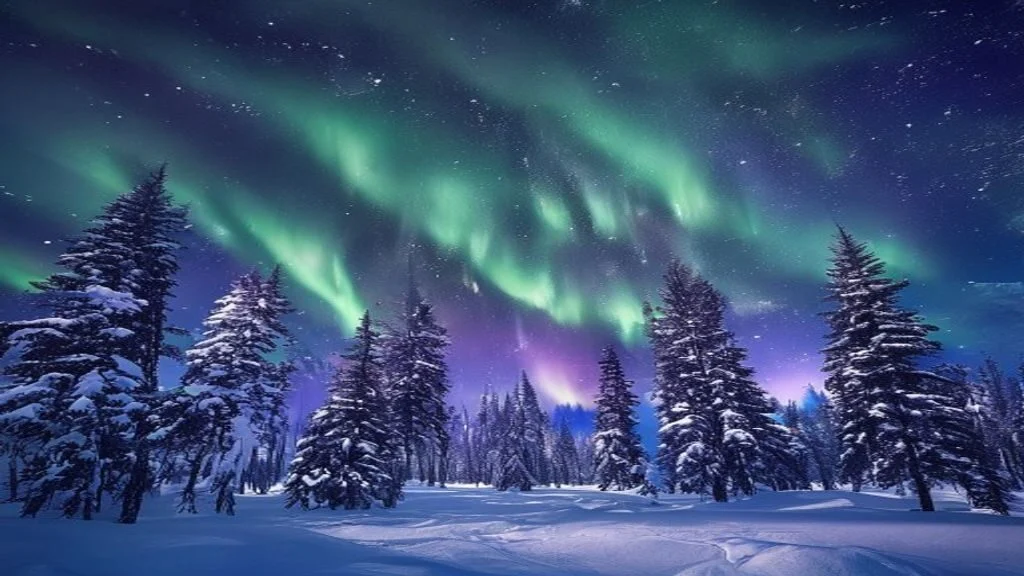
| Northern lights (aurora) | Dec–Mar (peak); late Aug–Apr | Fairbanks (best base) |
| Alaska cruises | May–Sep (peak Jun–Aug) | Inside Passage, Gulf of Alaska |
| Brown bears & salmon run | Jul–Aug | Katmai, Brooks Falls, Kodiak |
| Whale watching | May–Sep | Inside Passage, Kenai Fjords |
| Midnight sun | Mid-Jun (solstice) | Fairbanks & the far north |
| Denali & national parks | Jun–early Sep | Denali, Kenai Fjords, Wrangell–St Elias |
| Fall colour | Early–mid September | Interior, Denali, Hatcher Pass |
| Dog sledding & skiing | Dec–Mar | Fairbanks, Anchorage area |
| Fishing (salmon) | Jun–Aug | Kenai River, Bristol Bay |
| Best value & fewest crowds | May & September | Statewide |
The September sweet spot
Best Time to Visit Alaska by Region
Inside Passage (Juneau, Ketchikan, Sitka, Skagway)
This is cruise country — a temperate rainforest, so expect rain in any month. The season runs May to September, with July and August warmest and busiest. May and September bring lower fares and fewer ships in port, which genuinely improves the experience in small towns. Whales are present all season.

Southcentral (Anchorage, Kenai Peninsula, Seward)
The most accessible region, and the base for many trips. June through August gives the best weather and full access to Kenai Fjords, glacier cruises and salmon fishing. May is notably drier than late summer and excellent value; September adds fall colour.
Interior (Fairbanks, Denali)
The interior has the biggest seasonal extremes — warm, bright summers and brutally cold, dark winters. June to early September for Denali and hiking; December to March for the aurora, with Fairbanks the single best aurora base in the state thanks to its position under the auroral oval and its often-clear skies.
Far North (Arctic, Utqiagvik, Nome)
Remote, expensive and weather-dependent. Go in June and July for true midnight sun and Arctic tundra, or deep winter for aurora over the Arctic. Access is mostly by air, and plans should always allow for weather delays.
When to Take an Alaska Cruise
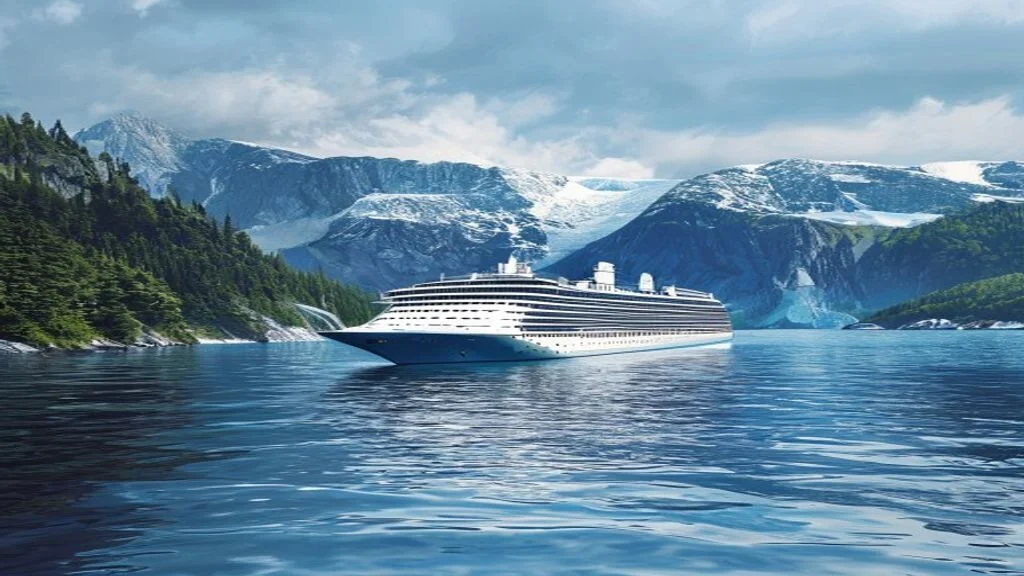
Cruise season runs May through September only — there are no Alaska cruises in winter. Each part of the season has a different character.
| Cruise window | Pros | Cons |
|---|---|---|
| May | Lowest fares, fewer ships, drier weather, snowy peaks | Cooler; some tours not yet running |
| June | Long days, wildflowers, great wildlife | Prices rising, busier |
| July | Warmest, all excursions running, bears | Most expensive and crowded |
| August | Bears & salmon, whales, late aurora chance | Wettest month in the Southeast |
| September | Fall colour, low fares, aurora possible | Cooler, shorter season, rougher seas |
Book cruises early, or very late
When NOT to Visit Alaska
There’s no truly bad time, but two windows disappoint a lot of first-timers. April is “breakup” season — snow melts into mud, many winter activities have ended and summer ones haven’t begun, and the aurora is fading with the returning light. Late October and November are similarly awkward: too dark for sightseeing, not yet reliably set up for winter tourism, and many seasonal businesses closed.
Equally, don’t come in midsummer expecting the northern lights. Between roughly late April and mid-August the sky never gets dark enough, no matter how strong the solar activity. That single mismatch is the most common Alaska trip-planning mistake. If aurora is the goal, see our guides to the best time to visit Iceland and Norway for comparable northern-lights planning.
Frequently Asked Questions
The Bottom Line
Alaska rewards travellers who match the month to the mission. Come mid-June to mid-August for the classic trip: near-endless daylight, warm weather, full cruise and park access, and bears at the salmon run. Come December to March, based in Fairbanks, if you want the northern lights — and accept that you can’t have both in the same trip.
For the best balance of weather, price and crowds, target the shoulders: May for long days, low prices and drier weather, or September for fall colour, cheap fares and the season’s first aurora. Whatever month you choose, pack layers and a waterproof shell — Alaska is cool and changeable even at its warmest.
Alaska in one line
You May Also Like

Best Time to Visit Cancún: Weather, Seaweed & Crowds (2026)

Best Time to Visit Costa Rica: Month-by-Month (2026)
Best Time to Visit Ireland (2026): Weather, Crowds & Costs