
How to Save Money on Groceries: 30 Proven Ways to Cut Your Bill (2026)

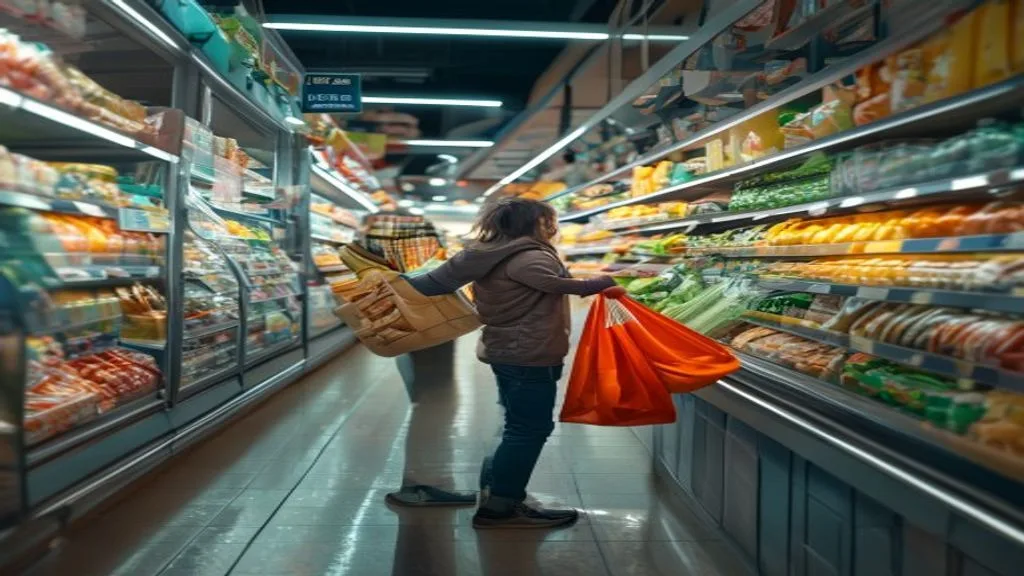
Groceries are one of the few big household costs you can actually shrink this week — without coupons-clipping obsession or giving up the foods you love. A handful of habit changes routinely cut a family’s food bill by 15–30%, and the research is clear on which ones work best. This is a big, practical guide to how to save money on groceries in 2026: 30 proven strategies, what the evidence says actually moves the needle, and country-specific tips for the US, UK, Australia and Canada — the cheapest stores, the best cashback apps and the loyalty schemes worth using in each.
Quick answer
The 5 Biggest Ways to Cut Your Grocery Bill
Before the full list of 30 tips, know where the real money is. Everything else is a bonus on top of these five levers:
| Strategy | Typical saving |
|---|---|
| Plan meals & shop to a list | 15–25% off the total bill |
| Switch staples to store/own brands | $40–$80 a month |
| Cut household food waste | Up to ~1/3 of your spend |
| Shop the cheapest supermarket | 10–30% vs premium chains |
| Use loyalty + cashback apps | $100–$250+ a year |
Plan Your Meals and Shop to a List
This is the single most effective habit, and it’s backed by strong evidence. Meal planning creates a precise shopping list, so what you buy actually gets used — studies and user data show it reduces grocery spending by 15–25%. Research on food-management routines confirms that planning meals and shopping with a list are among the most powerful ways to cut the food waste that quietly drains your budget (Romani et al., 2018), and “structured planners” waste far less food than spontaneous shoppers (Yang et al., 2025).
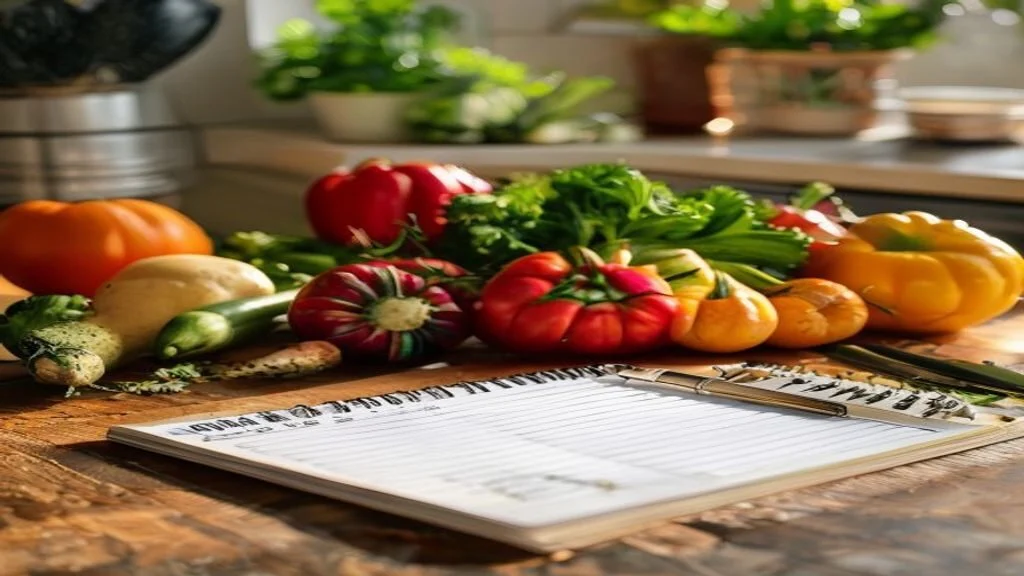
- Plan the week’s meals around what’s on sale and what you already have.
- “Shop” your own kitchen first. Building meals from what’s already in your fridge and pantry minimises waste to almost nothing.
- Write a list and stick to it. Order it by store layout so you’re not wandering (and grabbing extras).
- Plan a “use-it-up” meal each week — a stir-fry, soup or frittata that clears the fridge.
Never shop without a list — or on an empty stomach
Switch to Store & Own Brands
Supermarket own-brand staples typically cost 25–40% less than name brands and are often made in the very same factories. Switching everyday items — rice, pasta, flour, canned goods, frozen vegetables, cleaning products — saves a typical household $40–$80 a month with no real drop in quality. Many chains have tiered own-brands (value, standard, premium), so you can trade down one notch at a time and keep what you genuinely prefer as name-brand.
Compare the Unit Price, Not the Sticker Price
The number that matters is the price per unit (per ounce, per 100g, per litre) — not the shelf price or the “bigger looks cheaper” assumption. Bigger packs are usually, but not always, cheaper per unit, and a “sale” item can still cost more per unit than the everyday own-brand. Most shelf labels show unit price in small print; get in the habit of scanning it, and you’ll catch dozens of false bargains.
Shop the Cheapest Supermarket Near You
Where you shop can swing your bill by 10–30%. Hard-discounters (Aldi, Lidl and their equivalents) consistently top the “cheapest basket” surveys, while warehouse clubs win on price-per-unit for bulk buys. The cheapest chain varies by country — here’s the 2026 picture across the major markets.
| Country | Cheapest / budget-friendly stores |
|---|---|
| United States | Aldi, Walmart, WinCo, Save-A-Lot; Costco & Sam’s Club cheapest per-unit for bulk |
| United Kingdom | Aldi (cheapest four years running), Lidl; then Asda and Tesco/Sainsbury’s with loyalty prices |
| Australia | Aldi (cheapest basket); Woolworths & Coles for half-price weekly specials; Costco for bulk |
| Canada | No Frills, FreshCo, Food Basics, Walmart; Costco for bulk |
Use Loyalty Programs & Cashback Apps
Free money, if you use them. Loyalty schemes unlock member-only prices and points, while cashback and markdown apps pay you back or slash near-expiry stock. Ibotta users average about $250 a year in real cash back, and markdown apps like Flashfood and Too Good To Go offer up to 50% off fresh food near its date. Stack a store loyalty card + a cashback app + a price-comparison app and the savings compound.
| Country | Top loyalty & savings apps |
|---|---|
| United States | Ibotta, Fetch, Checkout 51, Flipp (compare ads), Flashfood, Rakuten; store apps (Kroger, Safeway) |
| United Kingdom | Tesco Clubcard, Nectar (Sainsbury’s/Asda), Too Good To Go, Olio, Shopmium |
| Australia | Everyday Rewards (Woolworths), Flybuys (Coles), Too Good To Go, weekly half-price catalogues |
| Canada | PC Optimum, Scene+, Flashfood, Flipp, Too Good To Go |
Buy in Bulk (the Smart Way)
Buying non-perishables and freezer-friendly items in bulk cuts the per-unit price — but only if you actually use them before they spoil. Warehouse clubs (Costco, Sam’s Club) and bulk bins win on staples like rice, beans, oats, oil, nuts and frozen meat. Split large packs with a friend or family, and don’t bulk-buy perishables you can’t store, or you’ll trade a small saving for a big waste.
Cut Food Waste — the Hidden Third of Your Bill
This is the biggest quiet drain on any grocery budget: the average household throws away about a third of the food it buys (Meng et al., 2024). Every item you bin is money in the trash. The good news: the fixes are simple, and research shows skills-based habits like using a shopping list, freezing food, and eating leftovers measurably cut waste — in one program the share of people tossing food over date labels fell from 53% to 30% (Meng et al., 2026). Even just tracking what you waste reduces it (Ramos et al., 2023).
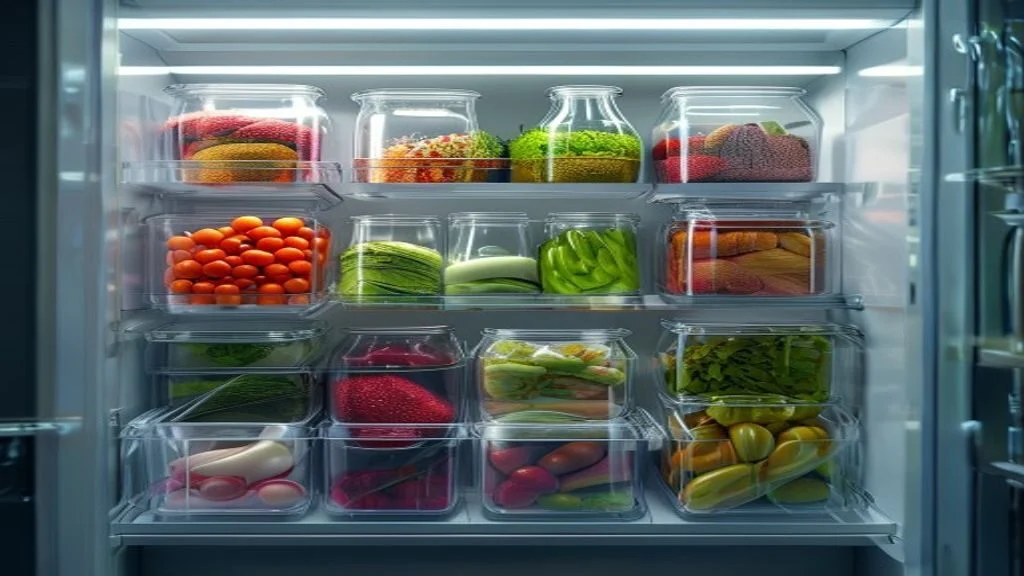
- Store food properly and use a “first in, first out” rotation so nothing hides at the back.
- Freeze aggressively — bread, meat, milk, herbs, leftovers and near-date bargains all freeze well.
- Learn date labels: “best before” is about quality, not safety — much food is fine after it.
- Cook and eat leftovers deliberately; build a weekly meal around them.
- Right-size portions when cooking so you don’t bin the extras.
Shop Seasonal, Frozen & Less Meat
- Buy produce in season — it’s cheaper and better; out-of-season fresh is pricey.
- Use frozen fruit & veg — just as nutritious, cheaper, and zero waste since you use only what you need.
- Eat less meat — meat is the priciest part of most baskets. A few plant-based meals a week (beans, lentils, eggs, tofu) noticeably cut the bill.
- Cook from scratch — whole ingredients beat pre-packaged and ready meals on price per serving.
Chase Markdowns & Near-Expiry Deals
Every store discounts food approaching its sell-by date — the UK’s famous “yellow-sticker” reductions, the US “manager’s special”, Australia’s markdown stickers. Learn your local store’s markdown time (often morning or late evening), and combine it with markdown apps (Flashfood, Too Good To Go) to grab fresh food at up to half price — then freeze or cook it that day.
Grocery Saving by Country: US, UK, Australia & Canada
The core habits are universal, but the best stores, apps and loyalty schemes differ by country. Here’s where to focus in each of the major markets.

How to save on groceries in the USA
American shoppers have the widest choice of discounters and cashback apps. For the lowest basket, shop Aldi or Walmart (or regional stars like WinCo and Save-A-Lot), and use Costco or Sam’s Club for bulk staples — Consumer Reports named Costco the cheapest overall chain in early 2026. Stack cashback with Ibotta (about $250/year for active users) and Fetch, compare weekly ads on Flipp, and grab near-expiry markdowns via Flashfood. Add your grocer’s free loyalty app (Kroger, Safeway) for member prices and digital coupons.
How to save on groceries in the UK
Aldi has been the UK’s cheapest supermarket four years running, with Lidl a close second — a full basket at Aldi routinely undercuts the “big four” by a wide margin. If you prefer Tesco or Sainsbury’s, always scan your Clubcard or Nectar card for member-only prices, which now apply to hundreds of products. Hunt yellow-sticker reductions late in the day, rescue cheap surplus food with Too Good To Go and Olio, and lean on the tiered own-brands (value → standard → finest) to trade down painlessly.
How to save on groceries in Australia
Aldi is consistently Australia’s cheapest basket, but the Woolworths–Coles duopoly runs deep half-price specials every week — plan meals around the catalogue and stock up on discounted staples. Bank points with Everyday Rewards (Woolworths) and Flybuys (Coles), use Costco for bulk, and catch markdown stickers late in the day. Too Good To Go operates in the major cities for cheap surplus food.
How to save on groceries in Canada
Discount banners win in Canada: No Frills, FreshCo, Food Basics and Walmart beat the full-service chains, and Costco leads on bulk. Load PC Optimum (Loblaw stores) and Scene+ (Sobeys/Safeway) for points and personalised offers, use Flashfood for up to 50% off near-expiry fresh food, and compare flyers — and request price-matching, which many Canadian stores honour — with Flipp.
How Much Can You Actually Save? A Worked Example
Stacking a few of these habits adds up fast. Here’s a realistic monthly picture for a family spending about $1,000 a month on groceries.
| Change | Monthly saving |
|---|---|
| Meal plan + shop to a list (cut ~20%) | ~$200 |
| Switch staples to store brands | ~$60 |
| Cut food waste (from ~1/3 toward ~1/10) | ~$150 |
| Move core shop to a discounter | ~$80 |
| Loyalty + cashback apps | ~$20 |
| Combined (with overlap) | ~$300–$400/month |
The compounding effect
Quick-Win Checklist: 10 Things to Do This Week
- Plan next week’s meals around what’s already in your kitchen and what’s on sale.
- Write a list — and don’t shop hungry.
- Swap five name-brand staples for store brands.
- Check the unit price on everything you regularly buy.
- Do your main shop at the cheapest store near you.
- Install one cashback app and one loyalty card.
- Freeze anything you won’t use in time (bread, meat, herbs).
- Cook one “use-it-up” meal to clear the fridge.
- Buy two or three staples in bulk (rice, beans, oats).
- Learn your store’s markdown time and shop it once.
Frequently Asked Questions
The Bottom Line
You don’t need extreme couponing to slash your grocery bill — you need a handful of consistent habits. Plan your meals and shop to a list, switch staples to store brands, cut the food you waste, shop the cheapest store near you, and use a loyalty card plus a cashback app. Those five levers alone routinely take 15–30% off a bill, and the research backs every one.
The details vary by country — Aldi and Ibotta in the US, Aldi and Clubcard in the UK, the Woolworths–Coles specials and Flybuys in Australia, No Frills and PC Optimum in Canada — but the playbook is the same everywhere. Start with the ten quick wins above this week, and watch a couple of hundred dollars a month quietly reappear in your budget.
Save on groceries — the 5-point recap
This article is general information, not personalised financial advice.
You May Also Like

How to Improve Your Credit Score Fast: 12 Proven Steps (2026)

Buy Now, Pay Later Flights: Best Options in 2026

How Consumer Expectations Are Shaping Product Development Across Major Brands