What Are Solar Nails? Complete Guide to Solar Nail Systems

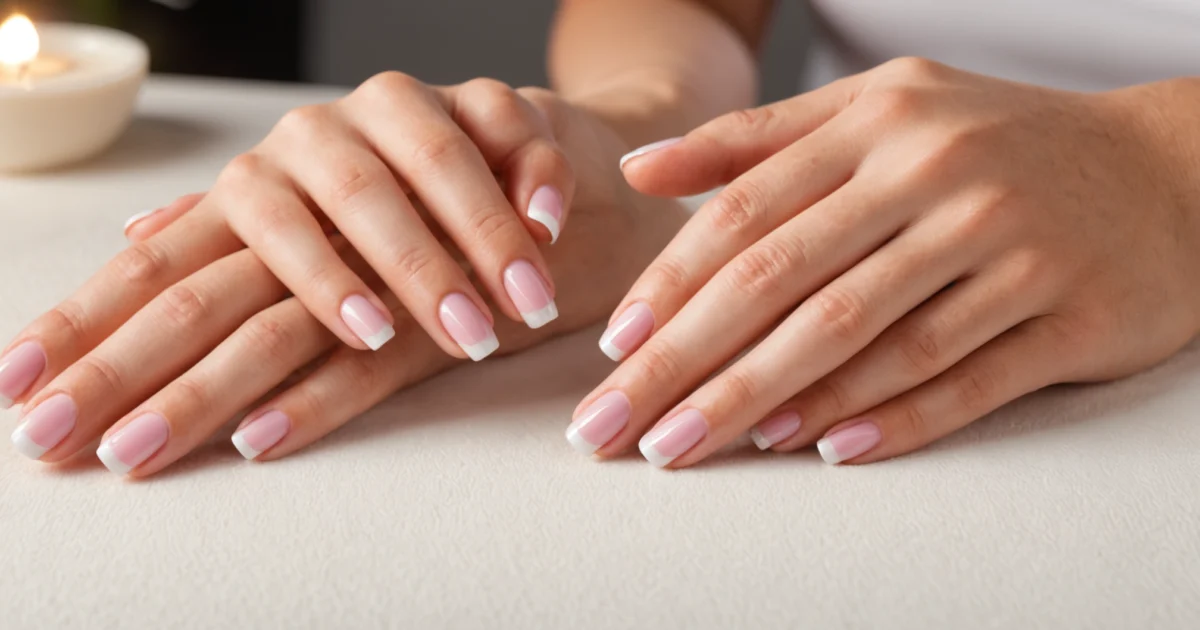
What are solar nails? Solar nails are a specific type of nail enhancement system that uses a two-step acrylic process to create durable, natural-looking artificial nails. Originally developed by Creative Nail Design (CND), this technique combines a pink base with a white tip to mimic the appearance of healthy natural nails. Solar nails differ from traditional acrylic nails in their application method and composition, offering enhanced durability and a more refined finish.
Unlike gel nails or dipping powder systems, solar nails use a specialized acrylic formula that creates stronger bonds with the natural nail bed. This results in longer-lasting wear, typically 2-3 weeks, with less chipping and breaking compared to other nail enhancement options.
The pink and white solar nail design remains the most popular choice, creating a classic French manicure effect that works for both professional and casual settings. However, modern solar nail techniques allow for various color combinations and nail art applications.
TL;DR
- Solar nails are a specialized acrylic nail enhancement system using a two-step pink and white application process
- They offer superior durability compared to gel nails and dipping powder, lasting 2-3 weeks with proper care
- The technique creates natural-looking nails with enhanced strength and resistance to chipping and breaking
What Are Solar Nails: Definition and Overview
Solar nails represent a specialized nail enhancement technique that creates artificial nails using a distinctive two-step acrylic application process. This innovative system applies a pink acrylic base followed by a white acrylic tip, producing natural-looking nails that mimic healthy nail growth patterns. The term “solar” refers to the sun-kissed appearance these nails create, resembling naturally tanned skin tones with bright white tips.
Origin and Development of Solar Nail Technology
Creative Nail Design (CND) developed solar nail technology in the early 1980s as an advancement over traditional acrylic nail systems. The company’s founder, Jan Arnold, created this technique to address common problems with existing nail enhancements, including yellowing, chipping, and unnatural appearance. Subsequently, the solar nail method gained popularity among professional nail technicians who sought more durable and aesthetically pleasing results for their clients.
The development process focused on creating a nail enhancement system that would maintain its color integrity over time. Traditional acrylic nails often yellowed under UV exposure, while solar nails resist discoloration through their specialized formulation. This breakthrough made solar nails particularly appealing for clients seeking long-lasting, professional-looking manicures.
Key Characteristics That Distinguish Solar Nails
Several distinctive features set solar nails apart from other nail enhancement systems. First, their two-tone application process creates a permanent French manicure effect that grows out naturally with the nail. Unlike painted French tips that chip and fade, solar nail colors remain vibrant throughout the wear period.
- Enhanced durability: Solar nails resist chipping and breaking better than gel nails or dipping powder
- Color stability: The pink and white acrylics maintain their hues without yellowing or fading
- Natural appearance: The gradient effect mimics healthy nail growth patterns
- Flexible strength: The acrylic formula provides support without excessive rigidity
The application technique involves sculpting each nail individually rather than using pre-formed tips. This method allows nail technicians to customize the shape, length, and curvature for each client’s natural nail bed. Moreover, the solar nail system creates stronger adhesion with the natural nail, reducing lift-off and separation issues common with other enhancement methods.
Common Misconceptions About Solar Nails Clarified
Many people confuse solar nails with gel nails or assume they’re simply another name for acrylic nails. However, solar nails use a specific acrylic formulation and application technique that differs significantly from standard acrylic systems. The solar process creates a more natural look through its graduated color application, while traditional acrylics typically use a single color throughout.
Important Distinction
Another common misconception suggests that all pink and white nails qualify as solar nails. In reality, authentic solar nails require the specific CND products and application technique. Many salons offer “solar-style” services using different products, but these don’t provide the same durability and appearance benefits as genuine solar nail systems.
Some clients believe solar nails damage natural nails more than other enhancement methods. Actually, when applied and removed properly by trained professionals, solar nails cause no more damage than other acrylic systems. The key lies in proper application technique and regular maintenance appointments to prevent overgrowth and lifting.
Solar Nails vs Other Nail Enhancement Systems
Understanding how solar nails compare to other nail enhancement systems helps clients make informed decisions about their manicure investments. Each enhancement method offers distinct advantages and limitations in terms of durability, appearance, and maintenance requirements.
Solar Nails vs Acrylic Nails: Composition and Application Differences
Solar nails use a specialized acrylic formulation that differs from traditional acrylic systems in several key ways. Traditional acrylics combine liquid monomer with polymer powder to create a moldable substance, while solar nails employ a specific CND formulation designed for enhanced durability and natural appearance. The solar system creates stronger molecular bonds during the curing process, resulting in superior chip resistance.
Application techniques distinguish solar nails from standard acrylics significantly. Technicians apply solar nails using a graduated color technique that blends pink and white seamlessly, whereas traditional acrylics typically use single-color applications or require additional painting steps. Furthermore, solar nails cure through air exposure rather than UV light, making the process more accessible in salons without specialized equipment.
Solar Nails vs Gel Nails: Durability and Flexibility Comparison
Gel nails offer greater flexibility than solar nails but sacrifice some durability in the trade-off. Gel systems remain more pliable after curing, which reduces cracking but increases the likelihood of lifting at the cuticle area. In contrast, solar nails create a harder surface that resists daily wear but may crack under extreme pressure.
Maintenance schedules differ notably between these systems. Solar nails typically require fills every 2-3 weeks, while gel nails need complete removal and reapplication every 2-4 weeks. Additionally, gel nails require UV or LED light exposure for curing, whereas solar nails cure naturally through air exposure, eliminating potential UV-related concerns.
Solar Nails vs Dipping Powder: Process and Longevity Analysis
Dipping powder systems involve coating nails with adhesive base and dipping them into colored powder, creating layers that build thickness gradually. This process differs from solar nail application, which sculpts each nail individually using liquid and powder combinations. Consequently, dipping powder creates more uniform thickness, while solar nails allow for customized shaping and contouring.
Longevity comparisons favor solar nails in most scenarios. Dipping powder nails typically last 2-3 weeks before showing significant wear, whereas properly applied solar nails maintain their appearance for 3-4 weeks. However, dipping powder offers faster application times, making it attractive for clients seeking quick service.
Solar Nails vs Builder Gel: Strength and Maintenance Requirements
Builder gel provides moderate strength between regular gel and acrylic systems, offering a compromise solution for clients wanting durability without extreme hardness. Builder gel maintains more flexibility than solar nails, reducing crack formation but requiring more frequent touch-ups. Moreover, builder gel applications require UV curing equipment, increasing salon overhead costs.
Maintenance requirements vary significantly between these systems. Solar nails resist lifting better than builder gel, particularly around the cuticle area where natural nail growth creates stress points. However, builder gel allows for easier removal using acetone soaking, while solar nail removal requires professional filing and soaking procedures.
Cost Comparison Across Different Nail Enhancement Options
| Feature | Solar Nails $45-65 | Traditional Acrylic $30-50 | Gel Nails $35-55 | Dipping Powder $40-60 | Builder Gel $50-70 |
|---|---|---|---|---|---|
| Initial Cost | — | — | — | — | — |
| Typical Duration | 3-4 weeks | 2-3 weeks | 2-3 weeks | 2-3 weeks | 3-4 weeks |
| Fill/Maintenance Cost | $25-35 | $20-30 | $35-55 | $30-45 | $30-40 |
Initial investment costs position solar nails in the mid-to-upper price range among enhancement options. While traditional acrylics offer the lowest entry cost, their shorter lifespan increases long-term expenses through more frequent appointments. Conversely, builder gel commands premium pricing but provides similar longevity to solar nails.
Long-term value analysis favors solar nails for clients prioritizing durability and natural appearance. The extended wear time between appointments reduces the total annual cost despite higher initial pricing. Additionally, solar nail maintenance costs less than complete gel replacements, making them economically advantageous for regular nail enhancement users.
Solar Nail Application Process and Technique
The solar nail application process requires precise technique and specialized materials to achieve the characteristic pink-and-white French manicure effect. Professional nail technicians follow a systematic approach that ensures proper adhesion, durability, and aesthetic appeal. Understanding this process helps clients appreciate the craftsmanship involved and prepares them for what to expect during salon visits.
Required Tools and Materials for Solar Nail Application
Solar nail application demands specific tools and materials that differ from traditional acrylic systems. Essential equipment includes nail files in various grits, buffer blocks, cuticle pushers, and sanitized nail clippers. Additionally, technicians require primer solutions, bonding agents, and specialized brushes designed for precise product application.
The core materials consist of pink acrylic powder for the nail bed and white acrylic powder for the tip area. Furthermore, liquid monomer serves as the activating agent that creates the chemical reaction necessary for curing. High-quality brands ensure consistent color matching and optimal working time for precise application.
- Nail preparation tools: Files, buffers, cuticle pushers, sanitizers
- Application materials: Pink and white acrylic powders, liquid monomer
- Bonding agents: Primer, dehydrator, bonding solution
- Finishing supplies: Top coat, nail oil, hand cream
Step-by-Step Application Procedure
The application begins with thorough nail preparation that removes all traces of oil and debris from the natural nail surface. Technicians push back cuticles, remove dead skin, and shape the natural nail to create an optimal foundation. Subsequently, they apply a dehydrating agent that removes moisture and ensures maximum adhesion.
Primer application follows dehydration, creating a chemical bond between the natural nail and the acrylic system. This step proves critical for preventing lifting and ensuring long-term wear. Professional technicians apply primer sparingly, avoiding skin contact while covering the entire nail surface evenly.
- Clean and sanitize hands and nails thoroughly
- Push back cuticles and remove excess dead skin
- File natural nails to desired length and shape
- Apply dehydrator to remove moisture and oils
- Apply primer for enhanced adhesion
- Create pink base using acrylic powder and monomer
- Build white tips with precise application technique
- Shape and refine the enhancement structure
- Buff and smooth the entire nail surface
- Apply top coat for protection and shine
Layering Technique and Curing Requirements
The layering technique distinguishes solar nails from other enhancement systems through its specific color placement method. Technicians begin by applying the pink acrylic mixture to the nail bed area, creating a natural-looking base that mimics healthy nail color. This layer requires careful blending to avoid visible demarcation lines.
White acrylic application follows, focusing on the tip area to create the classic French manicure appearance. Precision becomes paramount during this step, as uneven white application creates an unprofessional appearance. Experienced technicians use specialized brushes to achieve smooth, consistent white tips that complement the pink base.
Unlike gel systems that require UV curing, solar nails cure through air exposure and chemical reaction. The curing process typically takes 10-15 minutes, during which the acrylic hardens completely. Proper curing ensures maximum strength and prevents premature chipping or breaking.
Professional vs At-Home Application Considerations
Professional application offers significant advantages over at-home attempts, particularly regarding technique precision and product quality. Licensed nail technicians possess the training and experience necessary to achieve consistent results while maintaining nail health. Moreover, professional salons use commercial-grade products that provide superior durability and appearance.
At-home solar nail kits exist but present several challenges for inexperienced users. Application technique requires considerable practice to master, and improper application can damage natural nails or create unsatisfactory results. Additionally, home kits often contain lower-quality materials that compromise longevity and appearance.
Pros
- Professional expertise ensures optimal results
- Access to commercial-grade products
- Proper sanitation and safety protocols
- Warranty and touch-up services available
Cons
- Higher initial cost than at-home options
- Appointment scheduling requirements
- Travel time to salon locations
- Potential for inconsistent technician quality
Cost considerations favor professional application despite higher upfront expenses. Professional solar nails typically last 3-4 weeks with proper care, while at-home applications often require replacement within 1-2 weeks. This longevity difference makes professional services more cost-effective over time, particularly when factoring in the superior appearance and nail health benefits.
Pink and White Solar Nails: The Classic Look
The pink and white solar nail design represents the quintessential French manicure elevated through advanced acrylic technology. This timeless style combines a natural pink base with crisp white tips, creating an elegant appearance that complements any outfit or occasion. Furthermore, the solar nail system enhances this classic look with superior durability and a glossy finish that maintains its brilliance for weeks.
Traditional French manicures often chip or fade within days, whereas solar nails deliver lasting beauty through their unique formulation. The pink and white combination mimics the natural nail bed and free edge, providing a sophisticated enhancement rather than an obvious artificial appearance. Additionally, this versatile style transitions seamlessly from professional settings to casual environments.
Application Technique for Two-Tone Perfection
Creating the perfect pink and white solar nail requires precise application techniques that differ significantly from standard acrylic methods. The process begins with applying the pink acrylic to the nail bed, carefully shaping the smile line where the white tip will meet the pink base. Technicians use specialized brushes to achieve smooth transitions and prevent visible demarcation lines.
The white tip application demands exceptional skill to maintain consistent thickness and curvature across all nails. Professional technicians create the smile line using various methods, including freehand painting, nail forms, or stencils depending on the desired shape. Subsequently, the blending process ensures seamless color transitions that appear natural and professionally finished.
Proper curing between color applications prevents bleeding and maintains crisp color separation. The layering technique involves applying thin, even coats rather than thick applications that can create bubbles or uneven surfaces. Moreover, experienced technicians adjust the pink-to-white ratio based on individual nail shapes and client preferences.
Color Variations and Customization Options
While classic pink and white remains the most popular choice, solar nail customization offers numerous variations to suit individual preferences. Sheer pink bases create subtle elegance, while deeper rose tones provide more dramatic contrast against white tips. Additionally, some clients prefer peachy undertones that complement warmer skin tones beautifully.
- Sheer pink variations: Baby pink, nude pink, champagne pink
- White tip alternatives: Off-white, cream, pearl white
- Shape modifications: Rounded tips, square edges, coffin shapes
- Length options: Short natural, medium extension, dramatic length
Advanced customization includes glitter accents, nail art details, and decorative elements that enhance the basic pink and white foundation. Some clients incorporate subtle shimmer into the pink base or add delicate designs along the smile line. However, excessive decoration can compromise the timeless elegance that makes this style so enduringly popular.
Maintenance Requirements for Lasting Beauty
Maintaining pink and white solar nails requires consistent care and professional touch-ups to preserve their flawless appearance. The growth of natural nails creates a visible gap at the cuticle area, typically requiring fill-ins every 2-3 weeks depending on individual nail growth rates. During fill appointments, technicians refresh the pink base and maintain the white tip integrity.
Daily maintenance involves protecting the nails from harsh chemicals and excessive moisture exposure. Cuticle oil application keeps the surrounding skin healthy while preventing lifting at the nail edges. Additionally, wearing gloves during cleaning activities preserves the glossy finish and prevents premature wear.
Maintenance Tip
Professional maintenance ensures color consistency and structural integrity throughout the wear period. Technicians can address minor chips, refresh the topcoat, and maintain proper nail shape during regular appointments. Consequently, well-maintained solar nails can last 6-8 weeks before requiring complete replacement, making them an excellent investment for those seeking long-lasting beauty.
Durability and Longevity of Solar Nails
Solar nails typically last 2-3 weeks before requiring maintenance, though proper care can extend their lifespan significantly. The durability depends on multiple factors including nail growth rate, daily activities, and adherence to proper care routines. Most clients schedule fill-in appointments every 14-21 days to maintain optimal appearance and structural integrity.
Expected Lifespan and Performance
Professional solar nail applications demonstrate remarkable longevity compared to traditional polish alternatives. The acrylic resin formula creates a durable bond with natural nails that resists chipping and peeling under normal wear conditions. However, natural nail growth creates visible gaps at the cuticle area that require professional attention.
Individual nail growth rates vary between 0.1-0.15 millimeters daily, affecting how quickly maintenance becomes necessary. Faster-growing nails show visible regrowth within 10-14 days, while slower growth patterns may extend the maintenance interval to 3-4 weeks. Additionally, the initial application quality significantly impacts overall durability and wear resistance.
Key Factors Affecting Solar Nail Durability
- Nail preparation quality: Proper cuticle removal and surface preparation create stronger adhesion
- Application technique: Even product distribution and proper curing prevent premature failure
- Daily activities: Frequent water exposure and manual labor accelerate wear patterns
- Chemical exposure: Harsh cleaning products and acetone-based solutions weaken the resin structure
- Nail health: Strong, healthy natural nails provide better foundation support
Environmental conditions also influence solar nail longevity significantly. Excessive moisture from swimming or frequent handwashing can cause lifting at the edges, while extremely dry conditions may lead to brittleness and cracking. Furthermore, temperature fluctuations affect the acrylic material’s flexibility and adhesion properties.
Warning Signs Requiring Maintenance
Immediate Attention Required
Several indicators signal the need for professional maintenance or complete replacement of solar nails. Visible regrowth at the cuticle area represents the most common maintenance trigger, typically appearing after 2-3 weeks of wear. This natural process creates an unsightly gap that disrupts the seamless appearance.
Structural damage requires immediate attention to prevent further complications. Edge lifting allows moisture and bacteria to penetrate beneath the enhancement, potentially causing nail bed infections. Similarly, cracks or chips in the acrylic surface create weak points that can extend and compromise the entire nail structure.
Color changes or yellowing indicate potential product breakdown or contamination issues. The pink and white formula should maintain consistent coloration throughout the wear period. Therefore, any discoloration suggests the need for professional evaluation and possible replacement.
Maximizing Solar Nail Longevity
A comprehensive care routine significantly extends solar nail durability and maintains their pristine appearance. Daily cuticle oil application keeps the surrounding skin healthy while preventing lifting at the nail edges. This simple step takes less than two minutes but provides substantial protection against premature wear.
Protective measures during daily activities preserve both structure and appearance effectively. Wearing rubber gloves during cleaning tasks shields nails from harsh chemicals that can weaken the acrylic formula. Additionally, avoiding nails as tools prevents stress fractures and edge damage that require costly repairs.
- Apply cuticle oil twice daily to maintain flexibility
- Wear gloves during cleaning and gardening activities
- Avoid using nails as tools for opening packages
- Schedule regular fill-in appointments every 2-3 weeks
- Use acetone-free nail products exclusively
Professional maintenance appointments ensure optimal performance and longevity throughout the enhancement lifecycle. Technicians can address minor issues before they become major problems, ultimately saving time and money. Moreover, regular professional care maintains the health of natural nails beneath the solar enhancement, preventing long-term damage that could affect future applications.
Advantages and Benefits of Solar Nails
Solar nails deliver exceptional strength and durability that surpasses natural nail capabilities by significant margins. Furthermore, the specialized acrylic formula creates a protective barrier that shields natural nails from daily wear and environmental damage. This enhanced protection allows individuals to maintain longer nail lengths without experiencing the breakage common with unprotected nails.
Superior Strength and Resistance
The resistance to chipping and breaking represents one of solar nails’ most significant advantages over alternative enhancement methods. Additionally, the dual-layer construction provides structural integrity that withstands impact forces that would typically damage natural nails. This durability stems from the specific acrylic formulation that maintains flexibility while offering superior hardness.
Solar nail enhancements resist common damage patterns including edge chipping, surface scratching, and stress fractures. Moreover, the integrated pink and white design eliminates the vulnerability associated with painted nail tips that chip easily. This built-in color system maintains its appearance even when minor surface damage occurs.
Pros
- Exceptional durability compared to natural nails
- Built-in resistance to chipping and cracking
- Maintains strength throughout 2-3 week wear period
- Protects natural nails from environmental damage
Cons
- Requires professional application for optimal results
- Initial investment higher than basic manicures
Professional Appearance and Aesthetic Appeal
The professional appearance of solar nails creates an instantly polished look suitable for business environments and formal occasions. Consequently, many professionals choose this enhancement method because it maintains a consistently refined appearance without daily maintenance. The classic pink and white design complements virtually any outfit or style preference.
Solar nail aesthetics provide a timeless elegance that transcends temporary fashion trends. Similarly, the natural-looking gradient from pink base to white tip creates an elongating effect that flatters all hand shapes. This sophisticated appearance eliminates the need for frequent color changes while maintaining visual interest.
Design Versatility and Creative Options
The versatility in nail art and design options allows for extensive customization while maintaining the solar nail foundation. Therefore, clients can incorporate accent nails, decorative elements, or seasonal modifications without compromising structural integrity. This flexibility enables personal expression while preserving the enhancement’s practical benefits.
Creative possibilities include rhinestone applications, hand-painted designs, and textural elements that adhere securely to the solar nail surface. Additionally, the smooth finish provides an ideal canvas for various artistic techniques including stamping, freehand painting, and geometric patterns. These design options transform basic solar nails into personalized artistic statements.
- Accent nail designs with glitter or metallic elements
- Seasonal decorations for holidays and special events
- French tip variations with colored or patterned tips
- Embedded decorative elements like dried flowers or foils
- Textural additions including matte finishes or raised patterns
Time-Saving Benefits for Modern Lifestyles
The time-saving benefits of solar nails align perfectly with busy contemporary schedules by eliminating daily nail maintenance routines. Furthermore, the extended wear period of 2-3 weeks reduces salon visit frequency compared to weekly manicure appointments. This efficiency translates to significant time savings over monthly and yearly periods.
Busy professionals appreciate the immediate readiness that solar nails provide each morning without polish application or touch-up requirements. Moreover, the chip-resistant properties eliminate mid-day maintenance concerns that often arise with traditional nail polish. This reliability ensures consistent appearance throughout demanding work schedules and social commitments.
Solar nails save an average of 45 minutes per week in nail maintenance time compared to regular polish applications
The convenience extends to travel situations where solar nails maintain their appearance without packing nail care supplies or finding salon services. Additionally, activities like swimming, exercising, and household tasks proceed without concern for nail damage or appearance degradation. This freedom from constant nail care vigilance enhances overall quality of life for active individuals.
Potential Drawbacks and Health Considerations
While solar nails offer numerous benefits, understanding the potential drawbacks helps ensure informed decision-making about this nail enhancement option. Additionally, certain health considerations require attention before and during solar nail application and maintenance.
Natural Nail Bed Damage Risks
The application process for solar nails involves buffing and filing the natural nail surface, which can weaken the nail plate over time. Furthermore, improper removal techniques often cause nail thinning and surface damage that requires weeks or months to heal completely. This damage becomes more pronounced with frequent solar nail applications without adequate recovery periods.
Aggressive filing during preparation removes layers of the natural nail, potentially leading to permanent nail weakness in severe cases. Moreover, the adhesion process creates strong bonds that, when broken improperly, can strip away healthy nail tissue. Professional removal by experienced technicians significantly reduces these risks compared to at-home removal attempts.
Infection Risks and Prevention
Bacterial and fungal infections represent serious risks when solar nails are applied or maintained in unsanitary conditions. Additionally, trapped moisture between the natural nail and solar enhancement creates an ideal environment for pathogen growth. These infections can cause pain, swelling, and permanent nail damage if left untreated.
Improper cuticle cutting during preparation increases infection entry points through open wounds and cuts. Furthermore, reusing unsterilized tools between clients spreads bacteria, viruses, and fungi that cause serious nail infections. Choosing salons with proper sanitation protocols and observing healing between applications helps minimize these health risks.
Infection Warning Signs
Chemical Sensitivity and Allergic Reactions
Solar nail products contain acrylates, formaldehyde, and other chemicals that trigger allergic reactions in sensitive individuals. Similarly, UV light exposure during curing processes can cause skin sensitization and contact dermatitis around the nail area. These reactions range from mild irritation to severe blistering and permanent skin sensitivity.
Common allergic symptoms include redness, itching, swelling, and burning sensations that develop during or after solar nail application. Additionally, repeated exposure to these chemicals can develop new sensitivities even in previously unaffected individuals. Patch testing before first application helps identify potential allergic reactions before full treatment.
- Acrylate allergies affect approximately 2-5% of the population
- Formaldehyde sensitivity causes contact dermatitis in sensitive individuals
- UV light exposure increases skin cancer risks with frequent treatments
- Chemical vapors can trigger respiratory irritation in confined spaces
Financial Considerations and Maintenance Costs
The ongoing financial commitment for solar nails includes initial application costs ranging from $35-$80 plus regular maintenance appointments every 2-3 weeks. Moreover, professional removal services add $15-$25 per session when switching nail enhancement methods or taking breaks. These cumulative costs often exceed traditional manicure expenses over time.
Emergency repairs for broken or damaged solar nails create unexpected expenses that can double monthly nail care budgets. Additionally, the specialized products required for home maintenance add ongoing costs for cuticle oils, strengthening treatments, and gentle removal supplies. Budget-conscious consumers should calculate total annual expenses before committing to regular solar nail treatments.
Removal Challenges and Nail Recovery
Professional removal of solar nails requires 30-45 minutes of careful filing and soaking to avoid damaging the natural nail underneath. Furthermore, improper removal attempts often result in nail splitting, tearing, and surface damage that takes months to heal completely. This lengthy recovery period leaves nails vulnerable and weak during the healing process.
The strong adhesion properties that make solar nails durable also make them difficult to remove safely at home. Additionally, rushing the removal process or using inappropriate tools can cause permanent nail deformities and scarring. Professional removal services, while more expensive, significantly reduce the risk of long-term nail damage and ensure proper nail health maintenance.
Natural nails require 3-6 months to fully recover their strength after solar nail removal
Solar Nail Maintenance and Care
Proper maintenance ensures solar nails maintain their strength and appearance throughout their 3-4 week lifespan. Daily care routines protect the nail enhancement while preserving natural nail health underneath. Furthermore, consistent maintenance practices prevent costly repairs and extend the time between professional appointments.
Daily Care Routine for Solar Nails
Cuticle oil application forms the foundation of daily solar nail care, requiring gentle massage twice daily to maintain nail bed health. Additionally, wearing protective gloves during household cleaning prevents chemical damage and maintains the nail’s glossy finish. This simple routine takes less than five minutes but significantly impacts nail longevity.
Gentle hand washing with lukewarm water preserves the nail’s structural integrity while removing daily buildup. Moreover, avoiding harsh scrubbing motions prevents lifting at the nail edges where damage typically begins. Pat hands dry rather than rubbing to minimize stress on the nail enhancement.
- Apply cuticle oil morning and evening
- Wear gloves for cleaning and gardening
- Use lukewarm water for hand washing
- Pat hands dry with soft towels
- Avoid using nails as tools
Products to Use and Avoid
Acetone-free nail products protect solar nails from premature breakdown and maintain their durability. Conversely, products containing acetone, alcohol, or harsh chemicals weaken the nail structure and cause lifting. Professional-grade cuticle oils and strengthening treatments provide optimal nourishment without compromising the enhancement.
Hand creams with natural ingredients like jojoba oil and vitamin E support both the enhancement and natural nail health. However, avoid petroleum-based products that can create buildup and interfere with future maintenance appointments. Water-based moisturizers absorb quickly and provide hydration without residue.
Pros
- Acetone-free nail polish removers
- Professional cuticle oils
- Water-based hand creams
- Gentle nail files (240 grit or higher)
- UV protection hand lotions
Cons
- Acetone-containing products
- Alcohol-based sanitizers
- Petroleum-based creams
- Metal nail tools
- Harsh chemical cleaners
Fill-in Schedule and Maintenance Appointments
Professional fill-in appointments should occur every 2-3 weeks to maintain optimal nail appearance and prevent structural damage. Natural nail growth creates gaps at the cuticle area that require professional attention to maintain seamless coverage. Delaying appointments beyond three weeks increases the risk of lifting and breakage.
Scheduling maintenance appointments in advance ensures consistent nail care and prevents emergency repairs. Additionally, regular maintenance costs less than complete nail replacement and preserves natural nail health. Most nail technicians recommend booking the next appointment during each visit to maintain consistency.
| Appointment Type | Frequency | Duration | Average Cost |
|---|---|---|---|
| Fill-in maintenance | 2-3 weeks | 45-60 minutes | $25-$40 |
| Shape refinement | 4-6 weeks | 30-45 minutes | $15-$25 |
| Complete replacement | 8-12 weeks | 90-120 minutes | $45-$70 |
Signs of Wear Requiring Professional Attention
Lifting at the cuticle area indicates immediate professional attention is needed to prevent water damage and bacterial growth. Furthermore, visible gaps between the enhancement and natural nail create entry points for moisture and debris. Ignoring these early warning signs often leads to complete nail loss and potential infection.
Cracks or chips in the nail surface compromise the structural integrity and require prompt repair. Additionally, changes in nail color, unusual odors, or pain around the nail bed signal potential problems that need professional evaluation. Early intervention prevents minor issues from becoming major complications.
Immediate Professional Care Needed
Home Care Tips to Extend Solar Nail Lifespan
Gentle filing techniques using high-grit files (240 or higher) maintain nail shape between appointments without damaging the enhancement. Moreover, filing in one direction rather than back-and-forth motions prevents splitting and maintains smooth edges. This maintenance practice extends the time between professional appointments.
Temperature protection prevents thermal shock that can cause cracking or lifting in solar nail enhancements. Consequently, wearing gloves when handling hot items or working in cold conditions preserves nail integrity. Sudden temperature changes stress the enhancement material and natural nail bond.
Regular hand massage improves circulation to the nail bed and promotes healthy natural nail growth underneath the enhancement. Additionally, proper sleep positioning with hands elevated slightly reduces overnight swelling that can stress nail enhancements. These simple practices support both enhancement durability and natural nail health.
Proper daily care can extend solar nail lifespan by up to 50% compared to minimal maintenance routines
Solar Nail Removal Process
Removing solar nails requires careful technique to preserve natural nail health and prevent damage. Professional removal offers the safest approach, while DIY methods demand proper tools and patience to avoid nail trauma.
Professional Removal vs DIY Methods
Professional nail technicians use specialized equipment and acetone-based solutions to dissolve solar nail enhancements safely. Furthermore, they possess the expertise to assess nail condition throughout the removal process and adjust techniques accordingly. Professional removal typically takes 30-45 minutes and costs between $15-30.
DIY removal requires 100% acetone, aluminum foil, cotton balls, and a nail file for surface preparation. However, home removal carries higher risks of nail damage, skin irritation, and incomplete enhancement removal. The process demands patience and proper ventilation due to acetone fumes.
Pros
- Professional expertise reduces damage risk
- Proper tools and controlled environment
- Assessment of underlying nail health
- Complete enhancement removal guaranteed
Cons
- Higher cost than DIY methods
- Appointment scheduling required
- Travel time to salon
- Limited control over process timing
Safe Removal Techniques
Surface preparation involves gently filing the top coat to break the seal and allow acetone penetration. Additionally, this step removes shine and creates microscopic channels for solvent access. Avoid aggressive filing that reaches the natural nail plate.
The acetone soak method dissolves enhancement material gradually without forcing removal. Cotton balls soaked in acetone and secured with foil wraps maintain consistent contact for 15-20 minutes. This technique softens the enhancement for gentle removal with a cuticle pusher.
- File surface to remove top coat
- Soak cotton balls in 100% acetone
- Place cotton on each nail and wrap with foil
- Wait 15-20 minutes for softening
- Gently push off softened enhancement
- Buff away residual material
- Apply cuticle oil and moisturizer
Temperature control during removal prevents thermal damage to natural nails. Consequently, avoiding hot water or heated acetone protects nail proteins from denaturation. Room temperature solutions provide effective enhancement dissolution without compromising nail integrity.
Aftercare for Natural Nails
Immediate aftercare focuses on rehydration and protection of exposed natural nails. Moreover, acetone exposure temporarily dehydrates nail plates and surrounding skin, requiring intensive moisturizing treatments. Apply cuticle oil and hand cream immediately after removal.
Daily nail strengthening treatments rebuild natural nail resilience over the recovery period. Biotin supplements and protein-rich nail treatments support healthy regrowth and prevent brittleness. Additionally, wearing gloves during household tasks protects vulnerable nails from further damage.
Gentle nail care practices prevent breakage during the vulnerable post-removal phase. Furthermore, using glass files instead of metal files reduces nail trauma and splitting. Short nail length during recovery minimizes stress on weakened nail plates.
Recovery Timeline Between Applications
Natural nails require 2-4 weeks of recovery time between solar nail applications to restore health and strength. However, heavily damaged nails may need 6-8 weeks for complete recovery. This timeline allows natural nail growth and repair of enhancement-related damage.
| Recovery Phase | Timeline | Nail Condition | Care Focus |
|---|---|---|---|
| Immediate | Days 1-3 | Dehydrated, sensitive | Intensive moisturizing |
| Early Recovery | Week 1-2 | Soft, flexible | Strengthening treatments |
| Mid Recovery | Week 2-3 | Firming, growing | Gentle maintenance |
| Full Recovery | Week 3-4 | Strong, healthy | Ready for reapplication |
Signs of complete recovery include normal nail flexibility, absence of white spots or ridges, and healthy pink nail bed color. Additionally, nails should feel firm without excessive brittleness or softness. These indicators confirm readiness for new enhancement application.
Premature reapplication before full recovery increases damage risk and reduces enhancement longevity. Therefore, patience during the recovery phase protects long-term nail health and ensures better adhesion for subsequent applications. Rushing this process compromises both natural nail integrity and enhancement quality.
Frequently Asked Questions
Are solar nails better than gel?
Solar nails offer several advantages over gel nails, including superior durability and longer wear time. While gel nails typically last 1-2 weeks, solar nails can maintain their appearance for 2-3 weeks with proper care. Solar nails also resist chipping and breaking better than gel systems, making them ideal for people with active lifestyles. However, gel nails cure faster under UV light and may feel more natural to some clients.
What's the difference between acrylic nails and solar nails?
Solar nails are actually a specialized type of acrylic nail system developed by Creative Nail Design (CND). The main differences include the application method and composition. Solar nails use a two-step pink and white acrylic process that creates a permanent French manicure effect, while traditional acrylics typically use a single clear or colored formula. Solar nails also offer enhanced durability and color stability compared to standard acrylic systems.
Which is better, dip or solar nails?
Both dip powder and solar nails offer excellent durability, but they serve different purposes. Solar nails provide superior strength and are better for clients who want longer nail extensions with a classic French manicure look. Dip powder nails are thinner and more natural-feeling, making them ideal for shorter lengths. Solar nails typically last longer (2-3 weeks vs 2 weeks for dip powder) and resist chipping better, especially at the tips.
What are the cons of solar nails?
While solar nails offer many benefits, they do have some drawbacks:
- Longer application time: The two-step process takes more time than single-step systems
- Higher cost: Professional application typically costs more than gel or regular polish
- Removal difficulty: Requires professional removal or careful soaking to avoid nail damage
- Limited color options: Traditional solar nails are primarily pink and white, though modern variations offer more choices
- Potential nail damage: Improper application or removal can weaken natural nails
How long do solar nails last?
Solar nails typically last 2-3 weeks with proper care and maintenance. This longevity depends on factors such as nail growth rate, daily activities, and aftercare routine. Many clients can extend wear time to 4 weeks with careful handling, though most professionals recommend fills or replacement every 2-3 weeks for optimal appearance and nail health.
Are solar nails bad for you?
Solar nails are generally safe when applied and maintained properly by trained professionals. However, like all nail enhancements, they can cause damage if applied incorrectly or worn too long without breaks. Potential risks include nail thinning, allergic reactions to acrylics, and infections if proper sanitation isn’t followed. Taking breaks between applications and choosing experienced technicians minimizes these risks.
What are solar nails vs builder gel?
Solar nails use a two-step acrylic system with pink base and white tip application, while builder gel is a single-step gel system that can be clear, colored, or used for extensions. Builder gel cures under UV/LED light and tends to be more flexible than solar nails. Solar nails offer better durability and the classic French manicure look, while builder gel provides a more natural feel and easier removal process.
Are solar nails the same as Gel X?
No, solar nails and Gel X are completely different systems. Solar nails use acrylic formulas applied directly to the natural nail in a two-step pink and white process. Gel X uses pre-made soft gel nail tips that are adhered to natural nails and cured under UV light. Gel X offers faster application and easier removal, while solar nails provide superior durability and the signature French manicure appearance.
What are solar nails called in salons?
Solar nails may be referred to by several names in salons, including “pink and white acrylics,” “French acrylics,” or simply “solars.” Some salons use the original CND brand name, while others may call them “permanent French manicure” or “two-tone acrylics.” When booking, it’s best to specify that you want the pink base with white tip acrylic system to ensure clear communication.
Can you put regular polish over solar nails?
Yes, you can apply regular nail polish over solar nails, though this somewhat defeats the purpose of the permanent French manicure design. The polish will need to be removed and reapplied as it chips, while the underlying solar nail structure remains intact. Many clients choose to add nail art or accent colors over their solar base for special occasions, then return to the classic pink and white look.
How much do solar nails cost?
Solar nail prices vary by location and salon, typically ranging from $35-$80 for a full set. Factors affecting cost include salon location, technician experience, nail length, and additional services like nail art. Fill appointments usually cost $20-$40 and are recommended every 2-3 weeks. High-end salons in metropolitan areas may charge more, while smaller towns often offer more affordable pricing.
Do solar nails yellow over time?
One of the main advantages of solar nails is their resistance to yellowing. The specialized acrylic formulation maintains color integrity better than traditional acrylics, which often yellow from UV exposure, smoking, or certain products. However, solar nails can still discolor if exposed to strong chemicals, excessive heat, or if worn beyond their recommended timeframe without proper maintenance.
Can you do solar nails at home?
While professional application is strongly recommended, experienced DIY nail enthusiasts can attempt solar nails at home with proper products and training. This requires purchasing professional-grade pink and white acrylics, nail forms or tips, and various tools. However, the technique demands skill to achieve the smooth gradient effect and proper adhesion. Improper application can damage natural nails and result in poor-looking results.
What's the difference between solar nails and French manicure?
A traditional French manicure uses regular nail polish applied over natural nails or basic extensions, creating a temporary pink and white look that chips and fades within days. Solar nails create a permanent French manicure effect using specialized acrylics that become part of the nail structure. This means the pink and white colors grow out with the nail and maintain their appearance for weeks without chipping or fading.
You May Also Like

Walk-In Injectables: Beauty on Your Terms

Spider Hoodie: The Perfect Blend of Streetwear Style and Everyday Comfort
How Much to Tip for a Facial? 2024 Tipping Guide