
Can I Sell Part of My Land With a Mortgage? Complete Guide

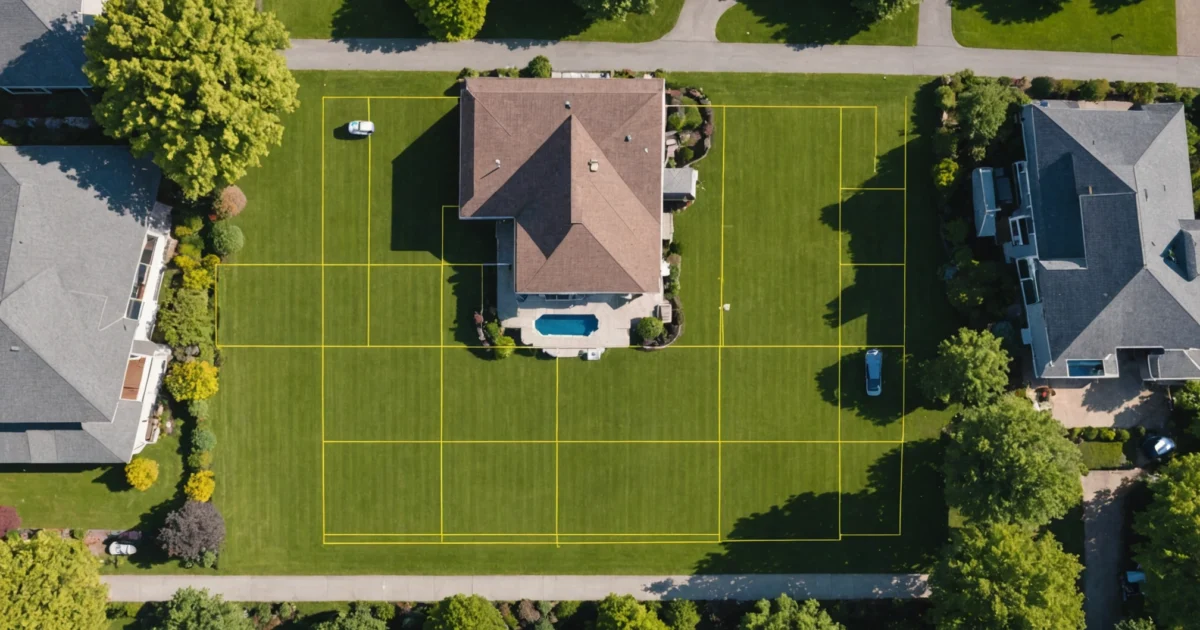
Can I sell part of my land if I have a mortgage? Yes, you can sell part of your mortgaged land, but it requires your lender’s approval through a process called a partial release of mortgage. Most lenders will consider releasing a portion of your property from the mortgage collateral if specific requirements are met, including maintaining adequate loan-to-value ratios and paying associated fees.
However, this process isn’t automatic or guaranteed. Your mortgage servicer must evaluate whether the remaining property value provides sufficient collateral for the outstanding loan balance. Additionally, you’ll need to navigate property subdivision requirements, obtain surveys and appraisals, and coordinate with local planning departments.
The approval depends on factors like your payment history, the remaining property’s value, and your loan type. Understanding what mortgage lenders evaluate can help you prepare for this process. Furthermore, some loan programs like FHA, VA, or USDA loans may have stricter restrictions on partial releases.
TL;DR
- Lender approval required: You must obtain a partial release of mortgage from your lender before selling any portion of mortgaged land
- Value requirements: Remaining property typically must be worth 125-150% of your outstanding loan balance
- Costs and timeline: Expect $300-$1,500 in partial release fees plus survey, appraisal, and subdivision costs over 60-120 days
- Legal considerations: Must comply with local zoning laws, subdivision regulations, and any deed restrictions or HOA covenants
Can You Sell Part of Your Land With a Mortgage? The Short Answer
Yes, you can sell part of your land with a mortgage, but this process requires your lender’s explicit approval through what’s called a partial release of mortgage. Your mortgage lender must agree to release the specific portion of your property from serving as collateral for your loan. This isn’t an automatic right—it’s a privilege that lenders grant based on specific criteria and requirements.
The partial release process involves several key steps and costs. First, your lender evaluates whether the remaining property provides adequate security for your outstanding loan balance. Most lenders require the remaining land to be worth 125% to 150% of your current mortgage balance to approve a partial release. Additionally, you’ll face fees ranging from $300 to $1,500 for the partial release documentation alone.
Furthermore, the process requires professional appraisals, boundary surveys, and legal documentation. Your lender needs current market valuations of both the portion you’re selling and the land you’re keeping. These requirements ensure that releasing part of the collateral doesn’t compromise the lender’s security interest in your loan.
However, not all mortgage types permit partial releases. Government-backed loans like FHA, VA, and USDA mortgages often have stricter restrictions or may prohibit partial releases entirely. Conventional loans typically offer more flexibility, but each lender maintains its own policies regarding when and how they’ll approve these requests.
Important Consideration
Understanding Partial Release of Mortgage
A partial release of mortgage is a legal mechanism that allows property owners to remove a specific portion of their land from serving as collateral for their existing mortgage loan. When you request a partial release, your lender formally agrees to release their security interest in the designated parcel while maintaining their lien on the remaining property. This process enables you to sell part of your land without paying off the entire mortgage balance.
The partial release functions as a contractual modification to your original mortgage agreement. Your lender evaluates whether the remaining property provides sufficient collateral value to secure the outstanding loan balance. Most financial institutions require the retained land to maintain a loan-to-value ratio of 65% to 80% after the partial release occurs.
Difference Between Partial Release and Property Subdivision
Property subdivision and partial release serve different purposes in real estate transactions. Property subdivision is a municipal planning process that divides one parcel into multiple legally separate lots, each with its own deed and property identification number. This process requires local government approval, surveying, and compliance with zoning regulations.
In contrast, a partial release specifically addresses the mortgage lien without necessarily creating separate legal parcels. You can obtain a partial release for a portion of your property that remains part of the original parcel description. However, most buyers prefer purchasing subdivided lots with clear legal boundaries and separate deeds.
Many property owners complete both processes simultaneously. First, they subdivide their land through the municipal approval process. Then, they request a partial release from their lender to remove the mortgage lien from the lot they intend to sell. This combination provides buyers with clean title and separate financing options.
When Lenders Approve vs. Deny Partial Releases
Lenders evaluate partial release requests based on risk assessment criteria that protect their financial interests. Approval typically occurs when the remaining property value significantly exceeds the outstanding mortgage balance. Most lenders require the retained land to be worth at least 125% to 150% of the current loan amount.
- Approval factors: High remaining property value, strong borrower payment history, and adequate lot size retention
- Denial reasons: Insufficient collateral value, recent payment delinquencies, or environmental concerns on remaining land
- Neutral factors: Property improvements, local market conditions, and intended use of sold portion
Lenders also consider the marketability and accessibility of the remaining property. Land that becomes landlocked or loses essential utilities access after the partial sale faces likely denial. Additionally, mortgage lenders examine your current financial situation, including income stability and debt-to-income ratios, when evaluating partial release applications.
Furthermore, the timing of your request influences approval odds. Lenders prefer partial release requests from borrowers with established payment histories of at least 12 to 24 months. Recent mortgage originations or loan modifications may result in automatic denials regardless of property values.
Impact on Remaining Mortgage Terms and Collateral Value
Partial releases typically do not alter your existing interest rate, payment schedule, or loan maturity date. Your monthly mortgage payments remain unchanged unless you use sale proceeds to make principal reductions. However, some lenders may require loan modifications or impose new terms as conditions for approving the partial release.
The collateral value reduction affects your loan-to-value ratio and potential future borrowing capacity. If you originally purchased your property with a low down payment, selling a valuable portion might push your loan-to-value ratio above 80%, potentially triggering private mortgage insurance requirements on future refinancing.
Important Consideration
Additionally, lenders often impose restrictive covenants on the remaining property following partial releases. These may include prohibitions on further subdivisions, requirements for maintaining minimum acreage, or restrictions on property use changes. Such covenants protect the lender’s security interest but may limit your future development options.
The partial release also affects your property tax obligations and insurance requirements. You’ll need to adjust your homeowner’s insurance coverage to reflect the reduced property size, and local tax assessors will reassess both the sold and retained portions for future tax calculations.
Step-by-Step Process for Selling Part of Mortgaged Land
Successfully selling part of your mortgaged land requires careful coordination between multiple parties and precise documentation. The process typically takes 60 to 120 days from initial application to closing, depending on your lender’s requirements and local subdivision regulations.
Contact Your Mortgage Servicer for Partial Release Application
Begin by contacting your mortgage servicer directly to request a partial release application. Most lenders maintain dedicated departments for handling partial releases, though some smaller institutions may route these requests through their loan modification teams. Your servicer will provide specific forms and explain their particular requirements for documentation.
During this initial contact, ask about the minimum remaining collateral value your lender requires. Additionally, inquire whether your loan documents contain any restrictions on partial releases or subdivision activities that might affect your request.
Obtain Professional Property Survey and Appraisal
A licensed surveyor must create an accurate boundary survey showing both the portion you intend to sell and the remaining property. This survey serves as the legal foundation for the subdivision and partial release. Furthermore, most lenders require separate appraisals for both the portion being sold and the remaining property to verify adequate collateral value.
Professional appraisals typically cost $400 to $800 per parcel, while surveys range from $500 to $2,000 depending on property size and complexity. These documents must be recent, usually within 90 days of your application submission.
Submit Formal Partial Release Request
Your formal application package should include the completed partial release form, both appraisals, the boundary survey, and proof of property tax payments. Many lenders also require a detailed explanation of your reasons for selling and how you plan to use the proceeds.
- Completed partial release application
- Current property survey with proposed division lines
- Professional appraisals for both portions
- Copy of existing deed and mortgage documents
- Property tax payment verification
- Subdivision approval documentation (if required)
Submit all documentation simultaneously to avoid processing delays. Incomplete applications often result in automatic rejections that require starting the entire process over.
Pay Required Partial Release Fees
Lenders charge partial release fees ranging from $300 to $1,500 to cover administrative costs and legal document preparation. These fees are typically due upon application submission, though some lenders collect them at closing.
Large institutional lenders often have standardized fee structures, while smaller banks may negotiate fees based on loan size and relationship history. However, these fees are generally non-refundable even if your application is ultimately denied.
Complete Property Subdivision Process
Simultaneously with your lender application, initiate the subdivision process through your local planning department. This involves submitting subdivision plans, paying municipal fees, and potentially attending planning board meetings.
Municipal subdivision requirements vary significantly by jurisdiction but commonly include environmental impact assessments, utility access verification, and compliance with zoning regulations. The subdivision process typically takes 30 to 90 days and costs between $500 and $3,000 in fees.
Some areas require mortgage lender approval before granting subdivision permits, creating a coordination requirement between your lender and municipal authorities. Therefore, maintain regular communication with both parties throughout this phase.
Coordinate Closing with Title Company and Buyer
Once your lender approves the partial release and subdivision permits are finalized, coordinate the closing through a qualified title company experienced in partial release transactions. The title company will prepare the new deeds, ensure proper recording of the partial release, and handle fund distribution.
Your closing will involve three separate document sets: the partial release from your lender, the deed transferring the sold portion to the buyer, and potentially a new deed reflecting your retained property boundaries. All documents must be recorded simultaneously to maintain clear chain of title.
The buyer’s financing, if applicable, must be coordinated with your partial release timeline since most purchase loans cannot close until your lender releases their claim on the sold portion. Consequently, cash buyers often provide more flexible closing schedules for partial land sales.
Lender Requirements and Approval Criteria
Mortgage lenders impose specific requirements when evaluating partial land sale requests to protect their financial interests. Understanding these criteria helps property owners prepare stronger approval applications and avoid common rejection reasons.
Minimum Property Value Requirements
Most lenders require the remaining property value to equal at least 125% to 150% of the outstanding loan balance after the partial sale. This cushion protects the lender’s collateral position if property values decline or foreclosure becomes necessary.
For example, if your mortgage balance is $200,000, the retained property must appraise for at least $250,000 to $300,000 post-sale. Consequently, selling too much land can trigger automatic loan acceleration if the remaining collateral falls below these thresholds.
Loan-to-Value Ratio Considerations
Lenders calculate new loan-to-value ratios based on the retained property’s post-sale appraised value. Additionally, most institutions cap LTV ratios at 80% for residential properties and 70% for vacant land after partial releases.
Banks often require professional appraisals of both the sold portion and remaining property to establish accurate valuations. Furthermore, the appraisal must demonstrate that the retained land maintains independent utility and marketability without the sold portion.
Payment History and Mortgage Standing
Lenders typically require 12 to 24 months of on-time mortgage payments before considering partial release requests. Current borrowers with recent late payments, loan modifications, or forbearance agreements face significantly higher rejection rates.
Your mortgage must be in good standing with no pending default notices or collection actions. Moreover, lenders review your overall financial stability, including income verification and debt-to-income ratios, as part of the approval process. Understanding what mortgage lenders evaluate helps borrowers prepare comprehensive applications.
Property Type Restrictions
Different property types face varying approval criteria and restrictions for partial sales. Residential properties with primary residences typically receive more favorable consideration than investment properties or vacation homes.
| Property Type | Typical LTV Limit | Additional Requirements |
|---|---|---|
| Primary Residence | 80% | Standard documentation |
| Investment Property | 70% | Enhanced financial review |
| Vacant Land | 65-70% | Environmental assessments |
| Commercial Property | 60-65% | Business financial statements |
Raw land presents the highest risk to lenders due to limited marketability and development uncertainties. Consequently, vacant land mortgages often include restrictive covenants preventing subdivision without explicit lender consent.
Government Loan Program Limitations
FHA loans generally prohibit partial property sales that reduce the collateral below program requirements. Since FHA mortgages are designed for primary residences, selling portions of the property may violate occupancy requirements or trigger loan acceleration.
VA loans allow partial releases under specific circumstances but require VA approval in addition to lender consent. Veterans must demonstrate that the retained property maintains adequate value and that the sale doesn’t compromise the loan’s intended purpose.
USDA rural development loans face the strictest limitations since these programs target specific geographic areas and property uses. Partial sales that change the property’s rural character or reduce acreage below program minimums typically trigger immediate payoff requirements.
Important Consideration
Legal and Regulatory Considerations
Navigating the legal landscape for partial land sales requires understanding multiple regulatory layers that govern property subdivision and transfer. Zoning laws establish the foundation for any division, while subdivision regulations dictate the specific procedures you must follow. Additionally, various restrictions may limit your ability to sell portions of mortgaged property.
Local Zoning Laws and Minimum Lot Size Requirements
Municipal zoning ordinances establish minimum lot sizes that directly impact your ability to divide property. Most residential zones require lots to meet specific dimensional standards for both width and depth. Furthermore, each resulting parcel must maintain adequate setbacks from property lines and comply with density restrictions.
Agricultural zones typically impose larger minimum acreage requirements to preserve farming viability. Commercial and industrial zones follow different standards based on intended use and traffic considerations. Consequently, you must verify that both the retained and sold portions will meet all applicable zoning requirements before proceeding.
Critical Zoning Check
Property Subdivision Regulations and Permits Needed
Subdivision approval processes vary significantly between jurisdictions but generally require detailed surveys, site plans, and environmental assessments. Minor subdivisions involving two or three lots often follow expedited procedures, while major subdivisions trigger comprehensive review processes. Moreover, most municipalities require professional surveying to establish precise boundary lines and easements.
Engineering studies may be mandatory to assess drainage, soil stability, and infrastructure capacity. Planning commissions typically review proposed divisions for compliance with comprehensive plans and development standards. Additionally, public notification requirements may delay approval timelines by several months.
- Survey and platting – Professional boundary determination and mapping
- Environmental review – Wetland, slope, and habitat assessments
- Infrastructure analysis – Road access, utilities, and drainage evaluation
- Public hearings – Community input and objection periods
- Final approvals – Recording of new legal descriptions and deeds
Easement and Utility Access Rights for Both Parcels
Utility easements must provide adequate access to both the retained and sold portions of your property. Electric, water, sewer, and telecommunications services require legally documented pathways that survive property transfers. Furthermore, access easements ensure that landlocked parcels maintain legal routes to public roads.
Existing easements may complicate subdivision plans if they cross proposed boundary lines. Utility companies often require easement modifications or additional rights-of-way to serve newly created parcels. Similarly, shared driveways or private roads need formal easement agreements to protect access rights for all property owners.
Environmental Assessments and Restrictions
Environmental regulations frequently impose the most significant constraints on partial land sales. Wetland protections, endangered species habitats, and steep slope restrictions can render portions of property undevelopable. Additionally, soil contamination assessments may be required if the property has any history of commercial or industrial use.
Floodplain designations affect both marketability and development potential of subdivided parcels. Archaeological surveys become mandatory in areas with historical significance or Native American heritage sites. Moreover, septic system evaluations are essential for rural properties lacking municipal sewer connections, as soil conditions determine the viability of individual lots.
HOA Covenants and Deed Restrictions That May Apply
Homeowners association covenants often include specific provisions prohibiting or restricting property subdivision without board approval. These private agreements typically supersede local zoning laws and can completely prevent partial sales. Additionally, deed restrictions from previous property transfers may include similar limitations that bind all future owners.
Architectural review committees within HOAs frequently require approval for any changes to lot lines or property configurations. Some communities maintain minimum lot sizes that exceed municipal requirements to preserve neighborhood character. Therefore, reviewing all recorded covenants, conditions, and restrictions (CC&Rs) becomes essential before pursuing any subdivision.
Historic district designations impose additional layers of review and approval for property modifications. Understanding what mortgage lenders evaluate helps you anticipate how these restrictions might affect financing options for potential buyers. Consequently, consulting with real estate attorneys familiar with local regulations ensures compliance throughout the subdivision process.
Financial Implications and Tax Consequences
Selling part of your land while carrying a mortgage creates significant tax implications that require careful planning and professional guidance. The Internal Revenue Service treats partial land sales as capital gains transactions, potentially triggering substantial tax liabilities depending on your ownership duration and profit margins. Furthermore, the complexity increases when your primary residence sits on the subdivided property, as special exemptions may apply to portions of the sale proceeds.
Capital Gains Tax on Partial Land Sale Proceeds
Capital gains taxes apply to the profit from selling part of your land, calculated as the difference between your sale price and the allocated portion of your original purchase price. Short-term capital gains rates reach as high as 37% for properties held less than one year, while long-term rates range from 0% to 20% depending on your income bracket. Additionally, high-income earners face a 3.8% net investment income tax on capital gains, further increasing the total tax burden.
The timing of your sale significantly impacts your tax liability, as properties held for more than one year qualify for preferential long-term capital gains treatment. However, depreciation recapture rules may apply if you previously claimed any business or rental deductions on the land portion. Consequently, consulting with tax professionals helps optimize the timing and structure of your partial land sale to minimize overall tax consequences.
Primary Residence Exemption Limitations
The Section 121 primary residence exemption allows married couples to exclude up to $500,000 in capital gains from their primary residence sale, while single filers can exclude up to $250,000. However, this exemption applies only to the portion of land that directly supports your home’s residential use, typically limited to a reasonable lot size for the area. Moreover, the IRS requires that you lived in the home as your primary residence for at least two of the previous five years to qualify for this exclusion.
Excess land beyond what’s considered reasonable for residential use doesn’t qualify for the primary residence exemption, meaning those proceeds face full capital gains taxation. The determination of “reasonable” varies by location, with rural areas typically allowing larger exempt portions than urban settings. Therefore, careful allocation between exempt residential land and taxable excess land becomes crucial for accurate tax planning and compliance.
Allocation of Original Purchase Price Between Parcels
Properly allocating your original purchase price between the retained and sold portions determines your cost basis for capital gains calculations. The IRS requires this allocation to reflect the relative fair market values of each parcel at the time of your original purchase, not current market conditions. Additionally, any improvements made to either portion must be allocated appropriately to establish accurate cost basis figures for tax purposes.
Professional appraisals often become necessary to support your allocation methodology, especially for significant transactions that might attract IRS scrutiny. The allocation affects both the current sale’s tax liability and the future cost basis of your retained property. Furthermore, maintaining detailed records of all improvements, surveys, and professional valuations protects your position during potential tax audits or future sales.
Property Tax Reassessment for Both Portions
Property tax reassessment typically occurs for both the sold parcel and your retained property following a subdivision and partial sale. Local tax assessors review the new property configurations and may adjust assessed values based on current market conditions and the improved utility of individual parcels. Consequently, your annual property tax burden may increase or decrease depending on how the assessor values the newly created lots compared to the original unified property.
The timing of reassessment varies by jurisdiction, with some areas conducting immediate reviews while others wait for the next regular assessment cycle. Appeal processes exist if you disagree with new assessments, but these require prompt action within specified timeframes. Additionally, the buyer of your sold parcel will receive their own separate tax assessment, potentially at higher rates if the sale price exceeds previous assessed values.
Impact on Homeowners Insurance Coverage and Rates
Subdividing your property affects your homeowners insurance coverage and premium calculations, as insurers base rates partly on property size and associated risks. Your insurance company must adjust your policy to reflect the reduced land area, potentially lowering your premiums for certain coverage types while maintaining protection for your home and remaining property. However, some insurers may increase rates if they perceive higher risks from nearby development or reduced privacy.
Liability coverage becomes particularly important during the subdivision and sale process, as construction activities and new neighbors may increase exposure to claims. Notifying your insurance carrier before beginning subdivision work ensures continuous coverage and compliance with policy terms. Moreover, the new property owner will need separate insurance coverage, creating an opportunity to review and potentially improve your own policy terms and coverage levels.
Tax Planning Essential
Costs and Timeline for Partial Land Sales
Understanding the financial requirements and timeframes for selling part of your mortgaged land helps you budget effectively and set realistic expectations. The total costs typically range from $5,000 to $25,000 depending on property size, complexity, and local requirements. Furthermore, the process usually takes between 60 to 120 days from initial application to final closing.
Partial Release Fees Charged by Lenders
Mortgage lenders charge partial release fees ranging from $500 to $2,500 to remove a portion of your property from the mortgage lien. These fees compensate the lender for administrative work, legal review, and risk assessment associated with reducing their collateral. Additionally, some lenders require you to pay down a specific percentage of the loan balance before approving the partial release.
The fee structure varies significantly between lenders, with some charging flat rates while others use percentage-based calculations. Commercial lenders often charge higher fees than traditional banks, particularly for complex subdivisions or valuable parcels. Moreover, credit unions typically offer more competitive partial release fees for members with good payment histories.
Survey, Appraisal, and Legal Costs Breakdown
Professional surveys cost between $1,500 and $5,000 depending on property size, terrain complexity, and boundary disputes. The surveyor creates detailed plats showing the proposed subdivision boundaries, easements, and any encroachments that could affect the sale. Subsequently, appraisals for both the remaining property and the parcel being sold typically cost $400 to $800 each.
| Cost Category | Typical Range | Factors Affecting Price |
|---|---|---|
| Land Survey | $1,500 – $5,000 | Property size, terrain, boundaries |
| Appraisals (2 required) | $800 – $1,600 | Property complexity, market conditions |
| Legal Fees | $2,000 – $8,000 | Subdivision complexity, local requirements |
| Engineering Studies | $1,000 – $3,000 | Soil conditions, drainage, utilities |
Legal fees represent a significant expense, typically ranging from $2,000 to $8,000 for subdivision work. Real estate attorneys handle deed preparation, easement documentation, and compliance with local subdivision ordinances. Engineering studies may be required for properties with drainage issues, steep slopes, or utility access concerns, adding $1,000 to $3,000 to your total costs.
Subdivision Application Fees and Permit Costs
Municipal subdivision application fees vary widely, ranging from $500 in rural areas to $5,000 in major metropolitan regions. These fees cover administrative review, public notice requirements, and planning department staff time. Additionally, many jurisdictions require environmental impact studies, traffic assessments, or infrastructure impact fees that can add thousands to your total costs.
Building permit fees apply if the subdivision requires new access roads, utility connections, or drainage improvements. These permits typically cost between $200 and $2,000 depending on the scope of work required. However, some subdivisions qualify for minor subdivision processes with reduced fees and faster approval timelines.
Title Insurance and Closing Cost Allocation
Title insurance costs split between the buyer and seller according to local customs and negotiated terms. The seller typically pays for the owner’s policy covering the buyer, while the buyer purchases lender’s title insurance if financing the purchase. These costs range from $800 to $2,500 depending on the sale price and local title insurance rates.
Closing costs include recording fees, transfer taxes, and escrow charges that vary by state and county. Recording fees for new deeds typically cost $50 to $200, while transfer taxes can range from zero to several thousand dollars based on local tax rates. Furthermore, some areas impose special assessments or impact fees on newly created parcels.
Typical Timeline from Application to Closing
The subdivision and sale process typically requires 60 to 120 days from initial application to final closing, though complex cases may take longer. Initial steps include obtaining surveys and submitting subdivision applications, which usually take 30 to 45 days for municipal review and approval. Meanwhile, lender approval for partial releases often runs parallel to municipal processes, requiring 15 to 30 days for review.
- Survey completion and subdivision application: 2-3 weeks
- Municipal review and approval: 4-8 weeks
- Lender partial release approval: 2-4 weeks
- Marketing and buyer identification: 2-8 weeks
- Contract negotiation and closing preparation: 2-4 weeks
Marketing the subdivided parcel and finding qualified buyers adds variable time to the process, potentially extending the timeline by several months in slower markets. Contract negotiations, financing arrangements, and final closing preparations typically require an additional 30 to 45 days once a buyer is identified. Consequently, planning for a minimum of four months from start to finish ensures realistic expectations and adequate cash flow management.
Budget for Unexpected Costs
Alternative Options When Partial Release Isn't Available
When lenders refuse partial release requests or mortgage terms prohibit land subdivision, property owners still have several viable alternatives. These strategies provide pathways to access land equity or achieve similar financial goals without violating existing mortgage agreements.
Refinancing to Remove Partial Release Restrictions
Refinancing the entire mortgage represents the most straightforward solution when partial releases aren’t available. This approach involves replacing the existing loan with a new mortgage that permits subdivisions or partial releases. Many borrowers discover that current interest rates or improved credit scores make refinancing financially beneficial beyond just enabling land sales.
The refinancing process typically requires 30 to 45 days and involves standard underwriting procedures including property appraisal, income verification, and credit review. Consequently, borrowers should factor closing costs ranging from 2% to 5% of the loan balance into their financial calculations. However, the ability to subdivide and sell portions of land often generates sufficient proceeds to offset these refinancing expenses.
Selling Entire Property and Buying Smaller Replacement
Property owners can sell their entire mortgaged property and purchase a smaller replacement property with the proceeds. This strategy works particularly well when the current property exceeds the owner’s actual needs or when downsizing aligns with lifestyle changes. Net proceeds from the sale often provide substantial cash while reducing ongoing mortgage obligations and property taxes.
Market conditions significantly impact the success of this approach, as sellers need sufficient buyer demand for larger properties while finding suitable smaller alternatives. Additionally, transaction costs for both selling and buying properties can reach 8% to 12% of the property values combined. Nevertheless, this option provides complete freedom from existing mortgage restrictions and enables fresh financing arrangements.
Land Contract and Owner Financing Arrangements
Owner financing arrangements allow property owners to act as the bank for buyers purchasing portions of their land. Under this structure, buyers make monthly payments directly to the landowner rather than obtaining traditional mortgage financing. The landowner retains legal title until the buyer completes all payments, creating security for both parties.
Land contracts typically feature higher interest rates than conventional mortgages, often ranging from 6% to 12%, compensating landowners for the additional risk and administrative responsibilities. Furthermore, these arrangements provide steady monthly income streams while potentially offering tax advantages through installment sale treatment. However, landowners must carefully structure contracts to comply with state regulations and protect their interests if buyers default.
Legal Compliance Required
Joint Venture and Partnership Structures
Joint ventures with prospective buyers create partnerships where both parties contribute resources toward developing or utilizing portions of the land. Partnership structures enable landowners to monetize their property without technically selling it, thereby avoiding mortgage restrictions on transfers. Buyers contribute cash, labor, or expertise while gaining usage rights or future ownership stakes.
These arrangements work particularly well for agricultural land, recreational properties, or development projects where buyers seek long-term involvement rather than immediate ownership. Revenue sharing agreements, profit splits from future sales, or graduated ownership transfers provide flexibility for structuring mutually beneficial deals. Moreover, joint ventures often qualify for favorable tax treatment compared to outright sales.
Partnership agreements must clearly define each party’s responsibilities, financial contributions, decision-making authority, and exit strategies. Understanding what mortgage lenders evaluate helps structure these arrangements to avoid triggering due-on-sale clauses or other mortgage violations. Professional legal and tax advice ensures compliance with partnership laws and optimizes the financial benefits for all participants.
Working With Professionals
Successfully selling part of mortgaged land requires a team of qualified professionals who understand both real estate law and mortgage regulations. Professional guidance becomes essential when navigating complex transactions that involve partial property transfers, mortgage modifications, and regulatory compliance. Each specialist brings unique expertise that protects your interests while ensuring legal compliance throughout the process.
When to Hire a Real Estate Attorney
Real estate attorneys become indispensable for complex partial land sales involving mortgaged properties. These legal professionals specialize in property law, contract negotiations, and mortgage compliance issues that can derail transactions without proper oversight. Furthermore, attorneys provide crucial protection against legal pitfalls that could result in costly disputes or mortgage violations.
Complex transactions requiring attorney involvement include subdivision approvals, easement negotiations, and situations where mortgage lenders demand specific contractual protections. Additionally, attorneys handle due-on-sale clause negotiations, partial release agreements, and contract structures that satisfy both buyer and lender requirements. Their expertise proves particularly valuable when dealing with commercial lenders or investment properties with complex financing arrangements.
Legal professionals also coordinate with other specialists to ensure comprehensive transaction management. They review surveyor reports, title company findings, and tax implications to create legally sound agreements. Moreover, attorneys draft contracts that protect sellers from buyer defaults while maintaining compliance with mortgage lender requirements and state regulations governing partial property sales.
Role of Surveyors in Boundary Determination
Professional surveyors provide essential services for establishing precise property boundaries when selling portions of mortgaged land. Accurate boundary determination prevents future disputes, ensures compliance with local zoning requirements, and satisfies lender requirements for partial releases. Licensed surveyors use advanced equipment and legal descriptions to create definitive property maps that support the transaction.
Survey services include boundary surveys, topographic mapping, and subdivision platting that meet municipal approval requirements. Professional surveyors also identify potential boundary disputes, easement conflicts, or encroachments that could complicate the sale. Their detailed reports provide the technical foundation for legal descriptions used in contracts and deed preparations.
Additionally, surveyors coordinate with local planning departments to ensure proposed divisions comply with minimum lot size requirements and zoning restrictions. They prepare documentation for subdivision approvals, variance applications, and permit processes that enable legal property transfers. Quality surveying work protects both buyers and sellers from costly boundary disputes that could emerge years after the transaction closes.
Title Company Services for Partial Sales
Title companies provide specialized services for partial land sales that differ significantly from standard property transactions. These companies research property ownership history, identify liens or encumbrances, and coordinate with mortgage lenders to facilitate partial releases. Title professionals ensure clear ownership transfer while protecting all parties from hidden legal issues.
Comprehensive title services include title searches, lien identification, and escrow management for complex partial sale transactions. Title companies also coordinate with mortgage lenders to obtain partial release documentation and ensure proper lien priority arrangements. Their expertise proves crucial when dealing with multiple mortgages, tax liens, or other encumbrances that affect the property.
Furthermore, title companies issue title insurance policies that protect buyers from undiscovered defects in property ownership. They manage closing procedures, fund disbursements, and document recording that completes the legal transfer process. Professional title services provide peace of mind for both buyers and sellers navigating the complexities of partial property transactions.
Tax Professional Consultation
Tax professionals provide essential guidance for managing capital gains implications and optimizing tax strategies when selling portions of mortgaged land. These specialists understand complex tax regulations governing partial property sales, installment sale elections, and like-kind exchange opportunities. Professional tax planning can significantly reduce the overall tax burden associated with partial land sales.
Specialized tax services include capital gains calculations, basis allocation strategies, and installment sale structuring that maximize tax benefits. Tax professionals also evaluate opportunities for Section 1031 exchanges, agricultural tax benefits, and other specialized deductions that apply to land sales. Their expertise ensures compliance with IRS regulations while minimizing tax liabilities.
Additionally, tax advisors coordinate with real estate attorneys and financial planners to create comprehensive strategies that address both immediate and long-term tax implications. They prepare documentation for installment sale elections, calculate depreciation recapture for improved properties, and structure transactions to optimize overall tax efficiency. Professional tax guidance proves invaluable for maximizing the financial benefits of partial land sales while maintaining full regulatory compliance.
Frequently Asked Questions
Can you sell a piece of your land if you have a mortgage?
Yes, you can sell a piece of your land if you have a mortgage, but you must obtain your lender’s approval through a partial release of mortgage. This process requires your lender to evaluate whether the remaining property provides sufficient collateral for your outstanding loan balance. Most lenders require the remaining land to be worth 125-150% of your current mortgage balance.
Is it possible to sell part of your land?
Yes, it’s possible to sell part of your land, but the process involves several requirements. You’ll need to comply with local zoning laws, subdivision regulations, and obtain proper surveys and appraisals. If you have a mortgage, you must also secure a partial release from your lender before proceeding with the sale.
Can I sell part of my land to my neighbor?
You can sell part of your land to your neighbor, but you must follow the same legal requirements as any land sale. This includes obtaining a partial release of mortgage if applicable, conducting a boundary survey, ensuring compliance with local subdivision regulations, and completing proper deed transfers. The buyer being your neighbor doesn’t change the legal requirements.
Can I split my land if I have a mortgage?
You can split your land with a mortgage, but it requires your lender’s approval for a partial release. The process involves demonstrating that the remaining property maintains adequate value as collateral. You’ll also need to meet local subdivision requirements, obtain surveys, and pay associated fees ranging from $300-$1,500 for the partial release alone.
What fees are involved in selling part of my mortgaged land?
Selling part of mortgaged land involves multiple fees:
- Partial release fees: $300-$1,500
- Professional appraisal: $300-$800
- Boundary survey: $500-$2,000
- Legal documentation: $500-$1,500
- Local subdivision fees: varies by municipality
How long does the partial release process take?
The partial release process typically takes 60-120 days to complete. This timeline includes lender review, property appraisals, survey work, legal documentation preparation, and coordination with local planning departments. Complex cases or those requiring subdivision approval may take longer.
Can I sell part of my house to a family member?
Selling part of your house to a family member follows the same legal requirements as any property transfer. If you have a mortgage, you’ll need a partial release. However, physically dividing a house is more complex than splitting land and may require special zoning approvals, separate utilities, and compliance with local housing codes.
Do FHA, VA, or USDA loans allow partial releases?
Government-backed loans like FHA, VA, and USDA mortgages often have stricter restrictions on partial releases. Many of these loan programs prohibit partial releases entirely or have very limited circumstances under which they’ll approve them. Conventional loans typically offer more flexibility for partial release requests.
What are the tax implications of selling part of your land?
Selling part of your land can trigger capital gains taxes on any profit from the sale. The tax treatment depends on how long you’ve owned the property and whether it’s your primary residence. You may be able to allocate your original purchase price between the sold portion and retained land to calculate your tax basis. Consult a tax professional for specific guidance.
How to sell half of my property with a mortgage?
To sell half of your property with a mortgage, follow these steps:
- Contact your lender to discuss partial release requirements
- Obtain a current appraisal of the entire property
- Commission a boundary survey to define the parcels
- Apply for subdivision approval if required locally
- Submit partial release application with required documentation
- Pay partial release fees and complete legal documentation
What loan-to-value ratio do lenders require for partial releases?
Most lenders require the remaining property to maintain a loan-to-value ratio of 125-150% of the outstanding mortgage balance. This means if you owe $100,000, the retained land must be worth at least $125,000-$150,000. This requirement ensures the lender maintains adequate collateral security.
Can you sell part of your property without subdivision approval?
In most cases, you cannot sell part of your property without meeting local subdivision requirements. These may include formal subdivision approval, boundary surveys, and compliance with zoning regulations. Some jurisdictions allow minor boundary adjustments without full subdivision approval, but this varies by location and parcel size.
How to sell a piece of land by owner with a mortgage?
To sell a piece of land by owner with a mortgage:
- Secure partial release approval from your lender first
- Determine fair market value through appraisal or comparative market analysis
- Market the property through online platforms, signs, and local advertising
- Screen potential buyers and verify their financing capability
- Use a real estate attorney for contract preparation and closing
- Coordinate with title company for deed transfer and fund disbursement
What happens if my lender denies the partial release request?
If your lender denies the partial release request, you have limited options. You could pay down your mortgage to improve the loan-to-value ratio, wait for property values to increase, or consider paying off the entire mortgage before selling. Some borrowers explore refinancing with a different lender who may be more flexible with partial releases.
Are there deed restrictions that prevent selling part of my land?
Yes, deed restrictions, HOA covenants, or easements may prevent you from selling part of your land. Review your property deed and any homeowners association documents for restrictions on subdivision or land sales. Some developments have minimum lot size requirements or prohibitions on splitting parcels that could block your sale plans.
You May Also Like

What is a deferred payment and what it actually costs you as a borrower

Can You Get a Mortgage on a Fixed Term Contract? 2026 Guide

What Does PITIA Stand For? Mortgage Payment Breakdown 2026