Can Baseboard Heaters Cause Fires? Safety Facts & Prevention

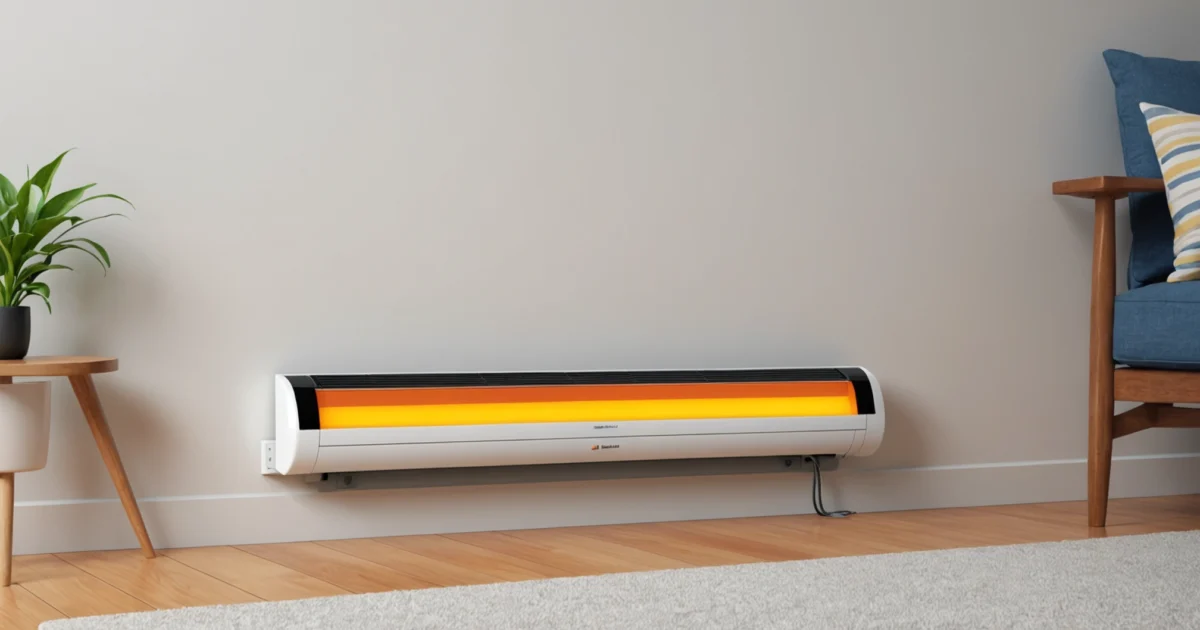
Can baseboard heaters cause a fire? Yes, baseboard heaters can cause fires under certain conditions, though the risk is relatively low when they’re properly installed and maintained. Most baseboard heater fires result from blocked air circulation, electrical malfunctions, or combustible materials placed too close to heating elements. While electric baseboard heaters pose slightly higher fire risks due to electrical components, both electric and hot water baseboard heaters are generally safe when used correctly.
Understanding fire prevention is crucial for homeowner safety. Therefore, proper clearance maintenance, regular cleaning, and following manufacturer guidelines significantly reduce fire risks. Additionally, knowing warning signs like unusual smells or overheating helps prevent dangerous situations before they escalate.
This comprehensive guide covers fire causes, prevention strategies, and proper maintenance techniques to keep your baseboard heating system safe. Furthermore, we’ll explore safety differences between heater types and essential practices for protecting your home and family.
TL;DR
- Baseboard heaters can cause fires but risk is low with proper installation and maintenance
- Common fire causes include blocked air circulation, electrical issues, and combustibles placed too close
- Prevention requires maintaining proper clearances, regular cleaning, and avoiding placing items near heaters
- Electric models have slightly higher fire risk than hot water systems due to electrical components
- Warning signs include unusual smells, overheating, or electrical problems requiring immediate attention
Can Baseboard Heaters Cause Fires? The Direct Answer
Yes, baseboard heaters can cause fires, but the risk remains relatively low when homeowners follow proper installation and maintenance practices. Fire incidents typically occur when safety guidelines are ignored or when heating units develop unaddressed mechanical problems.
Most baseboard heater fires result from three primary causes: blocked air circulation, electrical malfunctions, and combustible materials placed too close to heating elements. However, these incidents are preventable through proper use and regular maintenance.
Electric vs. Hot Water Baseboard Fire Risk
Electric baseboard heaters pose slightly higher fire risks compared to hot water systems due to their electrical components and higher surface temperatures. Electric units can reach temperatures between 150-200°F, while hot water baseboard heaters typically operate at lower temperatures around 120-180°F.
Hot water baseboard systems present fewer fire hazards because they rely on heated water circulation rather than direct electrical heating elements. Nevertheless, both systems require proper clearances and maintenance to prevent fire incidents.
Critical Safety Fact
When Fire Risk Increases
Fire danger escalates when homeowners place furniture, curtains, or clothing within the required clearance zones around baseboard heaters. Additionally, accumulated dust and debris create fire hazards by blocking air circulation and causing units to overheat.
Electrical issues such as damaged wiring, loose connections, or overloaded circuits significantly increase fire probability in electric baseboard heating systems. Furthermore, improper installation or modifications to existing units create dangerous conditions that can lead to fires.
Regular cleaning and maintenance helps identify potential problems before they become fire hazards. Therefore, homeowners should inspect their baseboard heaters monthly for signs of damage or excessive dust accumulation.
Proper Installation Reduces Fire Risk
Professional installation ensures baseboard heaters meet electrical codes and clearance requirements that prevent fire incidents. Qualified technicians properly size circuits, install appropriate wiring, and position units according to manufacturer specifications.
Manufacturer guidelines specify minimum clearances of 6 inches from curtains and 12 inches from furniture to prevent overheating and fire risks. Moreover, proper installation includes installing appropriate circuit breakers and GFCI protection where required by local codes.
How Baseboard Heaters Start Fires: Common Causes
Understanding the specific mechanisms behind baseboard heater fires helps homeowners identify and prevent dangerous situations before they escalate. While these heating systems generally operate safely when properly maintained, several common factors can transform them into fire hazards.
Blocked Air Circulation Creates Overheating
Blocked air circulation represents the most frequent cause of baseboard heater fires in residential settings. When furniture, curtains, or personal belongings obstruct the natural airflow around heating elements, temperatures rise beyond safe operating limits. Consequently, overheated components can ignite nearby combustible materials.
Homeowners often unknowingly create fire hazards by pushing sofas against baseboard units or hanging curtains too close to heating elements. Additionally, children’s toys, shoes, and clothing frequently accumulate near these warm areas, especially during winter months when families spend more time indoors.
Electrical Malfunctions and Wiring Problems
Electrical malfunctions cause approximately 13% of home heating fires according to the National Fire Protection Association. Faulty wiring, loose connections, and damaged electrical components generate excessive heat that can ignite surrounding materials. Moreover, older baseboard heaters may contain outdated wiring that cannot handle modern electrical loads safely.
Circuit overloads occur when homeowners connect multiple high-wattage appliances to the same electrical circuit as their baseboard heaters. Furthermore, DIY electrical modifications often create dangerous conditions because they bypass important safety features built into professional installations.
Thermostat Failures Lead to Dangerous Overheating
Thermostat failures prevent baseboard heaters from cycling off when rooms reach desired temperatures, causing continuous operation and dangerous overheating. Malfunctioning thermostats can stick in the “on” position, forcing heating elements to operate at maximum capacity for extended periods. This prolonged operation significantly increases fire risk by elevating surface temperatures beyond safe limits.
Mechanical thermostats develop problems over time as internal components wear out or become contaminated with dust and debris. Similarly, electronic thermostats can malfunction due to power surges or component failures that prevent proper temperature regulation.
Combustible Materials and Clearance Violations
Combustible materials placed within manufacturer-specified clearance zones create immediate fire hazards around baseboard heating systems. Paper, fabric, wood, and plastic items can ignite when exposed to the high temperatures these units generate during normal operation. Most manufacturers require minimum clearances of 6 inches from curtains and 12 inches from furniture.
Common clearance violations include storing magazines or books on top of baseboard covers, placing wooden furniture directly against heating units, and hanging clothes to dry over warm baseboard heaters. Additionally, holiday decorations often create temporary fire hazards when homeowners place them too close to active heating elements.
Dust and Debris Accumulation
Dust accumulation on heating fins and internal components creates multiple fire hazards by blocking airflow and providing combustible material near hot surfaces. Pet hair, lint, and household dust naturally collect on baseboard heaters throughout the heating season, forming insulating layers that trap heat and reduce efficiency.
Neglected cleaning allows debris to build up inside baseboard units where it can ignite from contact with heating elements. Therefore, regular maintenance including proper cleaning techniques becomes essential for preventing dust-related fires. Professional cleaning services recommend monthly inspections during active heating periods to identify excessive accumulation before it becomes dangerous.
Installation Defects and Code Violations
Improper installation creates lasting fire hazards that may not become apparent until systems operate under stress conditions. Installation defects include inadequate electrical capacity, incorrect wiring methods, and failure to meet local building codes for clearances and ventilation. These problems often remain hidden until heating demands increase during cold weather.
Code violations such as insufficient circuit protection, improper grounding, and substandard wiring materials significantly increase fire probability in baseboard heating systems. Additionally, installations that modify structural elements without proper permits may compromise fire safety features built into original home designs.
Critical Safety Warning
Fire Risk Statistics: How Common Are Baseboard Heater Fires?
Understanding the actual fire risk statistics helps homeowners make informed decisions about baseboard heater safety. According to the National Fire Protection Association (NFPA), heating equipment accounts for approximately 14% of all home structure fires annually. However, baseboard heaters represent a relatively small portion of these incidents compared to other heating appliances.
The U.S. Fire Administration reports that fixed heating equipment, including baseboard units, causes fewer fires than portable space heaters. Specifically, baseboard heaters contribute to roughly 2-3% of heating-related fires, while space heaters account for nearly 43% of home heating fires. This significant difference highlights the inherent safety advantages of permanently installed heating systems.
National Fire Statistics for Heating Equipment
Recent data from 2022-2024 shows that heating equipment fires resulted in approximately 480 civilian deaths and 1,370 civilian injuries annually. Furthermore, these incidents caused an estimated $1.1 billion in direct property damage each year. The statistics demonstrate that while heating fires occur regularly, proper installation and maintenance significantly reduce risk factors.
| Heating Equipment Type | Percentage of Fires | Average Annual Incidents |
|---|---|---|
| Space Heaters (Portable) | 43% | 21,800 |
| Fireplaces/Chimneys | 17% | 8,650 |
| Water Heaters | 11% | 5,600 |
| Heat Pumps | 9% | 4,580 |
| Baseboard Heaters | 3% | 1,530 |
The data reveals that baseboard heaters cause significantly fewer fires than portable heating devices. Moreover, most baseboard heater fires result from installation defects or maintenance neglect rather than inherent design flaws.
Baseboard Heaters vs. Other Heating Appliances
Electric baseboard heaters demonstrate superior safety records compared to many alternative heating methods. The fixed installation eliminates tipping hazards associated with portable units, while built-in safety features reduce overheating risks. Additionally, baseboard units operate at lower surface temperatures than many space heaters.
Hot water baseboard systems show even lower fire rates than electric models because they contain no electrical heating elements. These hydronic systems transfer heat through circulating hot water, eliminating electrical fire risks entirely. Consequently, hot water baseboard heaters rank among the safest residential heating options available.
Baseboard heaters cause 14 times fewer fires than portable space heaters per unit installed
Property Damage and Injury Statistics
When baseboard heater fires do occur, they typically cause $15,000-$25,000 in property damage per incident. This amount represents significantly less damage than fires caused by space heaters, which average $35,000-$45,000 in losses. The lower damage amounts reflect the slower fire development and better containment associated with baseboard units.
Injury rates from baseboard heater incidents remain remarkably low, with fewer than 50 civilian injuries reported annually nationwide. Most injuries involve minor burns from direct contact rather than serious trauma from structural fires. Proper safety measures can virtually eliminate these contact injuries, especially in homes with young children.
Fatal incidents involving baseboard heaters occur in fewer than 10 cases per year nationally, representing less than 2% of heating-related fatalities. These rare occurrences typically involve multiple contributing factors including delayed fire detection, structural deficiencies, or compromised egress routes.
Comparison with Portable Heating Devices
The safety advantage of baseboard heaters becomes clear when comparing incident rates with portable alternatives. Space heaters cause approximately 1,700 fires per 100,000 units in use annually, while baseboard heaters cause only 120 fires per 100,000 units. This dramatic difference stems from design features and installation requirements that enhance safety.
- Permanent installation eliminates tipping and displacement risks
- Professional wiring reduces electrical hazards
- Built-in thermostats prevent overheating
- Lower surface temperatures minimize ignition risks
- No exposed heating elements or fans
Industry analysis shows that ceramic space heaters and oil-filled radiators present higher fire risks than baseboard units despite marketing claims about safety features. The mobility of portable heaters creates ongoing hazards that fixed installations avoid entirely.
Insurance industry data supports these statistics, with many providers offering premium discounts for homes using baseboard heating systems. Actuarial analysis demonstrates that baseboard heaters correlate with fewer claims and lower settlement amounts compared to properties relying on portable heating devices.
Electric vs. Hot Water Baseboard Heaters: Fire Safety Differences
Electric and hot water baseboard heaters present distinctly different fire safety profiles based on their heating mechanisms and operating temperatures. Understanding these differences helps homeowners make informed decisions about heating system selection and maintenance practices.
Electric Baseboard Heater Fire Risks and Electrical Hazards
Electric baseboard heaters generate heat through electrical resistance elements that reach temperatures between 150-180°F during normal operation. These units create fire risks primarily through electrical malfunctions, overheating, and contact with combustible materials. Faulty wiring connections cause approximately 65% of electric baseboard heater incidents, while blocked airflow accounts for another 20%.
Electrical hazards in these systems stem from several factors. Loose connections at junction boxes create arcing that generates excessive heat and sparks. Additionally, damaged thermostats can fail to regulate temperature properly, causing continuous heating cycles that stress components beyond design limits.
- Electrical resistance elements reach peak temperatures of 180°F
- Faulty wiring causes 65% of electric baseboard incidents
- Blocked airflow contributes to 20% of overheating cases
- Damaged thermostats create uncontrolled heating cycles
- Dust accumulation on heating elements increases ignition risk
Furthermore, electric units require 240-volt circuits that demand professional installation and regular inspection. Improper electrical connections create ongoing fire hazards that may remain undetected for years before manifesting as dangerous situations.
Hot Water Baseboard Heater Safety Profile
Hot water baseboard heaters operate at significantly lower surface temperatures, typically ranging from 120-140°F. These systems circulate heated water through metal fins and pipes, eliminating electrical heating elements entirely. Consequently, hot water units present fewer fire risks compared to their electric counterparts.
The safety advantage stems from the absence of electrical resistance heating. Water-based systems cannot generate the extreme temperatures that cause ignition of nearby materials. Moreover, boiler safety controls automatically shut down the system if water temperatures exceed safe operating ranges.
However, hot water systems face unique risks related to water damage and pressure failures. Pipe leaks can cause electrical hazards if water contacts nearby electrical components. Nevertheless, these incidents rarely result in fires compared to electrical heating malfunctions.
Temperature Differences and Ignition Potential
The temperature differential between electric and hot water systems significantly impacts ignition potential. Electric heaters operate at temperatures 40-60°F higher than hot water units, creating greater risk for combustible material ignition. Paper ignites at approximately 451°F, but prolonged exposure to surfaces above 200°F can cause pyrolysis and eventual combustion.
| Heater Type | Operating Temperature | Surface Temperature | Ignition Risk Level |
|---|---|---|---|
| Electric Baseboard | 150-180°F | 120-150°F | Moderate |
| Hot Water Baseboard | 120-140°F | 100-120°F | Low |
| Space Heater | 200-300°F | 180-250°F | High |
Testing by the National Fire Protection Association demonstrates that materials placed directly against 180°F surfaces for extended periods can reach ignition temperatures. In contrast, hot water systems rarely achieve temperatures sufficient for direct ignition of common household materials.
Maintenance Requirements for Each Type
Electric baseboard heaters require more frequent maintenance to prevent fire hazards. Regular cleaning removes dust accumulation that can ignite when heated. Additionally, electrical connections need annual inspection to identify loose wires or corroded terminals that create arcing hazards.
Hot water systems demand different maintenance approaches focused on water quality and pressure monitoring. Annual boiler inspections ensure proper pressure relief valve operation and water treatment prevents corrosion that could lead to leaks. However, these maintenance tasks rarely relate directly to fire prevention.
Pros
- Lower operating temperatures reduce ignition risk
- No electrical heating elements eliminate arcing hazards
- Boiler safety controls provide automatic shutdowns
- Water-based heating cannot reach ignition temperatures
Cons
- Require professional boiler maintenance
- Potential water damage from leaks
- Higher initial installation costs
- Slower response to temperature changes
Both systems benefit from keeping combustible materials at least 12 inches away from heating units. Nevertheless, electric heaters require more vigilant monitoring due to their higher operating temperatures and electrical fire risks. Professional inspection every 2-3 years helps identify potential hazards before they develop into dangerous conditions.
Safe Operating Temperatures and Clearance Requirements
Understanding the actual operating temperatures of baseboard heaters helps homeowners maintain proper safety clearances. Electric baseboard heaters typically reach surface temperatures between 120-150°F, while their internal elements operate at much higher temperatures. Hot water baseboard systems maintain lower surface temperatures, generally ranging from 100-120°F during normal operation.
These temperature differences significantly impact fire risk assessment. Furthermore, the heating element location within electric units creates hot spots that exceed average surface readings. Consequently, proper clearance measurements must account for these temperature variations across the heater’s surface.
Required Clearances from Combustible Materials
Building codes mandate minimum clearances to prevent ignition of nearby materials. The National Fire Protection Association requires 12 inches of clearance from combustible materials for most baseboard heating systems. However, specific requirements vary based on heater type and local building codes.
- Front clearance: 36 inches minimum for safe operation and maintenance access
- Side clearance: 6 inches from walls or furniture for proper air circulation
- Top clearance: 12 inches from shelves, curtains, or other overhead items
- Bottom clearance: 1 inch minimum from carpeting or flooring materials
Additionally, manufacturers often specify stricter clearance requirements than building codes. Therefore, homeowners should consult their heater’s installation manual for precise measurements. Moreover, these clearances ensure adequate airflow for efficient heat distribution while preventing dangerous temperature buildup.
Building Code Requirements and Safety Standards
The International Residential Code establishes baseline safety requirements for baseboard heater installations. Section M1410 specifically addresses clearances for heating appliances, while local amendments may impose additional restrictions. Professional installation ensures compliance with these evolving standards.
Electrical codes also govern baseboard heater safety through proper circuit protection and grounding requirements. GFCI protection becomes mandatory in certain locations, particularly bathrooms and other wet areas. Similarly, dedicated circuits prevent overloading that could create fire hazards through overheated wiring.
Code Compliance Alert
Material Ignition Temperature Thresholds
Common household materials have specific ignition temperatures that determine safe operating parameters. Paper ignites at approximately 451°F, while most fabrics begin smoldering between 300-400°F. Wood surfaces start charring around 200°F with prolonged exposure, though actual ignition requires higher temperatures.
| Material Type | Ignition Temperature | Risk Level with Baseboard Heaters |
|---|---|---|
| Paper/Cardboard | 451°F | Low (normal clearances sufficient) |
| Cotton Fabric | 410°F | Low to Moderate |
| Wood (dry) | 500-700°F | Low (charring possible with direct contact) |
| Synthetic Fabrics | 300-500°F | Moderate (varies by material) |
However, prolonged exposure to lower temperatures can reduce these ignition thresholds significantly. Pyrophoric decomposition occurs when materials slowly break down at temperatures well below their flash points. Therefore, maintaining proper clearances prevents this gradual degradation that could eventually lead to ignition.
Professional safety testing reveals that materials in direct contact with 180°F surfaces for extended periods can reach dangerous temperatures. Consequently, even hot water baseboard systems require careful attention to clearance requirements, despite their lower operating temperatures. Regular inspection helps identify potential hazards before they develop into serious fire risks, especially when combined with proper safety measures for households with children.
Fire Prevention: Essential Safety Practices
Preventing baseboard heater fires requires consistent safety practices and proactive maintenance. Most fire incidents occur when homeowners neglect basic clearance requirements or allow debris accumulation around heating units. Following established safety protocols dramatically reduces fire risks while ensuring optimal heater performance.
Proper Clearance Maintenance Guidelines
The 3-foot rule establishes minimum clearance distances for combustible materials around baseboard heaters. However, different materials require specific clearance measurements based on their ignition temperatures and heat sensitivity. Furniture should maintain at least 36 inches from heating elements, while curtains need 12 inches minimum clearance.
Additionally, electrical outlets require 6 inches separation from heater units to prevent overheating. Wall decorations must stay 24 inches away from the top of baseboard units where hot air rises. These measurements prevent heat accumulation that could ignite nearby materials over time.
Critical Safety Distance
Regular Cleaning and Dust Removal Procedures
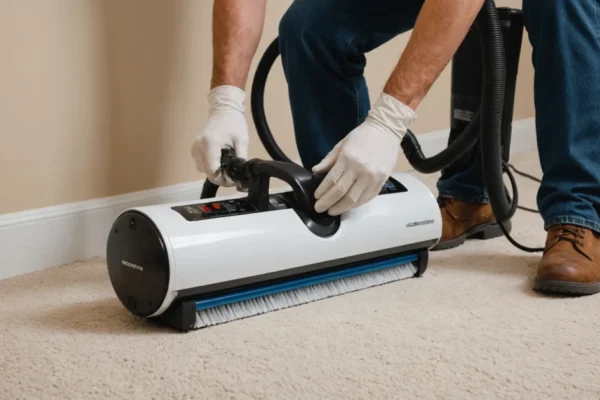
Dust accumulation creates significant fire hazards by insulating heating elements and reducing heat dissipation. Monthly cleaning prevents dangerous buildup while maintaining heating efficiency. Turn off power at the circuit breaker before beginning any cleaning procedures.
Use a vacuum cleaner with brush attachment to remove dust from fins and internal components. Compressed air effectively clears stubborn debris from hard-to-reach areas. However, avoid using water or liquid cleaners on electrical components, as moisture creates additional safety risks.
Pet hair and lint require special attention since these materials ignite easily at lower temperatures. Furthermore, cooking grease can migrate through air circulation and coat heater surfaces, creating fire hazards. Professional cleaning techniques ensure thorough debris removal without damaging sensitive components.
Items Never to Place Near Baseboard Heaters
Certain household items pose extreme fire risks when placed near baseboard heating units. Paper products, including newspapers and magazines, should never remain within the clearance zone. Clothing items, especially synthetic fabrics, can ignite rapidly when exposed to concentrated heat.
- Aerosol cans and cleaning products
- Electrical cords and extension cables
- Cardboard boxes and storage containers
- Decorative plants and dried flowers
- Children’s toys and plastic items
- Blankets, pillows, and bedding materials
Moreover, flammable liquids like paint thinners or alcohol-based products should never be stored near heating elements. These substances can vaporize and create explosive conditions when exposed to heat sources. Even seemingly harmless items like wooden furniture can char and eventually ignite with prolonged heat exposure.
Thermostat Settings and Temperature Control Best Practices
Optimal thermostat settings balance comfort with safety while preventing system overheating. Set temperatures between 68-72°F during occupied hours to maintain efficiency without stressing heating elements. Programmable thermostats reduce fire risks by preventing accidental overheating when homes are unoccupied.
Avoid setting temperatures above 75°F, as higher settings force heaters to operate continuously at maximum capacity. This prolonged high-temperature operation increases component wear and fire risk. Similarly, rapid temperature changes stress electrical connections and can cause arcing.
Zone heating allows precise temperature control while reducing overall system load. Individual room thermostats prevent overheating in specific areas while maintaining comfort throughout the home. Smart thermostats provide remote monitoring capabilities that alert homeowners to potential overheating conditions.
Professional Inspection and Maintenance Schedules
Annual professional inspections identify potential fire hazards before they become dangerous. Qualified technicians examine electrical connections, heating elements, and safety controls for signs of wear or damage. These inspections typically cost $150-300 but prevent costly fire damage and ensure safe operation.
Professional maintenance includes testing temperature sensors, cleaning internal components, and verifying proper electrical grounding. Technicians also check for proper ventilation and clearance compliance throughout the heating system. National Fire Protection Association guidelines recommend annual heating system inspections for optimal safety.
Additionally, immediate professional attention is required when heaters produce unusual odors, strange noises, or visible sparks. These symptoms indicate potential electrical problems that could lead to fires. Early intervention prevents minor issues from developing into major safety hazards that threaten property and lives.
Installation and Maintenance for Fire Safety
Professional installation ensures baseboard heaters operate safely and comply with electrical codes. Licensed electricians must install these heating systems according to National Electrical Code (NEC) standards and local building requirements. Proper installation prevents electrical fires that can result from inadequate wiring or incorrect connections.
Professional Installation Requirements and Electrical Codes
Electrical permits are required for baseboard heater installations in most jurisdictions. Furthermore, installations must meet specific code requirements including proper circuit sizing, GFCI protection where required, and adequate electrical panel capacity. Licensed electricians understand these requirements and ensure installations pass inspection.
Additionally, professional installers verify that wall construction can safely support heater mounting. They also ensure proper clearances from combustible materials and verify adequate ventilation around heating elements. These installation standards significantly reduce fire risks associated with improper mounting or inadequate clearances.
Proper Wiring and Circuit Protection
Dedicated circuits prevent electrical overloading that commonly causes baseboard heater fires. Each heater requires proper wire sizing based on its electrical load, typically using 12-gauge wire for 20-amp circuits or 10-gauge for 30-amp circuits. Undersized wiring creates dangerous heat buildup that can ignite surrounding materials.
Moreover, proper circuit breakers provide essential overcurrent protection for heating systems. Breakers must match the heater’s electrical requirements exactly – oversized breakers fail to protect against dangerous overloads. Professional installation ensures correct breaker sizing and proper electrical connections that prevent arcing and overheating.
Regular Maintenance Tasks Homeowners Can Perform
- Monthly cleaning removes dust and debris that can ignite when heated
- Visual inspection of electrical connections for signs of burning or corrosion
- Testing thermostats for proper temperature control and cycling
- Checking clearances around heaters remain unobstructed
- Monitoring for unusual odors, sounds, or visible damage
Regular cleaning of baseboard heaters prevents dust accumulation that creates fire hazards. Homeowners should turn off power before cleaning and use vacuum attachments to remove debris from heating elements. Clean heaters operate more efficiently and pose significantly lower fire risks than neglected units.
When to Call Professionals for Inspection or Repair
Annual professional inspections identify potential problems before they become fire hazards. Qualified technicians possess specialized tools and knowledge to detect issues that homeowners might miss. These inspections typically cost $150-300 but prevent thousands in potential fire damage.
Professional service becomes necessary when heaters fail to maintain consistent temperatures or cycle improperly. Additionally, any electrical work including thermostat replacement, wiring repairs, or heating element replacement requires licensed electrician expertise. Attempting DIY electrical repairs on heating systems creates serious fire and electrocution risks.
Signs of Potential Problems Requiring Immediate Attention
Immediate Fire Hazard Warning Signs
Burning smells indicate overheating components or accumulated debris igniting on heating elements. Similarly, unusual clicking, buzzing, or crackling sounds suggest electrical problems that require immediate professional attention. These warning signs often precede electrical fires by days or weeks.
Furthermore, discolored wall areas around heaters indicate excessive heat that damages surrounding materials. Flickering lights when heaters cycle on suggest electrical overloading that creates fire risks. Homeowners should immediately shut off power to problematic heaters and contact qualified technicians for emergency repairs.
Visible damage including cracked heating elements, loose electrical connections, or damaged thermostats also requires immediate professional attention. These conditions can rapidly deteriorate into dangerous situations that threaten property and occupant safety. Early intervention prevents minor maintenance issues from becoming major fire hazards.
Safety Around Children and Pets
Baseboard heaters present unique safety challenges when children and pets share living spaces. However, these heating systems can operate safely around vulnerable family members with proper precautions and protective measures. Understanding specific risks helps parents and pet owners create secure environments while maintaining effective home heating.
Baseboard Heater Safety for Babies and Young Children
Young children face burn risks from baseboard heater surfaces that reach temperatures between 150-180°F during operation. Curious toddlers naturally explore by touching objects, making hot heating elements particularly dangerous. Moreover, children’s thinner skin burns more quickly than adult skin, requiring only brief contact to cause serious injury.
Crawling babies encounter additional hazards when baseboard heaters sit at floor level. Furthermore, small toys or clothing items dropped near heaters can ignite, creating fire risks in nurseries and playrooms. Parents must recognize that children under age 5 cannot understand heating safety concepts or remember safety rules consistently.
Supervision becomes critical during heating season when baseboard units operate frequently. Additionally, establishing physical barriers prevents accidental contact while allowing proper heat circulation. Teaching older children about “hot surfaces” helps develop safety awareness, though physical protection remains essential for younger family members.
Protective Covers and Safety Accessories
Baseboard heater covers provide essential protection without compromising heating efficiency when properly designed. Quality safety covers feature ventilation slots that allow air circulation while preventing direct contact with heating elements. These protective barriers typically cost $30-80 per linear foot but prevent serious burn injuries.
Metal safety covers offer superior durability compared to plastic alternatives that may warp under heat exposure. Similarly, covers with rounded edges eliminate sharp corners that could cause injury during play. Professional installation ensures proper clearance and ventilation while maintaining manufacturer safety standards.
- Mesh safety covers – Allow maximum airflow while preventing contact
- Solid panel covers – Provide complete barrier protection with ventilation slots
- Decorative covers – Combine safety with aesthetic appeal
- Removable covers – Enable easy cleaning and maintenance access
Installation requires careful measurement to ensure covers don’t restrict airflow or create overheating conditions. Additionally, covers must remain securely fastened to prevent children from removing protective barriers. Professional baby-proofing services can recommend appropriate cover styles for specific heater models and room configurations.
Teaching Children About Heater Safety
Age-appropriate safety education helps children understand heating hazards without creating unnecessary fear. Children ages 3-5 can learn simple rules like “don’t touch the heater” when reinforced consistently. However, physical protection remains more reliable than verbal instructions for preventing accidents.
Visual cues help young children identify dangerous areas around heating equipment. For instance, colorful tape or stickers placed around heaters create clear boundaries that children can recognize. Similarly, establishing “safe zones” for play activities keeps children away from heating equipment during operation.
Children learn safety rules through repetition and positive reinforcement rather than fear-based warnings.
Older children can understand more complex safety concepts including fire prevention and emergency procedures. Teaching children to report unusual smells, sounds, or visible problems helps identify potential hazards early. Additionally, involving children in seasonal maintenance routines builds awareness while emphasizing safety importance.
Pet Safety Considerations and Protective Measures
Pets face similar burn risks from baseboard heaters, particularly when seeking warm sleeping spots during cold weather. Cats naturally gravitate toward heat sources and may sleep against heating elements, risking fur singeing or skin burns. Dogs also seek warmth but typically maintain safer distances from uncomfortable heat levels.
Pet hair and dander accumulation on heating elements creates fire hazards that require regular cleaning attention. Furthermore, curious pets may chew electrical cords or knock objects onto heaters, creating dangerous situations. Pet owners must consider animal behavior patterns when implementing heating safety measures.
Pet Safety Alert
Protective covers designed for pet households often feature smaller mesh openings that prevent paws from reaching heating elements. Additionally, securing loose cords and removing nearby combustible materials protects both pets and property. Regular grooming reduces hair accumulation while maintaining pet comfort around heating equipment.
Creating alternative warm spaces for pets reduces their attraction to baseboard heaters. For example, heated pet beds or designated sunny spots provide safe warmth without exposure to heating equipment. This approach satisfies pets’ comfort needs while minimizing safety risks throughout heating season.
When to Leave Baseboard Heaters On vs. Off
Determining when to operate baseboard heaters safely requires balancing energy efficiency with fire prevention measures. While these heating systems offer reliable warmth, improper usage patterns can increase fire risks and energy costs. Understanding optimal operating schedules protects both property and occupants.
Safety of Leaving Heaters On When Away From Home
Leaving electric baseboard heaters unattended creates potential fire hazards that homeowners must carefully evaluate. However, many heating professionals consider properly maintained units safe for extended operation when necessary precautions are implemented. The key lies in ensuring adequate clearances and eliminating combustible materials near heating elements.
Before departing for extended periods, homeowners should inspect heater surroundings for accumulated dust, debris, or flammable objects. Additionally, checking electrical connections prevents loose wiring from creating sparks or overheating conditions. These preventive measures significantly reduce fire risks during unattended operation.
Hot water baseboard systems generally present lower fire risks than electric units since they operate at lower surface temperatures. Nevertheless, even hydronic systems require proper maintenance and clearance verification before extended unattended operation. Boiler malfunctions or pipe leaks can create safety hazards regardless of heater type.
Overnight Operation Safety Guidelines
Overnight baseboard heater operation follows different safety protocols than daytime usage patterns. Most heating experts consider overnight operation acceptable when units maintain proper clearances and receive regular maintenance attention. However, bedroom heaters require special consideration due to sleeping occupants’ reduced awareness.
- Maintain 36-inch clearance from beds, curtains, and clothing
- Install working smoke detectors in heated bedrooms
- Keep bedroom doors slightly open for air circulation
- Avoid placing items on or near heating elements before sleep
Temperature settings during overnight operation should prioritize safety over maximum warmth. Furthermore, using programmable thermostats prevents overheating while maintaining comfortable sleeping temperatures. This approach balances comfort needs with fire prevention requirements.
Children’s bedrooms require additional safety measures during overnight heating operation. Parents should ensure proper childproofing measures remain in place and verify that toys or bedding cannot contact heating surfaces. Regular safety discussions reinforce proper behavior around heating equipment.
Energy Efficiency vs. Safety Considerations
Balancing energy costs with safety requirements creates complex decisions for baseboard heater users. Constant operation maintains steady temperatures but increases electricity consumption and potential wear on heating elements. Conversely, frequent cycling may reduce efficiency while potentially stressing electrical components.
Most energy experts recommend maintaining moderate, consistent temperatures rather than dramatic heating cycles. This approach reduces energy waste while minimizing thermal stress on heating elements that could lead to premature failure. Steady operation also prevents rapid temperature fluctuations that may affect occupant comfort.
Safety considerations should always override energy savings when conflicts arise between efficiency and fire prevention. For instance, operating heaters with inadequate clearances to save space creates unacceptable fire risks regardless of energy benefits. Proper installation and maintenance costs less than fire damage restoration.
Thermostat Programming for Safe, Efficient Operation
Programmable thermostats offer optimal solutions for balancing safety with energy efficiency in baseboard heating systems. These devices automatically adjust temperatures based on occupancy patterns while preventing dangerous overheating conditions. Smart programming eliminates human error that could create unsafe operating conditions.
| Time Period | Recommended Setting | Safety Benefit |
|---|---|---|
| Away (8+ hours) | 60-65°F | Reduces fire risk, saves energy |
| Overnight | 65-68°F | Maintains comfort, prevents overheating |
| Occupied periods | 68-72°F | Optimal comfort with safe operation |
Advanced thermostat features include safety shutoffs that prevent operation above preset temperature limits. Additionally, some models offer remote monitoring capabilities that alert homeowners to unusual heating patterns or potential malfunctions. These technological advances enhance both safety and convenience for modern households.
Regular thermostat calibration ensures accurate temperature control that prevents both energy waste and safety hazards. Moreover, professional installation guarantees proper wiring connections that eliminate electrical fire risks. Investing in quality temperature control equipment pays dividends through improved safety and efficiency over time.
Warning Signs and Emergency Response
Recognizing warning signs early prevents baseboard heater fires from developing into catastrophic emergencies. Visual indicators provide the first line of defense against potential hazards. Homeowners must learn to identify these critical warning signals before dangerous conditions escalate.
Visual Signs of Overheating and Electrical Problems
Discoloration around baseboard heaters signals dangerous overheating conditions that require immediate attention. Brown or black marks on walls indicate excessive heat exposure that damages surrounding materials. Furthermore, these visual changes often precede actual fire ignition in nearby combustible materials.
Scorch marks on heating elements reveal internal component failures that create fire hazards. Additionally, warped or melted heater covers demonstrate temperatures exceeding safe operating limits. Cracked electrical connections show visible sparking damage that increases ignition risks significantly.
Flickering lights when heaters activate indicate electrical overload conditions that stress home wiring systems. Moreover, loose outlet connections create dangerous arcing situations that generate intense heat. These electrical warning signs demand professional inspection before continued heater operation.
Unusual Smells and Sounds Indicating Problems
Burning odors from baseboard heaters signal immediate fire dangers requiring emergency response. Plastic smells indicate overheating components that approach melting temperatures. Similarly, metallic burning odors suggest electrical arcing that creates ignition sources for nearby materials.
Unusual clicking, popping, or crackling sounds reveal electrical arcing within heater components. These audible warnings often precede visible sparking that ignites surrounding dust or debris. Continuous buzzing noises indicate loose electrical connections that generate dangerous heat buildup.
Hot water baseboard systems produce distinct warning sounds when circulation pumps fail or pipes develop leaks. Gurgling or hissing noises suggest system malfunctions that create overheating conditions. These acoustic indicators help homeowners identify problems before they escalate into fire emergencies.
Emergency Response Procedures
Immediate action upon detecting warning signs prevents baseboard heater fires from spreading throughout homes. First, homeowners should shut off power to affected heaters at the circuit breaker panel. This emergency disconnection eliminates electrical energy that fuels ongoing fire conditions.
- Turn off the circuit breaker controlling the problematic heater immediately
- Remove combustible materials from the area around the heater
- Ventilate the room to clear smoke or fumes safely
- Monitor the situation for continued heating or visible flames
- Contact emergency services if fire or smoke persists
Never attempt to repair electrical components during emergency situations. Instead, focus on containment and evacuation if conditions worsen rapidly. Professional electricians should handle all diagnostic work after emergency conditions stabilize.
When to Evacuate and Call Emergency Services
Visible flames or persistent smoke from baseboard heaters require immediate evacuation and emergency service contact. These conditions indicate active fire situations that spread rapidly through home heating systems. Consequently, occupant safety takes priority over property protection efforts.
Call 911 immediately when electrical arcing produces visible sparks or when burning odors intensify despite power disconnection. Additionally, contact emergency services if multiple heaters show simultaneous warning signs throughout the home. These scenarios suggest systemic electrical problems that create widespread fire risks.
Emergency Evacuation Triggers
Professional fire departments possess specialized equipment for safely handling electrical fires in heating systems. Moreover, their rapid response prevents small heater fires from spreading to structural components. Early emergency service contact significantly reduces property damage and ensures occupant safety during baseboard heater emergencies.
Document all warning signs and emergency responses for insurance claims and future prevention efforts. Furthermore, proper maintenance after emergency situations helps prevent recurring fire hazards. Professional inspection following any emergency ensures safe system operation before resuming normal heating activities.
Frequently Asked Questions
How likely are baseboard heaters to catch fire?
Baseboard heaters have a relatively low fire risk when properly installed and maintained. Most fire incidents occur due to blocked air circulation, electrical malfunctions, or combustible materials placed too close to the heating elements. Following manufacturer guidelines and maintaining proper clearances significantly reduces fire probability.
Is it safe to leave baseboard heaters on overnight?
Yes, it’s generally safe to leave baseboard heaters on overnight when they’re properly installed and maintained. However, ensure adequate clearances around the units, remove any combustible materials nearby, and check that the heating system is functioning normally before going to sleep.
Can you leave baseboard heaters on when not home?
You can leave baseboard heaters on when away from home, but it’s recommended to lower the temperature setting for energy efficiency and safety. Ensure proper clearances are maintained, no items are placed near the heaters, and the system has been recently inspected for any issues.
Are electric baseboard heaters more dangerous than hot water systems?
Electric baseboard heaters pose slightly higher fire risks than hot water systems due to their electrical components and higher surface temperatures (150-200°F vs 120-180°F). However, both systems are safe when properly installed, maintained, and used according to manufacturer guidelines.
How hot do baseboard heaters get?
Electric baseboard heaters typically reach temperatures between 150-200°F, while hot water baseboard heaters operate at lower temperatures around 120-180°F. These temperatures are hot enough to cause burns or ignite combustible materials placed too close to the units.
Are baseboard heaters safe for babies and children?
Baseboard heaters can be safe around babies and children with proper precautions. Install baseboard heater covers to prevent direct contact with hot surfaces, maintain proper clearances, and supervise young children around heating units. Consider the lower operating temperatures of hot water systems for added safety.
What are the main causes of baseboard heater fires?
The three primary causes of baseboard heater fires include:
- Blocked air circulation from dust, debris, or furniture placement
- Electrical malfunctions such as damaged wiring or loose connections
- Combustible materials placed too close to heating elements
What clearance is required around baseboard heaters?
Maintain at least 6-12 inches of clearance in front of baseboard heaters and avoid placing furniture, curtains, or other combustible materials directly against or above the units. Check your specific manufacturer’s guidelines for exact clearance requirements, as they may vary by model.
How often should baseboard heaters be cleaned and maintained?
Clean baseboard heaters monthly during heating season to remove dust and debris that can block air circulation. Perform annual professional inspections to check electrical connections, wiring condition, and overall system performance. Regular maintenance significantly reduces fire risk.
What are warning signs that a baseboard heater might be dangerous?
Watch for these warning signs that indicate potential fire hazards:
- Unusual burning smells or electrical odors
- Excessive heat or overheating beyond normal operating temperatures
- Electrical problems such as flickering lights or tripped breakers
- Visible damage to wiring, heating elements, or housing
- Strange noises like crackling or popping sounds
Are baseboard heaters safer than space heaters?
Baseboard heaters are generally safer than portable space heaters because they’re permanently installed, have built-in safety features, and don’t have exposed heating elements or tip-over risks. However, both require proper use and maintenance to prevent fire hazards.
Should baseboard heaters be covered for safety?
Baseboard heater covers can improve safety by preventing direct contact with hot surfaces, especially in homes with children or pets. However, ensure covers don’t block air circulation and are designed specifically for your heater model to maintain proper ventilation and prevent overheating.
What should you never do with baseboard heaters?
Never place furniture, curtains, or clothing directly against baseboard heaters. Don’t use them to dry clothes, block air vents, or ignore maintenance needs. Avoid DIY electrical work and never modify the units without professional consultation. These practices significantly increase fire risk.
You May Also Like
How to Baby Proof Baseboard Heaters: Complete Safety Guide
How to Make Baseboard Heaters More Efficient: 9 Proven Tips