How to Baby Proof Baseboard Heaters: Complete Safety Guide

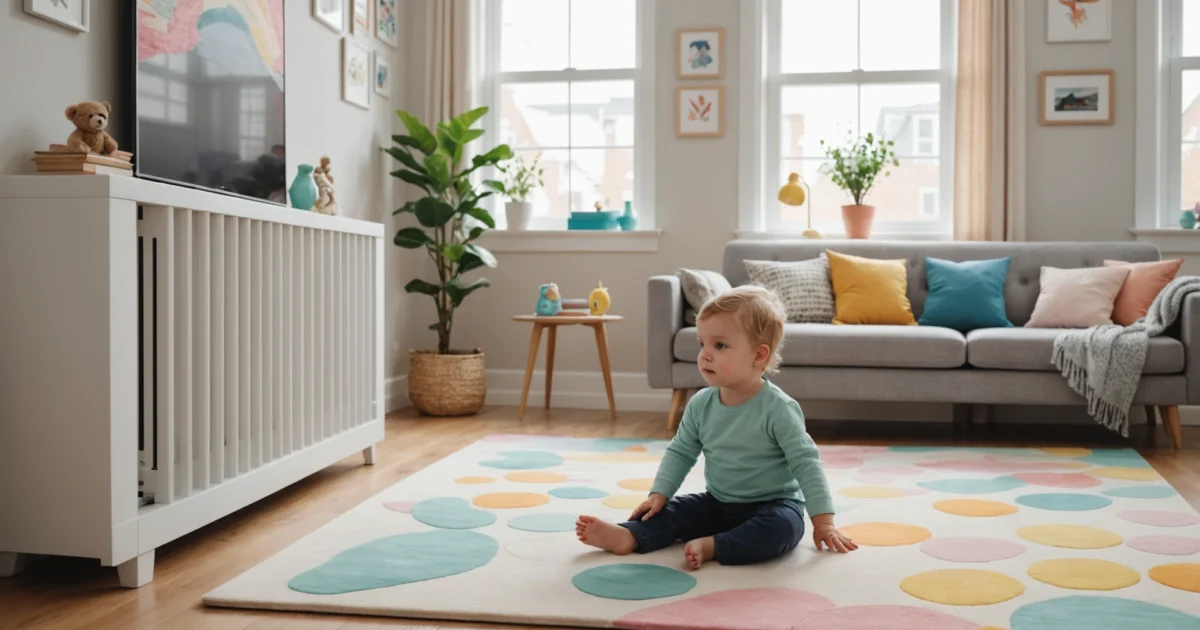
How to baby proof baseboard heaters involves installing protective covers, maintaining safe distances, and using barriers to prevent burns from hot surfaces that can reach 150-180°F. Moreover, baseboard heaters pose serious safety risks for crawling babies and toddlers who naturally explore by touch. Additionally, proper baby proofing requires understanding heater types, selecting appropriate covers, and ensuring adequate ventilation for safe operation.
Electric and hot water baseboard heaters create burn hazards through exposed heating elements and metal surfaces. Furthermore, babies aged 6-18 months face the highest risk as they begin crawling and pulling themselves up on furniture. Regular heater maintenance also plays a crucial role in preventing safety issues.
Effective solutions range from commercial heater covers to DIY barriers and furniture placement strategies. However, each method must balance child safety with heating efficiency and proper airflow requirements.
TL;DR
- Install protective covers or guards to block access to hot baseboard heater surfaces that reach 150-180°F
- Maintain 3-foot minimum distance between cribs, play areas, and baseboard heaters for optimal safety
- Choose appropriate solutions including commercial covers, DIY barriers, or furniture placement based on heater type and room layout
- Ensure proper ventilation when installing covers to maintain heating efficiency and prevent overheating
Understanding Baseboard Heater Safety Risks for Babies and Toddlers
Baseboard heaters create significant burn hazards for young children through their exposed heating elements and metal surfaces. Electric baseboard heaters typically operate at surface temperatures between 150-180°F (65-82°C), while hot water baseboard units can reach 140-160°F (60-71°C). These temperatures cause severe burns within seconds of contact, making immediate baby proofing essential for households with crawling infants.
The heating elements in electric models pose the greatest danger, as they glow red-hot during operation and remain scalding for extended periods after shutdown. Meanwhile, hot water baseboard heaters distribute heat through metal fins and pipes that maintain dangerous temperatures throughout the heating cycle. Both types feature sharp edges and corners that compound injury risks for curious toddlers.
Temperature Ranges and Burn Severity
| Heater Type | Surface Temperature | Burn Time | Injury Severity |
|---|---|---|---|
| Electric Baseboard | 150-180°F | 1-2 seconds | Second-degree burns |
| Hot Water Baseboard | 140-160°F | 2-3 seconds | First to second-degree |
| Steam Radiators | 180-220°F | Instant | Third-degree burns |
Common burn injuries from unprotected heating elements include palm and finger burns from grabbing hot surfaces, forearm burns from leaning against units, and facial burns from falling into heaters. Additionally, clothing can ignite when pressed against extremely hot elements, creating fire hazards beyond direct contact burns.
Age-Specific Safety Risks
Crawling babies aged 6-12 months face the highest baseboard heater risks as they explore environments through touch and lack understanding of heat dangers. These infants naturally grab objects for support while learning to pull themselves upright, making baseboard heaters attractive targets for small hands. Furthermore, their lower height positions them directly at heater level during floor exploration.
Walking toddlers aged 12-24 months encounter different but equally serious hazards from baseboard heating systems. Their increased mobility allows access to previously unreachable heaters, while their developing coordination leads to frequent falls and collisions. Moreover, toddlers often use furniture and walls for balance, increasing contact opportunities with heating units.
Critical Safety Window
Preschoolers aged 2-4 years present unique challenges as they understand basic safety concepts but lack impulse control. They may deliberately touch heaters out of curiosity or accidentally contact them during active play. However, their improved communication skills allow for safety education and rule-following that younger children cannot comprehend.
Why Standard Heaters Create Hazards
Standard baseboard heaters lack built-in safety features for child protection, as manufacturers design them primarily for adult-supervised environments. The heating elements sit exposed at floor level, exactly where crawling babies and toddlers spend most of their time. Additionally, the long horizontal design creates extensive burn zones that are difficult to avoid in smaller rooms.
Most baseboard units feature sharp metal edges and protruding components that pose cutting and bruising risks beyond burn dangers. The convection design requires open airflow around the unit, preventing simple blocking solutions that might work with other appliances. Furthermore, the permanent installation makes relocation impossible, requiring in-place safety modifications.
- Exposed heating elements at child height
- Lack of automatic shut-off when touched
- Sharp metal fins and edges
- No built-in temperature limiters
- Extended heat retention after shutdown
Signs Requiring Immediate Baby Proofing
Several warning signs indicate urgent need for baseboard heater baby proofing before injuries occur. If your child shows interest in the heater by reaching toward it, touching nearby walls, or playing in the immediate area, immediate protection becomes critical. Similarly, any burns on furniture, walls, or toys near the heater demonstrate dangerous surface temperatures requiring prompt action.
Physical evidence of heater contact includes scorch marks on nearby objects, discolored wall paint, or melted plastic items. These signs reveal that surface temperatures exceed safe levels for child contact. Moreover, if you cannot comfortably hold your hand near the heater for more than a few seconds, the unit poses serious burn risks to children.
Children suffer burns at temperatures as low as 120°F with prolonged contact, making even “cooler” baseboard heaters dangerous
Behavioral indicators include your child gravitating toward the heater area, using the unit for support while standing, or showing fascination with the warm air flow. Additionally, if your heater lacks modern safety features like automatic shut-offs or temperature limiters, immediate baby proofing becomes essential regardless of your child’s current behavior patterns. Proper heater maintenance also helps identify safety issues before they become dangerous.
Types of Baseboard Heater Covers and Safety Solutions
Parents can choose from several baseboard heater cover types designed specifically for child safety and home protection. Commercial manufacturers produce specialized guards that address common baby proofing challenges while maintaining proper heating efficiency. Understanding different cover options helps families select the most effective solution for their specific heating systems and safety needs.
Commercial Baseboard Heater Covers and Guards
Commercial safety covers offer professionally designed protection with tested safety standards and installation guidelines. These products typically feature heat-resistant materials, proper ventilation systems, and child-resistant mounting hardware. Major retailers like Canadian Tire stock various models designed for different heater sizes and home configurations.
Professional-grade covers include features like rounded edges, secure mounting systems, and temperature-rated materials that withstand prolonged heat exposure. Additionally, many commercial options come with manufacturer warranties and installation instructions that ensure proper safety compliance. These covers often exceed basic DIY solutions in durability and long-term protection effectiveness.
Custom-Fit vs Universal Heater Cover Options
Custom-fit covers provide precise protection tailored to specific heater models and dimensions, ensuring optimal safety and heating performance. These solutions typically offer better ventilation control and more secure mounting compared to universal alternatives. However, custom options often cost more and require longer delivery times for specialized manufacturing.
Conversely, universal covers accommodate multiple heater sizes and brands through adjustable mounting systems and flexible dimensions. These options provide immediate availability and lower costs while still offering effective child protection. Universal designs work well for standard baseboard heaters but may require additional modifications for unusual installations or oversized units.
Materials Comparison: Metal, Plastic, and Wood Covers
| Material | Heat Resistance | Durability | Cost Range | Installation |
|---|---|---|---|---|
| Metal (Steel/Aluminum) | Excellent (up to 400°F) | High | $50-150 | Moderate |
| Heat-Resistant Plastic | Good (up to 200°F) | Medium | $25-75 | Easy |
| Treated Wood | Fair (up to 150°F) | Medium | $40-120 | Complex |
Metal covers provide superior heat resistance and long-term durability but require careful installation to prevent sharp edges. Steel and aluminum options resist warping under high temperatures while maintaining structural integrity over years of use. These materials also offer excellent ventilation properties when properly designed with adequate airflow channels.
Meanwhile, heat-resistant plastic covers offer lightweight installation and smooth surfaces that reduce injury risks from impact. Modern plastic formulations withstand moderate heating temperatures while providing easy cleaning and maintenance. However, plastic options may discolor over time and require replacement sooner than metal alternatives.
Wood covers blend naturally with home décor while providing effective child protection when properly treated with heat-resistant finishes. Hardwood options like oak or maple offer good durability, though they require regular maintenance and careful temperature monitoring. Wood covers work best with lower-temperature heating systems and require professional installation for optimal safety.
Ventilation Requirements for Safe Cover Installation
Proper ventilation design ensures covers maintain heating efficiency while providing child protection without creating fire hazards. Covers must allow adequate airflow around heating elements to prevent overheating and maintain manufacturer warranty compliance. Efficient heater operation depends on unrestricted air circulation through intake and exhaust areas.
Minimum clearance requirements typically specify 6 inches above heaters and 3 inches on sides for proper air circulation. Covers should include ventilation slots or mesh panels that allow heated air to rise naturally while preventing small fingers from reaching heating elements. Furthermore, covers must never block manufacturer-specified clearance zones around electrical connections or control mechanisms.
Critical Ventilation Rule
Cost Comparison of Different Safety Solutions
Budget-friendly DIY solutions range from $15-40 per heater using basic materials like wire mesh guards or wooden frames. These options provide immediate protection but may lack professional safety testing and long-term durability. DIY approaches work well for temporary solutions or families with limited budgets seeking basic child protection.
In contrast, commercial safety covers cost $50-200 per unit but offer tested safety standards, warranties, and professional installation support. Mid-range options provide excellent value through proven materials and designs that last for years. Premium solutions include advanced features like magnetic closures, decorative finishes, and integrated temperature monitoring systems.
Professional installation services add $75-150 per heater but ensure proper safety compliance and manufacturer warranty protection. Installation costs vary based on heater accessibility, electrical work requirements, and local labor rates. However, professional installation often pays for itself through improved safety, warranty protection, and reduced long-term maintenance needs.
DIY Baseboard Heater Cover Installation Guide
Installing DIY baseboard heater covers provides an effective way to baby-proof your heating system while maintaining proper heat distribution. Most homeowners can complete this project in 2-4 hours using basic tools and materials available at hardware stores. The installation process varies depending on your heater type, but the fundamental principles remain consistent across electric and hydronic systems.
Essential Tools and Materials for Installation
Successful installation requires specific tools and materials to ensure both safety and functionality. Basic tools include a drill with metal bits, measuring tape, level, screwdriver set, and safety glasses. Additionally, you’ll need a hacksaw or reciprocating saw for cutting materials to proper dimensions.
- Materials needed: Perforated metal sheets or wooden slats, mounting brackets, heat-resistant screws, and ventilation grilles
- Safety equipment: Work gloves, eye protection, and dust masks for cutting operations
- Measuring tools: Ruler, pencil, and stud finder for wall mounting points
- Finishing supplies: Sandpaper, primer, and heat-resistant paint if desired
Material selection significantly impacts both performance and longevity. Perforated metal provides excellent durability and heat resistance, while wooden covers offer aesthetic appeal but require proper ventilation design. Furthermore, all materials must withstand temperatures up to 180°F without warping or releasing harmful chemicals.
Step-by-Step Installation Process
Begin installation by turning off power to electric heaters or shutting off water valves for hydronic systems. Safety preparation prevents accidental burns and ensures safe working conditions throughout the project. Allow heaters to cool completely before starting any work, typically waiting 30-60 minutes after shutdown.
- Measure heater dimensions including length, height, and depth clearances
- Mark mounting points on walls using a level to ensure straight installation
- Cut cover materials to size, leaving 2-3 inches clearance on all sides
- Drill pilot holes for mounting brackets at marked locations
- Install brackets securely into wall studs or use appropriate anchors
- Test-fit covers before final installation to verify proper clearances
Electric heater installations require special attention to electrical components and control panels. Control access must remain unobstructed for thermostat adjustments and maintenance procedures. Therefore, design covers with removable panels or hinged sections that provide easy access to controls while maintaining child safety.
Hydronic heater covers need accommodation for pipe connections and bleed valves. Pipe clearances prevent thermal expansion issues and allow for routine maintenance access. Additionally, covers should include removable sections near valve locations for annual system bleeding and repairs.
Measuring and Cutting for Proper Fit
Accurate measurements ensure optimal performance and safety compliance. Measurement precision affects both heat distribution and installation success, requiring careful attention to manufacturer specifications. Start by recording heater length, height, and projection from the wall, then add required clearances for proper airflow.
Cutting techniques vary based on material selection and available tools. Metal cutting requires steady pressure and appropriate blade selection to prevent rough edges that could cause injury. Meanwhile, wooden materials need clean cuts to prevent splintering and ensure professional appearance.
Critical Clearance Requirements
Professional fitting techniques prevent common installation problems. Test fitting before final installation identifies potential issues and allows for adjustments without damaging materials. Moreover, proper fitting ensures covers remain secure during daily use while providing easy removal for maintenance access.
Ensuring Adequate Airflow and Heat Distribution
Ventilation design directly impacts heating efficiency and safety performance. Airflow patterns must follow natural convection principles, allowing cool air intake at the bottom and heated air exit at the top. Consequently, covers require strategically placed openings that facilitate proper air circulation without compromising child safety.
Bottom intake areas need sufficient opening size to prevent air restriction. Intake calculations suggest minimum opening areas equal to 75% of the heater’s front surface area. This ensures adequate air supply for efficient heat transfer and prevents overheating conditions that could damage heating elements.
Top exhaust openings must accommodate rising heated air without creating turbulence. Exhaust design should include angled louvers or grilles that direct airflow away from walls and furniture. Additionally, proper exhaust sizing prevents heat buildup inside covers that could create fire hazards or reduce heating efficiency.
Heat distribution testing verifies installation success and identifies potential problems. Temperature monitoring during initial operation confirms proper airflow and prevents overheating conditions. Use an infrared thermometer to check surface temperatures and ensure covers remain within safe operating ranges during normal use.
Safety Considerations During Installation
Electrical safety requires careful attention to power shutdown and component protection. Power verification using a multimeter confirms complete electrical disconnection before beginning work. Never assume circuit breakers provide complete protection, as faulty wiring or multiple circuits could maintain dangerous voltage levels.
Material safety involves proper handling of cutting tools and metal edges. Sharp edge protection prevents cuts during installation and eliminates injury risks for children after completion. File or sand all cut edges smooth, and consider adding edge guards where children might contact cover surfaces.
Fire safety considerations include material selection and clearance maintenance. Fire-resistant materials prevent ignition from overheating conditions and comply with local building codes. Research shows that properly maintained heating systems operate more safely and efficiently when equipped with appropriate safety covers.
Installation quality affects long-term safety and performance. Secure mounting prevents covers from becoming loose or falling, which could create injury hazards or expose heating elements. Therefore, use appropriate fasteners rated for wall materials and expected loads, checking mounting security periodically during routine maintenance.
Pros
- Cost-effective safety solution for multiple heaters
- Customizable design fits specific room aesthetics
- Immediate protection during installation completion
- Skills development for future home projects
Cons
- Requires proper tools and safety equipment
- Time-intensive measurement and cutting process
- Potential warranty issues with improper installation
- Limited professional testing compared to commercial products
Alternative Baby Proofing Methods for Baseboard Heaters
When permanent covers aren’t feasible, several alternative approaches provide effective protection for curious toddlers around baseboard heating systems. These methods offer flexibility while maintaining safety standards and heating efficiency. Parents often combine multiple strategies to create comprehensive protection tailored to their specific room layouts and family needs.
Temporary Barriers and Safety Gates
Portable safety gates create effective barriers between children and heating units without permanent installation. Pressure-mounted gates work well in doorways leading to rooms with exposed heaters, while freestanding play yards can encircle individual heating units. However, ensure gates maintain proper clearance distances to prevent overheating and fire hazards.
Clear acrylic barriers offer another temporary solution that maintains visual appeal while blocking access. These transparent panels mount with removable brackets and allow heat circulation while preventing direct contact. Moreover, acrylic barriers resist heat damage better than plastic alternatives and clean easily with standard household products.
Heat-Resistant Padding and Cushioning Solutions
Heat-resistant foam padding provides cushioned protection when applied strategically around heater edges and corners. Specialized materials withstand temperatures up to 200°F without melting or releasing toxic fumes. Additionally, these padding solutions reduce injury severity if children do make contact with heating surfaces.
Silicone-based cushioning strips offer superior durability and temperature resistance compared to standard foam products. Furthermore, these strips maintain flexibility across temperature ranges and resist degradation from repeated heating cycles. Installation requires only adhesive backing, making removal simple when children outgrow the need for protection.
Furniture Placement Strategies for Heater Protection
Strategic furniture positioning creates natural barriers without compromising room functionality or heating efficiency. Low bookshelves, toy chests, or storage benches placed parallel to heaters block access while maintaining airflow requirements. Consequently, this approach integrates safety measures seamlessly into existing room designs.
Maintaining proper clearance distances remains critical when using furniture as barriers. Six-inch minimum clearances prevent overheating and ensure adequate air circulation around heating elements. Therefore, measure distances carefully and monitor furniture surfaces for excessive heat buildup during operation.
Clearance Warning
Portable Heater Alternatives for High-Risk Areas
Portable electric heaters with built-in safety features offer alternatives in rooms where baseboard protection proves challenging. Modern units include tip-over switches, overheating protection, and cool-touch surfaces that eliminate burn risks. Additionally, portable heaters can be positioned out of reach or removed entirely when children play in the area.
Radiant ceiling panels provide another alternative that eliminates floor-level heating hazards completely. These systems mount overhead and distribute heat evenly without creating accessible hot surfaces. However, installation requires professional electrical work and may not suit all room configurations or heating needs.
Room Layout Modifications for Enhanced Safety
Play area designation concentrates children’s activities in zones away from heating equipment. Creating defined spaces with area rugs, play mats, or soft seating naturally guides children toward safer areas while maintaining heating accessibility for adults. This strategy works particularly well in larger rooms with multiple activity zones.
Traffic flow modifications redirect movement patterns around heating units through strategic placement of toys, furniture, and activity centers. Children naturally gravitate toward engaging activities, making well-positioned play areas effective deterrents from heater exploration. Regular baseboard heater maintenance ensures these safety arrangements remain effective throughout heating seasons.
Combining multiple alternative methods often provides the most comprehensive protection while accommodating different room layouts and family lifestyles. Therefore, evaluate each approach based on your specific heating system configuration, room usage patterns, and children’s developmental stages to create the most effective safety strategy.
Safety Guidelines and Best Practices
Establishing comprehensive safety protocols protects children while maintaining effective heating throughout your home. Moreover, these guidelines ensure long-term equipment performance and prevent heating-related accidents that could result in serious injuries.
Minimum Safe Distances Between Cribs and Baseboard Heaters
Three feet minimum clearance between cribs and baseboard heating units prevents direct contact and reduces heat exposure risks. This distance allows adequate air circulation while keeping hot surfaces beyond infant reach. Additionally, positioning cribs perpendicular to heater walls rather than parallel creates natural barriers that discourage crawling toward heating equipment.
Wall-mounted cribs require extra consideration since they bring sleeping areas closer to potential heating sources. Therefore, measure distances from all crib edges to ensure no part extends within the three-foot safety zone. Furthermore, adjustable crib heights should account for maximum extension positions when calculating safe placement distances.
Critical Safety Note
Temperature Monitoring and Thermostat Settings
Optimal room temperatures range between 68-72°F for infant safety and comfort during sleep periods. Consequently, programmable thermostats help maintain consistent temperatures while preventing dangerous overheating that could affect children’s health. Digital models with precise temperature controls offer better regulation than older mechanical units.
Surface temperature monitoring becomes essential when children access areas near heating equipment. Baseboard heater surfaces can reach 150-180°F during operation, creating burn risks within seconds of contact. Therefore, infrared thermometers provide quick, non-contact temperature readings to verify safe surface conditions throughout heating cycles.
- Maximum safe surface temperature: 120°F for brief contact
- Recommended monitoring frequency: Weekly during peak heating season
- Alert temperature threshold: Above 140°F requires immediate attention
- Thermostat programming: Lower nighttime settings reduce overnight risks
Regular Maintenance and Safety Inspections
Monthly visual inspections identify potential safety hazards before they create dangerous conditions for children. Dust accumulation, loose covers, and damaged fins compromise both safety and heating efficiency. Subsequently, addressing these issues promptly prevents accidents while maintaining optimal system performance.
Professional cleaning procedures remove debris that could create fire hazards or reduce heat distribution effectiveness. Additionally, annual professional inspections verify electrical connections, thermostat calibration, and overall system integrity. These comprehensive evaluations detect problems that visual inspections might miss.
| Inspection Item | Frequency | Safety Focus |
|---|---|---|
| Visual damage check | Monthly | Sharp edges, loose parts |
| Dust and debris removal | Bi-weekly | Fire prevention |
| Temperature verification | Weekly | Overheating detection |
| Professional inspection | Annually | Complete system safety |
Emergency Procedures for Heating-Related Injuries
Immediate burn treatment requires swift action to minimize tissue damage and prevent infection. First, remove the child from the heat source and assess injury severity. Then, apply cool running water for 10-15 minutes to reduce skin temperature and limit burn progression.
Emergency contact protocols should include pediatrician information, poison control numbers, and local emergency services. Second-degree burns or larger affected areas require immediate medical attention regardless of apparent severity. Furthermore, document incident details including time, duration of contact, and initial treatment provided for medical professionals.
Emergency Action Steps
When to Consult HVAC Professionals for Modifications
Electrical system modifications require licensed professionals to ensure code compliance and safety standards. DIY electrical work on heating systems creates fire risks and may void insurance coverage. Therefore, contact qualified HVAC technicians for any wiring changes, thermostat upgrades, or system relocations.
Professional consultation becomes necessary when existing heating layouts cannot accommodate safe childproofing solutions. System redesign or alternative heating installation may provide better long-term safety than temporary protective measures. Additionally, professionals can evaluate whether current heating capacity meets safety requirements for modified room configurations.
Energy efficiency assessments help determine whether heating modifications will affect overall system performance and utility costs. Professional HVAC contractors provide detailed analyses of proposed changes, including safety improvements, energy impact, and installation requirements. This comprehensive approach ensures modifications enhance rather than compromise home heating effectiveness.
Maintaining Heating Efficiency with Safety Covers
Installing safety covers on baseboard heaters creates immediate childproofing benefits while potentially affecting your home’s heating performance. However, proper cover selection and installation maintain optimal heat distribution throughout your living spaces. Understanding how protective barriers interact with heating systems ensures you achieve both safety and efficiency goals.
How Covers Affect Heat Distribution and Energy Efficiency
Safety covers alter natural convection patterns that baseboard heaters rely on for effective heat distribution. Cold air enters through bottom vents, heats up inside the unit, then rises through top openings to warm your room. Consequently, covers must maintain these airflow patterns to preserve heating efficiency.
Well-designed protective covers feature strategically placed openings that mirror original heater ventilation. Additionally, covers with insufficient ventilation force heating systems to work harder, increasing energy consumption by 15-25% according to HVAC efficiency studies. Therefore, selecting covers with adequate airflow prevents unnecessary utility cost increases.
Efficiency Impact
Metal covers typically provide better heat conduction than plastic alternatives, allowing more efficient heat transfer to room air. Furthermore, covers positioned too close to heating elements create hot spots that reduce overall system efficiency. Maintaining proper clearance between covers and heating fins ensures optimal performance while protecting curious children.
Proper Ventilation Requirements for Covered Heaters
Adequate ventilation prevents overheating while maintaining effective heat distribution throughout your home. Bottom intake vents should provide at least 75% of the original opening area to ensure sufficient cold air circulation. Meanwhile, top exhaust vents require similar sizing to allow heated air to rise naturally without restriction.
- Minimum clearance: 2 inches between cover and heating elements
- Bottom vents: Must equal or exceed 75% of original intake area
- Top vents: Should maintain natural convection flow patterns
- Side clearance: 1 inch minimum for proper air circulation
Temperature monitoring helps verify that covers maintain safe operating conditions for both heating systems and surrounding materials. Overheated covers can warp, discolor, or emit odors that indicate inadequate ventilation. Therefore, regular temperature checks during initial weeks after installation ensure covers function properly without compromising safety or efficiency.
Cleaning and Maintenance of Heater Covers
Regular cleaning maintains both safety cover appearance and heating system performance throughout the heating season. Dust accumulation on covers reduces heat transfer efficiency while creating potential fire hazards near heating elements. Weekly dusting with microfiber cloths prevents buildup that could affect system operation.
Monthly deep cleaning involves removing covers completely to access both protective barriers and underlying heating units. Proper baseboard heater cleaning techniques ensure optimal performance while extending equipment lifespan. Additionally, inspecting cover mounting hardware during cleaning sessions identifies loose connections that could create safety hazards.
Seasonal maintenance includes checking cover integrity, ventilation openings, and mounting stability before peak heating demands. Spring inspections reveal damage from winter thermal cycling, while fall preparations ensure covers remain secure throughout upcoming heating seasons. Furthermore, replacing worn or damaged covers prevents safety compromises during cold weather periods.
Troubleshooting Common Issues with Covered Baseboard Heaters
Reduced heating performance often indicates ventilation problems with installed safety covers. Insufficient airflow causes heating systems to cycle more frequently while providing less effective room warming. Therefore, measuring temperature differences between covered and uncovered heating zones helps identify performance issues requiring attention.
| Problem | Likely Cause | Solution |
|---|---|---|
| Reduced heat output | Blocked ventilation | Enlarge vent openings |
| Unusual noises | Thermal expansion | Adjust clearances |
| Hot spots on covers | Inadequate clearance | Reposition covers |
| Frequent cycling | Restricted airflow | Improve ventilation |
Strange odors or discoloration indicate overheating conditions that require immediate attention. Plastic covers may emit chemical smells when exposed to excessive temperatures, while metal covers show heat damage through warping or paint changes. Immediate removal of damaged covers prevents potential safety hazards while allowing system assessment.
Thermostat adjustment may become necessary after installing safety covers due to altered heat distribution patterns. Systems with covers often require higher temperature settings to achieve desired room comfort levels. Consequently, monitoring energy usage helps determine whether cover modifications improve overall heating efficiency or increase operational costs.
Balancing Safety with Optimal Heating Performance
Achieving effective childproofing without sacrificing heating efficiency requires careful consideration of cover design and installation methods. Perforated metal covers provide excellent protection while maintaining superior heat transfer compared to solid barriers. Moreover, adjustable mounting systems allow fine-tuning of clearances for optimal performance.
Professional installation ensures covers meet both safety requirements and heating efficiency standards. HVAC technicians can evaluate existing systems, recommend appropriate cover types, and modify installations for optimal performance. Additionally, professional assessment identifies potential system upgrades that improve both safety and efficiency simultaneously.
Properly installed safety covers can maintain 95% of original heating efficiency while providing complete child protection.
Long-term monitoring helps optimize the balance between safety and performance over multiple heating seasons. Energy usage tracking reveals whether covers affect utility costs, while temperature monitoring ensures consistent comfort levels throughout your home. Furthermore, annual professional inspections verify that safety measures continue providing effective protection without compromising heating system operation.
Frequently Asked Questions
How to block baseboard radiator for infant?
Install protective covers or guards specifically designed for baseboard heaters. Commercial heater covers create a barrier between your infant and hot surfaces while maintaining proper airflow. You can also use furniture placement to block access, positioning couches or bookcases at least 3 feet away from the heater to create a natural barrier.
How to keep baby from touching the heater?
Use a combination of physical barriers and supervision. Install heater covers that completely enclose the unit, maintain safe distances of at least 3 feet between play areas and heaters, and consistently redirect your baby away from heating units. Baby gates can also create room sections that keep crawling infants away from dangerous heating elements.
Can you put a crib near a baseboard heater?
No, cribs should never be placed near baseboard heaters. Maintain a minimum 3-foot distance between cribs and any heating unit to prevent burns and ensure safe sleep environments. Baseboard heaters reach temperatures of 150-180°F and can cause severe burns within seconds of contact.
How to babyproof baseboards?
Beyond heating units, babyproof regular baseboards by covering sharp corners with corner guards, securing loose trim pieces, and filling gaps where small objects could get stuck. For heated baseboards specifically, install protective covers and ensure all mounting hardware is secure and out of reach.
What temperature do baseboard heaters reach?
Electric baseboard heaters typically reach 150-180°F (65-82°C), while hot water baseboard units operate at 140-160°F (60-71°C). These temperatures cause severe burns within 1-3 seconds of contact, making immediate baby proofing essential for households with young children.
Are DIY baseboard heater covers safe?
DIY covers can be safe if properly designed with adequate ventilation and heat-resistant materials. Ensure your DIY solution doesn’t block airflow, uses non-flammable materials, and maintains proper clearances. However, commercial covers are often safer as they’re specifically tested for heating applications.
How much clearance do baseboard heaters need?
Baseboard heaters require minimum clearances for safe operation:
- 6 inches above the heater for proper airflow
- 3 feet in front for furniture and play areas
- 1 inch on each side for air circulation
- No obstructions directly above heating elements
What age should you baby proof baseboard heaters?
Begin baby proofing before your child starts crawling, typically around 6 months of age. Babies aged 6-18 months face the highest risk as they explore through touch and lack understanding of heat dangers. Install protective measures early to prevent accidents as mobility develops.
Do baseboard heater covers reduce heating efficiency?
Properly designed covers have minimal impact on heating efficiency when they maintain adequate airflow. Look for covers with ventilation slots or mesh panels that allow heat circulation while blocking direct access. Poorly designed covers that restrict airflow can reduce efficiency and create overheating risks.
Where can I buy baseboard heater covers in Canada?
Canadian retailers offering baseboard heater covers include Canadian Tire, Home Depot Canada, and Lowe’s Canada. Online options include Amazon.ca and specialty baby safety retailers. Look for covers that meet Canadian safety standards and are appropriate for your specific heater type and dimensions.
How to baby proof electric baseboard heaters specifically?
Electric baseboard heaters require complete enclosure covers due to their exposed heating elements that glow red-hot. Install covers that block access to electrical components, ensure proper ventilation for heat dissipation, and consider automatic shut-off features for added safety. Never use water-based cleaning methods near electric units.
What materials are safe for heater covers?
Safe heater cover materials include heat-resistant metals like steel or aluminum, tempered glass panels, and high-temperature plastics rated for heating applications. Avoid regular plastic, wood, or fabric materials that can melt, warp, or ignite. Powder-coated steel offers excellent durability and heat resistance for long-term use.
How often should I check baseboard heater safety measures?
Inspect safety measures monthly during heating season and before each winter. Check that covers remain securely mounted, ventilation isn’t blocked by dust or debris, and clearances are maintained. Professional maintenance should occur annually to ensure heating systems operate safely and efficiently.
Can furniture be used to baby proof baseboard heaters?
Furniture can provide temporary baby proofing when placed at least 3 feet from heaters, but shouldn’t be the only safety measure. Heavy furniture like bookcases or couches can block access, but ensure they’re properly secured to walls to prevent tipping hazards. Combine furniture placement with protective covers for comprehensive safety.
You May Also Like
Can Baseboard Heaters Cause Fires? Safety Facts & Prevention
How to Make Baseboard Heaters More Efficient: 9 Proven Tips