DIY Projects with License Plates: 25+ Creative Ideas

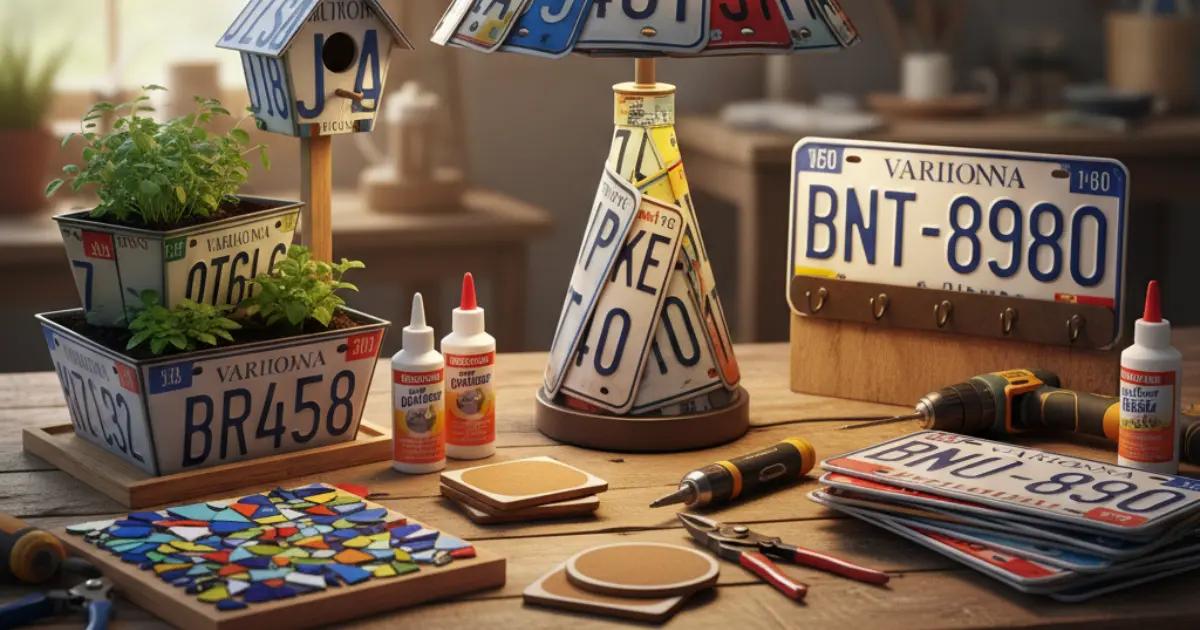
If you’re looking for a unique way to add character to your home, create memorable gifts, or simply enjoy a rewarding craft project, DIY license plate projects offer endless creative possibilities. These durable metal canvases—whether vintage finds or modern plates—can be transformed into stunning home decor, functional furniture pieces, garden art, and personalized gifts that showcase your creativity. License plates bring an authentic, nostalgic charm that’s hard to replicate with other materials, and the best part is that many of these projects require minimal tools and can be completed in a single afternoon. Whether you’re a seasoned crafter or just beginning your DIY journey, repurposing old license plates combines sustainability with style, turning what might otherwise be discarded into conversation-starting pieces that reflect your personality and craftsmanship.
Why License Plates Are Perfect for DIY Projects
License plates possess several qualities that make them ideal for crafting and license plate home decor. First, their inherent durability means they can withstand outdoor conditions, making them suitable for garden projects, mailbox covers, and exterior signage. The embossed lettering and numbers add dimensional texture that creates visual interest without any additional work on your part.
The variety of colors, designs, and typography across different states and decades provides an extensive palette for creative expression. Vintage license plates from the 1950s through 1980s often feature bold colors and distinctive fonts that evoke specific eras, while modern plates offer sleek, contemporary aesthetics. This diversity allows you to match projects to any decorating style—from rustic farmhouse to industrial chic to mid-century modern.
License plates are also remarkably versatile in terms of workability. Despite being metal, they’re thin enough to cut with basic tools yet sturdy enough to support structural projects. They can be bent, drilled, riveted, welded, or simply mounted as-is. The pre-existing holes in most plates make hanging and assembly straightforward, eliminating the need for precise drilling in many cases.
From a sustainability perspective, repurpose old license plates projects keep these metal items out of landfills while creating something genuinely useful or beautiful. This eco-friendly aspect appeals to environmentally conscious crafters who want their hobbies to align with their values. Additionally, the nostalgic and Americana aesthetic of license plates resonates with collectors and decorators seeking authentic vintage charm.
Where to Find License Plates for Crafting
Sourcing license plates for your creative projects doesn’t have to be difficult or expensive. The key is knowing where to look and understanding the legal considerations around license plate ownership in your area.
Antique shops and flea markets are treasure troves for vintage license plates. Vendors often have boxes of old plates priced affordably, especially if they show wear or rust—which can actually add character to many license plate crafts. Estate sales and garage sales frequently feature license plates from previous vehicle owners, often sold for just a dollar or two each.
Online marketplaces like eBay, Etsy, and Facebook Marketplace offer extensive selections where you can search by state, year, or color scheme to find exactly what your project requires. If you’re looking for authentic, quality options, check out us license plates for sale from specialized dealers who curate collections specifically for collectors and crafters.
Scrap yards and auto recycling centers sometimes have bins of old plates available for minimal cost. Call ahead to ask about their policies, as some facilities separate plates for recycling while others allow customers to purchase them. Local Department of Motor Vehicles offices occasionally hold auctions or sales of surrendered plates, though availability varies by state.
Don’t overlook your own garage or storage areas—many people accumulate old plates from vehicles they’ve owned over the years. Friends and family members may also have plates they’re willing to donate to your crafting endeavors. Some states require you to return plates when selling a vehicle, while others allow you to keep them, so be aware of local regulations.
For those seeking specific designs or personalized options, some online services offer replica vintage plates or custom-printed plates designed specifically for crafting purposes. These aren’t legal for vehicle use but work perfectly for decorative projects.
Easy License Plate DIY Projects for Beginners
If you’re new to working with license plates, starting with simple projects builds confidence and helps you understand how the material behaves. These beginner-friendly DIY license plate projects require minimal tools and can be completed quickly.
License Plate Wall Art: The simplest project involves mounting a single vintage plate or arranging multiple plates in an eye-catching pattern on your wall. Use command strips for damage-free hanging, or screw directly into wall studs for a more permanent installation. Create a gallery wall featuring plates from states you’ve visited, or arrange plates by color for an ombre effect. This project requires no cutting or drilling—just creative arrangement.
Decorative Bookends: Bend a license plate at a 90-degree angle to create sturdy bookends. Mark the center point, use a vise or workbench edge to create the bend, and add felt pads to the bottom to protect shelf surfaces. You can create matching pairs from the same state or mix and match for eclectic style. This is an excellent license plate craft preschool teachers might adapt by having children design paper templates that mimic the bending concept.
Photo Frame Border: Cut a license plate into strips using tin snips, then attach the strips around a basic wooden frame using small nails or strong adhesive. The embossed numbers and letters create interesting texture around your favorite photos. This project introduces basic cutting techniques without requiring precision.
Magnetic Message Board: Since license plates are metal, they naturally work with magnets. Mount a plate (or several arranged together) on your wall to create a magnetic surface for notes, photos, and reminders. Add decorative magnets to hold items in place. This functional piece works beautifully in kitchens, home offices, or mudrooms.
Coasters: Cut license plates into 4-inch squares using tin snips or a metal cutting blade on a jigsaw. Sand the edges smooth with a metal file or sandpaper, then add cork or felt backing to protect table surfaces. These make excellent conversation pieces and protect furniture from drink condensation.
License Plate Craft Template Resources
For projects requiring specific shapes or designs, using a license plate template free resource can help you plan cuts and layouts before working with actual plates. While most templates are designed for creating printable decorative plates, they can serve as guides for cutting patterns. Search for “printable license plate template pdf” or “license plate design template” to find downloadable resources that help you visualize your project before making permanent cuts.
Home Decor Projects Using License Plates
License plates bring authentic character to interior spaces, and these vintage license plate ideas transform ordinary rooms into personalized showcases of your style and interests.
State Map Wall Display: Create a large outline of the United States on your wall, then fill each state’s position with a corresponding license plate. This ambitious project becomes a stunning focal point in family rooms or home offices, documenting travels or celebrating your heritage. You can mount plates directly to the wall or attach them to a large backing board first.
Headboard Design: Arrange license plates in horizontal rows to create a unique headboard for a bedroom. This works especially well in teen rooms, man caves, or spaces with industrial or vintage themes. Attach plates to a plywood backing cut to your desired headboard dimensions, then mount the entire piece to the wall behind your bed. The variety of colors and designs creates visual interest without overwhelming the space.
Clock Face: Purchase an inexpensive clock mechanism and attach it to the center of a license plate. Use the existing numbers and letters as hour markers, or add custom numbers at the 12, 3, 6, and 9 positions. This project combines functionality with decorative appeal and makes an excellent gift for car enthusiasts.
Mirror Frame: Surround a rectangular or square mirror with license plates arranged like a picture frame. Cut plates to size if needed, or overlap them slightly for a layered look. The reflective surface of the mirror contrasts beautifully with the textured, colorful plates, creating a statement piece for entryways or bathrooms.
Ceiling Tiles: For an unexpected design element, attach license plates to ceiling tiles in a basement bar, garage, or game room. This creates an immersive vintage atmosphere and covers unsightly drop ceiling tiles with something far more interesting. Ensure plates are securely attached to prevent any safety hazards.
Kitchen Backsplash: Create a truly unique kitchen feature by using license plates as a backsplash behind a bar area or coffee station. Seal plates with a clear protective coating to make cleanup easier. This bold design choice works particularly well in spaces with industrial, eclectic, or Americana themes.
Furniture and Functional Items from License Plates
Moving beyond purely decorative applications, license plate furniture projects combine form and function, creating pieces that serve practical purposes while making bold style statements.
Coffee Table Top: Arrange license plates in a mosaic pattern on a table top, then cover with a sheet of clear glass or epoxy resin to create a smooth, functional surface. This project works with existing tables that need refinishing or can be built from scratch using a simple wooden frame and legs. The glass or resin protects the plates while allowing their colors and designs to shine through.
Bar Front Covering: Transform a basic bar or counter by covering the front-facing surface with overlapping license plates. This creates an authentic roadhouse aesthetic perfect for home bars, man caves, or entertainment spaces. Attach plates with construction adhesive or small screws, overlapping edges like shingles for complete coverage.
Cabinet Door Panels: Replace the center panels of cabinet doors with license plates for a unique kitchen or workshop storage solution. Remove the existing panel, measure the opening, cut a license plate to fit (or use multiple smaller pieces), and secure from behind. This works especially well for metal cabinets in garages or workshops.
Stool or Chair Seat: Create seating with character by using license plates as seat surfaces for stools or small chairs. Bend plates slightly for ergonomic comfort, or layer multiple plates for a more substantial seat. Add a thin cushion on top if desired, or embrace the industrial aesthetic with bare metal. This project requires sturdy framing to support weight safely.
Storage Boxes and Organizers: Construct small boxes or drawer organizers by cutting and bending license plates into rectangular containers. Rivet or weld corners for durability. These work beautifully for organizing tools, craft supplies, or desk accessories, bringing cohesive style to functional storage.
Serving Tray: Create a distinctive serving tray by attaching license plates to a wooden base and adding handles made from bent plates or purchased hardware. Line the bottom with felt to prevent scratching surfaces. This makes an excellent conversation piece when entertaining and works particularly well for outdoor gatherings.
Garden and Outdoor License Plate Crafts
The weather-resistant nature of license plates makes them ideal for outdoor projects that withstand the elements while adding personality to gardens, patios, and yards.
Garden Markers and Plant Labels: Cut license plates into strips or small rectangles, then use metal stamps or permanent markers to label different plants, herbs, or vegetables. The metal withstands rain and sun far better than wooden markers, and the variety of colors helps differentiate plant types at a glance. Attach to stakes or insert directly into soil.
Birdhouse Roof: Construct a basic wooden birdhouse, then create the roof using overlapping license plates cut to size. The metal roof protects the structure from weather while creating visual interest. The embossed numbers and letters add texture without affecting the birdhouse’s functionality. Ensure all cut edges are filed smooth to prevent injury to birds.
Wind Chimes: Cut license plates into various shapes—strips, circles, or irregular pieces—then suspend them from a circular base using fishing line or chain. When the wind moves the pieces, they create gentle metallic sounds while catching sunlight. This project allows for creative expression in both the cutting patterns and arrangement of pieces.
Mailbox Makeover: Cover a standard mailbox with license plates for a personalized curbside statement. This works especially well with vintage plates that match your home’s era or plates from meaningful locations. Attach plates with weather-resistant adhesive or small screws, ensuring the mailbox door still opens freely.
Garden Fence Panels: Create decorative fence sections by attaching license plates to a wooden frame. These work beautifully as property markers, garden borders, or privacy screens. The variety of colors creates a patchwork effect that’s both playful and practical. Ensure plates are securely fastened to withstand wind.
Outdoor Address Sign: Arrange license plates to display your house number in a creative way. You might use plates whose numbers match your address, spell out the numbers using individual letters from different plates, or create a backing board with your number prominently displayed and license plates as decorative framing. This improves curb appeal while helping visitors locate your home.
Planter Boxes: Construct rectangular planter boxes using license plates as the sides. Rivet or screw corners together, ensuring the bottom has drainage holes. Line the interior with landscape fabric to prevent soil from escaping. These distinctive planters work well for herbs, flowers, or small vegetables and can be moved easily around your patio or deck.
Gift Ideas: Personalized License Plate Projects
Handmade gifts carry special meaning, and license plate art ideas offer numerous opportunities to create personalized presents that recipients will treasure.
Personalized Name Signs: Create custom name signs for children’s rooms, home offices, or man caves using license plates that spell out names or initials. You can use individual plates whose letters match the name, or cut and arrange letters from multiple plates to spell complete names. Mount on a backing board or hang individual plates in sequence.
Anniversary or Wedding Gifts: Commemorate special dates by creating artwork featuring license plates from the year of a wedding or anniversary. Frame a plate from that year alongside a photo from the event, or create a shadow box display that includes the plate, invitation, and other memorabilia. For couples who met in a specific state or city, a plate from that location adds sentimental value.
Retirement Gifts: Honor a retiree with a license plate from their birth year or the year they started their career. Create a plaque that incorporates the plate along with an engraved message or photo collage. For someone retiring from a career involving travel or transportation, this theme is particularly appropriate.
Sports Fan Displays: Create team-themed projects using license plates in team colors or from the state where a favorite team is based. Combine with team logos, pennants, or memorabilia for comprehensive fan displays. These make excellent gifts for birthdays, Father’s Day, or holidays.
Key Holders: Mount a license plate on a backing board and add hooks along the bottom for hanging keys. Personalize by choosing a plate from a meaningful state or year. This functional gift works well for new homeowners, college students moving into their first apartment, or anyone who frequently misplaces their keys.
Jewelry and Accessories: Cut small shapes from license plates to create unique jewelry pieces—earrings, pendants, or bracelet charms. The embossed numbers and letters create interesting texture in miniature. Sand edges thoroughly and seal with clear coating to prevent sharp edges. These work particularly well as gifts for crafters, vintage enthusiasts, or anyone who appreciates one-of-a-kind accessories.
Creating Custom License Plate Templates for Gifts
When planning personalized gifts, using an editable license plate template or license plate template word document helps you visualize the final product before investing time in construction. These templates allow you to experiment with layouts, text placement, and color combinations digitally before working with actual plates.
Tools and Materials You'll Need
Having the right tools makes DIY license plate craft projects safer, easier, and more enjoyable. Here’s a comprehensive list of what you’ll need for various project types.
Basic Tools:
- Tin snips or aviation snips for cutting straight lines and curves
- Metal file or sandpaper (80-220 grit) for smoothing cut edges
- Drill with metal drill bits (various sizes) for creating new holes
- Measuring tape and permanent marker for marking cut lines
- Safety glasses and work gloves for protection
- Clamps or vise for holding plates steady while working
Advanced Tools:
- Jigsaw with metal-cutting blade for intricate cuts and shapes
- Angle grinder for quick cutting and edge finishing
- Pop rivet gun and rivets for permanent assembly
- Metal brake or bending tool for creating precise angles
- Welding equipment for structural projects (requires proper training)
- Dremel rotary tool with cutting and grinding attachments for detail work
Fastening and Assembly Materials:
- Construction adhesive or epoxy for permanent bonding
- Screws (self-tapping metal screws work well)
- Nuts and bolts for adjustable connections
- Wire for hanging or connecting pieces
- Command strips or picture hanging hardware for wall mounting
Finishing Supplies:
- Clear protective coating or sealant to prevent rust
- Spray paint in various colors for customization
- Rust converter if working with vintage plates showing corrosion
- Felt or cork backing for protecting surfaces
- Steel wool for cleaning and preparing surfaces
For license plate crafts for kids or supervised youth projects, stick to pre-cut pieces and assembly-only activities that don’t require power tools or sharp cutting implements. Adult supervision is essential for any project involving tools.
Tips for Cutting and Drilling License Plates Safely
Working with metal requires attention to safety and proper technique. These guidelines help ensure successful results while preventing injury.
Cutting Safety: Always wear safety glasses when cutting license plates, as metal shards can fly unexpectedly. Work gloves protect hands from sharp edges but should fit snugly to prevent getting caught in tools. Secure the plate firmly in a vise or with clamps before cutting—never attempt to hold a plate with one hand while cutting with the other.
When using tin snips, make long, smooth cuts rather than short choppy ones for cleaner edges. Mark your cut line clearly with a permanent marker before beginning. For curves, use aviation snips designed for the direction you’re cutting (left-cutting, right-cutting, or straight). Make relief cuts from the edge to your cut line when creating interior cutouts, allowing the waste piece to fall away as you progress.
Drilling Techniques: Mark drill points with a center punch to prevent the bit from wandering. Start with a small pilot hole, then enlarge to your desired size with progressively larger bits. This creates cleaner holes and extends bit life. Use cutting oil or WD-40 to lubricate the bit and reduce heat buildup. Drill at moderate speed—too fast generates excessive heat that can dull bits quickly.
Support the plate from behind with a scrap piece of wood to prevent the metal from bending or tearing as the bit breaks through. Clean metal shavings away frequently to maintain visibility of your work. Never force a drill bit—if it’s not cutting, the bit may be dull or you may need to reduce pressure and increase speed slightly.
Edge Finishing: All cut edges must be filed or sanded smooth to prevent cuts. Use a metal file to remove sharp burrs, working in one direction rather than back and forth. Follow with progressively finer sandpaper (start with 80 grit, finish with 220 grit) for smooth edges. For projects that will be handled frequently, consider folding edges over or adding edge trim for additional safety.
Working with Vintage Plates: Old plates may be more brittle than modern ones, particularly if they’ve developed rust. Test a corner before committing to major cuts. Some vintage plates have paint that contains lead, so work in well-ventilated areas and wash hands thoroughly after handling. If a plate is particularly valuable or rare, consider whether cutting it is truly the best use—sometimes preservation is more appropriate than transformation.
Advanced License Plate Project Ideas
Once you’ve mastered basic techniques, these challenging projects showcase the full potential of license plates as a crafting medium.
Three-Dimensional Sculptures: Create freestanding sculptures by cutting plates into strips and shapes, then welding or riveting them into dimensional forms. Popular subjects include animals, vehicles, state outlines, or abstract geometric designs. This requires advanced metalworking skills but produces gallery-worthy results. Plan your design carefully, creating a cardboard prototype before working with actual plates.
Illuminated Signs: Combine license plates with LED lighting to create backlit signs for businesses, bars, or man caves. Mount plates on a frame with spacing behind them, then install LED strip lighting to create a glowing effect. This project requires basic electrical knowledge and careful planning to ensure even lighting distribution.
Automotive-Themed Furniture: Build complete furniture pieces that incorporate license plates as primary design elements. Examples include a desk with a license plate top sealed under epoxy resin, a bookshelf with license plate shelves, or a bar cart with license plate panels. These projects require woodworking or metalworking skills along with creative vision to balance functionality with aesthetics.
Mosaic Art Installations: Cut hundreds of small pieces from license plates in various colors, then arrange them mosaic-style to create large-scale artwork or murals. This labor-intensive process produces stunning results, with the variety of plate colors providing a rich palette. Plan your design on graph paper first, color-coding sections to guide your assembly.
Functional Outdoor Structures: Build larger outdoor projects like privacy screens, pergola panels, or decorative gates using license plates as the primary material. These require structural planning to ensure stability and safety. Combine plates with metal framing for durability. Such projects make bold statements in gardens and outdoor living spaces.
Automotive Restoration Accents: For vintage car enthusiasts, incorporate period-appropriate license plates into vehicle restoration projects—not just on the bumpers, but as interior accents, dashboard elements, or trunk liners. This requires careful integration to maintain the vehicle’s authenticity while adding personalized touches.
Mixed Media Art: Combine license plates with other materials—wood, glass, fabric, or found objects—to create complex artistic compositions. This approach works well for license plate project for school assignments at the high school or college level, where students can explore themes of identity, travel, American culture, or environmental sustainability through their artwork.
Kinetic Sculptures: Design sculptures with moving parts, using license plates as the primary material. Wind-driven spinners, balanced mobiles, or mechanically-operated pieces demonstrate advanced engineering and artistic skills. These projects require understanding of balance, weight distribution, and mechanical principles.
Whether you’re creating simple easy DIY license plate projects for weekend enjoyment or ambitious installations that push your skills to new levels, license plates offer a unique medium that combines nostalgia, durability, and visual interest. The projects you create become more than just decorative items—they’re conversations starters that reflect your creativity, commemorate memories, and give new life to objects that might otherwise be forgotten. Start with projects matching your current skill level, gradually building expertise as you explore the remarkable versatility of this unexpected crafting material. The combination of readily available materials, minimal required investment, and endless creative possibilities makes license plate crafting an accessible and rewarding hobby that produces truly distinctive results you’ll be proud to display or gift to others.
Frequently Asked Questions
What can I make out of license plates?
You can create a wide variety of items from license plates, including wall art, furniture pieces, garden decorations, and functional household items. Popular DIY license plate projects include coffee tables, picture frames, mailboxes, birdhouses, clocks, and decorative signs. The durable metal material makes license plates perfect for both indoor and outdoor crafts that can withstand the elements while adding vintage character to your space.
What's the best thing to do with old license plates?
The best use for old license plates is to upcycle them into creative DIY projects rather than throwing them away. Transform them into home decor items like wall art or furniture accents, create personalized gifts, or use them for garden decorations. If you have vintage plates in good condition, you might also consider selling them to collectors, as some old license plates can be worth money depending on their age, rarity, and condition.
Are old license plates worth any money?
Yes, old license plates can be valuable, especially vintage plates from the early 1900s or those with unique designs and low production numbers. Plates from certain states, specific years, or with historical significance can sell for anywhere from $10 to several hundred dollars to collectors. However, most common vintage plates are worth between $5-$30, making them affordable materials for DIY license plate projects while still holding some collectible value.
How do you display license plates on a wall?
You can display license plates on a wall using adhesive strips, small nails, or specialized plate hangers available at craft stores. For a more polished look, arrange multiple plates in a grid pattern or create a themed collage representing different states or years. Many DIY enthusiasts also mount plates on wooden backing boards first, which makes hanging easier and adds depth to the display.
Are decorative license plates legal to use on vehicles?
No, decorative or novelty license plates are not legal to use as your primary vehicle registration plate in any U.S. state. All vehicles must display official, state-issued license plates that are current and properly registered. However, decorative plates are perfectly legal for craft projects, home decor, garage art, and display purposes—just not as a substitute for your actual vehicle registration.
What are easy DIY license plate projects for beginners?
Beginners should start with simple DIY license plate projects like picture frames, decorative signs, or wall hooks. These projects typically require minimal tools—just tin snips or a drill—and can be completed in under an hour. Other beginner-friendly ideas include creating coasters, bookends, or simple wall art by mounting plates on wooden boards, all of which require basic crafting skills and common household tools.
Where can I find old license plates for craft projects?
You can find old license plates at antique stores, flea markets, estate sales, and online marketplaces like eBay, Etsy, and Facebook Marketplace. Many thrift stores and salvage yards also sell vintage plates at affordable prices, typically ranging from $2-$15 per plate. For free options, check with your local DMV or recycling centers, as some locations allow you to take expired plates that would otherwise be destroyed.
Can you sell items made from license plates?
Yes, you can legally sell DIY license plate projects and crafts you’ve created, as this falls under artistic expression and upcycling. Many crafters successfully sell license plate furniture, wall art, and decorative items at craft fairs, on Etsy, and through local markets. Just ensure you’re using legitimately acquired plates and not creating items that could be mistaken for official government-issued plates or used fraudulently on vehicles.
You May Also Like

Flexible Factory Partitioning Systems: Industrial Guide 2025

KTM 1390 Super Duke R Price in India 2025: ₹18-20 Lakh Expected

Car Battery Draining Fast: 5 Common Causes & How to Fix