Henna Tattoo Guide: Designs, Safety, Aftercare & Meaning

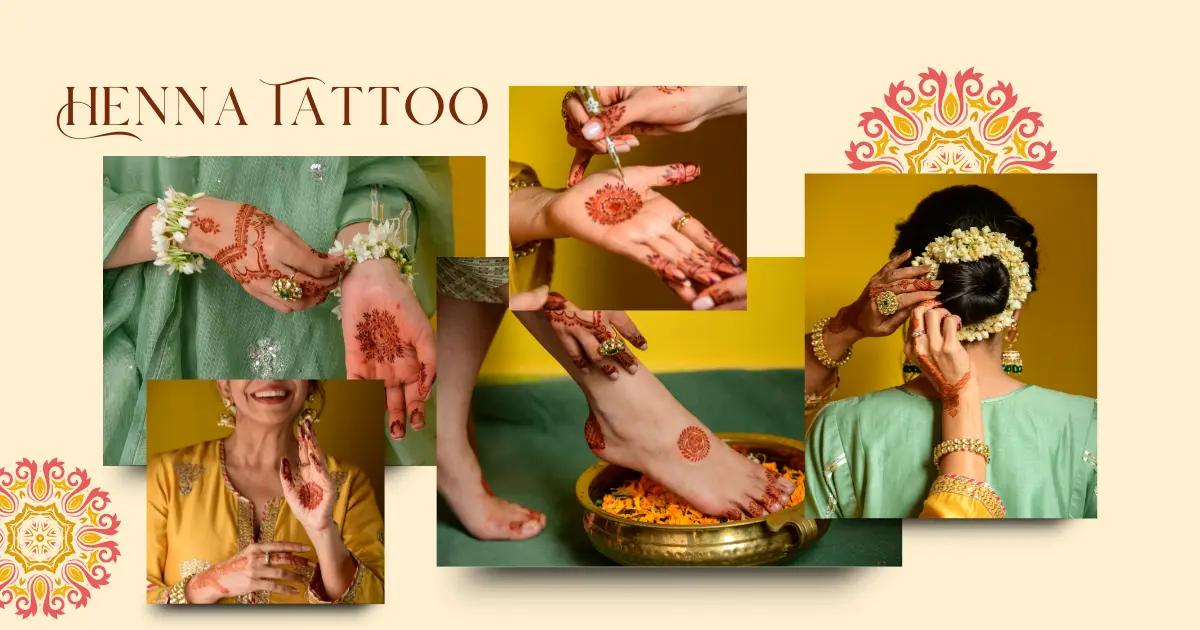
A henna tattoo is a temporary form of body art created using a natural dye derived from the henna plant (Lawsonia inermis), producing rich reddish-brown designs that typically last one to three weeks. Unlike permanent tattoos that use needles to inject ink beneath the skin, henna tattoos are applied as a paste on the skin’s surface, making them completely painless and temporary. This ancient art form has been practiced for over 5,000 years across cultures in India, the Middle East, North Africa, and Southeast Asia, where it holds deep spiritual, ceremonial, and decorative significance. Today, henna tattoos have gained global popularity as a safe, beautiful alternative to permanent body art, though understanding the difference between natural henna and potentially dangerous “black henna” is crucial for anyone considering this form of temporary decoration.
What Is a Henna Tattoo? (History & Cultural Significance)
Henna tattoos, also known as mehndi in South Asian cultures, represent one of humanity’s oldest forms of body decoration. The henna plant grows naturally in hot, dry climates across North Africa, the Middle East, and South Asia, where communities discovered centuries ago that crushing its leaves into a paste and applying it to skin creates beautiful, temporary stains. Archaeological evidence suggests henna use dates back to ancient Egypt, where it adorned the hands and feet of pharaohs before mummification.
The cultural significance of henna tattoos varies across regions but consistently represents celebration, blessing, and transition. In Indian, Pakistani, and Bangladeshi cultures, elaborate henna designs are an essential part of wedding ceremonies, where brides receive intricate patterns covering their hands and feet in rituals that can take hours to complete. The darker the henna stain, according to tradition, the stronger the love between the couple and the more favorable the bride’s relationship with her mother-in-law will be.
In Middle Eastern and North African traditions, henna serves both decorative and protective purposes. Women apply henna for religious holidays like Eid, during pregnancy celebrations, and for general beautification. The practice carries spiritual meaning in many cultures, with specific patterns believed to bring good fortune, ward off evil spirits, or represent blessings and prayers. Moroccan henna traditions differ from Indian styles, typically featuring geometric patterns and bold designs rather than the delicate, lacy patterns common in South Asian mehndi.
Beyond weddings and religious ceremonies, henna has historically served medicinal purposes. The plant’s natural cooling properties made it valuable for treating heat-related conditions in desert climates, and its antifungal and antibacterial qualities led to its use in treating minor skin conditions. This dual role as both decoration and medicine cemented henna’s importance in traditional societies.
Henna Tattoo Designs: Popular Patterns & Their Meanings
The world of henna tattoo designs encompasses an extraordinary range of patterns, from simple minimalist lines to complex, full-coverage artwork that transforms entire limbs into intricate masterpieces. Understanding the symbolism behind common motifs adds depth to the aesthetic beauty of these temporary designs.
Floral patterns dominate henna tattoo designs across all cultural traditions. Lotus flowers represent beauty, spirituality, and awakening in Hindu and Buddhist symbolism, making them especially popular for wedding henna. Roses symbolize love and new beginnings, while jasmine flowers represent divine hope and happiness. Simple flower henna designs work beautifully for beginners, offering recognizable shapes that can be executed with basic skills yet still create stunning visual impact.
Paisley motifs, those distinctive teardrop-shaped patterns with curved tips, originated in ancient Persia and remain central to South Asian henna designs. The paisley represents fertility, life, and eternity, making it a meaningful choice for celebrations marking new chapters. These curved elements flow naturally across the contours of hands and feet, creating organic, elegant compositions.
Mandala designs feature circular, symmetrical patterns radiating from a central point, representing wholeness, unity, and the universe in Hindu and Buddhist traditions. Henna mandalas on palms or the backs of hands create striking focal points, with their geometric precision contrasting beautifully with flowing floral elements. These designs range from simple circles with basic petal patterns to incredibly complex compositions featuring multiple layers of detail.
Peacock motifs appear frequently in Indian henna tattoo designs, symbolizing beauty, grace, and immortality. The bird’s elaborate tail feathers translate perfectly into henna’s flowing lines, creating dramatic designs that stretch across hands or up forearms. Peacock patterns often incorporate other elements like flowers, vines, and decorative fills to create comprehensive compositions.
Vine and leaf patterns serve both as standalone designs and as connecting elements that unify larger compositions. Vines represent devotion, vitality, and longevity, while leaves symbolize growth and new beginnings. These flowing elements allow henna artists to create designs that wrap naturally around wrists, ankles, and fingers, following the body’s natural contours.
Geometric patterns characterize Moroccan and North African henna styles, featuring bold lines, triangles, diamonds, and checkerboard patterns. These designs create striking contrast and work particularly well for those seeking more modern, minimalist aesthetics. Geometric henna translates beautifully to contemporary placements like shoulders, backs, and legs.
Traditional vs Modern Henna Styles
The evolution of henna art reflects both preservation of ancient techniques and innovative contemporary interpretations. Understanding the distinction between traditional and modern approaches helps you choose designs that align with your aesthetic preferences and cultural considerations.
Traditional henna styles follow region-specific conventions developed over centuries. Indian and Pakistani mehndi typically features dense, intricate patterns covering large areas with minimal negative space. These designs incorporate traditional motifs like peacocks, paisleys, flowers, and decorative fills, creating elaborate compositions that can take several hours to apply. The patterns often extend from fingertips to elbows for brides, with matching designs on feet extending to knees.
Arabic henna traditions favor flowing, vine-like patterns with larger floral elements and more negative space than Indian styles. These designs emphasize bold, sweeping lines that create dramatic visual impact without the dense coverage characteristic of South Asian mehndi. Arabic henna typically focuses on one side of the hand or foot, creating asymmetrical compositions that feel more organic and less structured.
Moroccan henna distinguishes itself through geometric precision and symbolic patterns. These designs often feature bold outlines filled with geometric shapes, creating striking contrast between decorated and bare skin. Moroccan henna frequently incorporates protective symbols and patterns believed to ward off negative energy, maintaining strong connections to spiritual traditions.
Modern henna styles blend traditional motifs with contemporary aesthetics, creating fusion designs that appeal to global audiences. Minimalist henna has gained popularity, featuring simple, delicate patterns like single flowers, small mandalas, or thin bracelet-style designs around wrists and ankles. These cute henna designs easy to apply at home have made the art form more accessible to beginners.
Contemporary henna artists experiment with placement beyond traditional hands and feet, creating designs for shoulders, backs, ribs, and legs. Some incorporate Western tattoo elements like quotes, symbols, or realistic imagery into henna compositions. White henna (actually body paint, not true henna) emerged as a trend for festivals and photoshoots, though it lacks the longevity and authenticity of traditional henna.
Henna tattoo designs for men have evolved to include more masculine motifs like tribal patterns, geometric sleeves, and bold mandala designs. While henna has historically been associated with women in many cultures, modern practice embraces all genders, with artists developing styles that appeal to diverse preferences.
How Long Do Henna Tattoos Last?
One of the most common questions about henna tattoos concerns their longevity. Natural henna tattoos typically last between one and three weeks, though multiple factors influence exactly how long your design will remain visible. Understanding these variables helps set realistic expectations and allows you to maximize your henna’s lifespan.
The location on your body significantly impacts how long henna tattoos last. Designs on palms and soles of feet, where skin is thickest, produce the darkest stains and last longest—often two to three weeks. These areas also have higher concentrations of keratin, the protein that henna dye binds to. Conversely, henna on areas with thinner skin like the back of hands, wrists, or forearms typically fades faster, lasting one to two weeks. Designs on areas that experience frequent friction or washing, such as fingers, may fade within just a few days.
Skin type and body chemistry play crucial roles in henna longevity. People with drier skin generally achieve darker, longer-lasting stains because the henna paste has more time to penetrate the skin’s layers. Those with oily skin may find their henna fades more quickly. Body temperature also matters—warmer skin helps the dye develop more intensely, which is why henna artists sometimes recommend keeping the paste warm during the development process.
The quality of henna paste dramatically affects results. Fresh, high-quality henna powder mixed with proper ingredients creates deeper, longer-lasting stains than old or low-quality products. Natural henna tattoo kits from reputable suppliers typically produce better results than generic products. The paste should be prepared at least several hours before application to allow the dye to release fully, and it should be used within a few days of mixing for optimal potency.
Application technique and paste contact time directly correlate with stain intensity and duration. The longer henna paste remains on skin, the deeper the stain penetrates. Traditional applications leave paste on for 4-8 hours or overnight, producing the darkest results. Removing paste after just 1-2 hours creates lighter, shorter-lasting designs. The paste should dry completely and be removed by scraping or picking rather than washing, as water can interfere with the staining process.
Aftercare practices significantly extend henna longevity. Avoiding water, soap, and chlorine for the first 24 hours after paste removal allows the stain to fully oxidize and darken. Applying natural oils like coconut or olive oil to the design before water exposure creates a protective barrier. Frequent hand washing, swimming, and exfoliation accelerate fading, while moisturizing and protecting the design extend its life.
Henna Tattoo Application Process: What to Expect
Understanding the henna tattoo application process helps you prepare for your appointment or DIY session and ensures you achieve the best possible results. Whether you’re visiting a professional henna artist near me or attempting simple henna tattoo designs at home, the basic process follows similar steps.
Preparation begins with clean, dry skin. Wash the area thoroughly with soap and water, avoiding lotions, oils, or moisturizers for at least 24 hours before application. Some artists recommend gently exfoliating the area to remove dead skin cells, creating a smooth canvas for the design. Shaving should be done at least 24 hours in advance to avoid irritation. If you’re getting henna on hands or feet, remove any nail polish and ensure nails are clean.
Design selection and placement come next. Professional artists typically offer design books or portfolios showcasing their work, or they can create custom designs based on your preferences. Communicate clearly about size, placement, and style preferences. For DIY applications using a henna tattoo kit, practice your chosen design on paper first or use stencils designed for henna application. Consider how the design will flow with your body’s natural contours—experienced artists understand how to position patterns to complement anatomy.
The application itself involves squeezing henna paste through a cone (similar to cake decorating) or applicator bottle to create precise lines and patterns. Professional artists work freehand, building designs organically, while beginners might use stencils or draw guidelines with washable markers. The paste should be thick enough to hold its shape without running but fluid enough to flow smoothly from the applicator. Application time varies from 15 minutes for simple designs to several hours for elaborate bridal mehndi covering hands and feet.
During application, remain as still as possible to prevent smudging. The paste feels cool and slightly wet but shouldn’t cause any discomfort. Natural henna has an earthy, hay-like scent that some find pleasant and others find neutral. If you experience any burning, itching, or discomfort during application, remove the paste immediately and wash the area—this could indicate an allergic reaction or contaminated product.
Drying time requires patience. After application, the paste needs 15-30 minutes to dry to the touch, though it remains somewhat fragile. Avoid touching or bumping the design during this period. Many people use a mixture of lemon juice and sugar applied over the dried paste to help seal it and extend contact time, though this step is optional. The paste should remain on skin for at least 4-6 hours for moderate staining, or 8-12 hours for the darkest results.
Removal should be gentle. When ready to remove the paste, scrape it off with a butter knife, credit card edge, or your fingernails—never wash it off with water initially. The stain will appear orange or light brown immediately after removal, which is normal. Over the next 24-48 hours, the design will oxidize and darken to its final reddish-brown color. Avoid water contact during this oxidation period for the deepest, longest-lasting results.
Henna Tattoo Aftercare: How to Make It Last Longer
Proper henna tattoo aftercare makes the difference between a design that fades within days and one that remains vibrant for weeks. Following these evidence-based aftercare practices maximizes your henna’s longevity and maintains its rich color throughout its lifespan.
The first 24 hours are critical. After removing the dried paste, avoid water contact completely for at least 12-24 hours. This allows the henna stain to fully oxidize and reach its darkest color. The design will initially appear orange or light brown, gradually darkening to deep reddish-brown over the next day or two. Resist the urge to wash the area during this crucial development period, even if the color seems light—patience yields the best results.
Apply natural oils regularly to create a protective barrier and keep skin moisturized. Coconut oil, olive oil, or specialized henna aftercare oils should be applied 2-3 times daily, especially before water exposure. Gently massage a small amount over the design, allowing it to absorb fully. This practice prevents the skin from drying and flaking excessively, which would take henna-stained cells with it. Always apply oil before showering, swimming, or washing dishes to minimize water damage to the design.
Minimize water exposure throughout the henna’s lifespan. While you can’t avoid water entirely, limit direct contact when possible. Take shorter showers, use lukewarm rather than hot water (which accelerates fading), and pat the area dry rather than rubbing. Avoid soaking in baths, hot tubs, or swimming pools, as prolonged water immersion and chlorine rapidly fade henna. When washing hands, try to keep the henna design out of direct water flow when possible.
Avoid harsh chemicals and exfoliants. Soap, especially antibacterial or exfoliating varieties, strips away the henna stain. Use gentle, moisturizing cleansers and avoid scrubbing the decorated area. Skip exfoliating products, loofahs, and washcloths on henna designs. Household cleaning products, chlorine, and saltwater all accelerate fading, so wear gloves when cleaning or use protective barriers. Hand sanitizer, while sometimes unavoidable, contains alcohol that fades henna quickly—use sparingly on decorated hands.
Protect from friction and abrasion. Tight clothing, shoes, or accessories that rub against henna designs cause premature fading. If your henna is on feet, wear loose, breathable footwear rather than tight shoes or socks that create friction. For hand designs, be mindful of activities that involve repeated rubbing or contact with rough surfaces. The mechanical action of friction removes the top layers of skin cells that contain the henna stain.
Moisturize consistently but choose products carefully. While keeping skin hydrated helps maintain the henna stain, some moisturizers contain ingredients that accelerate fading. Stick to natural oils or simple, fragrance-free lotions. Apply moisturizer after the initial 24-hour period, using it to maintain skin health without over-saturating the area. Well-moisturized skin sheds more slowly, keeping henna-stained cells intact longer.
Consider a sealant for special occasions. Some henna artists apply a thin layer of liquid bandage or specialized henna sealant over fully developed designs for events where the henna might be exposed to water or friction. This creates a protective barrier, though it’s typically only necessary for special circumstances like beach weddings or pool parties. Remove sealants gently with oil rather than peeling, which could remove henna-stained skin cells.
Is Henna Safe? Black Henna vs Natural Henna Warning
The safety of henna tattoos depends entirely on the product used. Natural, pure henna is remarkably safe for most people, but dangerous additives marketed as “black henna” have caused serious health problems, making it crucial to understand the difference before allowing any henna product to touch your skin.
Natural henna is safe and has been used for thousands of years. Pure henna paste contains only the powdered leaves of the Lawsonia inermis plant, mixed with liquids like lemon juice, tea, or water, and sometimes essential oils to enhance dye release. Natural henna produces only reddish-brown to dark brown stains, never black. It has an excellent safety profile with minimal risk for most users. The plant’s natural compounds have even demonstrated antimicrobial and anti-inflammatory properties in research studies.
Black henna is dangerous and should be avoided completely. Despite its name, “black henna” isn’t henna at all—it’s natural henna mixed with para-phenylenediamine (PPD), a coal-tar derivative used in permanent hair dyes. PPD is illegal for direct skin application in many countries, including the United States, but unscrupulous vendors add it to henna to create darker, faster-developing stains that appeal to tourists and customers seeking dramatic results. This chemical can cause severe allergic reactions, chemical burns, permanent scarring, and lifelong sensitization that makes future hair dye use dangerous.
The dangers of black henna are well-documented in medical literature. Reactions typically appear 3-12 days after application and can include severe blistering, weeping sores, intense itching, swelling, and permanent scarring in the pattern of the design. Some victims develop hypopigmentation (loss of skin color) or hyperpigmentation (darkened skin) that lasts months or becomes permanent. Perhaps most concerning, PPD sensitization is permanent—once you’ve developed an allergy, you’ll likely react to PPD-containing hair dyes for life, potentially with increasingly severe reactions.
Identifying safe henna requires vigilance. Natural henna paste appears greenish-brown or dark brown, never black. It has an earthy, plant-like smell, not a chemical odor. The paste takes time to prepare (dye must be released over several hours) and requires several hours on skin to stain. If someone offers “black henna,” instant results, or claims the design will be black, refuse the service. Reputable henna artists openly discuss their ingredients and willingly share information about their henna source.
Red flags that indicate dangerous additives include: jet-black paste or stains, instant or very fast staining (less than 2 hours), chemical or gasoline-like odors, claims of “black henna” or “neutral henna,” extremely cheap prices at tourist locations, and artists who can’t or won’t discuss ingredients. Beach vendors, boardwalk kiosks, and tourist market stalls in vacation destinations are common sources of black henna, as regulations are often poorly enforced in these settings.
Where to buy safe henna products matters significantly. When purchasing a henna tattoo kit or henna tattoo powder, choose reputable suppliers who specialize in body art henna and provide ingredient lists. Many experienced henna artists recommend specific brands known for purity and quality. Avoid generic “henna” products from general retailers unless you can verify ingredients. Natural henna tattoo kits from established body art suppliers typically cost more than questionable products but provide peace of mind and safe results.
For those wondering “where can I buy henna ink” safely, specialized body art suppliers, reputable online retailers focusing on henna products, and established henna artists who sell their own prepared paste are your best options. While you might find henna tattoo kits at Walmart or henna tattoo Amazon listings, carefully research the specific brand and read reviews mentioning safety and ingredients before purchasing.
Henna Tattoo Allergies & Skin Reactions to Watch For
While natural henna is safe for most people, understanding potential henna tattoo allergies and skin reactions helps you recognize problems early and seek appropriate care. True allergies to natural henna are rare, but they do occur, and certain skin conditions may be aggravated by henna application.
True henna allergies are uncommon but possible. Some individuals develop contact dermatitis from lawsone, the natural dye molecule in henna plants. Symptoms of genuine henna allergy typically include mild redness, itching, and slight swelling at the application site, appearing within hours to a few days of application. These reactions are generally mild and resolve with topical corticosteroids and antihistamines. If you have a history of plant allergies or sensitive skin, perform a patch test before applying henna to a large area—apply a small amount of paste to your inner forearm and wait 24-48 hours to check for reactions.
PPD reactions are severe and different from true henna allergies. As discussed in the previous section, reactions to black henna containing para-phenylenediamine are far more serious than natural henna allergies. PPD reactions cause intense blistering, weeping lesions, severe itching and burning, significant swelling, and potential permanent scarring. These reactions typically appear 3-12 days after application and require medical attention. If you experience these symptoms, seek immediate medical care and inform healthcare providers about the henna application and suspected PPD exposure.
For those asking “does henna trigger eczema,” the answer is nuanced. Natural henna doesn’t typically cause eczema, but it can irritate existing eczema or trigger flares in people with sensitive skin conditions. The acidic ingredients often mixed with henna (lemon juice, for example) may irritate compromised skin barriers common in eczema sufferers. Additionally, if henna paste contains essential oils like tea tree or eucalyptus (sometimes added to enhance dye release), these can irritate sensitive skin. People with active eczema, psoriasis, or other inflammatory skin conditions should consult a dermatologist before getting henna and should avoid applying it to areas with active lesions or broken skin.
Warning signs that require immediate paste removal include burning or stinging sensations during application, immediate redness or swelling, itching that begins while paste is still on skin, or any unusual discomfort. Natural henna should feel neutral or slightly cooling on skin, never painful or irritating. If you experience these symptoms, remove the paste immediately, wash the area thoroughly with mild soap and water, and apply a cool compress. Monitor the area for worsening symptoms and seek medical attention if reactions develop or intensify.
Delayed reactions require medical evaluation. If you develop blisters, weeping sores, severe swelling, spreading redness, or signs of infection (warmth, pus, fever) days after henna application, seek medical care promptly. These symptoms suggest either a severe allergic reaction or PPD exposure. Take photos of the reaction and the original design pattern, as this documentation helps healthcare providers assess the situation and may be useful if you need to report the incident to health authorities.
Special populations should exercise extra caution. Pregnant women should consult their healthcare providers before getting henna, as some traditional henna preparations include herbs or essential oils that might not be recommended during pregnancy (though pure henna itself is generally considered safe). Children have more sensitive skin than adults and may be more susceptible to reactions, so parents should be especially vigilant about ensuring only pure, natural henna is used. People with G6PD deficiency (a genetic enzyme deficiency) should avoid henna entirely, as it can trigger hemolytic anemia in these individuals.
DIY Henna at Home vs Professional Application
Deciding between DIY henna tattoos for beginners and professional application depends on your skill level, desired design complexity, budget, and willingness to invest time in learning. Both approaches have distinct advantages and limitations worth considering before you commit to either path.
DIY henna offers creative control and cost savings. Learning to apply your own henna allows unlimited practice, experimentation with designs, and the ability to refresh your henna whenever desired without appointment scheduling or travel. A quality henna tattoo kit for beginners typically costs $15-40 and provides enough material for multiple applications, making the per-use cost minimal. Simple henna designs for hands, basic mandalas, and minimalist patterns are achievable for beginners with patience and practice. The learning process itself can be meditative and rewarding, connecting you to an ancient art form.
The best henna tattoo kit for home use should include fresh, high-quality henna powder or pre-mixed paste, applicator cones or bottles, practice sheets, design inspiration, and clear instructions. Natural henna tattoo kits from specialized body art suppliers generally provide better results than generic products. When searching for a henna tattoo kit nearby or browsing henna tattoo kit Amazon options, prioritize kits that clearly list ingredients, have recent positive reviews mentioning good staining results, and come from established brands in the henna community.
DIY challenges include the learning curve and physical limitations. Applying henna to your own dominant hand is difficult, as you must use your non-dominant hand for detailed work. Creating symmetrical designs on both hands requires significant skill. Complex, traditional designs with intricate details take years to master. Your first attempts will likely be imperfect, which is normal but can be disappointing if you’re preparing for a special event. Mixing henna paste properly requires understanding dye release, consistency, and timing—mistakes result in poor staining.
Professional henna artists bring expertise and artistry. Experienced artists create complex, beautiful designs that would take beginners years to master. They understand how patterns flow with body contours, can customize designs to your preferences, and work efficiently to complete detailed work in reasonable timeframes. Professional artists use tested, high-quality henna and have refined their paste recipes for optimal staining. When searching for a “henna artist near me,” you’re investing in their years of practice, cultural knowledge, and artistic vision.
Finding quality professional henna services requires research. Look for artists with strong portfolios showing consistent, detailed work and natural-looking stains (reddish-brown, not black). Read reviews mentioning safety, professionalism, and stain longevity. Ask about ingredients and ensure they use only natural henna without PPD or other additives. Reputable artists openly discuss their henna source and preparation methods. Professional henna is commonly available at cultural festivals, specialized salons, bridal events, and through independent artists who work by appointment.
Cost considerations vary significantly. DIY henna after the initial kit purchase costs just a few dollars per application. Professional henna pricing depends on design size and complexity, ranging from $10-30 for simple hand designs to $50-150 for elaborate bridal mehndi covering hands and feet. The investment in professional work makes sense for special occasions, complex designs, or when you want guaranteed beautiful results without the learning curve.
A hybrid approach works well for many enthusiasts. Start with simple DIY designs to learn basic techniques and understand the medium. Use professional artists for special occasions, complex designs, or when you want both hands decorated elaborately. Learn from watching professionals work, asking questions, and studying their techniques. Many henna artists offer workshops or classes for those interested in developing their skills more formally.
Where to Get a Henna Tattoo (Salons, Artists, Events)
Finding safe, skilled henna tattoos near me requires knowing where to look and how to evaluate providers. The source of your henna application significantly impacts both the artistic quality and safety of your experience.
Specialized henna artists working independently or through appointment-based services typically provide the highest quality work. These professionals focus specifically on henna art, often with years of experience and cultural connections to the tradition. They maintain portfolios showcasing their work, use tested henna recipes, and prioritize both artistry and safety. Find independent henna artists through Instagram, Facebook, wedding vendor directories, and cultural community centers. Many maintain websites or social media pages where they share their work, pricing, and booking information.
Salons and spas in diverse urban areas increasingly offer henna services, particularly those specializing in South Asian, Middle Eastern, or African beauty treatments. These establishments provide professional environments with established reputations to maintain, making them generally reliable choices. Call ahead to ask about the artist’s experience, henna source, and whether they use natural henna without additives. Salon-based henna typically costs more than independent artists but offers convenience and established business practices.
Cultural festivals and events frequently feature henna artists as part of celebrations. Diwali festivals, Eid celebrations, cultural heritage events, and international festivals often include henna booths where skilled artists create designs. These settings allow you to see the artist’s work on other clients before committing and often feature multiple artists with different styles. Festival henna is typically priced affordably and provides authentic cultural experiences. However, verify that artists use natural henna, as even cultural events occasionally include vendors using questionable products.
Bridal and wedding services represent a specialized henna category. Bridal mehndi artists focus on elaborate, traditional designs for weddings and pre-wedding ceremonies. They understand cultural requirements, can work within specific traditional styles, and have experience creating the complex, full-coverage designs expected for brides. Bridal henna is significantly more expensive than casual designs due to the time investment (often 4-8 hours for full bridal coverage) and specialized skill required. Book bridal henna artists months in advance for popular wedding dates.
University and community cultural organizations sometimes offer henna at events or can connect you with skilled artists within their communities. South Asian student associations, Middle Eastern cultural groups, and international student organizations often know reliable henna artists or include members who practice the art. These connections can lead to authentic, culturally informed henna experiences at reasonable prices.
Avoid high-risk henna sources that commonly use dangerous black henna or employ inexperienced artists. Beach boardwalks, tourist market stalls in vacation destinations, temporary kiosks at shopping malls, and street vendors in tourist areas frequently use black henna to create fast, dark designs that appeal to tourists. These settings prioritize speed and dramatic results over safety, and regulations are often poorly enforced. The temporary nature of these vendors makes accountability impossible if reactions occur. If you’re on vacation and want henna, research reputable local artists in advance rather than accepting services from boardwalk vendors.
Red flags when evaluating any henna provider include inability or unwillingness to discuss ingredients, claims of “black henna” or instant results, extremely low prices that seem too good to be true, absence of a portfolio or previous work examples, and pressure to make immediate decisions. Reputable henna artists welcome questions, proudly share their work, and prioritize client education and safety.
Henna Tattoo Cost: What You'll Pay
Understanding henna tattoo cost helps you budget appropriately and recognize when pricing seems suspiciously low (potentially indicating quality or safety issues) or unreasonably high. Henna pricing varies significantly based on design complexity, artist experience, geographic location, and service setting.
Simple, small designs typically range from $10-30. These include basic patterns like small flowers, simple mandalas, delicate wrist bracelets, or minimalist ankle designs. Application time runs 10-20 minutes. This price range is common at festivals, cultural events, and for walk-in appointments with independent artists. Simple designs work well for henna beginners wanting to try the art form without significant financial commitment.
Medium complexity designs covering partial hands, forearms, or feet typically cost $30-60. These designs feature more intricate patterns, multiple elements, and take 30-60 minutes to apply. This category includes moderately detailed hand designs that don’t cover fingers, half-sleeve forearm pieces, or decorative foot designs. Most casual henna appointments fall into this range.
Full hand or foot coverage with intricate, traditional designs ranges from $60-100 per hand or foot. These elaborate patterns include detailed finger designs, full palm coverage, and extensions up the wrist or ankle. Application time runs 1-2 hours per hand or foot. This pricing applies to detailed traditional mehndi, complex mandala designs, or comprehensive coverage with fine detail work.
Bridal henna represents the premium tier, costing $150-500 or more for full bridal coverage. Traditional bridal mehndi includes both hands (front and back) extending to elbows, both feet (top and bottom) extending to knees, and sometimes additional designs on arms or legs. The process takes 4-8 hours or longer, requiring significant skill, patience, and artistic expertise. Bridal henna pricing reflects not just the time investment but the specialized knowledge of traditional patterns, cultural significance, and the pressure of creating perfect results for a once-in-a-lifetime event.
Geographic location significantly impacts pricing. Henna in major metropolitan areas with large South Asian, Middle Eastern, or North African populations typically costs less due to higher artist availability and competition. In areas where henna is less common, prices may be higher due to limited artist availability. Coastal tourist areas and vacation destinations often charge premium prices, particularly at boardwalk or resort locations (though these should generally be avoided due to black henna risks).
Artist experience and reputation affect rates. Established artists with years of experience, strong portfolios, and high demand command premium prices reflecting their expertise. Newer artists or those building their portfolios may offer lower rates to attract clients and gain experience. Celebrity henna artists or those featured in media may charge significantly more based on their reputation and demand.
DIY costs are minimal after initial investment. A quality henna tattoo kit costs $15-40 and provides enough material for multiple applications. Henna powder purchased in bulk from reputable suppliers costs $10-20 for amounts that make dozens of applications. Applicator cones or bottles cost just a few dollars. Once you’ve invested in basic supplies, each DIY henna application costs less than $5 in materials, making it extremely economical for regular henna enthusiasts.
Additional factors affecting cost include travel fees for artists who come to your location (common for bridal henna), rush fees for last-minute appointments, complexity premiums for custom designs requiring advance preparation, and group discounts when multiple people book together for events like bridal showers or parties.
When researching “henna tattoos near me prices,” remember that extremely low prices (under $5-10 for hand designs) should raise concerns about either artist experience or product quality. While you shouldn’t overpay, suspiciously cheap henna may indicate use of low-quality or adulterated products. Quality henna artistry requires time, skill, and safe materials—fair pricing reflects these factors.
Cultural Appropriation vs Appreciation: What to Know
The question of cultural appropriation versus appreciation arises frequently in discussions about henna tattoos, particularly when people outside the cultures where henna originated want to participate in this art form. Understanding this nuanced topic helps you engage with henna respectfully while honoring its cultural significance.
Henna holds deep cultural and spiritual meaning in the communities where it originated. For South Asian, Middle Eastern, and North African cultures, henna represents more than decoration—it carries religious significance, marks important life transitions, connects generations through shared traditions, and serves as a form of cultural identity and pride. Wedding henna in particular holds profound meaning, with specific patterns and rituals that have been passed down through centuries. The spiritual meaning of henna in these contexts includes blessings, protection, good fortune, and sacred celebration.
Cultural appreciation involves respectful engagement with traditions outside your own culture in ways that honor their significance and support the communities they come from. When it comes to henna, appreciation looks like learning about the art form’s history and cultural context, supporting artists from the cultures where henna originated, understanding the meanings behind patterns rather than treating them as purely aesthetic, acknowledging henna’s cultural roots when you wear it, and being willing to educate yourself and others about its significance.
Cultural appropriation occurs when elements of a marginalized culture are taken by members of a dominant culture without understanding, respect, or proper context, often for aesthetic purposes while the originating culture faces discrimination for the same practices. In henna contexts, appropriation might look like wearing henna as a fashion accessory while remaining ignorant of its cultural significance, using sacred or religiously significant patterns without understanding their meaning, profiting from henna art without acknowledging or supporting the cultures it comes from, or treating henna as a “exotic” trend while people from henna-practicing cultures face discrimination for their cultural practices.
Most henna artists welcome respectful participation from people of all backgrounds. Many practitioners view sharing their art form as a way to build cultural bridges and create understanding. The henna community generally embraces those who approach the tradition with genuine interest, respect, and willingness to learn. Getting henna from an artist who practices it as part of their cultural heritage, asking questions and learning about the designs’ meanings, and acknowledging the cultural origins of your henna are all ways to engage respectfully.
Context matters significantly. Wearing henna to a friend’s Indian wedding after learning about the tradition shows respect and participation. Getting henna at a cultural festival while learning about its significance demonstrates appreciation. Conversely, wearing henna purely as a fashion statement to a music festival without any understanding of its cultural context, or worse, claiming to have “invented” or “discovered” henna patterns, crosses into appropriation territory.
Supporting cultural practitioners is crucial for appreciation. When possible, seek henna services from artists who come from cultures where henna is traditional. This ensures your money supports the communities that created and maintained this art form. If you’re learning henna yourself, study from artists and resources connected to authentic traditions rather than from those who’ve disconnected the art from its cultural roots.
Educate yourself about specific patterns and their meanings. Some henna designs carry religious significance or are specifically associated with certain ceremonies (like bridal patterns). While most henna artists don’t restrict certain designs to specific contexts, understanding what patterns represent allows you to make informed, respectful choices. If you’re unsure whether a particular design is appropriate for your context, ask the artist—they’ll appreciate your thoughtfulness.
The point of henna tattoos extends beyond aesthetics. For those asking “what’s the point of henna tattoos,” the answer encompasses celebration, blessing, cultural identity, artistic expression, community connection, and marking significant life moments. When you understand these deeper purposes, you can engage with henna in ways that honor rather than diminish its significance.
Conclusion
Henna tattoos offer a beautiful, temporary form of body art with thousands of years of cultural history and significance. Understanding the complete picture—from design meanings and application processes to safety concerns and cultural context—empowers you to make informed decisions about incorporating henna into your life. Natural henna provides a safe, painless alternative to permanent tattoos, creating stunning reddish-brown designs that last one to three weeks when properly applied and cared for.
The most critical takeaway is safety: always ensure you’re using pure, natural henna without PPD or other dangerous additives. Black henna poses serious health risks that can result in permanent scarring and lifelong allergic sensitization. Seek reputable artists who openly discuss their ingredients, or purchase henna products from established body art suppliers when creating DIY designs. The extra effort to verify safety is always worthwhile.
Whether you choose professional application or learn to create your own designs, henna offers a rewarding creative outlet that connects you to ancient artistic traditions. Approach this art form with respect for its cultural origins, support artists from the communities where henna is traditional, and take time to understand the meanings behind the beautiful patterns you wear. With proper knowledge, safety precautions, and cultural sensitivity, henna tattoos can provide beautiful, meaningful body art that celebrates both individual expression and rich cultural heritage.
Frequently Asked Questions
How long does a henna tattoo last?
A henna tattoo typically lasts between one to three weeks, depending on several factors. The longevity depends on the quality of the henna paste, where it’s applied on your body (hands and feet last longer due to thicker skin), and how well you care for it. To maximize the lifespan of your henna tattoo, avoid excessive water exposure, scrubbing, and apply natural oils to keep the design vibrant.
Is henna illegal in the United States?
Natural henna is completely legal in the United States and has been used safely for thousands of years. However, “black henna” containing para-phenylenediamine (PPD), a harmful chemical additive, is not approved by the FDA for skin application and can cause severe allergic reactions. Always ensure you’re using pure, natural henna paste that produces a reddish-brown stain, not black, to avoid health risks and legal issues.
What is the point of henna tattoos?
Henna tattoos serve multiple purposes across different cultures, from ceremonial and spiritual significance to modern aesthetic expression. Traditionally, henna has been used in wedding celebrations, religious festivals, and rites of passage in Indian, Middle Eastern, and North African cultures, symbolizing joy, beauty, and good fortune. Today, people also choose henna tattoos as a temporary, painless alternative to permanent tattoos, allowing them to experiment with body art without long-term commitment.
Can henna trigger eczema or cause allergic reactions?
Pure, natural henna rarely causes allergic reactions and is generally safe for most skin types, though it may occasionally irritate sensitive skin or trigger eczema flare-ups in susceptible individuals. The real danger comes from “black henna” containing PPD, which can cause severe allergic reactions, chemical burns, blistering, and permanent scarring. If you have eczema, sensitive skin, or a history of allergies, perform a patch test on a small area 48 hours before getting a full henna tattoo design.
What do different henna tattoo designs mean?
Different henna tattoo designs carry various symbolic meanings across cultures, with each pattern representing specific concepts or blessings. Common motifs include flowers (joy and happiness), paisleys (fertility and luck), vines (devotion and longevity), peacocks (beauty), and mandalas (wholeness and unity). In traditional Indian mehndi, intricate patterns often tell stories or represent the bond between couples, while Middle Eastern designs tend to feature larger floral patterns symbolizing openness and new beginnings.
What are the disadvantages of henna tattoos?
The main disadvantages of henna tattoos include their temporary nature (requiring reapplication every few weeks), the time-consuming application process, and the 6-12 hour waiting period needed for the paste to dry and stain properly. Additionally, henna can stain clothing and surfaces, the color options are limited to reddish-brown tones, and there’s a risk of allergic reactions if using adulterated henna containing harmful chemicals. The stain also fades unevenly as it wears off, which some people find unappealing.
What are common henna mistakes to avoid?
Common henna tattoo mistakes include removing the paste too early (wait at least 4-6 hours), getting the design wet within the first 24 hours, using low-quality or chemical-laden henna, and applying too thin a layer of paste. Other mistakes include not properly preparing the skin beforehand, scrubbing the area after application, and expecting an immediate dark stain (henna darkens gradually over 48 hours). Always use fresh, natural henna paste and avoid products labeled “black henna” to ensure safe, beautiful results.
What is the easiest way to apply henna for beginners?
The easiest way for beginners to apply a henna tattoo is to use a pre-made henna cone or applicator bottle with a fine tip, starting with simple designs like dots, lines, and basic floral patterns. Practice on paper first to get comfortable with pressure control and flow, then work on less visible areas like the inner wrist or ankle. Beginner-friendly henna tattoo kits often include stencils that you can trace, making it easier to create beautiful designs while you develop your freehand skills.
Does henna have anti-inflammatory properties?
Yes, henna has natural anti-inflammatory, antimicrobial, and cooling properties that have been recognized in traditional medicine for centuries. The plant contains compounds like lawsone, tannins, and flavonoids that can help soothe skin irritation, reduce inflammation, and provide a cooling effect, which is why henna has been traditionally used in hot climates. However, while henna tattoos may offer mild skin benefits, they should not be considered a medical treatment for inflammatory conditions.
What are the rules for getting henna tattoos?
The basic rules for henna tattoos include always using natural, pure henna (never black henna with PPD), performing a patch test if you have sensitive skin, and ensuring the paste stays on for at least 4-6 hours for optimal color. After application, avoid water contact for 24 hours, don’t scrub the area, and apply natural oils to seal and protect the design. Additionally, respect cultural significance when choosing traditional designs, especially for ceremonial patterns that hold deep meaning in specific cultures.
You May Also Like
Semicolon Tattoo Meaning: Complete Guide to Symbolism & Ideas
Hand Tattoos: Complete Guide to Pain, Designs & Aftercare
Butterfly Tattoo Meaning & 50+ Best Design Ideas (2025)