
Medusa Tattoo Meaning: Symbolism, Myth & What It Represents

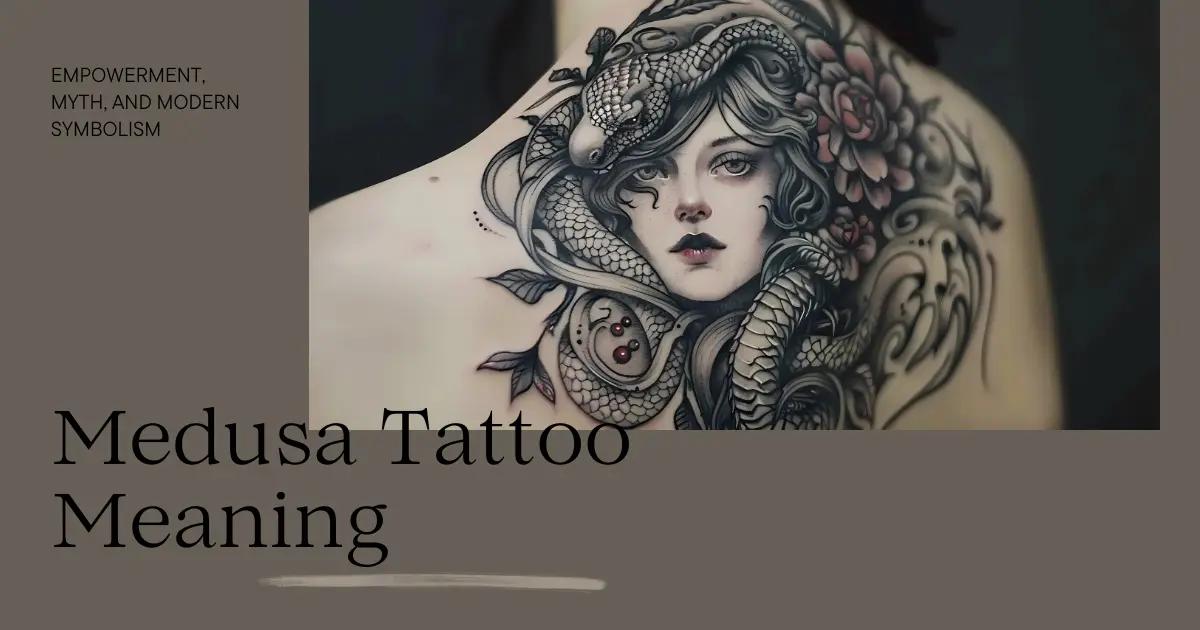
The medusa tattoo meaning has evolved from ancient Greek mythology into one of the most powerful and deeply personal symbols in modern tattoo culture. While Medusa was once feared as a monster whose gaze could turn people to stone, today’s interpretation tells a completely different story—one of survival, transformation, and reclaiming power. If you’ve seen these striking tattoos featuring the snake-haired Gorgon and wondered what they represent, you’re not alone. The medusa tattoo symbolism carries layers of meaning that range from protection against evil to a bold statement of empowerment for trauma survivors, particularly those who have experienced sexual assault.
Understanding what does a medusa tattoo mean requires looking beyond the surface-level mythology to explore how contemporary wearers have transformed this ancient figure into a symbol of resilience and strength. Whether you’re considering getting this tattoo yourself or simply curious about its significance, this comprehensive guide will explore every facet of Medusa’s symbolic journey from cursed victim to empowered icon.
What Does a Medusa Tattoo Mean? (Quick Answer)
At its core, the medusa tattoo meaning represents survival, protection, and the transformation of victimhood into power. In contemporary tattoo culture, Medusa has become particularly associated with survivors of sexual assault and abuse, serving as a visual declaration that the wearer has overcome trauma and refuses to be defined by it. The tattoo symbolizes turning pain into strength—much like Medusa herself, who was transformed from a beautiful maiden into a powerful being whose very appearance became her defense.
However, the meaning isn’t limited to this single interpretation. A medusa tattoo can also represent:
- Protection and warding off evil – Drawing from ancient Greek tradition where Medusa’s image was used as an apotropaic symbol
- Feminine power and rage – Reclaiming the narrative of a woman punished for being victimized
- Transformation and rebirth – Embracing change and emerging stronger from difficult experiences
- Defiance against patriarchal narratives – Challenging traditional interpretations that cast Medusa purely as a villain
- Beauty and danger coexisting – Acknowledging that strength can emerge from vulnerability
The specific medusa tattoo meaning for each individual often depends on their personal journey, the design elements they choose, and the placement of the tattoo on their body. What remains consistent across interpretations is the theme of empowerment and refusing to be silenced or diminished.
The Myth of Medusa: Understanding the Original Story
To fully grasp the medusa greek mythology tattoo significance, we need to understand the original tale—and importantly, how different versions of the story shape modern interpretations. In Greek mythology, Medusa was one of three Gorgon sisters, but unlike her immortal siblings, she was mortal and originally beautiful.
According to the most widely known version by the Roman poet Ovid, Medusa was a priestess in Athena’s temple who caught the attention of Poseidon, the god of the sea. Poseidon assaulted Medusa within the sacred temple walls. Rather than punishing Poseidon, the goddess Athena punished Medusa for “defiling” her temple by transforming her into a monster—her beautiful hair became venomous serpents, and her gaze gained the power to turn anyone who looked at her into stone.
This transformation is crucial to understanding the medusa tattoo survivor connection. Medusa didn’t choose to become a monster; she was victimized twice—first by Poseidon’s assault, then by Athena’s punishment for being assaulted. Her monstrous appearance became both her curse and her protection, ensuring that no one could harm her again without facing deadly consequences.
The story concludes with the hero Perseus beheading Medusa while she slept, using her severed head as a weapon. Even in death, Medusa’s power remained—her image continued to petrify enemies and protect those who wielded it. This duality of victim and victor, vulnerability and invincibility, forms the foundation of why Medusa resonates so powerfully with modern tattoo enthusiasts.
Alternative Interpretations of the Myth
Earlier Greek sources present different versions where Medusa was born monstrous rather than transformed as punishment. However, the Ovid version has become the dominant narrative in contemporary culture because it speaks directly to experiences of victim-blaming and the transformation of trauma into strength. The medusa tattoo symbolism draws primarily from this interpretation, making the tattoo a reclamation of a story where the victim was blamed and punished for her assault.
Medusa as a Symbol of Survival and Empowerment
The connection between medusa tattoo meaning assault and sexual violence survival has become particularly prominent in recent years, especially on social media platforms where survivors share their stories and tattoos. The Medusa tattoo has emerged as a visual shorthand for “I am a survivor” within communities of people who have experienced sexual trauma.
This interpretation resonates because Medusa’s story mirrors the experiences of many assault survivors:
- Victim-blaming – Like Medusa being punished for her assault, many survivors face blame and judgment
- Transformation through trauma – Assault fundamentally changes a person, just as Medusa was physically transformed
- Protective barriers – Medusa’s petrifying gaze kept others at a distance, similar to emotional walls survivors may build
- Reclaiming power – Despite being victimized, Medusa became powerful and feared, refusing to remain helpless
- Dangerous when threatened – The message that survivors are not to be trifled with or victimized again
The medusa tattoo meaning for female wearers often centers on this survivor narrative, though it’s important to note that the symbolism extends to all genders who have experienced sexual violence. The tattoo serves as both a personal reminder of resilience and a public declaration that the wearer has survived and thrived despite trauma.
The Crying Medusa Variation
The crying medusa tattoo meaning adds another layer to this survivor symbolism. Designs featuring Medusa with tears acknowledge that survival doesn’t mean the absence of pain or grief. A crying Medusa represents the ongoing emotional journey of healing—the recognition that strength and vulnerability can coexist. This variation particularly resonates with those who want to honor both their resilience and their continued processing of trauma.
For many wearers, the crying medusa tattoo meaning woman specifically embodies the societal pressure on women to appear strong while simultaneously dealing with deep emotional wounds. It’s a rejection of the expectation that survivors should simply “move on” without acknowledging their pain.
Protection and Warding Off Evil: The Apotropaic Meaning
Beyond the survivor narrative, the medusa tattoo meaning has ancient roots in protection symbolism. In classical antiquity, images of Medusa—called Gorgoneions—were used as apotropaic symbols, meaning they were believed to ward off evil and protect the wearer from harm. These images appeared on shields, buildings, amulets, and armor throughout the Greek and Roman world.
The logic was straightforward: if Medusa’s direct gaze could turn enemies to stone, her image could frighten away evil spirits, jealous gods, and human threats. Warriors painted her face on their shields, homeowners placed her image above doorways, and travelers wore Medusa amulets for protection during journeys.
This protective aspect of medusa tattoo symbolism remains relevant today. Many people choose Medusa tattoos not because they’re survivors of assault, but because they want a powerful guardian symbol permanently etched on their skin. The tattoo serves as a talisman—a visual warning to negative forces and a psychological reminder to the wearer of their own inner strength.
Medusa Tattoo Designs with Protective Elements
When the focus is on protection, medusa tattoo designs often incorporate additional elements that enhance this meaning:
- Shields or armor – Directly referencing the historical use of Medusa on protective gear
- Flowers and nature elements – The medusa tattoo meaning snakes and flowers combines danger with beauty, suggesting protection through natural power
- Eyes within the design – Emphasizing the watchful, protective gaze
- Geometric patterns – Creating a mandala-like effect that suggests spiritual protection
The placement of these protective Medusa tattoos often matters as much as the design itself, with many choosing locations like the chest, back, or even as a hip tattoo where the symbol can serve as a personal guardian close to vital areas of the body.
Feminist Interpretations of Medusa Tattoos
The medusa tattoo empowerment extends into broader feminist discourse, where Medusa has been reclaimed as a symbol of female rage, autonomy, and resistance against patriarchal narratives. Feminist scholars and artists have long pointed out that Medusa’s story is fundamentally about a woman being punished for a man’s crime—a pattern that continues in contemporary society.
In this interpretation, the medusa tattoo meaning represents:
- Righteous anger – Rejecting the notion that women should be passive or forgiving in the face of injustice
- Dangerous femininity – Embracing the idea that women don’t need to be “nice” or “safe” to be valuable
- Rejecting male gaze – Medusa’s petrifying stare literally destroys those who objectify her
- Sisterhood and solidarity – Connecting with other women who refuse to be silenced or diminished
- Transformation of narrative – Taking a story where a woman was villainized and reframing her as the hero
The feminist medusa tattoo meaning challenges viewers to reconsider who the real monsters are in the original myth. Was it Medusa, who was victimized and transformed? Or was it Poseidon, who assaulted her, and Athena, who punished the victim? This reframing makes Medusa a powerful symbol for anyone challenging victim-blaming narratives and demanding accountability from perpetrators rather than survivors.
Medusa in Contemporary Feminist Art
Artists like Luciano Garbati have reimagined Medusa’s story in ways that influence tattoo interpretations. Garbati’s sculpture “Medusa with the Head of Perseus” flips the traditional narrative, showing Medusa as the victor holding Perseus’s head—a powerful reversal that many tattoo designs now reference. This version of medusa tattoo symbolism emphasizes triumph over oppressors and the reclamation of power.
Popular Medusa Tattoo Design Styles and Their Meanings
The visual representation of a Medusa tattoo significantly impacts its meaning. Different artistic styles and design elements can emphasize various aspects of the symbolism, allowing wearers to customize the message their tattoo conveys.
Realistic Medusa Tattoos
Realistic or photorealistic Medusa designs often draw from classical sculpture and Renaissance art. These tattoos typically feature detailed snake scales, lifelike facial features, and dramatic shading. The medusa tattoo meaning in realistic styles tends to emphasize the mythological and historical aspects, connecting the wearer to ancient tradition and timeless symbolism. These designs work particularly well for larger pieces on the back, thigh, or chest.
Traditional and Neo-Traditional Styles
Traditional tattoo styles feature bold lines, limited color palettes, and iconic imagery. A traditional Medusa tattoo often has a more stylized, graphic quality that makes the symbolism immediately recognizable. Neo-traditional variations add more color depth and detail while maintaining the bold outline characteristic. These styles are popular for their visual impact and clarity, making the protective and empowering aspects of the symbol immediately apparent.
Small Medusa Tattoo Meaning
The small medusa tattoo meaning often carries the same weight as larger designs but in a more subtle, personal way. Small Medusa tattoos might feature just her face, a simplified silhouette, or a minimalist line drawing. These are popular for first tattoos or for those who want the symbolism without a large, attention-grabbing piece. Common placements include the wrist, ankle, behind the ear, or as a discreet tattoo on boobs area for deeply personal meaning.
Small medusa tattoo designs don’t diminish the power of the symbol—they simply make it more intimate and personal to the wearer.
Illustrative and Artistic Interpretations
Some Medusa tattoos take a more artistic, illustrative approach, incorporating elements like watercolor effects, geometric patterns, or surrealist touches. These designs might blend Medusa’s image with flowers, celestial elements, or abstract patterns. The medusa tattoo meaning in these styles often emphasizes beauty, transformation, and the complexity of the symbol—showing that Medusa is not simply a monster or victim, but a multifaceted figure.
The Significance of Snake Details
The snakes in Medusa’s hair are not just decorative—they carry their own symbolism. The medusa tattoo number of snakes meaning is sometimes debated, though there’s no universal standard. However, snakes themselves symbolize:
- Transformation and rebirth – Snakes shed their skin, representing renewal
- Wisdom and knowledge – In many cultures, serpents are associated with hidden knowledge
- Danger and protection – Venomous snakes defend themselves when threatened
- Feminine power – Snake symbolism has long been connected to goddess worship and female energy
Some designs feature snakes prominently intertwined with flowers, creating a contrast between danger and beauty. The medusa tattoo meaning snakes and flowers specifically emphasizes this duality—the idea that something can be both beautiful and deadly, soft and strong.
Medusa Tattoo Placement and What It Signifies
Where you place a Medusa tattoo can add additional layers of meaning to the overall symbolism. While personal preference and aesthetic considerations certainly play a role, certain placements carry traditional or psychological significance.
Chest and Heart Area
Placing a Medusa tattoo over the heart or chest area suggests that the symbolism is deeply personal and central to the wearer’s identity. This placement often indicates that the tattoo represents a core part of who they are—whether that’s their survivor status, their protective nature, or their feminist values. The proximity to the heart emphasizes emotional significance.
Back and Shoulder Blades
Large back pieces featuring Medusa create a dramatic guardian effect, as if Medusa is watching the wearer’s back—literally. This placement emphasizes the protective aspects of medusa tattoo symbolism and can suggest that the wearer has overcome what’s behind them and is moving forward with strength. Shoulder blade placements similarly suggest carrying strength and protection with you.
Thigh and Hip Placements
Thigh and hip tattoo placements for Medusa designs are popular among those who want larger, detailed pieces that can be concealed when desired. These placements often indicate that the tattoo’s meaning is personal and not necessarily meant for public display. The medusa tattoo meaning for female wearers who choose these locations often relates to reclaiming their bodies and sexuality after trauma.
Forearm and Visible Locations
Choosing to place a Medusa tattoo on the forearm, hand, or other highly visible location makes a public statement. This placement suggests the wearer is not hiding their survivor status, their feminist beliefs, or their need for protection. It’s a bold declaration that invites conversation and challenges stigma around the topics Medusa represents.
Small, Discreet Placements
Small Medusa tattoos behind the ear, on the wrist, ankle, or ribcage offer personal meaning without public display. These placements suggest the symbol is primarily for the wearer’s benefit—a private reminder of their strength, survival, or protective energy. The intimacy of these locations makes the tattoo feel like a secret talisman.
Who Should Get a Medusa Tattoo? (And Why)
The question of who should get a Medusa tattoo doesn’t have a single answer, as the symbol’s versatility means it can resonate with many different people for various reasons. However, understanding the different motivations can help you determine if this tattoo is right for you.
Survivors of Sexual Assault and Abuse
The most widely recognized contemporary medusa tattoo meaning sa (sexual assault) connection makes this tattoo particularly meaningful for survivors. If you’ve experienced sexual violence and connect with Medusa’s story of victimization, transformation, and ultimate power, this tattoo can serve as a permanent reminder of your resilience. The medusa tattoo meaning assault specifically acknowledges that you’ve survived something that tried to destroy you and emerged stronger.
Many survivors report that getting a Medusa tattoo was a significant part of their healing journey—a way to reclaim their body, mark their transformation, and create a visual symbol of their refusal to be defined by what happened to them.
Medusa Tattoo Meaning for Male Wearers
The medusa tattoo meaning for male individuals can carry similar significance. Men and non-binary people also experience sexual assault and can connect with Medusa’s survivor narrative. Additionally, male wearers might choose Medusa to represent:
- Protection of loved ones – Particularly daughters, partners, or survivors in their lives
- Challenging toxic masculinity – Embracing a symbol that represents the consequences of male violence
- Appreciation of powerful feminine energy – Honoring the strength of women in their lives
- Personal transformation – Connecting with the theme of becoming something stronger through adversity
The question “why would a guy get a Medusa tattoo” often comes from outdated assumptions about gendered symbolism. In reality, powerful symbols transcend gender, and men who get Medusa tattoos often do so with deep respect for what the symbol represents.
Feminists and Social Justice Advocates
If you’re passionate about feminist causes, challenging victim-blaming narratives, or advocating for survivors’ rights, a Medusa tattoo can serve as a visual representation of these values. The medusa tattoo empowerment meaning aligns with broader movements for gender equality and justice, making it a meaningful choice for activists and advocates.
Those Seeking Protection and Strength
You don’t need to be a survivor or activist to connect with Medusa’s protective symbolism. If you’re drawn to the apotropaic tradition of using Medusa’s image to ward off evil, or if you simply want a powerful symbol of strength and self-defense, this tattoo can serve that purpose. Many people choose Medusa tattoos during transitional periods in their lives when they need to feel protected and empowered.
Mythology and Art Enthusiasts
Some people are drawn to Medusa tattoos purely for their connection to Greek mythology and classical art. If you appreciate the aesthetic beauty of Medusa imagery and the rich mythological tradition, that’s a valid reason to get this tattoo. However, it’s important to be aware of the contemporary survivor associations so you can respectfully acknowledge that meaning when others see your tattoo.
Cultural Sensitivity: Things to Consider Before Getting Inked
While Medusa tattoos are not culturally appropriative in the way that sacred symbols from living cultures might be, there are still important considerations to keep in mind before getting this tattoo.
Understanding the Survivor Connection
The strongest contemporary association with medusa tattoo meaning is the survivor narrative. If you’re getting a Medusa tattoo for reasons unrelated to sexual assault survival, be prepared that many people will assume you’re a survivor when they see it. This isn’t necessarily a problem, but it’s something to consider, especially if you’re uncomfortable with that assumption or feel it might be misleading.
Some people worry about getting a Medusa tattoo if they’re not survivors, fearing they’re appropriating survivor symbolism. While individual opinions vary, most survivors and advocates agree that Medusa’s symbolism is broad enough to encompass multiple meanings. The key is being respectful and aware of the survivor connection, not claiming that experience if it’s not yours, and being supportive if someone shares their survivor story with you because of your tattoo.
The Medusa Tattoo Meaning Urban Dictionary and Social Media
The medusa tattoo meaning urban dictionary and various social media platforms have popularized specific interpretations, particularly the survivor narrative. While this has helped raise awareness and create community among survivors, it’s also led to some oversimplification of the symbol’s complex history. Before getting your tattoo, research beyond social media to understand the full depth of Medusa’s mythology and symbolism.
The viral nature of the “Medusa tattoo = survivor” equation on platforms like TikTok has been both empowering and limiting. It’s empowering because it gives survivors a recognized symbol and creates solidarity. It’s limiting because it can reduce a complex mythological figure to a single meaning, potentially making those with Medusa tattoos for other reasons feel they need to explain themselves.
Choosing Your Artist Carefully
Given the personal and often trauma-related significance of Medusa tattoos, choosing an artist who understands the symbolism and can create a respectful, meaningful design is crucial. Look for artists who:
- Have experience with mythological and symbolic tattoos
- Show sensitivity to the survivor narrative if that’s your connection
- Can execute the style you want (realistic, traditional, illustrative, etc.)
- Make you feel comfortable discussing the personal meaning behind your tattoo
- Respect your boundaries if you don’t want to share your reasons
Considering Long-Term Implications
Like any tattoo, a Medusa design is permanent, so consider how the meaning might evolve for you over time. The medusa tattoo symbolism is powerful and enduring, but your personal connection to it might shift as you grow and change. Many people find that their Medusa tattoos become even more meaningful over time, serving as markers of specific periods in their lives and reminders of how far they’ve come.
Respecting the Survivor Community
If you’re getting a Medusa tattoo for reasons unrelated to sexual assault survival, approach the survivor community with respect and humility. Don’t speak over survivors about what the symbol “should” mean, and be willing to acknowledge that for many people, this tattoo represents profound trauma and healing. Your interpretation can coexist with theirs without diminishing either meaning.
The Evolution of Medusa's Image in Modern Culture
Understanding the medusa tattoo meaning requires recognizing how Medusa’s image has evolved throughout history and particularly in recent decades. From ancient apotropaic symbol to Renaissance art subject to contemporary feminist icon, Medusa has been continually reinterpreted to reflect the values and concerns of each era.
In classical antiquity, Medusa was primarily seen as a protective symbol—her image adorned shields, temples, and amulets precisely because her power was recognized and respected. During the Renaissance and Baroque periods, artists like Caravaggio and Rubens depicted Medusa with a focus on horror and tragedy, often emphasizing the moment of her death at Perseus’s hands.
The feminist reclamation of Medusa began in earnest in the 1970s and 1980s, with writers and scholars like Hélène Cixous arguing that Medusa represented female power that patriarchal society needed to destroy. This interpretation laid the groundwork for contemporary understandings of the medusa tattoo empowerment meaning.
The survivor movement’s adoption of Medusa as a symbol is relatively recent, gaining significant momentum in the 2010s and exploding in visibility in the 2020s through social media. This grassroots reclamation has made Medusa one of the most recognizable symbols of sexual assault survival, fundamentally changing how the tattoo is perceived in contemporary culture.
Medusa in Popular Media
Contemporary films, books, and television shows have also contributed to evolving interpretations of Medusa. From sympathetic portrayals in fantasy novels to powerful reimaginings in feminist art, these representations influence how people understand and connect with Medusa symbolism. When considering a Medusa tattoo, you’re participating in this ongoing cultural conversation about victimhood, power, transformation, and justice.
Designing Your Personal Medusa Tattoo
If you’ve decided that a Medusa tattoo is right for you, the design process is where you can make the symbolism truly personal. Working with your tattoo artist, consider these elements to create a design that reflects your specific connection to the symbol:
Facial Expression and Emotion
Medusa’s expression in your tattoo significantly impacts its meaning. A fierce, angry Medusa emphasizes power and defiance. A serene or sad Medusa (the crying medusa tattoo meaning) acknowledges pain alongside strength. A beautiful, confident Medusa reclaims the narrative of her pre-transformation beauty. Consider what emotion you want your Medusa to convey.
Snake Styling and Number
The snakes in Medusa’s hair can be realistic, stylized, or even replaced with other elements like flowers or vines in some interpretations. While the medusa tattoo number of snakes meaning doesn’t have a standardized interpretation, you might choose a specific number that’s personally significant—perhaps representing years of survival, important people in your life, or simply aesthetic preference.
Additional Symbolic Elements
Many Medusa tattoos incorporate additional symbols to enhance or specify the meaning:
- Flowers – Roses for love and beauty, lotuses for rebirth, poppies for remembrance
- Weapons or shields – Emphasizing protection and warrior energy
- Mirrors – Referencing how Perseus defeated Medusa by looking at her reflection
- Celestial elements – Moons, stars, or suns to represent guidance and illumination
- Greek key patterns or columns – Connecting to the mythological origins
- Text or quotes – Personal mantras or relevant phrases about survival and strength
Color Choices and Their Meanings
Color can significantly impact your tattoo’s emotional tone. Black and gray work creates a classic, timeless look that emphasizes the serious nature of the symbolism. Green tones in the snakes can emphasize the natural, transformative aspects. Purple and blue might add a mystical, spiritual quality. Red can emphasize passion, anger, or vitality. Discuss color psychology with your artist to choose a palette that reflects your personal meaning.
Living with Your Medusa Tattoo
Once you have your Medusa tattoo, you become part of a community of people who carry this powerful symbol. Understanding how to navigate conversations about your tattoo and what it might mean to others can help you feel confident and prepared.
Responding to Questions
People will likely ask about your Medusa tattoo, especially as awareness of the survivor symbolism grows. You’re never obligated to share personal information, but having a prepared response can help. You might say:
- “It represents strength and transformation for me.”
- “I connect with Medusa’s story of turning victimhood into power.”
- “It’s a protective symbol with roots in ancient Greek tradition.”
- “The mythology and symbolism are deeply meaningful to me.”
If you are a survivor and comfortable sharing, your tattoo might open important conversations and help others feel less alone. If you’re not a survivor, be honest about your connection while respecting the survivor community’s relationship with the symbol.
Connecting with Others
Many people with Medusa tattoos report feeling an instant connection with others who have the same symbol. Whether online in survivor communities or in person when you spot someone else’s Medusa tattoo, this shared symbolism can create powerful bonds. The medusa tattoo meaning often extends beyond the individual to create a sense of collective strength and solidarity.
Your Tattoo as a Healing Tool
For many survivors, their Medusa tattoo becomes an active part of their healing process. Looking at it can serve as a reminder of strength during difficult moments. Touching it can be a grounding technique during anxiety or flashbacks. The permanent nature of the tattoo reinforces that survival is permanent too—you’ve made it through, and that’s forever.
Some people find that their relationship with their Medusa tattoo evolves over time. What started as a raw symbol of recent trauma might become a celebration of long-term healing. The tattoo grows with you, its meaning deepening and shifting as you continue your journey.
The Future of Medusa Symbolism
As we look forward, the medusa tattoo symbolism will likely continue to evolve. The current strong association with sexual assault survival may remain dominant, or new interpretations may emerge as cultural conversations shift. What seems certain is that Medusa’s fundamental themes—transformation, power reclaimed from victimhood, protection, and the complexity of feminine strength—will continue to resonate.
The increasing visibility of Medusa tattoos has sparked important conversations about sexual violence, victim-blaming, and survival. As more people choose this symbol, they contribute to a cultural shift in how we talk about trauma and empowerment. Your Medusa tattoo, whatever your specific connection to it, participates in this larger movement toward acknowledging survivors’ strength and challenging narratives that silence or shame them.
The democratization of tattoo culture through social media has allowed symbols like Medusa to be reclaimed and redefined by the communities that need them most, rather than being controlled by academic or artistic elites. This grassroots ownership of meaning is powerful and likely to continue shaping how Medusa is understood in tattoo culture.
Making Your Decision
Choosing to get a Medusa tattoo is a deeply personal decision that should be made with full awareness of the symbol’s rich, complex meanings. Whether you’re drawn to the survivor narrative, the protective symbolism, the feminist reclamation, the mythological tradition, or a combination of these elements, understanding what the tattoo represents will help you carry it with confidence and pride.
The medusa tattoo meaning is ultimately what you make it. While the symbol carries cultural and historical weight, your personal connection to it is what matters most. A tattoo is a conversation between your inner self and the outer world—Medusa, with her layers of meaning and her powerful story, offers a particularly rich foundation for that conversation.
Before you book your appointment, spend time reflecting on what Medusa means to you specifically. Look at various design styles and artists. Consider placement carefully. Think about how you’ll feel explaining your tattoo in different contexts. And most importantly, ensure that this symbol genuinely resonates with your experience and values.
For those who have survived sexual assault, a Medusa tattoo can be a profound act of reclamation—taking ownership of your story, your body, and your power. For those drawn to the symbol for other reasons, it can represent protection, transformation, or feminine strength. Whatever your connection, wearing Medusa means carrying a symbol that has protected, empowered, and represented complex truths for thousands of years.
The snake-haired Gorgon who was once feared as a monster has been transformed yet again—this time into a symbol of hope, survival, and unbreakable strength. In choosing a Medusa tattoo, you become part of her ongoing story, adding your own chapter to a myth that refuses to be silenced or simplified. Like Medusa herself, you are more than what others have tried to make you—you are powerful, complex, and impossible to ignore.
Frequently Asked Questions
What does a Medusa tattoo mean?
A Medusa tattoo means survival, transformation, and reclaiming personal power after trauma or adversity. While the ancient Greek myth portrayed Medusa as a monster, modern interpretations view her as a symbol of strength and protection for those who have overcome difficult experiences. The medusa tattoo meaning has evolved to represent turning pain into power and refusing to be defined by past victimization.
Is a Medusa tattoo specifically for sexual assault survivors?
Yes, many sexual assault survivors choose Medusa tattoos because her myth resonates with their experiences of trauma and survival. In Greek mythology, Medusa was assaulted by Poseidon and then punished for it, making her a powerful symbol for those reclaiming their narrative. However, the tattoo isn’t exclusively for SA survivors—it also represents overcoming any form of abuse, trauma, or adversity.
Why would a man get a Medusa tattoo?
Men get Medusa tattoos for various reasons including surviving trauma, overcoming toxic relationships, or appreciating the mythological and artistic significance. Male survivors of assault or abuse also connect with Medusa’s story of transformation and protection. The medusa tattoo meaning isn’t gender-specific—it represents resilience, boundary-setting, and personal empowerment for anyone who identifies with her journey.
What does a Medusa tattoo mean on TikTok?
On TikTok, Medusa tattoos became widely recognized as a symbol for sexual assault survivors sharing their stories and reclaiming their power. The platform helped spread awareness that getting a Medusa tattoo often signifies someone has survived trauma and refuses to remain a victim. This viral trend brought the deeper medusa tattoo meaning into mainstream conversation and created a supportive community around the symbol.
What does a crying Medusa tattoo mean?
A crying Medusa tattoo represents the emotional pain and vulnerability that survivors carry alongside their strength. This design acknowledges that healing isn’t linear and that it’s okay to grieve what was lost while still being powerful. The tears add a deeply personal layer to the traditional medusa tattoo meaning, showing that strength and sadness can coexist in the healing journey.
Is it okay to get a Medusa tattoo if I haven't experienced trauma?
Yes, you can get a Medusa tattoo for reasons beyond trauma survival, such as appreciating Greek mythology, feminine power, or protection symbolism. However, it’s important to understand the significance this symbol holds for many survivors and to be respectful of that meaning. If you’re drawn to Medusa for aesthetic or mythological reasons, consider how you’ll explain your tattoo and whether you’re comfortable with the assumptions people may make.
What does the lady with snakes on her head symbolize?
The lady with snakes on her head is Medusa, a figure from Greek mythology who symbolizes transformation, protection, and feminine power. Her snake hair represents rebirth and regeneration, as snakes shed their skin, while her petrifying gaze symbolizes the ability to stop threats in their tracks. In modern contexts, she embodies the journey from victim to survivor to warrior.
Is Medusa a demonic or evil symbol?
No, Medusa is not a demonic symbol in modern interpretations, though ancient Greeks viewed her as a fearsome monster. Contemporary understanding recognizes Medusa as a victim who was transformed and then vilified for her trauma. Today’s medusa tattoo meaning reframes her story as one of empowerment rather than evil, making her a protective and inspirational figure rather than a malevolent one.
What does a Medusa tattoo mean for mental health?
For mental health, a Medusa tattoo represents surviving psychological trauma, setting boundaries, and protecting one’s peace. Many people with PTSD, anxiety, or depression from past experiences choose this symbol to mark their healing journey and remind themselves of their resilience. The tattoo serves as both a personal talisman and a visible statement that they’ve transformed their pain into strength.
What's the difference between Medusa tattoo meanings for men and women?
The core medusa tattoo meaning remains similar across genders—survival, protection, and transformation—but personal interpretations may vary. Women often connect with themes of reclaiming feminine power and surviving gender-based violence, while men may emphasize overcoming vulnerability or toxic masculinity. Ultimately, the tattoo’s significance is deeply personal and transcends gender, representing anyone’s journey from victimhood to empowerment.
You May Also Like
Semicolon Tattoo Meaning: Complete Guide to Symbolism & Ideas

Henna Tattoo Guide: Designs, Safety, Aftercare & Meaning

Hand Tattoos: Complete Guide to Pain, Designs & Aftercare