Dental Implants Southlake TX: Cost, Procedure & Best Dentists

If you’re searching for dental implants in Southlake, TX, you’re taking an important step toward restoring your smile, confidence, and quality of life. Dental implants represent the gold standard in tooth replacement, offering a permanent solution that looks, feels, and functions like natural teeth. Whether you’ve lost a single tooth due to injury, are facing multiple extractions, or need full mouth restoration, understanding your options in Southlake will help you make an informed decision. This comprehensive guide covers everything from the procedure itself to costs, recovery, and how to choose the best dental implant dentist in Southlake to ensure your investment delivers lasting results.
What Are Dental Implants and How Do They Work?
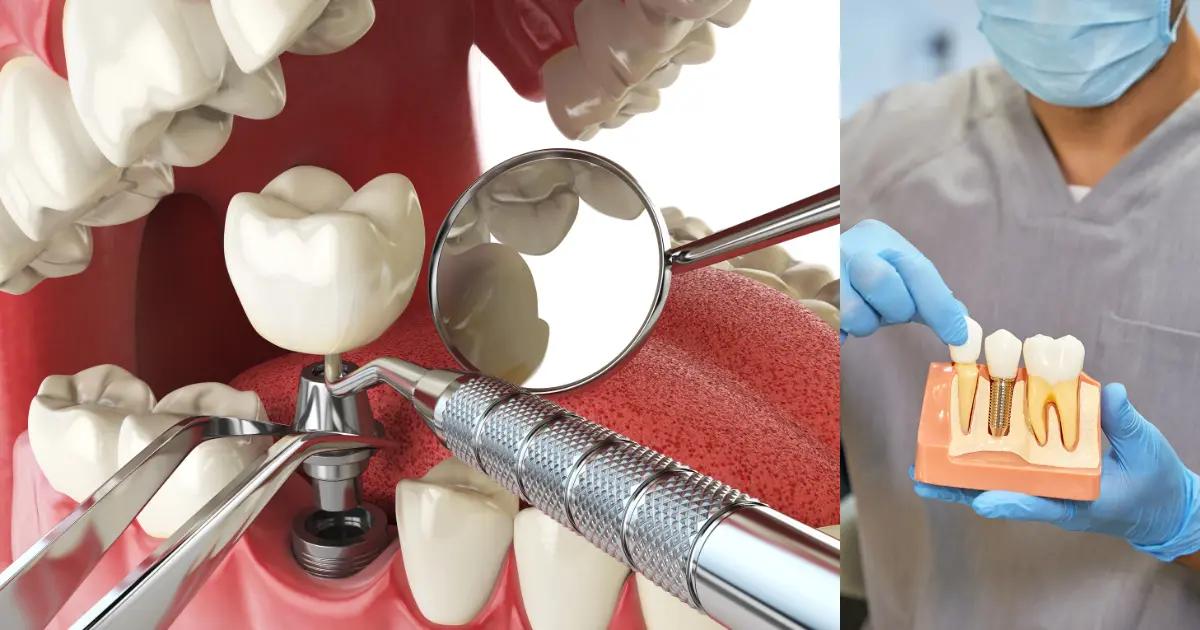
Dental implants are titanium posts surgically placed into your jawbone to serve as artificial tooth roots. Unlike dentures or bridges that sit on top of your gums, dental implants integrate directly with your bone through a process called osseointegration. This biological fusion creates a stable foundation that can support a single crown, multiple teeth, or even a full arch of replacement teeth.
The implant itself consists of three main components: the titanium post that anchors into the jawbone, an abutment that connects to the post, and the visible crown that mimics your natural tooth. Modern dental implants are designed to be biocompatible, meaning your body accepts them without rejection. The titanium material has been used successfully in medical procedures for decades, making it a proven choice for long-term tooth replacement.
What sets dental implants apart from other tooth replacement options is their ability to preserve jawbone density. When you lose a tooth, the surrounding bone begins to deteriorate due to lack of stimulation. Dental implants provide the same stimulation as natural tooth roots, preventing bone loss and maintaining your facial structure. This makes them not just a cosmetic solution, but a functional one that protects your overall oral health.
Benefits of Dental Implants vs. Dentures and Bridges
When comparing tooth replacement options in Southlake, dental implants offer distinct advantages over traditional dentures and bridges. Understanding these differences helps explain why many patients choose implant dentistry despite the higher initial investment.
Permanence and stability rank among the most significant benefits. Traditional dentures can slip, click, or require adhesives to stay in place, creating embarrassing moments during eating or speaking. Dental implants are fixed permanently in your jaw, eliminating any movement or instability. You can eat your favorite foods, laugh confidently, and speak clearly without worry.
Dental bridges require grinding down adjacent healthy teeth to serve as anchors, compromising their structure. This irreversible alteration can lead to problems with those teeth later. Dental implants stand independently, preserving your remaining natural teeth and maintaining the integrity of your smile.
The longevity factor also favors implants significantly. While dentures typically need replacement every 5-7 years and bridges last 10-15 years on average, dental implants can last 25 years or even a lifetime with proper care. This durability makes them more cost-effective over time, despite higher upfront costs.
From an aesthetic perspective, dental implants provide the most natural appearance. The custom crowns are designed to match your existing teeth in color, shape, and size. Because they emerge from the gum line like natural teeth rather than sitting on top of it, they create a seamless, authentic look that’s virtually indistinguishable from your original teeth.
The Dental Implant Procedure: What to Expect Step-by-Step
Understanding the dental implant procedure helps reduce anxiety and allows you to plan accordingly. The process typically unfolds in several stages over several months, though the exact timeline varies based on individual circumstances.
The journey begins with a comprehensive consultation and examination. Your dentist will take X-rays, 3D scans, and impressions of your mouth to assess bone density, gum health, and overall oral condition. This diagnostic phase determines whether you’re a suitable candidate or if preliminary treatments like bone grafting are necessary. During this visit, you’ll discuss your goals, review treatment options, and receive a personalized treatment plan with cost estimates.
If you have sufficient bone density, the surgical placement phase comes next. Under local anesthesia or sedation, the dentist creates a small incision in your gum tissue and drills a precise hole into the jawbone. The titanium implant post is then carefully inserted and the gum tissue is sutured closed. For patients requiring bone grafting, this step occurs first, adding 3-6 months to the overall timeline as the graft integrates with existing bone.
The osseointegration period follows surgery, typically lasting 3-6 months. During this critical healing phase, your jawbone grows around the implant post, creating the strong foundation necessary for long-term success. You’ll receive a temporary restoration to maintain aesthetics and function while healing progresses. Most patients return to normal activities within a few days, though the bone continues fusing beneath the surface.
Once osseointegration is complete, you return for abutment placement. This minor procedure involves reopening the gum tissue, attaching the abutment to the implant post, and allowing the gums to heal around it over 1-2 weeks. Finally, your custom crown is fabricated based on impressions and permanently attached to the abutment, completing your restoration. The entire process from initial consultation to final crown typically spans 6-9 months, though same-day implants and expedited protocols are available for qualifying candidates.
How Much Do Dental Implants Cost in Southlake, TX?
The dental implant cost in Southlake varies significantly based on several factors, making it essential to understand pricing structures before committing to treatment. While costs may seem high initially, considering the longevity and benefits helps contextualize the investment.
For a single tooth implant, expect to pay between $3,000 and $6,000 in the Southlake area. This price typically includes the implant post, abutment, and crown, though some practices itemize these components separately. The variation depends on the dentist’s experience, the complexity of your case, the materials used for the crown (porcelain fused to metal versus all-ceramic), and whether additional procedures are needed.
Multiple tooth replacement using implants ranges from $6,000 to $30,000 depending on the number of teeth and whether individual implants or an implant-supported bridge is used. For example, replacing three consecutive teeth might use two implants supporting a three-unit bridge, costing less than three individual implants.
Full mouth dental implants represent the highest investment, with costs ranging from $24,000 to $100,000 or more. The wide range reflects different approaches: traditional implants supporting individual crowns cost more than implant-supported dentures. All-on-4 dental implants, which use four strategically placed implants to support a full arch, typically cost $15,000 to $30,000 per arch in the Southlake and Dallas area, making them a more affordable full-mouth option.
Additional procedures impact total costs significantly. Bone grafting adds $300 to $3,000 depending on the extent needed. Sinus lifts for upper jaw implants range from $1,500 to $3,000. Tooth extractions, if necessary, add $75 to $650 per tooth. These preparatory procedures are essential for success but increase the overall investment.
Geographic location also influences pricing. Dental implants in the DFW metroplex, including Southlake, tend to cost slightly more than rural Texas areas but remain competitive compared to major metropolitan areas like New York or Los Angeles. The concentration of experienced implant dentists in Southlake creates a competitive market that can work to your advantage when comparing quotes.
Does Insurance Cover Dental Implants?
Insurance coverage for dental implants remains one of the most common questions patients ask, and the answer is nuanced. Traditionally, most dental insurance plans classified implants as cosmetic and excluded them from coverage. However, this landscape is gradually changing as implants become recognized as medically necessary tooth replacement.
Many modern dental insurance plans now provide partial coverage for dental implants, typically covering 50% of the procedure up to the plan’s annual maximum (often $1,000-$2,000). Some plans cover specific components—for example, they might cover the crown portion but not the surgical placement of the implant post. The key is understanding your specific plan’s language regarding “major restorative procedures” or “prosthodontics.”
Medical insurance occasionally covers dental implants when tooth loss results from accident, injury, or certain medical conditions like cancer treatment. If your tooth loss stems from trauma rather than decay or periodontal disease, filing a claim with your medical insurance may yield coverage. Documentation from your physician linking the tooth loss to a medical condition strengthens these claims.
For those without insurance coverage, many Southlake dental practices offer financing options through third-party companies like CareCredit, LendingClub, or in-house payment plans. These arrangements allow you to spread the cost over 12-60 months, often with promotional interest-free periods. Some practices also offer discounts for paying in full upfront or for treating multiple implants simultaneously.
Health Savings Accounts (HSAs) and Flexible Spending Accounts (FSAs) can be used for dental implants since the IRS classifies them as qualified medical expenses. Using pre-tax dollars effectively reduces your out-of-pocket cost by your tax rate—a 25% tax bracket means a $4,000 implant costs you $3,000 in after-tax dollars.
When researching dental implants in Southlake, TX, ask potential providers about their insurance coordination services. Experienced practices employ insurance specialists who can verify your benefits, submit pre-authorizations, and maximize your coverage to minimize your financial responsibility.
How to Choose the Best Dental Implant Dentist in Southlake
Selecting the best dental implant dentist in Southlake significantly impacts your treatment outcome, comfort, and overall experience. Not all dentists have equal training or experience in implant dentistry, making careful evaluation essential.
Start by verifying credentials and specialized training. While general dentists can place implants, those with advanced education in implant dentistry, periodontics, or oral surgery typically have more extensive experience. Look for dentists who have completed residencies or fellowship programs specifically in implant placement. Membership in organizations like the American Academy of Implant Dentistry (AAID) or the International Congress of Oral Implantologists (ICOI) indicates commitment to continuing education in this specialty.
Experience matters tremendously in implant dentistry. Ask prospective dentists how many implants they place annually and how many years they’ve been performing the procedure. A dentist who places 100+ implants per year will have encountered and successfully managed a wider variety of cases and complications than someone who places a handful annually. Request to see before-and-after photos of actual patients, particularly cases similar to yours.
Technology and techniques used by the practice reflect their commitment to modern implant dentistry. Advanced practices utilize 3D cone beam CT scanning for precise treatment planning, digital impressions for better-fitting restorations, and computer-guided implant surgery for enhanced accuracy. These technologies improve outcomes and often reduce healing time, though they may increase costs slightly.
Patient reviews and testimonials provide valuable insights into the patient experience beyond clinical skill. Look for patterns in reviews regarding pain management, communication, staff professionalism, and how complications were handled. A few negative reviews among hundreds of positive ones are normal, but consistent complaints about specific issues warrant attention.
The consultation experience itself reveals much about a practice. The best implant dentists take time to thoroughly examine you, explain options clearly without pressure, answer questions patiently, and provide detailed written treatment plans with transparent pricing. Be wary of practices that push immediate decisions, offer prices that seem too good to be true, or cannot clearly explain their approach.
Proximity and convenience matter for a procedure requiring multiple visits over several months. While it’s worth traveling for exceptional care, having your implant dentist in Southlake or the nearby DFW area makes follow-up appointments and addressing any concerns much easier than traveling long distances.
Recovery Time and Aftercare for Dental Implants
Understanding recovery expectations helps you plan time off work, arrange assistance if needed, and follow aftercare protocols that maximize healing and implant success. Recovery occurs in phases corresponding to the different stages of the implant procedure.
Immediately following implant placement surgery, expect some discomfort, swelling, and minor bleeding. Most patients describe the pain as less severe than a tooth extraction, rating it 3-5 on a 10-point scale. Over-the-counter pain relievers like ibuprofen typically provide adequate relief, though your dentist may prescribe stronger medication for the first few days. Swelling peaks around day three and gradually subsides over the following week. Applying ice packs for 20 minutes on, 20 minutes off during the first 48 hours minimizes swelling.
The first week requires the most careful attention to aftercare. Stick to soft foods like yogurt, smoothies, mashed potatoes, and scrambled eggs to avoid disturbing the surgical site. Avoid hot liquids, alcohol, and smoking, as these impair healing. Gentle rinsing with warm salt water (starting 24 hours post-surgery) keeps the area clean without disturbing the blood clot. Most patients return to work within 1-3 days, though those with physically demanding jobs may need a full week.
During the osseointegration period (3-6 months), you’ll have minimal restrictions. You can resume normal eating once initial healing completes, though you should chew on the opposite side to avoid excessive pressure on the implant. Maintain excellent oral hygiene around the implant site using a soft-bristled toothbrush and non-alcoholic mouthwash. Attend all scheduled follow-up appointments so your dentist can monitor healing progress.
After final crown placement, your dental implant requires the same care as natural teeth. Brush twice daily, floss daily (using special floss threaders or water flossers around the implant), and maintain regular dental cleanings every six months. Unlike natural teeth, implants cannot develop cavities, but the surrounding gum tissue remains susceptible to infection (peri-implantitis) if bacteria accumulate.
Long-term success depends on avoiding behaviors that stress the implant. Don’t use your teeth as tools to open packages, avoid chewing ice or hard candies, and wear a nightguard if you grind your teeth. Smoking significantly increases implant failure rates—studies show smokers have 2-3 times higher failure rates than non-smokers due to impaired healing and reduced blood flow.
Are Dental Implants Painful? Managing Discomfort
Fear of pain prevents many people from pursuing dental implants, but modern techniques and anesthesia make the procedure far more comfortable than most patients anticipate. Understanding what to expect helps reduce anxiety and prepare for a manageable recovery.
During the actual implant placement surgery, you should feel no pain. Local anesthesia completely numbs the surgical area, and many practices offer sedation options ranging from nitrous oxide (laughing gas) to oral sedation or IV sedation for anxious patients. Under sedation, you’ll remain conscious but deeply relaxed with little memory of the procedure. The drilling and placement process itself is typically painless—patients often report feeling pressure but no sharp pain.
Post-operative discomfort is subjective and varies based on individual pain tolerance, the number of implants placed, and whether additional procedures like bone grafting were performed. Single implant patients often report less pain than they experienced with previous tooth extractions. The discomfort is typically described as a dull ache or soreness rather than sharp pain, peaking within 24-48 hours and gradually diminishing over the following week.
Effective pain management strategies make recovery comfortable for most patients. Your dentist will prescribe or recommend appropriate pain medication—often starting with ibuprofen (600-800mg) combined with acetaminophen for the first few days. Taking medication before the anesthesia wears off prevents pain from escalating. Cold compresses applied externally reduce both pain and swelling during the first 48 hours.
Certain factors increase discomfort levels. Bone grafting typically causes more soreness than implant placement alone. Multiple implants placed in one session create more overall discomfort than a single implant, though not proportionally—four implants don’t hurt four times as much as one. Lower jaw implants sometimes cause more discomfort than upper jaw implants due to denser bone requiring more drilling force.
Red flags that indicate problems rather than normal healing include severe, worsening pain after day three, fever above 101°F, excessive bleeding that doesn’t stop with gentle pressure, or pus discharge from the surgical site. These symptoms warrant immediate contact with your dentist, as they may indicate infection or implant failure requiring intervention.
Most patients find that discomfort is minimal enough to return to work within 1-3 days and resume normal activities within a week. The temporary inconvenience is consistently rated as worthwhile when weighed against the long-term benefits of a restored smile and improved quality of life.
Success Rates and Longevity of Dental Implants
Dental implants boast impressive success rates that make them the most reliable tooth replacement option available. Understanding these statistics and the factors that influence longevity helps set realistic expectations for your investment.
Overall, dental implants have a success rate of approximately 95-98% according to extensive clinical research spanning decades. This means that 95-98 out of every 100 implants placed integrate successfully and function as intended. These rates rival or exceed other common medical procedures, establishing implants as a highly predictable treatment.
Success rates vary slightly based on implant location. Upper jaw (maxillary) implants have slightly lower success rates (around 90-95%) compared to lower jaw (mandibular) implants (95-98%) due to differences in bone density. The upper jaw has softer, less dense bone that provides less initial stability and requires longer healing times. However, modern techniques and surface treatments have narrowed this gap considerably.
When properly maintained, dental implants can last 25 years or more—many patients enjoy their implants for life. The titanium post itself rarely fails once osseointegration is complete; most “failures” involve the crown, which may need replacement after 10-15 years due to normal wear, just as natural teeth sometimes need crowns replaced. This longevity far exceeds bridges (10-15 years) and dentures (5-7 years), making implants more cost-effective over time despite higher initial costs.
Several factors influence individual success rates and longevity. Smoking is the single most significant negative factor, reducing success rates by 10-20% and increasing the risk of peri-implantitis (infection around the implant). Uncontrolled diabetes impairs healing and increases infection risk. Patients with these conditions can still receive implants successfully but require closer monitoring and stricter aftercare protocols.
Bone quality and quantity directly impact success. Patients with adequate bone density and volume have higher success rates than those requiring extensive grafting. However, modern bone augmentation techniques have made implants possible for patients who would have been excluded decades ago, expanding access while maintaining high success rates.
The dentist’s experience and technique significantly influence outcomes. Studies show that experienced implant dentists who place 50+ implants annually have higher success rates than those who place implants occasionally. Proper treatment planning, precise surgical technique, and appropriate implant selection for each situation all contribute to long-term success.
Patient compliance with aftercare instructions and long-term maintenance is crucial. Patients who maintain excellent oral hygiene, attend regular dental check-ups, avoid smoking, and protect their implants from excessive force enjoy the highest success rates and longest implant lifespans.
Am I a Good Candidate for Dental Implants?
Determining candidacy for dental implants involves evaluating multiple factors related to your oral health, overall health, and lifestyle. While most people with missing teeth qualify for implants, certain conditions require additional consideration or treatment before proceeding.
The ideal candidate has good overall health, adequate jawbone density and volume, healthy gums, and realistic expectations about the procedure and outcome. If you’re missing one or more teeth, have a fully developed jawbone (typically age 18+), and maintain good oral hygiene, you likely qualify for dental implants in Southlake, TX.
Adequate bone density is essential because implants must fuse with bone to succeed. If you’ve been missing teeth for several years, natural bone resorption may have reduced bone volume below the threshold needed for implant placement. However, this doesn’t automatically disqualify you—bone grafting procedures can rebuild lost bone, creating a suitable foundation for implants. Your dentist will use 3D imaging to assess bone quantity and quality during your consultation.
Healthy gums free from active periodontal disease are necessary for implant success. Gum disease creates an inflammatory environment that impairs healing and increases infection risk. If you have gum disease, it must be treated and controlled before implant placement. Once your gums are healthy, you can proceed with implants—in fact, replacing missing teeth with implants may help prevent further periodontal problems.
Certain medical conditions require careful evaluation but don’t necessarily preclude implants. Controlled diabetes (HbA1c below 7%) has minimal impact on success rates, while uncontrolled diabetes significantly increases failure risk. Patients taking bisphosphonate medications for osteoporosis face increased risk of jaw bone complications and need specialized protocols. Those undergoing radiation therapy for head and neck cancer require careful timing and may need hyperbaric oxygen therapy before implant placement.
Smoking is the most controllable risk factor affecting candidacy. While smokers can receive implants, success rates drop significantly—many implant dentists require patients to quit smoking at least two weeks before surgery and throughout the healing period. Some practices refuse to place implants in active smokers due to the elevated failure risk.
Age considerations work both ways. Younger patients must have completed jaw growth (typically by age 18-21) before receiving implants. There’s no upper age limit—healthy patients in their 70s, 80s, and beyond successfully receive implants. The determining factor is overall health and healing capacity, not chronological age.
Financial readiness is a practical aspect of candidacy. Dental implants represent a significant investment, and you should have a clear plan for covering costs through insurance, financing, or savings before beginning treatment. Reputable practices will work with you to create a payment plan that fits your budget.
Dental Implant Options: Single Tooth, Multiple Teeth, Full Arch
Modern implant dentistry offers solutions for every tooth replacement scenario, from a single missing tooth to complete mouth restoration. Understanding your options helps you choose the approach that best meets your needs and budget.
Single tooth implants replace individual missing teeth without affecting adjacent teeth. This is the most straightforward implant scenario: one titanium post supports one crown. Single tooth implants are ideal when you have healthy teeth on either side of the gap and want to preserve them. Unlike bridges that require grinding down neighboring teeth, single implants stand independently. The procedure typically costs $3,000-$6,000 in Southlake and provides the most natural appearance and function.
Multiple tooth implants can be approached two ways depending on your situation. If you’re missing several non-consecutive teeth, individual implants for each tooth provide optimal results. However, if you’re missing 3-4 consecutive teeth, an implant-supported bridge offers a cost-effective alternative. This approach uses two implants to support a multi-unit bridge, reducing the number of surgical sites while still providing stable, permanent tooth replacement. This option typically costs less than individual implants for each tooth while delivering excellent aesthetics and function.
All-on-4 dental implants represent an innovative solution for patients missing all teeth in an arch or facing full extraction. This technique uses four strategically angled implants to support a complete arch of prosthetic teeth (10-14 teeth). The posterior implants are placed at angles to maximize contact with existing bone, often eliminating the need for bone grafting. All-on-4 costs significantly less than individual implants for each tooth—typically $15,000-$30,000 per arch in the Dallas-Fort Worth area—while providing immediate function and aesthetics. Many patients receive temporary teeth the same day as implant placement.
Full mouth dental implants using individual implants for each tooth represent the premium option for complete tooth replacement. This approach typically uses 6-8 implants per arch to support individual crowns or small bridges, creating the most natural appearance and function. While costs range from $60,000-$100,000+ for both arches, the result most closely mimics natural teeth in appearance, feel, and maintenance. This option is ideal for patients seeking the absolute best outcome and who have adequate bone density.
Implant-supported dentures offer a middle ground between traditional dentures and full implant restoration. This approach uses 2-6 implants per arch to secure a denture that can be removed for cleaning (removable) or permanently fixed (fixed). Removable implant dentures snap onto the implants, providing much better stability than traditional dentures while remaining more affordable than All-on-4. Fixed implant dentures are permanently attached and function more like natural teeth. Costs range from $6,000-$30,000 per arch depending on the number of implants and whether the denture is removable or fixed.
Your dentist will recommend the most appropriate option based on your specific situation, including the number and location of missing teeth, bone density, budget, and personal preferences. Many practices offer consultations where they present multiple options with associated costs, allowing you to make an informed decision that balances clinical needs with financial considerations.
Why Choose Southlake, TX for Your Dental Implant Procedure
Southlake, Texas has emerged as a premier destination for dental implants and advanced dental care within the Dallas-Fort Worth metroplex. Several factors make this affluent suburb an excellent choice for your tooth replacement journey.
The concentration of highly qualified dental specialists in Southlake provides patients with access to some of the region’s most experienced implant dentists. The area’s demographics have attracted top-tier dental professionals who invest in cutting-edge technology and continuing education. This competitive environment benefits patients through higher quality care and more treatment options than you might find in less populated areas.
State-of-the-art dental facilities are the norm in Southlake rather than the exception. Many practices feature advanced diagnostic equipment like 3D cone beam CT scanners, digital impression systems, and computer-guided surgery technology. These tools improve treatment planning accuracy, reduce surgical time, and enhance outcomes. The investment in modern equipment reflects the community’s expectation for excellence and the practices’ commitment to providing the best possible care.
Accessibility and convenience make Southlake an ideal location for patients throughout the DFW metroplex. Situated near major highways and central to both Dallas and Fort Worth, the area is easily reachable from surrounding communities. This accessibility is particularly important for dental implants, which require multiple appointments over several months. Having your implant dentist in a convenient location reduces the burden of repeated travel.
The professional environment in Southlake dental practices typically emphasizes patient comfort and experience. From modern, spa-like office designs to attentive staff and flexible scheduling, practices in this area understand that patient satisfaction extends beyond clinical outcomes. Many offer amenities like sedation options, same-day appointments for emergencies, and comprehensive patient education resources.
Competitive pricing despite the high-quality care may surprise some patients. While Southlake is an affluent area, the concentration of dental practices creates healthy competition that keeps prices reasonable. You’ll find that dental implant costs in Southlake align with or are slightly below major metropolitan areas while offering superior expertise and technology. The value proposition—exceptional care at competitive prices—makes Southlake an attractive option for patients considering dental implants in the DFW area.
For patients researching tooth replacement options, Southlake offers the perfect combination of expertise, technology, convenience, and value. Whether you’re a local resident or traveling from elsewhere in the Dallas-Fort Worth area, choosing a Southlake implant dentist positions you for the best possible outcome in your smile transformation journey.
Taking the next step toward restoring your smile begins with scheduling a consultation with a qualified implant dentist. During this appointment, you’ll receive a comprehensive evaluation, discuss your goals and concerns, review treatment options specific to your situation, and receive a detailed cost estimate. Most consultations are low-pressure, educational experiences designed to help you make an informed decision about whether dental implants are right for you. With proper planning, the right dental team, and commitment to aftercare, dental implants can transform not just your smile, but your confidence and quality of life for decades to come.
Frequently Asked Questions
How much does a full set of dental implants cost in Southlake, TX?
A full set of dental implants in Southlake, TX typically ranges from $24,000 to $50,000 per arch, depending on the technique used and the complexity of your case. All-on-4 implants tend to be more affordable than individual implants for each tooth, with costs averaging $20,000-$30,000 per arch. Many dental practices offering dental implants Southlake TX provide financing options and payment plans to make treatment more accessible.
What is the downside of having dental implants?
The main downsides of dental implants include the upfront cost, which can be significant, and the time commitment required for the full process (typically 3-6 months). Some patients may experience complications such as infection, nerve damage, or implant failure, though these occur in less than 5% of cases. Additionally, patients with insufficient bone density may require bone grafting procedures before implant placement, adding time and expense to treatment.
How long do dental implants last?
Dental implants can last 25 years or longer with proper care, and many patients enjoy their implants for a lifetime. The titanium implant post itself has a success rate of over 95% and rarely needs replacement. The crown attached to the implant may need replacement every 10-15 years due to normal wear, but the implant foundation typically remains stable indefinitely when maintained with good oral hygiene.
What is the 3-2 rule for dental implants?
The 3-2 rule for dental implants refers to a spacing guideline where there should be at least 3mm of bone between an implant and an adjacent tooth, and at least 2mm of bone between two adjacent implants. This spacing ensures adequate blood supply to the bone and soft tissue, promoting proper healing and long-term stability. Violating this rule can lead to bone loss, gum recession, and compromised aesthetics around the implant.
Are dental implants worth the money?
Yes, dental implants are generally worth the investment for most patients seeking a permanent tooth replacement solution. Unlike dentures or bridges that require replacement every 5-10 years, quality dental implants Southlake TX can last a lifetime, making them more cost-effective long-term. Beyond financial considerations, implants preserve jawbone health, restore full chewing function, and provide unmatched confidence compared to removable alternatives.
How long does pain last after dental implant surgery?
Most patients experience mild to moderate discomfort for 3-5 days following dental implant placement, with the first 24-48 hours being the most uncomfortable. Pain typically peaks within the first day after surgery and gradually diminishes, with most people returning to normal activities within a week. Over-the-counter pain relievers and prescribed medications effectively manage discomfort, and any pain lasting beyond 10 days should be evaluated by your dentist.
What should I know before getting dental implants?
Before getting dental implants, understand that the process takes several months from start to finish and requires multiple appointments for consultation, placement, healing, and crown attachment. You’ll need adequate bone density (or be willing to undergo bone grafting), good overall health, and commitment to excellent oral hygiene for long-term success. It’s also important to choose an experienced implant dentist in Southlake, TX, verify your insurance coverage or financing options, and have realistic expectations about the timeline and investment required.
Why do some people choose dentures instead of dental implants?
Some people choose dentures over dental implants primarily due to the lower upfront cost, as dentures typically range from $1,000-$3,000 compared to $20,000+ for implant-supported solutions. Dentures also don’t require surgery, making them suitable for patients with medical conditions that complicate surgical procedures or those with severe bone loss who want to avoid grafting. However, many patients eventually transition to implant-supported dentures after experiencing the limitations of traditional removable dentures.
What happens to dental implants after 20 years?
After 20 years, properly maintained dental implants typically remain fully functional and stable, with studies showing success rates above 90% at the two-decade mark. The implant crown may have been replaced once during this period due to normal wear, but the titanium post usually remains firmly integrated with the jawbone. Regular dental checkups, good oral hygiene, and avoiding habits like teeth grinding help ensure dental implants Southlake TX continue performing well for decades.
Can dental implants be replaced if they fail?
Yes, failed dental implants can usually be replaced, though the process depends on the reason for failure and the condition of the surrounding bone. If an implant fails due to infection or poor integration, your dentist will remove it, treat any infection, and allow the area to heal for 2-3 months before placing a new implant. In cases of significant bone loss, bone grafting may be necessary before replacement, and a slightly larger implant is often used to ensure better stability the second time.
You May Also Like

How to Improve Accuracy in Health and Fitness Wearable Apps
What is an Essix Retainer? Complete Guide to Clear Retainers
Lost Your Retainer? Here’s What to Do Right Away