How Does An Impotent Man Behave? Signs & Coping Strategies

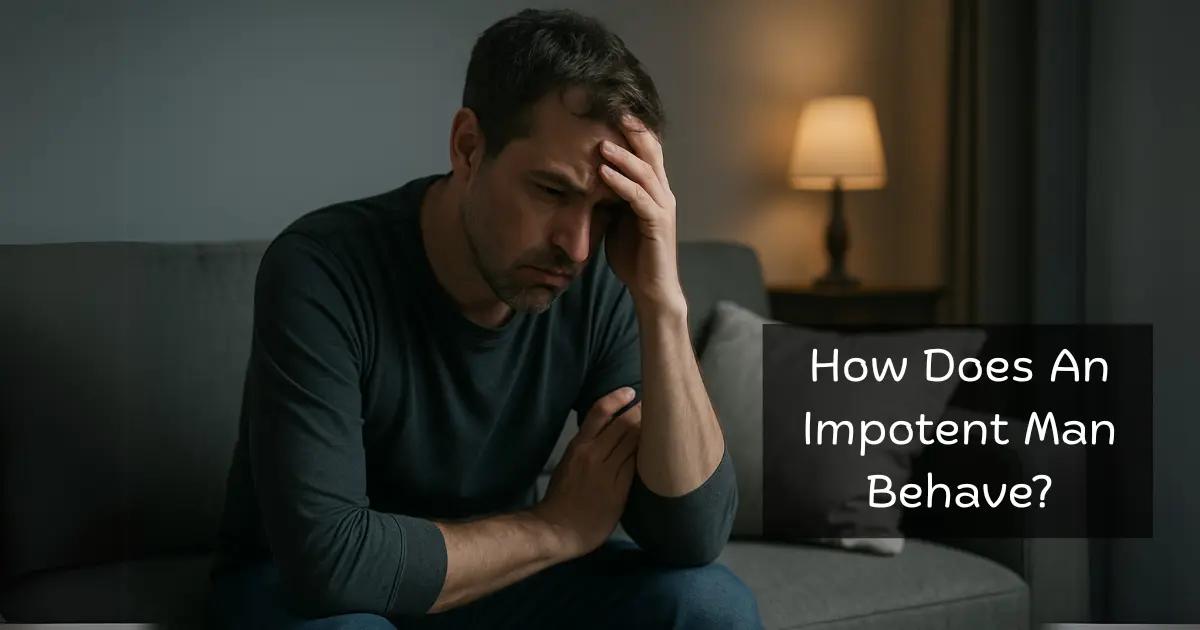
Understanding how does an impotent man behave is crucial for partners, family members, and men experiencing erectile dysfunction themselves. Impotence, medically known as erectile dysfunction (ED), affects not just physical intimacy but profoundly impacts a man’s emotional state, self-esteem, and behavior patterns. Men dealing with erectile dysfunction often exhibit specific behavioral changes—from withdrawal and avoidance to irritability and depression—that stem from feelings of inadequacy, embarrassment, and fear of judgment. Recognizing these signs of impotence in men can help create a supportive environment where the condition can be addressed openly and compassionately, rather than becoming a source of silent suffering that damages relationships and mental health.
This comprehensive guide explores the behavioral, emotional, and psychological dimensions of erectile dysfunction, providing insights into how impotence manifests in daily life and relationships. Whether you’re trying to understand a partner’s recent changes in behavior or seeking validation for your own experiences with ED, this article offers evidence-based information alongside practical coping strategies that can help restore confidence, intimacy, and emotional well-being.
What Is Impotence (Erectile Dysfunction)?
Impotence, clinically referred to as erectile dysfunction (ED), is the consistent inability to achieve or maintain an erection sufficient for satisfactory sexual performance. The impotence meaning extends beyond occasional difficulties—it refers to a persistent pattern that occurs over at least three months and causes significant distress or interpersonal difficulty. This condition affects millions of men worldwide, with prevalence increasing with age, though it can occur at any stage of adult life.
Erectile dysfunction exists on a spectrum. Some men experience complete inability to achieve an erection, while others can get an erection but cannot maintain it long enough for intercourse. Still others may achieve erections in some situations but not others, a phenomenon known as erectile dysfunction with only one person or situational ED. Understanding this variability is important because it often provides clues about whether the underlying cause is primarily physical, psychological, or a combination of both.
The main cause of erectile dysfunction typically falls into several categories: vascular problems (reduced blood flow to the penis), neurological issues (nerve damage from diabetes or surgery), hormonal imbalances (low testosterone), medication side effects, and psychological factors (anxiety, depression, stress). Research shows that the most likely drugs to cause erectile dysfunction are antidepressants, blood pressure medications, antihistamines, and certain prostate medications. Physical causes become more common with age, while psychological reasons for erectile dysfunction are more prevalent in younger men.
It’s essential to understand that erectile dysfunction is not the same as lack of sexual desire. Many people wonder: does an impotent man feel desire? The answer is yes—most men with ED continue to experience sexual attraction and arousal. The issue lies in the physical mechanism of achieving an erection, not in the psychological experience of desire. Similarly, does an impotent man release sperm? In most cases, yes—ejaculation and orgasm can occur independently of erectile function, though the experience may be different without a firm erection.
Common Behavioral Signs of a Man with Erectile Dysfunction
Recognizing how does an impotent man behave requires understanding the subtle and overt behavioral changes that often accompany erectile dysfunction. These signs of impotence in men manifest differently depending on personality, relationship dynamics, and the severity of the condition, but certain patterns emerge consistently across cases.
Avoidance of intimacy and physical contact is perhaps the most common behavioral indicator. Men with ED often begin avoiding situations that might lead to sexual activity. This can start subtly—going to bed earlier or later than a partner, becoming absorbed in work or hobbies during typical intimate times, or creating physical distance. The behaviour of an impotent husband may include making excuses about being tired, stressed, or not feeling well whenever intimacy seems likely. This avoidance stems from fear of failure and the anticipation of embarrassment.
Increased irritability and mood swings frequently characterize erectile dysfunction behavior changes. The constant stress of worrying about sexual performance, combined with feelings of inadequacy, can make men more short-tempered, defensive, or emotionally volatile. Small frustrations may trigger disproportionate reactions, and the man may seem generally more tense or on edge. This irritability often extends beyond the bedroom, affecting work relationships, friendships, and family dynamics.
Social withdrawal and isolation represent another significant behavioral pattern. Men dealing with impotence may pull away from friends, decline social invitations, or lose interest in activities they previously enjoyed. This withdrawal serves multiple purposes: it reduces opportunities for conversations about relationships or sex, minimizes the emotional energy required for social interaction, and creates space to ruminate on the problem privately. The psychology of impotent man often involves a belief that others can somehow detect or know about the condition, leading to social anxiety.
Defensive or dismissive communication about intimacy becomes common. When partners attempt to discuss the lack of sexual activity or changes in the relationship, men with ED may respond with deflection, blame, or outright denial. Statements like “I’m just stressed about work” or “You’re being too demanding” serve to redirect attention away from the underlying issue. This defensive posture protects the ego but prevents productive conversation and problem-solving.
Overcompensation in other areas sometimes occurs as men attempt to prove their masculinity through alternative means. This might manifest as excessive focus on work achievements, physical fitness, financial success, or traditionally “masculine” activities. The impotent man behaviour with wife might include being overly controlling in non-sexual aspects of the relationship or emphasizing his role as provider to compensate for perceived sexual inadequacy.
Changes in self-care and appearance can signal internal struggles. Some men neglect their appearance, losing interest in grooming, fitness, or clothing choices—a reflection of diminished self-esteem. Conversely, others may become obsessively focused on appearance, hoping that physical improvements will somehow resolve the erectile issue or restore their sense of masculinity.
Emotional and Psychological Effects of Impotence
The emotional effects of impotence extend far deeper than the physical symptoms, often creating a complex psychological landscape that profoundly affects a man’s identity, self-worth, and mental health. Understanding these internal experiences is crucial for recognizing how does an impotent man behave externally.
Shame and embarrassment rank among the most powerful emotions associated with erectile dysfunction. In many cultures, sexual performance remains deeply intertwined with masculine identity. When a man cannot perform sexually, he may experience profound shame that extends beyond the bedroom into his entire sense of self. This shame often prevents men from seeking help, discussing the issue with partners, or even acknowledging the problem to themselves. The symptoms of impotent man psychologically often include ruminating thoughts about inadequacy and fears of being “less than a man.”
Anxiety and performance pressure create a vicious cycle that worsens erectile dysfunction. After experiencing ED once or twice, many men develop anticipatory anxiety—worrying about whether they’ll be able to perform during the next sexual encounter. This anxiety itself can cause or worsen erectile problems, creating a self-fulfilling prophecy. The question how to know if erectile dysfunction is psychological often relates to this pattern: if erections occur normally during sleep or masturbation but fail during partnered sex, psychological factors are likely primary contributors.
Depression and hopelessness frequently develop, especially when erectile dysfunction persists without treatment. The loss of sexual function can feel like losing an essential part of one’s identity and future. Men may experience persistent sadness, loss of interest in previously enjoyable activities, changes in sleep and appetite, and thoughts that life has lost its meaning. Research indicates a bidirectional relationship between depression and ED—depression can cause erectile dysfunction, and erectile dysfunction can cause depression, creating a challenging cycle to break.
Loss of confidence and self-esteem permeates many aspects of life beyond sexuality. Men with ED often report feeling less capable, less attractive, and less valuable as partners. This diminished self-esteem can affect professional performance, social interactions, and overall life satisfaction. The constant internal narrative of failure and inadequacy becomes exhausting and all-consuming.
Fear of judgment and rejection dominates many men’s emotional experience with impotence. Questions like “Will my partner leave me?” or “Will she think I’m not attracted to her?” create constant anxiety. For men entering new relationships, the fear of disclosure can be paralyzing. Many wonder why impotent man marry, concerned about whether it’s fair to enter a committed relationship while dealing with ED. The reality is that with proper communication and treatment, many men with erectile dysfunction maintain fulfilling relationships and marriages.
Anger and frustration directed both inward and outward are common emotional responses. Men may feel angry at their bodies for “betraying” them, frustrated with the medical system if treatments don’t work immediately, or resentful toward partners who they perceive as adding pressure. This anger, when misdirected, can damage relationships and prevent constructive problem-solving.
An important question many ask is: do men with erectile dysfunction still feel pleasure? The answer is generally yes. Physical pleasure from touch, emotional intimacy, and even orgasm (which can occur without a full erection) remain possible. However, the psychological burden of ED can diminish the ability to be present and enjoy these experiences, as the mind becomes preoccupied with performance concerns rather than pleasure.
How Impotence Affects Relationships and Intimacy
Understanding how erectile dysfunction affects a woman and the relationship dynamic is essential for comprehending the full behavioral picture of impotence. Erectile dysfunction is never solely one person’s problem—it becomes a couple’s challenge that requires mutual understanding and cooperation to navigate successfully.
The impotent man behaviour with wife often creates a pattern of emotional and physical distance that can transform the entire relationship. When sexual intimacy decreases or disappears, couples may lose other forms of physical affection as well—kissing, cuddling, hand-holding—because these acts become associated with the anxiety of potential sexual expectations. This creates what researchers call “affection avoidance,” where all physical touch becomes laden with tension rather than comfort.
Partners of men with ED frequently experience their own emotional turmoil. Women may wonder can a woman cause erectile dysfunction, internalizing the problem and questioning their attractiveness or desirability. They might interpret the lack of sexual activity as rejection, loss of love, or evidence of infidelity. The question “how does erectile dysfunction affect a woman” has multiple answers: it can trigger insecurity, frustration, loneliness, and confusion. Some women feel guilty for wanting sexual intimacy, believing they’re being selfish or unsupportive by expressing their needs.
Communication breakdowns represent one of the most damaging relationship effects. When couples cannot discuss erectile dysfunction openly, they begin making assumptions about each other’s thoughts and feelings. The man may assume his partner is disappointed or disgusted, while the partner assumes the man no longer finds her attractive. These unspoken narratives create emotional distance that extends far beyond the bedroom. The scenario of “my husband is impotent and doesn’t care” often reflects not actual indifference but rather the man’s inability to express his deep shame and fear, which the partner misinterprets as lack of concern.
The concept of an impotent husband sexless marriage raises important questions about relationship satisfaction and longevity. Research shows that while sexual intimacy is important, it’s not the sole determinant of relationship quality. Couples who maintain emotional connection, communication, affection, and mutual support can sustain satisfying relationships even when sexual activity is limited. However, this requires both partners to actively work on alternative forms of intimacy and to address the issue rather than ignore it.
Many wonder: can an impotent man make love to a woman? The answer depends on how one defines “making love.” If it’s narrowly defined as penetrative intercourse, then erectile dysfunction presents obvious challenges. However, intimacy encompasses much more—oral sex, manual stimulation, use of toys, sensual massage, and emotional connection all constitute meaningful sexual expression. The question can a man with erectile dysfunction satisfy a woman is similarly nuanced: physical satisfaction can be achieved through various means beyond penetration, and emotional satisfaction depends on the quality of connection, communication, and mutual care.
For couples considering children, the concern “my husband is impotent and I want a baby” presents practical challenges. It’s important to note that erectile dysfunction doesn’t necessarily mean infertility. Many men with ED can still ejaculate through manual or oral stimulation, making natural conception possible. Additionally, medical treatments for ED, artificial insemination, and other fertility options provide pathways to parenthood for couples dealing with impotence.
Trust issues can emerge when erectile dysfunction goes unaddressed. Partners may suspect infidelity, wondering if the man is having an affair or using pornography excessively. Conversely, some men develop jealousy or possessiveness, projecting their insecurities onto their partners. These trust issues, if left unexamined, can erode the relationship foundation even more than the sexual dysfunction itself.
Why Men May Hide or Deny Erectile Dysfunction
Understanding why men conceal or refuse to acknowledge erectile dysfunction helps explain many of the behavioral patterns associated with the condition. The reasons for this denial are complex, rooted in cultural conditioning, psychological defense mechanisms, and practical concerns about treatment.
Cultural masculinity norms create enormous pressure on men to maintain sexual prowess as a core component of their identity. From adolescence, males receive messages—explicit and implicit—that sexual performance defines manhood. Admitting to erectile dysfunction feels like admitting to a fundamental failure of masculinity. This cultural context explains why many men would rather endure silent suffering than seek help, viewing ED as a shameful secret rather than a treatable medical condition.
Fear of medical examination and diagnosis prevents many men from consulting healthcare providers. The prospect of discussing intimate details, undergoing physical examination, or receiving a formal diagnosis feels threatening. Some men worry that acknowledging ED medically will make it “real” or permanent, preferring to maintain the fiction that it’s temporary or situational. Others fear that doctors will dismiss their concerns or that treatment options will be invasive, expensive, or ineffective.
Misunderstanding about permanence contributes to denial. Many men believe that is erectile dysfunction permanent once it begins, leading to a sense of hopelessness that prevents action. In reality, many cases of ED are highly treatable, and even when underlying conditions (like diabetes or cardiovascular disease) cannot be fully cured, erectile function can often be restored through various interventions. The question can impotent man be cured has a nuanced answer: while “cure” depends on the underlying cause, effective management and restoration of function are possible in the vast majority of cases.
Relationship protection motives sometimes drive concealment. Men may hide erectile dysfunction because they fear their partner will leave, lose respect for them, or feel burdened by the problem. Paradoxically, this protective instinct often backfires—the behavioral changes associated with hiding ED (avoidance, irritability, emotional distance) damage the relationship more than honest disclosure would. The behaviour of an impotent husband who conceals the issue often creates more relationship stress than the ED itself.
Hope that it will resolve spontaneously leads many men to adopt a “wait and see” approach. After initial episodes of erectile difficulty, men often convince themselves that the problem is temporary—due to stress, fatigue, or alcohol—and will disappear on its own. While occasional erectile difficulties are indeed normal and often resolve without intervention, persistent patterns require attention. The question does psychological ED go away on its own has a variable answer: mild, situational psychological ED may improve with stress reduction and lifestyle changes, but moderate to severe cases typically benefit from professional intervention.
Privacy and autonomy concerns make some men reluctant to involve partners in what they view as a personal medical issue. They may attempt to address the problem independently—researching online, trying supplements, or obtaining medications without prescription—rather than having vulnerable conversations with partners or doctors. This approach, while understandable, often delays effective treatment and perpetuates the isolation that worsens psychological symptoms.
Online communities and forums (like those asking impotent man behaviour with wife quora) reveal that many men seek anonymous advice rather than professional help or partner communication. While these resources can provide validation and information, they cannot replace medical evaluation and open relationship dialogue.
Coping Strategies for Men Dealing with Impotence
Effective coping with erectile dysfunction requires a multifaceted approach that addresses physical, psychological, and relational dimensions. Men who actively engage with the problem rather than avoiding it consistently report better outcomes in terms of both erectile function and overall quality of life.
Acknowledge the problem honestly represents the essential first step. This means moving past denial and accepting that erectile dysfunction is occurring. Self-acknowledgment doesn’t require immediate disclosure to others, but it does mean stopping the internal narrative that “this isn’t really happening” or “it will just go away.” Journaling about experiences, tracking patterns (when ED occurs versus when erections are normal), and honestly assessing the impact on life and relationships can facilitate this acknowledgment.
Reframe erectile dysfunction as a medical condition, not a personal failure or character flaw. Just as one wouldn’t feel ashamed about high blood pressure or diabetes, erectile dysfunction is a health issue with identifiable causes and available treatments. This cognitive reframing—viewing ED through a medical rather than moral lens—can significantly reduce shame and facilitate help-seeking. Understanding that ED affects approximately 30 million men in the United States alone can normalize the experience and reduce feelings of isolation.
Educate yourself about causes and treatments through reputable medical sources. Understanding the physiology of erections, the various factors that can impair erectile function, and the range of available treatments empowers men to make informed decisions. However, it’s important to distinguish between education and obsessive research that increases anxiety. Set boundaries on information-seeking—perhaps dedicating specific times to research rather than constantly searching for answers.
Practice stress-reduction techniques that address the anxiety component of erectile dysfunction. Mindfulness meditation, progressive muscle relaxation, deep breathing exercises, and yoga have all shown benefits for men with ED, particularly when psychological factors contribute to the condition. These practices help interrupt the anxiety-performance cycle by training the mind to stay present rather than catastrophizing about potential failure. Even 10-15 minutes of daily mindfulness practice can yield measurable improvements.
Maintain physical health through lifestyle modifications that support erectile function. Regular cardiovascular exercise improves blood flow throughout the body, including to the penis. A diet rich in fruits, vegetables, whole grains, and lean proteins supports vascular health. Limiting alcohol consumption, quitting smoking, and maintaining a healthy weight all contribute to better erectile function. These changes benefit overall health regardless of their impact on ED, creating multiple incentives for implementation.
Challenge negative thought patterns through cognitive restructuring. Men with ED often engage in catastrophic thinking (“I’ll never have sex again”), overgeneralization (“I can’t get an erection, so I’m worthless”), and mind-reading (“My partner thinks I’m pathetic”). Cognitive-behavioral techniques involve identifying these distorted thoughts, examining evidence for and against them, and developing more balanced, realistic perspectives. Working with a therapist trained in CBT can accelerate this process.
Explore alternative forms of sexual expression that don’t center on penetrative intercourse. Expanding one’s sexual repertoire to include oral sex, manual stimulation, sensual massage, and use of toys can maintain sexual connection and pleasure even when erections are unreliable. This exploration often improves overall sexual satisfaction for both partners by emphasizing pleasure and connection over performance. The question do impotent men still get turned on is relevant here—arousal and desire typically remain intact, allowing for meaningful sexual experiences beyond penetration.
Set realistic expectations and practice self-compassion. Recovery from erectile dysfunction, whether through medical treatment or psychological intervention, rarely happens overnight. There will likely be setbacks, partially successful encounters, and ongoing challenges. Treating oneself with the same kindness and patience one would offer a good friend facing similar struggles can prevent the shame spiral that worsens ED. Celebrate small improvements rather than fixating on perfect performance.
Consider professional counseling, either individually or as a couple. Sex therapists specialize in addressing sexual dysfunction and can provide targeted interventions that general therapists may not offer. Individual therapy can address underlying depression, anxiety, or trauma that contributes to ED. The question of how to live with an impotent man from a partner’s perspective, or how to live with impotence from the man’s perspective, often benefits enormously from professional guidance that provides coping tools and communication strategies.
How Partners Can Support a Man with Erectile Dysfunction
Partners play a crucial role in how men experience and cope with erectile dysfunction. Supportive, understanding partners can facilitate treatment-seeking, reduce performance anxiety, and maintain relationship intimacy, while unsupportive responses can worsen shame, avoidance, and psychological symptoms.
Initiate compassionate, non-judgmental conversation about the changes you’ve noticed. Rather than accusatory statements (“You never want to have sex anymore”), use “I” statements that express concern and care: “I’ve noticed we’ve been less physically intimate lately, and I’m wondering if everything is okay. I care about you and want to understand what you’re experiencing.” Choose a neutral time and place for this conversation—not immediately after a failed sexual encounter when emotions are raw.
Educate yourself about erectile dysfunction independently so you can approach the topic with understanding rather than assumptions. Learning that ED is common, treatable, and not a reflection of attraction or love can prevent you from taking the situation personally. Understanding the psychological burden men carry regarding sexual performance helps cultivate empathy rather than frustration.
Explicitly reassure your partner about your continued attraction, love, and commitment. Men with ED often assume their partners are disappointed, disgusted, or considering leaving. Direct statements like “I love you regardless of what’s happening sexually” or “You are so much more to me than sexual performance” can provide enormous relief. However, ensure these reassurances are genuine—partners also have legitimate needs for intimacy that deserve acknowledgment.
Avoid pressure and performance demands that increase anxiety. Statements like “Just relax and it will happen” or “Don’t worry about it” paradoxically increase pressure by highlighting the problem. Instead, suggest taking penetrative sex off the table temporarily and exploring other forms of intimacy. This removes the immediate performance pressure and allows for reconnection without the anxiety of potential failure.
Participate in treatment and solution-seeking as a team. Offer to attend medical appointments, research treatment options together, or participate in couples therapy. This demonstrates that you view ED as a shared challenge rather than solely his problem. However, respect his autonomy—offer support without taking over or becoming controlling about treatment decisions.
Maintain non-sexual physical affection to preserve connection and intimacy. Continue hugging, kissing, cuddling, and holding hands without these gestures leading to sexual expectations. This maintains physical bonding and reassures both partners that affection exists independent of sexual performance. Many couples report that when they remove the pressure for affection to lead to sex, both partners feel more comfortable with physical touch.
Express your own needs and feelings honestly while remaining compassionate. It’s possible to be supportive while also acknowledging that the lack of sexual intimacy affects you. Statements like “I understand this is difficult for you, and I want to support you. I also miss our physical connection and want to find ways we can maintain intimacy while you’re working through this” validate both partners’ experiences.
Challenge the narrative that sex equals penetration by actively exploring alternative sexual activities. Suggest trying new things, using toys, or focusing on mutual pleasure through oral and manual stimulation. Demonstrating genuine enjoyment of these alternatives (rather than treating them as inferior substitutes) can reduce the man’s sense of inadequacy and expand both partners’ sexual satisfaction.
Be patient with the process of treatment and recovery. Whether your partner pursues medical treatment, therapy, or lifestyle changes, improvement takes time. There will likely be setbacks and frustrations along the way. Maintaining a long-term perspective and celebrating small improvements helps sustain motivation and hope.
Take care of your own emotional needs through individual therapy, support groups, or trusted confidants. Supporting a partner with ED can be emotionally draining, and you need outlets for your own frustration, sadness, or confusion. Taking care of yourself enables you to show up more fully in the relationship.
When to Seek Medical Help for Erectile Dysfunction
Knowing when to transition from self-management to professional medical evaluation is crucial for effective treatment of erectile dysfunction. While occasional erectile difficulties are normal and don’t necessarily require medical intervention, certain patterns and circumstances warrant prompt medical attention.
Persistent or worsening symptoms over three months represent the primary indicator for seeking medical help. If erectile difficulties occur consistently—more than 50% of sexual attempts—over this timeframe, professional evaluation is recommended. This duration distinguishes temporary, situational difficulties from a pattern that suggests underlying medical or psychological issues requiring treatment.
Sudden onset of complete erectile dysfunction, particularly in younger men, warrants immediate medical attention. While gradual decline in erectile function is more common with aging, sudden and complete loss of erectile ability can signal serious underlying conditions such as neurological problems, hormonal imbalances, or vascular issues. This pattern requires comprehensive medical evaluation to rule out urgent health concerns.
Erectile dysfunction accompanied by other symptoms demands medical assessment. If ED occurs alongside chest pain, shortness of breath, extreme fatigue, changes in urination, loss of sensation in the genital area, or curvature of the penis, these combinations may indicate serious conditions like cardiovascular disease, diabetes, neurological disorders, or Peyronie’s disease. Erectile dysfunction often serves as an early warning sign for cardiovascular problems, as the smaller blood vessels in the penis may show dysfunction before larger vessels elsewhere in the body.
ED that causes significant distress or relationship problems justifies medical consultation regardless of duration. If erectile difficulties are causing depression, anxiety, relationship conflict, or avoidance of intimacy, these psychological and relational impacts warrant professional intervention even if the physical symptoms are relatively mild or intermittent.
The question what is the average age a man becomes impotent reflects common concerns about age-related ED. While erectile function does decline with age—approximately 40% of men experience some degree of ED by age 40, and prevalence increases about 10% per decade thereafter—age alone doesn’t determine erectile function. Many men maintain satisfactory erectile function well into their 70s and 80s, while some younger men experience significant ED. Age-related changes warrant medical attention just as much as ED in younger men, as effective treatments are available regardless of age.
Before starting any self-treatment, medical consultation is advisable. Many men attempt to address ED independently through supplements, online medication purchases, or lifestyle changes without professional guidance. While some interventions (like exercise and stress reduction) are generally safe, others (particularly medications obtained without prescription) can be dangerous. A medical evaluation ensures that treatments are appropriate, safe, and targeted to the specific underlying causes.
When considering starting a new relationship, men with known ED may benefit from medical consultation to explore treatment options that can reduce anxiety about sexual performance. The scenario of “my new boyfriend is impotent” from a partner’s perspective, or facing new relationship anxiety from the man’s perspective, can be addressed more confidently when medical support is in place.
During a medical evaluation for erectile dysfunction, expect a comprehensive assessment including detailed medical history, medication review, physical examination, and possibly laboratory tests (checking testosterone, blood sugar, cholesterol, and other markers). The doctor will ask about the pattern of erectile difficulties, presence of morning erections, relationship factors, and psychological symptoms. This thorough evaluation identifies underlying causes and guides appropriate treatment selection.
Treatment Options That Can Improve Behavior and Confidence
Understanding available treatments for erectile dysfunction is essential because effective treatment not only restores sexual function but also dramatically improves the behavioral and emotional symptoms associated with impotence. When men regain erectile confidence, the avoidance, irritability, depression, and relationship distance typically diminish significantly.
Oral medications (PDE5 inhibitors) represent the most common first-line treatment for erectile dysfunction. Medications like sildenafil (Viagra), tadalafil (Cialis), vardenafil (Levitra), and avanafil (Stendra) work by enhancing blood flow to the penis in response to sexual stimulation. These erectile dysfunction medication options have high success rates—approximately 70% of men experience improved erections. They differ primarily in duration of action (tadalafil can last up to 36 hours, while others last 4-6 hours) and onset time. These medications don’t create automatic erections; sexual stimulation is still required, which addresses the question do impotent men still get turned on—arousal remains necessary for the medication to work.
Important considerations with oral medications include potential side effects (headache, flushing, nasal congestion, visual changes), contraindications (particularly dangerous when combined with nitrate medications for heart conditions), and the fact that they treat symptoms rather than underlying causes. However, for many men, the confidence gained from knowing they have reliable medication available reduces performance anxiety enough that they may eventually need the medication less frequently.
Testosterone replacement therapy benefits men whose ED stems from clinically low testosterone levels (hypogonadism). This treatment involves gels, injections, patches, or pellets that restore testosterone to normal levels. However, testosterone therapy only improves erectile function when low testosterone is the primary cause—it won’t help men with normal testosterone levels. Comprehensive hormone testing is necessary before starting this treatment, and ongoing monitoring is required to manage potential side effects and ensure effectiveness.
Psychological counseling and sex therapy address the psychological reasons for erectile dysfunction and are particularly effective when anxiety, depression, relationship issues, or past trauma contribute to ED. Cognitive-behavioral therapy (CBT) helps men identify and change thought patterns that perpetuate performance anxiety. Sex therapy may include sensate focus exercises—structured touching activities that gradually rebuild sexual confidence without performance pressure. For men wondering how to know if erectile dysfunction is psychological, therapy can be both diagnostic and therapeutic, as psychological ED often improves significantly with targeted counseling.
Vacuum erection devices offer a non-medication option that mechanically creates erections by drawing blood into the penis through vacuum pressure, then maintaining the erection with a constriction ring. While less spontaneous than oral medications, these devices are safe, effective, and can be used by men who cannot take ED medications due to other health conditions. They require some practice and comfort with the mechanical process but have no systemic side effects.
Penile injections and urethral suppositories deliver medication directly to the penis, bypassing the need for oral absorption. Alprostadil, the most common medication used this way, causes blood vessels to dilate and produces erections within 5-20 minutes. While the idea of penile injections may seem daunting, many men find them relatively painless and highly effective when oral medications fail. Proper training from a healthcare provider is essential for safe self-administration.
Penile implants represent a surgical option for men who don’t respond to other treatments. These devices, surgically placed inside the penis, allow men to mechanically create erections. Modern implants are sophisticated, with inflatable models that appear and function quite naturally. While surgery carries inherent risks and represents a permanent modification, satisfaction rates among men who receive implants are very high—typically above 90%—because the devices reliably restore erectile function.
Lifestyle modifications serve as both standalone treatments for mild ED and complementary approaches alongside medical treatments. Regular cardiovascular exercise (at least 150 minutes of moderate activity weekly) improves blood flow and erectile function. Weight loss in overweight men often improves ED significantly. Smoking cessation is crucial, as smoking damages blood vessels and directly impairs erectile function. Limiting alcohol consumption, managing stress, and ensuring adequate sleep all contribute to better erectile health.
Treatment of underlying medical conditions can resolve or improve erectile dysfunction when conditions like diabetes, high blood pressure, high cholesterol, or hormonal imbalances are contributing factors. Optimizing management of these conditions—through medication, lifestyle changes, or both—often yields improvements in erectile function as a secondary benefit.
The question what is the latest treatment for erectile dysfunction reflects ongoing research and innovation in this field. Recent developments include low-intensity shockwave therapy (which may stimulate blood vessel growth in the penis), platelet-rich plasma (PRP) injections, and stem cell therapies. While some of these emerging treatments show promise, most remain experimental or have limited evidence supporting their effectiveness. Men interested in cutting-edge treatments should discuss options with specialists and carefully evaluate the evidence before pursuing experimental interventions.
Regarding is erectile dysfunction curable, the answer depends on the underlying cause. ED caused by psychological factors, medication side effects, or lifestyle factors can often be completely resolved by addressing these root causes. ED caused by chronic conditions like diabetes or cardiovascular disease may not be “curable” in the sense of permanent resolution, but it can be effectively managed with ongoing treatment, allowing men to maintain satisfactory sexual function. The key is that very few cases of ED are truly untreatable—the vast majority of men can achieve significant improvement with appropriate intervention.
When treatment successfully restores erectile function, the behavioral changes associated with impotence typically improve dramatically. Men report decreased anxiety and depression, improved self-esteem, renewed interest in intimacy, better mood, and enhanced relationship satisfaction. Partners also experience relief and renewed connection. This underscores an important point: while understanding how does an impotent man behave helps recognize and empathize with the condition, the ultimate goal is treatment that eliminates the need for these coping behaviors by addressing the underlying dysfunction.
The journey from recognizing erectile dysfunction to successfully treating it requires courage, honesty, and persistence. Whether you’re a man experiencing ED or a partner supporting someone through this challenge, remember that impotence is a common, treatable medical condition—not a permanent sentence or a measure of worth. With appropriate medical care, psychological support, open communication, and patience, the vast majority of men can overcome erectile dysfunction and restore both sexual function and the confidence, emotional well-being, and relationship intimacy that accompany it. The behavioral signs of impotence—avoidance, irritability, withdrawal—are symptoms of a treatable condition, not permanent character changes. By addressing ED directly and compassionately, men and their partners can move beyond these difficult patterns toward healthier, more fulfilling intimate lives.
Frequently Asked Questions
How does an impotent man behave in a relationship?
An impotent man often exhibits withdrawal, avoidance of intimacy, and emotional distance from his partner. He may become irritable, defensive, or overly sensitive to perceived criticism about his sexual performance. Many men experiencing erectile dysfunction also show signs of depression, anxiety, and decreased self-confidence that affect their overall behavior and communication patterns.
Can an impotent man make love to a woman?
Yes, an impotent man can absolutely make love to a woman through various forms of intimacy beyond penetrative intercourse. Physical intimacy includes kissing, touching, oral stimulation, and using hands or toys to provide pleasure. Many couples find that erectile dysfunction actually opens doors to more creative, communicative, and emotionally connected intimate experiences when approached with openness and patience.
How do you know if a guy is impotent?
Signs that a man may be experiencing impotence include consistently avoiding sexual situations, difficulty achieving or maintaining an erection during intimate moments, and behavioral changes like increased anxiety around intimacy. However, occasional erectile difficulties don’t indicate impotence—true erectile dysfunction is diagnosed when the problem persists for three months or longer. The only definitive way to know is through honest communication or medical evaluation.
Do impotent men still get turned on?
Yes, impotent men typically still experience sexual desire and arousal. Erectile dysfunction affects the physical mechanism of achieving an erection, not necessarily libido or the psychological experience of being turned on. The disconnect between mental arousal and physical response is actually one of the most frustrating aspects of ED and contributes significantly to how does an impotent man behave emotionally.
What are the first signs of impotence in men?
The first signs of impotence include difficulty achieving a full erection, trouble maintaining an erection during sexual activity, and reduced firmness compared to previous experiences. Early behavioral indicators include avoiding sexual situations, showing increased performance anxiety, or making excuses to postpone intimacy. Men may also experience decreased morning erections or notice that erections require more stimulation than before.
What is the main cause of erectile dysfunction?
The main causes of erectile dysfunction are typically vascular issues (reduced blood flow to the penis), which account for about 70% of physical ED cases. Other primary causes include diabetes, high blood pressure, obesity, hormonal imbalances, and psychological factors like stress, anxiety, and depression. In many cases, ED results from a combination of physical and psychological factors rather than a single cause.
Does erectile dysfunction go away on its own?
Erectile dysfunction may resolve on its own if caused by temporary factors like stress, fatigue, excessive alcohol consumption, or relationship issues. However, ED caused by underlying health conditions, chronic lifestyle factors, or age-related changes typically requires intervention through lifestyle modifications, therapy, or medical treatment. Early consultation with a healthcare provider increases the likelihood of successful treatment and prevents the condition from worsening.
How does erectile dysfunction make men behave emotionally?
Erectile dysfunction often causes men to experience shame, embarrassment, frustration, and a significant blow to their masculine identity. Understanding how does an impotent man behave emotionally reveals patterns of depression, social withdrawal, irritability, and avoidance of intimate situations. Many men also develop performance anxiety that creates a self-perpetuating cycle, where fear of failure actually contributes to continued erectile difficulties.
How to deal with your partner's erectile dysfunction?
Dealing with your partner’s erectile dysfunction requires patience, open communication, and reassurance that his value isn’t defined by sexual performance. Approach conversations with empathy rather than blame, encourage professional help without pressure, and explore alternative forms of intimacy together. Supporting your partner means understanding the emotional impact ED has on him while also expressing your own needs and maintaining emotional connection beyond the bedroom.
What is the average age a man becomes impotent?
There is no single “average age” for impotence, as erectile dysfunction can occur at any age, though prevalence increases with age. Approximately 40% of men experience some degree of ED by age 40, and this increases by about 10% with each decade (50% at 50, 60% at 60). However, age alone doesn’t cause impotence—it’s the accumulation of health conditions, medications, and lifestyle factors that typically increase with age that contribute to erectile dysfunction.
You May Also Like

How to Improve Accuracy in Health and Fitness Wearable Apps
What is an Essix Retainer? Complete Guide to Clear Retainers
Lost Your Retainer? Here’s What to Do Right Away