Kitchen Design Trends 2025: Modern Ideas & Styles

The kitchen has evolved from a purely functional space into the heart of the home, and kitchen design trends 2025 reflect this transformation with an exciting blend of minimalist aesthetics, bold color statements, and eco-conscious material choices. Whether you’re planning a complete renovation or simply refreshing your cooking space, understanding what defines modern kitchen design this year will help you create a space that feels both current and timeless. From smart technology integration to sustainable materials that reduce environmental impact, the latest trends balance visual appeal with practical functionality, ensuring your investment remains relevant for years to come.
Today’s homeowners are moving beyond cookie-cutter designs and embracing personalized spaces that reflect individual style while incorporating cutting-edge innovations. The kitchen design ideas emerging in 2025 prioritize flexibility, sustainability, and visual impact—creating environments that work as hard as they look good. Let’s explore the defining characteristics and specific trends shaping modern kitchens this year.
What Defines Modern Kitchen Design in 2025?
Modern kitchen design in 2025 is characterized by a thoughtful balance between form and function, where aesthetic choices serve practical purposes. Unlike previous years that favored either stark minimalism or ornate traditional styles, the current approach embraces intentional design—every element has a purpose, whether visual or functional. This year’s kitchen trends 2025 emphasize personalization over following rigid design rules, allowing homeowners to mix styles, materials, and eras in ways that feel cohesive rather than chaotic.
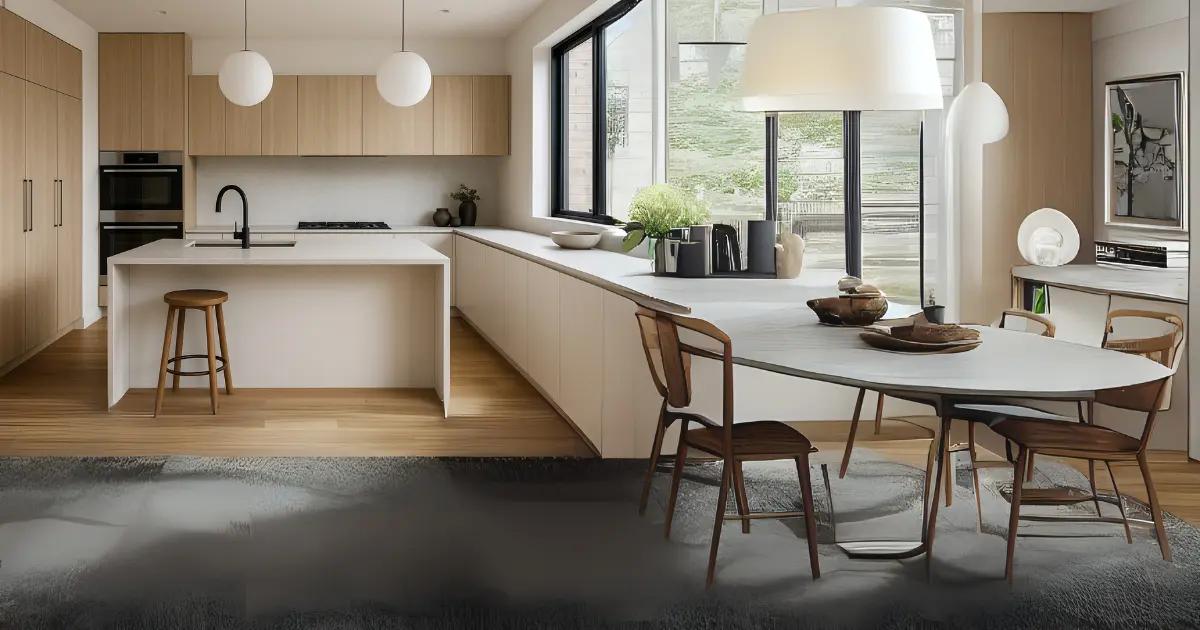
The defining features of contemporary kitchens include clean architectural lines, strategic use of negative space, and carefully curated focal points. Rather than overwhelming the senses with excessive decoration, modern kitchen designs photo gallery examples show spaces that breathe, with each design element given room to make an impact. This doesn’t mean sterile or cold—warmth comes through natural materials, layered textures, and thoughtful color application.
Technology integration has become seamlessly invisible, with smart appliances and systems designed to blend into cabinetry rather than dominate the visual landscape. The kitchen cabinet trends 2025 reflect this philosophy, with handleless designs, touch-activated mechanisms, and integrated appliances creating streamlined surfaces. Functionality extends beyond cooking to encompass the kitchen as a multi-purpose space for working, socializing, and living—a shift accelerated by changing work-from-home patterns.
Sustainability has moved from optional consideration to core design principle. Modern kitchen trends 2025 incorporate eco-friendly materials, energy-efficient appliances, and designs that minimize waste during both construction and daily use. This environmental consciousness doesn’t compromise aesthetics; instead, it introduces beautiful natural materials and innovative recycled products that enhance visual appeal while reducing ecological footprint.
Minimalist Kitchen Aesthetics: Clean Lines and Functional Simplicity
Minimalist kitchen ideas continue to dominate the design landscape in 2025, but with a softer, more livable interpretation than the stark minimalism of previous decades. The current approach to minimalism emphasizes functional simplicity—reducing visual clutter while maintaining warmth and personality. This evolution recognizes that kitchens must accommodate real life, with practical storage and organisation solutions hidden behind clean facades.
The minimalist aesthetic in 2025 focuses on quality over quantity, with fewer but better-chosen elements. Cabinetry features flush surfaces, integrated handles, or push-to-open mechanisms that eliminate hardware entirely. Countertops extend in unbroken planes, creating visual continuity that makes spaces feel larger and more serene. Color palettes remain neutral but have expanded beyond pure white to include warm grays, soft beiges, and natural wood tones that add depth without busy-ness.
Small kitchen design trends 2025 particularly benefit from minimalist principles, as the approach maximizes perceived space through strategic design. Vertical storage solutions, hidden appliances, and multi-functional furniture allow compact kitchens to function efficiently without feeling cramped. The key lies in thoughtful planning—every item must earn its place, and everything should have a designated storage location to maintain the clean aesthetic.
Texture plays a crucial role in preventing minimalist kitchens from feeling cold or institutional. Designers layer different materials with similar color values—matte and glossy finishes, smooth and textured surfaces, natural and manufactured materials—creating visual interest through subtle variation rather than contrasting colors or patterns. This textural approach adds sophistication while maintaining the calm, uncluttered atmosphere that defines minimalist design.
Key Elements of Minimalist Kitchen Design
- Handleless cabinetry: Push-to-open mechanisms or integrated rail systems eliminate visual hardware
- Concealed appliances: Refrigerators, dishwashers, and other appliances hidden behind matching cabinet panels
- Continuous surfaces: Seamless countertops and backsplashes without unnecessary breaks or decorative borders
- Limited color palette: Two to three main colors with subtle tonal variations
- Hidden storage: Pantries, pull-out systems, and organizational inserts that keep counters clear
- Negative space: Intentional empty areas that allow the eye to rest and the space to breathe
Bold Color Trends: Statement Cabinets and Accent Walls
While minimalism dominates one end of the spectrum, bold kitchen colors represent the exciting countertrend gaining momentum in 2025. Homeowners are increasingly confident in making dramatic color statements, moving beyond safe neutrals to embrace personality-driven palettes. The kitchen cabinet color trends 2025 show a particular appetite for deep, saturated hues that create instant visual impact and emotional resonance.
Navy blue, forest green, and charcoal gray lead the charge in cabinet colors, offering sophistication without the starkness of black. These rich tones work particularly well in larger kitchens where they can anchor the space without overwhelming it. For those seeking even bolder statements, jewel tones like emerald, sapphire, and amethyst are appearing in luxury kitchen designs 2025, often paired with metallic accents in brass, copper, or brushed gold that enhance their luxurious feel.
Two-toned kitchens remain popular, but the approach has evolved beyond simple upper-lower cabinet contrasts. Current trends favor more creative color blocking—perimeter cabinets in one color with a contrasting island, or a single wall of bold color cabinets against neutral surroundings. This strategic color placement allows homeowners to experiment with trend-forward hues while maintaining flexibility for future changes. Those looking to paint surfaces in bright colours can achieve dramatic transformations without complete renovations.
Accent walls have returned to prominence, but with more sophisticated execution than their previous incarnation. Rather than busy patterns or overwhelming colors, 2025 accent walls feature textured materials, subtle geometric patterns, or single bold colors that complement rather than compete with cabinetry. Popular choices include terracotta tile, textured plaster, or painted surfaces in warm earth tones that add depth and character.
Popular Color Combinations for 2025 Kitchens
| Primary Color | Accent Color | Best For |
|---|---|---|
| Deep Navy | Warm Brass | Traditional and transitional styles |
| Forest Green | Natural Wood | Organic, nature-inspired designs |
| Charcoal Gray | White Marble | Contemporary and minimalist spaces |
| Terracotta | Cream | Mediterranean and warm modern styles |
| Sage Green | Light Oak | Scandinavian and farmhouse aesthetics |
One question frequently asked is whether white kitchens are out of style in 2025. The answer is nuanced: pure all-white kitchens have lost some popularity, but white remains a foundational color when used strategically. The shift is toward warmer whites, off-whites, and creams, often combined with natural wood tones or used as a backdrop for colorful accents rather than as the sole color scheme.
Sustainable Kitchen Materials: Eco-Friendly Choices That Last
Sustainability has transitioned from niche concern to mainstream priority, with sustainable kitchen materials now central to modern kitchen design trends 2025. Homeowners increasingly consider the environmental impact of their choices, seeking materials that minimize ecological footprint without compromising durability or aesthetics. This shift reflects broader awareness of climate issues and desire to make responsible choices that align with personal values.
Reclaimed and recycled materials lead the sustainability movement, offering unique character while reducing demand for virgin resources. Reclaimed wood from old barns, factories, or shipping pallets creates stunning countertops, shelving, and accent walls with rich patina and history. Recycled glass countertops combine crushed glass with resin or cement binders, producing durable surfaces in various colors and patterns. These materials tell stories while performing admirably in demanding kitchen environments.
Bamboo has emerged as a star performer in sustainable kitchen design, offering rapid renewability combined with impressive strength and versatility. Unlike traditional hardwoods that take decades to mature, bamboo reaches harvest maturity in three to five years. It appears in cabinetry, flooring, cutting boards, and even woven into decorative elements. The material’s natural grain patterns and warm tones complement both minimalist and bold design approaches.
Cork represents another renewable material gaining traction, particularly for flooring applications. Harvested from the bark of cork oak trees without harming the tree itself, cork provides natural cushioning underfoot, excellent insulation properties, and inherent antimicrobial qualities. Its unique texture adds visual interest while offering practical benefits for a space where people spend considerable time standing.
Sustainable Material Options by Application
- Countertops: Recycled glass, paper composite (like Richlite), reclaimed wood, or locally quarried stone
- Cabinetry: FSC-certified wood, bamboo, or low-VOC engineered materials with formaldehyde-free adhesives
- Flooring: Cork, bamboo, reclaimed hardwood, or porcelain tile made from recycled content
- Backsplashes: Recycled glass tile, reclaimed ceramic, or natural stone from local sources
- Hardware: Recycled metal fixtures, or vintage/antique hardware repurposed from salvage
Beyond material selection, sustainable design considers longevity and timelessness. The most eco-friendly kitchen is one that doesn’t require replacement in five years because it’s fallen out of style. This principle encourages choosing classic designs with quality materials that age gracefully, reducing waste over the kitchen’s lifetime. Energy-efficient appliances, LED lighting, and water-saving fixtures complete the sustainability picture, reducing ongoing environmental impact throughout daily use.
Smart Kitchen Technology Integration
Technology integration represents one of the most significant shifts in kitchen design trends 2025, with smart devices and systems becoming standard rather than luxury additions. However, the approach to technology has matured—instead of showcasing gadgets as status symbols, current design philosophy emphasizes seamless integration where technology enhances function without dominating aesthetics. The best smart kitchens feel intuitive and effortless, with technology working invisibly in the background.
Smart appliances have evolved beyond novelty features to offer genuine practical benefits. Refrigerators with internal cameras allow grocery shopping from anywhere, reducing food waste by showing exactly what’s in stock. Ovens with precision temperature control and remote monitoring ensure perfect results while allowing multitasking. Dishwashers optimize water and energy use based on load size and soil level. These appliances connect to home networks and smartphone apps, providing control and monitoring capabilities that genuinely improve daily life.
Voice-activated assistants have found natural homes in kitchens, where hands-free operation proves particularly valuable. Setting timers, converting measurements, playing music, or accessing recipes while cooking becomes effortless with voice commands. Integration with smart home systems allows controlling lighting, temperature, and even window shades without interrupting meal preparation. The key is positioning these systems thoughtfully—built into range hoods, integrated into backsplashes, or concealed within cabinetry rather than cluttering countertops.
Lighting control systems represent another area where smart technology delivers both practical and aesthetic benefits. Programmable scenes adjust brightness and color temperature throughout the day, supporting different activities from bright task lighting during meal prep to softer ambient lighting during dining. Motion sensors can illuminate pathways or work areas automatically, while dimming capabilities create atmosphere for entertaining. These systems often integrate with natural light sensors, adjusting artificial lighting to maintain consistent illumination as daylight changes.
Essential Smart Kitchen Features for 2025
- Touchless faucets: Motion-activated water flow improves hygiene and convenience
- Smart refrigeration: Internal cameras, inventory tracking, and expiration date monitoring
- Connected cooking: Ovens and cooktops with precision control, remote monitoring, and guided cooking programs
- Integrated charging stations: Built-in USB ports and wireless charging pads in convenient locations
- Automated ventilation: Range hoods that activate automatically based on heat and smoke detection
- Smart lighting: Programmable scenes, color temperature adjustment, and voice or app control
Mixed Material Combinations: Texture and Contrast
The kitchen trends 2026 are already showing increased interest in mixed materials, but 2025 has firmly established this approach as a defining characteristic of contemporary design. Rather than matching everything perfectly, current aesthetics embrace intentional contrast and textural variety. This layering creates visual depth and sophistication while allowing personal expression through unique material combinations that reflect individual taste.
Wood and metal pairings remain popular, but the execution has become more nuanced. Warm wood tones—from light oak to rich walnut—combine with matte black metal, brushed brass, or copper accents to create balanced contrast. These combinations work across style spectrums, from industrial design featuring reclaimed wood with exposed steel to refined contemporary spaces pairing pale oak with champagne bronze hardware.
Stone and wood combinations bring natural elements together in harmonious contrast. Marble or granite countertops paired with wood cabinetry create classic elegance, while more adventurous combinations like concrete counters with warm wood create modern industrial aesthetics. The key lies in balancing cool and warm tones—pairing cool-toned stone with warm wood, or vice versa, creates visual interest without clash.
Mixing cabinet finishes within a single kitchen has become increasingly sophisticated. Beyond simple two-tone approaches, designers now combine three or even four different finishes—perhaps wood lower cabinets, painted uppers, a contrasting island, and open shelving in yet another material. Success requires careful attention to proportion and placement, ensuring the variety feels intentional rather than chaotic. Generally, the largest surface area should feature the most neutral finish, with bolder choices reserved for smaller doses.
Successful Material Mixing Principles
- Limit your palette: Use three to four different materials maximum to avoid visual confusion
- Repeat materials: Echo each material in at least two locations for cohesion
- Balance warm and cool: Pair warm-toned materials with cool-toned ones for dynamic contrast
- Vary texture: Combine smooth and rough, matte and glossy, natural and manufactured textures
- Consider scale: Use dominant materials for large surfaces, accent materials for smaller elements
- Maintain color harmony: Even with varied materials, keep an overall color story that ties elements together
Open Shelving vs. Closed Cabinets: The 2025 Verdict
The debate between open shelving and closed cabinets continues in 2025, but the conversation has matured beyond either-or thinking. Current small kitchen trends 2025 and larger kitchen designs both favor a hybrid approach that strategically combines both options to maximize benefits while minimizing drawbacks. This balanced strategy acknowledges that each solution serves different purposes and works better in specific contexts.
Open shelving creates visual lightness and accessibility, making it ideal for displaying beautiful dishware, glassware, or decorative objects. It forces organization and curation—only attractive, frequently used items make the cut. In small kitchens, open shelving can make spaces feel larger by eliminating the visual weight of upper cabinets. However, open shelving requires consistent maintenance, as everything remains visible and collects dust. It also provides less storage capacity than closed cabinets and isn’t suitable for items you’d prefer to keep hidden.
Closed cabinets offer practical advantages that remain relevant regardless of design trends. They conceal clutter, protect contents from dust and grease, and provide significantly more storage capacity. Modern cabinet designs have addressed previous aesthetic concerns—handleless options, glass-front cabinets, and varied door styles create visual interest without sacrificing functionality. The kitchen cabinet trends 2025 with island configurations often feature closed storage in the island while using open shelving or glass-front cabinets on perimeter walls.
The winning formula in 2025 combines both approaches strategically. Common implementations include open shelving flanking a range or sink, with closed cabinets elsewhere; glass-front upper cabinets that offer display opportunities while containing dust; or a single wall of open shelving as a design feature with closed storage throughout the rest of the kitchen. This allows homeowners to enjoy the aesthetic benefits of open shelving while maintaining practical closed storage for the majority of kitchen items.
Regarding the “3 kitchen rule,” this principle suggests limiting open shelving to approximately one-third of upper storage, maintaining two-thirds as closed cabinets. This ratio provides enough open display space for visual impact without sacrificing necessary storage or creating excessive maintenance burden. The rule offers a practical guideline for those uncertain about proportions, though individual circumstances may warrant adjustment.
Lighting Trends: Statement Fixtures and Layered Illumination
Lighting has evolved from purely functional consideration to a central design element in modern kitchen trends 2025. The current approach emphasizes layered illumination—combining multiple light sources at different heights and with different purposes to create flexible, functional, and beautiful lighting schemes. Statement fixtures serve as sculptural focal points while task lighting ensures practical functionality, and ambient lighting creates atmosphere.
Pendant lights over islands or dining areas have become signature design elements, with oversized fixtures making bold statements. Current trends favor sculptural designs in mixed materials—glass and metal, wood and brass, or concrete and copper—that complement the mixed material aesthetic popular throughout kitchens. Clusters of pendants at varying heights create dynamic visual interest, while single large fixtures provide dramatic focal points. The scale has increased, with fixtures that would have seemed oversized a few years ago now perfectly proportioned for contemporary spaces.
Under-cabinet lighting has transitioned from optional upgrade to essential feature, with LED strips providing shadow-free task lighting for food preparation. The technology has improved dramatically, with options for adjustable color temperature allowing warm lighting for evening ambiance or cooler, brighter light for detailed work. Integrated lighting within cabinets—illuminating glass-front cabinets or open shelving—adds another layer while highlighting displayed items.
Natural light maximization remains a priority, with design choices supporting rather than blocking daylight. Window treatments have become minimal or eliminated entirely in favor of strategic placement that preserves privacy without sacrificing light. Skylights and solar tubes bring natural light into interior kitchens, while reflective surfaces—glossy cabinets, polished countertops, metallic backsplashes—bounce light throughout the space, amplifying its effect.
Layered Lighting Strategy for Modern Kitchens
| Lighting Layer | Purpose | Implementation |
|---|---|---|
| Ambient | Overall illumination | Recessed ceiling lights, flush-mount fixtures, or cove lighting |
| Task | Work surface lighting | Under-cabinet strips, pendant lights over islands, directional spotlights |
| Accent | Highlighting features | In-cabinet lighting, toe-kick lights, backsplash illumination |
| Decorative | Visual focal points | Statement pendants, chandeliers, artistic fixtures |
Kitchen Layout Innovations: Islands, Zones, and Flow
Kitchen layout continues to evolve beyond traditional work triangle concepts, with 2025 designs emphasizing zoned functionality and flexible spaces that accommodate multiple users and activities simultaneously. The kitchen design trends 2025 with island configurations dominate new construction and renovations, as islands provide versatile solutions for storage, seating, and work surface while defining space in open-plan homes.
Islands have grown in both size and functionality, often serving as the kitchen’s command center. Beyond simple food prep surfaces, contemporary islands incorporate multiple zones—cooking areas with built-in cooktops or ranges, cleanup zones with sinks and dishwashers, storage with deep drawers and cabinets, and dining areas with overhangs for seating. This multi-functionality makes islands particularly valuable in open-plan kitchen designs photo gallery examples, where they help define kitchen boundaries while maintaining visual connection to adjacent living spaces.
The zone concept extends beyond islands to organize the entire kitchen into distinct functional areas. Prep zones contain cutting boards, knives, and mixing bowls near ample counter space. Cooking zones cluster cooktop, oven, and related tools. Cleanup zones position sink, dishwasher, and dish storage logically. Storage zones organize pantry items, small appliances, and serving pieces. This organization reduces unnecessary movement and allows multiple people to work simultaneously without interference—a crucial consideration as kitchens increasingly function as social spaces.
Flow and circulation have become primary considerations, particularly in small kitchen design trends 2025 where every inch matters. The traditional work triangle (connecting refrigerator, sink, and cooktop) remains relevant but has evolved into more complex circulation patterns accommodating multiple work zones and users. Adequate clearances between elements—typically 42 to 48 inches for primary walkways—ensure comfortable movement even when cabinet doors or appliances are open.
Popular Kitchen Layout Configurations for 2025
- L-shaped with island: Efficient for medium to large spaces, provides ample counter space and natural zoning
- Galley with peninsula: Maximizes efficiency in narrow spaces while adding seating and visual separation
- U-shaped with open end: Creates defined kitchen space while maintaining connection to adjacent rooms
- Single-wall with oversized island: Modern solution for open-plan living, concentrates function in island
- Broken-plan layout: Uses partial walls, different flooring, or level changes to define kitchen without full enclosure
European kitchen trends 2025 have influenced American design, particularly regarding integrated appliances and handleless cabinetry that create seamless, furniture-like appearances. The European emphasis on efficiency and clever storage solutions has inspired American designers to maximize every cubic inch, with pull-out pantries, corner solutions, and vertical storage becoming standard rather than premium features.
Budget-Friendly Ways to Incorporate 2025 Trends
Not every homeowner can afford a complete kitchen renovation, but the luxury kitchen trends 2025 can be adapted to modest budgets through strategic choices and creative approaches. Understanding which elements deliver maximum visual impact allows prioritizing investments for the greatest return, whether measured in aesthetics, functionality, or eventual resale value. Many current trends actually favor budget-conscious approaches, as minimalism and sustainability often align with economical choices.
Paint represents the most cost-effective transformation tool, capable of completely changing a kitchen’s appearance for minimal investment. Painting existing cabinets in trending colors like navy, forest green, or charcoal creates dramatic updates without replacement costs. For those hesitant about bold cabinet colors, painting a single accent wall or the interior of open shelving provides trend-forward color in easily reversible applications. Quality paint and proper preparation ensure professional-looking results that rival much more expensive alternatives.
Hardware updates deliver surprising impact for modest cost. Replacing dated cabinet pulls and knobs with contemporary options in trending finishes—matte black, brushed brass, or mixed metals—refreshes the entire kitchen. This simple swap takes hours rather than days and requires no special skills beyond a screwdriver. Similarly, updating light fixtures, particularly statement pendants over islands or dining areas, creates focal points and modernizes the space without major renovation.
Open shelving offers a budget-friendly way to embrace current trends while reducing costs compared to upper cabinets. Removing some upper cabinets and installing simple floating shelves or brackets with reclaimed wood creates the open, airy aesthetic popular in small kitchen trends 2025 pinterest boards. This approach works particularly well in rentals or starter homes where temporary updates make sense. The key is curating what’s displayed—limiting items to attractive, cohesive pieces rather than random clutter.
High-Impact, Low-Cost Kitchen Updates
- Paint cabinets: $200-500 in materials for DIY project versus $5,000-15,000 for cabinet replacement
- Update hardware: $100-300 for quality pulls and knobs throughout average kitchen
- Install peel-and-stick backsplash: $150-400 for temporary or permanent installation without professional help
- Add under-cabinet lighting: $50-200 for plug-in LED strips that dramatically improve functionality
- Replace faucet: $150-400 for modern fixture that updates the entire sink area
- Paint walls and ceiling: $100-300 in materials to refresh and modernize the entire space
- Install floating shelves: $50-200 for materials to replace upper cabinets or add display space
- Update light fixtures: $200-600 for statement pendants that become focal points
Shopping strategically extends budgets further. Outlet stores, online marketplaces, and architectural salvage yards offer quality materials at significant discounts. Floor models, discontinued lines, and overstock items provide the same products at 40-70% off retail prices. For those with patience, watching for sales on major appliances or materials can save thousands while still incorporating the latest features and finishes.
Phasing renovations allows spreading costs over time while immediately enjoying some improvements. Start with high-impact, low-cost changes like paint and hardware, then tackle more expensive elements like countertops or appliances as budget allows. This approach also provides time to live with initial changes before committing to permanent, costly decisions—you might discover that painted cabinets satisfy your needs without requiring replacement.
Avoiding Outdated Kitchen Design Trends 2025
Understanding what’s trending is only half the equation—knowing which outdated kitchen design trends 2025 to avoid prevents costly mistakes that date your space prematurely. Some once-popular choices have fallen from favor as design sensibilities evolve and new options emerge. Steering clear of these declining trends helps ensure your kitchen remains current and appealing for years to come.
All-gray color schemes have lost their dominance, with the cool, monochromatic look feeling dated as warmer palettes and bolder colors gain popularity. While gray remains a useful neutral, especially in lighter or warmer tones, the head-to-toe gray kitchen popular in the 2010s now feels tired. Similarly, the farmhouse aesthetic that dominated recent years has reached saturation point—shiplap walls, apron sinks, and rustic elements feel overexposed rather than fresh. These elements can still work when used selectively and updated with contemporary touches, but full farmhouse themes risk appearing dated.
Overly ornate details and excessive decoration have given way to cleaner, more streamlined aesthetics. Elaborate crown molding, decorative corbels, and busy tile patterns compete for attention rather than creating cohesive design. The current preference for simple kitchen designs photo gallery examples shows restrained detailing that allows quality materials and thoughtful proportions to shine. This doesn’t mean eliminating all detail—rather, choosing fewer, more impactful decorative elements.
Matching appliances in specialty colors or finishes have become problematic as manufacturers discontinue specific options, making replacements difficult. The trend toward integrated appliances hidden behind cabinet panels or standard stainless steel ensures flexibility for future updates. Similarly, overly trendy backsplash patterns—particularly busy geometric designs or high-contrast patterns—risk dating quickly. More timeless choices include simple subway tile, natural stone, or solid surfaces that provide backdrop rather than demanding attention.
Design Choices to Reconsider in 2025
- All-gray color schemes: Replace with warmer neutrals or introduce accent colors
- Heavy farmhouse themes: Update with contemporary elements or choose more subtle rustic touches
- Tuscan/Mediterranean styling: Dated aesthetic that’s difficult to modernize
- Granite with heavy patterns: Busy stone patterns compete with other elements; simpler options age better
- Matching appliance suites in colors: Difficult to replace; stainless or integrated options offer more flexibility
- Overly ornate details: Excessive molding, corbels, and decoration feel fussy rather than elegant
- Glossy cabinets: High-gloss finishes show fingerprints and scratches; matte and satin finishes age better
The most enduring kitchen designs balance current trends with timeless elements, creating spaces that feel fresh without being slaves to fashion. Investing in quality materials, classic proportions, and neutral foundations allows incorporating trendy elements through easily changed accessories, paint colors, or decorative items. This approach provides flexibility to evolve your kitchen’s look without major renovation as your tastes and trends change.
Looking ahead to kitchen trends 2026, early indicators suggest continued emphasis on sustainability, increased technology integration, and further movement toward personalized spaces that reject cookie-cutter approaches. The boundaries between kitchen and living spaces will likely continue blurring, with furniture-quality cabinetry and residential rather than commercial aesthetics. Color will remain important, with predictions pointing toward warmer, earthier palettes and continued interest in natural materials.
The kitchen design trends 2025 reflect broader cultural shifts toward sustainability, personalization, and spaces that support multiple functions and users. Whether you’re drawn to minimalist aesthetics with clean lines and neutral palettes, bold color statements that express personality, or eco-friendly materials that align with environmental values, current trends offer options for every taste and budget. The key lies in understanding your own needs, lifestyle, and aesthetic preferences, then selecting trends that genuinely enhance your daily life rather than following fashion blindly.
By focusing on quality materials, thoughtful layouts, and designs that balance trend-forward elements with timeless appeal, you can create a kitchen that feels both contemporary and enduring. The most successful kitchens in 2025 are those that work as hard as they look good—beautiful spaces that support real life, accommodate your specific cooking and entertaining style, and bring joy every time you enter. Whether you’re planning a complete renovation or strategic updates, understanding these trends empowers informed decisions that create the modern, functional, beautiful kitchen you envision.
Frequently Asked Questions
What are the top kitchen design trends for 2025?
The top kitchen design trends 2025 include minimalist aesthetics with clean lines, bold color statements moving beyond all-white spaces, and sustainable materials like reclaimed wood and recycled surfaces. Smart technology integration, mixed metal finishes, and multifunctional islands are also defining features of modern kitchens this year. These trends emphasize creating spaces that are both beautiful and environmentally responsible while incorporating the latest innovations in kitchen functionality.
Are white kitchens out of style in 2025?
White kitchens are not completely out of style in 2025, but they’re evolving beyond the all-white aesthetic that dominated previous years. Designers are now incorporating warmer whites, cream tones, and pairing white with bold accent colors or natural wood elements to add depth and personality. The shift reflects a move toward more personalized, character-filled spaces rather than the stark, clinical white kitchens of the past.
What bold colors are popular for kitchens in 2025?
Bold colors for kitchens in 2025 include deep forest greens, navy blues, terracotta, sage green, and even dramatic blacks for cabinetry and accent walls. Warm earth tones like ochre and burnt orange are also gaining popularity, reflecting a connection to nature and sustainable design principles. These colors are often paired with natural materials and neutral backgrounds to create balanced, sophisticated spaces that make a statement without overwhelming the room.
What kitchen cabinet styles are trending in 2025?
Kitchen cabinet trends 2025 favor flat-panel or slab-front doors with minimal hardware for a sleek, contemporary look, as well as natural wood grain cabinets that showcase sustainable materials. Two-tone cabinetry combining dark lowers with lighter uppers, open shelving mixed with closed storage, and integrated handle-less designs are all popular choices. The emphasis is on clean lines, quality craftsmanship, and materials that will stand the test of time both aesthetically and functionally.
What kitchen trends are out in 2025?
Outdated kitchen trends in 2025 include overly ornate cabinetry with excessive detailing, all-gray color schemes, glossy finishes, and purely decorative elements that don’t serve a function. Granite countertops in busy patterns, tuscan-style design elements, and matching appliance suites are also falling out of favor. The shift is toward more intentional, sustainable design choices that prioritize both aesthetics and practicality over fleeting trends.
What is the 3 kitchen rule?
The 3 kitchen rule, also known as the kitchen work triangle, refers to the optimal positioning of the three main work areas: the sink, stove, and refrigerator. This design principle suggests these elements should form a triangle with each side measuring between 4 and 9 feet for maximum efficiency. While still relevant, modern kitchen design trends 2025 are expanding this concept to accommodate larger, more complex kitchens with multiple work zones and islands.
How much should a kitchen remodel cost in 2025?
A kitchen remodel in 2025 typically costs between $15,000 and $50,000 for a mid-range renovation, while high-end remodels can exceed $75,000 to $150,000 or more depending on size and materials. Factors affecting cost include cabinetry quality, countertop materials, appliance choices, labor rates in your area, and whether you’re making structural changes. Incorporating sustainable materials and smart technology may increase upfront costs but can provide long-term savings through energy efficiency and durability.
What sustainable materials are popular in kitchen design for 2025?
Sustainable materials dominating kitchen design trends 2025 include reclaimed wood for cabinetry and shelving, recycled glass or paper composite countertops, bamboo flooring, and low-VOC paints and finishes. Engineered quartz made from recycled content, cork flooring, and locally sourced stone are also popular eco-friendly choices. These materials not only reduce environmental impact but often offer superior durability and unique aesthetic qualities that mass-produced alternatives cannot match.
What are the kitchen island trends for 2025?
Kitchen island trends for 2025 emphasize multifunctionality with integrated seating, prep sinks, charging stations, and specialized storage solutions all built into one central hub. Waterfall edges, contrasting colors or materials from the perimeter cabinets, and oversized islands that serve as the kitchen’s focal point are increasingly popular. Islands are also incorporating smart technology, hidden appliances, and flexible workspace that can adapt to cooking, dining, and entertaining needs.
What kitchen design trends should I expect in 2026?
Kitchen design trends for 2026 are expected to build on 2025’s foundation with even greater emphasis on sustainability, biophilic design incorporating natural elements, and AI-integrated appliances that learn cooking preferences. We’ll likely see continued evolution of bold colors, increased use of artisanal and handcrafted elements, and kitchens designed for multi-generational living and remote work. The focus will remain on creating personalized spaces that balance cutting-edge technology with timeless, eco-conscious design principles.
You May Also Like
Why Proper Electrical Grounding Matters for Home Safety

Roofers Newcastle: What Homeowners Should Know Before Hiring
Is My House Good for Solar Panels? Complete 2026 Guide