Gaming Truck Rental Cost 2025: $350-$450 Pricing Guide

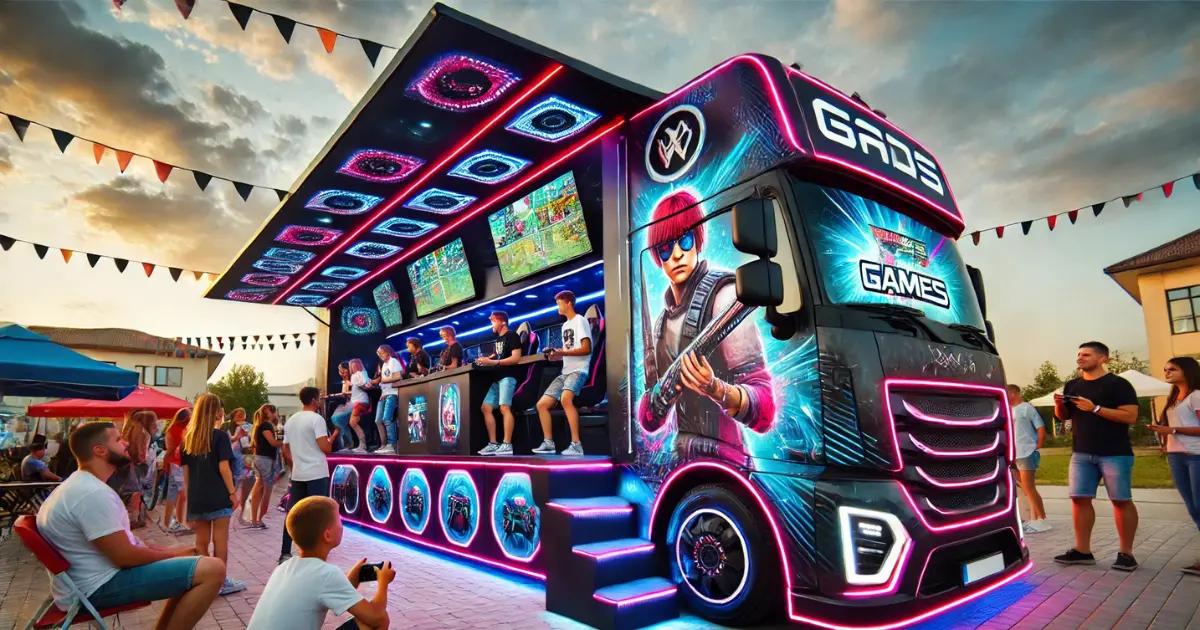
If you’re planning a memorable event and considering a gaming truck rental, understanding the gaming truck rental cost is essential before making your booking decision. In 2025, most families and event planners can expect to pay between $350 and $450 for a standard two-hour gaming truck rental, though prices vary significantly based on your location, event duration, and package inclusions. This comprehensive pricing guide breaks down exactly what you’ll pay across different regions, what factors influence the final cost, and how to get the best value for your entertainment budget.
Mobile gaming theaters have become one of the most popular party entertainment options for children’s birthdays, corporate events, school functions, and community gatherings. Unlike traditional party venues, these climate-controlled trucks bring the entire gaming experience directly to your location, eliminating transportation hassles and providing a unique, memorable experience. Before you commit to booking, you need to understand the complete cost structure, potential hidden fees, and how to identify reputable providers in your area.
Average Gaming Truck Rental Cost by Region (2025)
The gaming truck rental cost varies considerably depending on your geographic location, with urban markets typically commanding higher prices than rural areas. Understanding regional pricing helps you set realistic budget expectations and identify whether local quotes are competitive or inflated.
In California, particularly in high-demand areas like Los Angeles, Orange County, San Diego, and the Bay Area, expect to pay between $400 and $550 for a standard two-hour rental. The game truck rental prices near California reflect the state’s higher operating costs, including fuel, insurance, and labor expenses. Some providers in Southern California offer premium packages reaching $700-$800 for extended four-hour events with virtual reality add-ons. If you’re searching for a game truck rental Orange County or game truck rental San Bernardino, you’ll find dozens of providers competing for business, which can sometimes work in your favor for negotiating rates.
In Texas, the game truck rental prices near Texas tend to be slightly more affordable, ranging from $350 to $475 for two hours in major metropolitan areas like Houston, Dallas, Austin, and San Antonio. Texas providers often include more games and longer setup times in their base packages compared to coastal markets. The competitive market in Texas, combined with lower operational costs, makes it one of the more budget-friendly states for mobile gaming entertainment.
The Midwest and Central regions offer some of the most competitive pricing in the country. Cities like Columbus, Ohio see rates between $325 and $425 for standard packages. A game truck rental Columbus Ohio provider typically includes 10-15 gaming stations, multiple console options, and a game coach in their base price. Similarly, a game truck Des Moines rental averages $300-$400, reflecting the region’s lower cost of living and operating expenses.
On the East Coast, pricing mirrors California’s higher rates in major metropolitan areas. A game truck rental Philadelphia typically costs $375-$500 for two hours, while New York City and Boston markets can exceed $550 for comparable services. The Northeast’s dense population and high demand during peak seasons drive these elevated prices.
Rural and suburban areas across all regions generally offer lower base rates, typically $275-$375 for two hours, but may charge significant travel fees if you’re located outside their standard service radius. When searching for a game truck near me or mobile game truck near me, always verify the provider’s service area and associated travel charges.
What's Included in Gaming Truck Rental Packages
Understanding what’s included in your base video game truck rental price prevents surprises and helps you compare providers accurately. Most reputable gaming truck companies include several standard features in their quoted rates.
The typical package includes a climate-controlled gaming environment with comfortable seating for 16-24 players, depending on the truck’s size. This enclosed space protects your event from weather concerns and provides a dedicated entertainment area separate from other party activities. The air conditioning and heating systems ensure comfort regardless of outdoor temperatures.
Multiple gaming consoles are standard in every rental. Most trucks feature PlayStation 5, Xbox Series X, and Nintendo Switch systems, allowing guests to choose their preferred gaming platform. Some premium providers also include gaming PCs or older-generation consoles for retro gaming experiences. When researching mobile game truck rental options, verify which console generations are available, as this significantly impacts the game library.
A curated game library with 30-100 titles typically comes with your rental. Popular options include Fortnite, Minecraft, Mario Kart, Super Smash Bros, NBA 2K, Madden NFL, and age-appropriate multiplayer games. Most providers allow you to request specific titles in advance, though availability depends on their inventory and licensing agreements.
A trained game coach or attendant manages the truck throughout your event, handling technical issues, helping younger children navigate games, organizing tournaments, and ensuring everyone gets equal play time. This supervision is invaluable for parents who want to enjoy the party rather than troubleshoot gaming equipment.
High-definition displays ranging from 50 to 75 inches provide immersive gaming experiences. Most trucks feature multiple screens, allowing different groups to play simultaneously without conflicts over game selection. The professional-grade audio systems create an arcade-like atmosphere that enhances the overall experience.
Standard packages include setup and breakdown services, with the provider arriving 15-30 minutes before your event start time to prepare equipment and departing after your rental period ends. You won’t need to worry about technical setup or equipment management.
Some providers include party invitations, either digital or printed, featuring gaming themes that match the truck’s branding. While not universal, this added touch helps with event promotion and guest excitement.
Premium Add-Ons and Upgrades
Beyond base packages, many providers offer premium upgrades that increase the gaming truck rental cost but significantly enhance the experience. Virtual reality stations add $75-$150 to your total, providing cutting-edge VR experiences with headsets like Meta Quest or PlayStation VR2. These immersive experiences are particularly popular for teenage and adult events.
Extended rental periods beyond the standard two hours typically cost $100-$150 per additional hour. Many providers offer discounted rates for four-hour or full-day rentals, making longer events more cost-effective on a per-hour basis.
Tournament organization services with prizes, brackets, and professional hosting add $50-$100 to your package. This structured competition format works exceptionally well for corporate team-building events or competitive birthday parties.
Themed decorations matching popular games (Minecraft, Fortnite, etc.) cost $25-$75 and transform the truck’s interior to match your party theme. Some providers also offer custom exterior wraps for corporate events or brand activations.
Factors That Affect Gaming Truck Rental Prices
Several key variables influence the final gaming truck rental cost you’ll pay, and understanding these factors helps you make informed decisions and potentially negotiate better rates.
Event duration is the primary cost driver. The industry standard two-hour rental provides sufficient time for 15-25 guests to cycle through gaming stations, but larger parties may require three or four hours. Most providers structure pricing with a base two-hour minimum, then charge hourly rates for additional time. The per-hour cost typically decreases for longer rentals—a four-hour event might cost $600-$700 rather than double the two-hour rate.
Guest count affects pricing indirectly. While most trucks accommodate 16-24 simultaneous players, events with 40-50 total guests require longer rental periods to ensure everyone gets adequate play time. Some providers charge premium rates for parties exceeding their standard capacity, as this increases wear on equipment and requires more intensive game coach involvement.
Travel distance significantly impacts the total cost. Most gaming truck companies define a standard service radius (typically 20-30 miles from their base location) with no additional fees. Beyond this radius, expect travel charges of $1.50-$3.00 per mile or flat fees of $50-$150 for distant locations. When searching for a game truck party near me, prioritize providers within their standard service area to avoid these surcharges. For example, if you need a truck rental in Bakersfield but the nearest provider is based in Los Angeles, travel fees could add $100-$200 to your total.
Day of the week and time of day influence pricing through supply and demand dynamics. Weekend afternoon slots (Saturday and Sunday between 12 PM and 6 PM) command premium rates, as these are the most requested times for children’s parties. Friday evening and Sunday morning slots often cost 10-15% less. Weekday rentals for school events or corporate functions may offer even deeper discounts during off-peak seasons.
Seasonal demand creates significant price fluctuations. Peak party season (April through October) sees higher rates and limited availability, particularly in regions with harsh winters. Summer months (June through August) represent absolute peak demand, with some providers implementing 15-20% seasonal surcharges. Booking during shoulder seasons (March, November) or winter months can yield substantial savings, though weather-dependent outdoor events become riskier.
Event type affects pricing structures. Corporate events and brand activations typically cost 25-50% more than children’s birthday parties due to extended hours, professional presentation requirements, and potential custom branding needs. School events and nonprofit functions may qualify for discounted rates with some providers who offer community pricing programs.
Truck size and quality create price tiers within the market. Newer trucks with the latest gaming consoles, larger capacity (28-32 players), and premium amenities like leather seating or LED lighting systems command higher rates. Older trucks with previous-generation consoles (PlayStation 4, Xbox One) may cost $50-$100 less but offer a less impressive experience.
Provider reputation and experience justify price premiums. Established companies with hundreds of positive reviews, professional insurance coverage, and backup equipment charge more than newer operators or individuals running single-truck operations. The reliability and professionalism gap often justifies the 15-20% price difference.
Hourly vs Flat Rate Pricing: Which Saves Money?
Gaming truck providers typically offer two pricing structures: flat-rate packages or hourly rates. Understanding which model benefits your specific event helps optimize your game truck party rental budget.
Flat-rate packages bundle a set duration (usually two hours) with standard inclusions at a fixed price. This model provides cost certainty and simplifies budgeting. For standard birthday parties with 15-25 guests, flat-rate packages almost always offer better value than hourly pricing. The typical $350-$450 flat rate for two hours translates to $175-$225 per hour, which is lower than standalone hourly rates.
Flat-rate packages also include setup and breakdown time within the quoted price, whereas hourly pricing might charge for these periods. If your event has a firm two-hour window and standard requirements, flat-rate pricing is your best option.
Hourly pricing typically ranges from $200-$275 per hour with a two-hour minimum, making it more expensive for short events. However, hourly rates become advantageous for extended events. A four-hour flat-rate package might cost $750-$850, while hourly pricing could total $700-$800 for the same duration. The break-even point usually occurs around three hours.
Hourly pricing offers flexibility for events with uncertain timelines. Corporate functions, school field days, or community festivals benefit from hourly structures that allow you to extend or reduce time based on actual attendance and engagement levels. Some providers offer “flex pricing” where you commit to a minimum duration but can extend hourly as needed.
When evaluating how much is a game truck per hour, always calculate the total cost including all fees rather than focusing solely on the per-hour rate. A provider advertising $200/hour might have a three-hour minimum plus $100 in travel fees, totaling $700, while a competitor’s $450 flat-rate two-hour package with free local travel provides better value for shorter events.
Package Bundles and Multi-Event Discounts
Many providers offer package bundles that reduce the effective gaming truck rental cost per event. Schools booking multiple classroom parties or companies scheduling quarterly team-building events can negotiate 10-25% discounts for committing to multiple dates upfront.
Some gaming truck operators offer “party packages” that include additional services like bounce houses, face painting, or catering coordination at bundled rates. While these comprehensive packages cost more upfront ($600-$900), they eliminate the hassle of coordinating multiple vendors and often save 15-20% compared to booking services separately.
Hidden Fees and Extra Costs to Expect
Understanding potential hidden fees prevents budget surprises and helps you accurately compare video game truck rental prices across providers. Reputable companies disclose all fees upfront, but less transparent operators may surprise you with additional charges.
Travel and fuel surcharges represent the most common hidden cost. While providers typically include local travel in their base rate, “local” definitions vary. One company might define local as 25 miles while another uses 15 miles. Always ask specifically: “What is your service radius, and what are the charges beyond it?” Fuel surcharges of $25-$50 have become more common since 2022’s energy price increases, even for events within the standard service area.
Generator fees apply when your event location lacks accessible electrical outlets. Most gaming trucks require 110-120V power to operate air conditioning, gaming systems, and displays. If you’re hosting in a park, parking lot, or remote location without power access, generator rental adds $75-$150 to your total cost. Some trucks have built-in generators included in their base price—verify this during booking.
Cleaning and damage fees protect providers from excessive mess or equipment damage. Standard wear from normal use is expected, but significant spills, food damage to controllers, or broken equipment may trigger charges of $50-$200. Most providers require a credit card authorization for potential damages, though they rarely charge these fees for typical children’s parties. Establishing clear party rules about food and drinks inside the truck prevents these charges.
Overtime charges apply when events run beyond the scheduled end time. These fees typically range from $50-$100 per 15-minute increment and can accumulate quickly if guests are reluctant to leave. Build a 15-minute buffer into your schedule and communicate the firm end time to guests to avoid these charges.
Cancellation and rescheduling fees vary widely by provider. Industry-standard policies require 48-72 hours notice for full refunds, with 50% charges for cancellations within 24-48 hours and full charges for same-day cancellations. Weather-related cancellations often receive more lenient treatment, with free rescheduling options. Always review cancellation policies before signing contracts, especially for outdoor events during unpredictable weather seasons.
Deposit requirements typically range from $50-$150 or 25-50% of the total rental cost. Most deposits are non-refundable but apply toward your final balance. Some providers waive deposits for repeat customers or when booking far in advance. Credit card deposits provide better consumer protection than cash or check deposits.
Gratuity expectations, while not mandatory, are customary for game coaches who provide exceptional service. Industry norms suggest 15-20% tips for outstanding service, though this is entirely at your discretion. Some providers include gratuity in their pricing, so verify whether tips are expected or included.
Insurance and liability waivers are standard requirements. Reputable providers carry comprehensive liability insurance covering equipment damage and guest injuries. However, some require event hosts to sign waivers acknowledging assumption of risk. Review these documents carefully and consider whether your homeowner’s or event insurance provides additional coverage.
Gaming Truck Rental Cost by Event Type
Different event types have distinct requirements that affect the mobile gaming theater cost and optimal package selection. Understanding these variations helps you choose appropriate services and budget accurately.
Children’s birthday parties represent the most common use case and typically require the standard two-hour package. For 15-20 kids aged 6-12, expect to pay $350-$450 in most markets. The game coach manages age-appropriate titles, organizes informal tournaments, and ensures everyone gets equal play time. Parents appreciate the self-contained entertainment that allows them to focus on cake, food, and socializing. When planning a mobile game truck for birthday parties, book 4-6 weeks in advance during peak season (spring and summer) to ensure availability.
Teenage parties (ages 13-17) often require longer rental periods and more competitive gaming options. Three-hour rentals ($500-$650) work better for this age group, as teens engage more deeply with games and appreciate tournament-style competition. Virtual reality add-ons are particularly popular for teenage events, adding $100-$150 but creating memorable experiences. The game truck for girls market has grown significantly, with providers offering diverse game libraries beyond traditional sports and shooter titles, including rhythm games, adventure titles, and creative sandbox experiences.
Corporate events and team building command premium pricing, typically $600-$900 for three-four hours. These events require professional presentation, potential custom branding, and more sophisticated tournament organization. Companies often book gaming trucks for employee appreciation days, product launches, or conference entertainment. The business-to-business market accepts higher pricing in exchange for reliability, professionalism, and invoice payment options rather than upfront deposits.
School events and fundraisers vary widely in scope and pricing. A single classroom party might cost $300-$400 for 90 minutes, while a full school field day with six-hour coverage costs $800-$1,200. Many providers offer educational discounts of 10-20% for public schools and nonprofit organizations. Schools typically book months in advance and require detailed insurance documentation and background checks for game coaches.
Community festivals and public events require specialized pricing structures. Hourly rates work best for these scenarios, with providers charging $225-$300 per hour for continuous operation with rotating guests. Six-eight hour festival bookings typically cost $1,200-$2,000, with providers managing guest flow and ensuring fair access. These events require additional liability insurance and sometimes vendor permits.
Bar and bat mitzvahs, quinceañeras, and other cultural celebrations fall into the premium category due to their significance and larger guest counts. Expect to pay $500-$750 for three-four hour rentals that accommodate 30-50 guests cycling through the gaming experience. These events often combine the gaming truck with other entertainment options, requiring careful coordination of schedules and space.
How to Find Affordable Gaming Truck Rentals Near You
Locating cost-effective game truck rental near me options requires strategic research and comparison shopping. The gaming truck industry lacks centralized booking platforms, so finding providers demands more effort than booking traditional party services.
Google search remains the most effective starting point. Search for “game truck rental near me,” “mobile game truck for birthday parties near me,” or location-specific terms like “game truck near California” or “game truck near Texas.” Google’s local search results typically display 3-5 top providers with reviews, contact information, and approximate service areas. Review the map results to identify providers closest to your location, minimizing travel fees.
Social media platforms, particularly Facebook and Instagram, host many gaming truck businesses. Search your city name plus “game truck” or “mobile gaming” to find local providers. Facebook’s event services marketplace and local community groups often feature gaming truck companies advertising special promotions. Instagram provides visual evidence of truck quality, game selection, and actual events, helping you assess professionalism before contacting providers.
Review platforms like Yelp, Google Reviews, and Better Business Bureau listings offer crucial insights into provider reliability and customer satisfaction. Look for companies with 50+ reviews averaging 4.5+ stars. Read recent negative reviews carefully—consistent complaints about hidden fees, late arrivals, or broken equipment are red flags. Positive reviews mentioning specific game coaches by name indicate stable, professional operations.
Party planning directories and vendor marketplaces like The Bash, GigSalad, and Thumbtack aggregate gaming truck providers with verified reviews and instant quote systems. These platforms often feature promotional pricing and allow you to request quotes from multiple providers simultaneously, simplifying comparison shopping. However, some providers charge 10-15% more through these platforms to cover commission fees, so always check if the company has direct booking options.
Word-of-mouth recommendations from friends, family, and coworkers who’ve hosted similar events provide valuable insights. Ask specific questions about pricing transparency, punctuality, equipment quality, and overall value. Personal recommendations often lead to referral discounts of $25-$50.
School and community center bulletin boards sometimes feature flyers from local gaming truck operators, particularly those offering educational or nonprofit discounts. PTAs and parent groups often maintain lists of approved vendors for school events.
Evaluating Provider Legitimacy and Quality
Once you’ve identified potential providers, verify their legitimacy and quality before booking. Insurance verification is critical—request certificates of liability insurance covering at least $1 million in general liability. Legitimate businesses provide this documentation immediately upon request.
Business licensing varies by location, but professional operators maintain proper business licenses and tax registrations. Ask how long they’ve been in business—companies operating 3+ years demonstrate stability and reliability.
Equipment age and maintenance directly impact your experience. Ask what console generations they offer (PlayStation 5 and Xbox Series X indicate current equipment), when trucks were last upgraded, and how they handle technical failures during events. Professional providers maintain backup equipment and have contingency plans for technical issues.
Game library size and variety separate quality providers from basic operations. Request a complete game list and verify they carry titles your guests will enjoy. Providers with 50+ games across multiple genres and age ratings offer better experiences than those with limited selections.
Staffing and training quality varies significantly. Ask about game coach experience, background check policies, and staff-to-guest ratios. Professional operations employ trained staff who can troubleshoot technical issues, manage diverse age groups, and create engaging tournament experiences.
Questions to Ask Before Booking a Gaming Truck
Before committing to a party game truck rental, ask specific questions that reveal the true cost and quality of service. These inquiries help you avoid surprises and ensure you’re booking a reputable provider.
Pricing and fee transparency: “What is your total cost including all fees for a [duration] event at [location]?” Request itemized pricing that separately lists the base rental, travel fees, potential surcharges, and any optional add-ons. Ask specifically: “Are there any additional fees not included in this quote?”
Cancellation and weather policies: “What is your cancellation policy, and how do you handle weather-related cancellations?” Understanding these terms before booking prevents disputes if circumstances change. Ask whether deposits are refundable and if they offer free rescheduling for weather issues.
Equipment specifications: “What gaming consoles and specific game titles are included?” Verify they have current-generation systems and popular titles your guests want to play. Ask if you can request specific games and whether they accommodate special requests.
Capacity and timing: “How many players can use the truck simultaneously, and what is your recommended guest count for a [duration] event?” This helps you determine if the rental duration matches your guest list. Ask about arrival and departure times to ensure they align with your event schedule.
Power requirements: “What are your electrical requirements, and do you charge extra if we don’t have power access?” Clarify whether generator fees apply and if they provide generators or if you need to arrange them separately.
Staffing: “How many game coaches will be present, and what is their experience level?” Single-coach operations work fine for smaller parties, but events with 30+ guests benefit from two staff members. Ask if coaches are background-checked, particularly for school events.
Insurance and liability: “What insurance coverage do you carry, and what liability waivers are required?” Request certificate of insurance documentation and review waiver language before signing.
Backup plans: “What happens if there’s a technical failure or if the truck breaks down?” Professional providers have backup equipment and contingency plans. Ask if they’ve ever had to cancel an event and how they handled it.
Booking timeline: “How far in advance should I book for my event date?” This reveals demand levels and helps you understand if you’re booking during peak or off-peak periods, which might affect negotiating leverage.
Payment terms: “What deposit is required, when is final payment due, and what payment methods do you accept?” Understanding payment schedules helps with budgeting and reveals professionalism—legitimate businesses accept credit cards and provide receipts.
Gaming Truck Rental vs Other Party Entertainment Costs
Evaluating whether the gaming truck rental cost represents good value requires comparing it to alternative entertainment options. Understanding the cost-benefit analysis helps you make informed decisions about your entertainment budget.
Traditional party venues like bowling alleys, trampoline parks, or arcade centers typically cost $15-$30 per child for two hours, totaling $300-$600 for 20 kids. These venues require transportation, supervision in public spaces, and often have minimum guest requirements. Gaming trucks eliminate transportation logistics, provide private entertainment spaces, and come to your location. The convenience factor and weather independence often justify comparable or slightly higher costs.
Bounce house rentals cost $150-$300 for basic units, with larger obstacle courses reaching $400-$600. While less expensive than gaming trucks, bounce houses require outdoor space, are weather-dependent, and provide less structured entertainment. They work well for younger children (ages 3-8) but don’t engage older kids or teenagers effectively. Many families combine bounce houses with gaming trucks for comprehensive entertainment covering multiple age groups.
Professional entertainers like magicians, face painters, or balloon artists charge $150-$300 per hour with 1-2 hour minimums. While these services create memorable moments, they provide shorter entertainment durations than gaming trucks. A two-hour gaming truck rental offers continuous engagement for the entire event, whereas a one-hour magic show leaves gaps requiring additional entertainment or activities.
DIY gaming parties using your home console and TV seem cost-effective initially but present significant challenges. Equipment limitations restrict simultaneous players to 4-8 kids, creating wait times and boredom for larger groups. Home parties also expose your personal gaming equipment to potential damage and require you to manage technical issues, game selection disputes, and entertainment flow. The $350-$450 gaming truck cost eliminates these hassles and provides professional-grade experiences your home setup can’t match.
Movie theater party rooms cost $200-$400 for private screenings with 15-25 guests. While comparable in price to gaming trucks, movie parties offer passive entertainment with limited interaction. Gaming trucks provide active engagement, social interaction, and flexibility to accommodate diverse interests through varied game selections.
Escape rooms charge $25-$35 per person for one-hour experiences, totaling $500-$700 for 20 participants. While engaging and memorable, escape rooms have strict age requirements (typically 10+), limited capacity per session, and require multiple bookings for larger groups. Gaming trucks accommodate broader age ranges and larger groups simultaneously.
When evaluating are gaming trucks worth it, consider the comprehensive value proposition: weather-proof entertainment, professional equipment and supervision, convenience of on-site service, broad age appeal, and 2+ hours of continuous engagement. For most events with 15+ guests, gaming trucks provide superior value compared to alternatives when factoring in convenience, engagement quality, and guest satisfaction.
Best Times to Book for Lower Prices
Strategic timing significantly impacts the gaming truck rental cost you’ll pay. Understanding demand patterns and booking during off-peak periods can save 15-30% compared to premium time slots.
Seasonal considerations create the most dramatic price variations. The peak party season runs from April through October, with July and August representing absolute peak demand. During these months, weekend availability disappears 4-6 weeks in advance, and providers have little incentive to discount rates. Booking during shoulder seasons (March, November) or winter months (December-February, excluding holiday weeks) often yields 10-20% discounts. Winter bookings work particularly well for indoor events or regions with mild climates.
Day-of-week pricing varies substantially. Saturday afternoon slots (12 PM – 6 PM) command premium rates as the most requested time period. Sunday afternoon slots cost 5-10% less, while Sunday morning bookings (9 AM – 12 PM) may offer 10-15% discounts. Friday evening slots provide another cost-saving option, particularly for teenage or adult events. Weekday bookings for school events, corporate functions, or flexible schedules often receive 15-25% discounts, as providers prefer confirmed weekday revenue over hoping for weekend bookings.
Time-of-day considerations affect pricing less dramatically but still matter. Morning slots (9 AM – 12 PM) typically cost slightly less than afternoon or evening times. Late afternoon and evening slots (5 PM – 8 PM) work well for older children and teenagers while potentially offering modest discounts compared to peak 1 PM – 4 PM windows.
Advance booking discounts reward early planners. Many providers offer 5-10% discounts for bookings made 8-12 weeks in advance, as this helps them fill their calendars and plan staffing. Conversely, last-minute bookings (within 2 weeks) rarely receive discounts during peak season, though you might negotiate better rates during slow periods if providers have open availability.
Holiday and special event timing requires careful consideration. Major holidays like Memorial Day, Independence Day, and Labor Day weekends see premium pricing and limited availability. However, the weeks immediately following these holidays often have reduced demand and better negotiating opportunities. School break periods (spring break, summer vacation) represent peak demand, while school-in-session periods offer better availability and pricing.
Multi-event and repeat customer discounts provide substantial savings. If you’re booking multiple parties (siblings with birthdays months apart, quarterly corporate events, or school functions), negotiate package rates upfront. Many providers offer 10-20% discounts for customers booking 2-3 events simultaneously. Repeat customers often receive loyalty discounts or priority booking access.
Promotional periods and special offers appear periodically, particularly during slow seasons. Follow local gaming truck companies on social media to catch limited-time promotions. Some providers offer “first-time customer” discounts of $25-$50 or referral bonuses for recommending their services to friends.
How Far in Advance Should You Book?
The question of how far in advance should I book a gaming truck depends on your event timing and flexibility. For peak season weekend events (April-October, Saturday afternoons), book 6-8 weeks in advance to ensure availability with your preferred provider. Popular companies in competitive markets like California and Texas often have weekend calendars fully booked 8-10 weeks out during summer months.
For off-peak season events or weekday bookings, 3-4 weeks advance notice typically suffices. Some providers accommodate last-minute bookings (1-2 weeks notice) during slower periods, though your choice of time slots will be limited.
School events and corporate functions requiring formal approval processes should begin the booking process 10-12 weeks in advance to allow time for budget approvals, insurance documentation, and contract reviews.
Understanding the Gaming Truck Business Model
Gaining insight into the economics behind gaming truck operations helps you understand pricing structures and identify fair value. This knowledge proves particularly useful if you’re considering whether how much does it cost to start a gaming truck business or evaluating whether current market prices are reasonable.
The initial investment for a game truck for sale or custom-built unit ranges from $50,000-$150,000, depending on size, equipment quality, and customization level. Used game truck for sale options reduce entry costs to $30,000-$80,000 but may require significant equipment upgrades and maintenance. This substantial capital investment explains why rental rates must cover not just operating costs but also equipment depreciation and business loan payments.
A virtual reality game truck for sale with premium VR equipment costs $75,000-$175,000, reflecting the additional investment in cutting-edge technology. These premium trucks command higher rental rates ($500-$700 for two hours) but attract customers seeking unique, memorable experiences.
Operating costs include fuel ($50-$100 per event), insurance ($3,000-$8,000 annually), maintenance and repairs ($5,000-$15,000 annually), game licensing fees, staff wages ($15-$25 per hour), and marketing expenses. Successful gaming truck businesses must generate $75,000-$150,000 in annual revenue to remain profitable, requiring 150-300 events per year at average rates.
Understanding these economics reveals why established providers charge $350-$450 for standard rentals—this pricing supports sustainable business operations while delivering professional service. Providers charging significantly less ($200-$250) may be cutting corners on insurance, equipment maintenance, or staff training, potentially compromising your event quality and safety.
The game day truck concept has expanded beyond children’s parties into corporate events, brand activations, and community programming, diversifying revenue streams and supporting year-round operations. This business model evolution has professionalized the industry, with many operators transitioning from side hustles to full-time businesses with multiple trucks and professional staff.
Alternative Gaming Entertainment Options
While gaming trucks dominate the mobile entertainment market, alternative options exist for budget-conscious planners or those seeking different experiences. Used carnival game trailers for sale or carnival game trailer for sale options provide different entertainment styles, typically featuring classic carnival games, ring toss, and skill challenges rather than video games. These trailers cost less to rent ($200-$350 for two hours) but appeal to different demographics and event types.
Some entrepreneurs combine concepts, purchasing used trailers and converting them into budget gaming setups. While these DIY operations offer lower prices, they often lack the professional polish, current-generation equipment, and comprehensive insurance coverage of established gaming truck companies.
For those seriously considering entering the business, researching how much does it cost to start a gaming truck operation reveals the substantial investment required. Beyond the initial truck purchase, budget for gaming consoles ($1,500-$2,000), game library ($2,000-$5,000), insurance, licensing, marketing, and working capital. Most successful operators invest $60,000-$100,000 total before generating their first revenue.
Regional Market Insights and Local Considerations
Understanding local market dynamics helps you evaluate whether quoted prices represent fair value or inflated rates. Regional differences extend beyond simple cost-of-living adjustments to include competitive intensity, seasonal factors, and local preferences.
The California gaming truck market is highly competitive, particularly in Southern California, where dozens of providers compete for business. This competition creates pressure to differentiate through premium equipment, unique game selections, or value-added services. When searching for a game truck cheap option in California, be cautious of providers significantly undercutting market rates, as they may lack proper insurance or maintain outdated equipment.
The Texas gaming truck market benefits from business-friendly regulations and lower operating costs, translating to more competitive pricing for consumers. Texas providers often include more generous packages with longer setup times and larger game libraries at comparable prices to other regions.
Midwest markets like Ohio, Iowa, and Indiana offer some of the nation’s best value, with professional providers charging $300-$400 for comprehensive packages that would cost $450-$550 in coastal markets. The lower cost of living and less intense competition create favorable conditions for consumers.
Northeast markets face challenges from weather seasonality, with compressed peak seasons (May-September) creating intense demand and premium pricing during viable months. Winter operations are limited to indoor events or regions with mild climates, reducing provider revenue opportunities and necessitating higher per-event rates to sustain year-round operations.
Southern markets (Georgia, Florida, Carolinas) enjoy extended operating seasons with mild winters, allowing providers to spread fixed costs across more events and potentially offer more competitive pricing. However, summer heat and humidity in these regions make climate-controlled gaming trucks particularly valuable, justifying premium rates.
Making Your Final Decision
Armed with comprehensive knowledge about gaming truck rental cost factors, regional pricing, and value considerations, you’re prepared to make an informed booking decision. The $350-$450 average for two-hour rentals represents fair market value for professional service with current equipment, trained staff, and comprehensive insurance coverage.
Prioritize providers with strong reviews, transparent pricing, proper insurance, and professional communication. The cheapest option rarely delivers the best value—focus on total value including reliability, equipment quality, and customer service rather than solely on price.
When requesting quotes, provide complete event details including date, time, location, expected guest count, and any special requirements. This transparency allows providers to quote accurately and prevents surprise fees later.
Review contracts carefully before signing, paying particular attention to cancellation policies, payment schedules, and liability terms. Don’t hesitate to negotiate, particularly for off-peak bookings, multiple events, or if you’ve received competing quotes.
Book early for peak season events, but don’t overpay for last-minute availability during slow periods. Most importantly, choose a provider you feel confident will deliver a professional, memorable experience that justifies the investment.
Gaming trucks represent significant value for events with 15+ guests when you factor in convenience, entertainment quality, and guest satisfaction. By understanding the true costs, asking the right questions, and booking strategically, you’ll secure excellent entertainment that creates lasting memories without exceeding your budget.
Frequently Asked Questions
How much does a gaming truck rental cost?
The average gaming truck rental cost ranges from $350 to $450 for a standard two-hour party in 2025. Prices vary based on your location, with urban areas typically charging $400-$500 while rural regions may offer rates as low as $250-$350. Additional factors like event duration, number of guests, premium game selections, and travel distance can increase the total cost by $50-$200.
How far in advance should I book a gaming truck?
You should book a gaming truck rental at least 3-4 weeks in advance for standard dates, and 6-8 weeks ahead for peak seasons like summer months and holidays. Popular weekends, especially during birthday party season (March-October), fill up quickly in most markets. Last-minute bookings within 1-2 weeks may be available but often come with limited time slot options and potentially higher rush fees.
How many people can fit in a game truck?
Most gaming trucks accommodate 16-24 players comfortably at one time, with the average capacity being around 20 guests. The climate-controlled interior typically features multiple gaming stations with large screens, allowing kids to rotate through games during the party. For larger events with 30-40 guests, the gaming truck company will organize shifts so everyone gets equal play time throughout the rental period.
Are gaming trucks worth it?
Yes, gaming trucks are worth it for most families seeking a hassle-free party experience, offering entertainment, climate control, and minimal cleanup for a comparable cost to traditional venue rentals. When you factor in that the gaming truck rental cost includes equipment, games, a game coach, and the convenience of on-site entertainment, the value becomes clear. Parents consistently rate gaming truck parties highly because they eliminate venue coordination stress while keeping all guests engaged and entertained.
How much does it cost to start a gaming truck business?
Starting a gaming truck business typically costs between $75,000 and $150,000, including the vehicle purchase or conversion ($40,000-$80,000), gaming equipment and consoles ($15,000-$25,000), insurance, licensing, and initial marketing expenses. A fully custom-built gaming trailer from specialized manufacturers ranges from $90,000 to $120,000 turnkey. Most entrepreneurs can expect to recoup their investment within 18-36 months with consistent bookings, as gaming trucks can generate $50,000-$100,000 in annual revenue.
What's included in the gaming truck rental cost?
Standard gaming truck rental packages include the climate-controlled mobile theater, multiple gaming consoles (PlayStation, Xbox, Nintendo Switch), a library of age-appropriate games, large HD screens, comfortable seating, and a professional game coach to manage the party. Most companies also provide sound systems, party lighting, and basic setup/breakdown services. Premium packages may add virtual reality experiences, custom tournament brackets, themed decorations, or extended hours for an additional $75-$150.
Do gaming truck rentals charge for travel distance?
Yes, most gaming truck companies include travel within a 15-20 mile radius of their base location, then charge $2-$4 per mile for additional distance beyond that range. Some operators implement a flat travel fee of $50-$100 for events outside their primary service area instead of per-mile charges. Always confirm travel fees when requesting quotes, as they can add $50-$150 to your total gaming truck rental cost depending on your event location.
Are gaming trucks profitable as a business?
Gaming trucks can be highly profitable, with established operators earning $50,000-$100,000 annually and top performers in busy markets exceeding $150,000 in revenue. With average rental prices of $350-$450 and operating costs around 30-40% of revenue, profit margins typically range from 40-60% after the initial investment is recouped. Success depends heavily on marketing effectiveness, service area population density, booking frequency (aim for 15-25 events monthly during peak season), and reputation management.
Can I rent a gaming truck for adults?
Absolutely—many gaming truck companies offer adult-focused packages for corporate events, bachelor parties, tailgating, and team-building activities with mature-rated games and competitive tournaments. Adult gaming truck rentals typically cost the same $350-$450 base rate but may include premium add-ons like sports game tournaments, retro gaming stations, or extended evening hours. Some operators specialize in corporate events and offer packages with team-building gaming competitions and professional facilitation.
What payment methods do gaming truck companies accept?
Most gaming truck rental companies accept credit cards, debit cards, and digital payment platforms like Venmo, PayPal, or Zelle for convenience. Typically, you’ll pay a 25-50% deposit when booking to secure your date, with the remaining balance due 3-7 days before the event or upon arrival. Some operators offer payment plans for larger corporate events, while cash payments are generally accepted but less common due to the security and tracking benefits of electronic transactions.
You May Also Like

DIY Projects with License Plates: 25+ Creative Ideas
Flexible Factory Partitioning Systems: Industrial Guide 2025
KTM 1390 Super Duke R Price in India 2025: ₹18-20 Lakh Expected