How Temperature Affects Solar Panel Efficiency & Performance

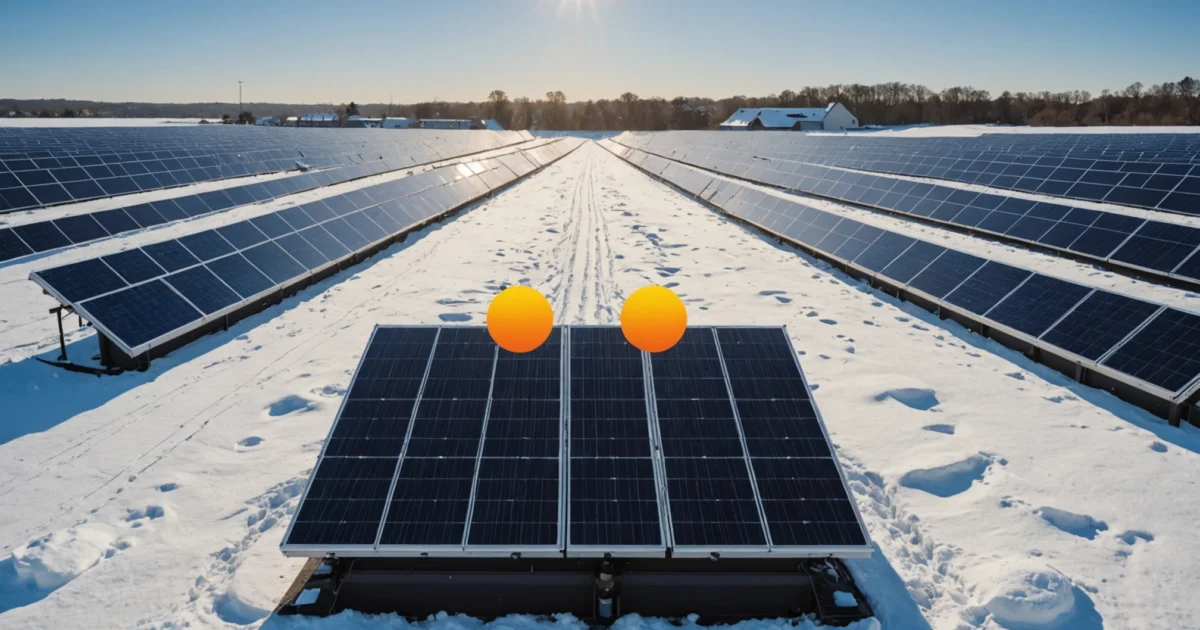
Does temperature affect solar panels? Yes, temperature significantly impacts solar panel performance, with efficiency typically decreasing as temperatures rise above the standard test condition of 25°C (77°F). However, solar panels actually perform better in cold weather, making temperature one of the most critical factors affecting photovoltaic energy output.
Understanding the relationship between temperature and solar panel efficiency is essential for homeowners and installers alike. Most people assume that hotter, sunnier days always mean better solar production, but the reality is more complex. While solar irradiance increases energy generation, excessive heat reduces the electrical efficiency of photovoltaic cells.
The temperature coefficient measures this heat sensitivity, typically showing a 0.3% to 0.5% efficiency loss per degree Celsius above 25°C for crystalline silicon panels. Consequently, panels in hot climates may lose 10-25% of their rated capacity during peak summer temperatures. Conversely, cold weather can boost efficiency, though extreme conditions present their own challenges.
This comprehensive guide explores how temperature affects different panel types, optimal operating ranges, and practical strategies for maximizing performance across various climates. Whether you’re considering solar installation for your home or optimizing existing systems, understanding thermal impacts is crucial for realistic performance expectations.
TL;DR
- Temperature significantly affects solar panel efficiency – panels lose 0.3-0.5% efficiency per degree above 25°C
- Cold weather improves performance while hot temperatures reduce output by 10-25% in extreme heat
- Proper installation and thermal management can minimize temperature-related efficiency losses
How Temperature Affects Solar Panel Performance
Temperature creates an inverse relationship with photovoltaic efficiency that surprises many solar energy newcomers. While sunlight provides the energy source for electricity generation, excessive heat actually reduces a panel’s ability to convert that light into usable power. This phenomenon occurs because higher temperatures increase the resistance within solar cells, causing voltage output to decrease even as current may slightly increase.
The temperature coefficient quantifies this thermal sensitivity, typically ranging from -0.30% to -0.50% per degree Celsius above the standard test conditions of 25°C (77°F). Therefore, when panel temperatures reach 65°C (149°F) during hot summer days, efficiency drops by approximately 12-20% compared to optimal conditions. Manufacturers specify these coefficients on datasheets, allowing installers to predict performance variations across different climates.
The Physics Behind Temperature-Dependent Performance
Silicon semiconductors form the foundation of most solar cells, and their electrical properties change predictably with temperature fluctuations. As temperatures rise, the bandgap energy of silicon decreases, reducing the voltage potential difference between positive and negative terminals. Additionally, increased thermal motion of electrons creates more resistance to current flow, further diminishing overall power output.
Conversely, cooler temperatures enhance semiconductor efficiency by reducing electrical resistance and maintaining higher voltage levels. However, extremely cold conditions below -40°C can make some panel materials brittle and affect electrical connections. Most residential installations never encounter such extreme temperatures, making cold weather generally beneficial for solar performance.
Ambient vs. Panel Operating Temperature
Understanding the difference between ambient air temperature and panel operating temperature proves crucial for accurate performance predictions. Solar panels typically operate 20-30°C warmer than surrounding air due to absorbed solar radiation and limited heat dissipation. On a 35°C summer day, panel surfaces often reach 55-65°C, significantly impacting efficiency.
| Ambient Temperature | Typical Panel Temperature | Efficiency Impact |
|---|---|---|
| 25°C (77°F) | 45°C (113°F) | -6% to -10% |
| 35°C (95°F) | 60°C (140°F) | -10.5% to -17.5% |
| 40°C (104°F) | 65°C (149°F) | -12% to -20% |
Several factors influence this temperature differential, including wind speed, mounting configuration, and panel design. Ground-mounted systems with adequate airflow underneath typically run cooler than roof-mounted installations. Similarly, panels with better ventilation maintain lower operating temperatures and preserve more of their rated efficiency throughout hot weather periods.
Temperature Management Tip
Different panel technologies exhibit varying temperature sensitivities. Monocrystalline silicon panels typically show temperature coefficients around -0.40%/°C, while polycrystalline panels range from -0.45% to -0.50%/°C. Thin-film technologies like cadmium telluride often demonstrate better heat tolerance with coefficients closer to -0.25%/°C, making them potentially advantageous in extremely hot climates despite lower overall efficiency ratings.
The Science Behind Temperature Impact on Solar Cells
Temperature fundamentally alters the semiconductor properties of solar cells, creating a cascade of effects that reduce power generation efficiency. Silicon atoms within photovoltaic cells vibrate more vigorously as temperatures rise, disrupting the orderly crystal lattice structure essential for optimal electron flow. This increased thermal motion creates resistance pathways that impede electrical current generation.
Semiconductor Properties and Temperature Sensitivity
Silicon semiconductor materials exhibit inverse relationships between temperature and electrical performance. As heat increases, the bandgap energy decreases, allowing more electrons to jump from the valence band to the conduction band without photon assistance. While this might seem beneficial, it actually reduces the voltage differential that drives electrical current through external circuits.
Furthermore, elevated temperatures increase carrier recombination rates within the silicon crystal structure. Electrons and holes recombine more frequently before contributing to electrical current, effectively reducing the number of charge carriers available for power generation. This phenomenon explains why solar panels lose efficiency even when receiving abundant sunlight during hot weather conditions.
Heat Effects on Electron Movement
Thermal energy disrupts electron mobility through increased lattice vibrations called phonons. These vibrations scatter electrons as they attempt to flow through the silicon crystal, creating resistance that reduces current generation. Additionally, higher temperatures cause electrons to move more randomly rather than following directed pathways toward electrical contacts.
The diffusion length of minority carriers also decreases with rising temperatures. Electrons generated deep within the solar cell have less chance of reaching the electrical junction before recombining with holes. This reduction in effective collection area directly translates to lower current output, particularly affecting the performance of thicker solar cell designs.
Voltage Drop Mechanisms
Open-circuit voltage experiences the most dramatic temperature-related decline in solar panel performance. For every 1°C temperature increase, typical silicon solar cells lose approximately 0.4% of their voltage output. This occurs because higher temperatures reduce the energy difference between electron and hole states, directly diminishing the electrical potential difference.
The built-in potential of the p-n junction decreases logarithmically with temperature increases. This fundamental physics principle means that even small temperature rises create measurable voltage reductions. Consequently, solar panels operating at 65°C instead of 25°C can experience voltage drops of 12-16%, significantly impacting overall power generation capacity.
Critical Temperature Threshold
Current Generation and Power Output Impact
While voltage drops dominate temperature-related power losses, current generation also experiences modest reductions at elevated temperatures. Short-circuit current typically decreases by 0.04-0.06% per degree Celsius, a relatively minor effect compared to voltage losses. However, this current reduction compounds with voltage decreases to create substantial power output reductions.
The combined effect follows the basic power equation: Power = Voltage × Current. Since both parameters decline with increasing temperature, the power output reduction becomes multiplicative rather than additive. Modern solar panels with temperature coefficients of -0.40%/°C can lose 20% or more of their rated power output during peak summer conditions compared to standard test conditions.
Understanding these material properties and construction details helps explain why different solar panel technologies exhibit varying temperature sensitivities. Advanced cell designs incorporate features to minimize these thermal effects, though the fundamental physics limitations of silicon semiconductors remain constant across all conventional photovoltaic technologies.
Temperature Coefficient: Measuring Heat Impact
The temperature coefficient represents a crucial specification that quantifies how solar panel performance changes with temperature variations. This metric expresses the percentage change in power output per degree Celsius above or below standard test conditions of 25°C. Understanding temperature coefficients enables accurate prediction of real-world solar panel performance under varying thermal conditions.
Definition and Calculation Methods
Temperature coefficient calculation follows a standardized formula that measures power output changes relative to temperature variations. Manufacturers determine this value by testing panels at multiple temperatures while maintaining constant irradiance levels of 1000 W/m². The coefficient expresses results as a percentage change per degree Celsius, typically ranging from -0.30% to -0.50%/°C for most commercial panels.
Laboratory testing protocols establish these coefficients using controlled environmental chambers. Technicians measure voltage, current, and power output at temperatures ranging from -40°C to +85°C. Subsequently, they calculate the linear relationship between temperature and performance to derive the final coefficient values that appear on manufacturer datasheets.
Typical Temperature Coefficient Values by Technology
| Panel Technology | Temperature Coefficient (%/°C) | Performance Impact |
|---|---|---|
| Monocrystalline Silicon | -0.35% to -0.45% | Moderate heat sensitivity |
| Polycrystalline Silicon | -0.40% to -0.50% | Higher heat sensitivity |
| Thin-Film (CdTe) | -0.25% to -0.35% | Better heat tolerance |
| Thin-Film (a-Si) | -0.20% to -0.30% | Superior heat performance |
| Bifacial Panels | -0.35% to -0.40% | Similar to monocrystalline |
Crystalline silicon panels generally exhibit higher temperature coefficients compared to thin-film alternatives. This difference stems from the fundamental semiconductor properties of each technology. Meanwhile, premium monocrystalline panels often feature improved temperature coefficients through advanced cell designs and manufacturing processes.
Interpreting Manufacturer Specifications
Manufacturer datasheets present temperature coefficients in three distinct categories: power, voltage, and current coefficients. The power temperature coefficient provides the most relevant metric for overall system performance evaluation. However, voltage and current coefficients offer additional insights into specific electrical characteristics under thermal stress.
Reading these specifications requires understanding the baseline conditions. Standard Test Conditions (STC) assume 25°C cell temperature, 1000 W/m² irradiance, and air mass 1.5 spectrum. Real-world performance calculations must account for actual operating temperatures that frequently exceed these laboratory conditions by 20-40°C during peak sunlight hours.
Specification Reading Tip
Furthermore, manufacturers often provide NOCT (Nominal Operating Cell Temperature) ratings alongside temperature coefficients. NOCT represents the expected cell temperature under specific ambient conditions: 20°C air temperature, 800 W/m² irradiance, and 1 m/s wind speed. This specification helps estimate real-world operating temperatures for coefficient calculations.
Crystalline Silicon vs Thin-Film Comparison
Crystalline silicon technologies demonstrate higher temperature sensitivity due to their semiconductor band gap characteristics. Silicon’s band gap decreases with rising temperature, causing voltage reductions that directly impact power output. Conversely, thin-film technologies like cadmium telluride and amorphous silicon maintain more stable performance across broader temperature ranges.
Thin-film panels achieve better temperature coefficients through different material properties and manufacturing processes. Amorphous silicon exhibits the lowest temperature coefficients among common technologies, making it particularly suitable for hot climate installations. However, these panels typically offer lower absolute efficiency ratings compared to crystalline alternatives.
Thin-film panels can maintain 15-25% better performance than crystalline silicon in extreme heat conditions
Economic considerations also influence technology selection based on temperature coefficients. While thin-film panels may perform better in hot climates, their lower efficiency requires larger installation areas to achieve equivalent power generation. Therefore, system designers must balance temperature performance against space constraints and installation costs when selecting optimal panel technologies.
Advanced crystalline silicon panels increasingly incorporate design improvements to reduce temperature coefficients. Passivated emitter and rear cell (PERC) technology, heterojunction cells, and other innovations help bridge the performance gap between crystalline and thin-film technologies while maintaining higher absolute efficiency ratings.
Optimal Operating Temperature Range for Solar Panels
Solar panels perform optimally within specific temperature ranges that maximize their electrical output and efficiency. Understanding these temperature parameters helps homeowners and installers predict system performance under various climatic conditions. Moreover, temperature variations significantly influence both immediate power generation and long-term panel durability.
Standard Test Conditions Temperature Baseline
Standard Test Conditions (STC) establish the industry baseline for measuring solar panel performance at precisely 25°C (77°F). These standardized conditions also include 1,000 watts per square meter of irradiance and an air mass of 1.5. Consequently, manufacturers rate all panel specifications under these controlled laboratory conditions to ensure consistent performance comparisons across different brands and technologies.
STC ratings provide the foundation for calculating expected system output, though real-world conditions rarely match these precise parameters. Additionally, the 25°C baseline represents moderate temperature conditions that panels experience during spring and fall months in temperate climates. However, actual operating temperatures frequently exceed this baseline, particularly during summer peak production hours.
Ideal Temperature Range for Maximum Efficiency
Solar panels achieve peak efficiency within the 15°C to 25°C (59°F to 77°F) temperature range, where electrical output reaches maximum potential. Furthermore, crystalline silicon panels maintain optimal performance when cell temperatures remain below 25°C, though this proves challenging during sunny summer conditions. Panels operating within this ideal range generate electricity most efficiently while minimizing thermal stress on internal components.
Temperature vs. Efficiency Sweet Spot
Cool temperatures actually enhance solar panel performance because reduced thermal energy allows electrons to move more freely through the photovoltaic material. Therefore, panels often produce their highest daily output during crisp morning hours when sunlight intensity increases but temperatures remain moderate. This phenomenon explains why solar installations in cooler climates sometimes outperform those in extremely hot regions despite receiving less annual sunshine.
Performance at Temperature Extremes
Extreme temperatures create significant challenges for solar panel efficiency and longevity across both hot and cold conditions. High temperatures above 85°C (185°F) can cause permanent damage to panel components, while extremely cold conditions below -40°C (-40°F) may affect electrical connections and mounting systems. Understanding these limits helps system designers select appropriate equipment for specific geographic locations.
| Temperature Range | Performance Impact | Efficiency Level |
|---|---|---|
| Below 0°C (32°F) | Enhanced efficiency | 105-110% of rated |
| 0-25°C (32-77°F) | Optimal performance | 95-100% of rated |
| 25-45°C (77-113°F) | Moderate reduction | 85-95% of rated |
| 45-65°C (113-149°F) | Significant loss | 70-85% of rated |
| Above 65°C (149°F) | Severe degradation | Below 70% of rated |
Cold weather conditions actually boost solar panel efficiency because lower temperatures reduce electrical resistance within photovoltaic cells. However, snow accumulation can block sunlight and reduce overall energy production despite improved efficiency. Conversely, excessive heat degrades performance through increased electrical resistance and potential thermal damage to sensitive components like bypass diodes and junction boxes.
Real-World Operating Temperatures vs Laboratory Conditions
Actual solar panel operating temperatures frequently differ dramatically from laboratory STC conditions due to environmental factors and installation variables. Rooftop installations commonly experience cell temperatures of 40-70°C (104-158°F) during summer afternoons, significantly exceeding the 25°C baseline. Additionally, factors like ambient air temperature, wind speed, mounting configuration, and solar irradiance intensity all influence real-world operating temperatures.
Ground-mounted systems typically operate 5-10°C cooler than rooftop installations due to improved air circulation and reduced heat reflection from building surfaces. Similarly, tracking systems that follow the sun’s path often maintain lower operating temperatures through better ventilation compared to fixed-tilt installations. These temperature differences translate directly into measurable performance variations that affect overall system energy production.
Rooftop solar panels operate 15-25°C hotter than ambient air temperature on sunny days
Installation techniques significantly impact operating temperatures through proper ventilation and spacing considerations. Panels mounted with adequate airflow beneath them maintain lower operating temperatures compared to flush-mounted installations. Therefore, proper system design includes temperature management strategies that optimize both immediate performance and long-term reliability across varying seasonal conditions.
Regional climate patterns create predictable temperature challenges that influence system design and technology selection. Desert installations must account for extreme daytime heat and rapid temperature cycling, while northern climates benefit from cooler operating conditions but face snow and ice management challenges. Understanding these regional variations helps optimize solar panel installations for specific geographic locations and climate zones.
Hot Weather Effects on Solar Panel Efficiency
High temperatures significantly reduce solar panel efficiency through a phenomenon called temperature coefficient degradation. Most crystalline silicon panels lose approximately 0.3% to 0.5% efficiency for every degree Celsius above their standard test condition of 25°C (77°F). Consequently, panels operating at 65°C (149°F) during peak summer conditions can experience efficiency losses of 12-20% compared to their rated specifications.
Temperature coefficients vary between different solar technologies, creating distinct performance patterns under heat stress. Monocrystalline panels typically demonstrate better heat tolerance with coefficients around -0.35%/°C, while polycrystalline panels often show slightly higher temperature sensitivity at -0.45%/°C. Meanwhile, thin-film technologies like amorphous silicon exhibit superior heat performance with coefficients as low as -0.20%/°C, making them advantageous for extremely hot climates.
Heat Impact Reality Check
Efficiency Loss Percentages in High Temperatures
Solar panels experience predictable efficiency degradation patterns as operating temperatures climb above optimal ranges. Research data shows that panels reaching 70°C (158°F) can lose up to 25% of their rated power output compared to standard test conditions. Furthermore, extreme temperatures above 85°C can trigger thermal protection mechanisms that temporarily shut down panel operation to prevent permanent damage.
| Operating Temperature | Efficiency Loss (%) | Power Output (300W Panel) |
|---|---|---|
| 25°C (77°F) | 0% | 300W |
| 45°C (113°F) | 7-10% | 270-279W |
| 65°C (149°F) | 14-20% | 240-258W |
| 75°C (167°F) | 18-25% | 225-246W |
Temperature-induced power losses compound throughout the day as panel surfaces absorb solar radiation and ambient heat. Peak efficiency losses typically occur during midday hours when both solar irradiance and ambient temperatures reach maximum levels. However, these losses partially recover as temperatures drop during evening hours, creating daily performance cycles that system designers must account for in energy production calculations.
Impact of Prolonged Heat Exposure
Extended exposure to high temperatures accelerates solar panel degradation beyond temporary efficiency losses. Prolonged heat stress causes thermal cycling fatigue in solder bonds, interconnects, and encapsulant materials, leading to permanent power output reductions over time. Studies indicate that panels operating consistently above 70°C experience degradation rates 2-3 times higher than those in moderate climates.
Heat-induced degradation manifests through multiple failure mechanisms that compound over years of operation. Encapsulant browning occurs when EVA (ethylene vinyl acetate) materials discolor under sustained high temperatures, reducing light transmission to solar cells. Additionally, thermal stress creates micro-cracks in silicon wafers and weakens electrical connections, resulting in hot spots that further accelerate local degradation.
Panels in desert climates can lose an additional 0.1-0.2% efficiency annually due to heat stress, doubling normal degradation rates
Manufacturers design panels with thermal management features to mitigate prolonged heat damage. Advanced backsheet materials, improved encapsulants, and enhanced frame designs help dissipate heat more effectively. Nevertheless, even well-designed systems require proper installation techniques and adequate ventilation to minimize long-term thermal stress impacts on system performance and lifespan.
Regional Considerations for Hot Climates
Desert regions present unique challenges for solar panel performance due to extreme temperature variations and sustained heat exposure. Areas like Arizona, Nevada, and parts of California regularly experience ambient temperatures exceeding 45°C (113°F), causing panel operating temperatures to reach 75-85°C. Consequently, system designers in these regions must select panels with superior temperature coefficients and implement enhanced cooling strategies.
Tropical and subtropical climates combine high temperatures with elevated humidity levels, creating additional thermal stress on solar installations. High humidity reduces natural convective cooling while increasing the risk of corrosion in electrical components. Therefore, panels in these regions require robust sealing, corrosion-resistant materials, and improved ventilation designs to maintain optimal performance over their operational lifespan.
- Desert climates: Focus on maximum temperature tolerance and thermal cycling resistance
- Tropical regions: Emphasize humidity resistance and corrosion protection
- Mediterranean zones: Balance heat tolerance with seasonal temperature variations
- Continental hot climates: Account for extreme temperature swings and prolonged summer heat
Regional building codes and installation standards reflect local climate challenges through specific mounting requirements and ventilation guidelines. Hot climate installations often mandate increased spacing between panels and roof surfaces to promote airflow. Moreover, some regions require temperature monitoring systems and automatic cooling mechanisms for large-scale commercial installations to ensure optimal performance and safety compliance.
Summer Performance Expectations and Calculations
Summer energy production calculations must account for both increased solar irradiance and reduced efficiency due to high temperatures. While longer daylight hours and higher sun angles boost potential energy generation, temperature-related efficiency losses can offset 15-30% of these gains during peak summer months. Accurate performance modeling requires detailed temperature data and site-specific climate analysis to predict realistic energy yields.
System designers use Performance Ratio (PR) calculations to account for real-world operating conditions including temperature effects. A typical PR of 0.75-0.85 in hot climates reflects the combined impact of temperature losses, inverter efficiency, and system losses. Understanding these ratios helps set realistic expectations for summer energy production and financial returns from solar investments.
Energy production patterns in hot climates show distinct seasonal variations that affect system economics and grid integration. Peak summer production often occurs during morning and late afternoon hours when temperatures moderate slightly, while midday production may plateau despite maximum solar irradiance. This pattern influences residential solar system sizing and energy storage requirements for optimal performance year-round.
Advanced monitoring systems track real-time temperature effects and performance metrics to optimize summer operations. Smart inverters can adjust operating parameters based on temperature readings, while automated cleaning systems help maintain panel efficiency during dusty summer conditions. These technologies enable proactive management of temperature-related performance issues and maximize energy production despite challenging hot weather conditions.
Cold Weather Performance and Benefits
Contrary to common assumptions, solar panels perform significantly better in cold temperatures compared to hot conditions. Lower ambient temperatures reduce electrical resistance within photovoltaic cells, allowing electrons to flow more efficiently and generating higher voltage outputs. This fundamental physics principle means winter installations often exceed their rated capacity when sunlight availability permits optimal operation.
The temperature coefficient works in favor of cold weather performance, typically improving efficiency by 0.3% to 0.5% for every degree Celsius below 25°C (77°F). Therefore, a panel rated at 300 watts might produce 315-330 watts on a sunny winter day when temperatures drop to 0°C (32°F). This efficiency boost partially compensates for shorter daylight hours and lower sun angles during winter months.
Winter Efficiency Advantages
Cold weather creates optimal operating conditions that maximize photovoltaic conversion efficiency. Silicon-based solar cells demonstrate their highest performance when temperatures remain below the standard test condition of 25°C. Additionally, clear winter skies often provide excellent solar irradiance without the heat-induced haze common in summer months.
Snow reflection can boost energy production through the albedo effect, where sunlight bounces off snow-covered ground and provides additional illumination to solar panels. This reflected light can increase total irradiance by 10-20% during optimal conditions. Furthermore, cold air density enhances atmospheric clarity, reducing light scattering and delivering more direct solar radiation to panel surfaces.
Solar panels can produce 20-30% more electricity in cold weather compared to hot summer conditions
Snow and Ice Considerations
While snow accumulation temporarily blocks sunlight, solar panels generate enough heat during operation to melt light snow coverage within hours of sunrise. The dark surface of photovoltaic cells absorbs available solar radiation and converts unused energy into thermal heat, creating a natural snow-shedding mechanism. Most residential installations maintain sufficient tilt angles to promote gravity-assisted snow removal.
Heavy snow loads require careful consideration for structural integrity and mounting system design. Professional installations account for local snow load requirements, typically supporting 20-40 pounds per square foot depending on regional building codes. Ice formation presents greater challenges than snow, as it adheres more strongly to panel surfaces and requires complete melting before normal operation resumes.
- Light snow (1-2 inches): Usually melts within 2-4 hours of sunrise
- Moderate snow (3-6 inches): May require 4-8 hours for complete clearing
- Heavy snow (6+ inches): Could block production for 1-2 days without intervention
- Ice formation: Requires complete thawing before energy generation resumes
Extreme Cold Limitations and Thresholds
Most crystalline silicon solar panels continue operating effectively down to -40°C (-40°F), though extreme cold presents specific challenges for system components. Inverters and electrical connections may require cold-weather ratings to maintain functionality, while battery systems need temperature management to prevent capacity loss or damage.
Beyond -40°C, thermal stress can affect panel materials and mounting hardware through expansion and contraction cycles. However, such extreme temperatures rarely occur in most inhabited regions where solar installations operate. Modern panels undergo rigorous testing including thermal cycling between -40°C and +85°C to ensure long-term durability under temperature extremes.
Cold Weather Installation Note
System monitoring becomes particularly important during winter months to track performance variations and identify potential issues from snow coverage or ice formation. Smart monitoring systems can distinguish between weather-related production drops and actual equipment problems, enabling appropriate response strategies. Understanding these cold weather dynamics helps homeowners optimize their solar panel installations for year-round energy production despite seasonal temperature fluctuations.
Thermal Management and Cooling Solutions
Effective thermal management represents the cornerstone of maintaining optimal solar panel performance, as temperature directly impacts electrical output efficiency. Furthermore, proper cooling solutions can increase energy production by 10-15% compared to poorly ventilated installations. Strategic thermal management involves both passive and active approaches to dissipate excess heat generated during operation.
Natural Cooling Through Proper Installation Spacing
Adequate spacing between solar panels and mounting surfaces creates natural convection currents that effectively reduce operating temperatures. Specifically, maintaining 6-8 inches of clearance beneath panels allows air circulation to remove heat buildup. This passive cooling method requires no additional energy while significantly improving thermal performance.
Ground-mounted systems typically achieve better natural cooling compared to roof installations due to unrestricted airflow on all sides. Additionally, tilted installations promote enhanced air circulation compared to flat mounting configurations. The chimney effect created by proper spacing draws cool air underneath panels while expelling heated air from the top.
Proper panel spacing can reduce operating temperatures by 15-20°C compared to flush-mounted installations
Active Cooling Systems and Their Effectiveness
Active cooling systems utilize mechanical or electrical methods to enhance heat dissipation beyond natural convection. Moreover, these systems prove particularly beneficial in high-temperature climates where ambient conditions exceed 35°C (95°F). Common active cooling approaches include forced air circulation, water cooling, and heat sink integration.
Forced air systems employ fans or blowers to increase airflow across panel surfaces, reducing temperatures by 10-15°C during peak conditions. Water cooling systems circulate coolant through channels or pipes attached to panel backs, achieving even greater temperature reductions. However, active systems require additional energy input and maintenance considerations.
- Fan-based cooling: 10-15°C temperature reduction
- Water circulation systems: 20-25°C temperature reduction
- Hybrid air-water systems: 15-20°C temperature reduction
- Thermoelectric cooling: 5-10°C temperature reduction
Mounting Techniques for Better Heat Dissipation
Strategic mounting techniques significantly influence thermal performance by optimizing heat transfer pathways and airflow patterns. Consequently, elevated mounting systems outperform flush installations by allowing air circulation on both panel sides. Rail-based mounting systems with adequate standoff heights create optimal thermal conditions.
Aluminum mounting rails conduct heat away from panels more effectively than steel alternatives due to superior thermal conductivity. Meanwhile, ballasted systems on flat roofs provide excellent thermal performance through complete airflow access. Mobile home solar installations often require specialized mounting approaches to optimize both structural integrity and thermal management.
| Mounting Type | Temperature Reduction | Airflow Rating |
|---|---|---|
| Flush Mount | 0°C (baseline) | Poor |
| Standoff Mount | 8-12°C | Good |
| Ground Mount | 15-20°C | Excellent |
| Tracking Mount | 10-15°C | Very Good |
Ventilation Strategies for Roof-Mounted Systems
Roof-mounted solar installations require specialized ventilation strategies to combat heat buildup between panels and roofing materials. Therefore, creating ventilation channels and incorporating ridge vents enhances overall system cooling. Proper ventilation prevents hot air stagnation that can significantly reduce panel efficiency.
Ventilation gaps of 4-6 inches between panel edges and roof perimeters allow heated air to escape while drawing cooler air underneath. Solar-specific roof vents can be integrated into installations to enhance natural convection. Additionally, light-colored roofing materials reflect heat rather than absorbing it, reducing overall thermal load on mounted panels.
Professional Installation Tip
Microinverter and power optimizer systems generate additional heat that requires consideration in ventilation planning. Consequently, these components benefit from shaded mounting locations with adequate airflow. Regular monitoring of component temperatures helps identify ventilation inadequacies before they impact system performance or longevity.
Temperature Impact by Solar Panel Type
Different solar panel technologies respond uniquely to temperature changes, with each type demonstrating distinct thermal characteristics that affect energy production. Understanding these differences helps homeowners select panels optimized for their local climate conditions. Moreover, temperature coefficients vary significantly across technologies, influencing long-term performance expectations.
Monocrystalline Silicon Temperature Sensitivity
Monocrystalline silicon panels exhibit temperature coefficients ranging from -0.35% to -0.45% per degree Celsius above 25°C. These panels typically maintain efficiency better than polycrystalline alternatives but still experience notable power degradation in extreme heat. Furthermore, their crystalline structure creates uniform thermal expansion patterns that affect performance predictably.
Premium monocrystalline panels incorporate advanced cell designs that minimize thermal losses through improved electrical pathways. Consequently, manufacturers like SunPower achieve temperature coefficients as low as -0.29% per °C through innovative cell architectures. Additionally, passivated emitter and rear contact (PERC) technology enhances thermal performance while maintaining high efficiency ratings.
Polycrystalline Silicon Performance in Heat
Polycrystalline panels demonstrate temperature coefficients between -0.40% and -0.50% per degree Celsius, making them more temperature-sensitive than monocrystalline alternatives. Their multi-crystal structure creates grain boundaries that increase thermal resistance and reduce heat dissipation efficiency. Nevertheless, polycrystalline panels offer cost advantages that offset their thermal limitations in many applications.
Heat affects polycrystalline panels through increased electrical resistance at crystal interfaces, reducing current flow and overall power output. These panels perform adequately in moderate climates but struggle in consistently hot environments above 35°C ambient temperature. Therefore, proper mounting and ventilation become critical for maintaining acceptable performance levels in warm regions.
Thin-Film Technology Temperature Advantages
Thin-film solar panels excel in high-temperature environments with superior temperature coefficients ranging from -0.20% to -0.32% per °C. Their amorphous silicon, cadmium telluride, or copper indium gallium selenide compositions respond differently to thermal stress than crystalline technologies. Consequently, thin-film panels maintain more consistent power output as temperatures rise throughout the day.
Cadmium telluride (CdTe) thin-film panels demonstrate exceptional thermal stability with temperature coefficients near -0.25% per °C. These panels actually improve efficiency slightly as they warm up from cold temperatures, unlike crystalline alternatives that peak at standard test conditions. Additionally, thin-film technologies recover faster from thermal cycling, extending operational lifespan in variable climate conditions.
| Panel Type | Temperature Coefficient | Heat Tolerance | Cost Factor |
|---|---|---|---|
| Monocrystalline | -0.35% to -0.45%/°C | Good | High |
| Polycrystalline | -0.40% to -0.50%/°C | Moderate | Medium |
| Thin-Film CdTe | -0.20% to -0.32%/°C | Excellent | Low |
| Amorphous Silicon | -0.21% to -0.28%/°C | Very Good | Low |
Emerging Technologies and Temperature Resilience
Perovskite solar cells represent breakthrough technology with potentially superior temperature characteristics compared to traditional silicon panels. Research indicates perovskite-silicon tandem cells maintain efficiency better across temperature ranges while achieving higher overall conversion rates. However, commercial availability remains limited as manufacturers address stability and manufacturing challenges.
Heterojunction technology combines crystalline and amorphous silicon layers to achieve temperature coefficients as low as -0.26% per °C. These panels leverage the thermal advantages of thin-film technology while maintaining crystalline efficiency levels. Furthermore, bifacial heterojunction panels capture reflected light from both sides, compensating for temperature-related losses through increased energy harvest.
Concentrated photovoltaic (CPV) systems incorporate active cooling mechanisms to manage extreme temperatures generated by focused sunlight. These systems achieve temperature coefficients near -0.05% per °C through sophisticated thermal management but require direct sunlight and tracking systems. Additionally, advanced materials research continues developing heat-resistant semiconductors that could revolutionize solar panel thermal performance.
Technology Selection Tip
Calculating Real-World Performance Losses
Accurate temperature-based performance calculations help solar system owners predict actual energy output throughout the year. Moreover, these calculations enable proper system sizing and realistic return-on-investment projections for different climate zones.
Using Temperature Coefficient for Performance Predictions
The temperature coefficient provides the foundation for calculating real-world solar panel performance losses. This coefficient, typically expressed as a percentage per degree Celsius, directly multiplies by the temperature difference above standard test conditions. For instance, a panel with a -0.40%/°C coefficient loses 4% efficiency when operating at 35°C above the 25°C standard.
Performance calculation follows this essential formula: Actual Power = Rated Power × (1 + Temperature Coefficient × Temperature Difference). Therefore, a 300-watt panel operating at 65°C experiences a 40°C temperature rise, resulting in 252 watts of actual output with a typical silicon coefficient. Additionally, this calculation must account for irradiance levels, which affect both power output and panel temperature simultaneously.
Seasonal Variation Calculations
Seasonal temperature variations significantly impact annual solar energy production across different climate zones. Summer months typically reduce panel efficiency by 15-25% in hot climates, while winter conditions can improve efficiency despite reduced daylight hours. Consequently, accurate seasonal modeling requires month-by-month temperature data and corresponding efficiency adjustments.
| Season | Average Panel Temp (°C) | Efficiency Loss (%) | Relative Output |
|---|---|---|---|
| Winter | 35-45 | 4-8% | 92-96% |
| Spring/Fall | 45-55 | 8-12% | 88-92% |
| Summer | 55-75 | 12-20% | 80-88% |
Peak summer performance losses occur during afternoon hours when ambient temperatures combine with intense solar irradiance. However, early morning and late evening periods maintain higher efficiency due to cooler operating temperatures. Furthermore, seasonal calculations must incorporate local weather patterns, humidity levels, and wind speeds that affect panel cooling rates.
Tools and Formulas for Temperature-Adjusted Estimates
Professional solar modeling software incorporates sophisticated algorithms that account for temperature effects alongside other performance factors. PVWatts Calculator from the National Renewable Energy Laboratory provides free access to temperature-adjusted performance estimates using historical weather data. Similarly, commercial tools like PVsyst and Helioscope offer detailed thermal modeling capabilities for system designers.
- Basic Formula: Power Loss (%) = Temperature Coefficient × (Operating Temp – 25°C)
- Advanced Calculation: Cell Temperature = Ambient Temp + (NOCT – 20°C) × (Irradiance/800 W/m²)
- Annual Adjustment: Weighted average using monthly temperature and irradiance data
- Real-time Monitoring: Temperature sensors provide actual operating conditions
The Nominal Operating Cell Temperature (NOCT) rating helps predict panel temperatures under specific conditions. NOCT represents cell temperature at 800 W/m² irradiance, 20°C ambient temperature, and 1 m/s wind speed. Consequently, this standardized measurement enables consistent performance comparisons across different panel technologies and manufacturers.
Case Studies from Different Climate Zones
Desert Southwest (Phoenix, Arizona): Extreme summer temperatures reaching 65-75°C on panel surfaces create efficiency losses of 18-22% during peak hours. However, abundant sunshine and clear skies compensate for thermal losses, resulting in excellent annual energy production. Additionally, winter months provide optimal efficiency conditions with moderate temperatures and high solar irradiance.
Humid Subtropical (Houston, Texas): High humidity levels reduce natural convective cooling, maintaining elevated panel temperatures even with moderate ambient conditions. Summer efficiency losses average 12-16% due to sustained heat and limited nighttime cooling. Nevertheless, consistent year-round solar resources offset temperature-related performance reductions compared to seasonal climates.
Temperate Continental (Denver, Colorado): High altitude and dry conditions promote excellent panel cooling despite intense solar radiation. Summer efficiency losses remain modest at 8-12% due to effective heat dissipation and cooler nighttime temperatures. Moreover, winter snow reflection can boost panel performance when combined with cold, sunny conditions.
Marine West Coast (Seattle, Washington): Moderate temperatures throughout the year minimize thermal losses, with efficiency reductions rarely exceeding 6-8%. Cloud cover limits peak irradiance levels, preventing extreme panel heating. Furthermore, consistent temperatures enable predictable performance calculations with minimal seasonal variation in thermal effects.
Professional Tip
Maximizing Solar Panel Efficiency Despite Temperature
Understanding how temperature affects solar panels enables homeowners and installers to implement strategies that minimize thermal losses and optimize energy production. Effective thermal management combines proper installation techniques, appropriate technology selection, and proactive maintenance practices. Furthermore, emerging technologies promise to address temperature-related challenges more effectively than current solutions.
Installation Best Practices for Thermal Management
Proper panel spacing creates essential airflow channels that reduce operating temperatures by 8-12°C compared to flush-mounted installations. Ground-mounted systems typically achieve better cooling than rooftop installations due to unrestricted air circulation. Additionally, tilted installations promote natural convection currents that carry heat away from panel surfaces more effectively.
Mounting height significantly impacts thermal performance, with installations elevated 6-8 inches above roof surfaces showing measurable temperature reductions. Rail systems that create air gaps between panels and mounting surfaces enhance cooling effectiveness. Moreover, avoiding installations over heat-absorbing surfaces like dark roofing materials prevents additional thermal stress on panels.
- Install panels with minimum 6-inch clearance from roof surface
- Maintain 0.5-inch spacing between adjacent panels for airflow
- Orient installations to maximize prevailing wind exposure
- Avoid mounting over heat-retaining materials like asphalt shingles
- Consider tracking systems for optimal angle adjustment throughout the day
Strategic panel orientation leverages natural wind patterns to enhance cooling efficiency. East-west facing installations often experience better thermal management than south-facing arrays in hot climates. Consequently, installers must balance solar exposure with thermal considerations when designing system layouts.
Choosing Appropriate Panel Technology for Climate
Different solar technologies exhibit varying temperature sensitivities, making climate-specific selection crucial for optimal performance. Monocrystalline silicon panels typically show temperature coefficients of -0.35% to -0.45% per degree Celsius. Meanwhile, polycrystalline panels demonstrate slightly higher temperature sensitivity at -0.40% to -0.50% per degree.
| Technology Type | Temperature Coefficient | Hot Climate Suitability |
|---|---|---|
| Monocrystalline Silicon | -0.35% to -0.45%/°C | Good |
| Polycrystalline Silicon | -0.40% to -0.50%/°C | Moderate |
| Thin-Film CdTe | -0.25% to -0.30%/°C | Excellent |
| Bifacial Panels | -0.35% to -0.40%/°C | Very Good |
Thin-film technologies like cadmium telluride (CdTe) offer superior temperature tolerance with coefficients as low as -0.25% per degree Celsius. These panels maintain higher relative efficiency in extreme heat conditions compared to crystalline alternatives. However, their lower absolute efficiency requires larger installation areas to achieve equivalent power output.
Bifacial solar panels capture reflected light from ground surfaces while maintaining reasonable temperature coefficients. Their dual-sided design often provides better overall energy yield in hot climates despite similar temperature sensitivity to traditional panels. Additionally, elevated mounting configurations enhance both cooling and rear-side light capture for bifacial installations.
Panel manufacturers increasingly offer high-temperature variants specifically designed for desert and tropical installations. These specialized products incorporate improved cell designs and materials that reduce thermal sensitivity. Understanding solar panel materials helps consumers select appropriate technologies for their specific climate conditions.
Maintenance Considerations for Temperature Optimization
Regular cleaning becomes critical in hot climates where dust accumulation compounds thermal stress on solar panels. Dirty panels absorb more heat while producing less electricity, creating a double efficiency penalty. Therefore, establishing consistent cleaning schedules prevents both optical and thermal performance degradation.
Thermal imaging inspections identify hot spots and failing cells before they cause permanent damage or fire hazards. Professional thermographic surveys should occur annually in extreme climates to detect developing issues. Furthermore, infrared cameras reveal uneven heating patterns that indicate electrical problems or physical damage requiring immediate attention.
Temperature Monitoring Alert
Vegetation management around ground-mounted installations ensures continued airflow for natural cooling. Overgrown plants and shrubs restrict air circulation, leading to elevated panel temperatures. Additionally, regular inspection of mounting hardware prevents loosening that could reduce cooling air gaps.
Inverter placement requires careful consideration in hot climates, as these components also suffer efficiency losses from excessive heat. Shaded, well-ventilated locations for power electronics extend equipment life and maintain conversion efficiency. Moreover, some installers recommend oversizing inverters in hot climates to compensate for thermal derating.
Future Technologies Addressing Temperature Challenges
Emerging perovskite-silicon tandem cells promise improved temperature tolerance while maintaining high efficiency ratings. Research indicates these hybrid technologies could reduce temperature coefficients to -0.20% per degree Celsius or better. Consequently, next-generation panels may significantly outperform current technologies in hot climate applications.
Active cooling systems using micro-channels and heat exchangers are transitioning from research to commercial applications. These systems circulate coolant through panel backing to maintain optimal operating temperatures. Although initial costs remain high, concentrated solar installations increasingly adopt active thermal management for maximum efficiency.
Thermophotovoltaic cells represent a revolutionary approach that converts waste heat directly into additional electricity. Instead of losing energy to thermal effects, these advanced cells harness temperature increases for power generation. Early prototypes show promise for integration with traditional solar panels to recover thermal losses.
Next-generation solar technologies could reduce temperature-related losses from 20% to less than 5% in extreme climates
Smart panel designs incorporate built-in temperature sensors and adaptive cooling mechanisms. These intelligent systems automatically adjust operating parameters based on thermal conditions to optimize performance. Furthermore, machine learning algorithms predict thermal behavior and preemptively activate cooling measures during peak temperature periods.
Nanotechnology applications include heat-dissipating coatings and advanced semiconductor materials with improved thermal characteristics. Researchers develop metamaterials that manipulate heat flow at the molecular level to reduce panel operating temperatures. Additionally, quantum dot technologies show potential for maintaining efficiency across wider temperature ranges than conventional silicon cells.
Integration with building systems enables comprehensive thermal management strategies that benefit both solar panels and structure cooling. Advanced building-integrated photovoltaics combine energy generation with architectural cooling solutions. These integrated approaches maximize overall system efficiency while addressing temperature challenges holistically.
Frequently Asked Questions
Does temperature affect solar panels?
Yes, temperature significantly impacts solar panel performance. Solar panels lose 0.3% to 0.5% efficiency per degree Celsius above 25°C (77°F). While hot weather reduces efficiency, cold weather actually improves solar panel performance by reducing electrical resistance and maintaining higher voltage levels.
What is the ideal temperature for solar panels in Celsius?
The ideal temperature for solar panels is 25°C (77°F), which is the standard test condition used by manufacturers. At this temperature, panels operate at their rated efficiency. Cooler temperatures below 25°C actually improve performance, while hotter temperatures reduce efficiency.
At what temperature do solar panels stop working?
Solar panels don’t completely stop working at any normal temperature. However, extreme heat above 85°C (185°F) can cause permanent damage, while temperatures below -40°C (-40°F) can make materials brittle. Most residential panels operate effectively in temperatures ranging from -40°C to 85°C.
How much efficiency do solar panels lose in hot weather?
In extreme heat, solar panels can lose 10-25% of their rated capacity. When panel temperatures reach 65°C (149°F) during hot summer days, efficiency typically drops by 12-20% compared to optimal conditions due to increased electrical resistance in the photovoltaic cells.
Does cold temperature affect solar panels negatively?
No, cold temperatures generally improve solar panel efficiency. Cold weather reduces electrical resistance and maintains higher voltage levels, leading to better performance. However, snow coverage can block sunlight, and extremely cold conditions below -40°C can affect material flexibility.
Can solar panels overheat and catch fire?
While rare, solar panels can overheat under extreme conditions or due to installation defects. Proper installation, adequate ventilation, and quality components prevent overheating. Most panels have built-in safety features and are designed to handle normal operating temperatures up to 85°C (185°F).
What is the temperature coefficient of solar panels?
The temperature coefficient measures how much efficiency decreases per degree above 25°C. For crystalline silicon panels, this typically ranges from -0.30% to -0.50% per degree Celsius. This specification appears on manufacturer datasheets and helps predict performance in different climates.
How hot do solar panels get compared to air temperature?
Solar panels typically operate 20-30°C warmer than the surrounding air temperature due to absorbed solar radiation and limited heat dissipation. On a 35°C (95°F) day, panel temperatures can reach 55-65°C (131-149°F), significantly impacting efficiency.
How cold is too cold for solar panels?
Solar panels can operate effectively down to -40°C (-40°F). Below this temperature, some materials may become brittle and electrical connections could be affected. However, most residential installations never encounter such extreme cold, making low temperatures generally beneficial for solar performance.
What is the 33% rule in solar panels?
The 33% rule refers to the theoretical maximum efficiency limit for single-junction silicon solar cells, known as the Shockley-Queisser limit. This physics-based limitation explains why most commercial silicon panels achieve 15-22% efficiency, with the best reaching around 26% in laboratory conditions.
Do different types of solar panels handle temperature differently?
Yes, different panel technologies have varying temperature coefficients:
- Monocrystalline silicon: -0.35% to -0.45% per °C
- Polycrystalline silicon: -0.40% to -0.50% per °C
- Thin-film panels: -0.20% to -0.30% per °C (better heat tolerance)
How can I minimize temperature-related efficiency losses?
Several strategies help minimize temperature impacts:
- Proper mounting: Ensure adequate airflow beneath panels
- Light-colored roofing: Reduces heat absorption
- Strategic placement: Avoid areas with poor ventilation
- Quality installation: Proper spacing and mounting techniques
What is the 20% rule for solar?
The 20% rule typically refers to the net energy metering limit in many jurisdictions, where solar system size cannot exceed 20% more than the property’s annual electricity consumption. This prevents oversized systems that could negatively impact the electrical grid while ensuring adequate solar production for the home.
You May Also Like
How Long Solar Panels Last Without Sun: Performance Guide 2026
How to Reset Solar Lights: Complete Step-by-Step Guide 2026