
Tamilblasters: Risks, Legal Issues & Safe Alternatives 2024

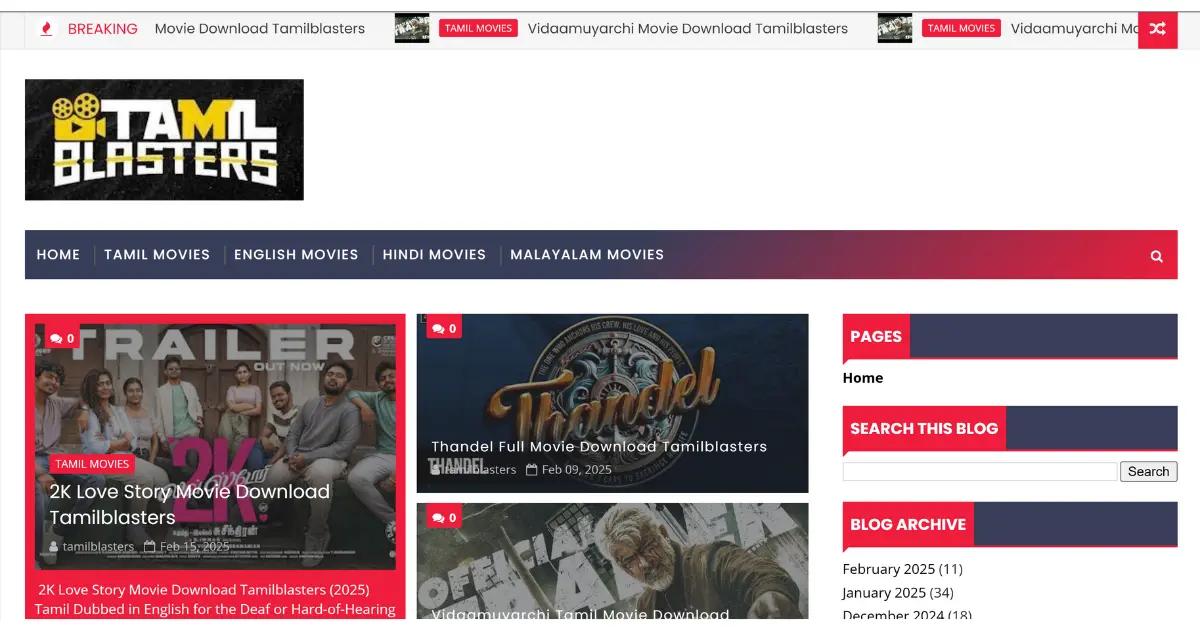
Tamilblasters is one of the most searched terms among Tamil movie enthusiasts looking for free access to the latest films, web series, and regional content. This notorious piracy website has gained massive popularity for leaking newly released Tamil, Telugu, Malayalam, and Hindi movies within hours of their theatrical or OTT release. However, while Tamilblasters may seem like a convenient solution for accessing entertainment without paying, it comes with serious legal consequences, security risks, and ethical implications that every user should understand before clicking that download button.
The rise of piracy platforms like Tamilblasters reflects a broader challenge in the digital entertainment landscape—balancing accessibility with copyright protection. Many users turn to these sites without fully understanding the potential penalties they face, the malware threats lurking behind every download link, or the devastating impact on the creative industry. This comprehensive guide explores everything you need to know about Tamilblasters, from its operations and content offerings to the legal alternatives that provide safe, legitimate access to Tamil entertainment.
What Is Tamilblasters? Understanding the Platform
Tamilblasters is an illegal torrent website that specializes in distributing pirated copies of Tamil movies, along with content in other South Indian languages and Bollywood films. The platform operates through multiple domain extensions and proxy sites, constantly changing its web address to evade law enforcement and copyright enforcement agencies. Users may encounter various versions like tamilblasters ws, tamilblasters kim, tamilblasters mv, tamilblasters cool, and tamilblasters in don, all leading to essentially the same piracy network.
The website functions by uploading copyrighted content without authorization from the original creators or distributors. These files are typically recorded in theaters using camcorders (cam-rips) or leaked from production houses, post-production facilities, or even streaming platforms. Tamilblasters then makes this content available for free download or streaming, generating revenue through aggressive advertising, pop-ups, and potentially malicious redirects that expose users to significant security risks.
What makes Tamilblasters particularly problematic is its organized approach to piracy. The site categorizes content by language, genre, quality (from cam-rips to HD prints), and release date, making it user-friendly for those seeking specific movies. The platform also maintains active communities on social media and messaging apps, with tamilblasters telegram channels providing direct links to new uploads and tamilblasters reddit discussions sharing proxy links when the main domain gets blocked.
The operators behind Tamilblasters remain anonymous, frequently changing domain registrations and hosting services across different countries to avoid legal action. This cat-and-mouse game with authorities has led to numerous domain seizures, yet the site continues to resurface under new extensions like tamilblasters zip, tamilblasters fi, tamilblasters cc, tamilblasters foo, and tamilblasters life, demonstrating the persistent challenge of combating online piracy.
Types of Content Available on Tamilblasters
Tamilblasters offers an extensive library of pirated content that extends far beyond just Tamil cinema. The platform has positioned itself as a one-stop destination for South Indian entertainment, regularly updating its collection with the latest releases across multiple categories. Understanding the breadth of content available helps illustrate why the site attracts millions of visitors despite its illegal status.
The primary focus remains on Tamil movies, with Tamilblasters uploading new theatrical releases often on the same day they hit cinemas. The tamilblasters movie list 2021 and subsequent years include everything from big-budget blockbusters starring major actors to independent films and dubbed versions of movies from other languages. Users can find films in various quality formats, ranging from low-quality cam recordings (360p, 480p) to high-definition prints (720p, 1080p) that appear after digital releases.
Beyond Tamil cinema, the site hosts Telugu, Malayalam, and Kannada movies, catering to the broader South Indian audience. Bollywood films and their Tamil-dubbed versions also feature prominently, as do Hollywood movies with Tamil subtitles or dubbing. This multilingual approach has expanded Tamilblasters’ reach significantly, competing with similar platforms like Tamilanda, Yamakaathaghi, Kutty movie, and Kudumbasthan that target regional audiences.
The platform has also adapted to changing consumption patterns by including web series and OTT content. Popular shows from Netflix, Amazon Prime Video, Disney+ Hotstar, and regional platforms like Sun NXT and Zee5 appear on Tamilblasters shortly after their official release. This includes Tamil originals, dubbed series, and reality shows, making the site a comprehensive piracy hub for digital entertainment beyond traditional cinema.
Additionally, Tamilblasters features TV shows, documentaries, and music videos, though these receive less prominence than movie content. The site’s categorization system allows users to filter content by year, genre (action, romance, thriller, comedy), and quality, with dedicated sections for recently added content and trending downloads. Some versions like tamilblasters party and tamilblasters social have attempted to create more interactive experiences, though these features primarily serve to increase user engagement and ad exposure.
Is Tamilblasters Legal? Understanding Copyright Laws
Tamilblasters is completely illegal in India and virtually every country with copyright protection laws. The platform violates fundamental intellectual property rights by distributing copyrighted content without authorization from the creators, producers, or legitimate distributors. Understanding why Tamilblasters operates outside the law requires examining the legal framework that protects creative works.
In India, the Copyright Act of 1957 (amended in 2012) provides comprehensive protection for cinematographic films, including movies, web series, and television content. This legislation grants exclusive rights to copyright holders to reproduce, distribute, and publicly display their works. When Tamilblasters uploads and distributes movies without permission, it directly infringes on these exclusive rights, making the operation a criminal offense under Indian law.
The Information Technology Act of 2000 further strengthens legal protections in the digital realm. Section 66 and related provisions make it illegal to knowingly host, distribute, or facilitate access to pirated content online. This law applies not only to the operators of Tamilblasters but potentially to intermediaries who knowingly assist in the distribution of pirated material, including those who share tamilblasters new link information or maintain tamilblasters proxy sites.
International copyright treaties, including the Berne Convention and agreements under the World Intellectual Property Organization (WIPO), establish that copyright protection extends across borders. This means that Tamilblasters violates not just Indian law but international copyright standards, regardless of where its servers are located. Countries with strong intellectual property enforcement can pursue legal action against piracy operations that affect their content industries.
The legal status becomes even clearer when examining court rulings. Indian courts have issued numerous orders blocking access to Tamilblasters and similar piracy websites, recognizing them as illegal operations that cause substantial harm to the film industry. The Madras High Court, in particular, has been active in issuing dynamic injunctions that allow blocking of new domains and proxy sites as they emerge, acknowledging the persistent nature of piracy operations like Tamilblasters ws proxy and other variants.
Legal Risks: Penalties and Consequences of Using Piracy Sites
Using Tamilblasters exposes individuals to serious legal consequences that extend beyond simple website blocking. While many users believe they face no risk as mere consumers of pirated content, the legal reality is far more complex and potentially severe. Understanding these risks is essential for anyone who has used or is considering using piracy platforms.
Under Indian law, downloading or streaming copyrighted content from illegal sources like Tamilblasters constitutes a criminal offense. The Copyright Act prescribes imprisonment for a term that may extend to three years and fines that can reach up to ₹3 lakh (approximately $3,600 USD) for first-time offenders. For repeat offenses, penalties increase substantially, with imprisonment potentially extending to six years and fines up to ₹6 lakh.
The legal framework doesn’t distinguish significantly between those who upload content and those who download it. While enforcement agencies typically prioritize operators and major distributors, individual users can face prosecution, especially if they download large quantities of content or share files through peer-to-peer networks. Using tamilblasters app download or accessing tamilblasters ws download links creates a digital footprint that can be traced by law enforcement agencies equipped with increasingly sophisticated monitoring tools.
Civil liability represents another significant risk. Copyright holders can file civil lawsuits against individuals who download or distribute their content illegally, seeking monetary damages that can far exceed criminal fines. In some jurisdictions, statutory damages for copyright infringement can reach thousands of dollars per work infringed, meaning downloading multiple movies could theoretically result in massive financial liability.
Beyond direct legal action, using Tamilblasters can have collateral consequences that affect various aspects of life. A criminal record for copyright infringement can impact employment opportunities, particularly in industries that require background checks or involve handling intellectual property. International travel can become complicated, as some countries deny visas to individuals with criminal records. Professional licenses and educational opportunities may also be jeopardized by a piracy-related conviction.
Internet Service Providers (ISPs) increasingly cooperate with copyright enforcement efforts, implementing graduated response systems that warn users engaged in piracy activities. These warnings escalate from notices to temporary service suspensions and potentially permanent account termination. ISPs may also be compelled to provide user information to copyright holders or law enforcement, eliminating any perceived anonymity when accessing sites like tamilblasters qpon or other variants.
Security Risks: Malware, Viruses, and Data Theft
Beyond legal consequences, Tamilblasters poses severe cybersecurity threats that can compromise your devices, personal information, and financial security. Piracy websites operate in an unregulated environment where user safety is never a priority, and the platform’s revenue model depends heavily on aggressive advertising networks that frequently distribute malicious content.
The most immediate threat comes from malware and viruses embedded in download files or delivered through malicious advertisements. When users download movies from Tamilblasters, they often receive compressed files that may contain trojans, ransomware, or spyware disguised as video files. These malicious programs can steal passwords, monitor your online activity, encrypt your files for ransom, or turn your device into part of a botnet used for cyberattacks. Even streaming content without downloading isn’t safe, as malicious scripts can execute simply by visiting the site.
Phishing attacks represent another significant danger. Tamilblasters and its proxy sites frequently display pop-ups claiming that your device is infected, your software needs updating, or you’ve won a prize. These deceptive messages attempt to trick users into downloading fake antivirus software, providing personal information, or clicking links that lead to credential-harvesting websites. The tamilblasters app download links circulating online are particularly dangerous, as mobile malware can access contacts, messages, photos, and sensitive data stored on smartphones.
The advertising networks used by Tamilblasters engage in aggressive data collection practices that violate user privacy. These ads track browsing behavior, collect device information, and build detailed profiles that can be sold to third parties or used for targeted scams. Unlike legitimate advertising platforms that maintain some standards, piracy site ad networks have no accountability, often partnering with the most predatory advertisers willing to pay for access to users.
Cryptocurrency mining scripts have become increasingly common on piracy websites. When you visit Tamilblasters or stream content, hidden scripts may use your device’s processing power to mine cryptocurrency for the site operators. This cryptojacking slows down your device, increases electricity consumption, causes overheating, and can significantly reduce hardware lifespan—all while generating revenue for criminals without your knowledge or consent.
Perhaps most concerning is the risk of identity theft and financial fraud. Many users who access Tamilblasters do so on devices where they also conduct online banking, shopping, and other activities involving sensitive information. Malware from piracy sites can capture login credentials, credit card numbers, and personal identification details, leading to unauthorized transactions, account takeovers, and long-term identity theft problems that take years to resolve. The interconnected nature of modern digital life means that compromising one device can provide access to email accounts, cloud storage, and other services containing vast amounts of personal data.
How Tamilblasters Affects the Entertainment Industry
The impact of Tamilblasters extends far beyond individual legal and security risks, causing substantial economic damage to the Tamil film industry and the broader entertainment ecosystem. Understanding these consequences reveals why piracy isn’t a victimless crime but rather a threat to the creative economy that employs millions and produces the content users enjoy.
The most direct impact is massive revenue loss for producers, distributors, and theater owners. When a new Tamil movie appears on Tamilblasters on its opening weekend, it significantly reduces box office collections during the crucial first few days that often determine a film’s commercial success. Industry estimates suggest that piracy costs the Indian film industry billions of rupees annually, with Tamil cinema bearing a substantial portion of these losses. Major productions that cost crores to produce may fail to recover investments when pirated copies circulate freely online.
This revenue loss creates a ripple effect throughout the industry. When films underperform due to piracy, producers become more risk-averse, reducing investment in innovative or experimental projects. Smaller production houses and independent filmmakers suffer disproportionately, as they lack the financial cushion to absorb piracy-related losses. This consolidation of power among major studios reduces diversity in storytelling and limits opportunities for new voices in Tamil cinema.
The impact on employment is equally significant. The film industry employs thousands of people beyond the visible actors and directors—cinematographers, editors, sound engineers, costume designers, makeup artists, set builders, and countless others whose livelihoods depend on successful productions. When piracy reduces film revenues, it directly threatens these jobs. Smaller crews face reduced wages, fewer projects, and increased job insecurity, affecting families and communities dependent on the entertainment industry.
OTT platforms and digital distributors also suffer substantial losses from Tamilblasters. These services invest heavily in acquiring content rights, producing original series, and building streaming infrastructure. When their exclusive content appears on piracy sites within hours of release, it undermines their business model and reduces the value proposition for paying subscribers. This can lead to reduced investment in regional content, fewer Tamil originals, and less competitive pricing—ultimately harming consumers who would benefit from a thriving legitimate streaming market.
The long-term consequence is a devaluation of creative work. When audiences become accustomed to accessing content for free through Tamilblasters and similar sites, it becomes increasingly difficult to convince them to pay for entertainment. This cultural shift undermines the fundamental principle that creative work has value and creators deserve compensation. The normalization of piracy particularly affects younger audiences who may never develop the habit of paying for content, threatening the sustainability of the entire entertainment industry for future generations.
Legal Alternatives to Tamilblasters for Tamil Content
Fortunately, numerous legal alternatives to Tamilblasters provide safe, high-quality access to Tamil movies, web series, and entertainment content. These legitimate platforms offer superior viewing experiences without the legal risks, security threats, or ethical concerns associated with piracy. The Tamil content landscape has expanded dramatically in recent years, making it easier than ever to enjoy entertainment legally.
Amazon Prime Video has emerged as a leading destination for Tamil cinema, offering an extensive library of classic and contemporary films. The platform secures early digital rights to many major Tamil releases, often making movies available for streaming within weeks of theatrical release. Prime Video also produces original Tamil series and films, investing directly in regional content creation. The service provides high-definition streaming, multiple audio and subtitle options, and the ability to download content for offline viewing—features that piracy sites cannot reliably offer.
Netflix has significantly expanded its Tamil content offerings, recognizing the growing demand for regional entertainment. The platform hosts a curated selection of critically acclaimed Tamil films, documentaries, and original series. Netflix’s recommendation algorithm helps users discover new content based on their preferences, and the service’s investment in Tamil originals has brought international attention to the industry. The platform’s commitment to quality extends to technical aspects, with 4K streaming and Dolby Atmos audio available for supported content.
Disney+ Hotstar combines the extensive Star network library with Disney’s global content, creating a comprehensive entertainment destination. For Tamil audiences, Hotstar offers recent theatrical releases through its premium tier, along with a vast catalog of older films. The platform also streams Tamil television shows, sports content (including cricket with Tamil commentary), and Disney’s international productions with Tamil dubbing. Hotstar’s pricing structure includes affordable mobile-only plans, making legal access more accessible than ever.
Sun NXT specializes in South Indian content, with a particular focus on Tamil entertainment. As the digital arm of Sun TV Network, the platform offers exclusive access to Sun TV’s extensive library of serials, reality shows, and movies. Sun NXT secures early digital rights to many Tamil films and produces original web series specifically for the platform. The service understands regional preferences and cultural nuances, providing content that resonates with Tamil audiences worldwide.
Zee5 has invested heavily in Tamil content, offering movies, web series, and television shows from the Zee Tamil network. The platform’s regional focus extends to user interface language options and content curation that highlights Tamil entertainment. Zee5 produces original Tamil series and secures exclusive streaming rights to theatrical releases, creating a compelling alternative to piracy. The service also offers live TV streaming, allowing users to watch Zee Tamil channels in real-time.
Other notable platforms include MX Player (free with ads, offering a growing Tamil content library), Aha Tamil (focused exclusively on Tamil and Telugu content), SonyLIV (with Tamil movies and sports content), and YouTube (where many production houses legally upload older films for free viewing with ads). These diverse options ensure that audiences can find legal alternatives matching their preferences and budgets, eliminating any justification for using Tamilblasters.
Free and Paid Streaming Services for Tamil Movies
Understanding the spectrum of free and paid streaming options helps users make informed decisions about accessing Tamil content legally. The entertainment industry has evolved to offer flexible pricing models that accommodate different budgets, making legitimate access more affordable than many realize when compared to the hidden costs of using Tamilblasters.
Free legal streaming options have expanded significantly, challenging the misconception that legal content always requires payment. YouTube hosts thousands of Tamil movies uploaded officially by production houses and distributors, monetized through advertisements. Channels like Sun TV, Raj TV, and various production companies regularly upload full-length films, often including recent releases after their theatrical and premium digital windows close. While users must watch advertisements, this represents a completely legal and safe way to enjoy Tamil cinema without payment.
MX Player operates on an ad-supported free model, offering a substantial library of Tamil movies, web series, and shows without requiring subscription fees. The platform has invested in original Tamil content and secured licensing deals with major studios, creating a legitimate free alternative that rivals piracy sites in content availability. The viewing experience includes periodic ad breaks, but the trade-off provides legal access without financial barriers.
For users willing to invest in premium experiences, subscription-based services offer exceptional value. Amazon Prime Video costs approximately ₹1,499 annually (often available at discounted rates), working out to about ₹125 per month. This subscription includes not only unlimited streaming of Tamil and other content but also free shipping on Amazon purchases, Prime Music, and other benefits. When compared to the cost of a single movie ticket, the annual subscription provides access to thousands of films and shows.
Netflix offers tiered pricing starting from ₹149 per month for mobile-only access, scaling up to ₹649 for premium 4K streaming on multiple devices. This flexibility allows users to choose plans matching their viewing habits and budget constraints. The mobile-only plan particularly targets users who primarily watch content on smartphones, offering full access to Netflix’s library at an affordable price point that undercuts any justification for piracy.
Disney+ Hotstar provides perhaps the most budget-friendly premium option, with mobile-only plans starting at ₹499 annually—less than ₹42 per month. This plan includes access to Hotstar’s entire content library, including Tamil movies, web series, and live sports. The super and premium tiers offer additional features like multiple device streaming and 4K quality, but even the basic plan delivers substantial value for casual viewers.
Many platforms offer free trial periods ranging from 7 to 30 days, allowing users to explore content libraries before committing to subscriptions. These trials provide opportunities to legally watch specific movies or series without payment, and users can strategically time trials around major releases. Additionally, telecom operators and credit card companies frequently offer bundled subscriptions as promotional benefits, potentially providing free or discounted access to premium streaming services.
The total cost of legal streaming remains remarkably affordable when considering the breadth of content available. A user subscribing to Amazon Prime Video (₹1,499/year) and Disney+ Hotstar Mobile (₹499/year) gains access to thousands of Tamil movies and shows for approximately ₹165 per month—less than the cost of two movie tickets. This calculation doesn’t account for the security, quality, and convenience benefits of legal streaming, or the avoidance of legal risks associated with Tamilblasters.
How to Stay Safe Online: VPNs, Antivirus, and Best Practices
Whether you’ve used Tamilblasters in the past or simply want to enhance your online security, implementing comprehensive cybersecurity measures is essential in today’s digital landscape. Protecting yourself requires a multi-layered approach combining technical tools with informed browsing habits.
Virtual Private Networks (VPNs) provide crucial privacy protection by encrypting your internet connection and masking your IP address. However, it’s important to understand that VPNs should be used for legitimate privacy protection—not to access illegal content with a false sense of security. Reputable VPN services like NordVPN, ExpressVPN, or Surfshark protect your data from ISP monitoring, public Wi-Fi threats, and tracking, but they don’t make illegal activities legal or completely anonymous. Choose VPN providers with strict no-logs policies, strong encryption standards, and servers in multiple countries for optimal protection.
Comprehensive antivirus and anti-malware software serves as your first line of defense against threats from any source, including residual risks from past piracy site visits. Premium security suites like Kaspersky, Bitdefender, Norton, or McAfee offer real-time protection, regular system scans, and automatic threat removal. These programs detect and quarantine malicious files before they can cause damage, block dangerous websites, and provide ransomware protection. Free alternatives like Windows Defender (built into Windows 10/11) or Avast Free Antivirus offer basic protection, though premium versions provide more comprehensive features.
Implementing browser security measures significantly reduces exposure to online threats. Install reputable ad-blocking extensions like uBlock Origin or AdGuard to prevent malicious advertisements and tracking scripts. Use browser extensions like HTTPS Everywhere to ensure encrypted connections, and Privacy Badger to block invisible trackers. Configure your browser to block pop-ups, disable automatic downloads, and clear cookies regularly. Consider using privacy-focused browsers like Firefox with enhanced tracking protection or Brave, which blocks ads and trackers by default.
Regular software updates are critical for maintaining security. Enable automatic updates for your operating system, browsers, and all applications. Cybercriminals exploit known vulnerabilities in outdated software, and many malware infections succeed simply because users haven’t installed available security patches. This applies to mobile devices as well—keep your smartphone operating system and apps updated to protect against mobile-specific threats.
Practice strong password hygiene across all online accounts. Use unique, complex passwords for each service, combining uppercase and lowercase letters, numbers, and special characters. Password managers like LastPass, 1Password, or Bitwarden generate and securely store strong passwords, eliminating the need to remember dozens of credentials. Enable two-factor authentication (2FA) wherever available, adding an extra security layer that protects accounts even if passwords are compromised.
Develop cautious browsing habits that minimize risk exposure. Avoid clicking suspicious links in emails, messages, or social media, even from seemingly trusted sources. Be skeptical of offers that seem too good to be true, urgent warnings about account problems, or requests for personal information. Never download files from untrusted sources, and always verify the legitimacy of websites before entering sensitive information. When searching for content, stick to official streaming platforms rather than exploring questionable sites that might expose you to threats.
For mobile devices, download apps only from official app stores (Google Play Store or Apple App Store) and carefully review permissions before installation. Avoid sideloading apps from third-party sources, as these bypass security screening and may contain malware. Be particularly cautious of any “tamilblasters app” or similar piracy applications, as these almost certainly contain malicious code designed to compromise your device.
What to Do If You’ve Already Used Tamilblasters
If you’ve previously accessed Tamilblasters or downloaded content from the site, taking immediate action can mitigate potential security risks and reduce future legal exposure. While you cannot undo past actions, implementing these steps helps protect yourself going forward.
First, conduct a comprehensive security scan of all devices used to access Tamilblasters. Run full system scans with updated antivirus software, checking not just for viruses but also potentially unwanted programs (PUPs), adware, and spyware. If your antivirus detects threats, follow the recommended remediation steps, which may include quarantining or deleting infected files. Consider using specialized malware removal tools like Malwarebytes for a second opinion, as different security programs detect different threats.
Delete all downloaded content from Tamilblasters immediately. Remove movie files, compressed archives, and any associated files from your device and empty your recycle bin or trash. This eliminates potential malware sources and removes evidence of copyright infringement from your system. If you’ve shared files through peer-to-peer networks or uploaded content to cloud storage, delete those copies as well to minimize your digital footprint.
Change passwords for all important online accounts, particularly if you accessed Tamilblasters on a device where you also use banking, email, or shopping services. Prioritize financial accounts, email (which can be used to reset other passwords), and social media. Use strong, unique passwords for each account and enable two-factor authentication wherever possible. If you’ve reused passwords across multiple sites, change them everywhere—credential stuffing attacks exploit password reuse to compromise multiple accounts.
Monitor your financial accounts closely for several months following Tamilblasters use. Review bank statements, credit card transactions, and credit reports for unauthorized activity. Set up transaction alerts through your bank to receive immediate notifications of suspicious charges. If you detect fraudulent activity, report it immediately to your financial institution and consider placing fraud alerts or credit freezes with credit bureaus to prevent identity theft.
Review and adjust your privacy settings across social media and online services. Limit the personal information publicly visible on your profiles, as cybercriminals use this data for targeted phishing attacks. Be cautious of friend requests or messages from unknown individuals, particularly if they reference your Tamilblasters use or claim to offer help with related issues—these may be scams exploiting your vulnerability.
Educate yourself about legal alternatives and commit to using only legitimate streaming services going forward. Explore the free and paid options discussed earlier, taking advantage of trial periods to find platforms that meet your entertainment needs. The combination of affordable legal options and the serious risks of piracy makes continued use of sites like Tamilblasters an unnecessary and unjustifiable risk.
If you receive any legal notices or warnings from your ISP or copyright holders, take them seriously. Consult with a lawyer specializing in intellectual property or cyber law to understand your options and potential liability. Ignoring legal notices can escalate situations, while prompt, appropriate responses may help minimize consequences. Document all communications and avoid admitting to specific actions without legal counsel.
Finally, share your experience with friends and family who may be using piracy sites without understanding the risks. Your firsthand knowledge of the security threats and legal concerns can help others make informed decisions. Recommend legal alternatives and explain the value proposition of legitimate streaming services. By helping others avoid the mistakes you’ve made, you contribute to reducing piracy’s impact on the entertainment industry while protecting your community from cybersecurity threats.
Understanding the Technology Behind Piracy Sites
Tamilblasters and similar piracy operations employ sophisticated technical strategies to evade detection, maintain availability, and maximize reach despite constant legal pressure. Understanding these mechanisms reveals why piracy sites are so persistent and why users face significant security risks when accessing them.
The most visible tactic is domain proliferation. When authorities block tamilblasters ws, the operators immediately launch tamilblasters kim, tamilblasters mv, tamilblasters zip, and numerous other domain variations. This whack-a-mole approach exploits the time lag between domain registration and legal action. Operators register dozens of domains simultaneously across different registrars and countries, ensuring that when one domain is seized, multiple alternatives are already active and promoted through social media and search engines.
Proxy and mirror sites create additional access points that circumvent ISP-level blocking. When users search for “tamilblasters ws proxy” or similar terms, they find alternative URLs that route traffic to the same content through different servers. These proxies may be operated by the original site administrators or by third parties seeking to profit from redirecting traffic. The decentralized nature of proxy networks makes comprehensive blocking nearly impossible, as new proxies emerge faster than authorities can identify and block them.
Content delivery on Tamilblasters relies on distributed hosting infrastructure spread across multiple countries with weak copyright enforcement. Files are stored on servers in jurisdictions where legal action is difficult or impossible, while the main website may be hosted elsewhere. This geographic distribution complicates law enforcement efforts, as taking down the site requires coordinated international action. Additionally, operators use content delivery networks (CDNs) and cloud storage services, sometimes without the providers’ knowledge, to ensure fast download speeds and redundancy.
The site generates revenue through aggressive advertising networks that legitimate platforms refuse to work with. These ad networks specialize in serving piracy sites, adult content, and other grey-market operations. The advertisements often employ deceptive practices like fake download buttons, misleading system warnings, and forced redirects to maximize clicks. Some ads contain malicious code that attempts to install malware or hijack browsers, creating the security risks users face when accessing Tamilblasters.
Social media and messaging platforms play crucial roles in Tamilblasters’ distribution strategy. The tamilblasters telegram channels provide direct links to new uploads, bypassing search engine penalties and website blocks. These channels operate in a legal grey area, as messaging platforms claim limited responsibility for user-generated content. Similarly, tamilblasters reddit discussions and Facebook groups share proxy links and updates, creating resilient communication channels that keep users informed despite domain changes.
Understanding these technical aspects helps explain why simply blocking domains proves ineffective and why users who access these sites expose themselves to sophisticated threat actors. The same technical sophistication that keeps piracy sites operational also enables malware distribution, data harvesting, and other malicious activities that threaten user security.
The Global Context: Piracy Beyond Tamilblasters
While Tamilblasters specifically targets Tamil content, it exists within a global piracy ecosystem that affects entertainment industries worldwide. Understanding this broader context reveals common patterns, shared challenges, and international efforts to combat digital piracy that impact regional operations like Tamilblasters.
Similar piracy operations exist for virtually every regional film industry. Platforms like Tamilanda, Yamakaathaghi, Kutty movie, Kudumbasthan, Sabdham, and Tamilarasan serve overlapping audiences, sometimes collaborating or sharing infrastructure. Bollywood faces piracy from sites like Filmyzilla and Movierulz, while Hollywood content is distributed through The Pirate Bay, RARBG, and countless other torrent sites. This global network demonstrates that piracy isn’t a regional problem but a worldwide challenge requiring coordinated responses.
The economic impact of piracy extends across borders. The Motion Picture Association estimates that piracy costs the global film industry tens of billions of dollars annually, with developing markets like India experiencing disproportionate impacts. These losses affect not just major studios but entire economic ecosystems dependent on entertainment production. The interconnected nature of modern film production—with international co-productions, global distribution deals, and cross-border financing—means that piracy in one region affects the entire industry.
International anti-piracy efforts have intensified through organizations like Interpol, the World Intellectual Property Organization (WIPO), and industry groups like the Motion Picture Association. These bodies coordinate enforcement actions, share intelligence about piracy operations, and work with governments to strengthen copyright laws. However, the decentralized, borderless nature of internet piracy makes enforcement challenging, particularly when operators exploit jurisdictional gaps and host content in non-cooperative countries.
The rise of affordable legal streaming has proven more effective than enforcement alone in reducing piracy. Countries where Netflix, Amazon Prime, and local streaming services offer extensive content libraries at reasonable prices have seen significant declines in piracy rates. This suggests that accessibility and affordability—not just legal penalties—drive consumer behavior. The Tamil entertainment industry’s embrace of digital distribution through platforms like Sun NXT and Aha Tamil follows this global trend toward legitimate streaming as the primary piracy countermeasure.
Emerging technologies present both challenges and opportunities in the anti-piracy fight. Blockchain-based distribution systems could provide more secure content delivery and transparent rights management. Artificial intelligence helps identify and remove pirated content from legitimate platforms more quickly. However, these same technologies also enable more sophisticated piracy operations, with decentralized hosting making takedowns more difficult and AI-powered tools helping pirates evade detection systems.
The global context reveals that addressing Tamilblasters requires more than just blocking domains or prosecuting operators. Sustainable solutions must combine enforcement with accessible legal alternatives, consumer education, and international cooperation—a comprehensive approach that recognizes piracy as a complex socioeconomic and technological challenge rather than simply a law enforcement problem.
Building a Sustainable Digital Entertainment Ecosystem
Moving beyond Tamilblasters and piracy requires building a sustainable digital entertainment ecosystem that serves creators, distributors, and audiences fairly. The future of Tamil cinema depends on developing models that balance accessibility with fair compensation, leveraging technology to create value rather than undermine it.
The streaming revolution has fundamentally changed how audiences consume content, and the Tamil industry must continue adapting to these shifts. Platforms like Amazon Prime Video and Netflix have demonstrated that audiences will pay for convenient, high-quality access to content. The key is ensuring that pricing remains accessible to diverse economic segments while providing sufficient revenue to support content creation. Tiered pricing models, family plans, and mobile-only options help achieve this balance.
Direct-to-digital releases have gained acceptance, particularly following the COVID-19 pandemic when theatrical releases became impossible. While traditional theatrical windows remain important for major productions, the flexibility to release smaller films or specialized content directly to streaming platforms expands opportunities for diverse storytelling. This model can reduce piracy by eliminating the gap between theatrical and digital availability that pirates exploit.
Investing in regional content production creates value that transcends piracy concerns. When streaming platforms produce high-quality Tamil originals, they build brand loyalty and create content that audiences can’t access elsewhere. This exclusive content strategy—successfully employed by Netflix and Amazon—gives audiences compelling reasons to subscribe rather than seeking pirated alternatives. Supporting Tamil filmmakers, writers, and actors in creating platform-exclusive content strengthens both the industry and legitimate distribution channels.
Consumer education plays a crucial role in shifting cultural attitudes toward piracy. Many Tamilblasters users don’t fully understand the legal risks, security threats, or industry impact of their actions. Comprehensive awareness campaigns that explain these consequences—combined with highlighting affordable legal alternatives—can change behavior more effectively than enforcement alone. The entertainment industry, government agencies, and streaming platforms should collaborate on education initiatives targeting younger audiences particularly susceptible to piracy.
Technological solutions like improved content protection and faster piracy detection help reduce the window during which pirated content circulates. Digital watermarking allows studios to trace leak sources, while automated content recognition systems identify and remove pirated uploads from hosting platforms quickly. However, these technical measures must be balanced against user experience—overly restrictive DRM (Digital Rights Management) can frustrate legitimate users and ironically drive them toward piracy.
The ultimate goal is creating an ecosystem where piracy becomes unnecessary because legal options are more convenient, safer, and reasonably priced than illegal alternatives. This requires ongoing dialogue between content creators, distributors, technology platforms, and audiences to ensure that the digital entertainment landscape serves everyone’s interests. The decline of music piracy following Spotify’s rise demonstrates that when legal options meet user needs effectively, piracy diminishes naturally without requiring aggressive enforcement.
For Tamil cinema specifically, this means embracing digital distribution while preserving the theatrical experience for appropriate content, investing in diverse storytelling that serves both mass and niche audiences, and ensuring that legal streaming options remain accessible across economic segments. The industry’s future depends not on eliminating sites like Tamilblasters through enforcement alone, but on building such compelling legal alternatives that piracy becomes an unattractive option.
The choice facing audiences is clear: continue using Tamilblasters and similar piracy sites, accepting the legal risks, security threats, and ethical compromises involved, or embrace the growing ecosystem of legal streaming services that offer superior experiences while supporting the creative community. As legal options become increasingly accessible and affordable, the justifications for piracy grow weaker, making the transition to legitimate consumption not just the right choice but the smart one.
The Tamil entertainment industry stands at a crossroads, with digital transformation offering unprecedented opportunities for growth and global reach. By choosing legal streaming services over piracy platforms like Tamilblasters, audiences become active participants in building a sustainable future for Tamil cinema—one where creators are fairly compensated, technological innovation enhances rather than undermines the industry, and high-quality entertainment remains accessible to all. The path forward requires collective commitment from all stakeholders, but the destination—a thriving, equitable digital entertainment ecosystem—benefits everyone involved.
Frequently Asked Questions
Is Tamilblasters free to use?
Yes, Tamilblasters is free to use and does not require any subscription or payment to access its content. However, this “free” access comes at a significant cost—the website operates illegally by distributing pirated content, which violates copyright laws. Users also face serious risks including malware infections, data theft, legal penalties, and potential fines for accessing copyrighted material without authorization.
Is Tamilblasters legal to use?
No, Tamilblasters is completely illegal in most countries, including India, the United States, and the UK. The website engages in copyright infringement by distributing movies, web series, and other content without proper licensing or permission from content creators. Using Tamilblasters to download or stream pirated content can result in legal action, including fines up to ₹3 lakh and imprisonment for up to three years under Indian copyright law.
What are the best legal alternatives to Tamilblasters?
The best legal alternatives to Tamilblasters include popular streaming platforms like Amazon Prime Video, Netflix, Disney+ Hotstar, Zee5, and Sun NXT, which offer extensive Tamil movie collections. These platforms provide high-quality, safe, and legal access to the latest Tamil films, web series, and regional content for affordable monthly subscription fees. Additionally, free legal options like YouTube, MX Player, and Voot offer ad-supported Tamil content without any legal or security risks.
Can I get in trouble for using Tamilblasters?
Yes, you can face serious legal consequences for using Tamilblasters, including criminal charges, hefty fines, and even imprisonment. Authorities in India and other countries actively monitor piracy websites and can track users through their IP addresses and internet service providers. Beyond legal troubles, users also risk exposing their devices to malware, ransomware, phishing attacks, and identity theft through the malicious ads and pop-ups commonly found on such piracy sites.
Why is Tamilblasters frequently blocked or banned?
Tamilblasters is frequently blocked by government authorities and internet service providers because it violates copyright laws by illegally distributing protected content. The website operators continuously create new domain names and mirror sites to evade these blocks, which is why you may see variations like 1tamilblasters, tamilblasters.com, or tamilblasters.net. These blocking efforts are part of anti-piracy measures to protect the film industry and content creators from revenue losses.
What types of content does Tamilblasters offer?
Tamilblasters primarily offers pirated Tamil movies, but also features Telugu, Malayalam, Hindi, and dubbed Hollywood films. The website provides various file formats and quality options ranging from 360p to 1080p, along with web series, TV shows, and regional content from multiple OTT platforms. Despite this extensive catalog, all content on Tamilblasters is illegally obtained and distributed without proper authorization from copyright holders.
How does Tamilblasters affect the film industry?
Tamilblasters causes massive financial losses to the film industry by providing free access to pirated content, which directly impacts box office collections and legitimate streaming revenue. The Indian film industry loses an estimated ₹18,000 crore annually due to piracy websites like Tamilblasters. These losses affect not just production houses and distributors, but also thousands of workers including actors, technicians, theater owners, and other professionals whose livelihoods depend on the success of films.
What security risks come with using Tamilblasters?
Using Tamilblasters exposes users to numerous cybersecurity threats including malware, viruses, trojans, ransomware, and spyware that can steal personal information and banking credentials. The website is filled with malicious advertisements, fake download buttons, and pop-ups that redirect users to phishing sites designed to harvest sensitive data. Your device can become infected simply by visiting the site, even without downloading any content, making it a serious security hazard.
How can I watch Tamil movies safely and legally?
You can watch Tamil movies safely and legally by subscribing to licensed streaming platforms like Amazon Prime Video, Netflix, Disney+ Hotstar, Zee5, Sun NXT, or Aha Tamil. These services offer affordable monthly plans starting from ₹99-299, providing access to thousands of Tamil films in high quality without legal risks or security threats. Many platforms also offer free trials, and services like YouTube and MX Player provide free ad-supported Tamil content as a completely legal alternative to Tamilblasters.
You May Also Like

NYT Connections Hint: Today’s Puzzle Help & Solving Tips

SimpCityForum Guide: How to Navigate & Engage (2024)