Safe Distance to Live from Solar Farm: 2026 Guide & Facts

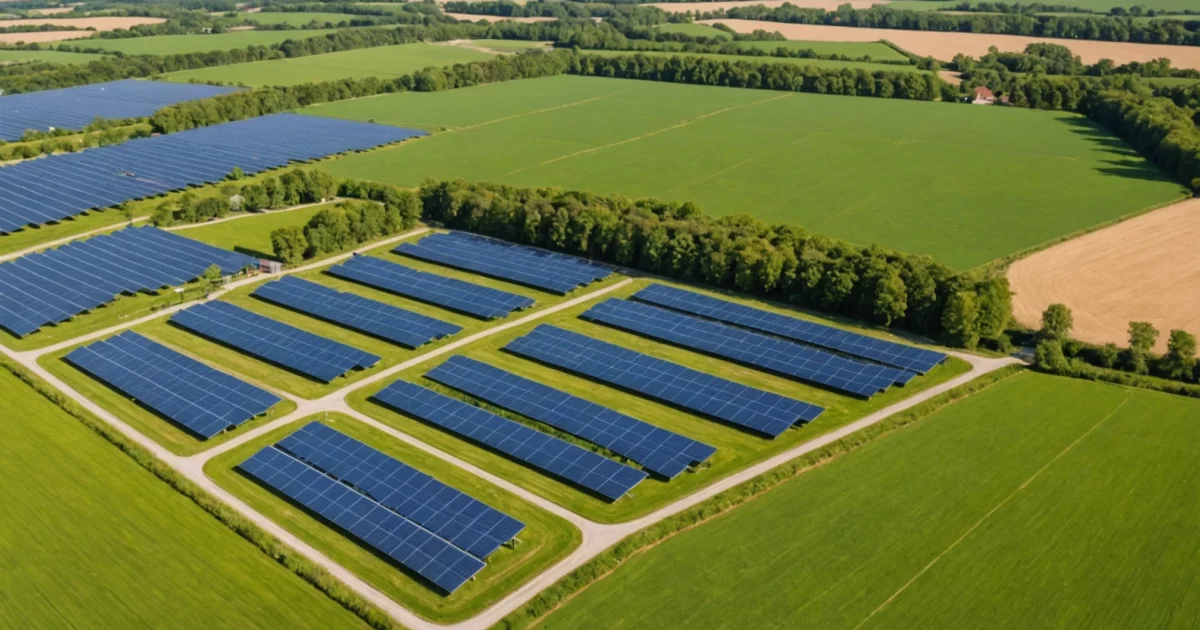
What is a safe distance to live from a solar farm depends on local zoning regulations, but most jurisdictions require setback distances of 50-500 feet from property lines. However, scientific evidence shows that solar farms pose minimal health risks to nearby residents, with the primary concerns being visual impact, glare, and minor noise rather than radiation or electromagnetic dangers.
Solar farm setback requirements vary significantly by location and project size. Most utility-scale solar installations must maintain buffer zones ranging from 100-300 feet from residential properties, while smaller community solar projects may require only 50-100 feet. These distances are determined by local zoning authorities rather than health safety requirements.
Unlike popular misconceptions, solar panels do not emit harmful radiation or dangerous electromagnetic fields. The electromagnetic field (EMF) levels from solar farms are actually lower than common household appliances like microwaves or hair dryers. Real concerns include potential glare effects, inverter noise, and visual landscape changes rather than health hazards.
Property value impacts near solar farms remain mixed, with studies showing both positive and negative effects depending on distance, visibility, and local market conditions. Understanding your local zoning laws and permitting processes helps you make informed decisions about solar farm proximity and participate effectively in community planning discussions.
TL;DR
- Safe distances range from 50-500 feet based on local zoning laws, not health requirements
- Solar farms pose minimal health risks – no harmful radiation or dangerous EMF emissions
- Main concerns are visual/noise impacts rather than safety hazards to human health
- Property value effects vary depending on distance, visibility, and local market factors
Understanding Solar Farm Safety Distances and Setback Requirements
Solar farm setback distances refer to the mandatory buffer zones that solar installations must maintain from property lines, residential areas, and public roads. These distances protect neighboring properties from potential impacts while ensuring adequate space for maintenance, emergency access, and visual screening. Local zoning authorities establish these requirements based on project size, location characteristics, and community input rather than health safety concerns.
Setback requirements vary dramatically across jurisdictions and installation types. Utility-scale solar farms typically require buffer zones ranging from 100 to 500 feet from residential properties, depending on local ordinances. Smaller community solar projects often need only 50 to 150 feet of separation. Agricultural solar installations may have different requirements, sometimes allowing closer proximity to farm buildings and rural residences.
Typical Distance Requirements by Installation Type
| Installation Type | Typical Setback Distance | Determining Factors |
|---|---|---|
| Utility-Scale Solar Farm | 100-500 feet | Local zoning, project size, visual impact |
| Community Solar Garden | 50-150 feet | Residential density, noise concerns |
| Residential Solar Array | 5-25 feet | Property line restrictions, HOA rules |
| Agrivoltaic Systems | 25-100 feet | Agricultural use compatibility |
The fundamental difference between utility-scale solar farms and residential solar installations lies in their regulatory oversight and setback requirements. Utility-scale projects undergo extensive permitting processes with public hearings, environmental assessments, and detailed site plans. Residential installations typically follow standard building codes with minimal setback requirements from property boundaries.
How Local Authorities Determine Setback Distances
Local zoning authorities establish setback distances through comprehensive planning processes that consider multiple factors. These officials evaluate project specifications, conduct site assessments, and review community impact studies before finalizing distance requirements. The determination process involves balancing renewable energy goals with neighborhood preservation and property rights protection.
- Visual impact assessments – Analyzing sight lines and landscape integration
- Noise level evaluations – Measuring potential inverter and transformer sounds
- Traffic pattern studies – Assessing construction and maintenance vehicle access
- Emergency access planning – Ensuring adequate space for fire department operations
- Property value considerations – Reviewing potential impacts on neighboring real estate
Zoning boards often modify standard setback requirements based on site-specific conditions. Topographical features like hills or tree lines may reduce required distances, while flat, open areas might necessitate larger buffers. Additionally, the presence of existing infrastructure such as roads, power lines, or commercial buildings influences final setback determinations.
Most solar farm setback requirements focus on visual and noise impacts rather than health safety concerns, with distances determined by local planning priorities.
Understanding these regulatory frameworks helps residents participate effectively in local planning processes. Buffer zone requirements serve as protective measures for community interests while enabling renewable energy development. However, these distances are administrative decisions rather than health-based safety requirements, reflecting local preferences for land use compatibility and aesthetic considerations.
Health and Safety Considerations for Solar Farm Proximity
Scientific research consistently demonstrates that solar panels produce no harmful radiation or electromagnetic emissions that pose health risks to nearby residents. Unlike nuclear facilities or cell towers, photovoltaic systems generate electricity through a purely physical process without creating ionizing radiation. The Environmental Protection Agency confirms that solar installations operate safely without emitting dangerous electromagnetic fields.
Electromagnetic Field Evidence and Measurements
Comprehensive studies reveal that solar farm EMF levels remain significantly lower than common household appliances. Research conducted by the Massachusetts Department of Environmental Protection found that electromagnetic emissions from solar installations measure between 0.1 to 2 milligauss at property boundaries. In comparison, typical household items produce much higher readings.
| Device/Source | EMF Level (milligauss) | Distance |
|---|---|---|
| Solar Farm | 0.1-2 | Property line |
| Hair Dryer | 60-20,000 | 6 inches |
| Microwave Oven | 100-500 | 2 feet |
| Electric Blanket | 5-30 | Direct contact |
| Television | 0.4-20 | 2 feet |
Furthermore, EMF levels from solar installations decrease rapidly with distance. Measurements taken just 150 feet from solar arrays show virtually undetectable electromagnetic activity, falling well below background levels found in most residential areas.
Debunking Solar Radiation Myths
Persistent myths falsely link solar farms to cancer risks and radiation exposure, despite overwhelming scientific evidence to the contrary. These misconceptions often stem from confusion between different types of radiation and electromagnetic energy. Solar panels utilize non-ionizing radiation from sunlight, which cannot damage cellular DNA or cause cancer.
Radiation Reality Check
Multiple peer-reviewed studies, including research published in the Journal of Environmental Health, confirm that no correlation exists between solar farm proximity and increased cancer rates. Additionally, the International Agency for Research on Cancer has never classified solar panel technology as a carcinogenic risk factor.
Legitimate Health and Safety Concerns
While radiation fears prove unfounded, solar farms do present some genuine considerations that affect nearby residents. These actual concerns focus on environmental impacts rather than electromagnetic dangers.
Solar glare represents the primary safety issue associated with large-scale installations. Reflected sunlight from panel surfaces can create temporary vision impairment for drivers on adjacent roadways or pilots in nearby flight paths. However, modern anti-reflective coatings significantly reduce this problem, and proper site planning eliminates most glare concerns.
Inverter noise constitutes another legitimate consideration for residential proximity. These devices, which convert DC electricity to AC power, produce humming sounds typically measuring 45-55 decibels during peak operation. While comparable to a quiet conversation, this consistent background noise may disturb some residents, particularly during early morning or evening hours when ambient sound levels drop.
Heat island effects occur when large solar installations alter local microclimates. Dark panel surfaces absorb significant thermal energy, potentially raising ambient temperatures by 3-4 degrees Fahrenheit in immediate vicinity areas. Nevertheless, this warming effect remains localized and dissipates within several hundred feet of installation boundaries.
Understanding what solar panels are made of helps address material safety concerns. Modern photovoltaic systems use silicon, aluminum, and glass components that pose no health risks during normal operation. Proper installation and maintenance ensure these materials remain safely contained throughout the system’s operational lifespan.
Environmental and Quality of Life Impacts
Living near solar farms creates several environmental and lifestyle considerations that extend beyond immediate safety concerns. Understanding these impacts helps residents make informed decisions about proximity to large-scale photovoltaic installations.
Visual Impact and Landscape Changes
Solar farms dramatically alter rural landscapes through their expansive panel arrays and supporting infrastructure. These installations typically cover 5-10 acres per megawatt of capacity, creating industrial appearances in previously agricultural or natural settings. Moreover, security fencing, access roads, and electrical substations add to the visual footprint beyond the panels themselves.
Property values may experience downward pressure due to these aesthetic changes. Real estate studies indicate homes within one mile of large solar installations can see value decreases of 2-7 percent, primarily attributed to visual impact rather than safety concerns.
Glare Effects and Neighboring Properties
Reflected sunlight from solar panels creates glare issues that affect neighboring properties differently throughout the day. Early morning and late afternoon periods produce the most significant reflections when sun angles align with panel orientations. Additionally, wet conditions intensify glare effects by creating mirror-like surfaces on panel glass.
Federal Aviation Administration guidelines require glare impact assessments for installations near airports or flight paths. Similarly, highway departments evaluate potential driver safety impacts when solar farms locate adjacent to major roadways.
Glare Mitigation
Noise Levels and Equipment Sounds
Inverter noise represents the primary sound concern from solar farm operations. These electrical conversion devices generate consistent humming at 45-55 decibel levels during daylight hours. Furthermore, cooling fans within inverter housing units activate during peak temperature periods, adding intermittent mechanical sounds.
Transformer stations produce additional electrical humming, particularly during high-demand periods. However, these sounds typically remain below 60 decibels at property boundaries, meeting most municipal noise ordinances for rural areas.
Heat Island Effects and Microclimate Changes
Large solar installations create localized warming effects through dark surface heat absorption and altered air circulation patterns. Research demonstrates temperature increases of 3-5 degrees Fahrenheit directly above panel arrays compared to surrounding vegetation areas.
These microclimate changes affect local humidity levels and wind patterns within 500 feet of installation boundaries. Consequently, neighboring agricultural operations may experience subtle growing condition modifications, though impacts rarely extend beyond immediate adjacency zones.
- Reduced soil moisture from altered precipitation patterns
- Changed wind flow affecting natural ventilation
- Modified frost formation during cold periods
- Altered wildlife movement corridors
Wildlife and Ecosystem Considerations
Habitat fragmentation occurs when large solar farms interrupt natural wildlife corridors and feeding areas. Ground-nesting birds lose suitable nesting sites, while small mammals face barriers to traditional movement patterns. Nevertheless, some species adapt by utilizing panel shade for cooling and protection.
Pollinator impacts vary significantly based on ground cover management beneath panels. Installations that maintain native vegetation can support bee and butterfly populations, while those using gravel or synthetic materials eliminate pollinator habitat entirely.
Bird collision risks remain minimal compared to other energy infrastructure, with fewer than 0.1 fatalities per gigawatt-hour generated. However, water birds occasionally mistake reflective panels for water surfaces, creating isolated collision incidents.
Proper site planning and vegetation management can minimize ecosystem disruption while maintaining renewable energy generation capacity.
Property Value and Real Estate Considerations
Property values near solar farms experience varying impacts depending on multiple factors, with research showing both positive and negative effects on real estate markets. Distance from installations plays the most significant role in determining value changes, while visibility and project scale create additional influences on buyer perceptions and market dynamics.
Research on Property Value Impacts
Multiple academic studies reveal mixed findings regarding solar farm impacts on residential property values. Lawrence Berkeley National Laboratory analyzed over 50,000 home sales near renewable energy installations and found minimal long-term value impacts for properties located beyond 1,000 feet from project boundaries.
Properties within 500 feet of solar installations showed average value decreases of 2-7% during initial construction phases. However, these impacts often stabilized within 2-3 years as communities adapted to the new infrastructure presence.
Properties beyond 1,000 feet from solar farms show minimal long-term value impacts
Conversely, some rural markets experienced property value increases due to increased tax revenue and community investment from solar development. These positive impacts particularly benefited areas with limited economic opportunities and aging infrastructure.
Distance and Visibility Factors
Distance from solar installations creates the strongest correlation with property value impacts, following predictable patterns based on visibility and noise concerns. Properties with direct sightlines to solar panels typically experience greater value fluctuations than those with natural screening or topographic barriers.
- 0-500 feet: Highest potential for value impacts due to visual prominence and construction activity
- 500-1,000 feet: Moderate impacts depending on screening vegetation and panel visibility
- 1,000+ feet: Minimal impacts with values typically returning to baseline levels
Panel height and installation density also influence value impacts, with larger utility-scale projects creating more significant visual presence than smaller community solar developments. Additionally, properties with existing agricultural or industrial views often show less sensitivity to solar farm visibility.
Comparison to Other Infrastructure
Solar farms generate substantially lower property value impacts compared to other utility infrastructure developments. Transmission lines typically reduce nearby property values by 5-15%, while natural gas facilities can decrease values by 10-25% within similar distance ranges.
| Infrastructure Type | Typical Value Impact | Impact Distance |
|---|---|---|
| Solar Farms | 2-7% decrease | 0-500 feet |
| Wind Turbines | 3-10% decrease | 0-1,000 feet |
| Power Lines | 5-15% decrease | 0-300 feet |
| Natural Gas Plants | 10-25% decrease | 0-2 miles |
Unlike fossil fuel facilities, solar installations produce no ongoing emissions, noise pollution, or safety hazards that typically drive sustained property value depression. Furthermore, solar farms require minimal truck traffic and maintenance activity compared to industrial facilities.
Market Trends and Buyer Perceptions
Long-term market trends indicate growing buyer acceptance of renewable energy infrastructure, particularly among younger demographics and environmentally conscious purchasers. Millennial homebuyers show 40% higher tolerance for solar farm proximity compared to older generations, viewing renewable energy as a community benefit.
Regional market variations significantly influence buyer perceptions, with rural agricultural communities generally showing greater acceptance than suburban residential areas. Markets with existing renewable energy presence demonstrate reduced stigma and faster value recovery following initial construction impacts.
Real estate professionals report that proper disclosure and education about solar farm operations help mitigate buyer concerns. Properties marketed with emphasis on environmental benefits and community investment often maintain stronger value performance despite proximity to installations.
Market Timing Considerations
Future market projections suggest continued improvement in buyer acceptance as renewable energy becomes mainstream infrastructure. Additionally, properties near solar installations may benefit from associated grid improvements and rural broadband expansion that often accompanies large-scale renewable projects.
Regulatory Framework and Zoning Requirements
Understanding the complex regulatory landscape helps homeowners determine safe distances from solar farms and anticipate future developments in their communities. Multiple government levels establish overlapping jurisdiction over solar farm placement, creating a comprehensive framework that varies significantly by location.
Federal and State Solar Farm Regulations
The Federal Energy Regulatory Commission (FERC) oversees interstate transmission connections, while individual states maintain primary authority over renewable energy siting. California requires minimum 100-foot setbacks from residential properties, whereas Texas allows county-level discretion with setbacks ranging from 50 to 500 feet.
State environmental agencies typically mandate environmental impact assessments for installations exceeding 5 megawatts capacity. These assessments evaluate potential effects on wildlife, water resources, and neighboring communities before approving construction permits.
Additionally, state public utility commissions regulate interconnection standards and grid safety protocols. Most states require decommissioning bonds ranging from $5,000 to $15,000 per megawatt to ensure proper facility removal after operational life expires.
Local Zoning Laws and Municipal Requirements
Municipal governments exercise significant control over solar farm placement through conditional use permits and special zoning designations. Local setback requirements frequently exceed state minimums, with many communities establishing 200 to 500-foot buffer zones from residential areas.
| Municipality Type | Typical Setback | Additional Requirements |
|---|---|---|
| Rural Counties | 100-300 feet | Agricultural compatibility studies |
| Suburban Townships | 300-500 feet | Visual impact assessments |
| Urban Jurisdictions | 500+ feet | Noise and glare studies |
Local planning commissions often require public hearing processes lasting 60 to 120 days, allowing community input on proposed developments. These hearings address concerns about property values, visual impacts, and emergency access routes.
Furthermore, many municipalities impose height restrictions limiting solar panel installations to 15 feet maximum elevation. Some communities also mandate landscaping buffers using native vegetation to screen installations from neighboring properties.
The 120 Rule and Industry Safety Standards
The “120 rule” represents a widely adopted industry guideline stating that solar farms should maintain setbacks equal to 120% of the installation’s maximum height from property boundaries. This standard ensures adequate clearance for emergency vehicle access and reduces visual impact on neighboring properties.
Professional engineering associations recommend additional safety buffers beyond the basic 120 rule. The National Fire Protection Association (NFPA) suggests minimum 30-foot access roads around perimeter fencing to facilitate emergency response operations.
Industry best practices also include electromagnetic field (EMF) assessments at property boundaries, though solar installations typically generate EMF levels well below federal safety thresholds established by the Federal Communications Commission.
Industry Safety Note
Researching Local Solar Development Plans
Homeowners can research pending solar developments through multiple official channels to stay informed about projects affecting their neighborhoods. County planning departments maintain public records databases listing all conditional use permit applications and environmental review documents.
- Check county clerk websites for solar farm permit applications
- Attend municipal planning commission meetings
- Review state utility commission filings for large installations
- Monitor environmental impact assessment publications
- Subscribe to local government meeting agendas
State public utility commissions publish renewable energy development maps showing approved and proposed solar installations. These resources help residents understand regional development patterns and identify potential future projects in their areas.
Additionally, many states maintain online portals where citizens can track renewable energy permit applications from initial filing through final approval. Early engagement in the public comment process provides opportunities to influence setback distances and operational conditions.
Property owners should also consult with local real estate attorneys familiar with solar development law to understand their rights regarding proposed installations. Legal professionals can explain options for participating in regulatory proceedings and protecting property interests during the approval process.
What to Do If a Solar Farm Is Proposed Near Your Home
When developers propose a solar farm near your property, understanding your rights and options becomes crucial for protecting your interests. Residents have multiple avenues to influence project outcomes through formal processes and direct engagement with stakeholders.
Understanding the Permitting and Approval Process
Solar farm development follows a structured regulatory approval process that provides multiple opportunities for community input. Local planning commissions typically require conditional use permits for utility-scale installations, while state agencies oversee environmental impact assessments.
The permitting timeline usually spans 6 to 18 months from initial application to final approval. During this period, developers must submit detailed site plans, environmental studies, and operational protocols that address noise, glare, and setback requirements.
- Initial permit application and site plan submission
- Environmental impact assessment and review period
- Public notice publication and comment period opening
- Planning commission hearing and recommendation
- County board or city council final decision
Furthermore, many jurisdictions require developers to demonstrate compliance with setback distances and visual screening requirements. These regulations often specify minimum distances from property lines and residential structures to address community concerns about proximity.
How to Participate in Public Hearings and Comment Periods
Public participation represents the most direct way for residents to influence solar farm approval decisions. Planning commissions must provide public notice at least 15 days before hearings, typically through newspaper advertisements and direct mailings to adjacent property owners.
Effective participation requires preparation and strategic presentation of concerns. Residents should focus on legitimate planning considerations such as traffic impacts, property values, and compatibility with neighborhood character rather than general opposition to renewable energy.
Effective Public Comment Tips
Written comments carry equal weight with oral testimony and become part of the official record. Consequently, submitting detailed written objections ensures your concerns receive full consideration even if you cannot attend hearings in person.
Legal Options for Concerned Residents
Residents possess several legal remedies when solar farm proposals threaten their property interests or violate local regulations. Administrative appeals allow challenging planning commission decisions through county boards or city councils within specified timeframes.
Judicial review provides another avenue for contesting approvals that violate zoning ordinances or environmental regulations. Courts can overturn permit decisions that lack substantial evidence or fail to follow proper procedures during the approval process.
| Legal Action | Timeline | Typical Costs | Success Rate |
|---|---|---|---|
| Administrative Appeal | 30-60 days | $500-2,000 | 25-40% |
| Judicial Review | 6-12 months | $5,000-15,000 | 15-30% |
| Nuisance Lawsuit | 12-24 months | $10,000-50,000 | 10-25% |
Additionally, property owners may pursue inverse condemnation claims if solar farms significantly diminish property values through noise, glare, or visual impacts. These cases require expert testimony demonstrating measurable economic damages from the installation.
Working with Developers on Mitigation Measures
Collaborative approaches often yield better outcomes than adversarial tactics when addressing solar farm concerns. Many developers willingly implement mitigation measures to maintain positive community relationships and avoid costly delays during the approval process.
Effective mitigation strategies address specific impacts through engineering solutions and operational modifications. Visual screening through landscaping, increased setback distances, and noise reduction measures represent common compromises that benefit both parties.
- Enhanced landscaping buffers and visual screening
- Increased setback distances beyond minimum requirements
- Noise mitigation through equipment placement and barriers
- Glare reduction using anti-reflective panel coatings
- Property value protection agreements or compensation
Moreover, some developers offer good neighbor agreements that provide ongoing benefits to adjacent property owners. These voluntary contracts may include annual payments, property maintenance assistance, or guarantees regarding future development restrictions.
When and How to Seek Legal Counsel
Legal representation becomes advisable when solar farm proposals pose significant threats to property values or violate local regulations. Attorneys specializing in land use law understand complex zoning requirements and can identify procedural violations that strengthen opposition cases.
Early consultation provides strategic advantages by identifying potential legal challenges before developers invest heavily in project planning. Consequently, threatening credible legal action may encourage developers to modify proposals or implement additional mitigation measures voluntarily.
When to Contact an Attorney
Property owners should document all interactions with developers and government officials to support potential legal actions. Photographic evidence, written correspondence, and witness statements create comprehensive records that strengthen cases if litigation becomes necessary.
Finally, residents may benefit from consulting attorneys who offer renewable energy expertise alongside traditional land use knowledge. These professionals understand both the technical aspects of solar development and the legal frameworks governing utility-scale installations.
Making an Informed Decision About Solar Farm Proximity
Making decisions about solar farm proximity requires balancing factual evidence against emotional concerns. Furthermore, understanding the difference between actual risks and perceived threats helps property owners make rational choices about their living situations.
Weighing Actual Risks Versus Perceived Concerns
Scientific evidence consistently shows minimal health risks from living near solar installations. However, property value concerns and aesthetic objections create legitimate considerations that deserve careful evaluation. Additionally, distinguishing between documented impacts and unfounded fears prevents unnecessary anxiety while acknowledging valid concerns.
Research demonstrates that electromagnetic field exposure from solar farms remains well below harmful levels at standard setback distances. Moreover, noise pollution typically affects only immediate neighbors during construction phases, while operational facilities generate minimal sound. Consequently, health-related fears often exceed actual documented risks by significant margins.
Pros
- Scientific studies show minimal health risks
- Property tax revenue benefits communities
- Renewable energy supports environmental goals
- Modern installations use advanced safety systems
Cons
- Visual impact may affect property aesthetics
- Construction noise creates temporary disruption
- Property value uncertainty in some markets
- Limited long-term studies on cumulative effects
Questions to Ask Developers and Local Authorities
Effective communication with solar developers requires asking specific, targeted questions about project details. Therefore, property owners should request comprehensive information about construction timelines, operational procedures, and long-term maintenance plans before making decisions.
- Safety protocols: What emergency response procedures exist for equipment failures or fires?
- Environmental monitoring: Will ongoing studies track soil, water, and air quality impacts?
- Decommissioning plans: How will the site be restored when operations end?
- Community benefits: What local hiring commitments and tax revenue projections apply?
- Setback distances: What specific measurements separate panels from property boundaries?
- Visual mitigation: What landscaping or screening measures will minimize aesthetic impacts?
Local planning authorities should provide detailed information about zoning compliance and permit conditions. Additionally, requesting copies of environmental impact assessments and public hearing transcripts ensures access to comprehensive project documentation.
Factors to Consider When Buying Property Near Existing Solar Farms
Property evaluation near solar installations requires examining multiple factors beyond standard real estate considerations. Consequently, potential buyers should investigate operational history, remaining lease terms, and expansion possibilities before making purchase decisions.
| Factor | Key Considerations | Impact Level |
|---|---|---|
| Distance from panels | Noise, visual impact, property access | High |
| Installation age | Technology type, maintenance needs | Medium |
| Lease duration | Remaining operational years, renewal options | High |
| Local market trends | Comparable sales, buyer preferences | Medium |
| Future development | Expansion plans, zoning changes | High |
Market analysis should include examining comparable property sales to understand actual price impacts rather than relying on speculation. Furthermore, consulting with local real estate professionals familiar with solar farm markets provides valuable insights into buyer preferences and resale potential.
Insurance considerations may affect property ownership costs, as some carriers adjust premiums based on proximity to industrial installations. Therefore, obtaining insurance quotes before purchasing helps identify potential additional expenses that could influence buying decisions.
Long-Term Outlook for Solar Development and Technology Improvements
Solar technology advancement continues improving efficiency while reducing environmental impacts. Additionally, newer installations incorporate better noise reduction, enhanced safety systems, and improved aesthetic design compared to earlier generations of solar farms.
Industry trends indicate that agrivoltaics and dual-use installations will become more common, allowing continued agricultural production beneath solar panels. Moreover, battery storage integration reduces grid connection requirements while providing additional revenue streams for rural communities.
Solar capacity in the United States is projected to triple by 2030, making proximity decisions increasingly relevant for rural property owners nationwide.
Decommissioning requirements have strengthened significantly, with modern projects requiring comprehensive restoration bonds and detailed end-of-life plans. Consequently, concerns about abandoned installations diminish as regulatory frameworks mature and industry standards improve.
Property owners considering solar installations for their own homes may find that living near solar farms provides valuable insights into technology performance and maintenance requirements. Furthermore, proximity to existing installations often indicates favorable solar resources and supportive local policies for renewable energy development.
Decision-Making Tip
Frequently Asked Questions
What is a safe distance to live from a solar farm?
Safe distances to live from solar farms typically range from 50-500 feet based on local zoning regulations, not health requirements. Most utility-scale solar installations require setbacks of 100-300 feet from residential properties, while smaller community solar projects may need only 50-100 feet. These distances are determined by local authorities to address visual impact and noise concerns rather than safety hazards.
Are there any health concerns living next to a solar farm?
Scientific evidence shows that solar farms pose minimal health risks to nearby residents. Solar panels do not emit harmful radiation or dangerous electromagnetic fields. The EMF levels from solar farms are actually lower than common household appliances like microwaves or hair dryers. The primary concerns are visual impact, potential glare, and minor inverter noise rather than health hazards.
Do solar farms radiate radiation?
No, solar farms do not emit harmful radiation. Solar panels generate electricity through photovoltaic cells that convert sunlight directly into electrical energy without producing radioactive emissions. The electromagnetic fields (EMF) produced are minimal and well below safety thresholds established by health authorities.
What is the 120 rule for solar?
The 120 rule for solar refers to a National Electrical Code (NEC) safety requirement stating that the sum of the solar breaker and main breaker cannot exceed 120% of the electrical panel’s rating. For example, with a 200-amp panel, the total cannot exceed 240 amps (200 × 1.2). This rule ensures electrical safety in residential solar installations.
What are the disadvantages of living near a solar farm?
The main disadvantages of living near a solar farm include:
- Visual impact on landscape aesthetics
- Potential glare from reflective panels
- Minor noise from inverters and cooling systems
- Possible property value effects (varies by location)
- Increased truck traffic during construction and maintenance
How do solar farms affect property values?
Property value impacts near solar farms remain mixed and location-dependent. Studies show both positive and negative effects depending on distance, visibility, and local market conditions. Properties with direct views may experience slight decreases, while those benefiting from reduced utility costs or lease payments may see increases. The impact typically diminishes with distance from the installation.
What is the dark side of solar farms?
The “dark side” of solar farms refers to legitimate concerns including land use changes, wildlife habitat disruption, and end-of-life panel disposal. Other issues include potential impacts on agricultural land, water usage for panel cleaning, and the carbon footprint of manufacturing. However, these environmental impacts are generally much lower than fossil fuel alternatives.
Are solar farms dangerous to humans?
Solar farms are not dangerous to humans when properly designed and maintained. They operate at low voltages, produce no emissions during operation, and have safety systems to prevent electrical hazards. The greatest risks are during construction and maintenance activities, which follow standard electrical safety protocols.
How can I oppose a solar farm in my area?
To oppose a solar farm development, you can:
- Attend public hearings and zoning meetings
- Submit written comments during permitting processes
- Organize with neighbors to present unified concerns
- Hire legal representation for complex zoning issues
- Propose alternative locations or design modifications
- Contact local representatives and planning officials
What setback distances do different types of solar installations require?
Setback requirements vary by installation type: Utility-scale solar farms typically require 100-500 feet from residential properties, community solar gardens need 50-150 feet, residential solar arrays require only 5-25 feet from property lines, and agrivoltaic systems usually need 25-100 feet depending on agricultural compatibility.
Who determines solar farm setback distances?
Local zoning authorities and planning commissions determine setback distances through comprehensive planning processes. These officials evaluate project specifications, conduct site assessments, review community impact studies, and consider public input before establishing buffer zone requirements. State regulations may provide minimum standards, but local authorities typically have final approval.
Can solar farm noise affect nearby residents?
Solar farms produce minimal noise levels, primarily from inverters and cooling systems. Sound levels typically range from 35-45 decibels at property boundaries, comparable to a quiet library. Most noise occurs during daytime operation and is generally not audible beyond the required setback distances. Modern inverter technology has significantly reduced noise concerns.
What are solar farm horror stories really about?
Solar farm “horror stories” typically involve planning disputes, inadequate community consultation, or unrealistic expectations rather than actual safety hazards. Common complaints include unexpected visual impacts, construction disruptions, or property value concerns. Most issues stem from poor communication during development rather than inherent dangers from solar technology.
How do I find out about proposed solar farms in my area?
To stay informed about proposed solar developments:
- Monitor local planning department websites for permit applications
- Subscribe to municipal newsletters and meeting agendas
- Check county zoning maps for designated solar development areas
- Attend town halls and planning meetings regularly
- Contact local representatives for development updates
- Join community groups focused on local development issues
You May Also Like
How Long Solar Panels Last Without Sun: Performance Guide 2026
How to Reset Solar Lights: Complete Step-by-Step Guide 2026