Renewable Energy Guide 2026: Sources, Benefits & Future

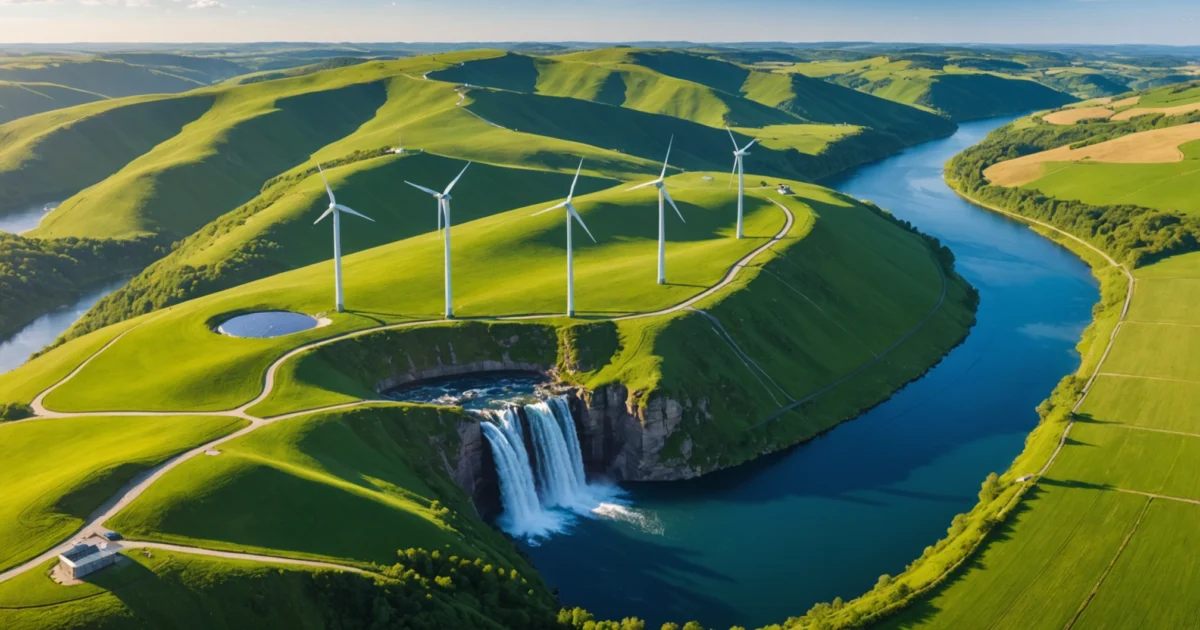
Renewable energy refers to power generated from naturally replenishing sources that are virtually inexhaustible on human timescales, including solar, wind, hydroelectric, geothermal, and biomass energy. Unlike fossil fuels, these sustainable power sources offer a clean alternative that significantly reduces greenhouse gas emissions while providing long-term energy security. Moreover, renewable energy technologies have become increasingly cost-competitive, driving global adoption and investment.
The transition to renewable energy represents one of the most critical shifts in modern history. Furthermore, countries worldwide are implementing ambitious targets to increase their renewable energy share, with India leading developing nations through massive solar and wind energy projects. Additionally, technological innovations continue to improve efficiency while reducing costs across all renewable energy sectors.
Understanding renewable energy advantages and disadvantages helps individuals and organizations make informed decisions about sustainable power adoption. Consequently, this comprehensive guide explores everything from basic definitions to future market trends, providing essential insights for anyone interested in clean energy solutions.
TL;DR
- Renewable energy comes from naturally replenishing sources like solar, wind, hydro, geothermal, and biomass that never run out
- Key advantages include reduced carbon emissions, energy independence, job creation, and long-term cost savings
- Main challenges involve intermittency issues, high upfront costs, and energy storage requirements
- India is rapidly expanding renewable capacity with ambitious solar and wind energy targets for 2030
- Global renewable energy investment continues growing as technology costs decline and efficiency improves
What is Renewable Energy: Definition and Core Principles
Renewable energy refers to power generated from naturally replenishing sources that remain available indefinitely on human timescales. These sustainable power sources continuously regenerate through natural processes, ensuring their availability for future generations without depletion concerns.
The fundamental principle underlying renewable energy systems involves harnessing natural phenomena that occur continuously in our environment. Solar radiation reaches Earth daily, wind patterns circulate globally, water flows through rivers and oceans, and geothermal heat emanates from the planet’s core. Additionally, biomass materials grow and regenerate through photosynthesis, creating organic matter that stores solar energy.
Key Characteristics of Renewable Energy Sources
Renewable energy sources share several defining characteristics that distinguish them from conventional fossil fuels. Natural replenishment occurs continuously or within relatively short timeframes, typically measured in days, seasons, or decades rather than millions of years. Furthermore, these sources demonstrate inexhaustible availability on human timescales, meaning they won’t run out regardless of consumption levels.
- Self-regenerating capacity: Sources naturally restore themselves through ongoing environmental processes
- Minimal environmental impact: Clean energy generation produces little to no greenhouse gas emissions during operation
- Distributed availability: Resources exist across diverse geographic locations worldwide
- Technological scalability: Systems can range from small residential installations to massive utility-scale projects
Renewable vs Non-Renewable Energy Sources
The distinction between renewable and non-renewable energy sources centers on resource availability and regeneration timescales. Non-renewable energy comes from finite fossil fuel deposits formed over millions of years through geological processes. Coal, oil, and natural gas represent the primary non-renewable sources that power much of today’s global economy.
| Renewable Sources | Non-Renewable Sources |
|---|---|
| Solar, Wind, Hydro | Coal, Oil, Natural Gas |
| Naturally replenishing | Finite deposits |
| Clean operation | Carbon emissions |
| Sustainable long-term | Eventually depleted |
Conversely, renewable energy sources regenerate continuously through natural cycles. Solar panels convert sunlight into electricity daily, while wind turbines harness atmospheric movements that occur constantly. Hydroelectric systems utilize water cycles that have operated for billions of years, and geothermal plants tap into Earth’s core heat that will persist for geological ages.
Climate Change Mitigation Through Renewable Energy
Renewable energy plays a crucial role in addressing climate change by significantly reducing greenhouse gas emissions from power generation. Traditional fossil fuel combustion releases carbon dioxide, methane, and other pollutants that contribute to global warming and environmental degradation. In contrast, renewable energy systems produce electricity with minimal operational emissions.
Renewable energy could reduce global CO2 emissions by up to 70% by 2050
The transition to renewable energy sources directly supports international climate goals established in the Paris Agreement. Countries implementing renewable energy policies demonstrate measurable reductions in their carbon footprints while maintaining economic growth. Moreover, clean energy deployment creates positive feedback loops by reducing air pollution, improving public health outcomes, and preserving natural ecosystems.
Scientific research consistently shows that renewable energy adoption accelerates decarbonization across multiple economic sectors. Transportation electrification powered by clean energy reduces emissions from vehicles, while renewable-powered manufacturing processes eliminate industrial carbon outputs. Therefore, renewable energy serves as a foundational technology for achieving comprehensive climate change mitigation strategies.
Types of Renewable Energy Sources
Understanding the various renewable energy sources helps individuals and organizations make informed decisions about clean energy adoption. Each renewable technology harnesses natural processes that continuously replenish themselves, offering sustainable alternatives to fossil fuels. Furthermore, different renewable sources complement each other by providing energy during various weather conditions and times of day.
Solar Energy: Photovoltaic and Thermal Applications
Solar energy converts sunlight into usable electricity through two primary technologies: photovoltaic panels and thermal collectors. Photovoltaic systems use semiconductor materials to directly transform solar radiation into electrical current, while solar thermal systems capture heat energy for water heating or electricity generation. Additionally, concentrated solar power plants use mirrors to focus sunlight and generate high-temperature steam for turbine operation.
Solar installations provide distributed energy generation that reduces transmission losses and enhances grid resilience. Residential rooftop systems enable homeowners to generate their own electricity, while utility-scale solar farms contribute significant capacity to regional power grids. Moreover, solar energy costs have decreased by over 80% since 2010, making it one of the most cost-effective renewable technologies available.
Wind Power: Onshore and Offshore Wind Farms
Wind power harnesses kinetic energy from moving air masses through turbine generators mounted on tall towers. Onshore wind farms utilize land-based installations in areas with consistent wind patterns, typically generating electricity at lower costs than offshore alternatives. However, offshore wind farms access stronger and more consistent ocean winds, producing higher capacity factors despite increased installation complexity.
Modern wind turbines feature advanced blade designs and smart control systems that optimize energy capture across varying wind speeds. Wind energy capacity has grown exponentially, with global installations exceeding 900 gigawatts by 2023. Furthermore, wind power creates minimal operational emissions while providing substantial economic benefits to rural communities through land lease payments and job creation.
Hydroelectric Power: Large-Scale Dams and Small-Scale Hydro
Hydroelectric power generates electricity by channeling flowing water through turbines, representing the world’s oldest and most established renewable energy technology. Large-scale hydroelectric dams create reservoirs that provide flood control, irrigation, and recreational opportunities alongside electricity generation. Conversely, small-scale hydro systems operate on rivers and streams without requiring massive infrastructure investments or environmental disruption.
Hydroelectric facilities offer exceptional grid stability through their ability to rapidly adjust power output in response to demand fluctuations. Pumped-storage hydroelectric systems function as massive batteries, storing excess energy by pumping water uphill during low demand periods. Subsequently, these systems release stored energy by allowing water to flow downhill through generators during peak demand times.
Geothermal Energy: Ground-Source Heat and Power Plants
Geothermal energy taps into Earth’s internal heat through ground-source heat pumps for building climate control and geothermal power plants for electricity generation. Ground-source systems circulate fluid through underground loops to exchange heat with stable soil temperatures, providing efficient heating and cooling for residential and commercial buildings. Meanwhile, geothermal power plants access high-temperature underground reservoirs to produce steam for electricity generation.
Geothermal installations provide baseload power with capacity factors exceeding 90%, operating continuously regardless of weather conditions. Enhanced geothermal systems expand resource availability by creating artificial reservoirs in hot dry rock formations through hydraulic stimulation. Therefore, geothermal energy offers reliable, emissions-free power generation with minimal land use requirements compared to other renewable technologies.
Biomass and Bioenergy: Organic Waste and Energy Crops
Biomass energy converts organic materials into electricity, heat, or transportation fuels through combustion, gasification, or biochemical processes. Agricultural residues, forestry waste, and municipal organic waste provide feedstock for biomass power plants while reducing landfill disposal requirements. Additionally, dedicated energy crops like switchgrass and willow trees offer sustainable biomass production without competing with food crop cultivation.
Bioenergy systems create carbon-neutral cycles by releasing only the carbon dioxide that plants absorbed during growth, unlike fossil fuels that add ancient carbon to the atmosphere. Advanced biofuel production converts biomass into liquid fuels for aviation, shipping, and heavy transportation sectors that cannot easily electrify. Thus, biomass energy provides renewable alternatives for applications requiring high energy density and portability.
Ocean Energy: Tidal, Wave, and Thermal Conversion
Ocean energy encompasses multiple technologies that harness marine resources for electricity generation, including tidal power, wave energy, and ocean thermal energy conversion. Tidal power systems capture energy from predictable tidal movements using underwater turbines or tidal barrages that function like underwater dams. Similarly, wave energy converters extract power from surface wave motion through various mechanical systems.
Ocean thermal energy conversion exploits temperature differences between warm surface waters and cold deep waters to generate electricity through heat engines. These marine energy sources offer predictable generation patterns based on astronomical cycles and ocean conditions, complementing variable renewable sources like solar and wind. However, ocean energy technologies remain in early development stages, requiring continued research to achieve commercial viability and cost competitiveness.
Advantages of Renewable Energy
Renewable energy sources deliver substantial benefits across environmental, economic, and technological dimensions that transform how societies generate and consume power. These advantages position renewable technologies as essential solutions for addressing climate change while creating sustainable economic opportunities. Moreover, the transition to clean energy systems provides long-term security and stability for nations worldwide.
Environmental Benefits: Cleaner Air and Climate Protection
Renewable energy systems produce zero direct carbon emissions during electricity generation, unlike fossil fuel plants that release carbon dioxide, methane, and other greenhouse gases. Solar panels, wind turbines, and hydroelectric facilities generate clean electricity without burning coal, oil, or natural gas. Consequently, widespread renewable adoption significantly reduces atmospheric pollution and slows global warming.
Air quality improvements from renewable energy deployment prevent respiratory diseases and cardiovascular problems in urban populations. Coal-fired power plants emit particulate matter, sulfur dioxide, and nitrogen oxides that cause smog and acid rain. In contrast, clean energy technologies eliminate these harmful pollutants, creating healthier communities and ecosystems.
Renewable energy prevents approximately 2.5 million premature deaths annually from air pollution reduction
Economic Advantages: Job Creation and Energy Independence
The renewable energy sector creates more jobs per dollar invested than traditional fossil fuel industries, generating employment opportunities in manufacturing, installation, maintenance, and research. Solar and wind industries employ millions of workers globally in high-skilled positions that cannot be outsourced. Furthermore, these green jobs often provide better wages and working conditions compared to coal mining or oil drilling occupations.
Energy independence represents another crucial economic benefit as countries reduce reliance on imported fossil fuels through domestic renewable resources. Nations with abundant solar, wind, or hydroelectric potential can achieve energy security while keeping energy revenues within their borders. This independence protects economies from volatile oil prices and geopolitical disruptions that affect fossil fuel markets.
- Manufacturing jobs in solar panel and wind turbine production
- Installation and maintenance positions for renewable systems
- Research and development roles in clean energy innovation
- Grid modernization and energy storage employment
Long-Term Cost Savings and Price Stability
Renewable energy technologies offer predictable operating costs since sunlight, wind, and water require no fuel purchases or price negotiations. After initial capital investments, solar and wind facilities generate electricity at extremely low marginal costs for decades. Additionally, renewable energy prices continue declining through technological improvements and economies of scale.
Price stability from renewable sources protects consumers and businesses from fossil fuel price volatility that creates economic uncertainty. Coal, oil, and natural gas prices fluctuate based on market speculation, supply disruptions, and geopolitical tensions. Meanwhile, renewable electricity costs remain stable and predictable, enabling better long-term financial planning for households and industries.
Infinite Availability and Resource Security
Unlike finite fossil fuel reserves that face depletion over time, renewable energy sources provide unlimited availability for human civilization. Solar radiation will continue reaching Earth for billions of years, while wind patterns and water cycles persist as long as the planet exists. This infinite resource base ensures energy security for future generations without scarcity concerns.
Resource security from renewables eliminates the strategic vulnerabilities associated with fossil fuel dependence, where supply disruptions can cripple entire economies. Countries cannot weaponize sunlight or wind against other nations, making renewable energy inherently more secure than imported oil or gas. Therefore, renewable adoption enhances national security alongside environmental protection.
Technological Innovation and Industrial Development
The renewable energy transition drives technological innovation across multiple industries, from advanced materials science to artificial intelligence applications in grid management. Research investments in clean energy technologies create intellectual property, patents, and competitive advantages for leading nations. Similarly, renewable energy development stimulates growth in related sectors like energy storage, smart grids, and electric vehicle infrastructure.
Industrial development accelerates as manufacturers establish supply chains for solar panels, wind turbines, and battery systems. These emerging industries create new economic clusters and innovation hubs that attract investment and talent. Consequently, early adopters of renewable technologies gain first-mover advantages in the global clean energy economy while building expertise for future expansion.
Challenges and Disadvantages
While renewable energy offers significant advantages, several challenges limit its widespread adoption and effectiveness. Understanding these disadvantages helps stakeholders make informed decisions about energy transitions and infrastructure investments.
Intermittency and Reliability Concerns
Intermittency represents the most significant challenge facing renewable energy systems. Solar panels generate electricity only during daylight hours, while wind turbines produce power when wind speeds reach sufficient levels. This variability creates reliability concerns for grid operators who must maintain constant electricity supply regardless of weather conditions.
Grid stability requires precise balance between electricity generation and consumption at all times. However, renewable energy sources cannot guarantee consistent output, forcing utilities to maintain backup power systems using fossil fuels. Consequently, intermittency issues prevent renewable sources from serving as standalone baseload power providers in most regions.
High Initial Capital Investment and Infrastructure Costs
Capital costs for renewable energy projects often exceed those of conventional power plants by substantial margins. Solar installations require expensive photovoltaic panels, inverters, and mounting systems, while wind farms need specialized turbines and transmission infrastructure. These upfront investments create financial barriers for many developers and utilities.
Infrastructure development adds another layer of expense to renewable projects. Remote wind and solar sites typically lack existing transmission lines, requiring costly grid connections spanning hundreds of miles. Furthermore, aging electrical grids need comprehensive upgrades to handle distributed renewable generation, creating additional financial burdens for ratepayers and taxpayers.
Investment Reality
Geographic Limitations and Resource Availability
Geographic constraints severely limit renewable energy deployment in many regions worldwide. Solar resources concentrate in desert areas with high irradiance levels, while optimal wind resources exist primarily in coastal regions and elevated terrain. These natural limitations prevent uniform renewable development across all locations.
Resource availability varies dramatically between countries and regions, creating energy inequality issues. Nations with abundant sunshine and wind enjoy competitive advantages in renewable development, while resource-poor countries face higher costs and technical challenges. Additionally, seasonal variations affect renewable output, with solar generation peaking in summer months and wind patterns changing throughout the year.
Energy Storage and Grid Integration Challenges
Energy storage technology remains expensive and technically challenging for large-scale renewable integration. Battery systems capable of storing grid-scale electricity for extended periods cost millions of dollars and require rare earth materials with limited global supplies. Current storage solutions cannot economically store renewable energy for weeks or months during low-generation periods.
Grid integration complexity increases exponentially with higher renewable penetration levels. Traditional power grids designed for centralized fossil fuel plants struggle to accommodate thousands of distributed solar and wind installations. Smart grid technologies and advanced control systems require substantial investments and technical expertise that many utilities currently lack.
Pros
- Lower operational costs after installation
- Reduced greenhouse gas emissions
- Energy independence benefits
Cons
- High upfront capital requirements
- Intermittency and reliability issues
- Geographic and resource limitations
- Complex grid integration needs
Land Use Requirements and Environmental Considerations
Land requirements for renewable energy installations often exceed those of conventional power plants by significant margins. Solar farms need approximately 5-10 acres per megawatt of capacity, while wind farms require substantial spacing between turbines to avoid interference effects. These extensive land needs create competition with agriculture, conservation, and urban development.
Environmental impacts from renewable projects include habitat disruption, wildlife mortality, and visual pollution concerns. Wind turbines pose risks to bird and bat populations, while large solar installations alter local ecosystems and water drainage patterns. Moreover, manufacturing solar panels and wind turbines involves toxic chemicals and energy-intensive processes that generate environmental concerns.
Waste management challenges emerge as renewable equipment reaches end-of-life stages. Solar panels contain hazardous materials requiring specialized recycling processes, while wind turbine blades use composite materials difficult to dispose of safely. These lifecycle environmental considerations complicate the sustainability narrative surrounding renewable energy technologies.
Global Renewable Energy Statistics and Trends (2026)
Global renewable energy capacity reached 3,870 gigawatts by the end of 2025, representing a 73% increase from 2020 levels. Solar photovoltaic installations dominated new capacity additions, contributing 346 GW of the total 473 GW added worldwide in 2025. Wind power followed with 77 GW of new installations, while hydroelectric capacity expanded by 21 GW globally.
Renewable sources now generate approximately 30% of global electricity, marking a significant milestone in the energy transition. However, this percentage varies dramatically across regions, with some countries achieving much higher renewable shares while others lag considerably behind international averages.
Leading Countries in Renewable Energy Adoption
China maintains its position as the world’s largest renewable energy market, accounting for 38% of global capacity with 1,453 GW installed. The United States follows with 352 GW, representing 9.1% of worldwide capacity. Brazil ranks third with 181 GW, primarily from hydroelectric and wind installations.
| Country | Total Capacity (GW) | Dominant Technology | 2025 Growth Rate |
|---|---|---|---|
| China | 1,453 | Solar PV | +18.2% |
| United States | 352 | Wind | +8.7% |
| Brazil | 181 | Hydroelectric | +4.3% |
| India | 178 | Solar PV | +22.1% |
| Germany | 148 | Wind | +3.9% |
Several smaller nations achieve remarkable renewable energy shares relative to their total electricity consumption. Iceland generates 100% of its electricity from renewable sources, primarily geothermal and hydroelectric power. Norway produces 98% of its electricity from renewables, while Costa Rica achieved 99.2% renewable electricity generation in 2025.
Investment Trends and Market Growth Projections
Global renewable energy investments reached $2.8 trillion in 2025, surpassing fossil fuel investments by a factor of 3.5 to 1. Solar photovoltaic projects attracted the largest share at $1.1 trillion, followed by wind power investments of $890 billion. Energy storage investments grew by 67% to $384 billion, reflecting the increasing need for grid stability solutions.
Renewable energy investments are projected to reach $4.2 trillion annually by 2030, driven by declining technology costs and supportive policy frameworks.
Private sector investments dominated renewable energy financing, accounting for 78% of total capital flows. Corporate renewable energy procurement reached 35.3 GW in 2025, with technology companies leading demand for clean energy certificates and power purchase agreements. Meanwhile, green bonds issued for renewable projects totaled $547 billion, representing 41% of the global green bond market.
Market analysts project global renewable capacity will triple by 2030, reaching approximately 11,000 GW. This expansion requires sustained annual investments of $4.2 trillion, significantly higher than current levels but achievable given improving project economics and policy support.
Technology Cost Reductions and Efficiency Improvements
Solar photovoltaic costs declined by 89% between 2010 and 2025, making solar the cheapest electricity source in most global markets. Onshore wind costs fell by 69% during the same period, while offshore wind experienced a 60% cost reduction. These dramatic price decreases result from manufacturing scale economies, technological innovations, and improved project financing terms.
- Solar panel efficiency increased from 15% in 2010 to 22.8% for commercial modules in 2025
- Wind turbine capacity factors improved to 47% for onshore and 56% for offshore installations
- Battery storage costs dropped by 91% since 2010, reaching $139 per kWh in 2025
- Electrolyzer costs for green hydrogen production fell 40% in the past five years
Technological breakthroughs continue accelerating renewable energy adoption. Perovskite-silicon tandem solar cells achieved 33.9% efficiency in laboratory settings, promising further cost reductions when commercialized. Floating solar installations expanded rapidly, reaching 4.8 GW globally and offering solutions for land-constrained regions.
Grid integration technologies advanced significantly, with smart inverters and virtual power plants enabling higher renewable penetration rates. Advanced weather forecasting systems now predict solar and wind generation with 95% accuracy up to 48 hours ahead, improving grid management capabilities.
Policy Frameworks and Government Initiatives Worldwide
164 countries have established renewable energy targets, with 36 nations committing to 100% renewable electricity by 2050. Feed-in tariffs remain the most common support mechanism, implemented in 87 countries, while 67 nations utilize renewable energy certificates or quota systems. Net metering policies exist in 59 countries, enabling distributed solar adoption.
The European Union’s REPowerEU plan accelerated renewable deployment targets, aiming for 1,236 GW of renewable capacity by 2030. Similarly, the United States extended production tax credits and investment tax credits through 2032, providing long-term certainty for project developers. China’s 14th Five-Year Plan targets 1,200 GW of wind and solar capacity by 2030.
Carbon pricing mechanisms now cover 23% of global greenhouse gas emissions, creating economic incentives for renewable energy adoption. Additionally, 78 countries have eliminated fossil fuel subsidies while increasing support for clean energy technologies. These policy shifts fundamentally alter energy market economics, favoring renewable sources over conventional alternatives.
International cooperation expanded through initiatives like the Global Energy Alliance for People and Planet, which mobilized $10.5 billion for renewable energy projects in developing countries. The International Renewable Energy Agency reports that 90% of countries now include renewable energy in their nationally determined contributions under the Paris Agreement.
Renewable Energy in India: Progress and Potential
India stands as the world’s fourth-largest renewable energy producer, with 175 GW of installed renewable capacity as of 2024. The nation’s ambitious targets include achieving 500 GW of renewable energy capacity by 2030, representing one of the most aggressive clean energy expansion programs globally. Furthermore, India commits to generating 50% of its electricity from renewable sources within this decade.
India’s Renewable Energy Targets and Achievements
The Indian government established comprehensive renewable energy goals through its National Solar Mission and National Wind Energy Mission. Solar capacity expanded from 2.6 GW in 2014 to 70 GW in 2024, while wind energy installations reached 87 GW during the same period. Additionally, hydroelectric power contributes 47 GW to the renewable energy mix.
India’s renewable energy share increased from 17% in 2014 to 42% of total installed capacity in 2024. Moreover, the country achieved its 2022 target of 175 GW renewable capacity ahead of schedule, demonstrating exceptional progress in clean energy deployment. These achievements position India among the top three renewable energy markets globally.
Solar and Wind Energy Development Across Indian States
Rajasthan leads India’s solar energy development with 18.7 GW of installed solar capacity, leveraging its abundant sunshine and available land resources. Gujarat follows with 11.1 GW, while Karnataka contributes 8.8 GW to the national solar portfolio. These three states collectively account for over 55% of India’s total solar installations.
Wind energy development concentrates primarily in Tamil Nadu, which hosts 10.2 GW of wind capacity. Gujarat operates 9.8 GW of wind installations, while Maharashtra contributes 7.3 GW to the national wind energy output. Coastal states benefit from consistent wind patterns, making them ideal locations for wind farm development.
| State | Solar Capacity (GW) | Wind Capacity (GW) | Total Renewable (GW) |
|---|---|---|---|
| Rajasthan | 18.7 | 4.3 | 23.0 |
| Gujarat | 11.1 | 9.8 | 20.9 |
| Tamil Nadu | 5.6 | 10.2 | 15.8 |
| Karnataka | 8.8 | 4.8 | 13.6 |
| Maharashtra | 4.9 | 7.3 | 12.2 |
Government Policies and Incentive Programs
The Indian government implements multiple policy mechanisms to accelerate renewable energy adoption. Production Linked Incentive schemes provide ₹19,500 crore for solar photovoltaic manufacturing, while the National Hydrogen Mission allocates ₹19,744 crore for green hydrogen development. These programs create comprehensive support for the renewable energy ecosystem.
State-level policies complement federal initiatives through renewable purchase obligations, which mandate electricity distribution companies to source specific percentages from renewable sources. Net metering regulations enable rooftop solar installations to feed excess electricity back into the grid. Additionally, accelerated depreciation benefits allow businesses to claim 40% depreciation on renewable energy equipment in the first year.
- Generation-based incentives for wind and solar projects
- Viability gap funding for renewable energy infrastructure
- Concessional financing through Indian Renewable Energy Development Agency
- Tax exemptions on renewable energy equipment imports
- Priority grid connectivity for renewable energy projects
Challenges and Opportunities in the Indian Market
Grid integration presents significant challenges as renewable energy sources require sophisticated balancing mechanisms to manage intermittency. India’s power grid infrastructure needs ₹3.03 trillion investment by 2030 to accommodate increased renewable capacity. Furthermore, land acquisition difficulties and environmental clearances often delay project implementation timelines.
However, declining technology costs create substantial opportunities for renewable energy expansion. Solar photovoltaic costs decreased by 85% between 2010 and 2024, making solar power the cheapest electricity source in India. Similarly, wind energy costs dropped by 70% during the same period, enhancing project economics significantly.
Pros
- Abundant solar and wind resources across multiple states
- Strong government policy support and financial incentives
- Rapidly declining renewable energy technology costs
- Growing domestic manufacturing capabilities
- Increasing private sector investment interest
Cons
- Grid infrastructure limitations and integration challenges
- Land acquisition and environmental clearance delays
- Intermittency management requiring storage solutions
- Skilled workforce shortage in renewable energy sector
- Financial stress among state electricity boards
Impact on Energy Security and Economic Development
Renewable energy development significantly enhances India’s energy security by reducing dependence on fossil fuel imports. The country imports 85% of its crude oil requirements, costing approximately $140 billion annually. Consequently, renewable energy expansion helps stabilize energy costs and reduces exposure to volatile international commodity markets.
Economic benefits extend beyond energy security through job creation and industrial development. The renewable energy sector employs over 1.1 million people in India, with potential to create 3.4 million jobs by 2030. Moreover, domestic manufacturing of solar panels and wind turbines reduces import dependence while building export capabilities.
India’s renewable energy investments reached $14.2 billion in 2023, representing 8% of global renewable energy finance flows
Rural electrification through decentralized renewable energy systems improves living standards and enables economic activities in remote areas. Solar-powered irrigation systems help farmers reduce diesel costs while increasing agricultural productivity. Additionally, renewable energy projects generate substantial tax revenues for state governments, supporting broader development initiatives across India.
Technology and Innovation in Renewable Energy
Technological breakthroughs continue transforming renewable energy systems, driving efficiency gains and cost reductions across solar, wind, and storage technologies. Advanced innovations enable higher energy conversion rates while reducing manufacturing costs, making clean energy increasingly competitive with fossil fuels. Furthermore, emerging technologies like floating solar and green hydrogen open new pathways for sustainable energy generation and storage.
Advanced Solar Panel Technologies and Efficiency Improvements
Perovskite-silicon tandem solar cells achieve efficiency rates exceeding 31%, surpassing traditional silicon panels by nearly 10 percentage points. These next-generation photovoltaic systems combine perovskite materials with crystalline silicon to capture broader light spectrums. Additionally, bifacial solar panels generate electricity from both sides, increasing energy output by 15-30% compared to conventional single-sided modules.
Manufacturing innovations reduce solar panel production costs while improving durability and performance. Heterojunction technology creates more efficient electron flow within solar cells, achieving commercial efficiency rates above 26%. Moreover, advanced anti-reflective coatings and textured surfaces maximize light absorption, particularly during low-light conditions.
Next-Generation Wind Turbine Designs and Offshore Developments
Modern wind turbines feature larger rotors and taller towers, capturing wind energy at higher altitudes where speeds remain more consistent. The latest offshore wind turbines exceed 15 MW capacity, with rotor diameters spanning over 220 meters. Consequently, these massive installations generate enough electricity to power 16,000 homes annually from a single turbine.
Floating wind platforms unlock deep-water wind resources previously inaccessible to fixed-foundation turbines. These innovative systems operate in water depths exceeding 60 meters, accessing stronger and more consistent wind patterns. Additionally, vertical axis wind turbines offer advantages in urban environments and areas with turbulent wind conditions.
Smart turbine technologies optimize performance through real-time adjustments and predictive maintenance systems. Advanced blade designs incorporate aerodynamic improvements that increase energy capture while reducing noise levels. Furthermore, direct-drive generators eliminate gearboxes, reducing maintenance requirements and improving reliability in offshore installations.
Energy Storage Solutions: Batteries, Pumped Hydro, and Emerging Technologies
Lithium-ion battery costs decreased by 90% between 2010 and 2023, making grid-scale storage economically viable for renewable energy integration. Advanced battery chemistries like lithium iron phosphate (LFP) offer improved safety and longer cycle life compared to traditional lithium-ion systems. Meanwhile, solid-state batteries promise higher energy density and enhanced safety for future storage applications.
Pumped hydro storage provides large-scale, long-duration energy storage by pumping water uphill during excess generation periods. This technology stores energy for hours or days, supporting grid stability when renewable sources experience variability. Additionally, compressed air energy storage (CAES) systems store energy in underground caverns, offering another utility-scale storage solution.
- Flow batteries enable independent scaling of power and energy capacity
- Thermal storage systems store heat energy for later electricity generation
- Gravity storage technologies use mechanical systems for long-duration applications
- Green ammonia serves as a chemical storage medium for renewable energy
Smart Grid Integration and Demand Response Systems
Smart grid technologies enable real-time communication between energy producers, storage systems, and consumers, optimizing renewable energy distribution. Advanced metering infrastructure (AMI) provides detailed consumption data, allowing utilities to balance supply and demand more effectively. Consequently, demand response programs automatically adjust electricity usage during peak periods or when renewable generation fluctuates.
Artificial intelligence and machine learning algorithms predict renewable energy output based on weather patterns and historical data. These predictive systems help grid operators prepare for generation variability while maintaining system stability. Furthermore, virtual power plants aggregate distributed renewable resources, creating flexible generation and storage networks.
Blockchain technology enables peer-to-peer energy trading, allowing consumers with solar panels to sell excess electricity directly to neighbors. This innovation promotes distributed renewable energy adoption while creating new revenue streams for prosumers. Additionally, microgrids provide localized energy resilience, operating independently during grid outages while integrating renewable sources.
Emerging Technologies: Floating Solar, Green Hydrogen, and Hybrid Systems
Floating solar installations on reservoirs and lakes avoid land use conflicts while benefiting from cooling effects that improve panel efficiency. These systems reduce water evaporation by up to 70%, providing dual environmental benefits in water-scarce regions. Moreover, floating photovoltaic arrays achieve 10-15% higher efficiency compared to ground-mounted systems due to natural cooling.
Green hydrogen production through renewable-powered electrolysis creates carbon-free fuel for industrial processes and transportation. This technology enables long-term energy storage by converting excess renewable electricity into hydrogen gas. Subsequently, fuel cells convert stored hydrogen back to electricity when needed, providing clean backup power for extended periods.
Hybrid renewable energy systems combine multiple generation technologies to maximize output and reliability. Solar-wind hybrid plants share transmission infrastructure while providing complementary generation patterns throughout daily and seasonal cycles. Additionally, agrivoltaics systems integrate solar panels with agriculture, allowing simultaneous food production and clean energy generation on the same land.
Innovation Impact
Economic Impact and Investment Opportunities
The renewable energy sector generates substantial economic benefits through job creation, investment returns, and market transformation. Furthermore, this industry creates employment opportunities across manufacturing, installation, maintenance, and research sectors while attracting billions in private and public investment. Consequently, renewable energy development drives economic growth in both developed and emerging markets.
Job Creation in Renewable Energy Sectors
Solar and wind industries employ over 13 million workers globally, with manufacturing jobs concentrated in equipment production facilities. Additionally, installation technicians represent the fastest-growing occupation category, requiring specialized training in electrical systems and safety protocols. Moreover, maintenance workers ensure optimal performance of renewable installations throughout their 20-30 year operational lifespans.
Rural communities benefit significantly from renewable energy employment opportunities that provide stable, well-paying jobs in previously agricultural areas. Meanwhile, engineering and project development roles concentrate in urban centers, creating diverse career pathways across skill levels. Subsequently, workforce development programs train displaced fossil fuel workers for renewable energy positions, supporting just transition initiatives.
Renewable energy jobs grew 5.3% in 2023, reaching 13.7 million positions worldwide
Investment Returns and Financing Mechanisms
Renewable energy investments deliver competitive returns through multiple revenue streams including electricity sales, tax credits, and carbon offset markets. Additionally, power purchase agreements provide guaranteed income for 15-25 years, reducing investment risk while ensuring predictable cash flows. Therefore, institutional investors increasingly allocate capital to renewable projects as stable, long-term assets.
Green bonds finance renewable infrastructure development while offering investors ESG-compliant investment options with attractive yields. Similarly, yieldcos package operating renewable assets into publicly traded companies that distribute steady dividends to shareholders. Furthermore, crowdfunding platforms enable retail investors to participate in renewable energy projects with lower minimum investments.
| Financing Type | Typical Returns | Risk Level |
|---|---|---|
| Utility-Scale Solar | 6-8% IRR | Low |
| Offshore Wind | 8-12% IRR | Medium |
| Distributed Solar | 5-7% IRR | Low |
Corporate Renewable Energy Procurement
Corporate buyers contracted over 36 gigawatts of renewable energy in 2023, driven by sustainability commitments and cost savings. Moreover, technology companies lead renewable procurement to power data centers while achieving carbon neutrality goals. Additionally, manufacturing corporations secure long-term renewable contracts to hedge against volatile fossil fuel prices.
Virtual power purchase agreements enable companies to support renewable development without direct energy delivery, expanding market access beyond local utility territories. Meanwhile, onsite installations provide immediate cost savings and energy independence for commercial and industrial facilities. Subsequently, renewable energy certificates allow companies to claim clean energy usage regardless of physical electricity source.
Impact on Electricity Prices and Energy Markets
Renewable energy sources reduce wholesale electricity prices through merit order effects, displacing expensive fossil fuel generation during peak production periods. Furthermore, solar and wind have zero marginal costs once installed, creating downward pressure on market prices during sunny and windy conditions. Consequently, consumers benefit from lower electricity bills as renewable penetration increases.
Energy storage systems complement renewable generation by shifting low-cost clean electricity to high-demand periods, maximizing economic value while maintaining grid stability. Additionally, demand response programs coordinate renewable generation with flexible loads, optimizing system efficiency while reducing infrastructure costs. Therefore, smart grid technologies enable dynamic pricing that reflects real-time renewable availability.
Economic Benefits for Rural and Developing Communities
Rural landowners receive lease payments ranging from $3,000 to $8,000 per turbine annually, providing steady income streams that support agricultural operations. Similarly, solar installations generate lease revenues of $250 to $1,200 per acre while allowing continued farming beneath elevated panels. Moreover, property tax revenues from renewable projects fund local schools, infrastructure, and public services.
Developing nations leverage renewable energy to achieve energy access goals while avoiding expensive fossil fuel infrastructure investments. Additionally, decentralized renewable systems provide electricity to remote communities without grid connections, enabling economic development and improved quality of life. Furthermore, local renewable manufacturing creates industrial jobs while reducing import dependence on foreign energy technologies.
Investment Opportunity
Future Outlook and Energy Transition
The renewable energy sector projects unprecedented expansion through 2030, with global capacity expected to triple from current levels. Furthermore, solar photovoltaic installations will lead this growth surge, adding approximately 1,100 gigawatts of new capacity worldwide. Wind power follows closely behind, contributing an additional 680 gigawatts to the global energy mix during this transformative decade.
International Energy Agency forecasts indicate that renewable sources will comprise 42% of global electricity generation by 2028, marking a fundamental shift from fossil fuel dependence. Additionally, developing nations will account for 85% of renewable capacity additions, driven by declining technology costs and supportive policy frameworks. Therefore, this rapid deployment accelerates the global energy transition while creating millions of jobs across manufacturing, installation, and maintenance sectors.
Net-Zero Emissions Pathway
Renewable energy systems serve as the cornerstone for achieving net-zero emissions goals by 2050, requiring annual capacity additions of 1,500 gigawatts globally. Moreover, countries implementing aggressive renewable targets demonstrate faster decarbonization rates across electricity, transportation, and industrial sectors. Clean electricity generation must increase from 29% to 90% of total supply to meet climate commitments under the Paris Agreement.
Carbon neutrality strategies integrate renewable expansion with energy efficiency improvements, electrification initiatives, and negative emissions technologies. Subsequently, nations prioritizing renewable deployment achieve deeper emissions reductions while maintaining economic growth and energy security. Therefore, renewable energy investments represent the most cost-effective pathway to climate stabilization.
Electric Vehicle Integration
Electric vehicle adoption creates synergistic opportunities with renewable energy expansion, as 300 million EVs are projected globally by 2030. Furthermore, vehicle-to-grid technologies enable electric cars to store excess renewable electricity and discharge power during peak demand periods. Smart charging systems automatically schedule EV charging during high renewable generation hours, maximizing clean energy utilization.
Electrification trends across transportation, heating, and industrial processes increase electricity demand by 28% through 2040, requiring massive renewable capacity additions. Additionally, renewable-powered electrification reduces overall energy consumption due to electric systems’ superior efficiency compared to combustion technologies. Therefore, coordinated renewable and electrification strategies accelerate decarbonization while improving energy system resilience.
Baseload Power Challenges
Replacing fossil fuel baseload power presents complex technical and economic challenges as renewable sources provide variable generation patterns. However, advanced energy storage systems, demand response programs, and grid flexibility solutions address intermittency concerns while maintaining reliable electricity supply. Long-duration storage technologies enable renewable energy to provide consistent power output equivalent to traditional baseload plants.
Grid operators implement sophisticated forecasting systems and flexible resource portfolios to manage renewable variability while ensuring system stability. Additionally, regional transmission networks enable renewable energy sharing across diverse geographic areas, reducing overall system variability. Therefore, modern grid technologies transform variable renewable sources into reliable baseload alternatives through intelligent system integration.
Grid Flexibility Solutions
Emerging Market Opportunities
Developing countries represent the fastest-growing renewable energy markets, with Africa and Asia leading global capacity additions through 2030. Moreover, these nations leverage renewable technologies to achieve universal energy access while avoiding expensive fossil fuel infrastructure investments. Decentralized renewable systems provide electricity to 1.2 billion people currently lacking grid connections.
International climate finance mobilizes $100 billion annually to support renewable energy deployment in emerging economies, accelerating technology transfer and local manufacturing capabilities. Furthermore, renewable energy costs in developing nations often undercut fossil fuel alternatives, making clean electricity the economically preferred option. Therefore, emerging markets drive global renewable growth while achieving sustainable development objectives.
Local renewable manufacturing creates industrial employment opportunities while reducing import dependence on foreign energy technologies. Additionally, community-owned renewable projects generate local revenue streams that support education, healthcare, and infrastructure development in rural areas. Consequently, renewable energy expansion catalyzes broader economic development while addressing energy poverty and climate change simultaneously.
Frequently Asked Questions
What are 5 renewable sources?
The five main renewable energy sources are solar energy (from sunlight), wind energy (from air movement), hydroelectric energy (from flowing water), geothermal energy (from Earth’s internal heat), and biomass energy (from organic materials). These sources naturally replenish themselves and provide sustainable alternatives to fossil fuels.
What energy cannot be replaced?
Non-renewable energy sources cannot be replaced once consumed. These include fossil fuels like coal, oil, and natural gas, which formed over millions of years through geological processes. Unlike renewable sources that regenerate naturally, these finite resources will eventually be depleted with continued use.
Which country is 100% clean energy?
Several countries achieve nearly 100% renewable electricity, including Iceland (geothermal and hydro), Costa Rica (hydro, wind, and solar), and Norway (primarily hydroelectric). These nations benefit from abundant natural resources and have invested heavily in renewable energy infrastructure over decades.
What are the main advantages and disadvantages of renewable energy?
Advantages include reduced greenhouse gas emissions, energy independence, job creation, and long-term cost savings. Disadvantages involve intermittency issues (solar and wind depend on weather), high upfront installation costs, and current limitations in energy storage technology.
How is renewable energy performing in India?
India is rapidly expanding its renewable energy capacity and leads developing nations in clean energy adoption. The country has set ambitious targets for 2030, focusing heavily on solar and wind energy projects. India’s renewable energy share continues growing as the government implements supportive policies and attracts international investment.
What makes renewable energy sources sustainable?
Renewable energy sources are sustainable because they naturally replenish themselves through ongoing environmental processes. Solar radiation reaches Earth daily, wind patterns circulate continuously, water flows through natural cycles, and biomass grows through photosynthesis. These sources remain available indefinitely on human timescales.
How do renewable energy costs compare to fossil fuels?
Renewable energy technologies have become increasingly cost-competitive with fossil fuels. While initial installation costs may be higher, renewable sources offer long-term savings through free fuel (sunlight, wind) and lower maintenance costs. Global investment continues growing as technology costs decline and efficiency improves.
What is the difference between renewable and non-renewable energy?
The key difference lies in resource availability and regeneration timescales. Renewable energy comes from sources that naturally replenish within human timescales (days to decades), while non-renewable energy comes from finite fossil fuel deposits formed over millions of years. Renewable sources are inexhaustible, while fossil fuels will eventually be depleted.
Can renewable energy systems work at different scales?
Yes, renewable energy demonstrates excellent technological scalability. Systems can range from small residential solar panels and home wind turbines to massive utility-scale solar farms and offshore wind installations. This flexibility allows renewable energy to serve diverse needs across residential, commercial, and industrial applications.
What are the main challenges facing renewable energy adoption?
Key challenges include intermittency issues (solar and wind depend on weather conditions), high upfront capital costs, energy storage limitations, and grid integration complexities. However, technological innovations continue addressing these challenges while improving efficiency and reducing costs across all renewable energy sectors.
How does renewable energy contribute to energy security?
Renewable energy enhances energy independence by reducing reliance on imported fossil fuels and volatile global energy markets. Countries with abundant renewable resources can achieve greater energy security while protecting themselves from price fluctuations and supply disruptions that affect conventional energy sources.
What role does renewable energy play in job creation?
The renewable energy sector creates significant employment opportunities across manufacturing, installation, maintenance, and research and development. These jobs often provide long-term career prospects in growing industries, supporting economic development while contributing to environmental sustainability goals.
You May Also Like
How Long Solar Panels Last Without Sun: Performance Guide 2026

How to Reset Solar Lights: Complete Step-by-Step Guide 2026