
Water Taxi Market 2025: Sustainable Growth Forecast & Trends

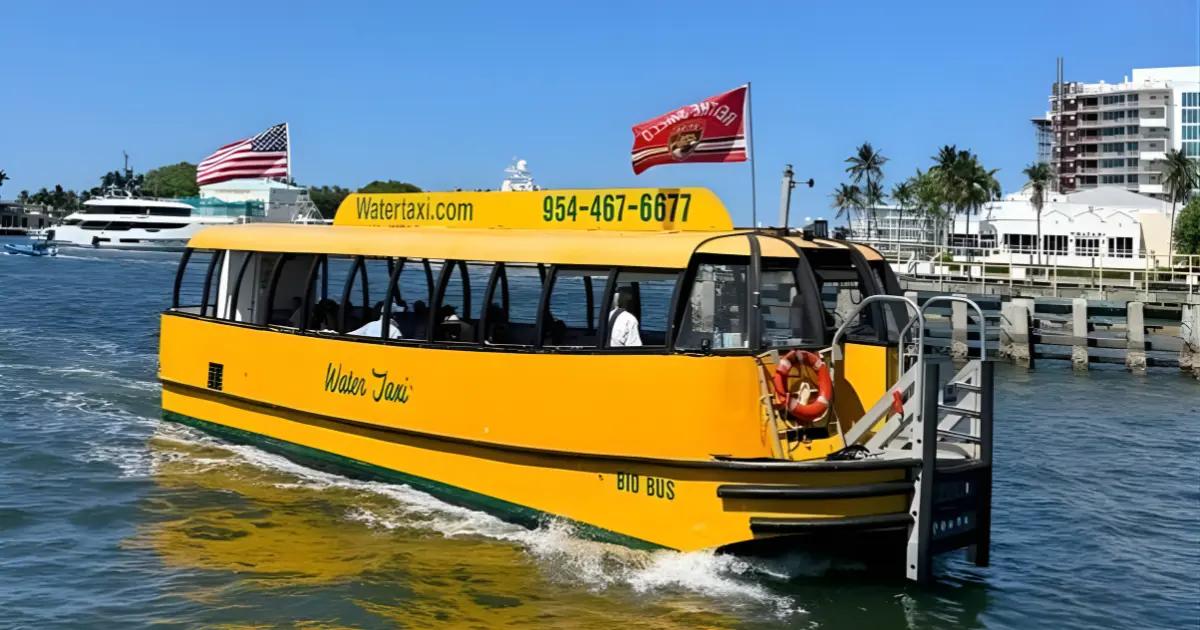
The water taxi market 2025 is experiencing unprecedented momentum as cities worldwide seek sustainable alternatives to congested road networks and carbon-intensive transportation. With urban populations swelling and environmental regulations tightening, water taxis are emerging as a viable solution that combines efficiency, reduced emissions, and innovative technology. Electric water taxi systems are being deployed from Venice to New York, transforming waterways into functional transit corridors while addressing climate concerns. This convergence of technological advancement, environmental necessity, and urban planning innovation positions the water taxi market for substantial growth in 2025 and beyond.
As governments allocate billions toward green infrastructure and private investors recognize the potential returns in sustainable water transportation, the industry stands at a critical inflection point. The question isn’t whether water taxis will grow—it’s how rapidly they’ll scale and which markets will lead the transformation.
What Is Driving the Water Taxi Market Growth in 2025?
Multiple converging factors are propelling the water taxi industry growth into a new era of expansion. Urban congestion has reached crisis levels in major metropolitan areas, with commuters spending an average of 54 hours annually stuck in traffic according to recent mobility studies. Water taxis offer a compelling alternative by utilizing underused waterways that bypass gridlocked streets entirely.
Environmental regulations represent another powerful catalyst. The European Union’s Fit for 55 package and similar initiatives globally mandate significant emissions reductions by 2030, pushing municipalities to adopt zero-emission transportation options. Electric water taxis produce no direct emissions, making them attractive for cities struggling to meet air quality standards.
Technological breakthroughs in battery efficiency and hydrofoil design have dramatically improved the economic viability of electric water taxi systems. Modern vessels like the Candela P-12 electric hydrofoil consume 80% less energy than traditional boats by lifting above water resistance, extending range while reducing operational costs. These innovations have transformed water taxis from niche services into scalable transportation solutions.
Tourism recovery post-pandemic has also stimulated demand. Water taxis provide unique sightseeing experiences while serving practical transportation needs, creating dual revenue streams that improve business models. Cities with waterfront attractions are capitalizing on this synergy, integrating water taxis into comprehensive mobility networks.
Government subsidies and infrastructure investments are removing financial barriers to entry. Public-private partnerships are funding dock construction, charging infrastructure, and vessel procurement, reducing the capital requirements that previously limited market expansion. These incentives are particularly strong in regions committed to achieving net-zero emissions targets.
Water Taxi Market Size and Forecast: Key Statistics
The global water taxi market was valued at approximately $1.8 billion in 2023 and is projected to reach $3.2 billion by 2030, representing a compound annual growth rate (CAGR) of 8.4% according to leading market research firms. The water taxi market 2025 specifically is expected to cross the $2.1 billion threshold, driven by accelerated adoption in Asia-Pacific and European markets.
Regional analysis reveals significant geographic variation in growth patterns. The Asia-Pacific region dominates current market share at 42%, with cities like Bangkok, Hong Kong, and Mumbai operating extensive water taxi networks serving millions of daily passengers. North America follows at 28%, primarily concentrated in New York, Seattle, and Vancouver, while Europe accounts for 24% with strong growth in Scandinavian countries and the Mediterranean.
The electric water taxi segment is experiencing the fastest expansion, with forecasts suggesting it will comprise 35% of all new vessel deployments by 2026, up from just 12% in 2022. This shift reflects both regulatory pressure and improving total cost of ownership calculations that favor electric propulsion over diesel alternatives.
Fleet size projections indicate the global water taxi fleet will expand from approximately 8,500 vessels in 2023 to over 14,000 by 2028. This growth includes both new market entrants and fleet expansions by established operators upgrading to modern, sustainable vessels.
Passenger volume statistics demonstrate the sector’s practical impact. Cities with mature water taxi systems report annual ridership growth of 12-18%, significantly outpacing traditional public transit growth rates. New York’s NYC Ferry system, launched in 2017, now serves over 5 million passengers annually, validating the demand for well-implemented urban water taxi systems.
Market Segmentation Insights
The market divides into distinct segments based on propulsion type, capacity, and service model. Electric and hybrid vessels are gaining market share rapidly, while traditional diesel boats face declining demand in developed markets. Capacity ranges from small 6-passenger water taxis serving point-to-point routes to larger 150-passenger ferries operating scheduled services.
Service models include on-demand ride-hailing platforms similar to Uber, scheduled route services integrated with public transit, and premium charter services targeting tourists and corporate clients. The on-demand segment shows particular promise, with app-based booking platforms increasing utilization rates by 30-40% compared to traditional hailing methods.
Sustainability Benefits of Electric and Hybrid Water Taxis
The environmental advantages of electric water taxi systems extend far beyond zero tailpipe emissions. A comprehensive lifecycle analysis reveals multiple sustainability benefits that position water taxis as genuine climate solutions rather than greenwashing exercises.
Emissions reductions represent the most visible benefit. A single electric water taxi replacing diesel-powered vessels eliminates approximately 40-60 tons of CO2 annually, depending on operational intensity. When scaled across entire fleets, the impact becomes substantial—Stockholm’s planned transition to 100% electric water taxis by 2027 will reduce waterborne transport emissions by an estimated 8,000 tons annually.
Energy efficiency improvements through hydrofoil technology deserve particular attention. The Candela P-12 ferry exemplifies this innovation, using computer-controlled underwater wings to lift the hull above water at cruising speed. This reduces drag by 80%, enabling the vessel to travel 50 nautical miles on a single charge while consuming less energy per passenger-kilometer than electric buses.
Noise pollution reduction offers significant quality-of-life improvements in waterfront communities. Electric motors operate at 60-70 decibels compared to 90-100 decibels for diesel engines, minimizing disturbance to marine life and residential areas. Venice has documented measurable improvements in canal ecosystem health following restrictions on combustion-engine boats.
Water quality benefits emerge from eliminating fuel and oil leaks that contaminate waterways. Traditional boats discharge small quantities of petroleum products through normal operation, while electric vessels eliminate this pollution source entirely. This matters particularly in enclosed harbors and rivers where contamination accumulates.
Alternative Fuel Technologies
Beyond battery-electric systems, hydrogen fuel cell water taxis are emerging as viable options for longer routes requiring extended range. Hydrogen-powered vessels produce only water vapor as emissions while refueling in minutes rather than hours. Several European ports are installing hydrogen refueling infrastructure to support this technology.
Hybrid systems combining batteries with small diesel generators provide transitional solutions for operators concerned about range limitations. These vessels operate in zero-emission electric mode within harbor zones while accessing diesel backup for longer journeys, offering operational flexibility during infrastructure buildout phases.
Cities Leading the Water Taxi Revolution
Several pioneering municipalities are demonstrating how urban water taxi systems can transform metropolitan mobility while advancing sustainability goals. Their experiences provide valuable blueprints for cities considering similar implementations.
Stockholm, Sweden has committed to becoming the world’s first fossil-fuel-free water taxi market by 2027. The city’s aggressive timeline includes replacing all 60+ vessels with electric alternatives, installing rapid-charging infrastructure at 25 docks, and integrating water taxis fully into the public transit payment system. Early results show 23% ridership increases on routes served by new electric vessels, attributed to quieter, smoother rides and positive environmental perception.
Copenhagen, Denmark operates a comprehensive network where water taxis function as integral public transit components rather than tourist novelties. The city’s harbor bus system carries 4 million passengers annually across 10 routes, with fares equivalent to regular bus tickets. Copenhagen’s success demonstrates that water taxis achieve financial sustainability when properly integrated into broader transit ecosystems.
New York City has rapidly expanded its NYC Ferry system to serve 25,000+ daily passengers across six routes connecting Brooklyn, Queens, and Manhattan. The system prioritizes underserved waterfront neighborhoods lacking convenient subway access, demonstrating water taxis’ potential for transit equity. Plans call for transitioning to hybrid and electric vessels as existing boats reach replacement cycles.
Dubai has positioned water taxis as luxury mobility options complementing its futuristic urban identity. The emirate operates both traditional abra boats and modern water taxis, with plans to introduce autonomous flying water taxi services using hydrofoil technology. While pricing targets premium markets, the infrastructure investments are creating scalable systems that could democratize access over time.
Emerging Markets Showing Promise
Mumbai, India operates one of the world’s largest water taxi networks with over 200 vessels serving coastal and river routes. The city is gradually modernizing its fleet, with pilot programs testing electric water taxi for sale from Indian manufacturers. Success here could catalyze adoption across South Asian coastal cities.
Vancouver, Canada has integrated water taxis into its comprehensive transit network, with SeaBus services carrying 20,000+ daily commuters. The city is exploring expansion to underserved waterfront areas while transitioning to zero-emission vessels aligned with British Columbia’s climate commitments.
Venice, Italy faces unique challenges balancing tourism, resident needs, and environmental protection. The city is restricting combustion-engine boats while subsidizing electric alternatives, creating a forced transition that may accelerate technology adoption despite higher upfront costs.
Challenges Facing Water Taxi Adoption
Despite promising growth trajectories, the water taxi market 2025 confronts significant obstacles that could slow expansion or limit scalability in certain markets. Understanding these challenges is essential for realistic assessment of the industry’s potential.
Infrastructure requirements represent the most substantial barrier. Water taxi systems need dedicated docks with passenger amenities, charging infrastructure for electric vessels, maintenance facilities, and navigation systems. Coastal cities often lack available waterfront space, with prime locations already allocated to commercial shipping, recreation, or private development. Retrofitting existing infrastructure proves expensive, with dock construction costs ranging from $2-8 million depending on location and specifications.
Regulatory complexity creates bureaucratic hurdles that delay deployments. Water taxis must navigate maritime regulations, environmental permits, safety certifications, and local zoning requirements across multiple jurisdictions. The approval process for new routes can extend 18-36 months, discouraging private investment and slowing market response to demand.
Weather dependency limits operational reliability in many markets. Unlike buses or trains that operate in most conditions, water taxis face service interruptions during storms, high winds, or fog. This unpredictability reduces their viability as primary commuting options, relegating them to supplementary roles in transportation networks. Cities with harsh winters experience seasonal ridership fluctuations that complicate financial planning.
Capital costs remain prohibitive despite improving economics. A modern electric water taxi for sale costs $800,000-$2.5 million depending on capacity and technology, while advanced vessels like the Candela P-12 command premium pricing. The seabubbles boat price for early hydrofoil models exceeded $500,000 per unit, limiting adoption to well-funded operators. These figures compare unfavorably to bus procurement costs of $300,000-$500,000 per vehicle.
Operational Challenges
Crew requirements increase operating expenses compared to autonomous or driver-only land vehicles. Water taxis typically require licensed captains commanding higher wages than bus drivers, plus additional crew for larger vessels. Labor costs can represent 40-50% of operating budgets, constraining profitability on lower-volume routes.
Maintenance complexity for marine vessels exceeds that of road vehicles. Saltwater corrosion, hull cleaning, propulsion system servicing, and safety inspections create ongoing expenses that reduce net operating margins. Electric systems mitigate some maintenance burdens but introduce battery replacement costs that can reach $100,000-$300,000 per vessel every 8-12 years.
Integration with existing transit systems poses coordination challenges. Seamless multimodal journeys require synchronized scheduling, unified payment systems, and coordinated route planning—capabilities that demand significant interagency cooperation and technical infrastructure often lacking in fragmented transit authorities.
Investment Opportunities in the Water Taxi Industry
The expanding water taxi market 2025 presents diverse water taxi investment opportunities across the value chain, from vessel manufacturing to operational services and enabling technologies. Investors are increasingly recognizing the sector’s potential as both a financial opportunity and impact investment aligned with ESG criteria.
Vessel manufacturing represents the most direct investment avenue. Companies producing electric and hybrid water taxis are experiencing order backlogs extending 18-24 months as cities accelerate fleet modernization. Candela, the Swedish manufacturer behind the P-12 hydrofoil, raised $25 million in Series B funding in 2023, valuing the company at over $100 million. Similar manufacturers in Asia and North America are attracting venture capital and strategic investments from traditional shipbuilders diversifying into sustainable marine transport.
Operational franchises and service providers offer recurring revenue models attractive to infrastructure investors. Water taxi operators in established markets generate stable cash flows with 10-15% annual returns when properly managed. Public-private partnership structures allow private operators to manage services while municipalities provide infrastructure and subsidies, reducing risk while maintaining upside potential.
Technology enablers present high-growth opportunities. Companies developing autonomous navigation systems, battery management software, charging infrastructure, and booking platforms are attracting significant venture investment. The autonomous water taxi segment alone is projected to reach $450 million by 2028, with early-stage companies commanding premium valuations based on technology differentiation.
Infrastructure development through specialized funds focused on maritime transit offers institutional investors exposure to the sector’s growth. These funds finance dock construction, charging networks, and maintenance facilities, generating returns through long-term lease agreements with operators. The predictable cash flows and inflation-indexed contracts appeal to pension funds and insurance companies seeking stable infrastructure returns.
Risk Considerations for Investors
Regulatory risk remains significant, as changing maritime regulations or environmental standards could require costly retrofits or operational modifications. Investors should assess regulatory stability and government commitment to water-based transit in target markets.
Technology obsolescence poses concerns in rapidly evolving sectors. Battery technology improvements could render current vessels economically disadvantaged within 5-7 years, requiring careful depreciation planning and exit strategy consideration. The flying water taxi price premium for cutting-edge hydrofoil technology may not translate to proportional revenue increases if consumers prove price-sensitive.
Market concentration risk affects operators dependent on single cities or routes. Economic downturns, tourism fluctuations, or competing transit investments could dramatically impact ridership and revenues. Diversification across multiple markets or revenue streams mitigates this exposure.
Future Outlook: Will Water Taxis Replace Traditional Transport?
The question of whether water taxis will replace traditional transport requires nuanced analysis that considers geographic constraints, economic realities, and technological trajectories. The evidence suggests water taxis will become significant components of multimodal urban transit systems rather than wholesale replacements for existing infrastructure.
Geographic limitations ensure water taxis remain viable only in cities with suitable waterways. Approximately 40% of the world’s population lives within 100 kilometers of coastlines, but only a fraction of these areas possess navigable waterways suitable for regular transit services. Landlocked cities and those with seasonal waterway access will continue relying primarily on road and rail systems regardless of water taxi innovations.
Capacity constraints prevent water taxis from matching the throughput of high-volume transit modes. A subway train carries 1,000-2,000 passengers per trip, while even large water taxis max out around 150 passengers. For dense urban corridors moving tens of thousands of people hourly, water taxis serve complementary rather than primary roles. They excel at connecting waterfront neighborhoods, providing crossings that avoid circuitous land routes, and serving medium-density corridors where full subway construction proves economically unjustifiable.
Economic modeling suggests water taxis achieve cost-competitiveness with buses on routes exceeding 5 kilometers where waterways provide direct paths compared to congested road networks. Below this threshold, buses maintain operational advantages. Against rail systems, water taxis rarely compete economically but offer faster implementation timelines—deploying a water taxi route takes 12-24 months versus 5-10 years for rail construction.
Technology Trajectories Shaping the Future
Autonomous operation represents the most transformative potential development. Removing crew costs could reduce operating expenses by 40-50%, fundamentally altering economic equations. Several companies are testing autonomous water taxis in controlled environments, with commercial deployments anticipated by 2026-2027 in progressive regulatory jurisdictions. Success here could accelerate adoption dramatically by improving unit economics.
Battery technology improvements following automotive industry advancements will extend range and reduce charging times. Solid-state batteries promising 50% greater energy density could enable 100+ nautical mile ranges on single charges by 2028, opening longer routes currently impractical for electric vessels. Faster charging systems reducing downtime from 2-4 hours to 20-30 minutes would improve vessel utilization rates and service frequency.
Hydrofoil technology refinement will continue improving efficiency and passenger comfort. Advanced control systems using AI to adjust foil angles in real-time based on wave conditions promise smoother rides that reduce seasickness—a significant barrier to broader adoption. As manufacturing scales, hydrofoil premiums should decrease, making the technology accessible to mid-market operators.
Integration with Broader Mobility Ecosystems
The future success of sustainable water transportation depends heavily on integration with comprehensive mobility-as-a-service (MaaS) platforms. Water taxis that function as isolated systems struggle to attract regular commuters, while those seamlessly integrated into unified apps with single-payment systems and coordinated scheduling achieve significantly higher utilization. Cities investing in digital integration infrastructure will see better returns on water taxi investments.
Climate adaptation considerations may increase water taxi relevance as sea levels rise and coastal cities face flooding challenges. Water-based transit infrastructure proves more resilient to flooding than road networks, potentially increasing relative attractiveness in climate-vulnerable regions. Forward-thinking urban planners are incorporating water taxis into climate adaptation strategies, recognizing their dual function as both transit solutions and flood-resilient infrastructure.
The water taxi industry growth trajectory through 2030 appears robust but measured. Expect continued expansion in suitable markets, gradual technology improvements enhancing economics and user experience, and increasing integration into multimodal transit networks. Water taxis won’t replace subways or buses, but they’re establishing themselves as valuable specialized tools in the urban mobility toolkit—particularly for waterfront cities committed to sustainability and willing to invest in supporting infrastructure.
By 2030, successful water taxi markets will likely feature predominantly electric fleets, autonomous operation on select routes, seamless digital integration with other transit modes, and ridership comprising both commuters and tourists. Cities that begin infrastructure investments now position themselves to capitalize on these trends, while those delaying may find themselves playing catch-up as technology costs decline and best practices solidify.
Frequently Asked Questions
What is driving growth in the water taxi market in 2025?
The water taxi market 2025 is experiencing significant growth driven by urban congestion, environmental regulations, and technological advancements in electric propulsion systems. Cities worldwide are investing in waterway infrastructure as a sustainable alternative to road-based transportation, with electric water taxis offering zero-emission solutions that align with climate goals. The combination of reduced carbon footprints, faster commute times in waterfront cities, and improved passenger experience is accelerating adoption across major metropolitan areas.
Are water taxis sustainable and environmentally friendly?
Yes, modern water taxis are increasingly sustainable, especially electric and hybrid models that produce zero or minimal emissions. Traditional diesel-powered water taxis have a larger carbon footprint, but the industry is rapidly transitioning to clean energy solutions that significantly reduce environmental impact compared to road vehicles. Water taxis also help decrease road congestion, indirectly lowering overall urban emissions and improving air quality in densely populated areas.
Is the water taxi business profitable in 2025?
The water taxi business shows strong profitability potential in 2025, particularly in cities with extensive waterways and high tourism or commuter demand. Operating costs have decreased with electric propulsion technology, while premium pricing for convenience and scenic routes generates healthy margins. However, profitability depends on factors like regulatory support, infrastructure investment, route optimization, and achieving sufficient passenger volume to offset initial capital expenditures.
What are the main advantages of water taxi transportation?
Water taxis offer five key advantages: reduced travel time by bypassing congested roads, lower environmental impact with electric systems, enhanced passenger experience with scenic routes, utilization of underused waterway infrastructure, and relief of pressure on overcrowded urban transit networks. They provide point-to-point service that’s often faster than traditional taxis or buses in waterfront cities, while creating new economic opportunities in maritime tourism and commuter services.
Which cities are leading the water taxi market 2025 expansion?
Major cities leading the water taxi market 2025 include New York, Venice, Amsterdam, Dubai, and Singapore, all investing heavily in electric water taxi fleets and expanded dock infrastructure. Emerging markets in Southeast Asia, the Middle East, and coastal European cities are also deploying water taxi services as part of integrated public transportation systems. These cities recognize waterways as untapped transit corridors that can alleviate surface congestion while meeting sustainability targets.
What technology innovations are transforming water taxis?
Electric and hydrogen fuel cell propulsion systems are the primary innovations transforming water taxis, delivering quiet, emission-free operation with lower maintenance costs. Autonomous navigation technology, mobile app integration for booking and payment, and smart docking systems are enhancing operational efficiency and passenger convenience. Battery technology improvements have extended range and reduced charging times, making electric water taxis commercially viable for regular service routes.
Will water taxis replace traditional taxi services?
Water taxis will not replace traditional taxis but will complement them as part of integrated multimodal transportation networks in waterfront cities. They serve specific geographic corridors where waterways provide faster or more direct routes than roads, particularly in island cities, coastal areas, and regions with extensive river systems. The future of urban mobility involves multiple transportation options working together, with water taxis filling a specialized niche rather than competing directly with road-based services.
What challenges does the water taxi market face in 2025?
The water taxi market 2025 faces challenges including high initial infrastructure costs for docks and charging stations, regulatory complexities across maritime and transportation authorities, and weather-dependent operations that can disrupt service. Limited waterway access in some cities, competition with established ferry services, and the need for skilled maritime operators also present obstacles. However, public-private partnerships and government incentives for sustainable transportation are helping overcome these barriers in key markets.
You May Also Like

Car Finance Claims Explained: Check for Hidden Costs

Visionary Leader Impact: Howard Wilner’s Expert Insights