Is My House Good for Solar Panels? Complete 2026 Guide

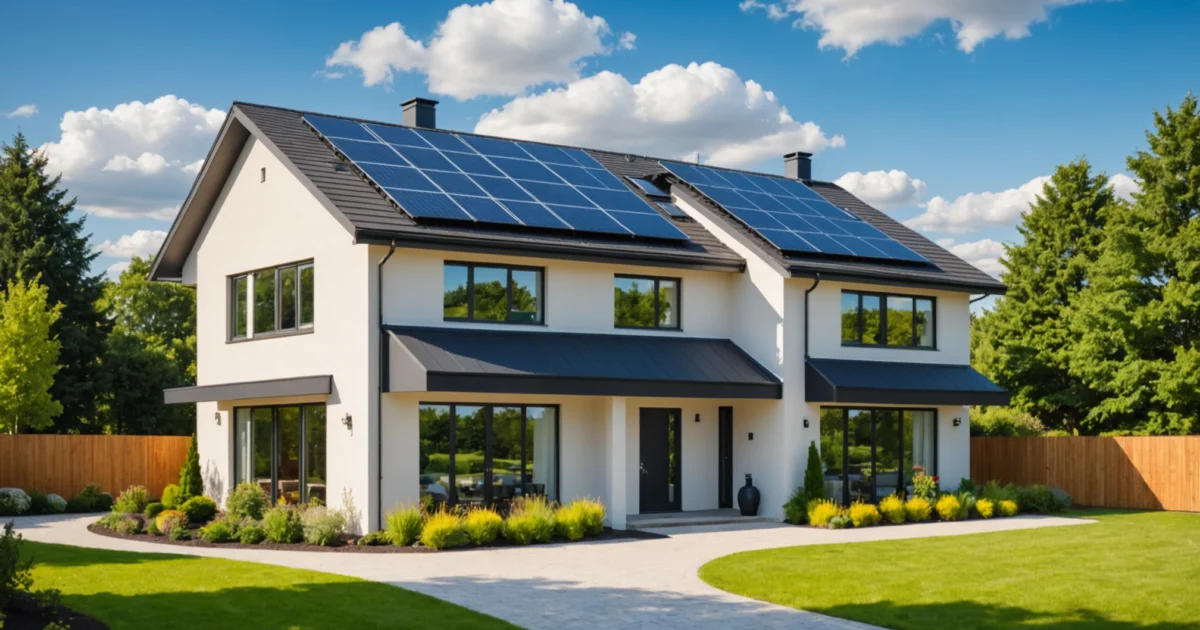
Is my house good for solar panels? Most homes with south-facing roofs, minimal shading, and adequate space can benefit from solar installation, but several key factors determine your property’s solar viability. Understanding your roof characteristics, sun exposure, energy consumption, and local regulations helps you make an informed decision about solar investment.
Determining solar suitability involves analyzing five critical elements: roof orientation and condition, daily sun exposure patterns, available space for panels, energy usage requirements, and local building codes. Additionally, you’ll need to consider financial factors like installation costs, available incentives, and long-term return on investment.
Modern tools like Google Project Sunroof and solar potential maps provide instant preliminary assessments using satellite imagery and solar irradiance data. However, professional evaluations remain essential for accurate system sizing and identifying potential challenges that online calculators might miss.
TL;DR
- Roof requirements: South-facing orientation, 30-45 degree pitch, minimal shading, and structural integrity are ideal for solar panels
- Assessment tools: Use Google Project Sunroof for quick evaluation, but get professional consultation for accurate system sizing and installation planning
- Key factors: Analyze sun exposure, energy consumption, local codes, and financial incentives to determine if solar makes sense for your home
Quick Solar Suitability Assessment: Key Factors That Matter
Evaluating whether your house suits solar panels requires examining five critical factors that determine installation success and energy production. These assessment criteria include roof characteristics, sun exposure patterns, available installation space, household energy consumption, and local regulatory requirements. Understanding these elements helps homeowners make informed decisions about solar investments.
The Five Essential Solar Viability Factors
Roof orientation and pitch represent the most crucial factors for solar panel performance. South-facing roofs with slopes between 30-45 degrees capture maximum sunlight throughout the day. However, east and west-facing roofs can still generate substantial energy, producing approximately 85% of south-facing roof output.
Shading analysis reveals how trees, buildings, or other obstructions affect solar production. Even partial shading on one panel can reduce entire system output due to electrical connections. Therefore, properties with minimal shading between 9 AM and 3 PM demonstrate optimal solar potential.
Available roof space determines system size and energy generation capacity. Most residential installations require 100-400 square feet per kilowatt of solar capacity. Additionally, local building codes typically mandate 3-foot clearances from roof edges and ridges for safety access.
Energy consumption patterns influence system sizing requirements and financial benefits. Households consuming 10,000+ kWh annually typically see faster payback periods and greater long-term savings. Furthermore, consistent daytime energy usage maximizes solar production utilization.
Local regulations and utility policies affect installation feasibility and financial returns. Net metering availability, permitting requirements, and homeowners association restrictions can significantly impact project viability. Moreover, some areas offer additional incentives that improve solar economics.
10-Minute DIY Assessment Process
Start your preliminary evaluation using Google Project Sunroof, which analyzes satellite imagery to estimate your roof’s solar potential. This free tool calculates sun exposure, identifies suitable roof areas, and estimates potential energy savings based on local electricity rates.
- Enter your address in Project Sunroof or similar solar potential mapping tools
- Review the solar irradiance data and shading analysis for your property
- Check your recent electricity bills for annual consumption patterns
- Measure available roof space using satellite imagery or direct observation
- Research local solar incentives and net metering policies
Next, examine your roof’s physical condition and age. Roofs requiring replacement within 5-10 years should address structural needs before solar installation. Similarly, inspect for any obvious damage, weak spots, or architectural features that might complicate installation.
Calculate your home’s solar potential by comparing annual energy usage with estimated production. Properties with high energy consumption and excellent sun exposure typically demonstrate strong solar suitability. Conversely, homes with minimal electricity usage may not justify installation costs.
When Professional Evaluation Becomes Essential
Professional solar assessments become necessary when DIY tools reveal borderline suitability or complex roof configurations. Certified installers use specialized equipment to measure precise shading patterns, structural load capacity, and electrical system compatibility that online calculators cannot assess.
Properties with unusual roof angles, multiple levels, or significant shading require professional shade analysis using tools like Solar Pathfinder devices. These instruments create detailed solar access reports that account for seasonal sun path variations and precise obstruction impacts.
Structural engineering evaluation becomes critical for older homes, tile roofs, or properties with previous roof modifications. Professional installers assess load-bearing capacity, rafter spacing, and mounting requirements that affect installation feasibility and safety.
Financial analysis by qualified professionals helps optimize system sizing and financing options. They calculate accurate payback periods, compare leasing versus purchasing options, and identify all available incentives that maximize investment returns. Additionally, professional quotes provide realistic cost estimates for informed decision-making.
Quick Assessment Tip
Roof Characteristics: The Foundation of Solar Success
Your roof serves as the primary platform for solar energy generation, making its characteristics crucial for determining solar panel effectiveness. Roof orientation, pitch, available space, structural condition, and material compatibility directly impact system performance and installation feasibility. Understanding these fundamental factors helps homeowners evaluate whether their property suits solar investment.
Optimal Roof Orientation and Direction
South-facing roofs receive maximum solar exposure throughout the day, generating the highest energy output in the Northern Hemisphere. These orientations capture direct sunlight from sunrise to sunset, particularly during peak production hours between 10 AM and 4 PM. Solar panels on south-facing surfaces typically produce 15-25% more electricity than other orientations.
However, east and west-facing roofs remain viable alternatives for solar installations. East-facing panels generate peak power during morning hours when electricity demand often increases. West-facing systems produce maximum output during afternoon and early evening periods when air conditioning usage typically peaks.
North-facing roofs generally provide poor solar potential in most climates, receiving limited direct sunlight throughout the year. Nevertheless, properties in southern regions may still achieve acceptable production from north-facing installations due to higher ambient light levels and longer daylight hours.
Roof Pitch and Angle Requirements
Roof pitch between 30-45 degrees delivers optimal solar panel performance for most geographic locations. This angle range allows panels to capture maximum solar radiation while facilitating natural cleaning from rainfall. Steeper pitches may reduce efficiency due to decreased sun exposure during winter months when the sun sits lower in the sky.
Flat roofs with minimal pitch (0-10 degrees) require tilted mounting systems to achieve proper solar angles. These installations use ballasted or mechanically attached racking systems that position panels at optimal angles. While effective, tilted mounting increases installation costs and requires additional roof space for proper panel spacing.
Extremely steep roofs (over 60 degrees) present installation challenges and safety concerns. Additionally, very steep angles may cause panels to receive less solar radiation during peak sun hours, reducing overall system efficiency and energy production.
Available Roof Space and Panel Sizing
Adequate unobstructed roof area determines system size and energy production capacity. Most residential solar installations require 100-400 square feet of usable roof space, depending on household energy needs and panel efficiency ratings. Higher-efficiency panels generate more power per square foot, maximizing production in limited spaces.
Roof obstructions like chimneys, vents, skylights, and HVAC equipment reduce available installation area. Solar panel dimensions must accommodate these obstacles while maintaining proper spacing for maintenance access and fire safety codes.
Complex roof geometries with multiple levels, dormers, or irregular shapes may limit panel placement options. However, modern mounting systems and power optimizers allow installations on challenging roof configurations while maintaining system performance.
Roof Age and Structural Integrity
Roof age significantly impacts solar installation decisions and long-term system viability. Roofs approaching replacement age (15-20 years for asphalt shingles) should undergo renewal before solar installation. Installing panels on aging roofs may require costly removal and reinstallation when roof replacement becomes necessary.
Structural integrity assessment ensures roofs can support additional panel weight and mounting hardware. Solar panels add approximately 2-4 pounds per square foot to roof load, requiring adequate rafter spacing and structural support. Older homes may need reinforcement to meet current building codes and safety standards.
Professional structural evaluation becomes essential for homes with previous roof damage, sagging areas, or unknown construction details. Engineers assess load-bearing capacity, identify potential weak points, and recommend necessary reinforcements before installation proceeds.
Roofing Material Compatibility
Different roofing materials require specific mounting techniques and installation approaches. Understanding material compatibility helps determine installation complexity, costs, and potential limitations for solar panel systems.
| Roofing Material | Installation Difficulty | Special Considerations |
|---|---|---|
| Asphalt Shingles | Easy | Most common, standard mounting hardware |
| Clay/Concrete Tile | Moderate | Requires tile replacement, specialized attachments |
| Metal Roofing | Easy-Moderate | Clamp-on systems, no roof penetration needed |
| Flat/Built-up | Moderate | Ballasted systems, membrane protection required |
| Slate | Difficult | Fragile material, specialized mounting required |
Asphalt shingle roofs offer the simplest solar installation process using standard mounting hardware and proven attachment methods. These materials accommodate roof penetrations well while maintaining weather sealing and structural integrity.
Metal roofing provides excellent solar compatibility through clamp-on mounting systems that avoid roof penetrations entirely. Standing seam metal roofs particularly suit solar installations due to their durability and mounting flexibility.
Tile roofs require careful handling during installation to prevent breakage and maintain weather protection. Installers must remove and replace tiles around mounting points, increasing labor costs and installation complexity compared to other materials.
Sun Exposure and Shading Analysis
Evaluating your home’s sun exposure patterns determines whether solar panels will generate sufficient electricity to justify the investment. Proper analysis involves examining both daily and seasonal sunlight variations while identifying potential shading obstacles that could reduce energy production.
Daily and Seasonal Sun Pattern Assessment
Daily sun patterns reveal how sunlight moves across your roof throughout different times of day. Peak sun hours typically occur between 10 AM and 3 PM when solar irradiance reaches maximum intensity for optimal energy generation.
Seasonal variations significantly impact solar panel performance as the sun’s path changes throughout the year. Winter months bring lower sun angles and shorter days, while summer provides higher angles and extended daylight hours that boost electricity production.
Southern-facing roof sections receive the most consistent sunlight exposure across all seasons in the Northern Hemisphere. East and west-facing areas capture morning and afternoon sun respectively, though they produce less total energy than south-facing installations.
Identifying Shading Obstructions
Trees represent the most common shading obstacle for residential solar installations, particularly deciduous trees that change seasonally. Evergreen trees create year-round shading challenges that require careful evaluation during site assessment.
Buildings and structures cast shadows that vary by time of day and season, potentially blocking sunlight during crucial peak production hours. Neighboring homes, chimneys, and roof features like dormers can create significant shading impacts on panel placement areas.
- Mature trees within 50 feet of installation area
- Neighboring buildings taller than your roof line
- Roof features like chimneys, vents, and satellite dishes
- Power lines and utility poles
- Future construction or tree growth potential
The Critical 33% Shading Rule
The 33% rule states that solar panels experiencing more than one-third shading during peak sun hours will suffer disproportionate energy losses. Even partial shading affects entire panel strings due to electrical connections between individual cells.
Panels with 33% shading can lose 50-70% of their energy production capacity
Modern power optimizers and microinverters help mitigate shading impacts by allowing individual panels to operate independently. However, minimizing shading remains crucial for maximizing system performance and return on investment.
Temporary shading from snow, leaves, or debris also reduces panel efficiency until cleared. Regular maintenance ensures optimal light exposure and prevents minor obstructions from becoming significant production losses.
Solar Measurement Tools and Technologies
Solar irradiance meters measure actual sunlight intensity at specific locations and times, providing precise data for system sizing calculations. Professional installers use these devices to verify theoretical calculations with real-world measurements.
Solar assessment tools include smartphone apps, online calculators, and professional site analysis equipment that evaluate shading patterns and sun exposure. Digital tools like Google’s Project Sunroof use satellite imagery and weather data to estimate solar potential for individual addresses.
Peak sun hours represent the daily equivalent of full sunlight intensity (1,000 watts per square meter) that panels receive at your location. Most residential areas receive between 3-7 peak sun hours daily, depending on geographic location and local climate conditions.
| Measurement Tool | Accuracy Level | Best Use Case |
|---|---|---|
| Solar Pathfinder | High | Professional shading analysis |
| Smartphone Apps | Moderate | Initial assessment |
| Irradiance Meter | Very High | Precise measurements |
| Online Calculators | Good | Quick estimates |
Seasonal Impact on Energy Production
Winter months typically produce 40-60% less electricity than summer months due to shorter days, lower sun angles, and increased cloud cover. Understanding seasonal variations helps set realistic expectations for year-round energy production.
Spring and fall seasons offer moderate production levels with generally favorable weather conditions for solar generation. These transitional periods often provide the most consistent daily output without extreme temperature variations that can affect panel efficiency.
Temperature effects also influence seasonal performance, as panels operate more efficiently in cooler conditions despite receiving less intense sunlight. Hot summer temperatures can reduce panel efficiency by 10-25% compared to optimal operating conditions.
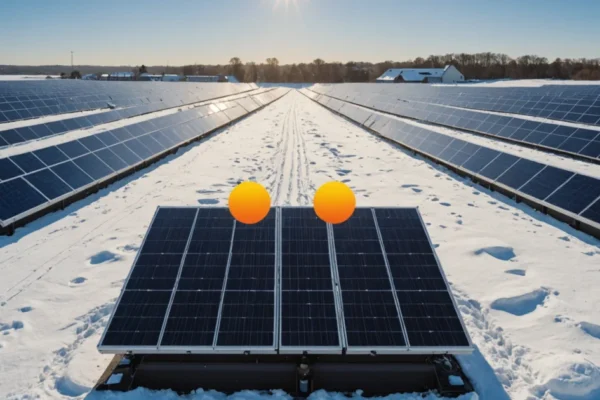
Snow coverage temporarily eliminates solar production but typically slides off angled panels within days of snowfall. The reflective properties of snow can actually boost production once panels clear by increasing ambient light levels around the installation area.
Using Digital Tools: Google Project Sunroof and Solar Maps
Digital solar assessment tools provide homeowners with instant roof analysis capabilities, eliminating the need for initial site visits. Google Project Sunroof leads the market by combining satellite imagery, machine learning algorithms, and local weather data to evaluate solar potential across millions of properties. These online platforms analyze roof geometry, shading patterns, and regional solar irradiance to deliver preliminary feasibility reports within seconds.
How Google Project Sunroof Works
Project Sunroof utilizes high-resolution aerial imagery to map roof surfaces and calculate available installation area. The system identifies roof segments, measures their orientation and tilt angles, then applies sophisticated shading analysis using 3D building models. Furthermore, the platform incorporates historical weather data spanning multiple years to estimate annual energy production potential.
Users simply enter their address to receive a comprehensive solar assessment report. The tool displays color-coded roof sections indicating solar suitability, with yellow and orange areas representing optimal installation zones. Additionally, Project Sunroof provides estimated installation costs, potential savings, and recommended system sizes based on household energy consumption patterns.
Understanding Solar Potential Maps by Address
Solar potential maps translate complex irradiance data into user-friendly visual representations. These maps display annual solar irradiance levels measured in kilowatt-hours per square meter, typically ranging from 800-2,400 kWh/m² depending on geographic location. Darker colored regions indicate higher solar potential, while lighter areas suggest reduced energy generation capacity.
Most solar mapping platforms provide address-specific data including peak sun hours, seasonal variations, and monthly energy estimates. The maps incorporate local climate factors such as cloud cover frequency, precipitation patterns, and atmospheric conditions that affect solar panel performance. Consequently, homeowners can compare their property’s solar potential against regional averages and neighboring properties.
Reading Solar Maps
Interpreting Solar Irradiance Data and Energy Estimates
Solar irradiance measurements indicate the amount of solar energy reaching a specific location over time. Peak sun hours represent the equivalent number of hours per day when solar irradiance equals 1,000 watts per square meter. For example, a location receiving 5 peak sun hours daily means panels generate electricity equivalent to 5 hours of full-intensity sunlight.
Energy production estimates typically account for system efficiency losses, including inverter efficiency, wiring losses, and temperature derating. Most online calculators apply a system derate factor of 75-85% to account for real-world performance variations. Therefore, a 6kW system in an area with 5 peak sun hours might generate approximately 22-25 kWh daily rather than the theoretical maximum of 30 kWh.
| Peak Sun Hours | Solar Potential | Recommended Action |
|---|---|---|
| 6+ hours | Excellent | Proceed with installation |
| 4-6 hours | Good | Evaluate economics |
| 3-4 hours | Marginal | Consider alternatives |
| Under 3 hours | Poor | Not recommended |
Limitations of Online Tools vs. Professional Site Assessments
While digital tools provide valuable preliminary assessments, they cannot replace comprehensive professional evaluations. Online calculators often overlook site-specific factors such as nearby vegetation growth, future construction projects, or micro-climate conditions that affect solar performance. Moreover, these platforms may use outdated satellite imagery that doesn’t reflect recent roof modifications or surrounding development changes.
Professional site assessments include detailed shading analysis using specialized equipment like Solar Pathfinders or digital shade meters. Certified installers evaluate roof structural integrity, electrical system compatibility, and local building code requirements that online tools cannot assess. Additionally, professionals can identify optimal panel placement strategies and system configurations tailored to specific roof geometries.
However, online tools excel at initial screening and educational purposes. They help homeowners understand basic solar concepts, compare different scenarios, and prepare informed questions for professional consultations. Understanding solar panel dimensions becomes crucial when translating online estimates into actual installation plans.
Alternative Solar Calculators and Mapping Tools
Several alternatives to Project Sunroof offer different features and coverage areas. PVWatts Calculator by the National Renewable Energy Laboratory provides detailed technical analysis with customizable system parameters and weather data from over 1,000 locations. This tool allows users to adjust panel types, inverter efficiency, and mounting configurations for more precise estimates.
Solar-Estimate.org combines satellite imagery with local installer networks to provide both technical assessments and contractor recommendations. The platform includes financing options, incentive calculations, and comparative analysis tools for evaluating multiple installation scenarios. Similarly, EnergySage Solar Calculator integrates market pricing data with technical assessments to deliver comprehensive cost-benefit analyses.
- SAM (System Advisor Model) – Advanced modeling for complex installations
- Solar Power Rocks – State-specific policy and incentive information
- Mapdwell Solar System – High-resolution 3D modeling platform
- Aurora Solar – Professional-grade design and analysis software
Regional utility companies often provide their own solar calculators incorporating local electricity rates, net metering policies, and utility-specific incentives. These tools typically offer the most accurate financial projections since they access real-time utility data and current rate structures. Consequently, homeowners should consult multiple sources to validate online estimates before making installation decisions.
Energy Consumption and System Sizing
Analyzing your electricity bills provides the foundation for determining whether your house is good for solar panels. Most homeowners need to review 12 months of utility bills to understand their annual energy consumption patterns. Your monthly kilowatt-hour (kWh) usage reveals seasonal variations that directly impact solar system sizing requirements.
Furthermore, peak usage months typically occur during summer air conditioning seasons or winter heating periods, depending on your climate zone. Understanding these consumption spikes helps solar installers design systems that maximize energy offset throughout the year. Additionally, time-of-use rates affect the financial benefits of solar energy production during different hours.
Calculating Optimal Solar System Size
Solar system sizing calculations begin with your annual energy consumption measured in kilowatt-hours. Professional installers divide this number by local solar production estimates to determine required system capacity. For example, a home consuming 12,000 kWh annually in an area with 1,400 hours of peak sun would need approximately an 8.6 kW solar array.
However, roof space constraints, shading patterns, and panel efficiency ratings modify these initial calculations significantly. High-efficiency panels produce more power per square foot but cost more upfront than standard modules. Meanwhile, solar panel dimensions determine how many modules fit within available roof space while maintaining proper spacing requirements.
| Home Size | Annual Usage (kWh) | Typical System Size | Panel Count |
|---|---|---|---|
| 1,500 sq ft | 8,000-10,000 | 5-7 kW | 15-20 panels |
| 2,000 sq ft | 10,000-14,000 | 7-10 kW | 20-28 panels |
| 2,500 sq ft | 12,000-16,000 | 8-12 kW | 24-35 panels |
| 3,000+ sq ft | 15,000-20,000 | 11-15 kW | 32-45 panels |
Net Metering and Grid-Tie Requirements
Net metering policies allow homeowners to sell excess solar electricity back to the utility grid during peak production hours. These programs credit your account for surplus energy, which offsets consumption during evening hours or cloudy periods. Nevertheless, net metering rates vary significantly between utility companies and states, affecting overall system economics.
Grid-tie inverters must meet specific IEEE 1547 standards for safety and power quality requirements. These devices automatically disconnect during grid outages to protect utility workers performing repairs. Consequently, standard grid-tied systems cannot provide backup power during blackouts without additional battery storage components.
Net Metering Changes
Seasonal Energy Variations and Battery Storage
Seasonal energy production varies dramatically based on solar irradiance patterns and daylight hours throughout the year. Winter months typically produce 40-60% less solar energy than summer peaks, creating significant monthly variations in energy offset. Therefore, proper system sizing must account for these seasonal fluctuations to maintain adequate energy coverage.
Battery storage systems help smooth out daily and seasonal energy variations by storing excess production for later use. Lithium-ion batteries typically provide 10-15 years of service life with 80% capacity retention. Moreover, battery systems enable backup power during outages while maximizing self-consumption of solar energy production.
- Summer production: 150-180% of average monthly needs
- Winter production: 60-80% of average monthly needs
- Spring/Fall: 90-110% of average monthly needs
- Battery capacity: Typically 1-3 days of backup power
Energy Efficiency Improvements Before Solar Installation
Implementing energy efficiency upgrades before installing solar panels reduces overall system size requirements and installation costs. LED lighting conversions, programmable thermostats, and improved insulation can reduce energy consumption by 15-30%. Subsequently, smaller solar systems provide the same energy offset at lower upfront investment.
HVAC system optimization delivers the largest energy savings potential for most homes. Air sealing and duct improvements can reduce heating and cooling loads by 20-40% in older homes. Additionally, Energy Star appliances consume 10-50% less electricity than standard models, further reducing solar system requirements.
Energy efficiency improvements can reduce solar system costs by $3,000-$8,000 while improving home comfort and resale value.
Professional energy audits identify the most cost-effective efficiency improvements before solar installation. These assessments use blower door tests, thermal imaging, and consumption analysis to prioritize upgrades. Ultimately, combining efficiency improvements with properly sized solar systems maximizes long-term energy savings and return on investment.
Technical and Regulatory Requirements
Before installing solar panels, homeowners must navigate several technical and regulatory requirements that determine system feasibility and compliance. These requirements vary significantly by location and can impact both installation timelines and overall project costs. Understanding these factors helps ensure a smooth solar installation process while avoiding costly delays or compliance issues.
Electrical Panel Capacity and Upgrade Requirements
Most solar installations require electrical panel upgrades to accommodate the additional circuit breakers and safety equipment needed for grid-tied systems. Homes with panels rated below 200 amps typically need upgrades to handle solar inverter connections safely. Additionally, older panels may lack adequate space for required disconnect switches and monitoring equipment.
Panel upgrade costs range from $1,500 to $4,000 depending on the complexity of the electrical work required. Furthermore, homes with aluminum wiring or outdated grounding systems may need additional electrical improvements before solar installation can proceed. These upgrades ensure compliance with National Electrical Code requirements and maintain system safety standards.
Local Building Codes and Permit Requirements
Solar panel installations must comply with local building codes that govern structural requirements, setbacks, and safety standards. Most jurisdictions require building permits that involve plan review, structural calculations, and inspection processes. Permit fees typically range from $200 to $2,000 depending on system size and local requirements.
Structural requirements often mandate specific attachment methods and load calculations to ensure roof integrity. Moreover, fire safety codes require minimum setbacks from roof edges and penetrations for emergency access. These code requirements can affect system design and may limit usable roof space for panel placement.
Permit Timeline
HOA Restrictions and Neighborhood Covenants
Homeowners associations may impose restrictions on solar panel installations despite state laws protecting solar access rights. Common restrictions include requirements for specific panel colors, mounting methods, or placement limitations that maintain neighborhood aesthetics. However, most states have solar access laws that prevent HOAs from completely prohibiting solar installations.
Neighborhood covenants may also restrict visible equipment placement or require architectural review committee approval before installation. These restrictions can add 2-6 weeks to project timelines while homeowners navigate approval processes. Consequently, reviewing HOA bylaws and covenant restrictions early in the planning process prevents unexpected delays.
Utility Interconnection Policies and Net Metering Availability
Utility companies maintain specific interconnection policies that govern how solar systems connect to the electrical grid. These policies include technical requirements for inverters, safety equipment, and system monitoring capabilities. Additionally, utilities may impose limits on system size relative to historical energy consumption or circuit capacity.
Net metering availability varies significantly by utility and can dramatically impact solar economics. Some utilities offer full retail credit for excess production, while others provide reduced compensation or impose monthly fees for solar customers. Therefore, understanding local net metering policies is crucial for accurate financial projections and system sizing decisions.
| Utility Policy Type | Typical Timeline | Key Requirements |
|---|---|---|
| Interconnection Application | 2-6 weeks | System specifications, electrical drawings |
| Net Metering Agreement | 1-4 weeks | Bi-directional meter installation |
| Permission to Operate | 1-2 weeks | Final inspection approval |
Insurance Considerations and Coverage Requirements
Solar panel installations typically require homeowners insurance updates to ensure adequate coverage for the new equipment. Most standard policies cover solar panels as part of the dwelling, but homeowners should verify coverage limits and deductible amounts. Additionally, some insurers offer discounts for homes with renewable energy systems due to reduced fire risk from grid dependency.
Liability coverage becomes particularly important during installation and maintenance activities. Professional installers carry liability insurance, but homeowners should confirm adequate coverage for property damage or injury claims. Furthermore, some financing agreements require specific insurance coverage levels to protect lender interests in the solar equipment.
Insurance premium impacts from solar installations are typically minimal, with most carriers adding $50-$200 annually to cover the additional equipment value. However, the enhanced property value and reduced utility costs often offset these modest premium increases while providing long-term financial benefits.
Financial Viability and Return on Investment
Determining whether your house is financially suitable for solar panels requires analyzing multiple economic factors beyond just solar potential. The investment viability depends on current incentives, financing options, and long-term savings calculations that vary significantly by location and household energy consumption patterns.
Current Solar Incentives and Tax Credits (2026 Updates)
The federal solar Investment Tax Credit (ITC) remains at 30% through 2032, allowing homeowners to deduct 30% of solar installation costs from their federal taxes. However, this credit applies only to owned systems, not leased installations. Additionally, many states offer supplementary rebates ranging from $500 to $5,000 depending on system size and local policies.
Local utility companies frequently provide cash rebates or performance-based incentives that can reduce upfront costs by $0.50 to $2.00 per watt installed. Furthermore, many municipalities offer property tax exemptions for solar equipment, preventing increased property taxes despite the added home value from solar installations.
| Incentive Type | Typical Value | Availability Timeline |
|---|---|---|
| Federal ITC | 30% of system cost | Through 2032 |
| State rebates | $500-$5,000 | Varies by state |
| Utility rebates | $0.50-$2.00/watt | Limited funding |
| Property tax exemption | 100% of added value | Permanent in most areas |
Calculating Payback Period and Long-Term Savings
Solar payback periods typically range from 6 to 12 years depending on system costs, local electricity rates, and available incentives. The calculation involves dividing net system cost (after incentives) by annual electricity savings to determine break-even timing. Homes with high electricity usage and expensive utility rates achieve faster payback periods.
Long-term savings projections must account for annual utility rate increases averaging 2-3% nationally. Over a 25-year system lifespan, homeowners typically save $20,000 to $60,000 in electricity costs. Moreover, solar panels often continue producing electricity beyond their warranty period, extending savings potential significantly.
Energy production degradation affects long-term calculations, with panels losing approximately 0.5% efficiency annually. However, modern panels maintain 85-90% of original capacity after 25 years, ensuring continued savings throughout their operational lifetime.
Financing Options: Cash, Loans, Leases, and PPAs
Cash purchases offer the highest return on investment by maximizing tax credit benefits and eliminating interest costs. Homeowners with available capital typically achieve 8-12% annual returns on their solar investment through utility savings and increased property value.
Solar loans provide ownership benefits without large upfront costs, with interest rates ranging from 3% to 8% depending on credit scores and loan terms. Many lenders offer specialized solar financing with no down payment options and terms extending up to 20 years.
Pros
- Own the system and tax credits
- Higher long-term savings
- Increases property value
- No monthly payments after payoff
Cons
- Requires good credit
- Monthly payment obligation
- Interest reduces overall savings
- Responsible for maintenance costs
Solar leases and Power Purchase Agreements (PPAs) require no upfront investment but transfer ownership benefits to third parties. Lease payments typically start at $50-150 monthly with annual escalations, while PPAs charge per kilowatt-hour at rates below utility costs. However, these options provide lower overall savings and complicate home sales.
Impact on Home Value and Resale Considerations
Owned solar systems increase home values by approximately 4% or $15,000 for median-priced homes, according to Lawrence Berkeley National Laboratory research. The value increase typically equals 75-100% of the remaining system value, making solar a sound investment for long-term homeowners.
Leased systems create complications during home sales since new buyers must qualify for lease transfers or buyers may negotiate lower purchase prices to account for ongoing payment obligations. Additionally, some mortgage lenders require lease payoff before approving home loans, creating additional transaction complexity.
Market research indicates homes with solar panels sell 20% faster than comparable properties without solar installations. Furthermore, buyers increasingly value energy-efficient features, making solar panels attractive selling points in competitive real estate markets.
Comparing Utility Costs vs. Solar Investment Over Time
Utility cost projections show significant long-term advantages for solar installations in most markets. Average residential electricity rates have increased 2.8% annually over the past decade, while solar costs have decreased by 70% since 2010. This trend divergence creates increasingly favorable economics for solar adoption.
Time-of-use electricity rates in many regions create additional solar benefits by generating power during peak-rate periods when electricity costs $0.30-0.50 per kWh. Net metering policies allow homeowners to sell excess production back to utilities, often at retail rates that maximize financial returns.
| Year | Utility Costs (No Solar) | Solar System Costs | Cumulative Savings |
|---|---|---|---|
| 5 | $8,500 | $12,000 | -$3,500 |
| 10 | $19,500 | $12,000 | $7,500 |
| 15 | $32,000 | $12,000 | $20,000 |
| 25 | $58,000 | $12,000 | $46,000 |
Regional variations in utility rates significantly impact solar economics, with states like Hawaii and California offering faster payback periods due to high electricity costs exceeding $0.25 per kWh. Conversely, areas with low utility rates may require longer payback periods but still provide substantial lifetime savings through renewable energy production.
When Solar Might Not Be Right for Your Home
While solar panels offer excellent benefits for most properties, certain scenarios make installations impractical or financially unfavorable. Understanding these limitations helps homeowners make informed decisions about renewable energy investments and explore alternative solutions.
Scenarios Where Solar Installation Isn’t Recommended
Excessive shading represents the primary obstacle for solar viability, as trees, buildings, or terrain blocking sunlight reduce panel efficiency by 50-90%. Properties receiving less than four hours of direct sunlight daily typically generate insufficient electricity to justify installation costs. Additionally, roof age becomes critical when shingles require replacement within five years, since removing and reinstalling panels adds $3,000-5,000 to roofing projects.
Structural limitations also prevent installations on homes with inadequate roof support, steep slopes exceeding 45 degrees, or unconventional materials like slate or cedar shakes. Furthermore, homeowners association restrictions may prohibit visible solar panels, while local building codes sometimes limit installations in historic districts or specific neighborhoods.
- Heavy shading from mature trees or tall buildings
- Roof replacement needed within 3-5 years
- Structural inadequacy for panel weight (2-4 lbs per sq ft)
- HOA restrictions or aesthetic covenants
- Temporary residency plans (moving within 5-7 years)
- Complex roof geometry with multiple dormers or angles
Financial circumstances may also make solar unsuitable, particularly when homeowners lack sufficient tax liability to utilize federal credits or cannot qualify for favorable financing terms. Low electricity usage below 500 kWh monthly often results in oversized systems that don’t provide adequate returns on investment.
Alternative Solutions for Challenging Situations
Ground-mounted systems offer viable alternatives when roof installations prove impractical, requiring 100-200 square feet of unshaded yard space per kilowatt of capacity. These installations cost 10-15% more than rooftop systems but provide easier maintenance access and optimal panel positioning regardless of roof orientation.
Tree management strategies can transform shaded properties into solar-viable locations through selective trimming or removal. Professional arborists evaluate which trees to remove while preserving landscape value, often improving both solar potential and property aesthetics. Seasonal shading analysis helps identify which vegetation causes year-round versus temporary obstruction.
For homes requiring roof replacement, coordinating solar installation with roofing work creates cost efficiencies and warranty alignment. Meanwhile, solar shingles or building-integrated photovoltaics provide aesthetically pleasing options for properties with strict appearance requirements, though at 20-30% higher costs than traditional panels.
Community Solar and Virtual Net Metering Options
Community solar programs enable homeowners to access solar benefits without rooftop installations, purchasing or leasing portions of larger solar farms located elsewhere. These programs serve renters, homeowners with unsuitable roofs, and those preferring off-site generation while maintaining grid connection benefits.
Participants typically save 10-20% on electricity bills through community solar subscriptions, with no upfront costs or long-term commitments required. Virtual net metering credits appear directly on utility bills, reflecting the subscriber’s share of community solar production allocated based on historical usage patterns.
Community Solar Availability
Subscription models vary from fixed monthly fees to percentage-based savings sharing, allowing flexibility based on individual preferences and risk tolerance. Moreover, community solar eliminates maintenance responsibilities while providing predictable energy cost reductions over 15-25 year contract terms.
Future Planning for Roof Replacement or Home Improvements
Strategic timing coordinates solar installation with planned home improvements to maximize efficiency and minimize disruption. Homeowners planning roof replacement within three years should delay solar installation or include both projects in comprehensive planning to avoid double labor costs and warranty complications.
Electrical system upgrades often accompany solar installations, particularly in homes with outdated panels or insufficient capacity for modern loads. Planning these improvements together reduces permitting costs and ensures proper integration between renewable energy systems and existing infrastructure while meeting current electrical codes.
Future expansion considerations include reserving roof space for additional panels as energy needs grow or technology improves. Conduit installation during initial construction prepares for battery storage additions, electric vehicle charging, or heat pump installations that increase electricity consumption and solar system requirements.
Documentation and warranty coordination become essential when planning multiple home improvements around solar installation. Consequently, maintaining clear records of system specifications, warranty terms, and installer contact information facilitates future modifications while preserving coverage for both solar equipment and roofing materials.
Next Steps: Getting a Professional Solar Assessment
After determining your home’s basic solar potential, scheduling a professional solar consultation provides detailed system design and accurate cost projections. Qualified solar installers conduct comprehensive site assessments that evaluate structural integrity, electrical capacity, and optimal panel placement for maximum energy production.
What to Expect from a Professional Solar Consultation
Professional solar assessments begin with detailed roof measurements using specialized software that calculates exact panel placement and shading analysis throughout the year. Installers examine roof condition, structural load capacity, and electrical panel compatibility to ensure safe system integration with existing home infrastructure.
Energy usage analysis forms the foundation of system sizing recommendations. Furthermore, installers review 12 months of electricity bills to identify consumption patterns and calculate optimal system capacity that balances energy offset goals with budget constraints and available roof space.
Site-specific production modeling uses advanced tools like Project Sunroof or proprietary software to predict annual energy generation based on local weather patterns, roof orientation, and shading conditions. These calculations provide realistic expectations for system performance and financial returns over the system’s 25-year lifespan.
Essential Questions to Ask Solar Installers
Licensing and certification verification ensures installers meet state requirements and manufacturer standards for system installation and warranty coverage. Additionally, requesting proof of NABCEP certification, electrical licenses, and general contractor bonds protects homeowners from substandard work and potential liability issues.
- What specific equipment brands do you recommend and why?
- How many similar installations have you completed in our area?
- What warranties cover equipment, installation, and performance guarantees?
- How do you handle permitting, interconnection, and inspection processes?
- What monitoring systems track system performance and identify issues?
Financial details require transparent discussion of all costs, financing options, and expected return on investment timelines. Moreover, reputable installers provide detailed proposals that break down equipment costs, labor charges, permitting fees, and ongoing maintenance requirements without hidden charges or surprise additions.
Red Flags to Avoid When Choosing Solar Companies
Door-to-door sales tactics and high-pressure sales presentations often indicate companies prioritizing quick sales over customer satisfaction and quality installations. Reputable solar installers focus on education and consultation rather than immediate contract signing or limited-time offers that create artificial urgency.
Unrealistic promises about energy savings, payback periods, or system performance suggest companies lacking technical expertise or honest business practices. Consequently, installers claiming “free solar panels” or guaranteed savings without proper site assessment typically use misleading marketing tactics that hide true costs in complex financing arrangements.
Warning Signs
Inadequate insurance coverage or unwillingness to provide proof of bonding and liability insurance exposes homeowners to significant financial risk during installation and system operation. Professional installers maintain comprehensive coverage and readily share documentation with potential customers during the consultation process.
Timeline from Assessment to Installation Completion
Initial consultation and system design typically require 1-2 weeks for thorough site assessment, energy analysis, and custom proposal preparation. During this period, installers coordinate with utility companies to understand interconnection requirements and identify potential grid connection challenges.
Permitting and approval processes vary significantly by location but generally take 2-8 weeks depending on local authority efficiency and project complexity. Meanwhile, installers handle building permits, electrical permits, and utility interconnection applications while ordering equipment and scheduling installation crews.
| Phase | Duration | Key Activities |
|---|---|---|
| Consultation | 1-2 weeks | Site assessment, proposal preparation |
| Permitting | 2-8 weeks | Building permits, utility applications |
| Installation | 1-3 days | Panel mounting, electrical connections |
| Inspection | 1-2 weeks | City inspection, utility approval |
Physical installation occurs over 1-3 days for typical residential systems, including panel mounting, electrical connections, and system commissioning. Subsequently, final inspections by local authorities and utility companies ensure code compliance and safe operation before system activation and monitoring setup.
Understanding how solar panels help the environment reinforces the long-term benefits of completing this assessment process. Total project timelines from initial consultation to system activation typically span 2-4 months, though complex installations or permitting delays may extend this timeframe in certain jurisdictions.
Frequently Asked Questions
How do you know if your house is good for solar?
Your house is good for solar if it has a south-facing roof with minimal shading, adequate space for panels, and receives 4+ hours of direct sunlight daily. Use tools like Google Project Sunroof for a quick assessment, then consider factors like roof condition, energy consumption patterns, and local regulations. Professional evaluation is recommended for accurate system sizing.
What is the 33% rule in solar panels?
The 33% rule refers to the maximum shading tolerance for solar panel systems. If more than 33% of your roof area experiences significant shading during peak sun hours (9 AM to 3 PM), solar panels may not be cost-effective. This rule helps determine whether tree trimming or alternative placement is necessary for optimal performance.
Why is it difficult to sell a house with solar panels?
Selling challenges typically arise with leased solar systems rather than owned panels. Buyers may be hesitant about assuming lease obligations or understanding transfer processes. However, owned solar systems generally increase home value and appeal to environmentally conscious buyers. Clear documentation and energy savings records help facilitate sales.
Can I run my AC all day with solar panels?
Yes, you can run AC all day with a properly sized solar system and battery storage. A typical central AC unit requires 3-5 kW of power, so you’d need adequate panel capacity and energy storage. Without batteries, you can run AC during sunny hours and rely on net metering for evening usage credits.
How accurate is Google Project Sunroof for solar assessment?
Google Project Sunroof provides accurate preliminary assessments using satellite imagery and solar irradiance data. However, it may not account for all local factors like microclimates, recent construction, or specific roof conditions. Use it as a starting point, but professional on-site evaluation remains essential for precise system design and installation planning.
What roof conditions disqualify a house from solar installation?
Disqualifying conditions include structural damage, roofs needing replacement within 10 years, excessive shading, and steep slopes over 45 degrees. Additionally, certain roofing materials like wood shake or slate may require special mounting systems. Age alone doesn’t disqualify a roof, but structural integrity is crucial for supporting panel weight.
How much roof space do I need for solar panels?
Most residential solar installations require 100-400 square feet per kilowatt of capacity. A typical 6kW system needs approximately 400-600 square feet of unshaded roof space. Local building codes also mandate 3-foot clearances from roof edges and ridges, so factor in these requirements when calculating available space.
Do east and west-facing roofs work for solar panels?
East and west-facing roofs can be excellent for solar, producing approximately 85% of south-facing roof output. East-facing panels generate morning energy, while west-facing panels produce afternoon power. This orientation often better matches household energy consumption patterns than south-facing installations.
What energy consumption makes solar worthwhile?
Households consuming 10,000+ kWh annually typically see faster payback periods and greater long-term savings. However, even lower consumption homes can benefit from solar, especially with net metering and local incentives. The key is matching system size to your energy needs and usage patterns for optimal financial returns.
How do local regulations affect solar installation?
Local regulations impact solar through permitting requirements, building codes, and utility policies. Some areas have streamlined permitting processes, while others require extensive documentation. Net metering availability and homeowners association restrictions can significantly affect project viability and financial returns.
Should I get professional solar assessment or use online calculators?
Start with online tools like Project Sunroof for preliminary assessment, then get professional evaluation for accurate results. Online calculators provide helpful estimates but may miss crucial factors like roof condition, electrical system capacity, and local installation challenges. Professional assessments ensure proper system sizing and identify potential issues early.
What’s the ideal roof pitch for solar panels?
The ideal roof pitch for solar panels is 30-45 degrees, which maximizes year-round sun exposure and allows for natural cleaning from rainfall. However, panels can be effectively installed on roofs with 15-60 degree slopes using appropriate mounting systems. Flat roofs work well with tilted mounting racks.
How does shading affect solar panel performance?
Even partial shading can significantly reduce system output due to electrical connections between panels. Shading during peak hours (9 AM to 3 PM) has the greatest impact. Modern systems use power optimizers or microinverters to minimize shading effects, but unshaded installation areas remain preferable for maximum energy production.
Can I install solar panels myself to save money?
While DIY solar kits exist, professional installation is strongly recommended for safety, warranty protection, and code compliance. Solar installation involves electrical work, roof modifications, and permit requirements that require expertise. Many incentives and warranties are only available with certified professional installation.
How long do solar panels last on a house?
Solar panels typically last 25-30 years with minimal maintenance, and most manufacturers offer 20-25 year performance warranties. Panel efficiency gradually decreases over time, usually by 0.5-0.8% annually. Quality installations often continue producing significant energy well beyond the warranty period, making solar a long-term investment.
You May Also Like
How Long Solar Panels Last Without Sun: Performance Guide 2026
How to Reset Solar Lights: Complete Step-by-Step Guide 2026