iBomma: Legality, Safety Risks & Best Legal Alternatives

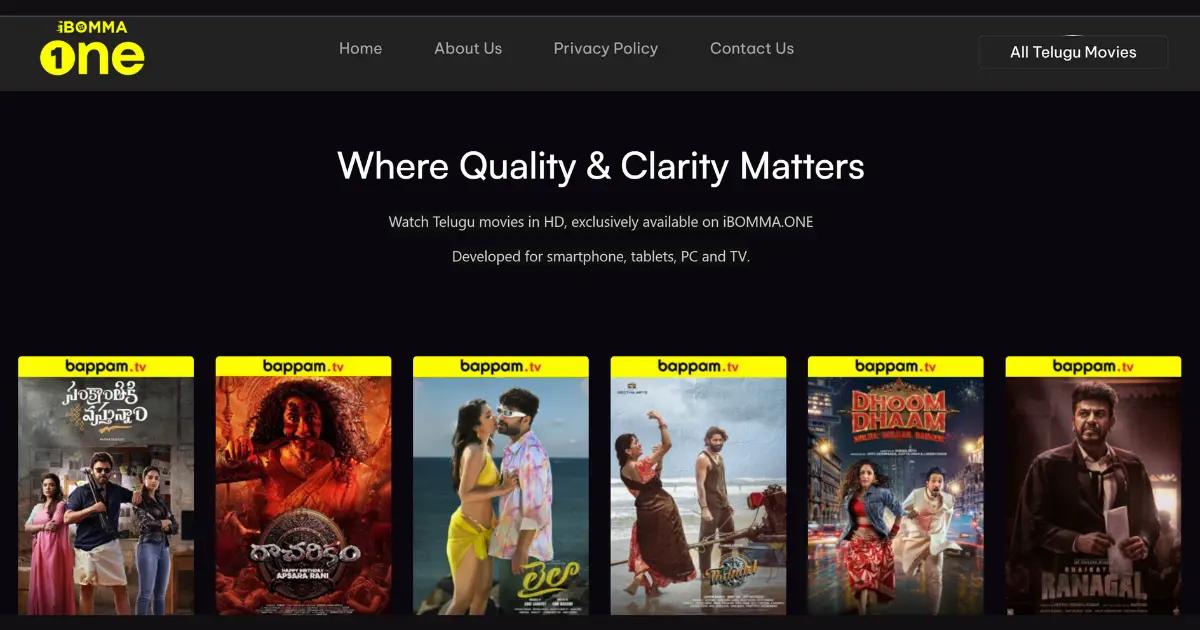
iBomma has become one of the most searched terms among Telugu movie enthusiasts looking for free streaming and download options. This platform gained massive popularity for providing access to the latest Telugu, Tamil, Malayalam, and Hindi movies without any subscription fees. However, the convenience of free content comes with serious legal implications, security risks, and ethical concerns that every user should understand before accessing such websites. Whether you’re curious about how iBomma works, concerned about its legality, or searching for safer alternatives, this comprehensive guide covers everything you need to know about iBomma Telugu movies and the broader landscape of online movie piracy.
What Is iBomma? Overview of the Platform
iBomma is a notorious piracy website that specializes in distributing copyrighted Telugu movies, along with content from other Indian film industries. The platform operates as a torrent-based website that uploads newly released movies—often within hours of their theatrical premiere or OTT release—making them available for free streaming and downloading. Unlike legitimate streaming services, iBomma generates revenue through intrusive advertisements and pop-ups rather than subscription fees or licensing agreements with content creators.
The website has gained particular traction among the Telugu-speaking diaspora, especially users searching for iBomma USA access, as it provides content that may not be immediately available on international streaming platforms. The site’s interface is designed to be user-friendly, with categories organized by language, genre, and release year, making it easy for visitors to find specific movies quickly.
What makes iBomma particularly problematic for the film industry is its rapid upload schedule. Major releases from production houses appear on the platform almost immediately after release, causing significant financial losses to filmmakers, producers, and legitimate distribution channels. The site operates through multiple domain names and mirror sites, constantly changing its web address to evade law enforcement and copyright takedown notices.
Despite numerous attempts by authorities to shut down the platform, iBomma continues to resurface under different domain extensions. Users frequently search for terms like “iBomma site reopen” and “is iBomma banned or not” to find the latest working URL. This cat-and-mouse game between piracy websites and law enforcement has been ongoing for years, with the platform maintaining a persistent presence through proxy servers and frequently updated domain names.
How iBomma Works: Streaming and Downloading Process
Understanding how iBomma operates reveals the technical infrastructure behind piracy websites. The platform uses a combination of torrent technology, cloud storage, and content delivery networks to distribute copyrighted material. When a new movie releases, the content is typically obtained through camcorder recordings in theaters, leaked digital copies, or unauthorized rips from legitimate streaming platforms.
The streaming process on iBomma involves multiple redirects and third-party servers. When users click on a movie title, they’re typically redirected through several advertisement pages before reaching the actual streaming or download link. These redirects serve dual purposes: generating revenue through ad impressions and obscuring the actual source of the pirated content to avoid detection.
For downloading, iBomma offers multiple quality options ranging from 360p to 1080p, with file sizes varying accordingly. The download links are usually hosted on file-sharing services or cloud storage platforms that allow anonymous uploads. Users may need to navigate through captcha verifications, countdown timers, and multiple pop-up advertisements before accessing the actual download link.
The platform also employs techniques to bypass geo-restrictions and ISP blocks. Many users access iBomma through VPN services, which is why searches for “vpn iBomma” are common. The website administrators frequently update their domain names and create mirror sites with similar interfaces but different URLs, ensuring continuous access even when primary domains are blocked by internet service providers.
Mobile users find iBomma particularly accessible, as the site is optimized for smartphone browsers. This mobile-first approach has contributed to its widespread popularity, allowing users to stream or download content directly to their devices without requiring desktop computers or specialized software.
Is iBomma Legal? Understanding Copyright Laws
The legality of iBomma is unambiguous: the platform is completely illegal and operates in direct violation of copyright laws in India and internationally. Using, accessing, or downloading content from iBomma constitutes copyright infringement, which is a criminal offense under the Indian Copyright Act of 1957 and subsequent amendments, particularly the Copyright (Amendment) Act of 2012.
Copyright law grants exclusive rights to creators and copyright holders to distribute, reproduce, and publicly display their work. When iBomma uploads and distributes movies without authorization from the copyright owners, it violates these fundamental rights. Every movie available on the platform represents stolen intellectual property, regardless of how the site frames its services or disclaimers it may display.
The question “is iBomma legal” has a clear answer: no, it is not legal in any jurisdiction. The platform does not have licensing agreements with production houses, distributors, or OTT platforms. It does not pay royalties to actors, directors, technicians, or any other professionals involved in film production. The entire operation exists outside the legal framework that governs content distribution.
International copyright treaties, including the Berne Convention and TRIPS Agreement (Trade-Related Aspects of Intellectual Property Rights), which India has signed, provide additional legal frameworks that classify iBomma’s activities as criminal. These treaties ensure that copyright protection extends across borders, meaning that accessing pirated content from iBomma is illegal regardless of where the user is located.
The Indian government has taken increasingly aggressive stances against piracy websites. The Cinematograph Act includes provisions that make recording movies in theaters punishable by imprisonment of up to three years and fines up to ₹10 lakhs. While these penalties specifically target camcorder piracy, they reflect the broader legal environment that treats all forms of movie piracy as serious criminal offenses.
Safety Concerns: Malware, Viruses, and Privacy Risks
Beyond legal issues, iBomma safety concerns present immediate and tangible risks to users’ devices and personal information. Piracy websites like iBomma are notorious breeding grounds for malware, viruses, ransomware, and various forms of malicious software that can compromise your digital security in multiple ways.
The primary security risk comes from the aggressive advertising networks that piracy sites employ. These ad networks often lack proper vetting processes, allowing malicious actors to inject harmful code through seemingly innocent advertisements. When users click on download buttons or streaming links, they may inadvertently trigger drive-by downloads that install malware without their knowledge or consent.
Common types of malware distributed through sites like iBomma include:
- Trojans: Malicious programs disguised as legitimate files that can steal passwords, banking information, and personal data
- Ransomware: Software that encrypts your files and demands payment for their release
- Adware: Programs that flood your device with unwanted advertisements and track your browsing behavior
- Spyware: Hidden software that monitors your activities, captures keystrokes, and transmits sensitive information to third parties
- Cryptominers: Scripts that use your device’s processing power to mine cryptocurrency without your permission, slowing down performance and increasing electricity consumption
Privacy risks extend beyond malware. Piracy websites often track user behavior extensively, collecting data about viewing habits, IP addresses, device information, and browsing patterns. This data can be sold to third parties, used for targeted phishing campaigns, or exploited in various identity theft schemes. Unlike legitimate streaming services that have privacy policies and data protection measures, iBomma operates with no accountability or transparency regarding how user data is handled.
Mobile users face additional vulnerabilities. Smartphones contain vast amounts of personal information, including contacts, photos, messages, and access to banking apps. Malware installed through piracy sites can access these resources, potentially leading to financial fraud, identity theft, or unauthorized access to social media accounts.
The pop-up advertisements on iBomma frequently employ social engineering tactics, displaying fake security warnings that claim your device is infected and urging you to download “antivirus” software—which is actually malware. These deceptive practices prey on users’ security concerns, ironically making them less secure by convincing them to install harmful programs.
Legal Consequences of Using Piracy Websites
Users who access iBomma Telugu movies face potential legal consequences that extend beyond the platform operators themselves. While enforcement primarily targets the individuals running piracy websites, Indian law also provides mechanisms to prosecute end-users who knowingly access and download pirated content.
Under Section 63 of the Indian Copyright Act, anyone who knowingly infringes or abets the infringement of copyright can face imprisonment ranging from six months to three years, along with fines between ₹50,000 and ₹2 lakhs. While prosecution of individual users has been relatively rare compared to actions against website operators, the legal framework exists to pursue such cases, and authorities have indicated increasing willingness to do so.
The Information Technology Act of 2000 provides additional legal grounds for prosecution. Section 66 addresses computer-related offenses, while Section 72 deals with breach of confidentiality and privacy. These provisions can be applied to various aspects of accessing piracy websites, particularly when users employ VPNs or proxy servers to circumvent ISP blocks—actions that could be interpreted as attempting to defeat security measures.
Internet Service Providers (ISPs) in India are required to block access to piracy websites when ordered by courts or directed by the Department of Telecommunications. Users attempting to access blocked sites through VPNs or other circumvention methods are technically violating these blocking orders, which could have legal implications, though enforcement at this level remains limited.
The legal risks extend to employment and education contexts. Many companies and educational institutions have strict policies against illegal downloading and streaming. Employees or students caught accessing piracy websites on institutional networks may face disciplinary action, including termination or expulsion, separate from any legal consequences.
Civil liability represents another dimension of legal risk. Copyright holders can file civil lawsuits against individuals who download or distribute their content without authorization, seeking damages for the infringement. While such cases against individual users are uncommon in India, they are more prevalent in countries like the United States, where copyright holders have pursued thousands of lawsuits against individual file-sharers.
The iBomma controversy has also highlighted the broader ethical and economic implications of piracy. The film industry employs millions of people—from A-list actors to daily wage workers on film sets. When movies are pirated, the resulting revenue losses affect everyone in this ecosystem, potentially leading to reduced budgets, fewer job opportunities, and diminished investment in regional cinema.
How to Access iBomma (If You Choose To)
While this guide strongly discourages accessing illegal piracy websites, understanding how users typically access iBomma is important for educational purposes and to illustrate the risks involved. This information is provided solely to inform readers about the methods employed and the associated dangers, not as an endorsement or instruction manual.
Users typically find iBomma through search engines by entering queries like “iBomma Telugu movies” or “iBomma site reopen.” Because the primary domain is frequently blocked or taken down, the website operates through multiple mirror sites and alternate domains. These mirror sites replicate the original interface but use different domain extensions (.com, .net, .in, .org, .xyz, etc.) to maintain accessibility.
When ISPs block iBomma domains, users often resort to VPN (Virtual Private Network) services to bypass these restrictions. VPNs mask the user’s actual IP address and route traffic through servers in different countries where the site may not be blocked. However, using VPNs to access illegal content does not make the activity legal—it simply makes detection more difficult while adding another layer of potential security risk if the VPN service itself is untrustworthy.
Some users access iBomma through proxy websites or mirror sites that aggregate links to various piracy platforms. These aggregator sites often appear in search results and provide updated links to working iBomma domains. However, these intermediary sites carry their own security risks and often contain even more aggressive malware distribution mechanisms.
The iBomma Reddit community and similar forums sometimes share information about working domains, though many such communities have been shut down or heavily moderated due to their facilitation of copyright infringement. Social media platforms also occasionally host discussions about accessing the site, though these posts are typically removed when reported.
Mobile users may encounter iBomma through third-party app stores or APK files that claim to provide direct access to the platform’s content. These applications are particularly dangerous, as they often request extensive device permissions that can be exploited for malicious purposes. Installing apps from outside official app stores (Google Play Store or Apple App Store) significantly increases security risks.
It’s crucial to understand that every method of accessing iBomma involves legal risk, security vulnerabilities, and ethical concerns. The temporary convenience of free content is vastly outweighed by the potential consequences, which range from malware infections to legal prosecution and the harm caused to the entertainment industry.
Best Legal Alternatives to iBomma for Telugu Movies
Fortunately, numerous legitimate iBomma alternatives provide legal access to Telugu movies and other regional content. These platforms offer superior viewing experiences, better video quality, enhanced security, and the satisfaction of supporting the creators who produce the content you enjoy.
Aha (Telugu OTT Platform)
Aha is a dedicated Telugu-language streaming service that offers an extensive library of Telugu movies, web series, and original content. Launched specifically to cater to Telugu audiences, Aha provides day-and-date releases for many films, exclusive premieres, and original productions featuring popular Telugu actors and directors. The platform offers affordable subscription plans and ensures that revenue directly supports Telugu cinema.
Amazon Prime Video
Amazon Prime Video has invested heavily in regional content, including a substantial Telugu movie library. The platform secures streaming rights for major Telugu releases shortly after their theatrical runs and produces original Telugu content. Prime Video’s subscription includes additional benefits like free shipping on Amazon purchases, making it a cost-effective option for regular Amazon shoppers.
Netflix
While Netflix’s Telugu content library is smaller than some competitors, the platform has been expanding its regional offerings. Netflix provides high-quality streaming, multiple device support, and the ability to download content for offline viewing. The platform also invests in original Telugu productions and acquires popular titles from the Telugu film industry.
Disney+ Hotstar
Disney+ Hotstar offers a significant collection of Telugu movies alongside content from other Indian languages. The platform provides both VIP and Premium subscription tiers, with the VIP tier offering access to Indian content at a lower price point. Hotstar frequently secures exclusive streaming rights for major Telugu releases and offers live sports content as an additional benefit.
Zee5
Zee5 maintains an extensive Telugu content library, including movies, TV shows, and original web series. The platform offers both free and premium content, with the premium subscription unlocking the full catalog. Zee5’s affordable pricing and regular content updates make it a popular choice for Telugu entertainment.
Sun NXT
Sun NXT, operated by the Sun TV Network, specializes in South Indian content across multiple languages. The platform offers a comprehensive collection of Telugu movies, including classic films and recent releases. Sun NXT’s subscription is competitively priced and provides access to content from Sun TV’s extensive production and acquisition catalog.
MX Player
MX Player operates as a free, ad-supported streaming platform with a growing Telugu content library. While the selection may not match paid services, MX Player provides legal access to numerous Telugu movies without requiring a subscription. The platform generates revenue through advertisements, offering a legitimate free alternative to piracy sites.
YouTube (Official Channels)
Many Telugu production houses and distributors operate official YouTube channels where they upload full movies, either for free with advertisements or as paid rentals. Channels like Goldmines Telefilms, Aditya Movies, and others provide legal access to Telugu content. YouTube’s rental and purchase options also allow users to access newer releases legally.
Free and Paid Streaming Services Compared
Understanding the differences between free and paid streaming options helps users make informed decisions about Telugu movie streaming sites that align with their budget and viewing preferences.
| Feature | Free Services (Ad-Supported) | Paid Subscription Services |
|---|---|---|
| Cost | No subscription fee; supported by advertisements | Monthly or annual subscription fees (₹99-₹1,499/month typically) |
| Content Library | Limited selection; older titles; fewer new releases | Extensive libraries; latest releases; exclusive originals |
| Video Quality | Usually limited to 720p or lower | HD, Full HD, and 4K options available |
| Advertisements | Frequent ad interruptions during content | Ad-free viewing experience |
| Offline Downloads | Rarely available | Download content for offline viewing |
| Multiple Devices | Limited simultaneous streaming | Multiple device support; family plans available |
| Legal Status | Fully legal with proper licensing | Fully legal with proper licensing |
| Security | Safe and secure (legitimate platforms) | Safe and secure with robust protection |
Free legal streaming services like MX Player, YouTube (official channels), and the free tiers of platforms like Zee5 provide viable alternatives to piracy without any cost. While these services include advertisements and may have smaller content libraries, they offer the security, legality, and ethical benefits of supporting content creators.
Paid services justify their subscription costs through several advantages: immediate access to new releases, superior video and audio quality, ad-free viewing, offline download capabilities, and support for multiple simultaneous streams. Many platforms offer family plans that allow sharing subscriptions across multiple users, effectively reducing the per-person cost.
Budget-conscious viewers can strategically rotate subscriptions, subscribing to different platforms in different months based on their content release schedules. This approach provides access to diverse content throughout the year while managing costs effectively. Additionally, many platforms offer free trial periods, allowing users to evaluate services before committing to subscriptions.
The cost of legitimate streaming services is minimal compared to the potential consequences of using piracy sites. A typical subscription costs less than a single movie ticket, yet provides access to hundreds or thousands of titles. When considering the security risks, legal implications, and ethical concerns associated with piracy, paid streaming services represent exceptional value.
How to Stay Safe While Streaming Online
Whether using legal streaming platforms or navigating the broader internet landscape, implementing cybersecurity best practices protects your devices, data, and privacy. These safety measures are essential for anyone who streams content online.
Use Only Legitimate Streaming Platforms
The single most effective safety measure is exclusively using legal streaming services. Legitimate platforms invest heavily in security infrastructure, employ encryption protocols, and maintain strict privacy policies. They undergo regular security audits and comply with data protection regulations, ensuring your information remains secure.
Keep Software and Devices Updated
Regularly updating your operating system, web browsers, and streaming apps ensures you have the latest security patches. Cybercriminals exploit known vulnerabilities in outdated software, making updates a critical defense mechanism. Enable automatic updates whenever possible to maintain continuous protection.
Install Reputable Antivirus Software
Quality antivirus software provides real-time protection against malware, phishing attempts, and malicious websites. Choose established antivirus solutions from reputable companies and keep them updated. Many antivirus programs include web protection features that block access to known malicious sites automatically.
Use Strong, Unique Passwords
Create strong, unique passwords for each streaming service account. Use password managers to generate and store complex passwords securely. Enable two-factor authentication (2FA) wherever available, adding an extra security layer that prevents unauthorized access even if passwords are compromised.
Be Cautious with Public Wi-Fi
Avoid accessing streaming accounts or entering sensitive information when connected to public Wi-Fi networks. If you must use public Wi-Fi, employ a reputable VPN service to encrypt your connection. Public networks are often unsecured, making them vulnerable to man-in-the-middle attacks where hackers intercept data transmissions.
Verify Website Authenticity
Before entering login credentials or payment information, verify you’re on the legitimate website. Check for HTTPS in the URL (indicated by a padlock icon in the browser), examine the domain name carefully for misspellings, and be wary of sites that look similar to but aren’t quite identical to official platforms.
Review Privacy Settings
Regularly review and adjust privacy settings on streaming platforms. Limit data sharing to what’s necessary, understand how platforms use your viewing data, and opt out of unnecessary data collection when possible. Read privacy policies to understand what information is collected and how it’s used.
Monitor Account Activity
Regularly check your streaming account activity for unauthorized access. Most platforms provide viewing history and device management features that show where and when your account has been accessed. If you notice suspicious activity, change your password immediately and contact the platform’s support team.
Avoid Clicking Suspicious Links
Be extremely cautious about clicking links in emails, text messages, or social media posts claiming to offer free streaming access, exclusive content, or account verification requests. Legitimate streaming services rarely send unsolicited links. When in doubt, navigate directly to the official website rather than clicking provided links.
Educate Family Members
If you share streaming accounts with family members, especially children, educate them about online safety. Teach them to recognize phishing attempts, avoid clicking suspicious advertisements, and report unusual activity. Many streaming platforms offer parental controls that limit access to age-appropriate content and restrict certain features.
Understanding the Impact of Piracy on the Entertainment Industry
The widespread use of platforms like iBomma has profound consequences that extend far beyond individual legal risks. Understanding the broader impact of piracy provides important context for why choosing legal alternatives matters.
The Telugu film industry, like all regional cinema sectors, operates on relatively tight budgets compared to major Hollywood productions. When a significant portion of the potential audience accesses content through piracy rather than legitimate channels, the financial impact is substantial and immediate. Box office revenues decline, OTT platform licensing deals become less valuable, and investors become more hesitant to fund new projects.
This financial pressure creates a cascading effect throughout the industry. Production budgets shrink, leading to compromises in technical quality, reduced shooting schedules, and lower compensation for cast and crew. Emerging filmmakers find it increasingly difficult to secure funding for experimental or unconventional projects, as investors gravitate toward “safe” commercial formulas that might better withstand piracy losses.
The impact extends to thousands of workers who depend on the film industry for their livelihoods. Beyond the visible actors and directors, film production employs makeup artists, costume designers, set builders, lighting technicians, sound engineers, editors, visual effects artists, and countless other professionals. When piracy reduces industry revenues, these workers face reduced opportunities, lower wages, and job insecurity.
Regional cinema, including Telugu films, plays a crucial cultural role in preserving and promoting local languages, traditions, and stories. When piracy undermines the economic viability of regional film production, it threatens this cultural preservation function. Producers may shift toward creating content that appeals to broader, pan-Indian audiences rather than authentic regional narratives, diluting the distinctive character of Telugu cinema.
The iBomma story also illustrates how piracy affects the evolution of legitimate digital distribution. When piracy is rampant, streaming platforms face challenges justifying investments in regional content. They may offer lower licensing fees to production houses, knowing that piracy will limit their subscriber growth. This creates a vicious cycle where reduced legitimate revenues make piracy seem more attractive to cash-strapped viewers, further undermining the industry.
Conversely, when audiences choose legal streaming options, they directly contribute to a healthier entertainment ecosystem. Subscription revenues and legitimate viewership metrics help platforms justify investments in regional content, leading to more Telugu movies, web series, and original productions. This positive cycle benefits creators, provides more employment opportunities, and ensures the continued vitality of Telugu cinema.
The Technology Behind Anti-Piracy Efforts
Understanding how the entertainment industry and authorities combat piracy websites like iBomma reveals the sophisticated technological battle between content protection and piracy operations.
Digital watermarking represents one of the primary anti-piracy technologies. Production houses embed invisible digital markers in their content that survive copying, compression, and format conversion. When pirated content appears online, these watermarks can identify the source of the leak—whether from a theatrical screening, a screener copy sent to critics, or a compromised streaming platform account.
Content delivery networks (CDNs) employed by legitimate streaming services use encryption and digital rights management (DRM) technologies to prevent unauthorized copying. These systems ensure that even if someone intercepts streaming data, they cannot reassemble it into a playable video file. DRM technologies like Widevine, PlayReady, and FairPlay create secure pathways from content servers to authorized devices.
Web crawlers and automated monitoring systems continuously scan the internet for pirated content. These systems identify unauthorized copies by analyzing video fingerprints, audio signatures, and metadata. When pirated content is detected, automated takedown requests are sent to hosting providers, domain registrars, and search engines.
Blockchain technology is emerging as a potential solution for content authentication and distribution tracking. By creating immutable records of content ownership and authorized distribution channels, blockchain could make it easier to identify and prosecute piracy operations while ensuring that legitimate transactions are transparent and verifiable.
Internet service providers implement DNS blocking and URL filtering to prevent access to known piracy websites. When courts order ISPs to block specific domains, these technical measures prevent users from reaching the sites through normal browsing. However, as mentioned earlier, users can circumvent these blocks through VPNs and proxy servers, leading to an ongoing technological arms race.
Machine learning algorithms are increasingly deployed to predict and prevent piracy. These systems analyze patterns in how pirated content spreads online, identify high-risk distribution channels, and predict which new releases are most likely to be targeted. This predictive capability allows production houses to implement preventive measures before piracy occurs.
The Global Context: Piracy Beyond iBomma
While iBomma specifically targets Telugu and Indian content, it exists within a global piracy ecosystem that affects entertainment industries worldwide. Understanding this broader context illustrates that piracy is a universal challenge requiring coordinated international responses.
Similar piracy platforms operate in virtually every country and language. Sites like The Pirate Bay, YTS, RARBG, and countless regional equivalents distribute content from Hollywood, Bollywood, European cinema, and Asian film industries. The operational models are remarkably similar: free access funded by advertising, frequent domain changes to evade authorities, and exploitation of jurisdictional complexities in international law enforcement.
The economic impact of global piracy is staggering. Industry estimates suggest that piracy costs the global entertainment industry tens of billions of dollars annually. These losses affect not just major studios but independent filmmakers, documentary producers, and regional cinema industries that operate on smaller margins and can least afford revenue losses.
International cooperation has increased in recent years, with organizations like Interpol, the Motion Picture Association, and various national law enforcement agencies collaborating to shut down major piracy operations. High-profile arrests and prosecutions of piracy website operators have occurred in multiple countries, though the decentralized nature of these operations makes complete eradication extremely difficult.
The rise of affordable streaming services globally has been credited with reducing piracy rates in many markets. When Netflix, Amazon Prime Video, and other platforms expanded internationally with localized content and competitive pricing, piracy declined in those regions. This suggests that convenience and reasonable pricing are effective anti-piracy strategies—people will choose legal options when they’re accessible and affordable.
However, content fragmentation across multiple streaming platforms has created new challenges. When desirable content is spread across numerous services, each requiring separate subscriptions, some consumers return to piracy rather than maintaining multiple subscriptions. This “streaming fatigue” represents a new dimension of the piracy challenge that the industry continues to address.
Making Informed Choices About Content Consumption
Ultimately, the decision to use or avoid platforms like iBomma comes down to individual choice, informed by understanding the legal, security, ethical, and practical implications. This comprehensive examination of iBomma and the broader piracy landscape provides the information necessary to make responsible decisions about content consumption.
The appeal of free content is understandable, especially for viewers facing economic constraints or limited access to legitimate streaming services. However, the true cost of piracy extends far beyond the absence of a subscription fee. Legal risks, security vulnerabilities, ethical concerns, and the negative impact on the entertainment industry all represent hidden costs that far exceed the price of legitimate streaming services.
For viewers genuinely unable to afford multiple streaming subscriptions, several strategies can provide legal access to content: rotating subscriptions based on content release schedules, taking advantage of free trial periods, using ad-supported free platforms like MX Player, watching content on official YouTube channels, and sharing family plan subscriptions with others to split costs.
The entertainment industry continues evolving to meet consumer demands for convenient, affordable access to content. As streaming services expand their regional content libraries, improve their interfaces, and offer more flexible pricing options, the gap between piracy and legitimate services narrows. Supporting these legal alternatives through subscriptions and viewership sends market signals that encourage further investment in the content you want to see.
Education plays a crucial role in addressing piracy. Many users of sites like iBomma may not fully understand the legal implications, security risks, or industry impact of their actions. By sharing information about these issues and promoting awareness of legal alternatives, communities can shift cultural attitudes toward content consumption in more sustainable directions.
The future of content distribution will likely involve continued technological innovation, evolving business models, and ongoing efforts to balance accessibility with creator compensation. As viewers, the choices we make today about how we access content will shape the entertainment landscape of tomorrow—determining what stories get told, which voices get heard, and how sustainable the creative industries remain.
Choosing legal streaming services over piracy platforms represents more than just risk avoidance—it’s an investment in the continued creation of the content you love, support for the artists and workers who produce it, and participation in a sustainable entertainment ecosystem that benefits everyone involved.
Frequently Asked Questions
Is iBomma legal to use?
No, iBomma is not legal. The platform distributes copyrighted content without proper licensing or authorization from content creators, making it a piracy website. Using iBomma to stream or download movies violates copyright laws in India, the USA, and most other countries. Accessing such platforms can expose users to legal consequences and potential fines.
Can I watch movies on iBomma safely?
Watching movies on iBomma is not safe and comes with significant security risks. These piracy websites often contain malware, intrusive ads, and phishing links that can compromise your personal data and device security. Additionally, your internet service provider can track your activity on such illegal platforms, potentially leading to legal notices or penalties.
What is the punishment for downloading pirated movies in India?
Under the Cinematograph Act of 2019 and IT Act of 2000, downloading or distributing pirated movies in India can result in imprisonment of up to three years and fines up to ₹10 lakh (approximately $12,000). First-time offenders may face warnings or smaller fines, but repeat violations carry stricter penalties. The government has been actively cracking down on piracy websites and their users.
Does iBomma offer downloads of Telugu movies?
Yes, iBomma provides both streaming and download options for Telugu movies, along with Tamil, Malayalam, and Hindi films. However, downloading content from iBomma is illegal as these are pirated copies uploaded without permission from copyright holders. Users who download movies from such platforms risk legal action and expose their devices to malware and viruses.
Who is the owner of iBomma?
The actual owner of iBomma remains anonymous, as is common with piracy websites to avoid legal prosecution. These platforms typically operate through hidden servers and frequently change domain names to evade law enforcement. While there have been arrests related to Telugu movie piracy operations, the specific individuals behind iBomma have not been publicly identified.
What are safe and legal alternatives to iBomma?
Legal alternatives to iBomma include streaming platforms like Aha (dedicated to Telugu content), Amazon Prime Video, Netflix, Disney+ Hotstar, Zee5, and SonyLIV. These services offer high-quality Telugu movies and shows with proper licensing, ensuring content creators are compensated. While they require subscriptions, many offer affordable plans and free trials, providing a safe and legal viewing experience.
Why is iBomma not downloading movies or not working?
iBomma frequently faces downtime because authorities regularly block its domains as part of anti-piracy efforts. The website often changes its URL or mirror sites to continue operations, which can cause access issues. Additionally, internet service providers in many countries actively block access to known piracy websites, preventing users from reaching the platform.
How can I check if a streaming site is safe and legal?
To verify if a streaming site is safe and legal, check if it requires a legitimate subscription or payment, has official licensing agreements, and is listed in app stores like Google Play or Apple App Store. Legal platforms display proper copyright notices, have transparent company information, and don’t bombard users with suspicious pop-up ads. If a site offers brand-new movies for free without ads or subscriptions, it’s likely illegal.
Is iBomma illegal in the USA?
Yes, iBomma is illegal in the USA as it violates federal copyright laws under the Digital Millennium Copyright Act (DMCA). Accessing, streaming, or downloading copyrighted content without authorization is a criminal offense that can result in civil lawsuits and fines up to $150,000 per infringement. US authorities actively work with international agencies to shut down piracy websites and prosecute users who distribute pirated content.
What are the best free legal websites to watch Telugu movies?
Several legal platforms offer free Telugu movies with ads, including YouTube (official movie channels), MX Player, Airtel Xstream, and Tubi. While these services have smaller libraries compared to paid subscriptions, they provide legitimate access to Telugu content without legal risks. Many paid platforms like Aha, Amazon Prime Video, and Hotstar also offer free trials, allowing you to watch Telugu movies legally for a limited period.
You May Also Like

NYT Connections Hint: Today’s Puzzle Help & Solving Tips

SimpCityForum Guide: How to Navigate & Engage (2024)