How to Make Baseboard Heaters More Efficient: 9 Proven Tips

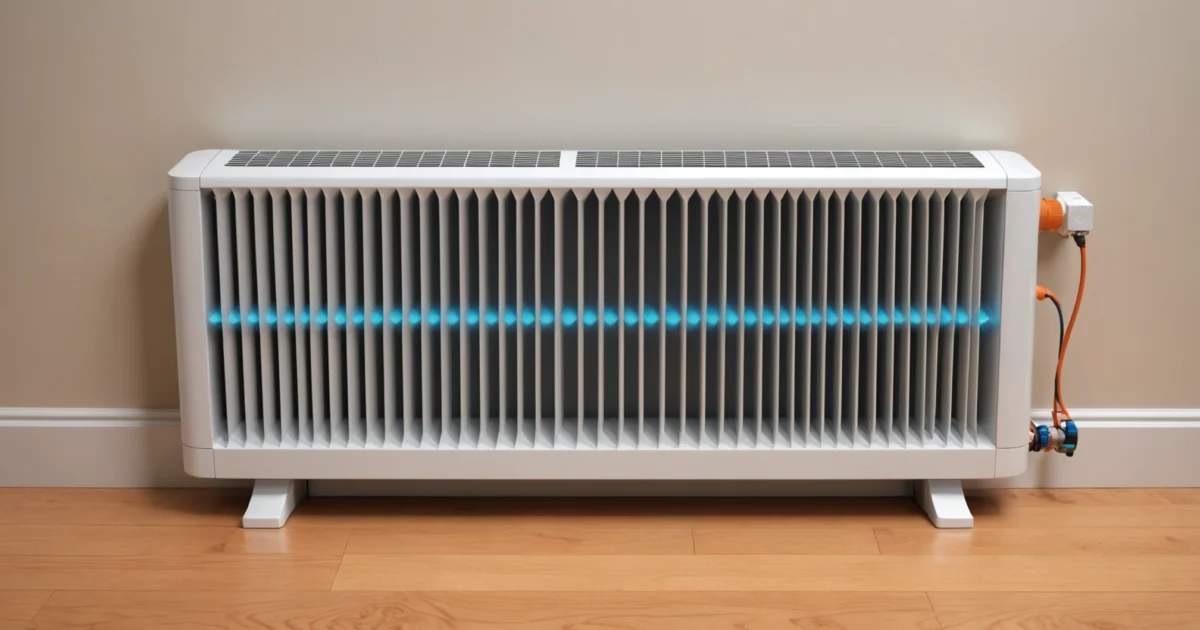
How to make baseboard heaters more efficient involves strategic maintenance, proper air circulation, and smart usage patterns that can reduce energy costs by up to 30%. Most homeowners overlook simple improvements like regular cleaning, ensuring proper clearance around units, and optimizing thermostat settings. Additionally, upgrading to hydronic baseboard systems or installing programmable thermostats can significantly boost heating performance while lowering electricity bills.
Baseboard heaters work by heating air that rises naturally through convection. However, dust buildup, blocked airflow, and poor temperature control drastically reduce their effectiveness. Furthermore, many homes lose valuable heat through air leaks and inadequate insulation around heating zones.
This comprehensive guide covers proven strategies to maximize your electric baseboard heater efficiency. From essential cleaning techniques to advanced system upgrades, these methods help you achieve optimal heating performance while minimizing energy waste.
TL;DR
- Clean heaters regularly and maintain 6-inch clearance around units for optimal airflow
- Install programmable thermostats and use zone heating to reduce energy consumption by 20-30%
- Seal air leaks around windows and doors to prevent heat loss and improve overall efficiency
- Consider upgrading to modern hydronic systems or high-efficiency electric models for long-term savings
Understanding Baseboard Heater Efficiency Fundamentals
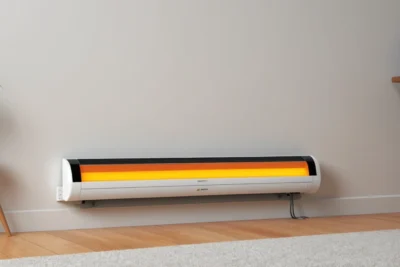
Electric baseboard heaters operate through a simple yet effective process where electrical current flows through metal heating elements, creating thermal energy that warms surrounding air. Meanwhile, the heated air rises naturally through convection currents, circulating throughout the room to provide consistent warmth. This convection process forms the foundation of how baseboard heating systems distribute heat efficiently across living spaces.
Hydronic baseboard systems function differently by circulating hot water or steam through sealed tubes within the baseboard unit. Consequently, these systems retain heat longer than electric models because water holds thermal energy more effectively than air. Moreover, hydronic systems often connect to central boilers, allowing for more precise temperature control and potentially lower operating costs.
How Electric Resistance Systems Generate Heat
Electric resistance heating converts 100% of electrical energy into thermal energy through metal coils or ceramic elements. However, this direct conversion process makes electric baseboard heaters less efficient than heat pump systems, which can produce multiple units of heat per unit of electricity consumed. Furthermore, electric resistance heating costs typically range from $0.10 to $0.30 per kilowatt-hour, depending on local utility rates.
The heating elements inside electric baseboard units reach temperatures between 180°F and 200°F during normal operation. Subsequently, these elements transfer heat to aluminum fins that increase surface area for better heat distribution. Additionally, most electric baseboard heaters include built-in thermal protection switches that prevent overheating and potential fire hazards.
Key Performance Factors That Impact Efficiency
Air circulation patterns significantly influence baseboard heater performance because blocked airflow reduces heat distribution effectiveness. Similarly, proper clearance around heating units ensures optimal convection currents that carry warm air throughout the room. Additionally, ceiling height affects heating efficiency since taller rooms require more energy to achieve comfortable temperatures at living levels.
- Room insulation quality determines heat retention and energy consumption rates
- Window placement and condition affects heat loss through conduction and air leaks
- Thermostat accuracy and placement impacts temperature control precision
- Electrical voltage stability ensures consistent heating element performance
Thermal mass within rooms influences how quickly spaces heat up and cool down. For instance, concrete floors and brick walls store heat energy, helping maintain stable temperatures longer. Conversely, rooms with minimal thermal mass experience rapid temperature fluctuations that force heating systems to cycle more frequently.
Common Efficiency Problems and Root Causes
Dust accumulation represents the most widespread efficiency problem affecting baseboard heaters across residential properties. Specifically, dust buildup on heating elements and fins creates an insulating barrier that reduces heat transfer effectiveness by up to 25%. Moreover, accumulated debris restricts airflow patterns essential for proper convection heating.
Critical Efficiency Killers
Inadequate electrical connections cause voltage drops that reduce heating element performance and increase energy consumption. Additionally, loose wiring connections generate heat waste and potential safety hazards. Furthermore, undersized electrical circuits cannot supply sufficient power for optimal heater operation during peak demand periods.
Thermostat malfunctions lead to temperature overshooting and energy waste through excessive cycling. Poor thermostat placement near heat sources, drafts, or direct sunlight creates false temperature readings that trigger inappropriate heating cycles. Consequently, these issues result in uneven room temperatures and higher electricity bills.
Electric vs Hydronic System Efficiency Comparison
| System Type | Energy Efficiency | Heat Retention | Installation Cost | Operating Cost |
|---|---|---|---|---|
| Electric Resistance | 100% conversion | Low | $200-500 | High |
| Hydronic Electric | 95-98% efficiency | High | $800-1500 | Medium |
| Hydronic Boiler | 80-95% efficiency | Very High | $1500-3000 | Low-Medium |
Hydronic systems maintain comfortable temperatures longer because water retains heat approximately four times better than air. Therefore, these systems continue radiating warmth even after the heating cycle ends, reducing overall energy consumption. In contrast, electric resistance heaters stop producing heat immediately when power cycles off.
Response time differences between system types affect comfort and efficiency significantly. Electric baseboard heaters heat rooms quickly but cool rapidly when turned off. Meanwhile, hydronic systems take longer to reach target temperatures but provide more stable, consistent heating that reduces temperature fluctuations and energy waste.
Understanding these fundamental differences helps homeowners choose appropriate efficiency improvement strategies. For example, proper cleaning techniques benefit both system types, while thermal mass improvements work better with hydronic installations. Additionally, programmable thermostats provide greater energy savings with electric systems that respond quickly to temperature changes.
Essential Maintenance for Maximum Efficiency
Regular maintenance directly impacts baseboard heater performance and energy consumption. Furthermore, clean heating elements transfer heat more effectively than dirty ones, reducing operating costs by up to 25%. Proper maintenance also extends equipment lifespan while preventing safety hazards.
Regular Cleaning Procedures for Heating Elements and Fins
Monthly cleaning prevents efficiency losses caused by accumulated debris on heating surfaces. First, turn off power at the circuit breaker and allow elements to cool completely before starting any maintenance work. Next, remove the front cover panel by lifting it straight up or unscrewing mounting clips.
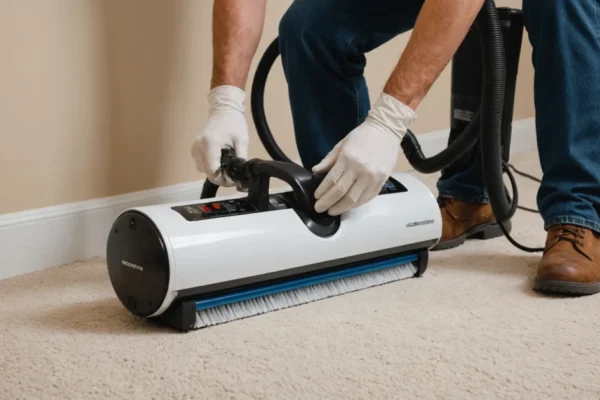
Clean heating fins using a soft brush or vacuum cleaner with brush attachment to remove dust buildup. Additionally, wipe down heating elements with a damp cloth, avoiding electrical connections entirely. For hydronic baseboard heaters, clean both the fins and water pipes to ensure optimal heat transfer.
Safety First
Dust and Debris Removal Techniques
Effective dust removal requires systematic approaches targeting different heater components. Start by vacuuming around the unit’s base where pet hair and debris commonly accumulate. Then, use compressed air to blow dust from tight spaces between fins where brushes cannot reach.
For stubborn buildup, mix warm water with mild detergent and clean removable covers separately. However, ensure all components dry completely before reassembly to prevent electrical issues. Detailed cleaning procedures provide step-by-step guidance for safe maintenance practices.
- Vacuum weekly around heater base and surrounding areas
- Clean fins monthly using soft brush or compressed air
- Wipe covers with damp cloth every two weeks
- Remove furniture blocking airflow immediately
Checking and Maintaining Electrical Connections
Loose electrical connections reduce heating efficiency and create fire hazards. Therefore, inspect connection points annually for signs of corrosion, burning, or loose wires. Look for discolored terminals, melted insulation, or unusual odors that indicate electrical problems.
Tighten loose connections using appropriate tools while power remains disconnected. Moreover, apply dielectric grease to prevent future corrosion on connection points. Professional electricians should handle complex wiring issues or circuit breaker problems.
Loose connections can reduce heating efficiency by 15-30% while creating serious safety risks.
When to Replace Worn Heating Elements
Heating elements typically last 10-15 years with proper maintenance, but several indicators signal replacement needs. Visible damage such as cracks, burns, or warping requires immediate element replacement. Similarly, elements that fail to heat evenly or produce unusual sounds need professional evaluation.
Test element functionality using a multimeter to measure electrical resistance. Elements showing infinite resistance have failed internally and require replacement. Additionally, elements drawing excessive current indicate internal damage that reduces efficiency and increases operating costs.
| Warning Sign | Action Required | Urgency Level |
|---|---|---|
| Visible cracks or burns | Immediate replacement | High |
| Uneven heating | Professional inspection | Medium |
| Strange odors | Power disconnect, call electrician | High |
| Reduced heat output | Element testing and cleaning | Low |
Replacement costs vary between $50-150 for electric elements, while hydronic system components cost more due to complexity. However, new elements operate more efficiently than worn ones, often recovering replacement costs through reduced energy consumption within two heating seasons.
Optimizing Air Circulation and Heat Distribution
Proper air circulation transforms baseboard heater performance by maximizing heat distribution throughout your room. Consequently, optimizing airflow patterns reduces energy consumption while maintaining comfortable temperatures. Furthermore, strategic placement and circulation improvements can increase heating efficiency by 20-35% compared to poorly ventilated installations.
Maintaining Proper Clearance Around Heaters
Clearance requirements ensure adequate airflow for optimal baseboard heater operation. Therefore, maintain at least 6 inches of space above heaters and 12 inches in front of units. Additionally, side clearances of 3 inches minimum prevent airflow restrictions that reduce heating effectiveness.
Manufacturers specify clearance distances for safety and efficiency reasons. However, many homeowners unknowingly violate these requirements by placing items too close to heating units. Subsequently, restricted airflow forces heaters to work harder while delivering less warmth to occupied spaces.
Removing Furniture and Airflow Obstacles
Furniture placement significantly impacts baseboard heater efficiency by blocking natural convection currents. Therefore, position sofas, chairs, and tables at least 12 inches away from heating units. Moreover, avoid placing storage items directly against heaters, as this creates dead air zones that trap heat.
Heavy drapes and long curtains also obstruct airflow patterns around baseboard heaters. Instead, use shorter window treatments that end above heater level. Additionally, ensure curtain rods extend beyond heater edges to prevent fabric from touching hot surfaces while maintaining proper air circulation.
- Sofas and chairs: Position 12+ inches from heater front
- Storage boxes: Keep away from heater sides and top
- Window treatments: End above heater height
- Area rugs: Avoid blocking floor-level air intake
Installing Reflective Panels Behind Heaters
Reflective panels redirect radiant heat into rooms instead of allowing walls to absorb thermal energy. Consequently, foil-backed insulation or specialized heat reflectors can improve efficiency by 10-15% in typical installations. Furthermore, these panels cost only $15-30 while providing immediate energy savings.
Installation involves placing reflective material between heaters and exterior walls. However, maintain proper spacing to prevent overheating and ensure adequate ventilation. Additionally, choose materials rated for high-temperature applications to prevent fire hazards or material degradation.
Professional Tip
Using Fans to Improve Heat Circulation
Strategic fan placement accelerates heat distribution by moving warm air throughout rooms more effectively. Therefore, ceiling fans running on low speed in reverse direction push warm air down from ceiling level. Similarly, small desk fans positioned to blow air across heater surfaces increase convection rates.
Bathroom exhaust fans and range hoods can interfere with baseboard heater circulation by creating negative pressure. Consequently, minimize use of these ventilation systems during peak heating periods. Instead, rely on natural ventilation or brief exhaust fan operation to maintain air quality without disrupting heat distribution patterns.
Whole-house circulation systems work exceptionally well with hydronic baseboard heaters by distributing heated air evenly. Moreover, these systems reduce temperature variations between rooms while lowering overall energy consumption. Professional HVAC contractors can evaluate your home’s circulation needs and recommend appropriate fan solutions for improved indoor comfort.
| Fan Type | Best Location | Efficiency Gain | Cost Range |
|---|---|---|---|
| Ceiling fan (reverse) | Room center | 15-20% | $75-200 |
| Desktop fan | Near heater | 8-12% | $25-50 |
| Circulation fan | Doorway | 10-15% | $40-80 |
Strategic Thermostat and Temperature Control
Proper thermostat control transforms baseboard heater efficiency by eliminating energy waste from overheating and unnecessary operation. Programmable thermostats reduce energy consumption by automatically adjusting temperatures based on occupancy schedules. Furthermore, these devices prevent manual temperature adjustments that often lead to forgotten settings and wasted electricity.
Programmable Thermostat Installation and Setup
Digital programmable thermostats offer precise temperature control with scheduling capabilities that traditional dial thermostats cannot match. Additionally, these units feature multiple daily programs that accommodate varying household routines. Installation requires turning off power at the circuit breaker, removing the old thermostat, and connecting new wiring according to manufacturer specifications.
Most baseboard heating systems use line voltage thermostats rated for 240 volts rather than low-voltage models used with central heating. Therefore, ensure compatibility before purchasing replacement units. Professional installation becomes necessary if existing wiring lacks proper gauge or safety features required by modern thermostat standards.
Zone Heating Strategies for Targeted Efficiency
Zone heating maximizes efficiency by heating only occupied areas while maintaining lower temperatures in unused spaces. Consequently, this approach reduces overall energy consumption by 20-40% compared to whole-house heating strategies. Each zone requires independent thermostat control to achieve optimal temperature management.
Bedrooms benefit from nighttime temperature reductions of 5-8 degrees Fahrenheit during sleeping hours. Similarly, living areas can operate at reduced temperatures during daytime work hours when occupants are absent. However, avoid extreme temperature drops that force heating systems to work harder during recovery periods.
Zone Control Tip
Optimal Temperature Settings for Energy Savings
Energy-efficient temperature settings balance comfort with consumption by avoiding unnecessary heating demands. 68°F during occupied hours provides comfortable conditions while minimizing energy waste. Moreover, reducing temperatures by just 2-3 degrees can decrease heating costs by 6-8% without noticeable comfort loss.
Nighttime setbacks to 60-65°F offer significant savings during extended periods of reduced activity. However, avoid setbacks greater than 8 degrees, which can cause condensation issues or require excessive energy for temperature recovery. Gradual temperature changes work more efficiently than dramatic adjustments.
- Occupied hours: 68-70°F for optimal comfort
- Sleep periods: 60-65°F for energy savings
- Away periods: 55-60°F minimum to prevent freezing
- Vacation settings: 50-55°F for extended absences
Smart Thermostat Integration for Baseboard Systems
Smart thermostats designed for electric baseboard heaters provide advanced scheduling, remote control, and energy monitoring capabilities. These devices learn household patterns and automatically adjust temperatures for maximum efficiency. Additionally, smartphone integration allows temperature control from anywhere, preventing energy waste from forgotten settings.
Learning algorithms in smart thermostats analyze occupancy patterns and weather data to optimize heating schedules automatically. Furthermore, these systems provide detailed energy usage reports that identify opportunities for additional savings. Regular maintenance ensures sensors and controls function properly for accurate temperature readings.
Geofencing features detect when residents leave or return home, automatically adjusting temperatures based on location data. Consequently, this technology eliminates manual thermostat adjustments while ensuring comfortable conditions upon arrival. Professional installation ensures proper wiring and system compatibility with existing baseboard heater circuits.
Voice control integration with smart home systems enables hands-free temperature adjustments and schedule modifications. However, ensure smart thermostat models specifically support line voltage applications required by baseboard heating systems. Compatibility verification prevents installation issues and ensures proper system operation.
Home Insulation and Heat Retention Improvements
Effective insulation creates the foundation for efficient baseboard heater operation by reducing heat loss throughout your home. Moreover, proper air sealing prevents warm air from escaping while blocking cold drafts that force heating systems to work harder. These improvements can reduce heating costs by 15-30% while maintaining consistent indoor temperatures.
Sealing Air Leaks Around Windows and Doors
Air leaks around windows and doors represent the largest source of heat loss in most homes, directly impacting baseboard heater efficiency. Furthermore, caulking gaps and installing weatherstripping creates an airtight seal that prevents conditioned air from escaping. Professional energy audits identify hidden air leaks using blower door tests and thermal imaging cameras.
Window frames expand and contract with temperature changes, creating seasonal gaps that require annual maintenance. Additionally, door thresholds and jambs develop air leaks over time as building materials settle and weather seals deteriorate. Regular inspection and maintenance of these sealing components ensures optimal heat retention throughout winter months.
- Silicone caulk for exterior window frames and trim
- Foam weatherstripping for movable window sashes
- Door sweeps for bottom gaps under entry doors
- Compression seals for door frames and thresholds
Adding Insulation to Reduce Heat Loss
Adequate insulation in walls, attics, and basements prevents heat transfer that forces baseboard heaters to operate continuously. However, many homes built before 1980 lack sufficient insulation by current energy efficiency standards. Blown-in cellulose or spray foam insulation fills cavity gaps that traditional batt insulation cannot reach effectively.
Attic insulation provides the highest return on investment for heating efficiency improvements, as hot air naturally rises and escapes through roof areas. Consequently, increasing attic insulation to R-38 to R-60 values significantly reduces heat loss while improving overall comfort. Basement rim joists and crawl spaces also require proper insulation to prevent ground-level heat transfer.
| Location | Recommended R-Value | Typical Cost per Sq Ft |
|---|---|---|
| Attic | R-38 to R-60 | $1.50 – $3.50 |
| Walls | R-13 to R-21 | $2.00 – $4.00 |
| Basement | R-10 to R-15 | $1.25 – $2.75 |
Installing Storm Windows and Weatherstripping
Storm windows create an additional thermal barrier that reduces heat transfer through glass surfaces by up to 50%. Meanwhile, the air gap between primary and storm windows provides insulation value equivalent to adding another pane of glass. Interior storm windows offer similar benefits while providing easier installation and maintenance access.
High-quality weatherstripping around window sashes eliminates air infiltration that undermines heating efficiency. Therefore, V-strip weatherstripping provides durable sealing for double-hung windows, while compression seals work best for casement and awning window styles. Annual replacement ensures consistent performance as materials compress and deteriorate over time.
Professional window film installation offers a cost-effective alternative to storm windows for single-pane glass. Low-emissivity films reflect radiant heat back into rooms while maintaining natural light transmission. This solution works particularly well for homes where building materials that improve indoor comfort include large window areas that create heat loss challenges.
Addressing Thermal Bridging Issues
Thermal bridges occur where conductive materials like steel studs or concrete create pathways for heat transfer through insulated walls. Subsequently, these structural elements bypass insulation effectiveness and create cold spots that force baseboard heaters to compensate with higher output. Continuous insulation systems address thermal bridging by creating uninterrupted thermal barriers.
Metal window frames and door frames represent common thermal bridges that significantly impact heating efficiency. Furthermore, thermal breaks in aluminum frames or vinyl frame replacements eliminate conductive heat transfer through these structural components. Insulated concrete forms and structural insulated panels provide thermal bridge-free construction for new additions or major renovations.
You May Also Like
Can Baseboard Heaters Cause Fires? Safety Facts & Prevention
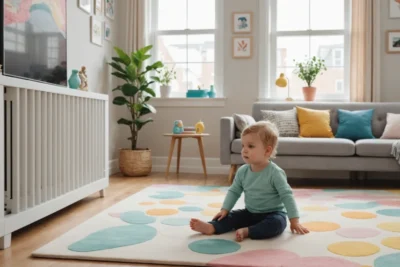
How to Baby Proof Baseboard Heaters: Complete Safety Guide