How Long Do Solar Lights Last at Night? (2026 Guide)

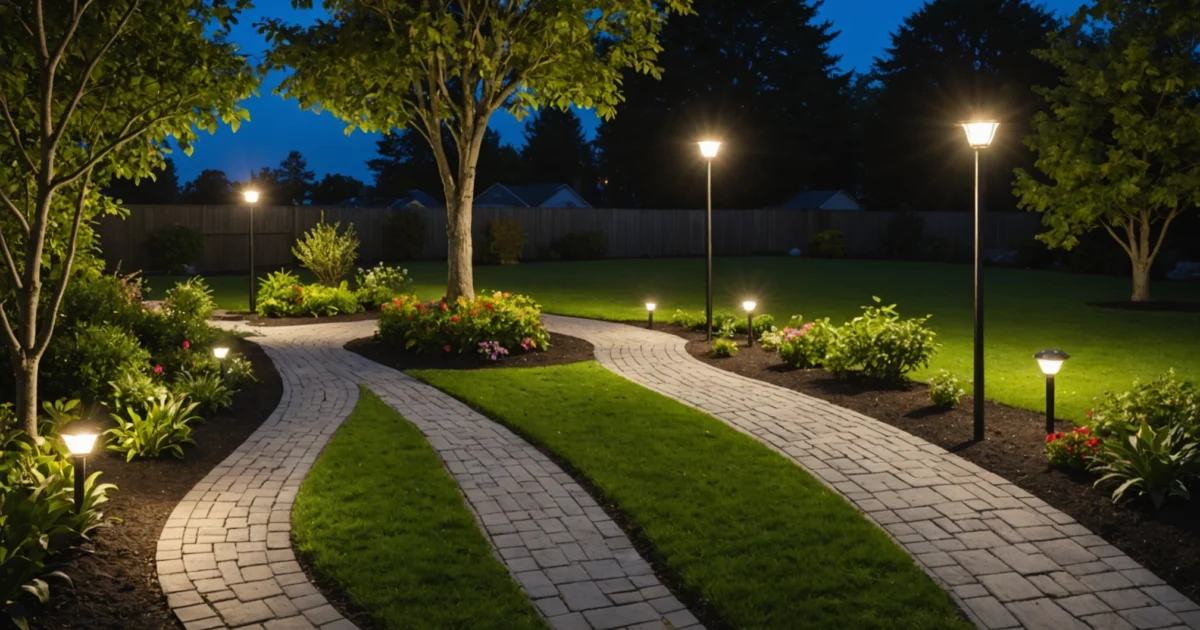
How long do solar lights last at night depends on several factors, but quality solar lights typically run for 6-12 hours after a full day of charging. However, many homeowners experience shorter runtimes due to inadequate charging, degraded batteries, or poor placement that limits sunlight exposure.
The actual duration varies significantly based on battery capacity, solar panel efficiency, and seasonal conditions. Premium solar lights with high-quality lithium-ion batteries can maintain illumination throughout the night, while cheaper models often dim or shut off after just 2-3 hours.
Understanding these performance factors helps you choose the right solar lights and maintain optimal runtime. Additionally, proper charging techniques and strategic placement can dramatically extend your solar lights’ nightly operation.
TL;DR
- Quality solar lights typically last 6-12 hours at night with proper charging
- Battery type and capacity are the primary factors determining runtime duration
- Poor placement, dirty panels, or degraded batteries cause lights to last only 2-3 hours
- Winter conditions reduce runtime due to shorter charging periods and cold weather effects
Typical Solar Light Runtime: What to Expect
Most quality solar lights provide 6-12 hours of continuous illumination after receiving adequate sunlight during the day. However, actual performance often falls short of manufacturer claims due to real-world conditions that affect charging efficiency and battery capacity.
Standard solar lights equipped with nickel-metal hydride (NiMH) batteries typically deliver 6-8 hours of runtime when fully charged. Premium models featuring lithium-ion batteries can extend operation to 10-12 hours, maintaining consistent brightness throughout the night.
Standard Runtime Expectations by Quality Level
| Solar Light Category | Expected Runtime | Battery Type | Typical Price Range |
|---|---|---|---|
| Budget Models | 2-4 hours | Ni-Cd | $5-15 |
| Mid-Range | 6-8 hours | NiMH | $15-40 |
| Premium | 10-12 hours | Lithium-ion | $40-100+ |
Cheap solar lights often disappoint users because manufacturers use low-capacity batteries and inefficient solar panels to reduce costs. These budget models frequently operate for only 2-3 hours before dimming significantly or shutting off completely.
Factors That Affect Real-World Performance
Several environmental and technical factors create gaps between advertised runtime and actual performance. Solar panel efficiency directly impacts how much energy the battery stores during daylight hours, while ambient temperature affects battery discharge rates.
- Sunlight exposure duration: Partial shade reduces charging by 50-80%
- Weather conditions: Cloudy days limit energy collection significantly
- Battery age: Performance degrades 10-20% annually after the second year
- Temperature extremes: Cold weather reduces battery capacity by 20-40%
Furthermore, proper charging techniques play a crucial role in maximizing runtime. Many solar lights require an initial 24-48 hour charging period to reach full capacity, yet users often expect immediate performance.
Seasonal Runtime Variations
Solar light performance fluctuates dramatically throughout the year due to changing daylight hours and weather patterns. Summer operation typically achieves manufacturer-rated runtime, while winter performance drops by 30-50% in most climates.
Winter Performance Reality
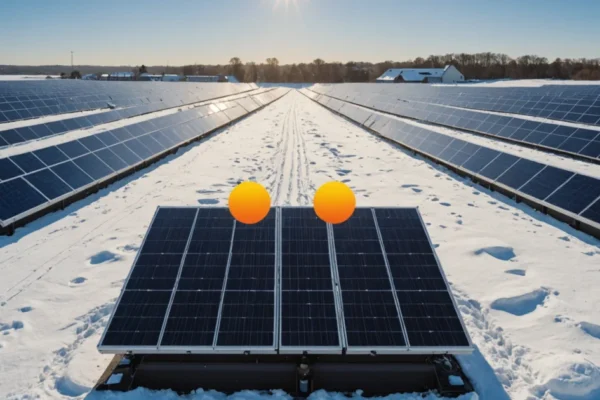
Spring and fall seasons offer moderate performance, with runtime typically reaching 70-80% of summer levels. Additionally, snow cover or ice accumulation on solar panels can completely prevent charging, requiring regular maintenance during winter months.
Understanding these seasonal variations helps set realistic expectations and plan for supplemental lighting during challenging weather periods. Moreover, strategic placement in south-facing locations maximizes winter sun exposure and improves cold-weather performance.
Key Factors That Determine Solar Light Duration
Several critical components work together to determine how long solar lights operate during nighttime hours. Understanding these factors helps predict performance and optimize solar lighting systems for maximum efficiency.
Battery Capacity and Chemistry Types
Battery capacity serves as the primary determinant of solar light runtime, with different chemistries offering distinct performance characteristics. Nickel-Metal Hydride (NiMH) batteries provide the best overall performance for solar applications, delivering 8-12 hours of operation when fully charged.
Lithium-ion batteries offer superior energy density and longer lifespans, typically powering lights for 10-15 hours per charge. However, these batteries cost significantly more than alternatives and require specialized charging circuits.
Conversely, Nickel-Cadmium (NiCd) batteries represent the budget option but suffer from memory effect and shorter runtime periods of 4-6 hours. Moreover, NiCd batteries contain toxic materials and perform poorly in extreme temperatures.
| Feature | |||
|---|---|---|---|
| Runtime Hours | 8-12 | 10-15 | 4-6 |
| Lifespan (Years) | 3-5 | 5-7 | 2-3 |
| Temperature Tolerance | Good | Excellent | Poor |
| Cost | Medium | High | Low |
Solar Panel Efficiency and Size Impact
Solar panel dimensions and efficiency ratings directly influence charging speed and daily energy collection. Larger panels capture more sunlight and charge batteries faster, while higher efficiency ratings convert more available light into usable electricity.
Most residential solar lights feature panels ranging from 2-6 watts with efficiency ratings between 15-20%. Premium models incorporate monocrystalline panels that achieve 22-24% efficiency, significantly improving performance in low-light conditions.
Panel positioning also affects energy collection, as proper charging techniques require unobstructed southern exposure for optimal results. Additionally, dust accumulation reduces panel efficiency by 10-25%, necessitating regular cleaning maintenance.
LED Power Consumption Variables
LED power consumption determines how quickly batteries drain during operation, with lower wattage LEDs extending runtime significantly. Most solar lights use 0.5-3 watt LEDs, though brightness settings and color temperature affect actual power draw.
Brightness controls allow users to balance illumination needs with battery life, as dimmer settings can double or triple operating time. Furthermore, warm white LEDs typically consume 10-15% less power than cool white alternatives while providing comfortable outdoor lighting.
Power Optimization Tip
Environmental Charging Conditions
Sunlight exposure duration and intensity dramatically affect daily energy collection and subsequent nighttime performance. Six hours of direct sunlight typically provides enough energy for 8-10 hours of LED operation, though partial shade reduces this significantly.
Weather patterns influence charging effectiveness, with overcast conditions reducing energy collection by 60-80% compared to clear skies. Therefore, consecutive cloudy days can leave batteries partially charged, resulting in shortened nighttime operation.
Seasonal variations also impact performance, as winter months provide fewer daylight hours and weaker sun angles. Consequently, solar lights often operate for only 4-6 hours during winter compared to 10-12 hours in summer.
Temperature Effects on Battery Performance
Temperature extremes significantly impact battery capacity and discharge rates, with cold weather reducing available energy by 20-40%. Hot temperatures accelerate chemical reactions but can damage battery cells over time.
Optimal operating temperatures range from 32-85°F (0-29°C) for most solar light batteries, though lithium-ion cells tolerate wider temperature ranges. Below freezing, NiMH and NiCd batteries lose substantial capacity and may stop functioning entirely.
Heat buildup during summer can also reduce battery lifespan and charging efficiency. Therefore, proper ventilation around solar lights prevents overheating and maintains consistent performance throughout the year.
Why Solar Lights Only Last 2-3 Hours: Common Problems
When solar lights fail to provide adequate nighttime illumination, several underlying issues typically cause this shortened runtime. Understanding these problems helps identify solutions and prevents future performance degradation.
Insufficient Charging from Poor Panel Placement
Panel positioning directly affects energy collection efficiency, with improper placement reducing charging capacity by 50-70%. Solar panels require direct sunlight exposure for at least 6-8 hours daily to fully charge integrated batteries.
Shade from trees, buildings, or other structures blocks crucial sunlight during peak charging hours. Additionally, panels facing north in the Northern Hemisphere receive minimal direct sunlight throughout the day. Consequently, batteries remain partially charged and provide only 2-3 hours of operation instead of the expected 8-10 hours.
Degraded or Incorrect Battery Types
Battery degradation occurs naturally over time, with most solar light batteries losing 20-30% capacity after two years of use. Furthermore, using incorrect battery types creates compatibility issues that reduce charging efficiency and runtime performance.
Many solar lights ship with NiCd batteries that develop memory effects and lose capacity quickly. Replacing these with higher-quality NiMH or lithium-ion batteries often extends runtime significantly. However, mismatched voltage ratings can damage charging circuits and create safety hazards.
Dirty Solar Panels Reducing Efficiency
Accumulated dirt, dust, and debris on solar panel surfaces can reduce charging efficiency by 25-40% in typical outdoor conditions. Bird droppings, pollen, and leaf residue create opaque barriers that block photons from reaching photovoltaic cells.
Regular cleaning maintains optimal energy collection, though many homeowners overlook this simple maintenance task. Moreover, panels installed in dusty or high-traffic areas require more frequent cleaning to maintain peak performance. Proper charging techniques combined with clean panels maximize energy storage capacity.
Faulty Sensors Causing Premature Activation
Light sensors control when solar lights activate and deactivate, but malfunctioning sensors can cause lights to turn on during daylight hours. This premature activation drains stored battery energy before nightfall arrives.
Sensors covered by dirt or positioned incorrectly may fail to detect ambient light levels accurately. Subsequently, lights operate when unnecessary and exhaust battery reserves rapidly. Calibrating or replacing defective sensors restores proper operation timing and extends nighttime runtime.
Age-Related Battery Capacity Loss
Solar light batteries experience inevitable capacity degradation through repeated charge-discharge cycles, with most units losing significant performance after 2-3 years of regular use. Chemical changes within battery cells reduce their ability to store and deliver electrical energy effectively.
Temperature extremes accelerate this aging process, particularly in regions with harsh winters or intense summer heat. Therefore, batteries in challenging climates may require replacement annually to maintain acceptable runtime performance. Upgrading to higher-capacity batteries often provides longer service life and improved nighttime illumination duration.
Quick Fix Priority
Winter Performance and Seasonal Runtime Changes
Winter conditions dramatically reduce solar light runtime through multiple environmental factors that affect both charging capacity and battery performance. Consequently, lights that provide 8-12 hours of illumination during summer months may only operate for 3-6 hours during winter evenings.
Reduced Daylight Hours Affecting Charge Time
Daylight duration decreases significantly during winter months, with some regions experiencing only 8-9 hours of potential sunlight compared to 14-16 hours in summer. Furthermore, the sun’s lower angle reduces the intensity of solar radiation reaching photovoltaic panels throughout the shortened day.
Solar panels require approximately 6-8 hours of direct sunlight to achieve full battery charge under optimal conditions. However, winter’s abbreviated daylight period often prevents complete charging cycles, leaving batteries partially depleted before evening activation begins.
Cold Weather Impact on Battery Efficiency
Low temperatures severely impact battery chemistry and reduce energy storage capacity in solar light systems. Specifically, lithium-ion and nickel-metal hydride batteries lose 20-40% of their capacity when temperatures drop below freezing.
Chemical reactions within battery cells slow down in cold conditions, preventing efficient energy transfer and reducing overall runtime performance. Additionally, cold batteries require more energy to initiate operation, further diminishing available power for nighttime illumination.
Temperature Impact
Snow and Cloud Cover Effects on Solar Charging
Cloud cover reduces solar panel efficiency by 50-90% depending on cloud density and type, while snow accumulation can completely block photovoltaic surfaces. Moreover, overcast winter days provide insufficient energy for proper battery charging even when panels remain uncovered.
Snow reflects sunlight away from solar panels rather than allowing absorption, creating a double impediment to energy collection. Therefore, panels covered by even thin snow layers generate minimal electrical current throughout the day.
Expected Runtime Reduction in Winter Months
Most solar lights experience 40-60% runtime reduction during winter months compared to peak summer performance. Consequently, lights providing 10-12 hours of illumination in July may only operate for 4-6 hours in January.
| Season | Average Runtime | Charging Hours | Performance Factor |
|---|---|---|---|
| Summer | 8-12 hours | 12-16 hours | 100% |
| Fall/Spring | 6-8 hours | 10-12 hours | 70-80% |
| Winter | 3-6 hours | 6-8 hours | 40-60% |
Strategies for Maintaining Performance in Cold Weather
Installing cold-weather batteries specifically designed for low-temperature operation helps maintain consistent performance throughout winter months. Similarly, positioning solar lights in south-facing locations maximizes available sunlight exposure during shortened winter days.
Regular snow removal from solar panels ensures maximum energy collection during available daylight hours. Additionally, switching lights off during extended cloudy periods preserves battery charge for clear weather operation.
- Install higher-capacity batteries rated for cold weather operation
- Position lights to receive maximum winter sun exposure
- Clear snow and ice from solar panels regularly
- Use manual switches to conserve power during storms
- Consider supplemental charging during extended cloudy periods
Upgrading to premium solar lights with larger battery capacity and more efficient panels provides better winter performance than standard models. Furthermore, these units often include temperature compensation features that adjust operation based on ambient conditions.
First-Time Setup: Initial Charging Requirements
New solar lights require a 24-48 hour initial charging period before delivering optimal nighttime performance. Therefore, manufacturers recommend installing solar lights during sunny weather and allowing the batteries to complete their first full charge cycle before expecting standard operation times.
Fresh solar light batteries need time to reach full capacity through proper conditioning. Additionally, the photovoltaic cells require exposure to direct sunlight for extended periods to activate their maximum energy conversion efficiency.
Why New Solar Lights Underperform Initially
Brand-new solar lights often disappoint users during their first few nights of operation. However, this initial underperformance stems from partially charged batteries rather than defective components. Most solar light batteries arrive with only 30-50% charge capacity from the factory.
Rechargeable batteries require several charge-discharge cycles to reach their full energy storage potential. Furthermore, the battery chemistry needs activation through proper charging protocols before achieving manufacturer-specified runtime durations.
Common First-Night Mistake
Proper Installation for Optimal Charging
Strategic placement ensures solar panels receive maximum sunlight exposure during the critical first charging period. Consequently, positioning lights in south-facing locations with 6-8 hours of direct sunlight accelerates the initial charging process significantly.
- Remove all protective films from solar panels before installation
- Position lights away from shadows cast by trees, buildings, or fences
- Ensure solar panels face true south for maximum sun exposure
- Install during clear weather conditions for optimal first charge
- Keep lights switched to “ON” position during initial charging
Avoiding shaded areas prevents interrupted charging cycles that extend the conditioning period. Moreover, proper switch positioning ensures batteries receive continuous charging without accidental discharge during daylight hours.
Testing and Calibration After First Charge Cycle
Testing solar lights after the initial 48-hour charging period provides accurate performance baselines for future reference. Subsequently, covering the solar panel with your hand or a cloth simulates nighttime conditions and triggers the automatic lighting system.
Properly charged solar lights should illuminate immediately when darkness sensors activate. Additionally, high-quality units maintain consistent brightness for 6-12 hours depending on battery capacity and LED efficiency ratings.
| Test Method | Expected Result | Action Required |
|---|---|---|
| Panel coverage test | Immediate illumination | None – functioning properly |
| Brightness check | Full intensity light | None – battery fully charged |
| Duration test | 6+ hours operation | None – normal performance |
| Delayed activation | 5-10 second delay | Check panel cleanliness |
| Dim lighting | Reduced brightness | Continue charging 24 hours |
Recording initial performance metrics helps identify future battery degradation or maintenance needs. Furthermore, documenting installation dates and charging conditions provides valuable reference data for warranty claims or troubleshooting purposes.
Extending Solar Light Runtime: Proven Methods
Maximizing solar light runtime requires systematic maintenance approaches and strategic optimization techniques. Furthermore, implementing proven extension methods significantly increases nightly illumination duration beyond standard manufacturer specifications.
Regular Cleaning and Maintenance Schedules
Monthly panel cleaning removes dust, pollen, and debris that reduces charging efficiency by up to 40%. Additionally, using mild soap solutions and soft cloths prevents scratching while maintaining optimal light transmission through solar cells.
Seasonal maintenance checks identify corroded battery terminals and damaged weatherproof seals before they impact performance. Moreover, replacing cracked lens covers prevents moisture infiltration that causes premature component failure and shortened runtime periods.
- Weekly: Remove surface debris and spider webs
- Monthly: Deep clean panels with soap solution
- Quarterly: Inspect battery terminals and connections
- Annually: Replace weatherproof seals and gaskets
Strategic Placement for Maximum Sun Exposure
Optimal solar light positioning receives 6-8 hours of direct sunlight daily for maximum battery charging capacity. Subsequently, relocating lights away from tree shadows and building overhangs increases energy storage by 60-80% compared to partially shaded installations.
South-facing orientations capture peak solar radiation throughout daylight hours in northern hemisphere locations. Additionally, adjustable mounting brackets allow seasonal repositioning to track changing sun angles and maintain consistent charging performance year-round.
Battery Replacement Timing and Selection
Standard NiMH batteries require replacement every 2-3 years when runtime drops below 4 hours despite optimal charging conditions. Furthermore, monitoring voltage output with multimeters identifies failing cells before complete system shutdown occurs.
Replacement timing depends on usage patterns and environmental conditions affecting battery degradation rates. However, proper charging techniques extend original battery lifespan significantly beyond manufacturer estimates.
| Battery Type | Typical Lifespan | Runtime Hours | Cost Range |
|---|---|---|---|
| Standard NiMH | 2-3 years | 6-8 hours | $5-15 |
| High-capacity NiMH | 3-4 years | 8-12 hours | $15-25 |
| Lithium-ion | 5-7 years | 10-15 hours | $25-40 |
Upgrading to Higher-Capacity Batteries
Higher-capacity battery upgrades double or triple nightly runtime when compatible with existing solar charging systems. Additionally, lithium-ion replacements provide superior cold-weather performance and maintain voltage stability throughout discharge cycles.
Capacity upgrades require matching voltage specifications while ensuring charging circuits handle increased amperage safely. Nevertheless, upgrading from 600mAh to 1200mAh batteries typically extends runtime from 6 hours to 12 hours under identical conditions.
Compatibility Check
Using Motion Sensors to Conserve Energy
Motion sensor integration reduces energy consumption by 70-80% through selective activation during detected movement periods. Subsequently, lights remain dimmed at 20% brightness until motion triggers full illumination for predetermined duration periods.
Smart sensor systems extend battery runtime from typical 8-hour periods to 24-48 hours depending on activation frequency. Moreover, adjustable sensitivity settings prevent false triggers from wind-blown vegetation while maintaining reliable security lighting functionality.
Motion sensor upgrades can extend solar light runtime by up to 300% through intelligent energy management
Combination approaches using multiple extension methods achieve optimal results for extended nighttime illumination. Therefore, implementing regular maintenance schedules alongside strategic placement and battery upgrades maximizes solar light performance and longevity across all seasonal conditions.
When to Replace vs. Repair Solar Lights
Determining whether to repair or replace solar lights requires evaluating multiple cost factors against expected performance gains. Moreover, understanding component lifespans helps homeowners make informed decisions about maintenance investments versus complete unit upgrades.
Cost-Benefit Analysis of Battery Replacement
Battery replacement costs typically range from $5-15 per unit while providing 2-3 years of restored performance. Subsequently, this investment proves worthwhile when solar panels and LED components remain functional and housing shows minimal weather damage.
However, replacement becomes uneconomical when battery costs exceed 50% of new unit prices. Additionally, older solar lights using obsolete battery sizes or proprietary charging circuits often require complete replacement for optimal performance restoration.
Pros
- Battery replacement costs $5-15 vs $25-50 new units
- Maintains familiar placement and aesthetic
- Quick 10-minute repair process
Cons
- May not address other aging components
- Limited to 2-3 year lifespan extension
- Incompatible with some older models
Signs That Indicate Complete Unit Replacement
Complete replacement becomes necessary when solar panels develop visible cracks or clouding that reduces charging efficiency below 60% of original capacity. Furthermore, LED degradation causing dim or flickering illumination indicates internal circuit failure requiring full unit replacement.
- Housing damage: Cracked cases allowing moisture infiltration
- Charging failures: Units failing to illuminate after full sunny days
- Multiple component issues: Simultaneous battery, panel, and LED problems
- Obsolete technology: Incandescent bulbs or first-generation solar cells
Weather-related damage often affects multiple components simultaneously, making repair costs approach or exceed replacement expenses. Consequently, units showing extensive corrosion, broken solar panels, and housing deterioration require complete replacement for reliable operation.
Expected Lifespan of Different Solar Light Components
| Component | Average Lifespan | Replacement Cost | Performance Impact |
|---|---|---|---|
| NiMH Batteries | 2-3 years | $5-10 | Direct runtime correlation |
| LED Bulbs | 10-15 years | $8-15 | Brightness and efficiency |
| Solar Panels | 15-20 years | $12-25 | Charging capacity |
| Plastic Housing | 5-8 years | N/A | Weather protection |
| Control Circuits | 8-12 years | $10-20 | Switching and regulation |
Battery degradation represents the primary maintenance requirement, typically occurring every 24-36 months depending on usage patterns and climate conditions. Meanwhile, LED components maintain 80% brightness for 10+ years under normal operating conditions.
Solar panel efficiency decreases gradually at 0.5-0.8% annually, maintaining adequate charging capacity for 15-20 years in most residential applications. Nevertheless, plastic housing deterioration often necessitates complete replacement before electronic components reach end-of-life.
Upgrading to Newer, More Efficient Models
Modern solar lights deliver 2-3 times longer runtime compared to units manufactured before 2020 through improved LED efficiency and lithium-ion battery technology. Furthermore, newer models incorporate smart features like motion sensing and adaptive brightness control.
Current-generation solar lights achieve 12-16 hour runtime compared to 6-8 hours from older models
Upgrading proves cost-effective when existing units require multiple component replacements or fail to meet current lighting requirements. Additionally, newer models often feature improved weather resistance and standardized battery sizes for easier future maintenance.
Smart solar lights with integrated sensors provide enhanced functionality through automatic dimming and motion-activated illumination. Consequently, these upgrades reduce energy consumption while extending effective runtime through intelligent power management systems.
Upgrade Decision Matrix
Frequently Asked Questions
How many hours do solar lights stay on at night?
Quality solar lights typically stay on for 6-12 hours at night after a full day of charging. Premium models with lithium-ion batteries can maintain illumination throughout the night (10-12 hours), while standard models with NiMH batteries usually provide 6-8 hours of runtime. Budget solar lights often only last 2-4 hours before dimming or shutting off.
Why do my solar lights only last 2 hours?
Solar lights that only last 2 hours typically suffer from inadequate charging or degraded batteries. Common causes include poor placement in shaded areas, dirty solar panels that reduce charging efficiency, old batteries that have lost capacity, or cheap models with low-quality components. Winter conditions and cloudy weather can also significantly reduce runtime.
How can I make my solar lights stay on longer?
To extend solar light runtime, follow these strategies:
- Place lights in areas with maximum sunlight exposure (6-8 hours daily)
- Clean solar panels regularly to remove dirt and debris
- Replace old batteries with high-quality NiMH or lithium-ion batteries
- Allow new lights to charge for 24-48 hours before first use
- Position lights facing south for optimal winter performance
- Remove snow or ice accumulation from panels during winter
How long do solar lights last at night in winter?
Solar lights typically last 30-50% less in winter compared to summer performance. While quality lights may run 6-12 hours in summer, winter runtime often drops to 2-6 hours due to shorter daylight hours, reduced sun intensity, and cold temperatures that decrease battery capacity by 20-40%. Snow cover can completely prevent charging.
How long do solar light batteries last before replacement?
Solar light batteries typically last 2-4 years before requiring replacement. Battery performance degrades 10-20% annually after the second year. Nickel-Cadmium (Ni-Cd) batteries last 1-2 years, Nickel-Metal Hydride (NiMH) batteries last 2-3 years, and lithium-ion batteries can last 3-4 years with proper care.
Is it worth replacing batteries in solar lights?
Yes, replacing batteries is often more cost-effective than buying new solar lights, especially for mid-range to premium models. Quality solar lights with degraded batteries can be restored to full performance with new batteries costing $5-15, while replacement lights cost $15-100+. However, very cheap solar lights may not justify battery replacement costs.
How long do solar lights take to charge the first time?
Solar lights require 24-48 hours of initial charging before first use to reach full battery capacity. Many users expect immediate performance, but new batteries need this extended charging period to achieve optimal runtime. Place new lights in direct sunlight and avoid turning them on during this initial charging phase.
Why do solar lights fail so quickly?
Solar lights fail quickly due to several factors:
- Poor quality components in budget models that use cheap batteries and inefficient panels
- Inadequate weatherproofing allowing moisture to damage electronics
- Battery degradation from extreme temperatures and overcharging
- Insufficient charging from poor placement or dirty panels
- Manufacturing defects in low-cost products with minimal quality control
What solar lights last 12 hours?
Premium solar lights with lithium-ion batteries and high-efficiency solar panels can achieve 12-hour runtime. Look for models with battery capacities of 2000mAh or higher, quality LED chips, and robust solar panels. Brands that offer 12-hour performance typically cost $40-100+ and feature weather-resistant construction with advanced battery management systems.
How long do solar panels on lights last?
Solar panels on lights typically last 10-25 years, significantly longer than the batteries. Quality panels maintain 80-90% efficiency after 10 years, while cheap panels may degrade faster. The panels usually outlast multiple battery replacements, making battery replacement the primary maintenance concern for solar lights.
Do solar lights work on cloudy days?
Solar lights can charge on cloudy days but at significantly reduced capacity. Overcast conditions typically reduce charging efficiency by 50-80% compared to direct sunlight. While lights may still operate, runtime will be substantially shorter. Multiple cloudy days in succession can prevent adequate charging, causing lights to dim or stop working until sunny conditions return.
Should I turn off solar lights during winter?
You don’t need to turn off solar lights during winter, but consider bringing them indoors during extreme cold or heavy snow periods. Continuous operation in harsh winter conditions can accelerate battery degradation. If keeping lights outside, ensure panels remain clear of snow and ice, and expect reduced runtime due to shorter daylight hours and cold temperatures.
You May Also Like
How Long Solar Panels Last Without Sun: Performance Guide 2026
How to Reset Solar Lights: Complete Step-by-Step Guide 2026