Hopeless Romantic Meaning: 15 Signs & Traits Explained

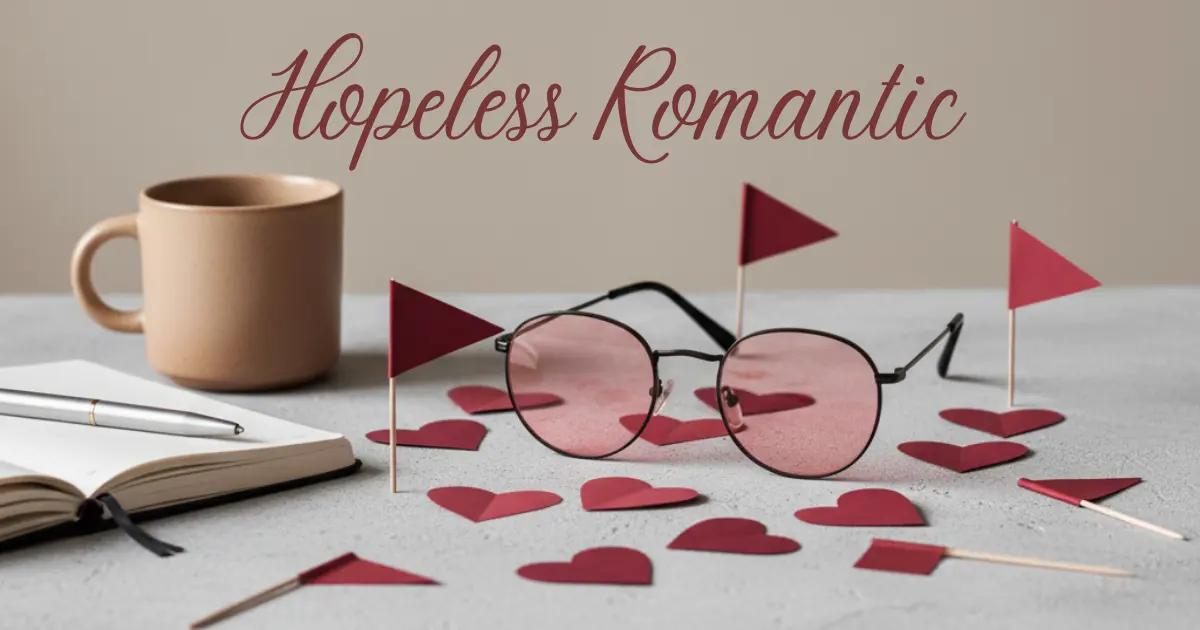
If you’ve ever caught yourself daydreaming about the perfect meet-cute, replaying romantic movie scenes in your head, or believing that true love conquers all obstacles, you might be wondering about the hopeless romantic meaning and whether this label applies to you. Being a hopeless romantic isn’t just about loving romance—it’s a distinct way of viewing love, relationships, and human connection that shapes how you experience the world. This comprehensive guide will help you understand what being a hopeless romantic truly means, identify the telltale signs, and determine whether this romantic idealism is something to embrace or temper in your relationships.
The term “hopeless romantic” often gets misunderstood or dismissed as naive, but there’s much more depth to this personality type than meets the eye. Whether you’re trying to understand yourself better, figure out if your partner fits this description, or simply curious about this romantic archetype, this article will provide clarity, validation, and practical insights into the hopeless romantic experience.
What Does Hopeless Romantic Mean? (True Definition)
The hopeless romantic definition describes someone who believes in love with unwavering optimism, often maintaining faith in fairy-tale endings, soulmates, and the transformative power of romance despite contrary evidence or past disappointments. The term “hopeless” doesn’t mean without hope—rather, it suggests someone who is “hopelessly” devoted to romantic ideals, unable to abandon their belief in love’s magic even when reality suggests otherwise.
A hopeless romantic views love through an idealized lens, seeing potential for deep connection and meaningful romance in everyday moments. They’re the people who believe in love at first sight, who think every relationship could be “the one,” and who maintain that true love is worth waiting for, no matter how long it takes. This perspective isn’t about being unrealistic—it’s about choosing to prioritize emotional connection and romantic possibility over cynicism or practicality.
The hopeless romantic meaning has evolved over time, and understanding its origins helps clarify what it truly represents. The phrase gained popularity in the 20th century as a way to describe individuals whose romantic sensibilities seemed at odds with an increasingly pragmatic world. In essence, to be a hopeless romantic means to be incurably, irrepressibly romantic—someone for whom love isn’t just an emotion but a fundamental worldview.
According to urban dictionary interpretations and common usage, the hopeless romantic meaning encompasses someone who consistently chooses heart over head, who finds beauty in grand gestures and small romantic details alike, and who refuses to let disappointment extinguish their belief in love’s potential. They’re not necessarily naive—many hopeless romantics have experienced heartbreak—but they maintain their romantic idealism regardless.
15 Clear Signs You're a Hopeless Romantic
Identifying the signs of a hopeless romantic can help you understand whether this description fits you or someone you know. These characteristics go beyond simply enjoying romantic movies or appreciating flowers—they represent a consistent pattern of thinking, feeling, and behaving when it comes to love and relationships.
1. You believe in soulmates and “the one”: You’re convinced that there’s someone perfectly suited for you out there, and when you meet them, you’ll just know. This belief persists even after multiple relationships that didn’t work out.
2. You romanticize everyday moments: A shared glance across a coffee shop, rain on a first date, or a song playing at just the right moment—you see these as signs and meaningful connections rather than coincidences.
3. You love grand romantic gestures: Whether giving or receiving, you appreciate elaborate displays of affection—surprise trips, thoughtful gifts, public declarations of love, or carefully planned romantic evenings.
4. You fall in love quickly and deeply: You don’t do casual well. When you develop feelings for someone, you dive in headfirst, imagining a future together within weeks or even days of meeting them.
5. You replay romantic scenarios in your mind: You frequently daydream about potential relationships, perfect dates, or how you’ll meet your future partner. These mental movies play on repeat, complete with dialogue and emotional soundtracks.
6. You see potential in everyone you’re attracted to: When you like someone, you focus on their positive qualities and imagine how wonderful a relationship could be, sometimes overlooking red flags or incompatibilities.
7. You’re moved by romantic stories: Books, movies, songs about love affect you deeply. You cry at wedding scenes, get emotionally invested in fictional couples, and remember romantic plot lines long after finishing a story.
8. You believe love conquers all: You think that if two people truly love each other, they can overcome any obstacle—distance, timing, family disapproval, or fundamental differences.
9. You keep mementos from relationships: Movie tickets, pressed flowers, handwritten notes, photos—you save tangible reminders of romantic moments because they hold deep sentimental value.
10. You plan your dream wedding (even without a partner): You have clear ideas about your ideal proposal, wedding venue, vows, and honeymoon, regardless of whether you’re currently in a relationship.
11. You write or appreciate love letters: In an age of text messages, you value the art of expressing feelings through thoughtful, written words. You either write them yourself or treasure receiving them.
12. You believe in signs and fate: You think the universe conspires to bring people together, that missed connections happen for a reason, and that timing is everything when it comes to meeting the right person.
13. You’re optimistic after heartbreak: Even after painful breakups, you bounce back believing that each failed relationship brings you closer to finding true love. You don’t become cynical or guarded for long.
14. You prioritize emotional connection over practicality: When choosing partners, you value chemistry, passion, and emotional resonance more than practical considerations like financial stability or lifestyle compatibility.
15. You create romantic moments intentionally: You light candles for dinner, curate playlists for road trips, plan surprise dates, and actively work to keep romance alive in your relationships.
Key Personality Traits of Hopeless Romantics
Beyond specific behaviors, hopeless romantic traits reflect deeper personality characteristics that shape how these individuals experience life and relationships. Understanding these core traits provides insight into the hopeless romantic mindset and what drives their romantic idealism.
Emotional depth and sensitivity: Hopeless romantics feel emotions intensely. They don’t experience love as a mild preference but as an all-consuming force. This emotional depth allows them to connect profoundly with partners but also makes them vulnerable to deeper hurt when relationships fail. Their sensitivity means they pick up on subtle emotional cues, remember meaningful details, and invest emotionally in ways that others might find overwhelming.
Idealism and optimism: At their core, hopeless romantics are idealists who believe in the best possible outcomes. They maintain faith in love’s potential even when evidence suggests caution. This optimism isn’t blind—it’s a conscious choice to focus on possibility rather than probability, on hope rather than cynicism. They believe people can change, relationships can improve, and love can triumph over obstacles.
Creativity and imagination: Many hopeless romantics possess vivid imaginations that fuel their romantic visions. They mentally rehearse conversations, envision future scenarios, and create elaborate narratives about potential relationships. This creativity extends beyond daydreaming—it often manifests in how they express love through thoughtful gestures, personalized gifts, or artistic expressions.
Nostalgia and sentimentality: Hopeless romantics cherish memories and attach deep meaning to moments others might forget. They remember first kisses, anniversary dates, and the small details of how relationships began. This sentimentality makes them excellent at maintaining emotional connections but can also lead to difficulty letting go of past relationships or idealizing what once was.
Authenticity and vulnerability: Unlike those who play it cool or guard their hearts, hopeless romantics tend toward emotional honesty. They’re willing to be vulnerable, to express feelings openly, and to risk rejection in pursuit of genuine connection. This authenticity attracts people who value emotional transparency but can intimidate those who prefer emotional distance.
Persistence and dedication: When a hopeless romantic commits to someone, they’re in it for the long haul. They don’t give up easily on relationships they believe in, sometimes to their detriment. This dedication means they’ll work through challenges, forgive mistakes, and invest energy into making relationships succeed—though this can sometimes mean staying in situations longer than they should.
Is Being a Hopeless Romantic Good or Bad?
The question “is being a hopeless romantic bad?” doesn’t have a simple answer because the impact depends on self-awareness, balance, and how these tendencies are expressed. Like most personality traits, being a hopeless romantic comes with both significant advantages and potential pitfalls.
The positive aspects of being a hopeless romantic: Hopeless romantics bring passion, depth, and intentionality to relationships that many people crave but struggle to find. They create memorable experiences, express appreciation openly, and maintain emotional investment even when relationships require work. Their optimism can be contagious, inspiring partners to believe in the relationship’s potential and invest more fully in building something meaningful together.
Research on relationship satisfaction suggests that maintaining romantic ideals and actively nurturing romance contributes to long-term relationship health. Hopeless romantics naturally excel at this—they don’t let relationships become stale or take partners for granted. They remember to celebrate milestones, create special moments, and verbally express affection, all behaviors associated with relationship longevity.
Additionally, hopeless romantics often possess emotional intelligence and empathy that makes them attentive, caring partners. Their sensitivity to emotional nuances means they notice when partners are struggling, remember what matters to them, and respond to unspoken needs. This emotional attunement creates deep intimacy and makes partners feel truly seen and valued.
The potential drawbacks and risks: The same traits that make hopeless romantics wonderful partners can also create challenges. Their tendency to idealize partners and relationships can lead to disappointment when reality doesn’t match expectations. They might overlook incompatibilities, ignore red flags, or stay in unhealthy relationships hoping love will solve fundamental problems.
Hopeless romantics may also struggle with the mundane aspects of relationships—paying bills, managing household responsibilities, navigating conflicts about practical matters. When they prioritize emotional connection over practical compatibility, they might find themselves in relationships that feel romantic but lack the foundation for long-term stability.
Another risk is emotional exhaustion. Constantly investing deeply, falling hard, and experiencing intense emotions can be draining, especially when relationships don’t work out. The pattern of repeated heartbreak followed by renewed optimism can take a psychological toll, even if the hopeless romantic maintains their positive outlook.
Finding healthy balance: Being a hopeless romantic isn’t inherently good or bad—what matters is self-awareness and balance. The healthiest hopeless romantics combine their romantic idealism with realistic assessment of compatibility, maintain boundaries even while being emotionally open, and balance their desire for romance with attention to practical relationship needs. They embrace their romantic nature without letting it blind them to relationship realities or compromise their wellbeing.
Hopeless Romantic vs Realist: What's the Difference?
Understanding the distinction between a hopeless romantic vs realist helps clarify what makes the hopeless romantic perspective unique and how different approaches to love can coexist or clash in relationships.
Decision-making approach: Hopeless romantics lead with their hearts, making relationship decisions based primarily on emotional connection, chemistry, and romantic potential. They ask, “How does this person make me feel?” and “Can I imagine a beautiful future together?” Realists, conversely, lead with their heads, evaluating practical compatibility, shared values, lifestyle alignment, and long-term viability. They ask, “Does this relationship make logical sense?” and “Are we compatible in practical ways?”
Expectations and idealization: Hopeless romantics tend to idealize partners and relationships, focusing on best-case scenarios and romantic possibilities. They believe in transformation—that love can change people, overcome obstacles, and create fairy-tale outcomes. Realists maintain more measured expectations, accepting that relationships require work, that people rarely change fundamentally, and that compatibility matters more than chemistry alone.
Response to challenges: When relationships face difficulties, hopeless romantics often double down on emotional investment, believing that love and commitment can solve problems. They’re willing to fight for relationships they believe in, sometimes beyond the point where fighting makes sense. Realists assess whether challenges indicate fundamental incompatibility and are more willing to walk away when practical indicators suggest the relationship won’t work long-term.
Communication style: Hopeless romantics favor emotional expression, grand gestures, and romantic language. They say “I love you” early, discuss feelings openly, and aren’t afraid of vulnerability. Realists tend toward more measured communication, expressing affection through actions rather than words, and taking time to develop emotional intimacy gradually.
The cynical romantic variation: Interestingly, some people identify as cynical romantics—individuals who possess hopeless romantic tendencies but have developed protective cynicism after repeated disappointments. They want to believe in romance but struggle to maintain optimism. They’re caught between their romantic ideals and their realistic experiences, often feeling conflicted about opening their hearts fully.
Can these types be compatible? Hopeless romantics and realists can absolutely build successful relationships, though it requires understanding and compromise. The realist can ground the hopeless romantic, providing practical perspective and helping them avoid rose-colored blindness. The hopeless romantic can inspire the realist to embrace emotional depth and romantic spontaneity they might otherwise miss. The key is respecting different approaches rather than trying to change each other’s fundamental nature.
How Being a Hopeless Romantic Affects Your Relationships
The impact of hopeless romantic traits on relationships is multifaceted, influencing everything from partner selection to conflict resolution to long-term satisfaction. Understanding these effects helps hopeless romantics navigate relationships more successfully and helps their partners understand what to expect.
Partner selection and dating patterns: Hopeless romantics often experience intense initial attraction and fall quickly for people who create strong emotional responses. They’re drawn to chemistry, passion, and romantic potential, sometimes at the expense of evaluating practical compatibility. This can lead to a pattern of intense relationships that burn bright but flame out when the initial romance fades or practical incompatibilities emerge.
When dating, hopeless romantics may struggle with casual relationships or “taking it slow.” Their natural inclination is to invest emotionally and imagine futures together, which can overwhelm partners who prefer gradual relationship development. They might also misinterpret friendly interest as romantic possibility, seeing signs and connections that aren’t actually there.
Relationship maintenance and romance: Once in relationships, hopeless romantics excel at keeping romance alive. They remember anniversaries, plan surprise dates, leave love notes, and consistently express affection. This ongoing romantic investment often delights partners and contributes to relationship satisfaction. However, it can also create pressure if partners feel unable to reciprocate at the same level or if they have different love languages.
Hopeless romantics may also struggle when relationships enter more mundane phases. When the initial passion settles into comfortable routine, they might interpret this as the relationship losing its spark rather than natural relationship evolution. They may create unnecessary drama or seek intensity to recapture early romantic feelings.
Conflict and disappointment: When reality doesn’t match romantic ideals, hopeless romantics can experience profound disappointment. Small letdowns—a forgotten anniversary, an unromantic response to a grand gesture, a partner who doesn’t share their enthusiasm for romantic traditions—can feel disproportionately hurtful because they violate deeply held beliefs about how love should work.
During conflicts, hopeless romantics might avoid addressing practical issues, hoping love will smooth over problems without difficult conversations. They may also take relationship challenges as personal failures, believing that “true love” shouldn’t require this much work. This can lead to either premature relationship endings (when reality shatters ideals) or staying too long (believing love will eventually triumph).
Vulnerability to heartbreak: Because hopeless romantics invest so deeply and quickly, they’re particularly vulnerable to heartbreak. Each relationship failure can feel devastating, not just because they’ve lost a partner but because their fundamental beliefs about love are challenged. However, their resilience and optimism typically help them recover and remain open to future relationships.
Creating fulfilling partnerships: Despite challenges, hopeless romantics can build deeply satisfying relationships when they find partners who appreciate their romantic nature. The key is finding someone who values emotional expression, enjoys romantic gestures, and shares (or at least respects) their idealistic view of love. When hopeless romantics pair with compatible partners, their relationships often feature exceptional emotional intimacy, consistent affection, and enduring passion.
Famous Hopeless Romantic Examples (Movies, Books & Real Life)
Popular culture is filled with hopeless romantic examples that illustrate this personality type and help us understand what the hopeless romantic experience looks like in practice. These characters and real-life figures embody the traits, struggles, and triumphs of romantic idealism.
Iconic movie characters: Lloyd Dobler from “Say Anything” perfectly captures the hopeless romantic spirit with his boom box serenade and unwavering belief in love despite practical obstacles. Noah from “The Notebook” exemplifies the hopeless romantic who never gives up on his soulmate, writing letters for years and rebuilding a house to win back his lost love. These characters demonstrate the persistence, grand gestures, and emotional depth characteristic of hopeless romantics.
Other notable film examples include Sam from “Sleepless in Seattle,” who believes in destiny and magic despite never having met his love interest, and Westley from “The Princess Bride,” whose devotion survives death itself. These stories resonate because they validate the hopeless romantic belief that true love is worth any sacrifice and that emotional connection transcends practical obstacles.
Literary hopeless romantics: Literature offers rich examples of this archetype. Mr. Darcy from “Pride and Prejudice” transforms from proud aristocrat to devoted romantic willing to sacrifice his pride for love. Romeo from “Romeo and Juliet” represents the extreme version—a hopeless romantic whose intensity leads to both transcendent passion and tragic consequences. Catherine and Heathcliff from “Wuthering Heights” embody the darker side of hopeless romanticism, where obsessive love becomes destructive.
More contemporary examples include Hazel and Augustus from “The Fault in Our Stars,” who choose to love deeply despite knowing their time is limited, and Eleanor and Park from Rainbow Rowell’s novel, whose belief in transformative first love drives their story.
Real-life romantic figures: Historical figures have also embodied hopeless romantic traits. Napoleon Bonaparte wrote passionate love letters to Josephine that reveal intense romantic idealism. Queen Victoria’s devotion to Prince Albert continued long after his death, as she wore black for the rest of her life and kept his rooms exactly as he left them. These examples show that hopeless romanticism isn’t just fictional—it’s a real way people experience and express love.
Modern celebrities who identify as hopeless romantics include Taylor Swift, whose songwriting consistently explores romantic idealism and heartbreak, and John Legend, whose music and public devotion to his wife exemplify romantic dedication. These public figures normalize hopeless romanticism and demonstrate that it’s possible to maintain romantic ideals while navigating real relationships.
What these examples teach us: These fictional and real examples illustrate both the beauty and potential pitfalls of hopeless romanticism. They show that romantic idealism can inspire profound devotion and create memorable love stories, but also that unchecked romanticism can lead to poor decisions or heartbreak. The most compelling hopeless romantic stories balance idealism with growth, showing characters who maintain their romantic nature while developing wisdom and self-awareness.
How to Embrace Being a Hopeless Romantic (Without Getting Hurt)
If you identify with the hopeless romantic meaning and want to honor this aspect of yourself while protecting your emotional wellbeing, certain strategies can help you maintain your romantic idealism without repeatedly experiencing heartbreak or disappointment.
Develop self-awareness about your patterns: The first step is recognizing your hopeless romantic tendencies and understanding how they influence your relationship decisions. Notice when you’re idealizing someone you barely know, when you’re ignoring red flags because of romantic potential, or when you’re prioritizing chemistry over compatibility. This awareness doesn’t require changing who you are—it simply means making conscious choices rather than being swept away by romantic impulses.
Keep a relationship journal where you reflect on patterns across different relationships. What attracts you initially? When do you typically realize someone isn’t right for you? What warning signs have you overlooked in the past? This self-reflection helps you maintain your romantic nature while learning from experience.
Balance heart and head in decision-making: You don’t have to become a realist, but incorporating some practical evaluation alongside emotional assessment protects you from repeatedly entering incompatible relationships. Create a mental checklist of non-negotiables—core values, life goals, relationship styles—that you evaluate even when chemistry is strong. Allow yourself to feel romantic excitement while also asking practical questions about compatibility.
One effective approach is the “24-hour rule”—when you feel intense romantic feelings or want to make a big relationship decision, give yourself 24 hours before acting. This brief pause allows initial intensity to settle slightly so you can consider both emotional and practical factors.
Maintain your identity outside relationships: Hopeless romantics often merge their identity with their relationships, making breakups particularly devastating. Protect yourself by maintaining friendships, hobbies, goals, and interests independent of romantic relationships. When you have a full life outside of romance, relationship disappointments hurt less and you’re less likely to stay in wrong relationships simply to avoid being alone.
Schedule regular time with friends, pursue personal passions, and set individual goals that have nothing to do with relationships. This creates a stable foundation that remains intact regardless of your relationship status.
Set and maintain boundaries: Being a hopeless romantic doesn’t mean having no boundaries. You can be emotionally open while still protecting yourself from manipulation, disrespect, or one-sided relationships. Establish clear standards for how you deserve to be treated and be willing to walk away when those standards aren’t met, regardless of how much romantic potential you see.
Boundaries might include: not tolerating disrespect even during conflicts, requiring reciprocal effort in the relationship, maintaining financial independence, and refusing to compromise your core values for romantic possibility.
Find partners who appreciate your romantic nature: Rather than trying to tone down your hopeless romantic tendencies, seek partners who value and reciprocate them. Not everyone will appreciate grand gestures, emotional depth, and romantic idealism—and that’s okay. Focus on finding someone whose relationship style complements yours rather than trying to fit into relationships with people who find your romanticism overwhelming or naive.
Be upfront about your romantic nature early in relationships. Share that you value emotional expression, enjoy romantic gestures, and believe in deep connection. This honesty helps you find compatible partners and weeds out those who want something more casual or emotionally distant.
Practice realistic optimism: You can maintain hope and belief in love while also acknowledging that not every relationship will work out and that’s okay. Reframe disappointments as information rather than failures—each relationship that doesn’t work teaches you more about what you need and brings you closer to finding the right match. This perspective preserves your optimism while reducing the devastation of heartbreak.
Adopt the mindset that you’re looking for the right person, not just any person. This subtle shift allows you to maintain romantic hope while being more selective about who you invest in emotionally.
Can a Hopeless Romantic Change?
Many hopeless romantics wonder whether they can or should change their fundamental nature, especially after experiencing heartbreak or feeling that their romantic idealism causes problems. The answer is nuanced: core personality traits rarely change completely, but how you express and manage those traits can definitely evolve.
Understanding what can and can’t change: Your fundamental capacity for deep feeling, your tendency toward idealism, and your desire for romantic connection are likely stable personality traits rooted in temperament, early experiences, and possibly genetics. Trying to completely eliminate these aspects of yourself would be fighting against your nature and would likely leave you feeling inauthentic and unhappy.
However, the behaviors and thought patterns associated with being a hopeless romantic can absolutely be modified. You can learn to evaluate compatibility more carefully while maintaining your romantic ideals. You can develop better boundaries while staying emotionally open. You can balance optimism with realism without becoming cynical. These changes don’t make you less of a hopeless romantic—they make you a wiser one.
The concept of the “hopeful romantic”: Some people distinguish between being a “hopeless romantic” and a “hopeful romantic.” While a hopeless romantic might be seen as hopelessly devoted to ideals regardless of reality, a hopeful romantic maintains romantic optimism while incorporating life experience and wisdom. This reframing suggests that growth doesn’t mean abandoning romanticism but rather evolving it.
A hopeful romantic still believes in love, values emotional connection, and maintains optimism about relationships, but they’ve learned to protect themselves, recognize incompatibility earlier, and balance romantic ideals with practical considerations. They haven’t lost their romantic nature—they’ve refined it through experience.
When change might be necessary: If your hopeless romantic tendencies consistently lead to unhealthy relationships, emotional exhaustion, or an inability to function when single, some modification might be beneficial. Signs that change is needed include: repeatedly ignoring major red flags, staying in abusive or toxic relationships hoping love will fix them, being unable to enjoy life without a romantic partner, or experiencing severe depression after each breakup.
In these cases, working with a therapist can help you understand why you’re drawn to certain patterns and develop healthier relationship approaches. This doesn’t mean eliminating your romantic nature but rather addressing underlying issues like anxious attachment, fear of abandonment, or using relationships to fill emotional voids.
Embracing evolution rather than transformation: Instead of asking “Can I change from being a hopeless romantic?” consider asking “How can I evolve as a hopeless romantic?” This reframe acknowledges your core nature while allowing for growth. You can become more discerning without becoming cynical, more self-protective without becoming closed-off, and more realistic without losing your idealism.
Many hopeless romantics find that with age and experience, they naturally develop more balance. They maintain their capacity for deep love and romantic idealism but become better at recognizing compatible partners, setting boundaries, and managing expectations. This evolution doesn’t diminish their romantic nature—it enhances it by combining passion with wisdom.
The value of staying true to yourself: Ultimately, being a hopeless romantic is part of who you are, and trying to fundamentally change this aspect of yourself to fit others’ expectations or avoid hurt often backfires. The world needs hopeless romantics—people who believe in love’s power, who create romance intentionally, and who refuse to let cynicism win. Rather than changing who you are, focus on finding relationships and life circumstances that allow your romantic nature to flourish healthily.
The goal isn’t to become someone different but to become the healthiest, wisest version of the hopeless romantic you already are. This means honoring your emotional depth, maintaining your optimism, and continuing to believe in love while also developing the self-awareness and boundaries that protect you from unnecessary hurt.
Being a hopeless romantic is ultimately about choosing love, hope, and emotional connection in a world that often encourages guardedness and cynicism. It’s about believing that vulnerability is strength, that emotional risk is worthwhile, and that true connection is possible. These beliefs, when balanced with self-awareness and healthy boundaries, don’t make you naive—they make you brave. Whether you’re just discovering that you’re a hopeless romantic or you’ve known it all along, understanding what this means and how to navigate relationships with this perspective can help you build the deep, meaningful connections you crave while protecting your emotional wellbeing along the way.
Frequently Asked Questions
What does it mean to be a hopeless romantic?
A hopeless romantic is someone who believes deeply in the power of love and maintains an idealistic view of romance, even when faced with disappointment. The hopeless romantic meaning refers to people who prioritize emotional connection, believe in soulmates, and often see the world through a lens of romantic possibility. They’re called “hopeless” not because their situation is without hope, but because they can’t help being romantic—it’s an intrinsic part of their personality.
Is being a hopeless romantic a red flag?
No, being a hopeless romantic is not inherently a red flag, though it can become problematic if taken to extremes. The key is maintaining realistic expectations while preserving your romantic ideals. A healthy hopeless romantic balances their love of romance with practical relationship skills, whereas an unhealthy version might ignore red flags, rush into relationships, or create unrealistic expectations that no partner can fulfill.
Do hopeless romantics fall in love easily?
Yes, hopeless romantics often fall in love more quickly and intensely than others because they’re naturally attuned to romantic possibilities and emotional connections. They tend to see potential in people and situations, which can lead to developing feelings rapidly. However, this doesn’t mean their love is less genuine—hopeless romantics simply experience romantic emotions more readily and are more open to the vulnerability that comes with falling in love.
What are the main traits of a hopeless romantic?
Common traits include believing in soulmates and destiny, enjoying grand romantic gestures, frequently daydreaming about love, prioritizing emotional intimacy, and maintaining optimism about romance despite past disappointments. Hopeless romantics also tend to appreciate small romantic details, enjoy love stories in books and movies, remember anniversaries and special moments, and often express affection through thoughtful gestures. They typically value deep emotional connections over casual relationships.
How can you tell if a guy is a hopeless romantic?
A hopeless romantic guy will show his nature through consistent thoughtful gestures, remembering small details about you, planning meaningful dates, and expressing his feelings openly. He’ll likely enjoy surprising you with romantic gestures, talk about future plans together early on, appreciate romantic movies or music, and prioritize quality time and emotional connection. He may also be more comfortable with vulnerability and discussing feelings than the average person.
Is being a hopeless romantic unhealthy?
Being a hopeless romantic is only unhealthy when it leads to ignoring reality, tolerating toxic behavior, or losing your sense of self in relationships. A balanced approach to the hopeless romantic meaning involves maintaining your idealism while also setting boundaries, recognizing red flags, and keeping realistic expectations. The romantic outlook becomes problematic when it prevents you from seeing partners clearly or causes you to sacrifice your well-being for an idealized version of love.
What's the difference between a hopeless romantic and a hopeful romantic?
A hopeless romantic can’t help being romantic—it’s an unchangeable part of their nature—while a hopeful romantic chooses to maintain optimism about love despite challenges. Hopeful romantics tend to balance idealism with realism more effectively, whereas hopeless romantics may struggle to turn off their romantic lens even when it’s not serving them. Both value love deeply, but hopeful romantics typically approach relationships with slightly more pragmatism.
Can hopeless romantics have successful relationships?
Absolutely—hopeless romantics can have deeply fulfilling and successful relationships, especially when paired with partners who appreciate their romantic nature. The key to success is combining romantic idealism with emotional maturity, communication skills, and realistic expectations. When hopeless romantics learn to balance their natural romanticism with practical relationship skills, they often create exceptionally loving, thoughtful, and emotionally rich partnerships that many people aspire to have.
What personality types are most likely to be hopeless romantics?
In the Myers-Briggs system, feeling types (especially INFPs, ENFPs, INFJs, and ENFJs) are most commonly hopeless romantics due to their emphasis on emotions, idealism, and deep connections. These personality types naturally prioritize emotional authenticity and meaningful relationships. However, anyone can be a hopeless romantic regardless of personality type—it’s more about your individual values, experiences, and how you view love rather than fitting into a specific personality category.
You May Also Like
Romantic Questions to Ask Your Girlfriend at Night (120 That Work)

Melbourne Romantic Getaways: 10 We Tested (2025 Guide)