Electricity Crisis 2026: Causes, Impacts & Solutions

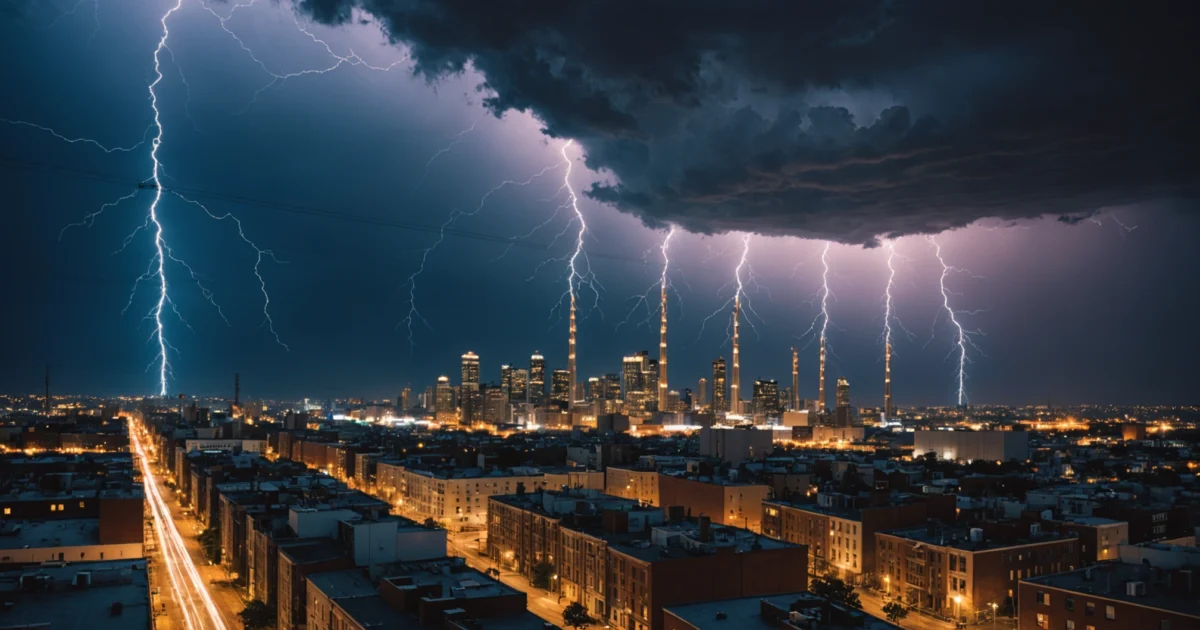
An electricity crisis occurs when electrical power supply fails to meet demand, creating widespread shortages that disrupt daily life and economic activity. Unlike temporary outages from storms or equipment failures, these systemic crises stem from deeper structural problems including aging infrastructure, supply chain disruptions, and inadequate generation capacity. Currently, regions across California, Texas, and parts of Europe face recurring electricity shortages driven by extreme weather, geopolitical tensions, and surging demand from economic recovery.
These crises manifest as rolling blackouts, skyrocketing energy costs, and industrial shutdowns. Furthermore, climate change intensifies the problem through heat waves that spike demand while droughts reduce hydroelectric generation. The ripple effects extend beyond inconvenience, threatening healthcare systems, disrupting education, and amplifying social inequality through energy poverty.
Understanding electricity crises requires examining both immediate triggers and long-term vulnerabilities in our power systems. Consequently, effective solutions demand coordinated efforts spanning emergency measures, infrastructure modernization, and policy reforms to build resilient electrical grids for the future.
TL;DR
- Electricity crises are systemic power supply failures affecting entire regions, not just temporary outages
- Current hotspots include California, Texas, and Europe due to aging infrastructure, extreme weather, and demand surges
- Root causes span climate impacts, fossil fuel disruptions, renewable intermittency, and underinvestment in grid modernization
- Solutions require both emergency measures (demand response, load shedding) and long-term infrastructure upgrades
What is an Electricity Crisis?
An electricity crisis represents a systemic breakdown in power supply that affects entire regions or nations for extended periods. Unlike temporary outages caused by storms or equipment failures, these crises stem from fundamental mismatches between electricity demand and available generation capacity. Moreover, they persist for weeks or months, creating cascading economic and social disruptions.
The distinction between routine blackouts and genuine electricity emergencies lies in their scope, duration, and underlying causes. Temporary outages typically result from localized equipment failures, weather events, or maintenance activities that utilities can quickly resolve. Conversely, electricity crises emerge from structural problems including inadequate generation capacity, aging transmission infrastructure, fuel supply disruptions, or overwhelming demand surges that exceed system capabilities.
Types of Electricity Crises
Electricity emergencies manifest in several distinct forms, each requiring different response strategies. Supply shortage crises occur when generation capacity falls below demand due to plant closures, fuel shortages, or equipment failures. These situations force utilities to implement rolling blackouts to prevent total grid collapse.
Demand surge crises develop when electricity consumption spikes beyond available supply, typically during extreme weather events. Heat waves drive air conditioning usage to record levels, while cold snaps increase heating demand dramatically. Additionally, economic recovery periods can trigger unexpected industrial electricity consumption that strains grid capacity.
Infrastructure failure crises result from transmission line failures, transformer explosions, or cyberattacks that disrupt power distribution networks. These events can isolate entire regions from available generation, creating localized shortages even when adequate power exists elsewhere in the system.
Crisis Escalation Pattern
Regional vs. National Scale Emergencies
Regional electricity crises affect specific states, provinces, or metropolitan areas while national emergencies threaten entire countries’ power systems. California’s recurring blackouts exemplify regional crises driven by wildfire risks, drought conditions, and aging infrastructure. Similarly, Texas experienced a devastating regional crisis in 2021 when winter storms overwhelmed the state’s isolated grid system.
National electricity emergencies typically emerge from widespread fuel shortages, coordinated attacks on critical infrastructure, or simultaneous equipment failures across multiple regions. Furthermore, these crises can trigger international concerns when they affect major economies or disrupt global supply chains dependent on reliable electricity access.
| Crisis Scale | Typical Duration | Primary Causes | Economic Impact |
|---|---|---|---|
| Local | Hours to days | Equipment failure, weather | Minimal |
| Regional | Days to weeks | Fuel shortage, demand surge | Moderate to severe |
| National | Weeks to months | Systemic infrastructure failure | Catastrophic |
Connection to Energy Security
Electricity crises represent the most visible manifestation of broader energy security vulnerabilities that threaten economic stability and national defense capabilities. These emergencies expose dependencies on imported fuels, aging infrastructure, and inadequate strategic reserves that compromise long-term energy independence.
Energy security encompasses reliable access to affordable electricity, fuel diversity, and resilient infrastructure capable of withstanding natural disasters or geopolitical disruptions. Consequently, electricity crises often trigger policy reviews focused on reducing import dependencies, modernizing grid systems, and developing domestic energy resources.
The interconnection between electricity reliability and national security becomes apparent during extended crises that threaten military installations, critical communications systems, and emergency services. Therefore, governments increasingly view electricity crisis prevention as essential to maintaining economic competitiveness and protecting citizen welfare in an interconnected world.
Current Global Electricity Crisis Landscape (2026)
The global electricity crisis continues to reshape energy markets worldwide as multiple regions grapple with unprecedented power shortages and grid instability. Furthermore, geopolitical tensions have intensified supply chain vulnerabilities while post-pandemic economic recovery drives electricity demand to historic levels across developed and emerging economies.
Countries and Regions Experiencing Critical Shortages
South Africa remains trapped in severe electricity crisis conditions with rolling blackouts affecting over 60 million citizens daily. Additionally, the state utility Eskom implements load shedding schedules that disrupt manufacturing, mining operations, and essential services across all nine provinces.
Pakistan faces mounting electricity shortages as aging infrastructure struggles to meet growing urban demand. Meanwhile, the country’s electricity crisis deepens due to fuel import constraints and inadequate generation capacity that leaves millions without reliable power access.
Several European nations continue managing electricity supply challenges following reduced Russian energy imports and nuclear plant maintenance delays. Consequently, countries like Germany and France implement demand reduction measures while accelerating renewable energy deployment to address structural vulnerabilities.
- Lebanon: Chronic electricity crisis with 2-4 hours daily supply
- Sri Lanka: Economic collapse triggers widespread power outages
- Venezuela: Infrastructure deterioration causes frequent blackouts
- Bangladesh: Summer demand peaks exceed generation capacity
- Iran: Sanctions impact electricity infrastructure modernization
Major Market Developments and Trends
China experiences regional electricity shortages as industrial recovery outpaces generation expansion in key manufacturing provinces. Moreover, extreme weather events stress grid systems while the transition from coal-fired plants creates temporary supply gaps in several regions.
The United States faces growing electricity reliability concerns as aging transmission infrastructure struggles with increased renewable integration and extreme weather frequency. Similarly, Texas continues grid modernization efforts following previous winter storm failures that exposed critical vulnerabilities.
India manages electricity demand growth exceeding 6% annually while balancing coal dependency reduction with renewable energy expansion. Therefore, several states implement rotating power cuts during peak summer months when air conditioning demand overwhelms available capacity.
Geopolitical Impact on Energy Supply Chains
The ongoing Russia-Ukraine conflict continues disrupting global energy markets as European nations reduce dependency on Russian natural gas used for electricity generation. Consequently, this geopolitical shift forces accelerated renewable deployment while creating short-term supply constraints across multiple regions.
Middle Eastern tensions threaten critical shipping routes for liquefied natural gas and coal shipments essential for electricity generation worldwide. Additionally, sanctions on major energy exporters create supply chain bottlenecks that increase fuel costs for power plants globally.
Trade disputes between major economies affect critical mineral supplies needed for renewable energy infrastructure and battery storage systems. Furthermore, these geopolitical tensions slow the transition to cleaner electricity sources while maintaining dependence on volatile fossil fuel markets.
Post-Pandemic Recovery Effects
Industrial electricity demand surged beyond pre-pandemic levels as manufacturing sectors accelerated production to address supply chain backlogs. Meanwhile, remote work patterns shifted residential consumption higher while commercial building usage patterns changed permanently in many urban areas.
Healthcare facilities maintain elevated electricity consumption for enhanced ventilation systems and medical equipment upgrades implemented during the pandemic. Similarly, data centers experience unprecedented growth as digital transformation accelerates across all economic sectors requiring massive electricity infrastructure expansion.
Economic stimulus programs drive construction and manufacturing activities that increase electricity demand faster than anticipated in recovery planning models. Therefore, many regions struggle to balance rapid demand growth with infrastructure investment timelines needed for adequate generation capacity.
Emerging Global Consumption Patterns
Electric vehicle adoption accelerates globally with over 14 million units sold in 2025, creating new peak demand challenges for residential and commercial charging infrastructure. Consequently, utilities implement time-of-use pricing and smart charging programs to manage grid impacts from transportation electrification.
Cryptocurrency mining operations consume approximately 150 TWh annually worldwide, equivalent to entire countries’ electricity consumption and creating localized grid stress in regions with cheap power. Additionally, artificial intelligence and cloud computing expansion drives data center electricity demand growth exceeding 10% annually in major technology hubs.
Climate change adaptation measures increase electricity consumption as cooling demands rise globally while extreme weather events require enhanced grid resilience investments. Furthermore, industrial processes electrify to reduce carbon emissions, shifting energy demand patterns while challenging existing infrastructure capacity planning assumptions.
Root Causes of Electricity Crises
Multiple interconnected factors drive modern electricity crises across global power systems. Understanding these root causes reveals why power shortages occur and helps identify solutions for preventing future disruptions.
Infrastructure Decay and Maintenance Failures
Aging electrical infrastructure creates the foundation for most power system failures worldwide. Moreover, transmission lines, transformers, and generation equipment installed decades ago operate beyond their intended lifespans without adequate modernization investments.
Deferred maintenance programs compound infrastructure vulnerabilities as utilities postpone critical upgrades to reduce operational costs. Consequently, equipment failures increase during peak demand periods when stressed components cannot handle maximum loads safely.
Critical Infrastructure Stats
Demand-Supply Imbalances
Rapid electricity demand growth outpaces generation capacity expansion in many regions experiencing economic development or population increases. Furthermore, planning processes often underestimate consumption growth rates, creating persistent supply shortfalls during peak usage periods.
Industrial electrification accelerates demand while renewable energy transitions require backup generation capacity that many regions lack. Additionally, extreme weather events drive unprecedented cooling and heating loads that exceed historical planning assumptions for grid capacity requirements.
Climate Change Impacts
Extreme weather events disrupt electricity generation and transmission systems with increasing frequency and severity. Heat waves reduce thermal power plant efficiency while simultaneously driving record cooling demands that stress grid capacity limits.
Drought conditions severely impact hydroelectric generation capacity, reducing available power supplies in regions dependent on water-based electricity production. Similarly, wildfires threaten transmission infrastructure while forcing preemptive power shutoffs to prevent equipment from igniting additional fires.
Winter storms freeze natural gas supplies and damage wind turbines, creating generation shortfalls precisely when heating demands peak across affected regions. Therefore, climate adaptation strategies must address both supply vulnerabilities and demand volatility simultaneously.
Fuel Supply Disruptions
Fossil fuel supply chains experience disruptions from geopolitical conflicts, transportation bottlenecks, and market manipulation that directly impact electricity generation costs and availability. Natural gas price volatility particularly affects regions heavily dependent on gas-fired power plants for baseload generation.
Coal supply shortages create generation capacity reductions while oil price spikes increase operational costs for backup diesel generators during peak demand periods. Moreover, international energy market disruptions cascade through interconnected power systems, affecting electricity prices and reliability across multiple countries.
Renewable Energy Integration Challenges
Renewable energy intermittency creates grid stability challenges as wind and solar generation fluctuates with weather conditions rather than demand patterns. Consequently, power systems require flexible backup generation and energy storage solutions that many regions currently lack.
Grid operators struggle to balance renewable energy variability with consistent electricity demand, particularly during evening peak periods when solar generation decreases rapidly. Additionally, transmission infrastructure often cannot efficiently transport renewable energy from generation sites to population centers requiring power.
Policy and Regulatory Failures
Energy planning failures result from inadequate long-term capacity forecasting and insufficient coordination between generation, transmission, and distribution investments. Regulatory frameworks often prioritize short-term cost reductions over long-term grid resilience and reliability improvements.
Market deregulation creates investment uncertainties that discourage private sector infrastructure development while public sector funding remains insufficient for necessary grid modernization projects. Furthermore, permitting delays slow critical infrastructure projects, extending the gap between capacity needs and available generation resources.
Grid Modernization Investment Gaps
Underinvestment in grid modernization leaves power systems vulnerable to cascading failures and unable to integrate distributed energy resources effectively. Smart grid technologies remain underdeveloped in many regions, limiting operators’ ability to respond dynamically to changing supply and demand conditions.
Energy storage deployment lags behind renewable generation expansion, creating grid balancing challenges that contribute to reliability problems. Therefore, coordinated investments in generation, transmission, distribution, and storage infrastructure are essential for preventing future electricity crises and ensuring power system resilience.
Economic and Social Impacts
An electricity crisis triggers cascading economic disruptions that ripple through every sector of society. Manufacturing facilities face production shutdowns when power supplies become unreliable, forcing companies to halt assembly lines and reduce output capacity. Industrial operations require consistent electricity to maintain production schedules, and frequent outages create supply chain bottlenecks that affect downstream businesses.
Small businesses suffer disproportionately during power shortages because they lack backup generation systems that larger corporations typically maintain. Restaurant owners lose perishable inventory when refrigeration systems fail, while retail stores cannot process electronic transactions during blackouts. Consequently, many small enterprises face temporary closures that result in immediate revenue losses and long-term customer relationship damage.
Household Financial Burden
Families experience dramatic increases in electricity bills as utility companies implement emergency pricing mechanisms during supply shortages. Peak demand pricing forces households to pay premium rates for power consumption during critical periods, straining household budgets already affected by inflation pressures.
Energy poverty emerges when families cannot afford rising electricity costs, forcing difficult choices between heating, cooling, and other essential needs. Low-income households spend a higher percentage of their income on energy expenses, making them particularly vulnerable to price volatility during crisis periods.
Healthcare System Vulnerabilities
Healthcare facilities depend on uninterrupted power supplies to operate life-support equipment, maintain medication refrigeration, and provide critical patient care services. Hospitals activate emergency generators during outages, but extended power shortages strain backup systems and increase operational costs significantly.
Medical procedures require postponement when electricity supplies become unreliable, creating patient care backlogs that affect treatment outcomes. Additionally, power outages disrupt electronic health record systems, forcing healthcare providers to rely on manual documentation processes that slow patient care delivery.
Educational and Employment Disruptions
Schools close during extended power outages, disrupting educational continuity and forcing parents to arrange alternative childcare arrangements. Remote learning becomes impossible when households lack electricity to power computers and internet connections, widening educational gaps between students with and without backup power resources.
Remote work arrangements collapse during electricity shortages, forcing employees to seek alternative work locations or accept productivity losses. Companies experience reduced operational efficiency when workers cannot access digital systems and communication platforms necessary for modern business operations.
Inflation and Economic Inequality
Energy cost increases drive broader inflation pressures throughout the economy as businesses pass higher electricity expenses to consumers through increased product and service prices. Transportation costs rise when fuel production facilities experience power disruptions, affecting goods delivery and commuting expenses.
Social inequality intensifies during electricity crises because wealthy households can afford backup generators and alternative energy sources while low-income families endure prolonged power outages. This disparity creates unequal access to essential services like refrigeration, heating, cooling, and internet connectivity that modern life requires.
Furthermore, employment opportunities decrease as businesses reduce operations or relocate to areas with more reliable power supplies. Economic recovery becomes slower in regions affected by persistent electricity shortages, creating long-term development challenges that extend beyond the immediate crisis period.
Regional Case Studies
Examining real-world electricity crises across different regions reveals critical patterns in how power system failures occur and how governments respond. These case studies demonstrate that electricity shortages affect both developed and developing nations, though the underlying causes and recovery strategies vary significantly based on economic conditions, infrastructure quality, and policy frameworks.
California’s Recurring Power Crisis
California has experienced multiple electricity crises since 2000, with the most severe occurring during 2000-2001 and recurring shortages in recent years during extreme weather events. The state’s deregulated electricity market created vulnerabilities that energy companies exploited, leading to artificial scarcity and price manipulation that cost consumers billions of dollars.
Additionally, climate change has intensified California’s electricity challenges through increased wildfire risks and extreme heat events. Power companies now implement Public Safety Power Shutoffs during high wind conditions to prevent equipment from sparking fires, leaving millions without electricity for days. These preventive blackouts affect rural communities disproportionately while urban areas maintain more reliable backup systems.
California’s response includes aggressive renewable energy targets, battery storage investments, and grid modernization programs. However, the state continues struggling with peak demand periods when solar generation decreases and air conditioning usage peaks during evening hours.
Texas Winter Storm Grid Failure
The February 2021 Texas winter storm demonstrated how extreme weather can overwhelm electricity systems not designed for unusual conditions. Freezing temperatures caused natural gas production facilities, wind turbines, and coal plants to fail simultaneously, creating cascading failures across the state’s isolated grid system.
Over 4.5 million Texans lost power during the crisis, with some areas experiencing outages lasting more than a week. The Electric Reliability Council of Texas (ERCOT) implemented rolling blackouts that became prolonged outages when generation capacity dropped below critical levels. Water treatment plants failed without electricity, creating secondary humanitarian crises.
Consequently, Texas has implemented new winterization requirements for power plants and improved coordination between electricity and natural gas systems. Nevertheless, critics argue that the state’s deregulated market structure still prioritizes profits over reliability investments needed for extreme weather resilience.
European Energy Crisis and Market Reforms
Europe’s 2022 energy crisis stemmed from geopolitical conflicts disrupting natural gas supplies from Russia, which previously provided 40% of the continent’s gas imports. Electricity prices reached unprecedented levels as gas-fired power plants set marginal pricing across interconnected European markets.
Germany faced particular challenges after shutting down nuclear plants while maintaining dependence on Russian gas for electricity generation. The country accelerated renewable energy deployment and signed new liquefied natural gas import agreements to reduce supply vulnerabilities. Energy rationing plans targeted industrial users first to preserve residential electricity access.
European Union responses include emergency market interventions, coordinated gas purchasing mechanisms, and accelerated renewable energy targets under the REPowerEU plan. These reforms aim to eliminate Russian fossil fuel imports by 2030 while building strategic energy reserves.
Developing Countries’ Access Challenges
Approximately 733 million people worldwide lack access to electricity, with the majority concentrated in sub-Saharan Africa and rural areas of developing nations. These regions face chronic electricity shortages rather than acute crisis events, limiting economic development and quality of life improvements.
Nigeria exemplifies these challenges despite being Africa’s largest oil producer. The country generates only 4,000-5,000 megawatts for over 200 million people, compared to South Africa’s 45,000 megawatts for 60 million people. Frequent grid failures force businesses and households to rely on expensive diesel generators, increasing energy costs and pollution.
Meanwhile, innovative solutions emerge through off-grid solar systems and mini-grids that bypass traditional centralized infrastructure. Countries like Bangladesh and Kenya demonstrate how distributed renewable energy can provide electricity access more rapidly than extending conventional power lines to remote areas.
China’s Power Shortage and Industrial Impact
China experienced severe electricity shortages in 2021 affecting 20 provinces and forcing factory shutdowns across manufacturing regions. The crisis resulted from coal supply constraints, environmental regulations limiting coal plant operations, and strong export demand increasing industrial electricity consumption.
Government price controls on electricity prevented utilities from passing higher coal costs to industrial customers, creating financial losses that discouraged power generation. Dual control policies limiting energy consumption and intensity targets forced local governments to implement emergency power cuts to meet annual goals.
China’s response included allowing electricity price adjustments, increasing coal production, and accelerating renewable energy investments. The government also reformed electricity markets to improve price signals and reduce administrative intervention in power sector operations.
Successful Crisis Management Examples
Denmark provides a model for electricity crisis prevention through diversified energy sources, robust grid infrastructure, and strong regional interconnections. The country maintains strategic reserves and demand response programs that automatically reduce consumption during supply shortages.
Similarly, Singapore demonstrates effective crisis management through comprehensive emergency planning, diversified fuel imports, and advanced grid monitoring systems. The city-state maintains multiple natural gas supply sources and strategic petroleum reserves while investing in regional electricity interconnections.
Furthermore, Costa Rica achieved nearly 100% renewable electricity generation while maintaining grid stability through hydroelectric diversity, regional power trading, and demand management programs. These examples show that proactive planning, infrastructure investment, and policy coordination can prevent electricity crises rather than merely responding after failures occur.
Short-term Solutions and Emergency Measures
When electricity crises strike, grid operators implement immediate response strategies to prevent widespread blackouts and maintain system stability. These emergency measures provide critical breathing room while longer-term solutions develop. Demand response programs represent the first line of defense, automatically reducing electricity consumption during peak stress periods.
Demand Response and Conservation Programs
Voluntary conservation campaigns mobilize public participation through media alerts, smartphone notifications, and financial incentives. These programs typically reduce demand by 5-15% during critical periods. Moreover, automated demand response systems instantly curtail non-essential loads in commercial buildings, manufacturing facilities, and residential smart devices.
Industrial customers participate through interruptible service agreements that provide discounted electricity rates in exchange for load reduction commitments. Furthermore, time-of-use pricing shifts electricity consumption away from peak hours by charging higher rates during stress periods and lower rates during off-peak times.
Rolling Blackouts and Load Shedding
When demand reduction proves insufficient, grid operators implement rolling blackouts to prevent complete system collapse. These controlled outages rotate power cuts across different geographic areas, typically lasting 1-4 hours per location. Load shedding strategies prioritize critical infrastructure including hospitals, emergency services, and water treatment facilities.
Emergency Protocol
Advanced grid management systems enable precise load shedding through automated switching equipment. Additionally, smart grid technologies allow operators to disconnect specific customer segments while maintaining power to critical loads within the same distribution network.
Emergency Power Generation Deployment
Peaking power plants provide rapid-response electricity generation during crisis situations. These facilities, often fueled by natural gas or diesel, can start generating power within minutes of activation. Similarly, mobile generation units deploy to specific locations experiencing severe shortages or equipment failures.
Emergency generators at critical facilities activate automatically during outages, maintaining power for hospitals, data centers, and telecommunications infrastructure. Furthermore, distributed generation resources including backup generators and microgrids provide localized power during grid emergencies.
Grid Interconnection and Import Strategies
Cross-border electricity imports provide immediate relief during domestic supply shortages. Regional transmission networks enable power sharing between neighboring states or countries with surplus generation capacity. Grid interconnections facilitate these emergency power transfers through high-voltage transmission lines.
International power trading agreements establish protocols for emergency electricity assistance. These arrangements specify pricing mechanisms, delivery schedules, and technical requirements for cross-border power flows during crisis periods.
Energy Storage and Peak Shaving
Battery energy storage systems provide instant power injection during supply emergencies. These installations discharge stored electricity within milliseconds, helping stabilize grid frequency and voltage. Peak shaving reduces maximum demand by strategically timing energy storage discharge during high-consumption periods.
Pumped hydro storage facilities release water through turbines to generate emergency power. Additionally, compressed air energy storage systems provide longer-duration backup power by releasing stored compressed air through generators during crisis situations.
Emergency measures can reduce electricity demand by 20-30% within hours of implementation
These short-term solutions buy valuable time for addressing underlying causes of electricity crises. However, their effectiveness depends on advance planning, infrastructure investment, and coordinated implementation across multiple stakeholders in the power system.
Long-term Structural Solutions
Addressing the electricity crisis requires comprehensive structural reforms that transform how power systems generate, distribute, and consume energy. Furthermore, these long-term solutions create resilient infrastructure capable of preventing future electricity shortages while supporting economic growth and environmental sustainability.
Grid Modernization and Smart Technologies
Smart grid technologies revolutionize electricity distribution through advanced sensors, automated controls, and real-time monitoring systems. These intelligent networks detect power outages within seconds and automatically reroute electricity through alternative pathways. Moreover, smart meters enable two-way communication between utilities and consumers, providing detailed consumption data that optimizes grid operations.
Grid modernization projects replace aging transmission lines with high-capacity conductors and digital switching equipment. Additionally, these upgrades incorporate predictive maintenance systems that identify potential equipment failures before they cause widespread blackouts.
Diversified Energy Portfolio Development
Energy diversification reduces dependence on single fuel sources that create vulnerability during supply disruptions. Consequently, balanced portfolios combine renewable energy sources, natural gas, nuclear power, and emerging technologies like hydrogen fuel cells. This approach ensures electricity generation continues even when specific fuel types become unavailable or expensive.
- Solar photovoltaic installations provide daytime peak power generation
- Wind farms deliver consistent electricity during favorable weather conditions
- Hydroelectric facilities offer reliable baseload power and flood control benefits
- Nuclear plants supply carbon-free electricity for decades without fuel price volatility
Massive Renewable Energy Expansion
Renewable energy capacity expansion addresses both electricity crisis prevention and climate change mitigation simultaneously. Large-scale solar farms now generate electricity at costs below traditional fossil fuel plants in many regions. Similarly, offshore wind projects harness stronger, more consistent winds to produce substantial amounts of clean electricity.
Renewable energy capacity must increase by 300% globally by 2030 to meet electricity demand growth
Utility-scale renewable projects require significant upfront investment but deliver electricity at stable, predictable costs for 20-30 years. Therefore, these installations protect consumers from fossil fuel price volatility that often triggers electricity crises.
Advanced Energy Storage Integration
Energy storage systems solve the intermittency challenge that limits renewable energy deployment during electricity crises. Battery storage facilities store excess solar and wind generation during peak production periods, then discharge electricity when renewable output decreases. Furthermore, grid-scale storage provides frequency regulation services that maintain power quality across transmission networks.
| Storage Technology | Duration | Best Applications |
|---|---|---|
| Lithium-ion batteries | 1-4 hours | Frequency regulation, peak shaving |
| Pumped hydro storage | 6-12 hours | Long-duration backup power |
| Compressed air systems | 8-24 hours | Seasonal energy storage |
Demand-Side Management Programs
Demand-side management reduces electricity consumption during peak periods through energy efficiency programs and smart consumption technologies. These initiatives include rebates for efficient appliances, building weatherization projects, and industrial process optimization. Additionally, time-of-use pricing encourages consumers to shift electricity usage away from peak demand periods.
Smart thermostats automatically adjust heating and cooling systems based on grid conditions and electricity prices. Similarly, electric vehicle charging systems can delay charging during peak hours, reducing strain on the electrical grid when demand typically exceeds supply capacity.
Distributed Generation and Microgrids
Distributed generation places electricity production closer to consumption points, reducing transmission losses and improving system reliability. Rooftop solar installations, small wind turbines, and combined heat and power systems create local electricity sources that continue operating during grid outages. Meanwhile, microgrids connect distributed resources to provide backup power for critical facilities like hospitals and emergency services.
Community solar projects enable multiple households to share renewable energy systems without individual rooftop installations. These shared facilities reduce electricity costs while building local energy resilience that protects against regional power system failures.
Regional Grid Interconnection Projects
Regional transmission expansion creates larger electricity markets that share generation resources across wider geographic areas. Grid interconnection projects link previously isolated power systems, enabling electricity transfers from regions with surplus generation to areas experiencing shortages. These connections also facilitate renewable energy integration by balancing wind and solar variability across different climate zones.
High-voltage direct current transmission lines efficiently transport electricity over long distances with minimal losses. Consequently, these projects enable renewable energy development in remote areas with excellent wind or solar resources, then deliver clean electricity to population centers hundreds of miles away.
Policy Reforms and Market Improvements
Market mechanism improvements create economic incentives for reliable electricity supply and efficient resource allocation. Capacity markets compensate power plants for maintaining generation availability during peak demand periods, ensuring adequate reserves exist during potential crisis situations. Furthermore, performance-based rates reward utilities for system reliability improvements and penalize poor service quality.
Regulatory reforms streamline permitting processes for transmission projects and renewable energy installations. These policy changes accelerate infrastructure development that strengthens grid resilience against future electricity crises while supporting clean energy transitions.
Implementation Timeline
Future Outlook and Prevention Strategies
Electricity demand projections indicate significant growth through 2030-2050, with global consumption expected to increase by 28% by 2040. Moreover, electrification of transportation and heating systems will drive additional demand growth, particularly in developed economies. Peak demand periods will intensify as extreme weather events become more frequent, requiring substantial capacity additions to prevent future electricity crisis scenarios.
Developing nations face the steepest demand increases, with electricity consumption projected to double in regions like Southeast Asia and sub-Saharan Africa. Consequently, these areas require massive infrastructure investments to build reliable power systems from the ground up while avoiding the reliability challenges that plague aging grids elsewhere.
Technology Innovations Transforming Power Systems
Advanced energy storage technologies revolutionize grid stability and renewable energy integration capabilities. Grid-scale battery systems now provide rapid response services that prevent cascading failures during supply-demand imbalances. Additionally, pumped hydro storage and compressed air energy storage offer long-duration backup power that reduces electricity crisis risks during extended renewable energy lulls.
Hydrogen production and storage create new pathways for seasonal energy storage and industrial decarbonization. Furthermore, green hydrogen facilities can consume excess renewable electricity during peak generation periods, then provide dispatchable power through fuel cells when renewable output decreases.
Emerging Grid Technologies
Nuclear fusion research progresses toward commercial viability, potentially providing abundant clean electricity by the 2040s. Small modular reactors offer near-term nuclear deployment options with enhanced safety features and reduced construction timelines compared to traditional nuclear plants.
Climate Resilience and Infrastructure Hardening
Climate resilience planning incorporates extreme weather projections into electrical infrastructure design standards. Weatherization programs protect power plants and transmission equipment from temperature extremes, flooding, and severe storms that trigger electricity crisis events. Underground power lines reduce outage risks from wind damage, though installation costs remain significantly higher than overhead alternatives.
Distributed generation networks enhance system resilience by reducing dependence on centralized power plants and long-distance transmission. Microgrids can isolate from the main grid during emergencies, maintaining electricity service to critical facilities like hospitals and emergency services.
- Flood-resistant substation designs protect critical switching equipment
- Fire-resistant vegetation management reduces wildfire transmission risks
- Seismic upgrades strengthen infrastructure in earthquake-prone regions
- Cybersecurity enhancements protect against digital attacks on grid systems
Investment Requirements and Financing Strategies
Global electricity infrastructure requires $28 trillion in investments through 2040 to meet growing demand and climate goals. Transmission and distribution upgrades account for approximately 60% of these investment needs, while generation capacity additions comprise the remainder. Private sector financing becomes increasingly important as public budgets face competing priorities.
Green bonds and climate financing mechanisms mobilize capital for clean electricity projects that reduce long-term crisis risks. International development banks provide concessional financing for developing country grid modernization, recognizing electricity access as fundamental to economic development.
International Cooperation and Energy Security
International cooperation frameworks enhance energy security through shared resources and coordinated crisis response mechanisms. Regional electricity markets enable cross-border power trading that balances supply and demand across wider geographic areas. Emergency mutual assistance agreements provide backup generation during natural disasters or equipment failures.
Technology sharing accelerates clean energy deployment in developing countries while reducing global electricity crisis risks. International standards for grid interconnection facilitate equipment compatibility and operational coordination between neighboring power systems.
Early Warning Systems and Crisis Preparedness
Advanced forecasting systems predict electricity supply-demand imbalances days or weeks in advance, enabling proactive crisis prevention measures. Weather monitoring networks track conditions that affect renewable energy output and electricity demand patterns. Load forecasting models incorporate economic activity, temperature trends, and seasonal variations to anticipate peak demand periods.
Emergency response protocols coordinate utility actions during developing crisis situations. Demand response programs automatically reduce non-essential electricity consumption when grid stress occurs, preventing the need for rolling blackouts or system-wide failures.
Artificial Intelligence in Grid Management
Artificial intelligence transforms electricity grid operations through real-time optimization and predictive maintenance capabilities. Machine learning algorithms analyze vast datasets from smart meters, sensors, and weather stations to optimize power flow and prevent equipment failures. AI-powered systems detect anomalies that could lead to cascading outages, enabling rapid corrective actions.
Predictive analytics identify transmission lines and transformers at risk of failure before breakdowns occur. Consequently, utilities can schedule maintenance during low-demand periods rather than experiencing unexpected outages during peak consumption times.
Digital twins create virtual replicas of power systems that enable scenario testing and optimization without risking actual grid stability. These simulations help operators prepare for various crisis scenarios and develop effective response strategies before emergencies occur.
Frequently Asked Questions
What is causing the current energy crisis?
The current energy crisis stems from multiple interconnected factors including aging electrical infrastructure, extreme weather events intensified by climate change, and supply chain disruptions affecting power generation equipment. Additionally, the rapid economic recovery following global disruptions has created unexpected demand surges that exceed available generation capacity in many regions.
How is an electricity crisis different from a regular power outage?
An electricity crisis is a systemic breakdown affecting entire regions for weeks or months, while regular outages are temporary disruptions lasting hours or days. Crises result from fundamental mismatches between supply and demand, whereas outages typically stem from localized equipment failures, storms, or maintenance activities that utilities can quickly resolve.
Does the U.S. have an electricity shortage?
Yes, certain U.S. regions face recurring electricity shortages. California and Texas have experienced significant power supply challenges due to extreme weather, aging infrastructure, and surging demand. These regional shortages manifest as rolling blackouts, especially during peak summer months when air conditioning demand spikes dramatically.
What are the main types of electricity crises?
- Supply shortage crises: Generation capacity falls below demand due to plant closures or fuel shortages
- Demand surge crises: Consumption spikes beyond available supply during extreme weather
- Infrastructure failure crises: Transmission failures or cyberattacks disrupt power distribution
Is there going to be a blackout in 2030?
While predicting specific blackouts is impossible, energy experts warn that grid vulnerabilities may increase through 2030 without significant infrastructure investments. The transition to renewable energy, aging transmission systems, and increasing extreme weather events create potential risks that require proactive planning and modernization efforts.
What regions are most affected by electricity crises today?
Currently, California, Texas, and parts of Europe face the most significant electricity challenges. These regions experience recurring shortages due to extreme weather patterns, geopolitical tensions affecting energy supplies, and surging demand from economic recovery combined with inadequate infrastructure modernization.
How does climate change contribute to electricity crises?
Climate change intensifies electricity crises through multiple pathways. Heat waves dramatically increase air conditioning demand while simultaneously reducing power plant efficiency. Droughts decrease hydroelectric generation capacity, and extreme weather events damage transmission infrastructure, creating a perfect storm of increased demand and reduced supply.
What are rolling blackouts and why do they happen?
Rolling blackouts are controlled power shutoffs that utilities implement to prevent total grid collapse when demand exceeds supply. By systematically cutting power to different areas for short periods, utilities can balance the electrical grid and avoid a complete system failure that would take much longer to restore.
How do electricity crises impact healthcare and essential services?
Electricity crises pose severe threats to healthcare systems by disrupting medical equipment, compromising vaccine storage, and limiting emergency response capabilities. Hospitals rely on backup generators, but extended outages can exhaust fuel supplies. Additionally, communication systems, water treatment facilities, and transportation networks all depend on reliable electricity.
What solutions exist for preventing electricity crises?
- Emergency measures: Demand response programs and strategic load shedding
- Infrastructure upgrades: Grid modernization and transmission capacity expansion
- Diversified generation: Multiple energy sources to reduce dependency risks
- Energy storage: Battery systems to balance supply and demand fluctuations
Will we run out of oil by 2050?
While oil reserves won’t be completely depleted by 2050, the transition to renewable energy is accelerating due to climate concerns and technological advances. This shift affects electricity generation as many regions reduce reliance on oil-fired power plants, creating both challenges and opportunities for grid stability during the transition period.
How can individuals prepare for electricity crises?
Individuals can prepare by creating emergency power plans including battery backups for essential devices, non-perishable food supplies, and alternative heating/cooling methods. Installing solar panels with battery storage, reducing peak-hour electricity usage, and staying informed about utility emergency alerts also help mitigate crisis impacts.
What role does renewable energy play in electricity crises?
Renewable energy presents both solutions and challenges for electricity crises. While solar and wind reduce dependence on fossil fuels, their intermittent nature can create grid stability issues without adequate storage systems. However, distributed renewable generation can enhance grid resilience by reducing reliance on centralized power plants vulnerable to failures.
You May Also Like
How to Make Solar Panel with Aluminum Foil (Why It Won’t Work)
How to Get Out of a Solar Lease: Complete Exit Guide 2026