Best Women’s Cycling Clothing: Comfortable & Stylish Gear

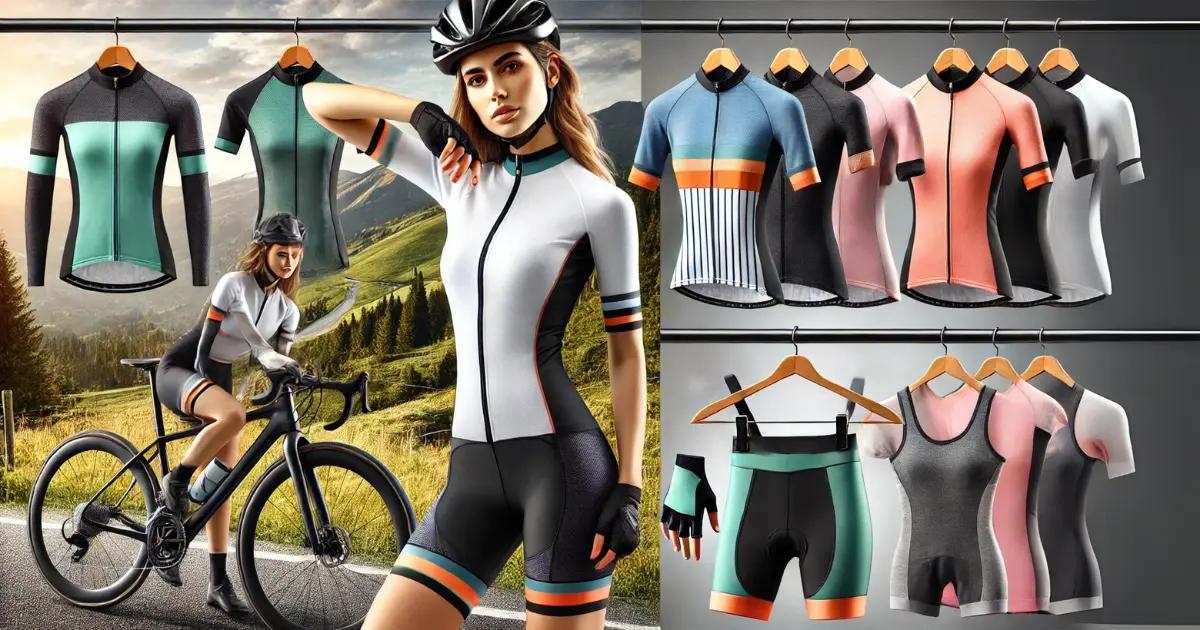
Finding the right women’s cycling clothing can transform your riding experience from uncomfortable and distracting to enjoyable and performance-enhancing. Whether you’re a seasoned road cyclist, mountain biker, or casual commuter, investing in quality cycling apparel designed specifically for women’s bodies makes all the difference in comfort, confidence, and performance. The best women’s cycling clothing combines technical features that prevent chafing and regulate temperature with flattering cuts that make you feel as good as you look on the bike. From moisture-wicking jerseys to padded shorts with chamois designed for female anatomy, the right gear adapts to your riding style and the changing seasons while providing the durability to withstand countless miles.
What Makes Women's Cycling Clothing Different from Men's
Women’s cycling clothing isn’t simply men’s gear in smaller sizes or different colors—it’s engineered with fundamental anatomical differences in mind. The most significant distinction lies in the torso proportions, where women typically have shorter torsos relative to their height, requiring adjusted jersey lengths and different shoulder-to-waist ratios. Quality women’s cycling jerseys feature narrower shoulders, a more tapered waist, and additional length in the back to accommodate the forward-leaning cycling position without riding up.
The chamois padding in women’s cycling shorts represents perhaps the most critical difference. Women’s chamois are designed with different padding placement, density, and shape to support the female sit bones, which are typically wider-set than men’s. The padding extends further forward and is shaped to prevent pressure on sensitive areas while providing cushioning exactly where women need it most during long rides.
Breast support is another essential consideration that sets women’s cycling apparel apart. Many cycling jerseys incorporate built-in shelf bras or are designed to work seamlessly with sports bras, with seam placement that avoids irritation. The fabric panels are strategically placed to provide support without compression that restricts breathing, and zippers are positioned to prevent uncomfortable rubbing.
Hip and thigh proportions also differ significantly between genders, which affects how cycling shorts fit. Women’s cycling shorts feature wider leg openings and different elastic placement to accommodate fuller hips and thighs without creating pressure points or restricting circulation. The waistband sits higher on women’s shorts to provide better coverage and prevent gapping at the back when in the riding position.
Essential Features to Look for in Women's Cycling Apparel
When shopping for the best cycling apparel for women, certain features separate mediocre gear from exceptional performance wear. Moisture-wicking fabric should be your first priority—look for materials that pull sweat away from your skin and allow it to evaporate quickly. Polyester blends, merino wool, and specialized synthetic fabrics keep you dry and comfortable while preventing the clammy feeling that cotton creates.
A quality four-way stretch fabric moves with your body through the full range of cycling motion without binding or restricting movement. This elasticity is particularly important in areas like the shoulders, lower back, and knees where you need maximum flexibility. The fabric should return to its original shape after stretching, maintaining its fit ride after ride.
Flatlock or seamless construction minimizes chafing during long rides. Traditional seams can create friction points that become increasingly uncomfortable over time, especially in high-movement areas. The best women’s cycling clothing uses flatlock stitching that lies flat against the skin or employs seamless knitting technology in critical zones like the inner thighs and underarms.
Reflective elements enhance visibility during early morning or evening rides. Look for strategically placed reflective strips, logos, or piping that catches light from multiple angles. Some premium brands incorporate reflective threads woven directly into the fabric for 360-degree visibility without compromising the garment’s aesthetic appeal.
Adequate pocket storage keeps essentials accessible without requiring a backpack. Most cycling jerseys feature three rear pockets sized to hold energy gels, phones, keys, and small tools. Some designs add a zippered security pocket for valuables or a side pocket for easy access while riding. The pockets should be positioned to distribute weight evenly and prevent sagging.
UPF sun protection is increasingly important for cyclists who spend hours outdoors. Fabrics with built-in UV protection shield your skin from harmful rays without requiring constant sunscreen reapplication on covered areas. Look for garments with UPF ratings of 30 or higher for adequate protection during long rides.
Best Women's Cycling Jerseys for Comfort and Performance
The right women’s cycling jersey balances aerodynamics, comfort, and style while keeping you cool or warm depending on conditions. Short-sleeve jerseys remain the most versatile option for spring through fall riding, with lightweight, breathable fabrics that handle temperatures from 60-85°F. Leading brands like Castelli, Rapha, and Pearl Izumi offer women’s-specific cuts that eliminate excess fabric while providing a flattering fit that doesn’t feel restrictive.
For summer riding in hot conditions, look for jerseys with mesh panels strategically placed along the sides and back for maximum ventilation. Sleeveless options or those with a women’s cycling jersey sleeveless design provide even more cooling when temperatures soar above 85°F. Brands like Giordana and Assos incorporate advanced cooling fabrics that feel noticeably cooler against the skin than standard polyester.
A women’s cycling jersey long sleeve design extends your riding season into cooler months and provides sun protection during summer. Mid-weight long-sleeve jerseys work well for temperatures between 50-65°F, while lightweight long-sleeve options offer sun protection without overheating in warmer weather. Look for designs with extended cuffs that stay in place and thumb loops that prevent sleeves from riding up.
The Pearl Izumi women’s cycling jersey line exemplifies quality at various price points, offering options from budget-friendly Select series to premium PRO models. Their jerseys consistently receive high marks for fit, durability, and thoughtful features like dropped rear hems and silicone gripper tape that keeps jerseys in place without feeling tight.
For those seeking specialized women’s cycling clothing with a focus on style without sacrificing performance, boutique brands offer unique designs that stand out from traditional cycling aesthetics. These brands prove you don’t have to choose between looking good and riding well—you can have both with the right jersey selection.
Features That Define Top-Rated Jerseys
Premium jerseys incorporate graduated compression that supports muscles without restricting movement or breathing. This subtle compression reduces fatigue during long rides and aids recovery afterward. The compression should feel supportive rather than tight, with more compression in the arms and torso than around the chest.
Full-length zippers offer maximum ventilation control, allowing you to regulate temperature by opening or closing the zipper as conditions change. Half-zippers work well for cooler weather when you won’t need to fully open the jersey, and they typically cost less while reducing weight. Some designs feature two-way zippers that open from the bottom for additional ventilation options.
Dropped rear hems provide extra coverage in the riding position, preventing the jersey from riding up and exposing your lower back. This feature is particularly important for women’s jerseys, as the forward-leaning position can cause standard-length jerseys to pull up uncomfortably. The best designs add 2-4 inches of extra length at the back while maintaining a flattering cut.
Top-Rated Women's Cycling Shorts and Bibs
Women’s cycling shorts represent perhaps the most important investment in your cycling wardrobe, as the right pair prevents saddle discomfort that can ruin rides and discourage you from cycling altogether. Quality cycling shorts feature multi-density chamois padding that provides cushioning where you need it most while remaining thin enough to avoid feeling bulky or interfering with pedaling efficiency.
Bib shorts offer several advantages over traditional waist-band shorts, including elimination of waist pressure, better jersey-to-shorts integration, and no risk of the waistband rolling down during rides. The shoulder straps distribute weight evenly and keep the chamois positioned correctly throughout your ride. Modern women’s bib designs incorporate easy-access features for bathroom breaks, addressing what was once a significant drawback of bib-style shorts.
The chamois quality varies dramatically between budget and premium shorts. Entry-level chamois typically use single-density foam that compresses quickly and provides limited support during rides longer than an hour. Mid-range options incorporate dual-density padding with firmer foam in high-pressure areas and softer cushioning elsewhere. Premium chamois feature multiple foam densities, antibacterial treatments, and seamless construction that prevents any irritation even during century rides.
Leg gripper design significantly affects comfort and performance. Silicone grippers should be wide enough (at least 2 inches) to distribute pressure evenly without creating a tourniquet effect. Some brands use raw-edge construction where the fabric itself provides grip without separate elastic bands, creating a smooth transition that’s virtually invisible under clothing and eliminates pressure lines.
Shorts Length and Style Considerations
Standard cycling shorts typically measure 7-9 inches in inseam length, providing adequate coverage while allowing full range of motion. Longer shorts (10-12 inches) offer more sun protection and coverage for riders who prefer a more modest look, while shorter versions (5-6 inches) work well for indoor cycling or hot weather riding when maximum ventilation is priority.
Compression level affects both comfort and performance. Moderate compression supports muscles and reduces vibration fatigue without feeling restrictive, while high compression can improve blood flow and reduce recovery time but may feel too tight for casual riders. The compression should feel supportive when standing and comfortable when in the riding position.
Panel construction influences both fit and durability. More panels generally indicate a better anatomical fit, with premium shorts featuring 8-12 panels that conform to the body’s curves. Fewer panels reduce manufacturing costs but may result in excess fabric bunching or pulling in certain positions. Look for shorts with panels specifically shaped for women’s hip and thigh proportions.
Best Women's Cycling Jackets for All Weather Conditions
A versatile women’s cycling jacket extends your riding season and protects you from wind, rain, and temperature fluctuations. The ideal jacket collection includes three types: a lightweight wind shell for cool mornings, a water-resistant softshell for variable conditions, and a fully waterproof hardshell for serious rain. Each serves distinct purposes and packs down to different sizes for carrying when not needed.
Wind shells weigh just a few ounces and pack into a jersey pocket, making them perfect for early morning starts when temperatures will rise later. These jackets block wind chill that can make 60°F feel like 45°F at cycling speeds, while their breathability prevents overheating once you warm up. Look for designs with DWR (Durable Water Repellent) coating that sheds light drizzle and road spray.
Softshell jackets balance weather protection with breathability for rides in temperatures between 40-55°F. These jackets typically feature a fleece-backed interior for warmth and a weather-resistant exterior that handles light rain and wind. The stretch fabric moves with you, and the insulation level keeps you comfortable without causing overheating during hard efforts. Many softshells include removable sleeves that convert the jacket into a vest for temperature versatility.
Hardshell rain jackets use waterproof-breathable membranes like Gore-Tex or proprietary technologies that keep you dry during sustained rain while allowing sweat vapor to escape. The best rain jackets for cycling feature longer rear hems, adjustable cuffs that fit over gloves, and high collars that prevent water from running down your neck. Ventilation zippers under the arms provide additional temperature control during intense efforts.
Jacket Features That Matter Most
Visibility features become critical during the low-light conditions when jackets are most often worn. Reflective elements should be placed where they’re visible from all angles—shoulders, back, and arms. Some premium jackets use reflective fabric panels rather than just trim, dramatically increasing your visibility to motorists. Bright colors like yellow, orange, or pink also enhance daytime visibility.
Pocket placement requires careful consideration in cycling jackets. Rear pockets that align with jersey pockets underneath allow access to essentials without removing the jacket. Chest pockets work well for items you need frequently, like your phone or energy gels. Waterproof zippers on pockets protect valuables during rain rides, though they add weight and cost.
Packability determines whether you’ll actually carry the jacket on rides where weather is uncertain. The best lightweight jackets stuff into their own pocket and weigh less than 6 ounces, making them easy to stash in a jersey pocket. Softshells and hardshells are less packable but should still compress reasonably well for carrying in a small saddle bag or backpack.
Women's Cycling Base Layers and Accessories
Base layers form the foundation of your cycling clothing system, managing moisture and regulating temperature next to your skin. Merino wool base layers excel in cool to cold conditions, naturally regulating temperature, resisting odors, and remaining comfortable across a wide temperature range. Synthetic base layers dry faster and cost less, making them ideal for high-intensity rides or when you need to pack multiple layers for multi-day trips.
Sleeveless base layers work well under jerseys in moderate temperatures (60-75°F), adding moisture management without extra warmth. Short-sleeve versions bridge the gap between sleeveless and long-sleeve options for temperatures in the 50-65°F range. Long-sleeve base layers become essential when temperatures drop below 50°F, with varying weights from lightweight for 40-50°F to heavyweight for sub-freezing conditions.
Women’s winter cycling gear requires strategic layering to maintain comfort without overheating. Start with a moisture-wicking base layer, add an insulating mid-layer like a thermal jersey or vest, and top with a windproof or waterproof outer layer. This system allows you to adjust your temperature by adding or removing layers rather than relying on a single heavy jacket.
Essential Cycling Accessories for Women
Arm and leg warmers provide temperature versatility without requiring multiple complete outfits. These accessories slip on over your base layers and remove easily when temperatures rise, stuffing into jersey pockets until needed again. Quality warmers stay in place without uncomfortable elastic bands and feature fleece-lined or thermal fabrics for warmth without bulk.
Cycling gloves protect your hands from pressure, vibration, and weather while improving grip. Summer gloves feature minimal padding and maximum ventilation, often with fingerless designs for better feel and temperature regulation. Winter gloves require insulation and weather protection, with options ranging from lightweight wind-blocking gloves for 40-50°F to heavily insulated lobster-claw designs for sub-freezing temperatures.
Neck gaiters and headbands manage temperature in the transitional zones that jackets and jerseys don’t fully cover. A lightweight neck gaiter prevents wind from sneaking down your collar, while a headband keeps ears warm without the full coverage of a winter cap. Both accessories pack small and weigh almost nothing, making them easy to carry for changing conditions.
Cycling-specific socks feature compression, moisture-wicking fabrics, and seamless toe boxes that prevent blisters. Cuff height varies from low-cut to knee-high, with mid-calf (6-8 inches) being most popular for road cycling. Summer socks prioritize ventilation with mesh panels, while winter versions incorporate merino wool or thermal synthetics for warmth.
Best Budget-Friendly Women's Cycling Clothing Brands
Quality women’s cycling clothing doesn’t require premium prices, especially when you’re building your initial wardrobe or need multiple outfits for frequent riding. Several brands deliver reliable performance at accessible price points, making cycling more affordable without sacrificing essential features. These budget-friendly options prove you can find comfortable cycling gear women appreciate without breaking the bank.
Decathlon’s Van Rysel line offers exceptional value with jerseys starting around $30 and shorts around $50. Their women’s-specific designs include quality chamois padding, moisture-wicking fabrics, and thoughtful features like reflective elements and multiple pocket configurations. While the fabrics may not feel as luxurious as premium brands, the performance and durability exceed expectations for the price point.
Amazon’s cycling clothing selection includes several house brands and lesser-known manufacturers offering complete cycling outfits for under $100. While quality varies significantly, reading reviews carefully helps identify gems among the budget options. Look for products with hundreds of reviews averaging 4+ stars, paying particular attention to comments about sizing, durability, and chamois comfort.
REI’s house brand cycling apparel provides solid performance at mid-range prices, with the added benefit of their generous return policy if items don’t fit or perform as expected. Their REI women’s cycling jersey options typically cost $40-70 and feature quality construction, women-specific fits, and the durability to withstand seasons of regular use. REI members also receive annual dividends that effectively reduce costs further.
Finding Discount Cycling Clothing Deals
Timing your purchases strategically can save 40-70% on quality cycling apparel. End-of-season sales in late fall and late summer offer the deepest discounts as retailers clear inventory for new collections. Women’s cycling clothing sale events typically happen in September-October for summer gear and March-April for winter clothing, with additional markdowns as seasons progress.
Outlet stores and online clearance sections provide year-round savings on previous seasons’ designs. Women’s cycling clothes outlet options often include perfectly functional gear that differs from current models only in color or minor design details. Brands like Pearl Izumi, Castelli, and Specialized maintain outlet stores online where you can find 50% discounts on quality apparel.
Clearance cycling clothing from major retailers like Competitive Cyclist, Backcountry, and Chain Reaction Cycles offers significant savings on premium brands. Sign up for email lists to receive notifications about flash sales and additional discount codes. Many retailers offer student, military, or healthcare worker discounts that stack with sale prices for even greater savings.
Last season’s models from premium brands often cost less than current-season budget options while delivering superior quality. The performance fabrics, construction quality, and design features that made these items premium when released don’t diminish simply because new colors or minor updates have been introduced. Shopping previous seasons is one of the smartest ways to build a high-quality cycling wardrobe affordably.
Premium Women's Cycling Apparel Worth the Investment
While budget options serve many cyclists well, premium women’s cycling apparel brands offer tangible benefits that justify higher prices for serious riders or those logging significant miles. The difference becomes apparent in the quality of fabrics, precision of fit, durability over hundreds of washes, and performance-enhancing features that improve comfort during long rides.
Rapha has built a reputation for combining performance with style, creating stylish women’s cycling clothing that works equally well for coffee shop stops and hard training rides. Their women’s core collection features meticulously designed pieces with flattering cuts, premium fabrics, and attention to detail that elevates the cycling experience. While jerseys cost $100-150 and shorts $150-200, the durability and timeless designs provide value over years of use.
Assos represents the pinnacle of cycling apparel engineering, with prices reflecting their obsessive focus on fit, comfort, and performance. Their women’s shorts feature the most advanced chamois designs available, with multiple foam densities, seamless construction, and antibacterial treatments that prevent odor and irritation. Cyclists who’ve experienced saddle discomfort with other brands often find Assos shorts solve problems they thought were unavoidable.
Castelli combines Italian style with technical innovation, offering women’s cycling clothing that performs at the highest level while looking distinctly fashionable. Their Gabba and Perfetto jackets have become legendary for their ability to handle variable weather conditions, while their shorts and jerseys feature race-proven designs adapted specifically for women’s bodies. Mid-range Castelli pieces cost $80-120, while their premium Aero Race line reaches $200+.
What Premium Brands Deliver
Advanced fabric technologies in premium apparel provide measurable performance benefits. Fabrics like Castelli’s Warmer or Rapha’s Merino blend regulate temperature more effectively, wick moisture faster, and feel noticeably more comfortable against skin than standard polyester. These fabrics also maintain their performance characteristics through hundreds of wash cycles, while budget fabrics often degrade after a season of regular use.
Precision fit engineering means premium brands invest in extensive testing and pattern development to create garments that fit women’s bodies perfectly in the riding position. This results in fewer pressure points, no excess fabric creating drag, and compression that supports without restricting. The difference is particularly noticeable in shorts, where premium brands’ chamois positioning and leg gripper placement prevent the shifting and bunching that cheaper shorts experience.
Durability justifies the higher initial investment when you calculate cost-per-wear over the garment’s lifespan. Premium cycling clothing typically lasts 3-5 years of regular use while maintaining its shape, elasticity, and performance features. Budget options may need replacement after one or two seasons, making the premium option more economical over time for frequent riders.
How to Choose the Right Size and Fit
Proper fit is crucial for both comfort and performance in cycling apparel, yet sizing varies significantly between brands and even between different product lines within the same brand. Women’s cycling clothing should fit snugly without feeling restrictive, with enough compression to support muscles and reduce drag but not so much that it restricts breathing or movement.
Start by taking accurate measurements of your bust, waist, and hips using a flexible measuring tape. Measure your bust at the fullest point, your waist at the narrowest point (typically above your belly button), and your hips at the widest point. Compare these measurements to each brand’s specific size chart rather than assuming your usual clothing size will translate directly to cycling apparel.
Cycling clothing is designed to fit snugly in the riding position, which means it may feel uncomfortably tight when standing upright. Try on cycling apparel and assume a riding position—lean forward as if you’re on the bike—to assess the true fit. The jersey should smooth out wrinkles and the shorts should feel comfortable without pulling or gapping. If possible, sit on a saddle or bike seat while trying on shorts to evaluate chamois placement and comfort.
Brand-Specific Fit Considerations
European brands like Castelli and Assos typically run smaller than American brands, often requiring you to size up one or even two sizes from your usual size. Italian brands in particular are known for their race-fit designs that prioritize aerodynamics over comfort, so riders who prefer a more relaxed fit should look for “club fit” or “endurance fit” options from these manufacturers.
American brands like Pearl Izumi and Specialized tend to offer more generous sizing and cuts designed for a wider range of body types. Their size charts typically align more closely with standard US clothing sizes, though you should still consult specific measurements rather than relying on S/M/L designations alone.
Many brands now offer multiple fit options within their product lines. “Race fit” or “aero fit” designs are cut close to the body for maximum aerodynamics and minimal fabric movement. “Club fit” or “relaxed fit” options provide more room in the torso and less compression, working better for recreational riders or those who prefer comfort over marginal aerodynamic gains. “Endurance fit” typically falls between these extremes, offering support without the restrictive feel of race cuts.
When to Size Up or Down
Size up if you’re between sizes and prefer comfort over performance, if you plan to wear thicker base layers underneath, or if you have a longer torso than average. Sizing up in jerseys prevents the pulling sensation across the chest and shoulders that can restrict breathing, while sizing up in shorts provides more coverage and may feel more comfortable for newer cyclists still adapting to the snug fit of cycling apparel.
Size down if you’re between sizes and prioritize aerodynamics, if you have a shorter torso than average, or if you prefer maximum compression and support. Sizing down in race-oriented apparel can improve aerodynamics and reduce fabric flutter, though you should never size down so much that the garment restricts movement or breathing.
Seasonal Cycling Clothing Guide for Women
Building a versatile cycling wardrobe requires understanding how to dress for different temperature ranges and weather conditions. The right combination of layers keeps you comfortable whether you’re riding in 90°F summer heat or 30°F winter cold, and learning to layer effectively means you need fewer total pieces to cover all conditions.
Spring Cycling Clothing (45-65°F)
Spring riding requires the most versatility as temperatures fluctuate throughout the day and from week to week. Start with a short-sleeve jersey paired with arm warmers that you can remove as temperatures rise. Add a lightweight vest or wind shell for early morning starts, and carry both in your pockets once you warm up. Long-fingered gloves and a headband protect extremities without causing overheating.
Knee warmers or 3/4-length tights work well for spring temperatures, providing leg coverage without the full insulation of winter tights. These pieces remove easily and pack small, making them ideal for rides where you’ll start cold but finish warm. Pair with standard cycling shorts underneath rather than wearing tights alone, as the chamois in tights is typically minimal.
Summer Cycling Clothing (70-95°F)
Hot weather riding prioritizes ventilation and sun protection. Choose lightweight jerseys with mesh panels and light colors that reflect rather than absorb heat. Sleeveless jerseys or those with short sleeves provide maximum cooling, though some riders prefer lightweight long sleeves for sun protection on exposed arms. Apply sunscreen to any exposed skin, as even the best cycling clothing doesn’t provide complete UV protection.
Standard cycling shorts work well for most summer riding, though some cyclists prefer shorts with longer inseams for additional sun protection on the thighs. Avoid the temptation to wear less clothing in extreme heat—moisture-wicking fabrics actually keep you cooler than bare skin by managing sweat evaporation more effectively.
An indoor cycling outfit women prefer often differs from outdoor gear, prioritizing maximum ventilation over aerodynamics or weather protection. Loose-fitting tanks or sports bras paired with cycling shorts work well for indoor training, where wind chill isn’t a factor and sweat management becomes the primary concern.
Fall Cycling Clothing (45-65°F)
Fall conditions mirror spring temperatures but often include more rain and wind. Layer similarly to spring but add a water-resistant jacket to your kit for unpredictable weather. The combination of a long-sleeve base layer, short-sleeve jersey, and vest provides excellent temperature regulation for fall riding, with each layer removable as needed.
Full-fingered gloves become essential as temperatures drop, protecting hands from both cold and the increased rain common in fall. Choose gloves with touchscreen-compatible fingertips so you can use your phone or GPS without removing them. A lightweight cap under your helmet keeps your head warm without causing overheating.
Winter Cycling Clothing (25-45°F)
Women’s winter cycling gear requires careful layering to maintain warmth without restricting movement or causing overheating. Start with a long-sleeve merino wool or synthetic base layer, add a thermal long-sleeve jersey or softshell jacket, and top with a windproof outer layer. This three-layer system traps warm air while blocking wind chill that can make temperatures feel 15-20 degrees colder than the actual reading.
Winter tights with fleece lining or thermal fabrics replace standard shorts for cold weather riding. Look for tights with windproof panels on the front of the thighs and knees, where wind chill has the greatest impact. Some cyclists prefer bib tights for their superior fit and elimination of waistband pressure, though traditional tights work well for most riders.
Insulated, waterproof gloves become essential below 40°F, with lobster-claw designs (two fingers per section) providing better warmth than individual finger gloves while maintaining more dexterity than mittens. Shoe covers block wind and rain from penetrating your cycling shoes, keeping feet warm and dry even in challenging conditions. A thermal cap or balaclava under your helmet prevents heat loss from your head, which can account for up to 40% of total body heat loss.
Care and Maintenance Tips for Cycling Apparel
Proper care extends the life of your cycling clothing significantly, protecting your investment and maintaining the performance features that make quality apparel worth buying. Technical fabrics require different care than everyday clothing, and following manufacturer recommendations prevents damage that can’t be reversed.
Wash cycling clothing after every ride to remove sweat, body oils, and bacteria that degrade fabrics and cause odors. Don’t let sweaty cycling clothes sit in a hamper for days, as this allows bacteria to multiply and can permanently damage elastic fibers. Rinse items in cold water immediately after riding if you can’t wash them right away.
Use cold water and a gentle cycle for all cycling apparel, as hot water breaks down elastic fibers and can cause colors to fade. Choose a detergent specifically designed for technical fabrics, or use a small amount of mild liquid detergent. Avoid powder detergents, which don’t always dissolve completely and can clog the pores of technical fabrics, reducing their moisture-wicking effectiveness.
What to Avoid When Washing
Never use fabric softener on cycling clothing, as it coats fibers and destroys moisture-wicking properties. The coating prevents fabrics from absorbing and moving sweat away from your skin, essentially ruining the primary function of technical cycling apparel. Similarly, avoid dryer sheets for the same reason.
Skip the dryer entirely and air-dry all cycling clothing. The high heat of dryers breaks down elastic fibers, causes shrinkage, and can damage or melt technical fabrics. Hang items to dry out of direct sunlight, which can fade colors over time. Most cycling clothing dries quickly due to the moisture-wicking properties of the fabrics.
Don’t wash cycling clothing with items that have velcro, zippers, or rough textures that can snag delicate fabrics. Use a mesh laundry bag for extra protection, particularly for items with delicate details like lace or mesh panels. Zip all zippers and fasten all velcro closures before washing to prevent them from catching on other items.
Special Care for Chamois and Padding
The chamois in cycling shorts requires particular attention to maintain its cushioning and prevent bacterial growth. Turn shorts inside out before washing to ensure the chamois gets thoroughly cleaned. Some cyclists apply a small amount of antibacterial soap directly to the chamois before washing for extra protection against odor-causing bacteria.
Never iron cycling shorts or any garment with elastic or technical fabrics. The heat can melt synthetic fibers and permanently damage the garment’s stretch and recovery properties. If wrinkles are a concern (though they rarely are with technical fabrics), hang the item in a steamy bathroom rather than applying direct heat.
Storage and Long-Term Care
Store cycling clothing in a cool, dry place away from direct sunlight. Avoid cramming items into overstuffed drawers, which can damage elastic and create permanent creases. Hang jackets and jerseys on hangers, and fold shorts and tights loosely rather than rolling them tightly.
Inspect clothing regularly for signs of wear, particularly in high-stress areas like seams, elastic bands, and chamois. Small tears can be repaired before they become larger problems, extending the garment’s usable life. Many outdoor retailers offer repair services for technical apparel, or you can use specialized repair tape designed for technical fabrics.
Replace chamois padding when it becomes compressed and no longer provides adequate cushioning, even if the shorts themselves remain in good condition. Some manufacturers sell replacement chamois, or you can use the shorts for shorter rides where maximum padding isn’t necessary. Elastic that has lost its stretch or creates pressure points should also signal it’s time for replacement, as worn elastic can cause discomfort and affect the garment’s fit and performance.
Finding the best women’s cycling clothing transforms your riding experience from merely functional to genuinely enjoyable. Whether you’re investing in premium brands for serious training, building a budget-friendly starter wardrobe, or seeking stylish options that work both on and off the bike, the right cycling apparel makes every ride more comfortable and confident. By understanding the key features that matter, choosing appropriate gear for different seasons, and caring for your investment properly, you’ll build a versatile cycling wardrobe that serves you well for years of riding adventures.
Frequently Asked Questions
What to wear as a female cyclist?
Female cyclists should wear padded cycling shorts or bibs, a moisture-wicking jersey or top, and a properly fitted sports bra as the foundation of their outfit. Quality women’s cycling clothing is designed with anatomical padding, flattering cuts, and technical fabrics that prevent chafing while keeping you comfortable during rides. Layer appropriately for the season with arm warmers, leg warmers, or a cycling jacket, and always wear a properly fitted helmet and cycling-specific shoes if possible.
What should I look for when buying women's cycling clothing?
Look for women’s cycling clothing with anatomically designed chamois padding, moisture-wicking fabrics, and flattering cuts that accommodate female body shapes. Quality cycling apparel should feature flat-lock seams to prevent chafing, silicone leg grippers to keep shorts in place, and adequate stretch for freedom of movement. Consider the type of cycling you’ll do most—road cycling, mountain biking, or casual riding—as this will influence the style, durability, and features you need.
How much should I spend on women's cycling clothing?
Expect to spend $50-$150 for quality cycling shorts and $40-$100 for a good cycling jersey, though prices vary widely by brand and features. While premium women’s cycling clothing can cost significantly more, mid-range options often provide excellent performance and durability for recreational cyclists. Investing in at least one high-quality padded short is essential for comfort, while you can often find great deals on jerseys and accessories during seasonal sales.
What's the difference between women's and men's cycling clothing?
Women’s cycling clothing features anatomically designed chamois padding positioned differently to accommodate female anatomy, wider hips, and a shorter torso-to-leg ratio. The cuts are tailored to fit women’s bodies with considerations for bust support, narrower shoulders, and different proportions throughout. Women-specific designs also account for comfort needs unique to female cyclists, making properly fitted women’s cycling clothing essential for an enjoyable riding experience.
Do I really need padded cycling shorts?
Yes, padded cycling shorts are essential for any ride longer than 30 minutes, as they significantly reduce pressure points and prevent saddle soreness and chafing. The chamois padding in cycling shorts is specifically engineered to cushion your sit bones and reduce friction without bunching or shifting during your ride. Regular athletic shorts or underwear worn under cycling shorts will actually increase chafing, so quality padded shorts should be worn directly against your skin.
What are the best brands for women's cycling clothing?
Top women’s cycling clothing brands include Pearl Izumi, Castelli, Rapha, Assos, and Specialized, all known for quality construction and performance fabrics. More budget-friendly options like REI Co-op, Decathlon’s Van Rysel line, and Terry Bicycles offer excellent value without sacrificing comfort. Many cyclists recommend trying multiple brands to find the best fit for your body type, as sizing and cut vary significantly between manufacturers.
How do I choose cycling clothing for different seasons?
For summer, choose lightweight, breathable women’s cycling clothing with moisture-wicking properties and UV protection, including short-sleeve jerseys and bib shorts. Spring and fall require layering pieces like arm warmers, leg warmers, vests, and long-sleeve jerseys that can be added or removed as temperatures change. Winter cycling demands thermal tights, insulated jackets, windproof layers, and accessories like gloves, shoe covers, and headbands to maintain comfort in cold conditions.
Can I wear regular workout clothes for cycling?
While you can wear regular workout clothes for short, casual rides, they lack the specific features that make cycling comfortable and efficient for longer distances. Regular athletic wear doesn’t include padded chamois for saddle comfort, won’t have the longer back hem to cover you in riding position, and typically uses fabrics that don’t perform as well for cycling-specific needs. For rides over 30 minutes or regular cycling, investing in proper women’s cycling clothing will dramatically improve your comfort and enjoyment.
How should women's cycling shorts fit?
Women’s cycling shorts should fit snugly without being restrictive, with the chamois sitting flat against your body without wrinkles or bunching. The leg grippers should stay in place without cutting into your thighs, and the waistband should sit comfortably without digging in or sliding down. When you’re in riding position, the shorts should feel comfortable with no pulling or gaping, and remember that cycling shorts are designed to be worn without underwear for maximum comfort.
What is the 75 rule in cycling?
The 75 rule in cycling suggests that if the temperature in Fahrenheit plus the wind speed in mph exceeds 75, conditions may be too dangerous for cycling due to wind chill and hypothermia risk. This guideline helps cyclists make safe decisions about riding in cold and windy conditions. While this rule relates to safety rather than clothing choices, it emphasizes the importance of having appropriate cold-weather women’s cycling clothing for various conditions.
You May Also Like

Year of the Snake Google Game – Play the Lunar New Year Doodle

Basketball Team Names: 500+ Funny, Cool & Unique Ideas