How Long Solar Panels Last Without Sun: Performance Guide 2026

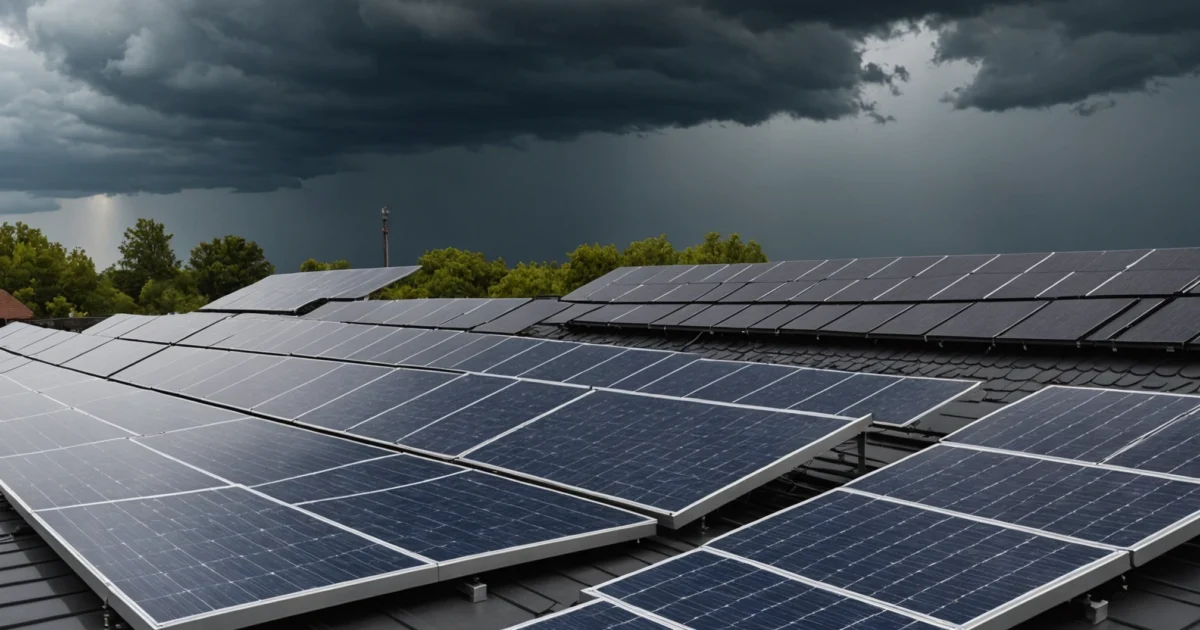
How long can solar panels last without sun depends on whether you’re asking about electricity generation or panel lifespan—solar panels can generate power for decades without direct sunlight using ambient light, while battery storage systems typically provide backup power for 1-3 days during extended sunless periods. Solar panels continue producing electricity even on cloudy days, though at reduced capacity of 10-25% compared to peak performance. However, the panels themselves maintain their structural integrity and functionality for 25-30 years regardless of sunlight exposure, with minimal degradation during storage or low-light conditions.
Understanding solar panel performance during extended sunless periods is crucial for system planning and realistic expectations. Modern photovoltaic cells can harness diffused light from overcast skies, while integrated battery systems extend operational capacity well beyond daylight hours. Additionally, factors like temperature effects on solar panel efficiency play a significant role in overall system performance during various weather conditions.
The key lies in distinguishing between power generation capability and physical panel longevity. While electricity production varies with available light, the panels’ 25-year warranties and proven durability ensure long-term functionality regardless of temporary sunlight limitations.
TL;DR
- Power generation: Solar panels produce 10-25% electricity on cloudy days, with battery backup lasting 1-3 days during extended sunless periods
- Panel lifespan: Physical solar panels last 25-30 years regardless of sun exposure, with minimal degradation during storage or low-light conditions
- System reliability: Proper battery sizing and energy management ensure continuous operation during storms, winter months, and extended overcast periods
Understanding Solar Panel Functionality Without Direct Sunlight
Solar panels generate electricity through photovoltaic cells that convert available light into electrical energy, regardless of whether sunlight arrives directly or indirectly. These semiconductor devices respond to photons from any light source, creating an electrical current when light particles strike the silicon surface. Consequently, panels continue producing power during overcast conditions, though at significantly reduced capacity compared to peak sunshine hours.
How Photovoltaic Cells Generate Electricity from Available Light
Photovoltaic technology operates on the photoelectric effect, where light photons knock electrons loose from silicon atoms within the solar cell structure. This process creates an electrical current that flows through the panel’s circuitry, converting light energy into usable electricity. Furthermore, modern panels utilize anti-reflective coatings and textured surfaces to capture maximum available light, even from indirect sources.
The efficiency of this conversion depends on light intensity rather than heat, meaning panels can generate electricity from various light sources including reflected sunlight, ambient daylight, and even bright artificial lighting. Additionally, crystalline silicon cells maintain their photovoltaic properties indefinitely, ensuring consistent electricity generation whenever sufficient light becomes available.
Difference Between Direct Sunlight and Ambient Light Energy Conversion
Direct sunlight provides approximately 1,000 watts per square meter of irradiance, enabling solar panels to operate at their rated capacity. However, ambient light from overcast skies typically delivers only 100-250 watts per square meter, resulting in proportionally reduced electricity generation. This fundamental difference explains why panels produce 10-25% of their peak output during cloudy conditions.
Light Intensity Impact
Diffused light from cloud cover still contains sufficient energy for electricity production, though the conversion efficiency decreases proportionally with light intensity. Moreover, panels can harness reflected light from snow, water, or nearby surfaces, sometimes boosting total energy capture beyond direct sunlight alone. Temperature effects on solar panel efficiency also influence performance, as cooler overcast conditions can actually improve panel efficiency despite reduced light levels.
Solar Panel Performance During Cloudy, Overcast, and Low-Light Conditions
During overcast conditions, solar panels continue generating electricity at 10-25% of their rated capacity, depending on cloud density and atmospheric conditions. Light clouds may reduce output to 50-80% of peak performance, while heavy storm clouds can drop production to just 5-10% of maximum capacity. Nevertheless, panels maintain their ability to convert available light throughout these challenging weather periods.
- Partial cloud cover: 50-80% power generation
- Overcast skies: 20-40% power generation
- Heavy clouds: 10-25% power generation
- Storm conditions: 5-10% power generation
Interestingly, panels can experience brief power spikes when clouds create edge-of-cloud effects, where reflected and direct sunlight combine to exceed normal irradiance levels. These temporary increases can boost output above rated capacity for short periods. Additionally, modern panels incorporate bypass diodes that prevent shaded cells from reducing overall panel performance during partially cloudy conditions.
Minimum Light Requirements for Electricity Generation
Solar panels require approximately 200 watts per square meter of light intensity to generate meaningful electricity for practical applications. Below this threshold, voltage output drops significantly, making power conversion inefficient for most electrical loads. However, panels continue producing measurable current even in very low light conditions, including dawn, dusk, and heavily overcast periods.
The minimum operational threshold varies by panel technology, with monocrystalline panels typically performing better in low-light conditions than polycrystalline alternatives. Premium panels can generate usable power with as little as 100 watts per square meter of irradiance, equivalent to heavily overcast conditions or late evening light. Consequently, well-designed systems can capture energy throughout extended daylight hours, even without direct sunshine.
Understanding these light requirements helps system designers properly size battery storage and energy management systems for locations with frequent cloudy weather. Furthermore, advanced photovoltaic technologies continue improving low-light performance, making solar energy viable in diverse climatic conditions worldwide.
Solar Panel Performance Duration During Extended Sunless Periods
Solar panels generate electricity continuously during daylight hours, even without direct sun exposure, though their power output decreases significantly during cloudy conditions. Modern photovoltaic systems can produce 10-25% of their rated capacity on heavily overcast days, while completely sunless periods halt electricity generation entirely. However, stored energy in battery systems enables solar installations to provide power for days or weeks without any sunlight.
Actual Power Generation Capacity Without Direct Sun Exposure
During cloudy conditions, solar panels typically generate 15-40% of their maximum rated output, depending on cloud density and atmospheric conditions. Light overcast skies allow panels to produce approximately 40% capacity, while thick storm clouds reduce generation to just 10-15% of peak performance. Consequently, a 300-watt panel might generate only 45-120 watts during various cloudy conditions.
Diffused sunlight penetrates cloud cover and continues activating photovoltaic cells, though at reduced intensity levels. Moreover, panels can capture reflected light from surrounding surfaces, including clouds themselves, which sometimes creates brief power spikes above normal cloudy-day output. These reflected photons contribute measurable electricity generation even during overcast periods.
Performance Metrics During Cloudy Days, Storms, and Winter Months
Winter months present multiple challenges for solar panel performance, including shorter daylight hours, lower sun angles, and increased cloud cover frequency. December and January typically show 50-70% reduced energy production compared to summer months in temperate climates. Additionally, snow accumulation can completely block panels until cleared, while ice formation may reduce efficiency for several days.
| Weather Condition | Power Output | Duration Impact |
|---|---|---|
| Light clouds | 60-80% capacity | Minimal reduction |
| Heavy overcast | 15-25% capacity | Significant reduction |
| Rain storms | 10-20% capacity | Major reduction |
| Snow cover | 0-5% capacity | Complete blockage |
| Complete darkness | 0% capacity | No generation |
Storm systems create particularly challenging conditions, as heavy precipitation and thick cloud formations block most available sunlight. Nevertheless, modern panels with anti-reflective coatings and advanced cell technologies maintain some electricity production even during severe weather events. Temperature variations during storms can actually improve panel efficiency despite reduced light availability.
Regional Variations in Solar Availability and Panel Efficiency
Geographic location dramatically affects solar panel performance during sunless periods, with northern latitudes experiencing longer winter nights and more frequent cloudy weather. Seattle receives approximately 71 cloudy days annually, while Phoenix experiences only 36 overcast days, creating substantial differences in year-round energy production potential.
Coastal regions often experience marine layer effects that reduce solar irradiance during morning hours, while inland desert areas maintain clearer skies but face extreme temperature variations. Furthermore, mountainous regions encounter unique challenges including altitude-related atmospheric conditions and seasonal weather patterns that affect panel performance consistency.
Regional Performance Factors
Realistic Expectations for Continuous Operation Without Optimal Sunlight
Battery storage systems enable solar installations to provide electricity for 3-7 days during completely sunless periods, depending on energy consumption patterns and storage capacity. A typical residential system with 20kWh of battery storage can power essential loads for approximately 4-5 days without any solar input, assuming moderate energy usage.
However, extended cloudy periods lasting weeks require careful energy management and potentially backup power sources. During such periods, energy conservation strategies become crucial for maintaining power availability. Smart energy management systems automatically prioritize critical loads and reduce non-essential consumption to extend battery life.
Well-designed solar systems with adequate battery storage can maintain power for up to one week during completely sunless conditions
Professional system designers typically recommend backup generators or grid-tie capabilities for locations experiencing frequent extended cloudy periods. These hybrid approaches ensure continuous power availability while maximizing solar energy utilization during favorable weather conditions. Ultimately, realistic expectations must account for local climate patterns and seasonal variations when planning solar system performance.
Battery Storage Systems and Backup Power Duration
Battery storage systems transform solar installations from daylight-dependent power sources into comprehensive energy solutions that provide electricity around the clock. These systems store excess energy generated during sunny periods and release it when solar panels cannot produce power. Modern lithium-ion batteries enable residential systems to maintain power for 1-3 days during complete sunless conditions, while commercial installations with larger storage capacity can operate for 3-7 days without solar input.
The backup duration depends primarily on three factors: battery capacity, energy consumption patterns, and load prioritization. A typical 10kWh residential battery system powers essential loads like refrigeration, lighting, and communication devices for approximately 24-48 hours. However, larger 20kWh systems can extend this duration to 3-5 days when coupled with energy conservation measures.
Typical Backup Duration for Different System Sizes
| System Type | Battery Capacity | Backup Duration | Supported Loads |
|---|---|---|---|
| Small Residential | 5-10 kWh | 1-2 days | Essential circuits only |
| Medium Residential | 15-20 kWh | 3-4 days | Most household needs |
| Large Residential | 25-40 kWh | 5-7 days | Whole-house backup |
| Commercial | 50-200 kWh | 3-10 days | Critical business operations |
Furthermore, smart energy management systems automatically adjust power distribution based on battery charge levels and predicted weather patterns. These systems prioritize critical loads during extended outages while reducing power to non-essential devices. Professional installers often recommend load shedding capabilities that can extend backup duration by 40-60% during emergency situations.
Battery Capacity Calculations and Energy Consumption Factors
Calculating appropriate battery capacity requires analyzing daily energy consumption patterns and identifying critical loads that must remain operational during outages. The basic formula multiplies daily energy consumption by the desired backup days, then adds a 20-30% safety margin for battery degradation and system inefficiencies.
Average household energy consumption varies significantly based on home size, climate, and lifestyle factors. A typical 2,000 square foot home consumes 25-35 kWh daily, but this can drop to 8-12 kWh when limiting usage to essential loads only. Energy-efficient appliances and LED lighting significantly reduce power requirements during backup operation.
Energy Calculation Tip
Additionally, seasonal variations affect both energy production and consumption patterns. Winter months typically require more energy for heating while producing less solar power, creating a double impact on battery requirements. Solar lighting systems demonstrate similar capacity challenges during shorter daylight periods.
Lithium-ion vs. Lead-acid Battery Performance in Extended Outages
Lithium-ion batteries significantly outperform traditional lead-acid batteries during extended sunless periods due to their superior energy density, discharge characteristics, and cycle life. Lithium systems maintain consistent voltage output throughout their discharge cycle, providing reliable power until nearly depleted. In contrast, lead-acid batteries experience voltage drops that can affect sensitive electronics long before reaching full discharge.
Pros
- 10-15 year lifespan vs. 3-5 years for lead-acid
- 90% usable capacity vs. 50% for lead-acid
- Faster charging when sun returns
- No maintenance requirements
- Compact size and lighter weight
Cons
- Higher upfront cost
- Temperature sensitivity in extreme conditions
- Complex battery management systems required
The depth of discharge capability creates the most significant performance difference during extended outages. Lithium-ion batteries safely discharge to 90-95% of their capacity without damage, while lead-acid batteries should not exceed 50% discharge to maintain longevity. This means a 20kWh lithium system provides approximately 18-19kWh of usable energy, compared to only 10kWh from an equivalent lead-acid installation.
Moreover, lithium batteries charge more efficiently when solar production resumes after extended cloudy periods. They accept higher charging currents and reach full capacity faster than lead-acid alternatives. This rapid recharging capability proves crucial during intermittent weather patterns where brief sunny periods must quickly restore battery reserves for the next potential outage.
Professional installers increasingly recommend lithium-ion systems for applications requiring reliable backup power during extended sunless periods. While the initial investment costs more, the improved performance, longer lifespan, and reduced maintenance requirements provide better long-term value for most residential and commercial applications.
Solar Panel Degradation and Long-Term Performance
Solar panels experience gradual performance decline over their operational lifetime, regardless of sunlight exposure patterns. Understanding degradation rates helps homeowners and businesses plan for long-term energy production expectations. Most crystalline silicon panels degrade at approximately 0.5% to 0.8% annually, while thin-film technologies may experience slightly higher degradation rates of 0.6% to 0.9% per year.
Manufacturers typically provide 25-year performance warranties guaranteeing panels will maintain at least 80-85% of their original output capacity. However, many panels continue operating effectively beyond warranty periods. Studies of installations from the 1980s show panels still producing 75-80% of rated capacity after four decades of service.
Annual Degradation Rates and Performance Warranties
Premium tier-one manufacturers offer more conservative degradation guarantees than budget alternatives. SunPower and Panasonic panels feature degradation rates as low as 0.25% annually, while economy brands may experience 0.8% or higher annual decline. These differences compound significantly over decades of operation.
| Panel Type | Annual Degradation | 25-Year Output | Expected Lifespan |
|---|---|---|---|
| Premium Monocrystalline | 0.25-0.4% | 87-90% | 35-40 years |
| Standard Monocrystalline | 0.5-0.7% | 82-87% | 30-35 years |
| Polycrystalline | 0.6-0.8% | 80-85% | 25-30 years |
| Thin-Film | 0.6-0.9% | 77-85% | 20-25 years |
Warranty structures typically include both product defect coverage and linear power output guarantees. Product warranties protect against manufacturing defects for 10-25 years, while performance warranties ensure minimum power output over the panel’s rated lifetime. Understanding these distinctions helps consumers evaluate true long-term value propositions.
Impact of Prolonged Low-Light Conditions
Extended periods without adequate sunlight do not directly accelerate panel degradation rates. Instead, prolonged low-light conditions affect system economics and energy independence rather than hardware longevity. Panels continue degrading at normal rates whether exposed to full sun or stored in darkness.
However, temperature fluctuations during cloudy periods can influence degradation patterns. Thermal cycling from daily temperature variations creates mechanical stress on solder joints and cell interconnections. Consequently, regions with extreme temperature swings may experience slightly accelerated degradation compared to areas with stable climates.
Moisture infiltration poses greater risks during extended cloudy periods than sunlight deprivation itself. Humid conditions can lead to potential-induced degradation (PID) and corrosion of electrical components. Proper installation techniques and quality encapsulation materials mitigate these environmental stresses effectively.
Degradation Curve Analysis and Efficiency Decline Patterns
Solar panel degradation follows predictable mathematical patterns that enable accurate long-term performance modeling. Most panels experience initial degradation of 1-3% during the first year, followed by steady linear decline thereafter. This initial drop, called light-induced degradation (LID), occurs within the first few hundred hours of sunlight exposure.
After 25 years, a typical solar panel retains 80-85% of its original power output capacity
Degradation curves reveal that panels maintain relatively stable performance for the first 10-15 years before decline rates may accelerate slightly. Advanced monitoring systems track individual panel performance, identifying units experiencing faster-than-expected degradation. This data helps optimize maintenance schedules and replacement planning.
Mathematical models predict panel output using the formula: Current Output = Initial Power × (1 – Degradation Rate)^Years. For example, a 300W panel with 0.6% annual degradation produces approximately 255W after 25 years of operation.
Factors Affecting Solar Panel Lifespan Beyond Sunlight
Multiple environmental and operational factors influence panel longevity more significantly than sunlight availability. Temperature extremes create the most substantial stress on photovoltaic systems. High temperatures accelerate chemical reactions within cells, while freeze-thaw cycles can damage encapsulation materials and mounting hardware.
- UV radiation exposure gradually breaks down polymer backsheets and encapsulants
- Mechanical stress from wind, snow loads, and thermal expansion
- Electrical stress from voltage fluctuations and system mismatches
- Chemical degradation from atmospheric pollutants and salt exposure
- Physical damage from hail, debris, and improper maintenance
Installation quality significantly impacts panel lifespan regardless of environmental conditions. Proper grounding, secure mounting, and adequate ventilation prevent premature failures. Professional installation ensures panels operate within design parameters, maximizing their productive lifetime.
Regular maintenance extends panel life by addressing minor issues before they become major problems. Cleaning, inspection, and prompt repair of damaged components help panels reach their full lifespan potential. Studies show well-maintained systems often exceed manufacturer warranty expectations by 5-10 years.
Maximizing Panel Lifespan
Maximizing Solar System Reliability During Low-Sun Periods
Solar systems require strategic planning to maintain reliable energy supply during extended periods of limited sunlight. However, proper system design and energy management strategies ensure continuous power availability even when solar generation drops significantly. Understanding these optimization techniques helps homeowners achieve energy independence regardless of weather conditions.
Optimal Battery Sizing for Extended Backup Requirements
Battery capacity determines how long your solar system operates without sunlight input. Most residential systems require 3-5 days of backup power to weather typical cloudy periods. Calculating proper battery size involves multiplying daily energy consumption by desired backup days, then dividing by battery depth of discharge.
Lithium batteries provide the most reliable backup power with 80-90% usable capacity compared to lead-acid batteries at 50%. A typical home consuming 30 kWh daily needs approximately 120-150 kWh of lithium battery storage for four days of backup. This capacity ensures critical loads continue operating during extended overcast periods.
| Battery Type | Usable Capacity | Backup Duration (30kWh/day) | Cycle Life |
|---|---|---|---|
| Lithium Iron Phosphate | 90% | 4-5 days | 6,000+ cycles |
| Lead Acid | 50% | 2-3 days | 1,500 cycles |
| Saltwater | 95% | 5-6 days | 5,000 cycles |
Battery management systems optimize charge cycles and prevent over-discharge during sunless periods. Smart controllers automatically adjust load priorities, ensuring essential systems receive power first. Advanced systems can predict weather patterns and pre-charge batteries before anticipated low-sun periods.
Energy Conservation Strategies During Limited Solar Generation
Energy conservation extends battery life significantly during periods of reduced solar input. Load management systems automatically reduce non-essential power consumption when battery levels drop below predetermined thresholds. These systems can disable high-consumption appliances while maintaining critical loads like refrigeration and lighting.
- Programmable thermostats reduce HVAC consumption by 20-30%
- LED lighting systems consume 75% less energy than traditional bulbs
- Energy-efficient appliances minimize battery drain during backup periods
- Smart power strips eliminate phantom loads from electronics
Time-of-use strategies shift energy-intensive activities to peak solar production hours. Running dishwashers, washing machines, and electric vehicle charging during midday maximizes direct solar utilization. This approach reduces battery cycling and extends overall system lifespan.
Conservation Tip
Grid-Tied vs. Off-Grid System Advantages During Sunless Periods
Grid-tied systems provide superior reliability during extended cloudy periods through net metering and grid backup. When solar production drops, these systems automatically draw power from the electrical grid while maintaining seamless operation. Net metering credits accumulated during sunny periods offset grid consumption during low-sun periods.
Off-grid systems offer complete energy independence but require larger battery banks and backup generators. These systems must size components for worst-case scenarios, typically increasing costs by 40-60% compared to grid-tied installations. However, off-grid systems eliminate utility bills and provide power during grid outages.
Pros
- Grid backup during extended cloudy periods
- Lower initial investment costs
- Net metering credit accumulation
- Automatic load balancing
Cons
- Dependent on grid stability
- No power during grid outages (without battery backup)
- Utility interconnection requirements
- Monthly connection fees
Hybrid grid-tied systems with battery backup combine advantages of both approaches. These systems operate grid-tied during normal conditions but switch to battery backup during outages. Smart inverters manage power flow between solar panels, batteries, and the grid automatically.
Hybrid Renewable Energy Solutions for Enhanced Reliability
Combining solar panels with other renewable energy sources creates more reliable power generation during low-sun periods. Wind turbines generate electricity during stormy weather when solar production drops, providing complementary energy generation. Small residential wind systems produce 400-900 kWh monthly in suitable locations.
Micro-hydro systems offer consistent power generation where water sources exist. These systems generate electricity 24/7 regardless of weather conditions, providing baseline power that reduces battery dependency. A small stream with 10-foot head and 100 GPM flow can generate approximately 1-2 kW continuously.
Backup generators provide emergency power when renewable sources and batteries reach depletion. Modern propane and natural gas generators start automatically when battery voltage drops below safe levels. Renewable energy systems integrated with backup generators achieve 99.9% reliability ratings.
Hybrid renewable systems reduce fossil fuel dependency by 85-95% while maintaining grid-level reliability
Energy management systems coordinate multiple power sources automatically, optimizing efficiency and reliability. These systems prioritize renewable sources first, then batteries, and finally backup generators. Smart controllers can predict energy needs and adjust generation accordingly, maximizing system efficiency during all weather conditions.
Frequently Asked Questions
How long can a solar panel last without sun?
Solar panels can generate electricity for 25-30 years without direct sunlight exposure, as they continue producing power from ambient light even on cloudy days. While electricity generation drops to 10-25% capacity during overcast conditions, the panels themselves maintain their structural integrity and functionality indefinitely. Battery backup systems typically provide 1-3 days of stored power during extended sunless periods.
Do solar panels work with moonlight?
Yes, solar panels can technically generate electricity from moonlight, but the amount is extremely minimal—typically less than 0.1% of their daytime capacity. Moonlight provides insufficient energy for practical electricity generation, which is why battery storage systems are essential for nighttime power needs.
What is the typical solar panel lifespan on a house?
Solar panels installed on houses typically last 25-30 years with minimal performance degradation. Most manufacturers offer 25-year warranties, and panels often continue producing electricity well beyond this timeframe. The degradation rate is usually 0.5-0.8% per year, meaning panels retain about 80-85% of their original capacity after 25 years.
Can solar panels last 50 years?
While solar panels can physically last 50 years or more, their electricity production efficiency gradually decreases over time. After 50 years, panels might produce 60-70% of their original capacity. However, technological advances and improved manufacturing processes in newer panels suggest better longevity than older installations.
How long does solar power last at night?
Solar power stored in batteries typically lasts 1-3 days during nighttime or extended cloudy periods, depending on your energy consumption and battery capacity. A properly sized battery system can provide power throughout the night and into the following day without sunlight.
What is the solar panel degradation curve?
The solar panel degradation curve shows how panel efficiency decreases over time, typically following a predictable pattern:
- Years 1-2: Minimal degradation (0.25-0.5%)
- Years 3-25: Steady decline of 0.5-0.8% annually
- After 25 years: Continued gradual decrease
Do solar panels degrade in storage?
Solar panels experience minimal degradation during proper storage. When stored in dry, temperature-controlled environments away from UV exposure, panels maintain their functionality for years. However, improper storage with moisture, extreme temperatures, or physical damage can affect performance.
What is the lifespan of solar panel batteries?
Solar panel battery lifespan varies by technology:
- Lithium-ion batteries: 10-15 years
- Lead-acid batteries: 5-7 years
- Saltwater batteries: 8-10 years
Battery replacement is typically needed 2-3 times during the solar panel’s 25-30 year lifespan.
How do you calculate solar panel degradation?
Solar panel degradation calculation uses this formula: Current Output = Original Output × (1 – Degradation Rate)^Years. For example, a panel with 0.7% annual degradation after 10 years would produce: Original Output × (1 – 0.007)^10 = approximately 93% of original capacity.
Why is it difficult to sell a house with solar panels?
Selling houses with solar panels can be challenging due to lease transfer complications, buyer financing concerns, and appraisal difficulties. However, owned solar systems typically increase home value by 3-4% and attract environmentally conscious buyers. Leased systems require buyer qualification and lease assumption agreements.
What is the 33% rule in solar panels?
The 33% rule suggests that solar panels should not exceed 33% of your roof’s total area to maintain structural integrity and aesthetic balance. This guideline helps ensure proper weight distribution, adequate ventilation, and compliance with local building codes while maximizing energy production.
Can solar panels be recycled?
Yes, solar panels are highly recyclable, with up to 95% of materials recoverable including silicon, glass, aluminum, and precious metals. Specialized recycling facilities can process end-of-life panels, though recycling infrastructure is still developing. Many manufacturers now offer take-back programs for panel disposal.
How much do solar panels cost compared to their lifespan value?
Solar panels typically cost $15,000-$25,000 for residential installations but generate $20,000-$50,000 in electricity savings over their 25-30 year lifespan. The payback period is usually 6-10 years, making solar panels a profitable long-term investment despite the initial cost.
You May Also Like
Do Smart Thermostats Really Save Money? (Honest Answer)

Spray Foam Insulation: Cost, Pros, Cons & Alternatives (2026)
Lithium vs Lead-Acid Solar Batteries: Which Is Best? (2026)