Solar Panels on Mobile Homes: Complete Installation Guide 2026

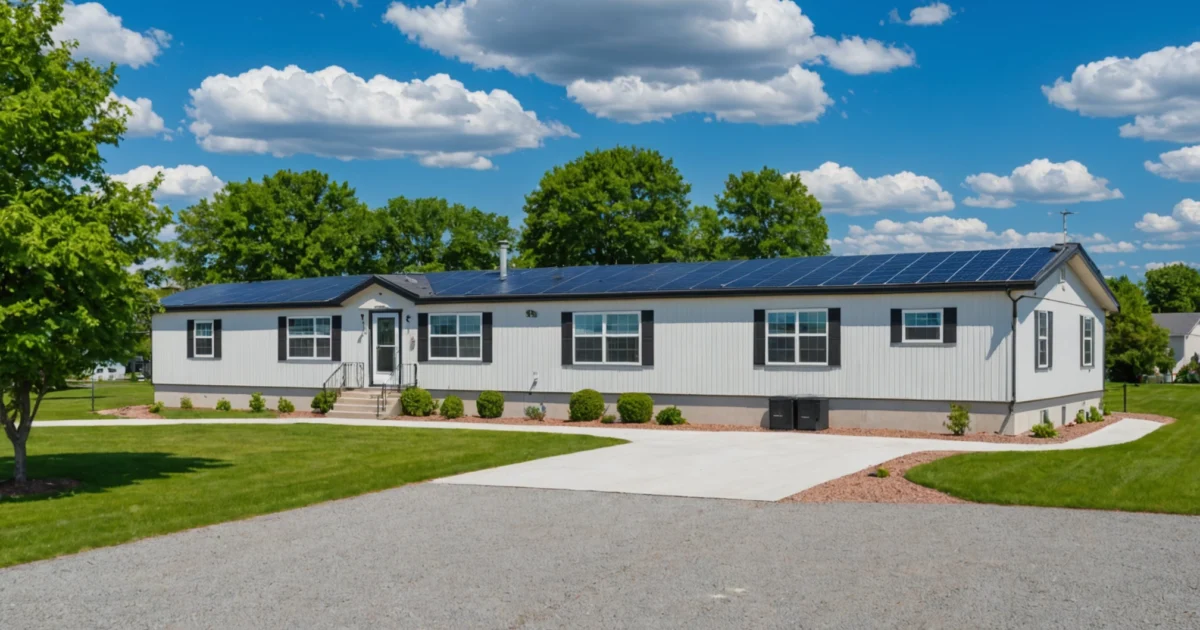
Can you put solar panels on a mobile home? Yes, solar panels can be installed on most mobile homes with proper planning and consideration of structural limitations. However, mobile homes require special attention to roof load capacity, structural integrity, and installation methods due to their unique construction compared to traditional site-built homes.
Mobile home solar installations face specific challenges including weight restrictions (typically 10-15 lbs per square foot), older electrical systems, and varying building codes. Nevertheless, multiple installation options exist beyond traditional roof mounting, including ground-mounted systems and portable solar panels.
The key to successful mobile home solar installation lies in choosing lightweight solar panels, ensuring proper structural support, and working with experienced installers familiar with manufactured home requirements. Additionally, understanding what solar panels are made of helps homeowners select the most suitable options for their specific mobile home structure.
TL;DR
- Solar panels can be installed on mobile homes with proper structural assessment and lightweight panel selection
- Multiple installation methods available including roof-mounted, ground-mounted, and portable systems
- Key considerations include roof load capacity (10-15 lbs/sq ft), electrical upgrades, and local building codes
- Average costs range $8,000-$20,000 depending on system size and installation method chosen
Can You Install Solar Panels on a Mobile Home? The Complete Answer
Yes, you can install solar panels on a mobile home, but success depends on careful planning and understanding your home’s structural limitations. Mobile homes present unique challenges that require specialized knowledge and installation techniques compared to traditional site-built homes.
The installation process requires evaluating your mobile home’s roof structure, weight capacity, and overall condition. Most manufactured homes can support solar installations when proper precautions are taken and appropriate equipment is selected.
Key Structural Considerations for Mobile Home Solar
Mobile homes typically support 10-15 pounds per square foot on their roofs, significantly less than traditional homes. Therefore, selecting lightweight solar panels becomes crucial for successful installation without compromising structural integrity.
Additionally, the age of your mobile home affects installation feasibility. Homes built before 1976 may lack proper electrical grounding and updated wiring systems. Newer manufactured homes generally offer better structural support and electrical infrastructure for solar panel integration.
Weight Limit Warning
Installation Options Beyond Traditional Roof Mounting
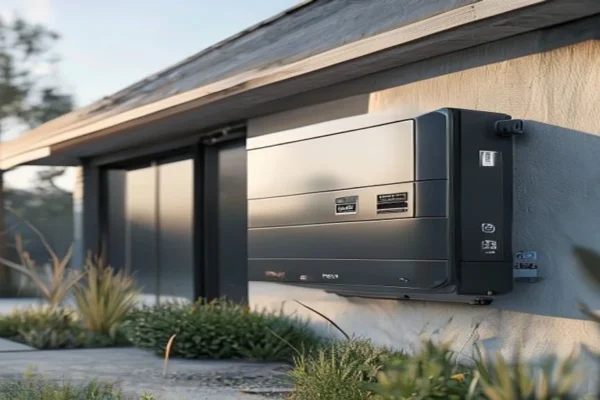
Mobile home owners have multiple installation alternatives when roof mounting isn’t feasible. Ground-mounted solar systems eliminate weight concerns while providing optimal panel positioning for maximum energy production.
- Ground-mounted systems – Install panels on your property using pole or rack systems
- Portable solar panels – Move panels as needed for optimal sun exposure
- Carport or awning installations – Combine shade structures with solar energy generation
- Lightweight roof systems – Use thin-film or flexible panels designed for mobile homes
Furthermore, portable solar panel kits offer flexibility for mobile home owners who frequently relocate. These systems provide energy independence without permanent structural modifications to your home.
Local Regulations and Permit Requirements
Local building codes vary significantly regarding mobile home solar installations. Some jurisdictions require structural engineering assessments before approving permits, while others have streamlined processes for manufactured homes.
State regulations also impact installation requirements. For example, California has specific guidelines for mobile home solar installations, while Florida focuses on wind resistance standards. Texas and Georgia have their own unique permitting processes for manufactured home solar systems.
Contact your local building department early in the planning process. They can provide specific requirements for your area and help ensure your installation meets all safety and legal standards.
Success Factors for Mobile Home Solar Projects
The success of your solar installation depends on three critical factors: your home’s age, current condition, and structural integrity. Homes manufactured after 1994 typically have better electrical systems and structural support for solar additions.
Moreover, working with installers experienced in mobile home solar projects significantly improves outcomes. These specialists understand the unique challenges and can recommend appropriate equipment and installation methods for your specific situation.
Finally, consider your long-term plans for the mobile home. If you plan to relocate frequently, portable or easily removable systems may provide better value than permanent installations. However, if you’re staying put, traditional installations often offer better long-term energy production and cost savings.
Understanding Mobile Home Roof Limitations and Requirements
Mobile home roofs present unique structural challenges that significantly impact solar panel installation feasibility. Most manufactured homes feature roof load capacities between 10-15 pounds per square foot, which is considerably lower than traditional site-built homes that typically support 20-40 pounds per square foot. This limitation directly affects the type and quantity of solar panels your mobile home can safely accommodate.
Understanding your roof’s weight capacity is crucial because standard solar panels weigh approximately 2-4 pounds per square foot when installed. However, the mounting system, racking hardware, and accumulated snow or debris can add significant additional weight. Therefore, calculating the total system weight becomes essential for safe installation planning.
Construction Differences Between Older and Newer Mobile Homes
The age of your manufactured home dramatically influences its solar installation potential. Pre-1976 mobile homes were built before HUD Code implementation and typically have weaker structural frameworks, thinner roof materials, and inadequate electrical systems for modern solar installations. These older homes often require extensive upgrades before solar panel installation becomes viable.
In contrast, post-1994 manufactured homes feature improved structural engineering, better electrical systems, and enhanced roof construction. These newer homes typically incorporate stronger roof trusses, improved insulation, and electrical panels capable of handling solar system integration. Additionally, homes built after 2008 often include enhanced wind resistance features that benefit solar installations.
Age-Related Considerations
Assessing Your Roof's Structural Integrity
Before considering solar installation, conduct a thorough roof assessment to evaluate structural soundness. Start by examining the roof for visible sagging, soft spots, or water damage that could indicate structural weakness. Walk around your home’s perimeter and look for uneven rooflines, which often signal underlying structural problems.
Next, inspect the roof surface for damaged or missing panels, loose seams, and deteriorated sealants. Mobile home roofs typically use metal panels or membrane materials that expand and contract with temperature changes. Any existing damage must be repaired before adding the additional weight and stress of solar panels.
- Check for rust or corrosion on metal roofing components
- Examine roof-to-wall connections for separation or damage
- Assess the condition of roof vents, skylights, and other penetrations
- Verify that gutters and downspouts are properly secured and functional
Interior inspection also provides valuable structural information. Look for ceiling stains, cracks in walls or ceilings, and doors or windows that don’t close properly. These signs often indicate structural movement or weakness that could affect solar installation safety.
When Professional Structural Evaluation Becomes Necessary
Professional structural evaluation becomes essential when your initial assessment reveals potential problems or when your home’s age raises concerns about load capacity. Licensed structural engineers can perform comprehensive evaluations that include load calculations, material assessments, and safety recommendations specific to solar installations.
Furthermore, many solar installers require professional structural reports for mobile homes, especially those manufactured before 1990. These evaluations typically cost $500-1,500 but can prevent costly damage and ensure installation safety. The engineer will calculate your roof’s exact load capacity and recommend any necessary reinforcements.
Consider professional evaluation mandatory if your home shows signs of structural stress, has undergone previous modifications, or if you’re planning a large solar installation. Additionally, insurance companies often require structural assessments for mobile home solar installations to maintain coverage validity.
Building Codes and Safety Standards for Mobile Home Solar
Mobile home solar installations must comply with both HUD Code requirements and local building codes, creating a complex regulatory environment. The HUD Code governs manufactured home construction and modification standards, while local codes address installation methods, electrical connections, and safety requirements.
Most jurisdictions require special permits for mobile home solar installations due to unique structural considerations. These permits typically involve plan review, electrical inspection, and final system commissioning. Working with certified installers familiar with mobile home regulations helps ensure compliance and smooth permit approval.
| Code Requirement | Mobile Home Specification | Impact on Solar Installation |
|---|---|---|
| Wind Load Resistance | Varies by climate zone | Affects mounting system design |
| Electrical System Capacity | Minimum 100-amp service | May require panel upgrades |
| Roof Penetration Limits | Restricted locations | Limits mounting options |
| Structural Modifications | HUD approval required | May need engineering review |
Safety standards also require proper grounding, rapid shutdown capabilities, and fire safety clearances around solar equipment. Additionally, many areas mandate that mobile home solar installations include disconnect switches accessible to emergency responders. Understanding these requirements early in the planning process helps avoid costly modifications and delays during installation.
Best Solar Panel Options for Mobile Homes
Selecting the right solar panels for mobile homes requires careful consideration of weight, flexibility, and mounting options. Lightweight solar panels offer the most practical solution, as they minimize structural stress while delivering reliable power generation. Additionally, mobile home owners need panels that accommodate unique roof characteristics and installation constraints.
Lightweight Solar Panel Technologies
Thin-film solar panels represent the lightest option available, weighing approximately 2-4 pounds per square foot compared to traditional crystalline silicon panels at 6-8 pounds. These panels use amorphous silicon, cadmium telluride, or copper indium gallium selenide materials to create flexible, lightweight photovoltaic cells. However, thin-film technology typically produces lower efficiency ratings of 10-12% compared to crystalline silicon’s 15-22%.
Crystalline silicon panels offer higher efficiency but require stronger mounting systems due to their weight. Monocrystalline panels deliver the highest efficiency ratings, making them ideal when roof space is limited. Meanwhile, polycrystalline panels provide a cost-effective middle ground with moderate efficiency and weight characteristics.
Pros
- Thin-film: Extremely lightweight (2-4 lbs/sq ft)
- Flexible installation options
- Lower cost per panel
- Better performance in low light
Cons
- Lower efficiency (10-12%)
- Requires more roof space
- Shorter lifespan (15-20 years)
- Less power per panel
Flexible Solar Panels for Curved Roofs
Flexible solar panels conform to curved or irregular roof surfaces commonly found on mobile homes. These panels bend up to 30 degrees without damage, making them perfect for rounded roof edges or slight surface irregularities. Furthermore, flexible panels eliminate the need for rigid mounting frames, reducing overall system weight and installation complexity.
Most flexible panels use thin-film technology with protective polymer backing materials. They attach directly to roof surfaces using adhesive mounting systems or mechanical fasteners. This installation method distributes weight evenly across the roof structure rather than concentrating loads at specific mounting points.
Portable and Removable Solar Systems
Portable solar panel systems offer maximum flexibility for mobile home owners who relocate frequently or rent their properties. These systems typically include folding panels, portable inverters, and battery storage units that require no permanent roof modifications. Moreover, portable systems allow owners to optimize panel positioning throughout the day for maximum sun exposure.
- Ground-mounted portable arrays – Easy setup and repositioning
- Roof-mounted removable systems – Temporary installation with clamps
- Expandable solar generators – Integrated battery and inverter systems
- Folding solar panel kits – Compact storage when not in use
Removable systems typically produce 100-400 watts per panel, sufficient for essential appliances and lighting. These systems connect to mobile home electrical panels through transfer switches or dedicated circuits, ensuring safe integration with existing wiring.
Mobile Home Solar Panel Kits
Specialized mobile home solar kits include components specifically designed for manufactured housing installations. These comprehensive packages contain lightweight panels, appropriate mounting hardware, charge controllers, and inverters sized for typical mobile home energy consumption. Additionally, many kits include detailed installation guides addressing mobile home-specific challenges.
Popular kit configurations range from 400-watt starter systems to 3,000-watt whole-home solutions. Starter kits typically power essential loads like lighting, refrigeration, and small appliances. Meanwhile, larger systems can offset significant portions of total energy consumption, especially when combined with energy-efficient appliances and LED lighting upgrades.
Kit Selection Tip
Power Output Considerations
Mobile homes typically consume 600-1,200 kWh per month, depending on size, insulation quality, and appliance efficiency. A well-designed solar system should generate 80-100% of this consumption to maximize savings and grid independence. However, roof space limitations often require prioritizing high-efficiency panels or supplementing with ground-mounted arrays.
Calculate power requirements by analyzing monthly utility bills and identifying peak consumption periods. Energy-efficient upgrades like LED lighting, ENERGY STAR appliances, and improved insulation can reduce solar system size requirements by 20-40%. This reduction makes solar installation more feasible within mobile home structural and budget constraints.
| Home Size | Monthly Usage (kWh) | Recommended System Size | Estimated Panel Count |
|---|---|---|---|
| Single-wide (600-900 sq ft) | 600-800 | 4-6 kW | 12-18 panels |
| Double-wide (1,000-1,800 sq ft) | 800-1,200 | 6-9 kW | 18-27 panels |
| Triple-wide (1,800+ sq ft) | 1,000-1,500 | 8-12 kW | 24-36 panels |
Consider seasonal variations in energy consumption and solar production when sizing systems. Understanding solar panel materials helps optimize performance for local climate conditions. Winter heating loads and summer cooling demands significantly impact system requirements, particularly in extreme climate zones.
Alternative Solar Installation Methods
When roof-mounted solar panels aren’t feasible for mobile homes, several alternative installation methods provide effective solutions. These alternatives address structural limitations, shading issues, and space constraints while maintaining optimal energy production. Moreover, alternative installations often offer greater flexibility for system expansion and maintenance access.
Ground-Mounted Solar Panel Systems
Ground-mounted systems eliminate structural weight concerns entirely by installing panels on independent foundations. These installations typically require 100-200 square feet of unshaded yard space per kilowatt of capacity. Furthermore, ground mounts allow optimal panel positioning regardless of mobile home orientation or roof angle limitations.
Installation costs for ground-mounted systems range from $3.50-$5.00 per watt, approximately 20-30% higher than roof installations due to additional racking and foundation requirements. However, maintenance access improves significantly, and panels can be angled seasonally for maximum efficiency. Additionally, ground systems avoid potential roof warranty issues that concern many mobile home manufacturers.
Solar Carports and Awning Installations
Solar carports serve dual purposes by generating electricity while protecting vehicles from weather exposure. These structures typically span 12-20 feet and accommodate 2-6 kW of solar capacity depending on design specifications. Consequently, carport installations maximize property utility while addressing mobile home roof limitations.
Awning-style installations extend from mobile home walls, creating covered outdoor spaces while generating clean energy. These systems require minimal ground space and integrate seamlessly with existing structures. Installation complexity varies based on wall attachment methods and local building code requirements for permanent structures.
Pole-Mounted Solar Arrays
Pole-mounted systems elevate panels 8-15 feet above ground level, maximizing sun exposure while minimizing land usage. Single-pole mounts accommodate 2-4 panels, while dual-pole configurations support larger arrays up to 10 kW capacity. These installations work particularly well in areas with significant snow accumulation or vegetation growth.
Tracking pole mounts automatically follow the sun’s path throughout the day, increasing energy production by 25-35% compared to fixed installations. However, tracking systems require higher maintenance and initial investment costs. Static pole mounts offer simpler operation with lower long-term maintenance requirements.
Community Solar and Shared Solar Programs
Community solar programs allow mobile home residents to purchase or lease portions of larger solar installations located off-site. Participants receive credits on utility bills proportional to their subscription size without installing panels on their property. Currently, 39 states plus Washington D.C. offer community solar programs with varying participation requirements.
Shared solar eliminates structural concerns, maintenance responsibilities, and upfront installation costs for mobile home owners. Subscription rates typically range from $0.08-$0.15 per kWh, providing 10-20% savings compared to grid electricity rates. Additionally, participants can maintain their solar benefits when relocating within the same utility territory.
Pros and Cons Comparison
Pros
- Ground-mounted systems eliminate roof weight concerns
- Alternative installations allow optimal panel positioning
- Carports provide dual functionality with weather protection
- Community solar requires no property modifications
- Pole mounts maximize sun exposure in limited spaces
Cons
- Higher installation costs for alternative mounting systems
- Ground installations require adequate yard space
- Tracking systems need regular maintenance
- Community solar availability varies by location
- Alternative methods may require additional permits
Each installation method addresses specific mobile home limitations while offering unique advantages. Ground-mounted and pole systems provide complete control over panel positioning and maintenance access. Meanwhile, community solar programs eliminate all technical barriers but reduce long-term ownership benefits. Understanding how solar panels help the environment reinforces the value of pursuing alternative installation methods when roof mounting isn’t viable.
Consider local regulations, available space, and long-term housing plans when selecting alternative installation methods. Many mobile home communities have specific guidelines for ground-mounted systems and permanent structures. Therefore, consulting with community management and local permitting authorities ensures compliance before beginning any solar installation project.
Installation Process and Professional Requirements
Installing solar panels on mobile homes requires specialized knowledge of both electrical systems and structural considerations. Professional installers must understand mobile home construction standards, weight distribution principles, and electrical code requirements specific to manufactured housing. Additionally, many installations require permits from local authorities and utility company approvals for grid connection.
DIY vs Professional Installation Considerations
Most mobile home solar installations require professional expertise due to electrical complexity and safety requirements. Licensed electricians understand proper grounding techniques, electrical panel integration, and local code compliance. However, some lightweight portable systems and plug-in solar kits allow limited DIY installation for basic power needs.
Professional installation costs typically range from $3,000-$8,000 for labor and permits on mobile home systems. Furthermore, certified installers provide warranties, insurance coverage, and guaranteed code compliance that protect homeowners from liability issues. DIY installations may void equipment warranties and create safety hazards if electrical connections are improperly executed.
Pros
- Professional warranty protection
- Code compliance guarantee
- Insurance coverage
- Proper electrical integration
Cons
- Higher upfront costs
- Scheduling dependencies
- Limited control over process
- Ongoing service relationships
Electrical Panel Upgrades Often Needed
Older mobile homes frequently require electrical panel upgrades before solar installation. Many manufactured homes built before 2000 contain 100-amp electrical panels that cannot safely handle additional solar system loads. Moreover, outdated breaker panels may lack proper grounding systems required for solar inverter connections.
Panel upgrade costs range from $1,500-$4,000 depending on system complexity and local electrical rates. Modern 200-amp panels provide adequate capacity for solar systems while meeting current electrical codes. Additionally, upgraded panels improve overall home safety by replacing aging electrical components that pose fire risks.
Electrical inspectors verify panel capacity, grounding systems, and circuit protection before approving solar installations. Therefore, homeowners should budget for potential panel upgrades when planning mobile home solar projects. Licensed electricians can assess existing electrical systems and recommend appropriate upgrades during initial consultations.
Proper Grounding and Electrical Safety Requirements
Grounding systems protect mobile homes from electrical faults and lightning strikes during solar operation. Mobile homes require specialized grounding techniques because they sit on non-conductive foundations rather than direct earth contact. Consequently, installers must create proper grounding paths using copper conductors and grounding electrodes.
Safety requirements include rapid shutdown devices that immediately disconnect solar panels during emergencies. These devices allow first responders to safely work on mobile homes without electrical hazards from active solar systems. Furthermore, arc fault circuit interrupters prevent electrical fires by detecting dangerous arcing conditions in solar circuits.
- Ground fault protection prevents electrical shock from damaged equipment
- Equipment grounding conductors connect all metal components safely
- System grounding electrodes provide electrical reference points
- Bonding jumpers ensure electrical continuity throughout the system
Integration with Existing Electrical Systems
Solar system integration requires careful coordination with existing mobile home electrical infrastructure. Inverters must synchronize with grid frequency and voltage while providing clean power that meets utility standards. Additionally, net metering systems require bidirectional meters that accurately measure both energy consumption and solar production.
Battery backup systems add complexity by requiring charge controllers and automatic transfer switches. These components manage power flow between solar panels, batteries, and the electrical grid during various operating conditions. Similarly, monitoring systems track energy production, consumption patterns, and system performance for optimal operation.
Integration costs vary from $2,000-$6,000 depending on system size and complexity. Professional installers ensure proper equipment sizing, electrical connections, and system programming for reliable operation. Understanding what solar panels are made of helps homeowners appreciate the quality components required for successful integration.
Timeline and Installation Steps
Mobile home solar installations typically require 2-4 weeks from contract signing to system activation. Initial site assessments take 1-2 days while permit applications and utility approvals add 1-3 weeks to project timelines. However, complex installations requiring electrical upgrades may extend timelines to 6-8 weeks.
- Site assessment and system design (1-2 days)
- Permit applications and approvals (1-3 weeks)
- Equipment delivery and staging (3-5 days)
- Electrical panel upgrades if needed (1-2 days)
- Solar panel installation (1-3 days)
- Electrical connections and testing (1 day)
- Final inspections and utility connection (3-7 days)
Weather conditions significantly impact installation schedules since most work occurs outdoors. Rain, high winds, and extreme temperatures can delay installations for safety reasons. Therefore, homeowners should plan installations during favorable weather seasons and maintain flexible scheduling expectations.
Post-installation monitoring ensures systems operate correctly and identify any performance issues early. Most installers provide system commissioning that includes performance testing, monitoring setup, and homeowner education. Regular maintenance schedules help maintain optimal performance and extend system lifespan for maximum investment returns.
Permits, Regulations, and State-Specific Considerations
Installing solar panels on mobile homes requires navigating complex regulatory frameworks that vary significantly by location. Building permits serve as the foundation for legal solar installations, ensuring systems meet safety standards and local codes. Most jurisdictions require electrical permits for grid-tied systems, while structural permits may be necessary for roof-mounted installations.
Building Permit Requirements
Mobile home solar installations typically require electrical permits from local building departments before work begins. Furthermore, structural permits become necessary when roof modifications exceed basic mounting requirements. Additionally, many areas mandate mechanical permits for ground-mounted systems that involve concrete footings or electrical conduit installations.
Permit applications must include detailed system specifications, electrical diagrams, and structural calculations. Moreover, licensed contractors usually handle permit submissions since they understand local requirements and maintain relationships with building departments. Consequently, permit fees range from $100 to $500 depending on system size and local jurisdiction rates.
HOA and Mobile Home Park Restrictions
Homeowners associations and mobile home parks often impose additional restrictions beyond municipal requirements. Therefore, residents must review community covenants, conditions, and restrictions (CC&Rs) before planning solar installations. Some communities prohibit visible solar equipment while others require architectural review committee approval.
- Aesthetic guidelines for panel placement and visibility
- Color restrictions for mounting hardware and conduits
- Setback requirements from property lines
- Height limitations for ground-mounted systems
- Approval timelines and application fees
However, many states have enacted solar access laws that limit HOA authority to restrict reasonable solar installations. Nevertheless, these laws typically include exceptions for historic districts, architectural preservation areas, and communities with legitimate safety concerns.
State-Specific Solar Regulations
State regulations create varying requirements for mobile home solar installations across different regions. Specifically, Florida allows solar panels on mobile homes but requires compliance with wind load standards due to hurricane risks. Additionally, Florida’s solar rights act prevents HOAs from prohibiting reasonable solar installations.
California maintains the most comprehensive solar regulations, including streamlined permitting processes and standardized inspection requirements. Furthermore, California’s Solar Mandate requires new mobile home developments to include solar-ready infrastructure. The state also provides net metering programs that credit excess solar production back to homeowners.
Meanwhile, Georgia follows standard building codes but lacks specific mobile home solar regulations. Consequently, installations must meet general residential solar requirements while addressing mobile home structural limitations. Texas similarly applies standard codes but allows local jurisdictions significant regulatory flexibility.
| State | Key Requirements | Special Considerations |
|---|---|---|
| Florida | Wind load compliance, hurricane standards | Solar rights protection laws |
| California | Streamlined permits, standardized inspections | Net metering, solar mandate |
| Georgia | Standard residential codes apply | Limited state-specific regulations |
| Texas | Local jurisdiction flexibility | Varies by municipality |
Utility Interconnection Requirements
Utility interconnection represents a critical regulatory step for grid-tied solar systems. Initially, homeowners must submit interconnection applications to their electric utility company before system installation. Subsequently, utilities review system specifications to ensure grid safety and compatibility requirements.
Most utilities require IEEE 1547 compliance for inverter equipment and automatic disconnect functionality during grid outages. Additionally, production meters enable net metering programs that credit excess solar generation. However, interconnection approval timelines vary from 2-8 weeks depending on utility processing capabilities and system complexity.
Some utilities impose additional requirements for mobile home installations due to structural concerns. For instance, utilities may require engineering certifications for roof-mounted systems or restrict installation methods on older mobile homes. Therefore, early utility consultation prevents costly delays and ensures regulatory compliance.
Insurance Considerations and Coverage
Insurance coverage becomes essential for protecting solar investments on mobile homes. Standard mobile home insurance policies may exclude solar equipment or provide limited coverage for roof-mounted systems. Consequently, homeowners should review existing policies and consider additional coverage options before installation.
Many insurers offer solar equipment endorsements that cover panels, inverters, and mounting hardware against weather damage, theft, and electrical issues. Furthermore, liability coverage protects against potential roof damage or electrical problems caused by solar installations. However, insurance premiums may increase $50-200 annually depending on system value and coverage levels.
Additionally, solar installations may affect mobile home valuations and insurance replacement costs. Therefore, homeowners should notify insurance companies about planned installations and update coverage limits accordingly. Some insurers even offer green home discounts that offset premium increases for energy-efficient improvements like solar panels.
Cost Analysis and Financial Considerations
Installing solar panels on mobile homes requires careful financial planning and cost analysis. Mobile home solar systems typically cost between $8,000 and $20,000 depending on system size, equipment quality, and installation complexity. However, these costs vary significantly based on energy needs, roof condition, and chosen mounting method.
Average Solar Panel Costs for Mobile Homes
Several factors influence the total investment for mobile home solar installations. System size represents the primary cost driver, with most mobile homes requiring 3-8 kilowatts of solar capacity. Additionally, equipment selection affects pricing, as premium panels and inverters command higher prices but offer better performance and warranties.
| System Size | Average Cost Range | Monthly Savings | Typical Home Size |
|---|---|---|---|
| 3-4 kW | $8,000-$12,000 | $40-$80 | Single-wide |
| 5-6 kW | $12,000-$16,000 | $80-$120 | Double-wide |
| 7-8 kW | $16,000-$20,000 | $120-$160 | Large double-wide |
Furthermore, installation costs include permits, inspections, and electrical work that typically add $1,500-$3,000 to total project expenses. Mobile homes often require additional structural assessments and specialized mounting equipment, which increases labor costs compared to traditional residential installations.
Roof-Mounted vs Ground-Mounted System Costs
Roof-mounted systems generally cost $2,000-$4,000 less than ground-mounted alternatives due to simpler installation requirements and reduced material needs. Nevertheless, ground-mounted systems offer advantages that may justify higher costs, particularly for mobile homes with structural limitations or shading issues.
Pros
- Lower installation costs ($8,000-$15,000)
- Utilizes existing roof space
- Faster installation process
- Better protection from theft
Cons
- Requires structural reinforcement
- Limited panel orientation options
- Potential roof warranty issues
- Difficult maintenance access
Conversely, ground-mounted systems cost $10,000-$20,000 but provide superior flexibility and performance. These installations allow optimal panel positioning, easier maintenance access, and eliminate roof structural concerns. Moreover, ground systems accommodate expansion more easily as energy needs grow over time.
Available Solar Incentives and Rebates
Mobile home owners qualify for numerous solar incentives that significantly reduce installation costs. The federal solar Investment Tax Credit (ITC) provides a 30% tax credit through 2032, offering substantial savings for qualifying installations. This credit applies to both equipment and installation costs for mobile home solar systems.
Additionally, many states offer supplementary rebates and incentives specifically for mobile home solar installations. For instance, California’s Self-Generation Incentive Program provides rebates up to $1,000 per kilowatt for qualifying systems. Similarly, Texas offers property tax exemptions for solar equipment, while Florida provides sales tax exemptions on solar installations.
- Federal ITC: 30% tax credit through 2032
- State rebates: $500-$2,000 per system
- Utility incentives: $0.10-$0.50 per watt
- Property tax exemptions: Varies by state
- Sales tax exemptions: Available in 25+ states
Furthermore, some utilities offer net metering programs that credit mobile home owners for excess solar energy production. These programs effectively reduce electricity bills and improve system economics, particularly for mobile homes with optimal solar panel positioning.
Financing Options and Solar Loans
Multiple financing options make solar installations accessible for mobile home owners with varying credit profiles and financial situations. Solar loans typically offer 5-20 year terms with interest rates ranging from 3-8% depending on creditworthiness and loan amount. These specialized loans often require no down payment and use the solar system as collateral.
Additionally, some solar companies provide Power Purchase Agreements (PPAs) and lease options for mobile home installations. Under these arrangements, homeowners pay monthly fees for solar electricity without owning the equipment. However, lease agreements typically provide lower long-term savings compared to ownership options.
Financing Tip
Moreover, some lenders specialize in mobile home solar financing and understand unique challenges like property classification and structural requirements. These specialized lenders often approve loans that traditional banks might reject due to mobile home financing restrictions.
Return on Investment and Payback Period Calculations
Mobile home solar systems typically achieve payback periods of 6-12 years depending on system costs, energy savings, and available incentives. However, actual payback periods vary based on electricity rates, system performance, and financing terms. Mobile homes with high energy usage and expensive electricity rates achieve faster payback periods.
Calculating accurate ROI requires considering multiple factors including energy production, electricity rate escalation, and system degradation over time. Most solar panels maintain 80% efficiency after 25 years, providing decades of energy savings beyond the initial payback period. Therefore, total lifetime savings often exceed $30,000-$50,000 for typical mobile home installations.
| Scenario | System Cost | Annual Savings | Payback Period | 25-Year Savings |
|---|---|---|---|---|
| Small system (3kW) | $8,000 | $960 | 8.3 years | $24,000 |
| Medium system (5kW) | $13,000 | $1,440 | 9.0 years | $36,000 |
| Large system (7kW) | $18,000 | $1,920 | 9.4 years | $48,000 |
Furthermore, solar installations may increase mobile home values by $3,000-$8,000 depending on system size and local market conditions. While mobile homes typically depreciate over time, solar systems can help maintain or increase property values, particularly in markets with high electricity costs or strong environmental awareness.
Mobile home solar systems deliver 15-25% annual returns on investment through energy savings and property value increases
Energy Needs and System Sizing for Mobile Homes
Mobile homes typically consume 600-1,200 kWh per month, significantly less than traditional site-built homes that average 900-1,500 kWh monthly. However, energy consumption varies dramatically based on square footage, insulation quality, heating and cooling systems, and occupant behavior. Older mobile homes often consume more energy due to poor insulation and inefficient appliances.
Understanding your specific energy usage forms the foundation for proper solar system sizing. Additionally, mobile home owners should analyze their electricity bills for the past 12 months to identify seasonal patterns and peak usage periods. Summer cooling and winter heating typically drive the highest consumption months.
Calculating Solar Panel Requirements
Solar panel calculations begin with determining your average monthly kilowatt-hour consumption from utility bills. Next, divide this number by your location’s average peak sun hours to establish daily energy production needs. For example, a mobile home using 800 kWh monthly in an area with 5 peak sun hours requires approximately 5.3 kW of solar capacity.
System efficiency factors must be considered when sizing solar arrays for mobile homes. Furthermore, inverter efficiency, wire losses, and shading typically reduce actual production by 15-20% compared to theoretical calculations. Therefore, most installers recommend oversizing systems by 20% to account for these losses.
| Monthly Usage | Required System Size | Estimated Panel Count | Roof Space Needed |
|---|---|---|---|
| 600 kWh | 4.0 kW | 10-12 panels | 240-300 sq ft |
| 800 kWh | 5.3 kW | 13-16 panels | 320-400 sq ft |
| 1,000 kWh | 6.7 kW | 17-20 panels | 400-500 sq ft |
| 1,200 kWh | 8.0 kW | 20-24 panels | 480-600 sq ft |
Battery Storage Considerations for Off-Grid Living
Off-grid mobile home systems require substantial battery storage to maintain power during cloudy periods and nighttime hours. Lithium-ion batteries provide the most efficient storage solution, typically requiring 10-15 kWh capacity per day of energy independence. However, lead-acid batteries offer lower upfront costs but require more frequent replacement.
Battery bank sizing depends on your daily energy consumption and desired backup duration. Moreover, mobile home owners should plan for 3-5 days of energy storage to handle extended cloudy periods. Critical loads like refrigeration, lighting, and communication devices should receive priority in battery capacity planning.
Battery Weight Considerations
Net Metering Benefits and Limitations
Net metering allows mobile home owners to sell excess solar electricity back to utility companies, effectively using the grid as a virtual battery. Most states offer net metering programs, though compensation rates and policies vary significantly by location. Full retail rate net metering provides the highest financial benefits for solar installations.
However, some utilities impose limitations on mobile home net metering due to temporary foundation classifications. Additionally, mobile home parks may restrict individual metering arrangements, requiring community solar programs instead. Therefore, mobile home owners should verify net metering eligibility before investing in solar systems.
Time-of-use rates can significantly impact net metering value for mobile home solar systems. Peak electricity rates during evening hours often exceed solar production periods, creating opportunities for strategic energy management and battery storage integration.
Energy Efficiency Improvements Before Solar Installation
Implementing energy efficiency measures before installing solar panels reduces system size requirements and overall costs. Air sealing and insulation improvements typically provide the highest return on investment for mobile homes. Sealing gaps around windows, doors, and penetrations can reduce energy consumption by 10-30%.
Upgrading to LED lighting, ENERGY STAR appliances, and programmable thermostats further reduces electricity demand. Consequently, smaller solar systems can meet reduced energy needs while maintaining the same level of energy independence. These efficiency improvements also enhance comfort and indoor air quality.
- Insulation upgrades: Add R-30 to R-49 insulation in attics and floors
- Window treatments: Install energy-efficient windows or window films
- HVAC optimization: Seal ductwork and upgrade to high-efficiency units
- Water heating: Install heat pump or solar water heaters
- Appliance replacement: Choose ENERGY STAR certified models
Mobile home energy audits help identify the most cost-effective efficiency improvements before solar installation. Professional auditors use thermal imaging and blower door tests to locate air leaks and insulation deficiencies. Furthermore, many utility companies offer rebates for energy efficiency upgrades that can offset improvement costs.
Energy efficiency improvements can reduce mobile home solar system requirements by 20-40%, significantly lowering installation costs
Maintenance and Long-term Considerations
Solar panel maintenance on mobile homes requires minimal effort but consistent attention to ensure optimal performance. Mobile home solar systems need quarterly visual inspections to check for loose mounting hardware, damaged panels, or debris accumulation. Additionally, cleaning panels twice yearly with water and mild soap removes dirt and bird droppings that can reduce energy production by 15-25%.
Weather resistance becomes particularly important for mobile home installations due to increased exposure to wind and vibration. High-quality mounting systems must withstand wind speeds up to 120 mph while accommodating the natural movement of mobile home structures. Furthermore, proper grounding and surge protection prevent electrical damage during storms.
Durability and Weather Protection
Mobile home solar panels face unique durability challenges compared to traditional roof installations. The lightweight construction and flexibility of mobile homes create additional stress on mounting systems during wind events. Consequently, premium mounting hardware with reinforced attachment points provides better long-term reliability.
Hail resistance ratings become crucial in areas prone to severe weather. Class 4 hail-rated panels withstand impacts from 2-inch hailstones without damage. Moreover, tempered glass panels offer superior protection compared to thin-film alternatives in harsh weather conditions.
- Inspect mounting hardware quarterly for looseness or corrosion
- Check electrical connections annually for signs of wear
- Clean panels bi-annually to maintain peak efficiency
- Monitor system performance through mobile apps or web portals
- Schedule professional inspections every 3-5 years
Warranty Coverage for Mobile Home Systems
Warranty considerations for mobile home solar installations differ significantly from traditional residential systems. Panel manufacturers typically provide 20-25 year product warranties and 25-year performance guarantees regardless of installation location. However, mounting system warranties may have specific exclusions for mobile home applications.
Installation warranties often require certified installers with mobile home experience to maintain coverage. Workmanship warranties typically span 5-10 years and cover labor costs for repairs or replacements. Additionally, some manufacturers void warranties if panels are moved or reinstalled on different structures.
Warranty Alert
Relocating Your Mobile Home
Moving a mobile home with solar panels requires careful planning and professional expertise. Solar systems must be completely disconnected and removed before transport to prevent damage to panels and electrical components. Professional removal typically costs $2,000-$5,000 depending on system size and complexity.
Reinstallation at the new location involves additional permitting, inspection, and potential electrical upgrades. Local building codes and utility interconnection requirements may differ between locations, requiring system modifications. Furthermore, roof condition assessment becomes necessary before reinstalling panels on the relocated structure.
Portable solar systems offer greater flexibility for mobile home owners who relocate frequently. Ground-mounted tracking systems can be disassembled and moved more easily than roof-mounted installations. However, portable systems typically cost 20-30% more than permanent roof installations.
Impact on Resale Value
Solar panel installations generally increase mobile home resale values by 3-8% in markets with high electricity costs. The value increase depends on system age, condition, and remaining warranty coverage. Additionally, energy cost savings documentation helps justify higher asking prices to potential buyers.
Mobile home appraisers often struggle to accurately value solar improvements due to limited comparable sales data. Professional appraisals should include detailed system specifications, performance history, and remaining warranty terms. Moreover, transferable warranties and service agreements add significant value for prospective buyers.
Mobile homes with solar panels sell 20% faster than comparable homes without renewable energy systems
Market demand for energy-efficient mobile homes continues growing as utility costs rise nationwide. Solar-equipped mobile homes appeal particularly to environmentally conscious buyers and those seeking reduced operating costs. However, older systems approaching end-of-life may actually decrease property values due to replacement costs.
Documentation becomes crucial for maximizing resale value from solar investments. Maintaining records of system performance, maintenance history, and utility bill savings helps demonstrate the financial benefits to potential buyers. Solar panels help the environment while providing long-term economic advantages that appeal to today’s energy-conscious consumers.
Frequently Asked Questions
Why can't you put solar panels on a mobile home?
You can put solar panels on a mobile home, but there are specific challenges to overcome. The main concerns include weight restrictions (mobile homes typically support only 10-15 lbs per square foot), older electrical systems, and structural limitations. However, with proper planning, lightweight panels, and experienced installers, most mobile homes can successfully accommodate solar installations.
Are solar panels worth it on a mobile home?
Yes, solar panels can be worth it on a mobile home, especially considering lower installation costs compared to traditional homes and potential energy savings. Mobile home owners often see faster payback periods due to smaller energy needs and lower system costs. The investment becomes even more valuable if you plan to stay in the same location long-term.
What are the best solar panels for mobile homes?
Lightweight solar panels are essential for mobile homes. The best options include:
- Thin-film solar panels (lightest option)
- Flexible solar panels for curved surfaces
- High-efficiency monocrystalline panels with lightweight mounting systems
- Portable solar panel kits for maximum flexibility
How much do solar panels for mobile homes cost?
Solar panel costs for mobile homes typically range from $8,000 to $20,000 depending on system size and installation method. Ground-mounted systems may cost more due to additional equipment, while portable solar kits can start as low as $1,000-$3,000 for smaller systems. The final cost depends on your energy needs and chosen installation approach.
How much do plug-in solar panels cost?
Plug-in solar panels (portable solar kits) for mobile homes typically cost between $500 to $3,000 depending on wattage and included components. Basic 100-400 watt kits start around $500-$1,200, while larger 1000+ watt systems can cost $2,000-$3,000. These systems offer flexibility and easy installation without permanent modifications.
Can you put solar panels on a mobile home in Florida?
Yes, you can install solar panels on mobile homes in Florida. The state has favorable solar policies and net metering programs. However, Florida’s building codes require proper permitting and may mandate structural assessments for older mobile homes. Hurricane-resistant mounting systems are also recommended due to Florida’s weather conditions.
Can you put solar panels on a mobile home in California?
California allows solar panel installations on mobile homes and offers excellent solar incentives and rebates. The state has specific guidelines for manufactured home solar installations, and many utility companies provide net metering programs. California’s abundant sunshine makes mobile home solar particularly cost-effective.
How many solar panels do I need to power a mobile home?
Most mobile homes need 8-20 solar panels depending on energy usage and panel wattage. A typical mobile home uses 600-1,200 kWh per month, requiring a 4-8 kW solar system. Factors affecting panel quantity include your electricity usage, local sun exposure, panel efficiency, and available installation space.
What weight restrictions apply to mobile home solar installations?
Mobile home roofs typically support 10-15 pounds per square foot, much less than traditional homes. Standard solar panels weigh 35-50 pounds each, so proper weight distribution and lightweight mounting systems are crucial. Some installations may require structural reinforcement or alternative mounting methods.
Do I need permits for mobile home solar panel installation?
Yes, most jurisdictions require building permits and electrical permits for mobile home solar installations. Some areas may also require structural engineering assessments for older mobile homes. Check with your local building department and utility company for specific requirements in your area.
Can I install solar panels myself on a mobile home?
While possible, professional installation is recommended for mobile homes due to structural considerations and electrical requirements. DIY installation may void warranties and create safety hazards. However, portable solar kits offer a safer DIY option that doesn’t require roof modifications or electrical work.
What are ground-mounted solar systems for mobile homes?
Ground-mounted solar systems install panels on your property using pole or rack mounting systems rather than on your mobile home’s roof. This option eliminates weight concerns, allows optimal panel positioning, and often provides easier maintenance access. Ground mounts work well when you have adequate yard space.
Will solar panels work if I move my mobile home?
Roof-mounted solar panels typically cannot be moved with your mobile home due to structural and electrical connections. However, portable solar panel systems and ground-mounted installations can potentially be relocated. If you plan to move frequently, consider portable solar kits designed for mobility.
Do mobile homes need electrical upgrades for solar panels?
Many mobile homes, especially those built before 1990, may need electrical system upgrades including new panels, grounding systems, and updated wiring. Modern solar installations require proper grounding and adequate electrical capacity. A qualified electrician should assess your mobile home’s electrical system before installation.
You May Also Like
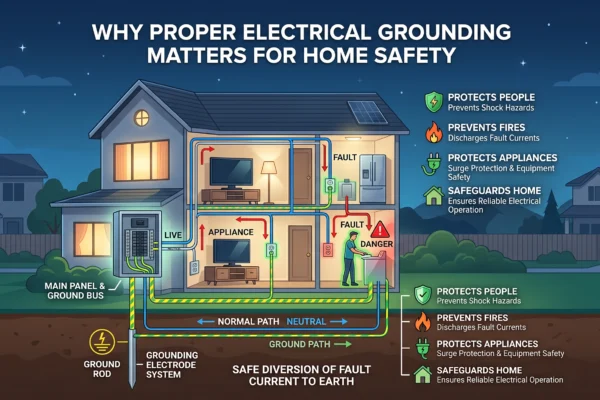
Why Proper Electrical Grounding Matters for Home Safety
Do Smart Thermostats Really Save Money? (Honest Answer)
Spray Foam Insulation: Cost, Pros, Cons & Alternatives (2026)