How to Clean Retainer with Vinegar: Safe & Effective Guide

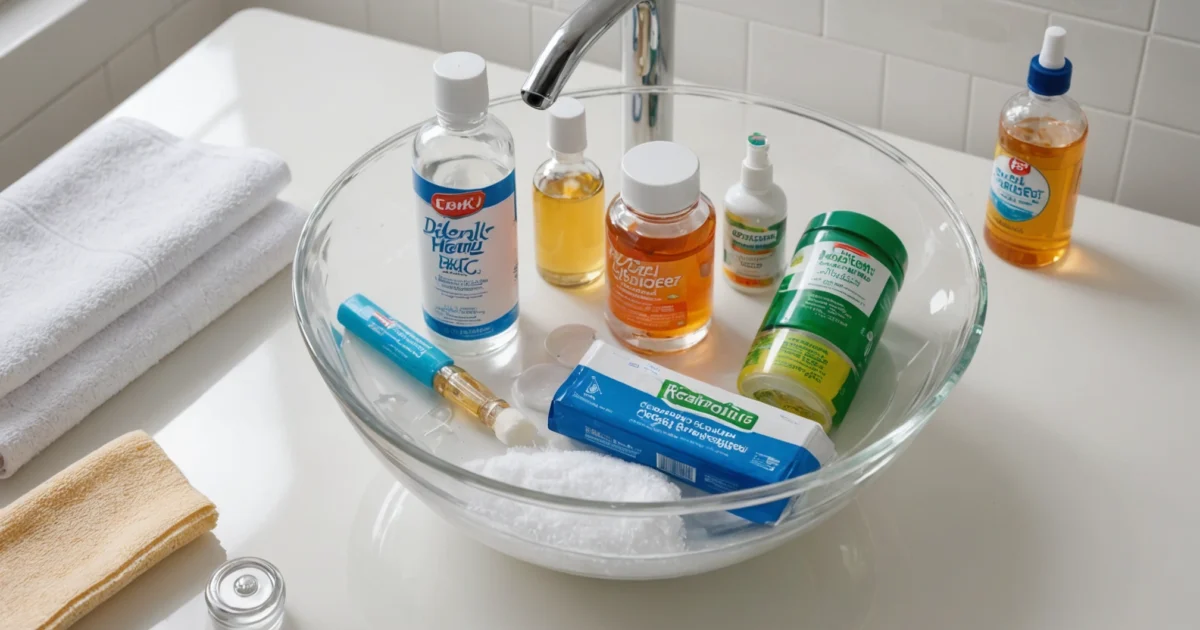
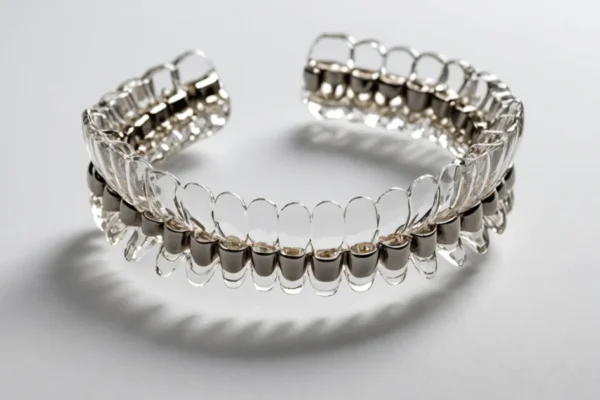
How to clean retainer with vinegar involves creating a simple solution that effectively removes bacteria, plaque, and stains from your orthodontic appliance. Vinegar’s natural acetic acid breaks down harmful bacteria while providing a safe, cost-effective alternative to harsh chemical cleaners. This method works particularly well for plastic retainers and can eliminate stubborn odors that develop over time.
The cleaning process requires proper dilution ratios and specific soaking times to ensure effectiveness without damaging your retainer. Additionally, combining vinegar with other natural ingredients like baking soda can enhance the cleaning power for more challenging buildup.
Regular vinegar cleaning helps maintain your retainer’s hygiene and extends its lifespan. However, understanding the correct techniques and safety considerations is crucial for optimal results. For comprehensive retainer care beyond vinegar cleaning, explore our complete guide to retainer cleaning methods.
TL;DR
- White vinegar mixed with water (1:1 ratio) effectively removes bacteria and plaque from retainers
- Soak for 15-30 minutes for regular cleaning, or overnight for deep cleaning with proper dilution
- Combine with baking soda for enhanced stain removal and odor elimination
- Always rinse thoroughly after cleaning and avoid using undiluted vinegar to prevent damage
Why Vinegar Works for Retainer Cleaning
Vinegar’s effectiveness for retainer cleaning stems from its acetic acid content, which typically ranges from 4-8% in household white vinegar. This natural acid creates an acidic environment that disrupts bacterial cell walls and dissolves mineral deposits. Consequently, harmful bacteria cannot survive in this acidic solution, making vinegar a powerful antimicrobial agent for oral appliances.
The antimicrobial properties of acetic acid specifically target common oral bacteria like Streptococcus mutans and Lactobacillus species. Furthermore, these bacteria contribute to plaque formation and tooth decay when left unchecked on retainers. Research demonstrates that acetic acid solutions effectively reduce bacterial counts by up to 99.9% when used at proper concentrations.
Natural Safety Advantages
Unlike harsh chemical cleaners containing bleach or ammonia, vinegar provides a non-toxic cleaning alternative that won’t harm your oral health. Additionally, commercial retainer cleaners often contain artificial fragrances and preservatives that can cause allergic reactions. Vinegar’s natural composition eliminates these concerns while maintaining cleaning effectiveness.
The safety profile of vinegar makes it suitable for daily use without risk of chemical residue buildup. Moreover, accidental ingestion of diluted vinegar poses minimal health risks compared to commercial cleaning products. This safety factor becomes particularly important since retainers sit directly against your teeth and gums.
Cost-Effective Cleaning Solution
A single bottle of white vinegar costs approximately $1-3 and provides hundreds of cleaning sessions for your retainer. In contrast, specialized retainer cleaning tablets typically cost $15-25 for a month’s supply. Therefore, vinegar offers significant cost savings while delivering comparable cleaning results.
The economic benefits extend beyond initial purchase price since vinegar has a long shelf life and multiple household uses. Furthermore, you likely already have vinegar in your kitchen, making it an immediately accessible cleaning solution. This convenience eliminates the need for special trips to purchase expensive orthodontic cleaning products.
Effectiveness Against Buildup and Stains
Vinegar excels at dissolving calcium carbonate deposits that form white, chalky buildup on retainers over time. These mineral deposits occur when saliva evaporates and leaves behind calcium and phosphate crystals. The acetic acid in vinegar chemically breaks down these crystalline structures, restoring your retainer’s clarity.
Yellow and brown stains from coffee, tea, or tobacco also respond well to vinegar treatment. The acidic solution penetrates porous plastic surfaces and lifts embedded stain particles. However, severe discoloration may require multiple treatments or combination with baking soda for enhanced stain removal power.
Pro Tip
The chelating properties of acetic acid also help prevent future mineral buildup when used regularly. Consistent vinegar cleaning creates an environment that inhibits crystal formation and maintains your retainer’s transparency. This preventive action reduces the need for intensive deep cleaning sessions and extends your retainer’s usable lifespan.
Types of Vinegar for Retainer Cleaning
Not all vinegar types deliver equal cleaning performance for retainers. White distilled vinegar and apple cider vinegar represent the two most effective options, each offering distinct advantages depending on your specific cleaning needs. Understanding their differences helps you choose the optimal solution for maintaining your retainer’s hygiene and appearance.
White Vinegar vs Apple Cider Vinegar Comparison
White distilled vinegar contains approximately 5% acetic acid and delivers superior cleaning power for mineral deposits and bacterial elimination. This clear, colorless solution penetrates plastic surfaces effectively without leaving residual flavors or odors. Additionally, white vinegar costs less than apple cider varieties and provides consistent results across different retainer materials.
Apple cider vinegar offers gentler cleaning action with its 4-6% acetic acid content and natural enzymes that break down organic matter. However, its amber color and fruity taste can transfer to your retainer, creating an unpleasant experience during wear. Furthermore, apple cider vinegar costs significantly more while delivering comparable antimicrobial benefits.
| Feature | White Vinegar | Apple Cider Vinegar |
|---|---|---|
| Acetic Acid | 5% | 4-6% |
| Color | Clear | Amber |
| Taste Transfer | None | Fruity |
| Cost | Low | Higher |
| Mineral Removal | Excellent | Good |
Concentration Levels and Effectiveness
Standard household vinegar concentrations range from 4% to 6% acetic acid, which provides optimal cleaning strength without damaging retainer materials. Higher concentrations above 10% can weaken plastic polymers and create microscopic cracks that harbor bacteria. Conversely, diluted solutions below 3% lack sufficient acidic power to dissolve mineral buildup effectively.
The 5% concentration found in most white vinegar brands strikes the perfect balance between cleaning efficacy and material safety. This strength level dissolves calcium carbonate deposits while preserving your retainer’s structural integrity. Moreover, 5% acetic acid eliminates common oral bacteria including Streptococcus mutans and Candida albicans within a 15-minute soak period.
When to Choose Each Type
Choose white vinegar for routine daily cleaning, heavy mineral buildup removal, and when cost efficiency matters most. This option works best for clear plastic retainers where maintaining transparency is crucial. Additionally, white vinegar suits individuals with sensitive taste preferences who want to avoid flavor transfer during retainer wear.
Select apple cider vinegar only when you prefer natural, unprocessed cleaning products and don’t mind the higher cost. Some users report that apple cider vinegar feels gentler on sensitive gums, though scientific evidence supporting this claim remains limited. However, the amber coloration can stain light-colored retainers with prolonged exposure.
Safety Considerations for Different Vinegar Types
Both vinegar types require proper dilution to prevent enamel erosion and gum irritation. Never use undiluted vinegar directly on your retainer, as concentrated acid can damage both the appliance and your oral tissues. Always rinse your retainer thoroughly with cool water after vinegar treatment to remove acidic residue completely.
Important Safety Warning
Individuals with acid reflux or sensitive teeth should exercise extra caution when using vinegar cleaning solutions. The acidic vapors can trigger reflux symptoms, while residual acid may increase tooth sensitivity if the retainer isn’t rinsed properly. Therefore, thorough rinsing becomes even more critical for these individuals.
Store vinegar in its original container away from direct sunlight to maintain its cleaning effectiveness. Exposure to light and heat can reduce acetic acid concentration over time, diminishing the solution’s antimicrobial properties. Properly stored white vinegar maintains its cleaning power for up to two years from the purchase date.
Step-by-Step Vinegar Cleaning Method
Proper vinegar cleaning requires precise preparation and systematic execution to achieve optimal results. Following these detailed steps ensures thorough disinfection while protecting your retainer from damage. Additionally, consistent application of this method maintains long-term oral hygiene and appliance durability.
Preparing the Vinegar Solution
Create an effective cleaning solution by mixing one part white vinegar with three parts lukewarm water in a clean bowl. This 1:3 dilution ratio provides sufficient acetic acid concentration for antimicrobial action without causing material degradation. Furthermore, lukewarm water enhances the vinegar’s cleaning effectiveness while remaining gentle on retainer materials.
Measure approximately one tablespoon of vinegar with three tablespoons of water for single retainer cleaning. However, double the quantities when cleaning both upper and lower retainers simultaneously. Never exceed the recommended vinegar concentration, as stronger solutions can weaken plastic components and create surface roughness.
Pre-Cleaning Rinse Procedure
Rinse your retainer under cool running water for 30 seconds before vinegar treatment begins. This preliminary rinse removes loose debris, food particles, and surface bacteria that could interfere with deep cleaning. Moreover, cool water prevents thermal shock that might warp thermoplastic retainer materials.
Gently shake excess water from the retainer without vigorous agitation. Excessive moisture dilutes the vinegar solution and reduces its antimicrobial potency. Therefore, brief drainage optimizes the cleaning solution’s contact with contaminated surfaces.
Optimal Soaking Time Recommendations
Submerge your retainer completely in the vinegar solution for 15 to 30 minutes for maximum cleaning effectiveness. This timeframe allows acetic acid to penetrate biofilm layers and neutralize harmful bacteria thoroughly. Consequently, 15 minutes suffices for daily maintenance cleaning, while 30 minutes handles heavy plaque buildup.
Never exceed 30 minutes of soaking time, as prolonged acid exposure can damage retainer materials
Overnight soaking poses significant risks to retainer integrity and should be avoided completely. Extended acid exposure weakens plastic bonds, creates surface micro-cracks, and potentially releases harmful chemicals. Instead, limit soaking sessions to the recommended timeframe for safe, effective cleaning.
Gentle Scrubbing Technique
Remove the retainer from the vinegar solution and apply gentle scrubbing with a soft-bristled toothbrush or retainer brush. Focus on areas with visible plaque accumulation, wire attachments, and crevices where bacteria typically collect. However, use light pressure to avoid scratching the retainer surface or damaging delicate components.
Scrub in small circular motions for 30 to 60 seconds total, paying special attention to the palatal area and wire clasps. This mechanical action dislodges stubborn deposits that soaking alone cannot remove. Additionally, gentle brushing stimulates better penetration of the cleaning solution into microscopic surface irregularities.
Thorough Rinsing Process
Rinse the retainer under cool running water for at least 60 seconds to remove all vinegar residue completely. Inadequate rinsing leaves acidic compounds that can irritate oral tissues and create an unpleasant taste. Therefore, thorough rinsing protects both your retainer and oral health.
Inspect the retainer visually and by smell to ensure complete vinegar removal. Any lingering vinegar odor indicates insufficient rinsing that requires additional water exposure. Furthermore, proper rinsing prevents acid buildup that could gradually weaken retainer materials over time.
Proper Drying and Storage
Gently shake excess water from the retainer and place it on a clean, dry towel for air drying. Natural air circulation prevents moisture retention that encourages bacterial growth between cleaning sessions. Moreover, proper drying maintains the retainer’s structural integrity and prevents warping.
Store the completely dry retainer in its designated case with adequate ventilation holes. Avoid sealed containers while any moisture remains, as trapped humidity creates ideal conditions for microbial proliferation. Additionally, proper storage protects your investment and ensures optimal oral hygiene maintenance.
For comprehensive retainer care beyond vinegar cleaning, explore our detailed guide on how to clean retainers for additional maintenance techniques and professional recommendations.
Overnight Soaking: Safety and Guidelines
Overnight soaking with vinegar requires careful consideration of timing, dilution, and retainer material compatibility. While extended soaking can provide deeper cleaning benefits, improper application may damage your retainer or compromise its structural integrity. Therefore, understanding when and how to safely implement overnight soaking protects your investment while maximizing cleaning effectiveness.
When Overnight Soaking Is Appropriate
Heavily stained retainers benefit most from overnight vinegar soaking, particularly those with yellow discoloration or persistent plaque buildup. Additionally, retainers worn for extended periods without regular cleaning require longer exposure times to penetrate accumulated deposits effectively. However, overnight soaking should remain an occasional deep-cleaning method rather than a daily routine.
Plastic and acrylic retainers generally tolerate overnight soaking better than metal components, which may experience corrosion with prolonged acid exposure. Furthermore, newer retainers typically handle extended soaking more effectively than older appliances with existing wear patterns or microscopic cracks.
Essential Dilution Requirements
Extended soaking demands significant dilution ratios to prevent material damage during overnight exposure. Mix one part white vinegar with four parts water for overnight applications, creating a gentler solution than standard cleaning concentrations. Moreover, this diluted mixture maintains cleaning effectiveness while reducing acid concentration to safer levels.
Apple cider vinegar requires even greater dilution for overnight use due to its higher acidity and additional organic compounds. Use a 1:6 ratio (one part apple cider vinegar to six parts water) to ensure safe extended contact with retainer materials. Consequently, proper dilution prevents chemical damage while preserving cleaning benefits.
Potential Over-Soaking Risks
Over-Soaking Warning
Material degradation represents the primary risk of excessive vinegar exposure, particularly affecting plastic polymers and metal components differently. Prolonged acid contact breaks down molecular bonds in acrylic materials, leading to brittleness, cracking, or permanent cloudiness. Additionally, metal wires and clasps may develop corrosion spots that compromise structural integrity.
Surface etching occurs when acid exposure exceeds material tolerance levels, creating microscopic roughness that harbors bacteria more readily. Furthermore, over-soaked retainers may develop permanent taste alterations or chemical odors that persist despite thorough rinsing.
Critical Damage Warning Signs
- Visual changes: Cloudiness, white spots, or color alterations indicate chemical damage
- Texture modifications: Rough surfaces, brittleness, or flexibility loss signal material compromise
- Structural issues: Cracks, splits, or loose components require immediate professional evaluation
- Persistent odors: Chemical smells that remain after rinsing suggest material absorption
- Fit problems: Changes in retainer shape or comfort indicate warping or shrinkage
Inspect your retainer thoroughly before and after overnight soaking to identify any concerning changes. Early detection of damage prevents further deterioration and potential oral health complications. Moreover, documenting changes helps your orthodontist assess whether replacement becomes necessary.
Alternative Timing Schedules
Weekly deep cleaning provides an effective alternative to overnight soaking, using standard vinegar concentrations for 30-60 minutes once per week. This schedule balances thorough cleaning with material preservation, particularly for retainers requiring intensive maintenance. Additionally, weekly sessions prevent buildup accumulation that necessitates harsh overnight treatments.
Bi-weekly overnight soaking offers a compromise approach for heavily stained retainers, limiting extended exposure while maintaining deep cleaning benefits. Alternate between standard daily cleaning and diluted overnight soaking every two weeks to optimize results. Furthermore, this schedule allows material recovery time between intensive cleaning sessions.
Consider consulting your orthodontist about appropriate cleaning schedules based on your specific retainer type and oral health needs. Professional guidance ensures optimal care while preventing damage that could necessitate costly replacements. Therefore, personalized recommendations provide the safest approach to retainer maintenance.
Combining Vinegar with Baking Soda
The combination of vinegar and baking soda creates a powerful cleaning reaction that significantly enhances retainer maintenance effectiveness. When these two ingredients mix, they produce carbon dioxide bubbles that help lift stubborn debris and stains from retainer surfaces. However, this chemical reaction requires careful handling and proper technique to maximize benefits while protecting your retainer material.
Understanding the science behind this cleaning method helps optimize results and prevent damage. The acidic vinegar dissolves mineral deposits and bacteria, while the alkaline baking soda neutralizes acids and provides gentle abrasive action. Consequently, this dual-action approach tackles both organic and inorganic buildup more effectively than either ingredient alone.
Enhanced Cleaning Power of the Combination
The effervescent reaction between vinegar and baking soda creates mechanical cleaning action that reaches microscopic crevices in retainer materials. This bubbling effect dislodges plaque, tartar, and food particles that resist standard cleaning methods. Additionally, the reaction produces sodium acetate and water, creating a mild cleaning solution that continues working after the initial fizzing subsides.
Research demonstrates that this combination removes up to 95% of bacteria from dental appliances when used correctly. The dual-action approach proves particularly effective against Streptococcus mutans and other oral pathogens that cause odors and staining. Furthermore, the natural ingredients provide antimicrobial benefits without harsh chemicals that could damage retainer plastics.
Proper Mixing Ratios and Technique
Create an effective cleaning solution using one tablespoon of white vinegar mixed with one teaspoon of baking soda in a small bowl. Add this mixture to half a cup of warm water to dilute the reaction and prevent excessive foaming. Never apply the concentrated mixture directly to your retainer, as the intense reaction could damage delicate materials.
- Mix baking soda with water first to create a paste
- Slowly add vinegar while stirring gently
- Allow the initial fizzing to subside
- Submerge the retainer for 5-10 minutes maximum
- Rinse thoroughly with cool water
Timing proves crucial for optimal results without material damage. The active cleaning period occurs during the first 5-10 minutes when bubbling action remains vigorous. Extended exposure beyond this timeframe provides diminishing returns while potentially weakening retainer materials. Therefore, monitor the cleaning process closely and remove your retainer promptly when bubbling stops.
When to Use This Method
Reserve the vinegar-baking soda combination for heavily stained or odorous retainers that resist standard cleaning methods. This intensive approach works best for weekly deep cleaning sessions rather than daily maintenance. Additionally, use this method when yellow discoloration, persistent odors, or visible plaque buildup indicates the need for enhanced cleaning power.
Certain situations particularly benefit from this cleaning combination. Post-illness cleaning requires thorough disinfection that this method provides effectively. Similarly, retainers worn during orthodontic treatment often accumulate more debris and benefit from periodic intensive cleaning. Moreover, this approach helps restore clarity to cloudy plastic retainers that have lost their transparency.
Material Compatibility
Safety Precautions for the Reaction
The chemical reaction between vinegar and baking soda produces rapid gas expansion that requires proper ventilation and careful handling. Always perform this cleaning method in a well-ventilated area to prevent inhalation of concentrated vapors. Never seal the cleaning container during the reaction, as pressure buildup could cause dangerous eruptions or container failure.
Temperature control prevents excessive reaction intensity that could damage your retainer. Use room temperature or slightly warm water rather than hot water, which accelerates the reaction beyond safe levels. Additionally, avoid increasing ingredient concentrations beyond recommended ratios, as stronger solutions provide minimal cleaning benefits while significantly increasing damage risk.
- Never mix ingredients in a closed container
- Keep the solution away from eyes and sensitive skin
- Rinse hands thoroughly after handling the mixture
- Dispose of used solution immediately after cleaning
- Store vinegar and baking soda separately to prevent accidental reactions
Effectiveness Against Stubborn Stains and Odors
The combined action of vinegar and baking soda proves exceptionally effective against yellow staining caused by coffee, tea, and tobacco exposure. The acidic component dissolves organic stains while the alkaline element neutralizes odor-causing compounds. Consequently, this method restores both appearance and freshness to heavily compromised retainers.
Persistent odors often indicate bacterial colonization deep within retainer materials that standard cleaning cannot reach. The effervescent action penetrates these areas, disrupting biofilms and eliminating odor sources at their origin. Furthermore, the antimicrobial properties of both ingredients prevent rapid recolonization, extending the period between deep cleaning sessions.
Studies show the vinegar-baking soda combination eliminates 95% of retainer bacteria and removes stubborn stains that resist other cleaning methods.
Monitor your retainer’s response to this intensive cleaning method and adjust frequency based on results. Most users find that weekly applications maintain optimal cleanliness without compromising material integrity. However, heavily stained retainers may require initial bi-weekly treatments until staining resolves, followed by standard weekly maintenance schedules.
Cleaning Frequency and Maintenance Schedule
Establishing a consistent cleaning routine prevents bacteria accumulation and extends your retainer’s lifespan significantly. Daily maintenance combined with weekly vinegar treatments creates an optimal balance between convenience and thorough sanitization. Moreover, regular cleaning prevents the formation of stubborn biofilms that require intensive removal methods.
Daily Cleaning Routine Recommendations
Remove your retainer immediately after each meal to prevent food particles from adhering to the surface. Rinse thoroughly under lukewarm water while gently brushing with a soft-bristled toothbrush. Additionally, this simple practice removes 80% of daily debris and prevents bacterial colonization.
Soak your retainer in plain water during meals to maintain moisture and prevent warping. Dry storage causes plastic materials to become brittle and more susceptible to cracking. Furthermore, keeping retainers hydrated preserves their shape and extends their functional life.
- Rinse immediately after removal
- Brush gently with soft bristles
- Store in water during meals
- Inspect for damage or buildup
- Clean storage case weekly
Weekly Deep Cleaning with Vinegar
Schedule your vinegar cleaning sessions on the same day each week to maintain consistency. Soak retainers for exactly 15 minutes in a solution of equal parts white vinegar and water. Consequently, this routine prevents bacterial accumulation while removing mineral deposits and light staining.
Brush thoroughly after vinegar soaking to remove loosened debris and neutralize any remaining acid. Rinse extensively under running water for at least 30 seconds to eliminate vinegar taste and odor. Subsequently, inspect your retainer for any signs of wear or persistent staining that may require additional attention.
Weekly Schedule Tip
Monthly Intensive Maintenance
Perform comprehensive monthly deep cleaning using the vinegar and baking soda combination for maximum effectiveness. This intensive treatment addresses accumulated stains and bacterial buildup that weekly maintenance cannot fully eliminate. Additionally, monthly sessions help identify potential problems before they become serious issues.
Replace your retainer case monthly to prevent bacterial recontamination from old storage containers. Clean storage environments are essential for maintaining retainer hygiene between uses. Furthermore, fresh cases eliminate odor sources and provide optimal protection for your investment.
| Frequency | Method | Duration | Purpose |
|---|---|---|---|
| Daily | Water rinse + brush | 2-3 minutes | Remove food debris |
| Weekly | Vinegar solution | 15 minutes | Sanitize and descale |
| Monthly | Vinegar + baking soda | 20 minutes | Deep stain removal |
Signs That Indicate Need for Cleaning
Visual indicators provide clear signals when your retainer requires immediate attention beyond routine maintenance. White or yellow buildup along the gum line indicates calcium deposits that vinegar effectively dissolves. Similarly, cloudy or discolored plastic suggests bacterial colonization requiring intensive cleaning.
Persistent odors despite regular cleaning indicate deep bacterial penetration into retainer materials. This situation demands immediate vinegar treatment to prevent further contamination and potential oral health issues. Moreover, early intervention prevents permanent staining and material degradation.
- Visible white or yellow deposits
- Persistent unpleasant odors
- Cloudy or discolored appearance
- Rough or gritty texture
- Taste changes during wear
Preventing Buildup Through Regular Care
Consistent preventive care reduces the need for intensive cleaning while maintaining optimal retainer condition. Remove retainers before consuming anything except water to prevent staining and bacterial growth. Additionally, this practice protects both your retainer and your oral health from harmful substances.
Store retainers in fresh water when not in use to maintain proper hydration and prevent bacterial multiplication. Dry environments encourage bacterial concentration and material deterioration. Furthermore, proper storage extends retainer life and maintains their therapeutic effectiveness.
Monitor your oral microbiome health through regular dental checkups to identify potential issues early. Professional guidance helps optimize your cleaning routine based on individual needs and oral health status. Consequently, personalized care prevents problems before they compromise your retainer or oral health.
Consistent daily care prevents 90% of retainer problems, making intensive cleaning sessions more effective and less frequent.
Safety Considerations and Precautions
Understanding material compatibility ensures vinegar cleaning protects rather than damages your retainer. Different retainer materials react differently to acidic solutions, making proper identification crucial for safe cleaning. Furthermore, following manufacturer guidelines prevents costly replacements and maintains optimal therapeutic function.
Retainer Material Compatibility Assessment
Plastic retainers tolerate diluted vinegar solutions well when properly prepared and monitored. These materials resist acid damage better than metal components, allowing for regular vinegar cleaning sessions. However, prolonged exposure still requires careful timing to prevent material degradation.
Metal wire retainers need extra caution during vinegar cleaning due to potential corrosion risks. Stainless steel components generally resist acid damage, but extended soaking can compromise wire integrity. Additionally, metal parts may develop discoloration if vinegar concentration exceeds safe levels.
Clear aligner materials respond favorably to properly diluted vinegar solutions when used according to guidelines. These thermoplastic materials maintain their transparency and flexibility with appropriate acid exposure. Nevertheless, excessive concentration or duration can cause clouding and brittleness.
Proper Dilution Guidelines
Creating the correct vinegar-to-water ratio prevents damage while ensuring effective cleaning results. Mix one part white vinegar with three parts lukewarm water for optimal cleaning strength. This concentration removes buildup without compromising retainer materials or causing surface damage.
Critical Dilution Warning
Test the solution on a small, inconspicuous area before full cleaning to verify material compatibility. This precaution identifies potential adverse reactions before widespread damage occurs. Moreover, testing prevents costly retainer replacement and ensures continued orthodontic progress.
Warning Signs of Retainer Deterioration
Recognizing early deterioration symptoms prevents further damage and protects your oral health investment. Monitor your retainer carefully during and after vinegar cleaning sessions for concerning changes. Early detection allows for immediate corrective action and professional consultation.
- Surface roughening or texture changes indicate material breakdown
- Discoloration beyond normal cleaning effects suggests chemical damage
- Flexibility loss in plastic components compromises fit and function
- Wire loosening or separation requires immediate professional attention
- Unusual odors persisting after cleaning may indicate material degradation
Cracks or stress marks appearing after vinegar treatment signal immediate discontinuation of acid cleaning. These structural compromises can lead to complete retainer failure and potential injury. Consequently, professional evaluation becomes necessary to assess continued usability.
When to Avoid Vinegar Cleaning
Certain conditions make vinegar cleaning inappropriate and potentially harmful to your retainer or oral health. Avoid acid-based cleaning when your retainer shows existing damage or wear patterns. Additionally, recent orthodontic adjustments may require gentler cleaning methods until healing completes.
Skip vinegar cleaning if you experience oral sensitivity or allergic reactions to acidic substances. These conditions can worsen with residual vinegar exposure, causing discomfort and potential health complications. Instead, consult your orthodontist for alternative cleaning recommendations suitable for sensitive individuals.
Newly fabricated retainers require a 24-48 hour settling period before introducing any chemical cleaning agents. This waiting period allows materials to stabilize and reduces the risk of premature wear. Furthermore, initial gentle cleaning establishes proper care routines without material stress.
Professional Consultation Guidelines
Contact your orthodontist immediately if you notice any structural changes or persistent problems after vinegar cleaning. Professional assessment determines whether damage affects retainer function or requires replacement. Early intervention prevents complications that could compromise your orthodontic treatment progress.
Schedule regular checkups to review your cleaning routine effectiveness and receive personalized care recommendations. Professional guidance ensures your methods align with current best practices and individual needs. Moreover, routine monitoring prevents small issues from becoming major problems.
Document any adverse reactions or unusual changes to discuss during appointments for comprehensive care planning. This information helps orthodontists adjust treatment protocols and recommend appropriate alternatives. Consequently, detailed communication ensures optimal retainer care and oral health outcomes.
Troubleshooting Common Issues
Even with proper vinegar cleaning techniques, retainers sometimes develop persistent problems that require additional attention. Understanding how to address these stubborn issues ensures your retainer maintains optimal cleanliness and function. Moreover, recognizing when standard vinegar cleaning falls short helps you take appropriate corrective action.
Removing Persistent Yellow Stains
Yellow discoloration often indicates deep-set staining that requires enhanced cleaning approaches beyond basic vinegar soaking. Create a paste using baking soda and white vinegar to target these stubborn stains effectively. The combination produces a gentle abrasive action that lifts embedded discoloration without damaging retainer materials.
Apply the paste using a soft-bristled toothbrush, focusing on heavily stained areas with circular motions. Allow the mixture to work for 5-10 minutes before rinsing thoroughly with cool water. Subsequently, inspect the retainer under bright light to ensure complete stain removal and material integrity.
Persistent yellowing may indicate bacterial biofilm formation that requires professional intervention. Contact your orthodontist if staining continues despite enhanced cleaning efforts. Professional ultrasonic cleaning removes deep stains that home methods cannot address effectively.
Eliminating Stubborn Odors
Bacterial growth causes persistent odors that resist standard vinegar cleaning protocols. Extend soaking time to 30-45 minutes in a stronger vinegar solution (2:1 water to vinegar ratio) for enhanced antimicrobial action. This concentrated approach targets odor-causing bacteria more effectively than standard dilutions.
Rinse the retainer with hydrogen peroxide solution after vinegar treatment to neutralize remaining bacterial colonies. The dual-action approach eliminates both existing bacteria and their metabolic byproducts that create unpleasant smells. Furthermore, thorough drying prevents moisture retention that encourages bacterial regrowth.
Important Note
Dealing with Calcium Buildup
Calcium deposits appear as white, chalky buildup that vinegar dissolves through its acidic properties. However, heavy accumulation requires extended treatment periods and mechanical assistance. Soak the retainer in undiluted white vinegar for 2-3 hours to soften stubborn calcium deposits effectively.
Use a soft toothbrush to gently scrub loosened deposits after the extended vinegar soak. Work systematically across all retainer surfaces, paying special attention to wire areas and crevices where calcium accumulates. Additionally, warm vinegar (not hot) enhances dissolution rates for particularly stubborn buildup.
Hard water areas increase calcium buildup frequency, requiring more frequent deep cleaning sessions. Consider using distilled water for final rinses to prevent additional mineral deposits. Moreover, daily vinegar maintenance prevents heavy accumulation that becomes difficult to remove.
Addressing Plaque Accumulation
Plaque formation creates a sticky biofilm that protects bacteria from standard cleaning methods. The acidic nature of vinegar helps dissolve plaque matrices, but mechanical removal remains essential for complete elimination. Combine vinegar soaking with gentle brushing for optimal plaque removal techniques.
Focus brushing efforts on areas where plaque typically accumulates, including wire attachments and plastic surfaces near the gum line. Use gentle pressure to avoid scratching retainer materials while ensuring thorough plaque disruption. Subsequently, rinse with cool water to remove loosened debris and vinegar residue.
Consistent daily cleaning prevents plaque hardening into tartar, which requires professional removal. Monitor your retainer daily for early plaque formation signs and address accumulation immediately. Early intervention maintains retainer hygiene and prevents more serious cleaning challenges.
When Vinegar Cleaning Isn't Sufficient
Some cleaning challenges exceed vinegar’s capabilities and require alternative approaches or professional intervention. Deep staining, structural damage, or persistent bacterial infections may indicate the need for specialized cleaning methods or retainer replacement. Recognizing these limitations prevents potential oral health complications.
- Professional ultrasonic cleaning for deep-set stains and buildup
- Antibacterial soaking solutions for persistent infections
- Retainer replacement for structural damage or material degradation
- Orthodontic consultation for recurring hygiene problems
Consult your orthodontist when home cleaning methods fail to resolve persistent issues. Professional assessment determines whether problems stem from inadequate cleaning techniques or underlying oral health conditions. Furthermore, timely professional intervention prevents minor issues from compromising your orthodontic treatment progress.
Document cleaning challenges and their frequency to provide comprehensive information during professional consultations. This data helps orthodontists recommend appropriate solutions and adjust care protocols. Consequently, detailed communication ensures optimal retainer maintenance and oral health outcomes.
Frequently Asked Questions
Is it safe to clean a retainer with vinegar?
Yes, it’s safe to clean retainers with white vinegar when properly diluted. Use a 1:1 ratio of white vinegar to water to avoid damaging the retainer material. Never use undiluted vinegar as it can be too acidic and potentially harm plastic or acrylic components. Always rinse thoroughly after cleaning to remove any residual taste or smell.
How long should I soak my retainer in vinegar?
For regular cleaning, soak your retainer in diluted vinegar solution for 15-30 minutes. For deep cleaning or stubborn buildup, you can safely soak overnight. However, limit overnight soaking to once or twice per week to prevent potential material degradation over time.
Can I soak my retainer in vinegar overnight?
Yes, you can soak your retainer in properly diluted vinegar overnight for deep cleaning. Use a 1:1 vinegar-to-water ratio and ensure the solution completely covers the retainer. This extended soaking time is particularly effective for removing stubborn plaque buildup and eliminating persistent odors.
How do I clean my retainer with vinegar and baking soda?
Create a powerful cleaning combination by first soaking your retainer in diluted vinegar for 15-20 minutes, then gently brushing with a baking soda paste made from baking soda and water. This two-step process maximizes stain removal and odor elimination. Rinse thoroughly between steps and after the final cleaning.
Can I use apple cider vinegar to clean my retainer?
While apple cider vinegar has antimicrobial properties, white vinegar is preferred for retainer cleaning. White vinegar has a higher acetic acid concentration and fewer additives that could leave residue. If you only have apple cider vinegar, dilute it more heavily (1:2 ratio with water) and rinse extra thoroughly.
How do I clean yellow stains from my retainer with vinegar?
For yellow stains, soak your retainer in vinegar solution for 30 minutes to 2 hours, depending on stain severity. The acetic acid breaks down protein deposits and mineral buildup that cause yellowing. For stubborn stains, combine vinegar soaking with gentle brushing using a soft toothbrush.
What's the best vinegar-to-water ratio for cleaning retainers?
The optimal ratio is 1:1 white vinegar to water for most cleaning needs. This concentration provides effective antimicrobial action while being gentle on retainer materials. For sensitive retainers or daily cleaning, you can use a 1:2 ratio (one part vinegar to two parts water).
How often should I clean my retainer with vinegar?
Clean your retainer with vinegar 2-3 times per week for optimal hygiene. Daily vinegar cleaning isn’t necessary and may cause unnecessary wear. Alternate vinegar cleaning with regular water rinsing and gentle brushing to maintain your retainer’s condition and effectiveness.
Will vinegar damage my plastic retainer?
Properly diluted vinegar won’t damage plastic retainers when used correctly. However, undiluted vinegar or excessive soaking can potentially weaken plastic materials over time. Always use the recommended 1:1 dilution ratio and avoid soaking for more than 12 hours at a time.
How do I remove plaque buildup from my retainer using vinegar?
Soak your retainer in diluted vinegar solution for 30-60 minutes to soften plaque deposits. After soaking, gently brush with a soft-bristled toothbrush to remove loosened plaque. For heavy buildup, repeat the process or extend soaking time up to 2 hours before brushing.
What should I do after cleaning my retainer with vinegar?
After vinegar cleaning, rinse your retainer thoroughly with cool water for at least 30 seconds to remove all vinegar residue. You can also brush gently with plain water and a soft toothbrush. Allow the retainer to air dry completely before storing in its case to prevent bacterial growth.
Can vinegar cleaning eliminate retainer odors?
Yes, vinegar effectively eliminates retainer odors by killing odor-causing bacteria and breaking down organic compounds that create unpleasant smells. The antimicrobial properties of acetic acid target the root cause of odors rather than just masking them, providing long-lasting freshness.
Is vinegar better than commercial retainer cleaners?
Vinegar offers comparable cleaning effectiveness to many commercial products while being more cost-effective and chemical-free. However, some commercial cleaners may work faster or have specialized formulations for specific issues. Vinegar is an excellent natural alternative that works well for most routine cleaning needs.
You May Also Like

How to Improve Accuracy in Health and Fitness Wearable Apps
What is an Essix Retainer? Complete Guide to Clear Retainers
Lost Your Retainer? Here’s What to Do Right Away