How to Clean Retainers: Complete Guide for 2026

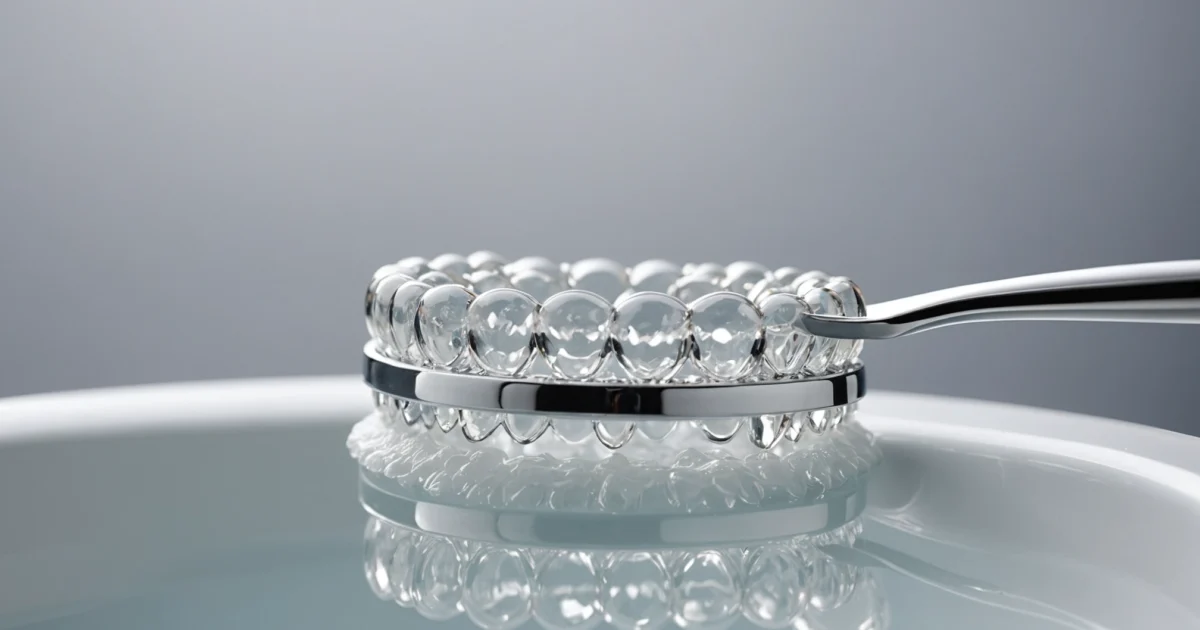
How to clean retainers properly involves daily rinsing with lukewarm water, gentle brushing with mild soap, and regular deep cleaning using natural methods or commercial products. Proper retainer hygiene prevents bacteria buildup, eliminates odors, and extends the lifespan of your orthodontic appliance.
Most retainer problems stem from inadequate cleaning routines. Therefore, establishing a consistent daily maintenance schedule is crucial for preventing plaque accumulation and bacterial growth. Additionally, knowing which cleaning methods work best helps you avoid damaging your retainer while keeping it fresh and hygienic.
Your oral microbiome directly affects retainer cleanliness, making proper cleaning techniques essential for both appliance care and overall dental health. Furthermore, understanding what products to avoid prevents costly damage from harsh chemicals or excessive heat.
TL;DR
- Daily cleaning: Rinse with lukewarm water and brush gently with mild soap after each use
- Natural methods: Use baking soda paste, white vinegar soaks, or hydrogen peroxide for deep cleaning
- Commercial products: Retainer cleaning tablets like Retainer Brite and ultrasonic cleaners provide effective disinfection
- Avoid damage: Never use hot water, toothpaste, bleach, or abrasive tools that can warp or scratch retainers
- Prevent odors: Store in ventilated cases and maintain proper oral hygiene before retainer use
Daily Retainer Cleaning Routine
Daily retainer maintenance requires a systematic approach that protects your appliance while eliminating harmful bacteria. Moreover, establishing consistent cleaning habits prevents costly damage and ensures optimal oral health. Your retainer accumulates plaque, food particles, and bacteria throughout daily wear, making thorough cleaning essential.
Immediate Post-Removal Care
Rinse your retainer immediately after removal using lukewarm water to dislodge loose debris and bacteria. Additionally, this initial rinse prevents plaque from hardening on the appliance surface. Never use hot water, which can warp plastic retainers and compromise their fit.
Lukewarm water provides the ideal temperature for effective cleaning without causing thermal damage. Furthermore, immediate rinsing establishes a protective barrier against bacterial colonization during storage periods.
Gentle Brushing Technique
Use a soft-bristled toothbrush with mild soap to gently scrub all retainer surfaces, including grooves and crevices where bacteria accumulate. However, avoid regular toothpaste, which contains abrasive particles that scratch retainer materials. Instead, mild dish soap or specialized retainer cleaners provide effective cleaning without damage.
Brush in circular motions for 30-60 seconds, paying special attention to areas that contact your teeth and gums. Subsequently, this thorough brushing removes biofilm formation and prevents odor development. The oral microbiome directly influences retainer cleanliness, making proper brushing crucial for both appliance care and dental health.
Temperature and Material Safety
Temperature control prevents irreversible damage to retainer materials. Specifically, hot water warps plastic components and alters the precise fit your orthodontist created. Therefore, always use lukewarm or cool water during cleaning procedures.
Plastic retainers become malleable at temperatures above 140°F (60°C), while metal components can expand and lose tension. Consequently, maintaining proper water temperature preserves your retainer’s structural integrity and therapeutic effectiveness.
Proper Drying and Storage
Pat your retainer dry with a clean towel rather than air-drying, which allows bacterial growth on moist surfaces. Additionally, thorough drying prevents moisture accumulation that creates ideal conditions for microbial colonization. Use gentle patting motions to avoid applying excessive pressure that could crack or deform the appliance.
Store your clean, dry retainer in a ventilated case that allows airflow while protecting against contamination. Furthermore, proper storage prevents accidental damage and maintains cleanliness between uses. Replace storage cases every 3-6 months to prevent bacterial buildup in case materials.
Daily Cleaning Checklist
Consistency in your daily cleaning routine determines long-term retainer success. Therefore, treating retainer care as seriously as regular tooth brushing ensures optimal results and prevents complications that require professional intervention.
Natural Cleaning Methods
Natural cleaning solutions effectively remove bacteria and plaque buildup without harsh chemicals that damage retainer materials. Moreover, household ingredients provide safe, affordable alternatives to commercial cleaners while maintaining your appliance’s structural integrity.
Baking Soda Paste Method
Create an effective cleaning paste by mixing two tablespoons of baking soda with enough water to form a thick consistency. Additionally, this alkaline solution neutralizes acids produced by bacteria while gently abrading away stubborn deposits.
Apply the paste using a soft-bristled toothbrush, focusing on areas where plaque typically accumulates. Furthermore, gentle circular motions remove buildup without scratching delicate plastic surfaces. Rinse thoroughly with cool water after two to three minutes of brushing to prevent residue formation.
White Vinegar Soak
Dilute white vinegar with equal parts water to create a powerful antimicrobial solution that dissolves mineral deposits and kills harmful bacteria. Consequently, this acidic environment breaks down calcium buildup while maintaining safe pH levels for retainer materials.
Soak your retainer for 15 to 30 minutes maximum to prevent potential damage from prolonged acid exposure. Subsequently, rinse thoroughly with cool water and brush gently to remove loosened debris. Never exceed 30 minutes, as extended exposure may weaken plastic components.
Baking Soda and Vinegar Combination
Combine these ingredients sequentially rather than simultaneously to maximize cleaning effectiveness. Initially, apply baking soda paste for mechanical cleaning, then follow with a diluted vinegar rinse for antimicrobial action.
This two-step process provides comprehensive cleaning that addresses both physical buildup and bacterial contamination. However, avoid mixing these ingredients directly, as the neutralization reaction reduces their individual cleaning properties.
Hydrogen Peroxide Solution
Three percent hydrogen peroxide diluted with equal parts water creates an effective disinfecting solution that eliminates bacteria, viruses, and fungi. Additionally, this oxidizing agent breaks down organic matter while whitening discolored retainer surfaces.
Soak your retainer for 10 to 15 minutes in the diluted solution, then rinse thoroughly with cool water. Furthermore, hydrogen peroxide provides deep sanitization that complements daily mechanical cleaning. Use this method two to three times weekly for optimal disinfection without material degradation.
Safety Precaution
Salt Water Rinse for Maintenance
Dissolve one teaspoon of salt in eight ounces of warm water to create a gentle maintenance solution for daily use. Specifically, this isotonic solution reduces bacterial growth while being completely safe for frequent application.
Swish the salt water around your retainer for 30 seconds to one minute before removing it for thorough cleaning. Similarly, this pre-cleaning rinse loosens debris and reduces bacterial load before applying stronger cleaning methods. Salt water also promotes healthy oral microbiome balance when used consistently.
| Natural Method | Dilution Ratio | Contact Time | Frequency |
|---|---|---|---|
| Baking Soda Paste | 2 tbsp + water | 2-3 minutes | Daily |
| White Vinegar | 1:1 with water | 15-30 minutes | 2-3x weekly |
| Hydrogen Peroxide | 1:1 with water | 10-15 minutes | 2-3x weekly |
| Salt Water | 1 tsp per 8 oz | 30-60 seconds | Daily |
Natural cleaning methods provide effective retainer maintenance while avoiding harsh chemicals that compromise material integrity. Therefore, incorporating these gentle yet powerful solutions into your routine ensures optimal cleanliness and extends your retainer’s functional lifespan.
Commercial Retainer Cleaning Products
Commercial retainer cleaners provide convenient, scientifically-formulated solutions that eliminate bacteria while protecting appliance materials. These specialized products deliver consistent results through precise chemical compositions designed specifically for orthodontic devices. Moreover, commercial cleaners save time while ensuring thorough disinfection that surpasses basic home remedies.
Retainer Cleaning Tablets
Retainer Brite stands as the most popular effervescent cleaning tablet, utilizing sodium bicarbonate and citric acid to create powerful cleaning action. Additionally, these tablets dissolve completely in water, releasing oxygen bubbles that penetrate microscopic crevices where bacteria accumulate. The formula removes plaque buildup while brightening discolored retainer surfaces through gentle oxidation.
Polident denture cleaners work effectively for retainer maintenance, offering a cost-efficient alternative to specialized products. Similarly, these tablets contain enzymes that break down protein deposits and food particles that adhere to retainer surfaces. Use one tablet dissolved in warm water for 15 minutes to achieve optimal cleaning results.
Generic effervescent tablets provide budget-friendly options while maintaining cleaning effectiveness through similar active ingredients. Furthermore, most store-brand tablets contain comparable concentrations of cleaning agents at significantly lower costs than name-brand alternatives.
Specialized Cleaning Solutions
Antibacterial retainer sprays offer portable cleaning solutions for immediate freshening between thorough cleanings. These solutions typically contain antimicrobial agents like cetylpyridinium chloride that eliminate odor-causing bacteria on contact. Consequently, sprays provide convenient maintenance during travel or busy schedules when soaking isn’t practical.
Retainer cleaning foams expand to reach all retainer surfaces, including tight spaces around wires and clasps. The foam formulation allows extended contact time while the cleaning agents work to dissolve biofilm and bacterial colonies. Apply foam directly to the retainer, let it sit for the recommended time, then rinse thoroughly.
Liquid retainer cleaners concentrate powerful cleaning agents in ready-to-use formulations that require no mixing or preparation. These solutions often contain hydrogen peroxide or other oxidizing agents that provide deep sanitization while remaining gentle on retainer materials.
Ultrasonic Cleaners for Deep Cleaning
Ultrasonic cleaning devices generate high-frequency sound waves that create microscopic bubbles in cleaning solution, producing cavitation that dislodges debris from retainer surfaces. This mechanical action reaches areas impossible to clean manually, ensuring complete removal of bacteria and buildup. Professional dental offices use similar technology for instrument sterilization.
Home ultrasonic cleaners typically operate at 40-50 kHz frequency and cost between $30-$150 depending on features and capacity. Fill the tank with water and cleaning solution, place your retainer in the basket, then run the cycle for 3-5 minutes. The process requires no scrubbing while achieving superior cleaning results.
Portable ultrasonic cleaners offer travel-friendly options with battery operation and compact designs. These devices provide professional-level cleaning anywhere while maintaining the same cavitation principles as larger units.
Effectiveness and Cost Comparison
| Product Type | Cleaning Power | Cost per Use | Convenience | Best For |
|---|---|---|---|---|
| Retainer Brite Tablets | Excellent | $0.50 | High | Daily cleaning |
| Polident Tablets | Very Good | $0.25 | High | Budget-conscious users |
| Antibacterial Sprays | Good | $0.15 | Very High | Quick freshening |
| Ultrasonic Cleaners | Superior | $0.05* | Medium | Deep cleaning |
| Cleaning Foams | Very Good | $0.35 | High | Thorough coverage |
*Cost per use after initial device purchase
Effervescent tablets provide the best balance of effectiveness and convenience for most users, delivering consistent results with minimal effort. However, ultrasonic cleaners offer superior cleaning power for users with heavy plaque buildup or those seeking professional-grade results. Budget considerations often favor generic tablets or Polident alternatives without sacrificing cleaning quality.
Combination approaches work best for comprehensive retainer care, using tablets for daily cleaning while incorporating sprays for quick freshening and ultrasonic cleaning for weekly deep sanitization. This multi-product strategy ensures optimal oral health while extending retainer lifespan through proper maintenance protocols.
The oral microbiome benefits significantly from consistent use of commercial cleaning products, as these formulations target specific bacteria strains that cause odor and oral health issues. Therefore, investing in quality commercial cleaners supports both retainer longevity and overall oral wellness.
Deep Cleaning for Heavy Buildup
Heavy buildup on retainers requires aggressive cleaning methods that go beyond daily maintenance routines. Calcium deposits and tartar accumulation create stubborn white or yellowish formations that resist standard cleaning solutions. Furthermore, these deposits harbor bacteria that compromise oral health and cause persistent odors.
Identifying Calcium Deposits and Tartar Buildup
Calcium deposits appear as chalky white spots or films across retainer surfaces, particularly along the gum line areas. Meanwhile, tartar buildup manifests as hard, yellowish-brown formations that feel rough to the touch. These accumulations typically develop when saliva minerals interact with bacterial plaque over extended periods.
Visual inspection reveals the severity of buildup through several key indicators. Additionally, rough textures on normally smooth retainer surfaces signal significant mineral accumulation requiring immediate attention. The presence of persistent odors despite regular cleaning also indicates heavy bacterial colonization within these deposits.
Extended Soaking Methods for Stubborn Plaque
Extended soaking protocols effectively dissolve stubborn plaque through prolonged chemical action. Consequently, soaking retainers in white vinegar solution for 2-4 hours breaks down mineral deposits through mild acidic action. This method works particularly well for calcium-based accumulations that resist standard cleaning tablets.
Baking soda paste applications provide mechanical and chemical cleaning action for heavy buildup. Moreover, creating a thick paste with baking soda and water allows for targeted scrubbing of problem areas. The alkaline properties neutralize acids while the abrasive texture removes stubborn deposits without damaging retainer materials.
Soaking Safety
Hydrogen peroxide soaks offer powerful antimicrobial action against bacterial biofilms embedded in heavy plaque. Therefore, diluting hydrogen peroxide to 3% concentration provides safe yet effective cleaning for severely contaminated retainers. This approach eliminates odor-causing bacteria while loosening mineral deposits for easier removal.
Professional Cleaning Options
Dental office cleaning provides the most thorough solution for heavily contaminated retainers through professional-grade equipment and solutions. Specifically, dental hygienists use ultrasonic scaling devices that remove deposits without damaging retainer integrity. These professional treatments restore retainers to near-original condition when home methods prove insufficient.
Professional cleaning costs typically range from $25-75 depending on the severity of buildup and geographic location. However, this investment often proves more economical than retainer replacement when deposits compromise fit or function. Many dental practices offer retainer cleaning as part of routine hygiene appointments.
Orthodontic offices also provide specialized retainer restoration services using laboratory-grade cleaning solutions. Subsequently, these facilities can address complex buildup patterns that develop around wire components or intricate retainer designs. Professional assessment determines whether cleaning can restore function or if replacement becomes necessary.
When to Replace vs. Deep Clean
Replacement indicators include permanent discoloration, structural damage, or persistent odors after professional cleaning attempts. Similarly, retainers showing cracks, warping, or loose wire components require replacement rather than continued cleaning efforts. The oral microbiome suffers when damaged retainers harbor bacteria in irreparable crevices.
Deep cleaning remains viable when deposits appear removable and retainer structure stays intact. Moreover, successful cleaning restores proper fit and eliminates odors completely. Cost comparison favors cleaning when professional services cost less than 50% of replacement expenses.
| Condition | Recommended Action | Success Rate |
|---|---|---|
| Surface calcium deposits | Extended vinegar soak | 85% |
| Heavy tartar buildup | Professional cleaning | 90% |
| Persistent odor after cleaning | Replace retainer | 100% |
| Structural damage visible | Replace immediately | N/A |
| Wire loosening | Professional assessment | 60% |
Preventing Future Heavy Buildup
Prevention strategies focus on consistent daily cleaning routines that prevent initial deposit formation. Therefore, rinsing retainers immediately after removal removes saliva and food particles before mineralization occurs. This simple step significantly reduces calcium deposit development over time.
Weekly deep cleaning sessions using ultrasonic cleaners or extended soaking prevent minor buildup from becoming major problems. Additionally, alternating between different cleaning methods ensures comprehensive removal of various deposit types. Professional cleanings every 6-12 months maintain optimal retainer condition through preventive maintenance.
Dietary modifications also influence buildup rates, as high-calcium foods and sugary drinks accelerate deposit formation. Consequently, rinsing with water after consuming these items reduces mineral availability for deposit creation. Proper storage in clean, dry cases prevents bacterial growth that contributes to plaque formation and subsequent mineralization.
What NOT to Use on Retainers
Certain cleaning products and methods can permanently damage retainers, making them unwearable and requiring costly replacements. Understanding which substances to avoid protects your investment while maintaining proper oral hygiene. Moreover, using inappropriate cleaning agents can create rough surfaces that harbor bacteria and worsen plaque buildup.
Toothpaste Damages Plastic Surfaces
Toothpaste contains abrasive ingredients that scratch plastic retainers, creating microscopic grooves where bacteria thrive. These abrasives include silica, calcium carbonate, and aluminum oxide that polish teeth effectively but destroy delicate retainer materials. Consequently, scratched surfaces become cloudy, retain odors, and feel rough against your tongue.
Regular toothpaste use transforms smooth retainer surfaces into bacterial breeding grounds that resist cleaning efforts. Furthermore, the scratches trap food particles and plaque, making thorough cleaning nearly impossible. Professional replacement becomes necessary when abrasive damage compromises retainer hygiene and comfort.
Heat Causes Permanent Warping
Hot water above 140°F warps retainer plastic, altering the precise fit required for effective tooth retention. Additionally, boiling water instantly deforms thermoplastic materials, making retainers completely unusable. Even warm water from hot taps can gradually soften plastic, causing subtle shape changes that reduce effectiveness.
Warped retainers fail to maintain proper tooth positioning, allowing unwanted movement that reverses orthodontic treatment. Therefore, always use cool or lukewarm water for cleaning, rinsing, and soaking procedures. Temperature control protects both the retainer structure and your orthodontic investment.
Chemical Cleaners Cause Material Breakdown
Bleach and harsh chemicals break down retainer plastics at the molecular level, causing brittleness, discoloration, and eventual cracking. These powerful oxidizers destroy the polymer chains that give retainers their flexibility and durability. Moreover, chemical residues can irritate oral tissues and create unpleasant tastes.
Household cleaners like ammonia, hydrogen peroxide solutions above 3%, and denture cleaners with persulfates also damage retainer materials. Similarly, alcohol-based mouthwashes dry out plastics, making them prone to cracking and bacterial penetration. The oral microbiome requires gentle cleaning methods that preserve both retainer integrity and beneficial bacteria balance.
Chemical Safety Warning
Abrasive Tools Create Damage
Hard-bristled brushes, steel wool, and scouring pads scratch retainer surfaces just like abrasive toothpastes. These tools remove surface material rather than cleaning it, creating permanent damage that accumulates with each use. Instead, soft-bristled toothbrushes or specialized retainer brushes provide effective cleaning without surface destruction.
Ultrasonic jewelry cleaners designed for metals can also damage plastic retainers through excessive vibration intensity. However, purpose-built ultrasonic retainer cleaners use appropriate frequencies that clean without causing structural damage. Always verify equipment compatibility before using mechanical cleaning devices.
- Avoid: Regular toothpaste with abrasives
- Avoid: Water above 140°F or boiling water
- Avoid: Bleach, ammonia, or harsh chemicals
- Avoid: Alcohol-based mouthwashes over 20% concentration
- Avoid: Hard brushes, steel wool, or scouring tools
- Avoid: Dishwasher cycles or heated drying
Protecting retainers from damaging substances ensures long-term effectiveness and reduces replacement costs significantly. Therefore, stick to gentle, retainer-specific cleaning methods that preserve both material integrity and oral health benefits.
Preventing Retainer Odor and Bacteria
Preventing retainer odor requires understanding how bacteria accumulate and multiply on retainer surfaces. Bacteria thrive in warm, moist environments with food particles and protein deposits from saliva. Therefore, consistent prevention strategies eliminate these conditions before odor-causing microorganisms establish colonies.
Most retainer odors stem from anaerobic bacteria that produce sulfur compounds during protein breakdown. Additionally, plaque biofilms create protective environments where bacteria multiply rapidly. Consequently, prevention focuses on disrupting bacterial growth cycles rather than treating established odors.
Proper Storage Techniques
Dry storage prevents bacterial multiplication more effectively than any cleaning method. Furthermore, proper ventilation allows moisture evaporation while protecting retainers from contamination. Always rinse retainers thoroughly before storage, then allow complete air drying.
- Use ventilated retainer cases with drainage holes or mesh panels
- Store in cool, dry locations away from direct sunlight
- Never seal wet retainers in airtight containers
- Replace storage cases every 3-6 months to prevent biofilm buildup
- Keep storage areas clean with weekly disinfection
Avoid storing retainers in bathroom medicine cabinets where humidity levels fluctuate dramatically. Instead, bedroom nightstands or kitchen counters provide more stable environmental conditions. Moreover, dedicated storage locations reduce contamination risks from household bacteria.
Cleaning Frequency Recommendations
Daily cleaning prevents bacterial accumulation that leads to persistent odors and health risks. However, cleaning frequency depends on wear duration, saliva production, and individual oral microbiome composition. Most orthodontists recommend specific schedules based on these factors.
| Wear Duration | Cleaning Frequency | Deep Clean Schedule |
|---|---|---|
| Full-time (20+ hours) | After every meal + bedtime | Weekly with tablets |
| Night-only (8-12 hours) | Morning removal + evening insertion | Bi-weekly deep clean |
| Part-time (4-8 hours) | After each wear session | Weekly maintenance |
Quick rinses between cleanings remove food particles and reduce bacterial load significantly. Similarly, brushing retainers gently during regular oral hygiene routines maintains cleanliness without requiring separate cleaning sessions. Therefore, integrate retainer care into existing dental habits for consistent results.
Signs of Bacterial Overgrowth
Recognizing bacterial overgrowth early prevents serious oral health complications and retainer damage. Visual, olfactory, and tactile indicators signal when cleaning routines need intensification or professional intervention becomes necessary.
Warning Signs of Bacterial Overgrowth
Biofilm formation appears as cloudy, slippery coatings that resist normal cleaning efforts. Additionally, color changes in clear retainers indicate protein deposits and bacterial metabolites accumulating within plastic matrices. Furthermore, persistent odors after thorough cleaning suggest deep bacterial penetration requiring professional treatment.
Taste changes during retainer wear often signal bacterial overgrowth before visible symptoms appear. Moreover, increased oral sensitivity or irritation indicates bacterial toxins affecting oral tissues. Consequently, address these early warning signs immediately to prevent complications.
Maintaining Oral Hygiene Before Retainer Use
Clean teeth and gums reduce bacterial transfer to retainer surfaces dramatically. Therefore, thorough oral hygiene before insertion prevents contamination and extends cleaning intervals. The oral microbiome balance directly affects retainer cleanliness and odor development.
- Brush teeth for minimum 2 minutes with fluoride toothpaste
- Floss between all teeth to remove food particles
- Rinse with antimicrobial mouthwash for 30 seconds
- Wait 30 minutes before retainer insertion to allow saliva pH normalization
- Avoid eating or drinking (except water) for 30 minutes after insertion
Saliva pH affects bacterial growth rates and retainer material integrity significantly. Consequently, timing retainer insertion after meals and beverages prevents acid exposure and bacterial feeding. Moreover, neutral pH conditions reduce both bacterial multiplication and plastic degradation.
Environmental Factors Affecting Retainer Cleanliness
Environmental conditions influence bacterial growth rates and cleaning effectiveness substantially. Temperature, humidity, and air circulation create conditions that either promote or inhibit bacterial multiplication on retainer surfaces.
High humidity environments above 60% relative humidity accelerate bacterial growth and biofilm formation. Similarly, temperatures between 95-98°F (body temperature) provide optimal bacterial multiplication conditions. Therefore, storage and cleaning environments should maintain lower humidity and temperature levels when possible.
Air quality affects retainer contamination through airborne bacteria and pollutants. Furthermore, household cleaning products create chemical residues that interact with retainer materials and oral tissues. Consequently, maintain clean air circulation and avoid chemical exposure during retainer storage.
Proper environmental control reduces bacterial growth by up to 75% compared to uncontrolled conditions
Seasonal changes affect both oral microbiome composition and environmental conditions significantly. Additionally, travel exposes retainers to unfamiliar bacterial environments and varying water quality. Therefore, adjust cleaning routines based on environmental factors and maintain consistent prevention strategies regardless of location changes.
Troubleshooting Common Cleaning Issues
Even with proper cleaning routines, retainers develop persistent problems that require targeted solutions. Consequently, understanding specific troubleshooting techniques helps maintain optimal retainer hygiene and extends appliance lifespan significantly.
Removing Persistent Odors
Persistent odors indicate deep bacterial colonization within retainer materials that standard cleaning cannot eliminate. Therefore, odor removal requires intensive treatment protocols targeting embedded bacteria and biofilm structures.
Baking soda creates an alkaline environment that neutralizes acidic bacterial byproducts causing unpleasant smells. Additionally, vinegar solutions dissolve mineral deposits while eliminating odor-causing bacteria through acidic conditions. Consequently, alternating these treatments provides comprehensive odor elimination.
- Soak retainer in baking soda solution (2 tablespoons per cup water) for 30 minutes
- Follow with white vinegar rinse (1:1 ratio with water) for 15 minutes
- Use hydrogen peroxide soak (3% solution) for stubborn bacterial odors
- Apply retainer cleaning tablets for enzymatic odor breakdown
Furthermore, overnight soaking treatments penetrate deeper into retainer materials than brief cleaning sessions. However, avoid prolonged exposure to acidic solutions that may damage plastic components over extended periods.
Dealing with White Chalky Buildup
White chalky buildup consists primarily of calcium carbonate deposits from saliva minerals and water hardness. Moreover, these deposits create rough surfaces that harbor additional bacteria and complicate future cleaning efforts.
Acidic solutions effectively dissolve mineral deposits through chemical breakdown of calcium carbonate structures. Additionally, mechanical removal using soft brushes prevents surface scratching while eliminating stubborn buildup areas.
Mineral Deposit Removal
Prevention strategies include using distilled water for cleaning and storage solutions. Similarly, regular cleaning prevents mineral accumulation before deposits become difficult to remove through standard methods.
Addressing Discoloration
Retainer discoloration results from bacterial staining, food pigments, and chemical reactions between cleaning products and plastic materials. Consequently, discoloration indicates both aesthetic concerns and potential hygiene issues requiring immediate attention.
Yellow or brown staining typically originates from bacterial metabolites and food particles embedded in retainer surfaces. Meanwhile, blue or green discoloration suggests bacterial overgrowth or chemical reactions from improper cleaning product combinations.
Hydrogen peroxide treatments effectively remove organic stains through oxidation processes that break down pigment molecules. Additionally, enzymatic cleaners target protein-based stains while maintaining material integrity throughout treatment processes.
- Use 3% hydrogen peroxide for organic stain removal
- Apply denture cleaning tablets for comprehensive stain elimination
- Avoid bleach products that damage retainer materials
- Implement preventive cleaning to avoid future discoloration
Fixing Cloudy or Foggy Retainers
Cloudy appearance develops from microscopic scratches, mineral deposits, and bacterial biofilm formation on retainer surfaces. Furthermore, cloudiness reduces retainer transparency and indicates compromised surface integrity that requires restoration techniques.
Polishing compounds specifically designed for dental appliances restore surface clarity through gentle abrasive action. However, avoid household polishing products that contain harsh chemicals damaging to retainer materials and oral tissues.
Professional ultrasonic cleaning provides the most effective cloudiness removal through high-frequency vibrations that eliminate embedded particles. Additionally, maintaining proper oral microbiome balance reduces biofilm formation contributing to retainer cloudiness.
Pros
- Ultrasonic cleaning removes embedded particles effectively
- Professional polishing restores original transparency
- Prevents bacterial accumulation in surface scratches
Cons
- Professional cleaning requires dental office visits
- Polishing compounds may cause surface wear
- Severe cloudiness may indicate irreversible damage
When Cleaning Isn't Enough: Replacement Indicators
Certain retainer conditions indicate that cleaning cannot restore proper function or hygiene standards. Therefore, recognizing replacement indicators prevents continued use of compromised appliances that may harm oral health.
Structural damage including cracks, chips, or warping compromises retainer effectiveness and creates bacterial harboring sites impossible to clean adequately. Similarly, persistent odors despite intensive cleaning indicate deep bacterial colonization requiring appliance replacement.
- Visible cracks or structural damage
- Persistent odors after intensive cleaning protocols
- Permanent discoloration or cloudiness
- Poor fit indicating material degradation
- Surface roughness that harbors bacteria
- Age exceeding manufacturer recommendations (typically 2-3 years)
Additionally, retainers showing signs of material breakdown release particles that may irritate oral tissues. Consequently, replacement ensures continued orthodontic benefits while maintaining optimal oral health standards.
Replace retainers immediately when structural integrity becomes compromised, as damaged appliances cannot maintain proper tooth positioning
Furthermore, consult orthodontic professionals when cleaning efforts fail to resolve persistent problems. Professional evaluation determines whether intensive cleaning protocols or complete replacement provides the most appropriate solution for specific retainer conditions.
Frequently Asked Questions
What is the best way to clean retainers?
The best way to clean retainers involves a daily routine of rinsing with lukewarm water immediately after removal, followed by gentle brushing with a soft-bristled toothbrush and mild soap. For deeper cleaning, use natural methods like baking soda paste or commercial retainer cleaning tablets. Always avoid hot water, regular toothpaste, and abrasive materials that can damage your retainer.
How do I keep my retainer from smelling?
Prevent retainer odors by maintaining proper oral hygiene before wearing your retainer, cleaning it daily with mild soap, and storing it in a ventilated case. Regular deep cleaning with baking soda, white vinegar soaks, or hydrogen peroxide eliminates bacteria that cause unpleasant smells. Never store a wet retainer in a closed container, as moisture creates ideal conditions for bacterial growth.
Are you supposed to wash your retainer every day?
Yes, you should clean your retainer every day to prevent bacteria buildup, plaque accumulation, and odor development. Daily cleaning involves rinsing with lukewarm water after each use and brushing gently with mild soap. This consistent routine prevents costly damage and ensures optimal oral health while extending your retainer’s lifespan.
What kills bacteria on retainers?
Several methods effectively kill bacteria on retainers: hydrogen peroxide soaks, white vinegar solutions, baking soda paste, and commercial retainer cleaning tablets like Retainer Brite. Ultrasonic cleaners also provide thorough disinfection. These methods eliminate harmful bacteria while being gentle enough not to damage retainer materials when used properly.
How do you clean retainers with baking soda?
To clean retainers with baking soda, create a paste using baking soda and water, then gently brush all surfaces with a soft-bristled toothbrush. Alternatively, dissolve 1 teaspoon of baking soda in a cup of lukewarm water and soak your retainer for 15-20 minutes. Rinse thoroughly afterward to remove any residue. This natural method effectively removes plaque and neutralizes odors.
Can I clean my retainer with vinegar?
Yes, you can clean retainers with white vinegar by creating a solution of equal parts water and white vinegar. Soak your retainer for 15-20 minutes, then brush gently and rinse thoroughly with lukewarm water. Vinegar’s acidic properties help dissolve mineral deposits and kill bacteria, but always rinse completely to eliminate the vinegar taste and smell.
How often should I deep clean my retainer?
Deep clean your retainer 2-3 times per week using methods like baking soda soaks, vinegar solutions, or commercial cleaning tablets. Daily maintenance with mild soap and lukewarm water handles regular cleaning, while deep cleaning removes stubborn plaque buildup and eliminates bacteria that daily cleaning might miss.
What should I never use to clean my retainer?
Never use these items to clean retainers:
- Hot water (can warp plastic components)
- Regular toothpaste (contains abrasive particles)
- Bleach or harsh chemicals (can damage materials)
- Abrasive tools (can scratch surfaces)
- Boiling water (destroys retainer shape)
- Alcohol-based mouthwashes (can dry out materials)
How do retainer cleaning tablets work?
Retainer cleaning tablets like Retainer Brite contain effervescent compounds and antimicrobial agents that dissolve in water to create a cleaning solution. The bubbling action helps dislodge debris while the active ingredients kill bacteria and freshen your retainer. Simply dissolve one tablet in lukewarm water and soak your retainer for the recommended time, usually 15-30 minutes.
Can I clean my retainer without special products?
Yes, you can effectively clean retainers using household items like mild dish soap, baking soda, white vinegar, and hydrogen peroxide. These natural cleaning methods are often just as effective as commercial products and are more budget-friendly. The key is maintaining a consistent daily routine regardless of which cleaning method you choose.
How do I remove plaque buildup from my retainer?
Remove plaque buildup by soaking your retainer in a baking soda solution (1 teaspoon per cup of water) for 15-20 minutes, then gently brushing with a soft toothbrush. For stubborn plaque, try a white vinegar soak followed by gentle scrubbing. Commercial retainer cleaning tablets are also effective for breaking down hardened plaque deposits.
Should I use an ultrasonic cleaner for my retainer?
Ultrasonic cleaners can be highly effective for retainer cleaning when used properly. They use high-frequency sound waves to create microscopic bubbles that gently remove debris and bacteria from hard-to-reach areas. However, ensure your retainer material is compatible with ultrasonic cleaning and follow manufacturer guidelines for time and solution recommendations.
How should I store my retainer after cleaning?
After cleaning, pat your retainer dry with a clean towel and store it in a ventilated retainer case. Avoid storing a wet retainer in a closed container, as moisture creates ideal conditions for bacterial growth. Ensure the storage case is clean and allow some air circulation to prevent humidity buildup that can cause odors and bacterial colonization.
What temperature water is safe for cleaning retainers?
Use lukewarm or cool water for cleaning retainers, never hot water. Plastic retainers become malleable at temperatures above 140°F (60°C), which can warp the appliance and compromise its fit. Lukewarm water provides effective cleaning while preserving your retainer’s structural integrity and therapeutic effectiveness.
How long do retainers last with proper cleaning?
With proper daily cleaning and maintenance, retainers typically last 2-10 years depending on the type and material. Hawley retainers (wire and acrylic) often last longer than clear plastic retainers. Consistent cleaning prevents bacterial damage, reduces wear, and maintains the retainer’s structural integrity, significantly extending its lifespan and effectiveness.
You May Also Like

How to Improve Accuracy in Health and Fitness Wearable Apps
What is an Essix Retainer? Complete Guide to Clear Retainers
Lost Your Retainer? Here’s What to Do Right Away