
American Traditional Tattoos: History, Symbols & Ideas

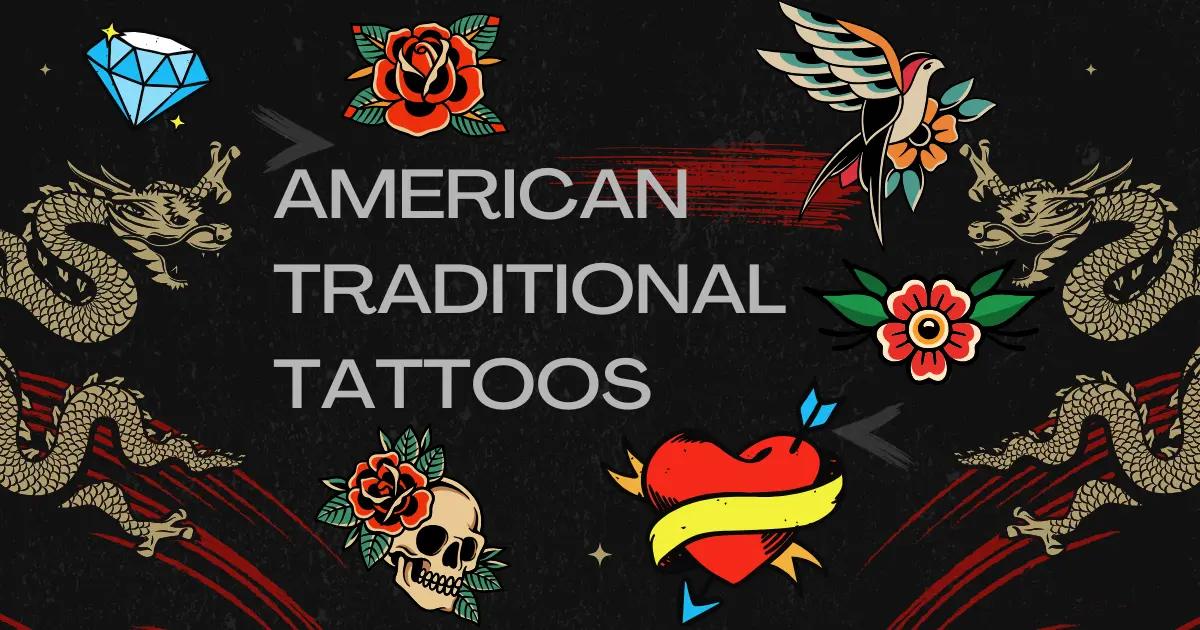
American traditional tattoos represent one of the most iconic and enduring styles in tattoo history, characterized by bold black outlines, limited color palettes, and timeless imagery that has defined Western tattoo culture for over a century. If you’re considering getting an american traditional tattoo, you’re choosing a style that has stood the test of time—literally aging better on skin than most modern techniques. These classic designs feature saturated colors (primarily red, yellow, green, and black), simple yet powerful imagery, and a visual language rooted in maritime culture, military history, and American folk art. Whether you’re drawn to the symbolism of a traditional eagle tattoo, the romance of sailor jerry tattoos, or the rebellious spirit of classic skull designs, understanding this style’s rich history and design principles will help you make an informed choice that you’ll be proud to wear for life.
What Are American Traditional Tattoos? (Definition & Key Characteristics)
American traditional tattoos, also known as old school tattoos or Western traditional tattoos, are defined by a specific set of visual characteristics that distinguish them from other tattoo styles. This style emerged in the early 20th century and established the foundational aesthetic that many people still associate with “classic” tattooing today.
The defining characteristics of american traditional tattoos include thick, bold black outlines that create clear separation between design elements and ensure the tattoo remains readable as it ages. The color palette is deliberately limited, typically featuring primary colors—red, yellow, blue, and green—alongside black shading. This restricted palette wasn’t just an artistic choice; early tattoo artists worked with limited pigment options, and these colors proved most reliable for healing and longevity on skin.
Traditional tattoo designs feature minimal shading, often using solid color fills rather than gradients or soft transitions. When shading does appear, it’s typically achieved through black ink in simple patterns—solid fills, basic crosshatching, or straightforward gradations. This approach creates high contrast and ensures the design remains bold and visible over decades.
The imagery itself follows established conventions: eagles, anchors, ships, roses, daggers, panthers, snakes, and pin-up girls comprise the core vocabulary of american traditional art. Each symbol carries specific meanings rooted in maritime and military culture. The designs are intentionally two-dimensional, lacking the photorealistic depth or intricate detail found in modern realism styles. This simplicity is a strength—it ensures the tattoo ages gracefully and remains recognizable even as skin changes over time.
American traditional tattoos also adhere to specific compositional rules. Designs are typically self-contained, meaning they work as standalone images rather than requiring extensive background elements or complex integration with other tattoos. This makes them ideal for american traditional patchwork sleeves, where multiple individual designs are placed together without necessarily connecting into a unified scene.
The History of American Traditional Tattoos (Sailor Jerry & Origins)
The history of american traditional tattoos is inseparable from maritime culture, military service, and the legendary artists who refined the style into an American art form. Understanding this history provides context for the symbols and aesthetic choices that define the style today.
Tattooing in America existed before the 20th century, but the american traditional style as we know it crystallized in the early 1900s, particularly in port cities where sailors sought tattoos as souvenirs, talismans, and markers of their travels and experiences. These early tattoos served practical purposes: they identified sailors’ bodies if they were lost at sea, marked achievements and milestones, and created a visual record of a seafaring life.
Norman “Sailor Jerry” Collins stands as the most influential figure in american traditional tattoo history. Working primarily in Honolulu, Hawaii, from the 1930s through the 1970s, Sailor Jerry revolutionized Western tattooing by incorporating techniques and imagery from Japanese tattoo masters while maintaining the bold, readable aesthetic of American work. His innovations included improved pigment formulas, refined needle configurations, and an expanded repertoire of designs that became the gold standard for the style.
Sailor jerry tattoos are characterized by their technical precision, symbolic depth, and artistic sophistication. Collins was a perfectionist who constantly refined his craft, and his sailor jerry tattoo flash—pre-drawn designs displayed in tattoo shops—set the template that countless artists still reference today. His work elevated tattooing from a marginal practice to a respected craft with its own aesthetic standards and cultural significance.
Other pioneering artists contributed to the development of american traditional tattoos. Cap Coleman, Bert Grimm, and Paul Rogers were among the early masters who established tattoo shops in major port cities and military towns, creating the infrastructure and artistic standards for the industry. These artists worked during an era when tattooing was largely unregulated, often learning through apprenticeship and experimentation.
The style’s association with military service deepened during World War II, when millions of American servicemen got tattooed as expressions of patriotism, unit pride, and personal identity. Eagles, flags, military insignia, and patriotic slogans became standard elements of traditional american tattoo designs. This period cemented the style’s connection to American identity and working-class culture.
By the 1960s and 1970s, as tattooing began to enter mainstream culture, american traditional remained the dominant style, though it faced competition from emerging approaches. The style experienced a revival in the 1990s and 2000s as a new generation of artists and collectors rediscovered its timeless appeal and technical advantages. Today, american traditional tattoos represent both historical continuity and contemporary relevance, with artists continuing to work within the style’s conventions while bringing their own innovations.
Classic American Traditional Tattoo Symbols & Their Meanings
The symbolic vocabulary of american traditional tattoos is rich with meaning, drawn from maritime superstitions, military traditions, and folk symbolism. Understanding these old school tattoo meanings helps you choose designs that resonate with your personal values and experiences.
Eagles represent freedom, power, and American patriotism. The american traditional eagle tattoo often depicts the bird with spread wings, sometimes clutching arrows or an olive branch, directly referencing the Great Seal of the United States. For military personnel, eagles symbolize service and national pride. The bold, symmetrical composition of traditional eagle designs makes them ideal for chest pieces or back tattoos.
Anchors symbolize stability, hope, and steadfastness. In maritime tradition, the anchor represents a sailor’s final voyage home and the hope of safe return. Anchors are often combined with rope, flowers, or banners bearing names or dates. This symbol has transcended its nautical origins to represent anyone seeking grounding or stability in their life.
Ships and nautical imagery commemorate seafaring life and represent adventure, exploration, and the journey through life. Full-rigged ships, clipper ships, and sailing vessels appear frequently in traditional tattoo flash. A ship with full sails suggests smooth sailing and good fortune, while a ship in stormy seas might represent overcoming adversity.
Roses carry complex symbolism in american traditional tattoos. Red roses typically represent love, passion, and beauty, while roses with thorns acknowledge that beauty comes with pain. A rose combined with a dagger suggests the duality of love and loss, beauty and danger. The rose is one of the most versatile symbols, working equally well as a standalone design or as an accent to other imagery.
Daggers and knives symbolize bravery, sacrifice, and the warrior spirit. A dagger through a heart represents betrayal or lost love, while a dagger with a snake suggests protection against harm. These designs often feature ornate handles and dramatic compositions that showcase the bold linework characteristic of the style.
Panthers and big cats represent power, courage, and fighting spirit. The american traditional lion tattoo and panther designs often show the animal in a prowling or leaping pose, emphasizing strength and ferocity. These designs became particularly popular among military personnel and boxers as symbols of their combative nature.
Snakes carry varied meanings depending on their presentation. A coiled snake suggests potential danger and readiness to strike, representing protection and vigilance. Snakes can also symbolize transformation and rebirth due to their shedding of skin. When combined with daggers or skulls, snakes emphasize themes of mortality and danger.
Swallows and sparrows hold special significance in maritime tradition. Sailors earned the right to wear a swallow tattoo after sailing 5,000 nautical miles, with additional swallows marking further milestones. These birds also symbolize return home, as swallows always find their way back. A pair of swallows might represent loyalty in love or friendship.
Skulls remind us of mortality and the temporary nature of life. Rather than being purely morbid, skull tattoos in the traditional style often celebrate living fully in the face of death. Skulls combined with roses, snakes, or other elements create rich symbolic narratives about the relationship between life and death, beauty and decay.
Pin-up girls represent beauty, desire, and the feminine ideal of the mid-20th century. These designs, popularized by Sailor Jerry and other artists, often depicted idealized women in playful or provocative poses. While some modern wearers appreciate them as vintage Americana, others critique their objectifying nature—a reminder that traditional symbols carry historical context worth considering.
Popular American Traditional Tattoo Design Ideas
When exploring american traditional tattoos ideas, you’ll find that certain design approaches have proven timelessly popular while offering room for personal customization. These traditional tattoo ideas provide starting points that can be adapted to reflect your individual story and aesthetic preferences.
American traditional tattoos small designs work exceptionally well for first-time collectors or those seeking subtle pieces. Small traditional tattoos might include single roses, simple daggers, swallows, or classic symbols like horseshoes or dice. These designs maintain the style’s bold characteristics even at smaller scales, typically ranging from two to four inches. Popular placements include the wrist, ankle, behind the ear, or on the finger.
The american traditional tattoo sleeve represents one of the most ambitious and visually striking applications of the style. Full sleeves can be approached in two ways: as a unified composition with connected imagery and background elements, or as a patchwork sleeve featuring individual designs placed together without necessarily creating a cohesive scene. The american traditional patchwork sleeve has become particularly popular, allowing collectors to accumulate meaningful designs over time without committing to a predetermined overall composition.
Chest pieces in the american traditional style often feature large, symmetrical designs like eagles with spread wings, ships in full sail, or panthers in mirror-image poses. The broad, relatively flat surface of the chest provides an ideal canvas for these bold, impactful designs. Traditional chest tattoos typically extend from collarbone to sternum and from shoulder to shoulder, creating a powerful visual statement.
Back pieces offer the largest canvas for american traditional work, allowing for elaborate compositions featuring multiple elements. A traditional back tattoo might depict a full sailing ship surrounded by waves, clouds, and nautical stars, or a large eagle perched atop a banner with meaningful text. The back’s expansive surface accommodates the bold, simple compositions that define the style while providing space for impressive scale.
Leg sleeves and thigh pieces have grown in popularity for american traditional tattoos, particularly among those seeking substantial coverage without the commitment of arm sleeves. The thigh provides a large, relatively flat surface ideal for bold traditional imagery like pin-ups, panthers, or elaborate floral compositions. Calf tattoos often feature vertical compositions like daggers, snakes, or lighthouse designs that complement the leg’s natural shape.
Traditional tattoo black and white designs offer a variation on the classic style, eliminating color while maintaining the bold outlines and simple shading that define american traditional work. Black and grey traditional tattoos can appear more subtle and professional while preserving the style’s timeless aesthetic. The american traditional tattoo black and grey approach works particularly well for those in professional environments where colorful tattoos might be less accepted.
Matching or complementary traditional tattoos have become popular among couples, friends, or family members. These might include paired swallows, matching roses with different colors, or complementary designs like an anchor and ship’s wheel. The style’s symbolic richness and established visual vocabulary make it ideal for creating meaningful connections between separate tattoos.
American Traditional vs. Neo-Traditional: What's the Difference?
Understanding the distinction between american traditional and neo traditional tattoos helps you identify which style better suits your aesthetic preferences and the specific design you’re envisioning. While related, these styles have important differences in technique, imagery, and overall appearance.
American traditional tattoos adhere to strict conventions: bold black outlines, limited color palette (primarily red, yellow, green, blue, and black), minimal shading, and established symbolic imagery. The style prioritizes longevity and readability over intricate detail, with designs that remain clear and bold as they age. Traditional tattoos feature two-dimensional imagery with little to no attempt at realistic depth or perspective.
Neo traditional tattoos emerged in the late 20th century as artists began expanding upon traditional foundations while incorporating influences from Art Nouveau, Art Deco, and other artistic movements. Neo-traditional work maintains the bold outlines of american traditional but allows for more varied line weights, creating greater visual interest and dimensionality. The color palette expands dramatically, incorporating pastels, earth tones, and a much wider range of hues beyond the traditional primaries.
Shading techniques differ significantly between the styles. While american traditional uses simple, solid shading with minimal gradation, neo traditional tattoo work employs sophisticated shading that creates depth, volume, and realistic lighting effects. This allows for more dimensional, illustrative imagery that can appear almost three-dimensional on the skin.
The subject matter in neo-traditional tattoos extends beyond classic symbols to include more diverse imagery: ornate florals with botanical accuracy, realistic animals, portraits with greater detail, and fantastical elements like crystals, moons, and mystical symbols. A neo traditional animal tattoo might depict the creature with realistic fur texture and dimensional shading, while an american traditional animal would feature bold, simplified forms with solid color fills.
Composition approaches also differ. American traditional designs are typically self-contained and work as standalone images, while neo-traditional pieces often feature more elaborate compositions with decorative elements, filigree, and integrated backgrounds. A neo traditional tattoo sleeve might feature flowing, connected imagery with ornamental elements binding the composition together, whereas a traditional sleeve often comprises distinct, separate designs.
Both styles age well when executed properly, but american traditional tattoos have a proven track record of longevity spanning over a century. The bold outlines and solid colors resist blurring and fading more effectively than finer details. Neo-traditional work can also age beautifully, but the more intricate shading and finer details may soften over time, potentially requiring touch-ups to maintain the original impact.
Choosing between american traditional and neo-traditional often comes down to personal aesthetic preference. If you’re drawn to vintage Americana, maritime history, and timeless simplicity, american traditional tattoos offer unmatched authenticity and proven longevity. If you prefer more illustrative, dimensional artwork with expanded color options and contemporary subject matter, neo-traditional might better suit your vision. Many collectors appreciate both styles and incorporate elements of each into their overall tattoo collection.
How to Choose the Right American Traditional Tattoo Design
Selecting the right american traditional tattoo requires balancing personal meaning, aesthetic appeal, and practical considerations about placement, size, and long-term satisfaction. These guidelines will help you make a choice you’ll be confident wearing for life.
Start by researching american traditional tattoos flash to familiarize yourself with the style’s visual vocabulary and established conventions. Flash sheets—collections of pre-drawn designs—represent the traditional way tattoos were chosen and serve as excellent references for understanding what works within the style. Many contemporary artists create custom flash that honors traditional aesthetics while offering fresh interpretations. Studying flash helps you understand which symbols, compositions, and color combinations have proven effective over decades of tattooing.
Consider the personal significance of different symbols and how they relate to your life, values, or experiences. While you don’t need a deeply personal story for every tattoo, choosing imagery that resonates with you creates a more meaningful connection to your body art. An anchor might represent your role as a stabilizing force in your family, while an eagle could commemorate military service or simply express your appreciation for freedom and independence. The rich symbolism of american traditional tattoo meanings provides numerous options for expressing personal narratives.
Think about scale and placement together, as these factors significantly impact the design’s effectiveness. American traditional tattoos work across a wide range of sizes, but certain designs suit specific placements better than others. Large, bold imagery like eagles or ships requires substantial space—chest, back, or thigh placements—to achieve proper impact. Smaller designs like single roses, daggers, or swallows work well on arms, legs, or other moderate-sized areas. The style’s bold lines and simple compositions mean that even small traditional tattoos remain readable and impactful.
Consider how the tattoo will fit with your existing collection or future tattoo plans. If you’re planning multiple pieces, think about whether you want them to relate thematically or aesthetically. An american traditional patchwork sleeve allows you to collect individual designs over time without requiring them to connect into a unified composition, offering flexibility as your interests and life circumstances evolve. Alternatively, planning a cohesive sleeve or larger piece from the beginning ensures visual harmony across the entire composition.
Evaluate color choices carefully. While american traditional tattoos typically feature the classic palette of red, yellow, green, blue, and black, you can emphasize certain colors or create variations like traditional tattoo black and white designs. Black and grey traditional work offers a more subtle aesthetic while maintaining the style’s bold characteristics. Some collectors prefer limiting their entire collection to specific colors for visual consistency, while others embrace the full traditional palette.
Don’t rush the decision. Live with potential designs for weeks or months before committing. Print out reference images, place them where you’ll see them daily, and notice whether your enthusiasm grows or fades. Designs that maintain their appeal over time are more likely to provide lasting satisfaction. Remember that american traditional tattoos are meant to be permanent, bold statements—choose imagery that reflects enduring aspects of your identity rather than temporary interests.
Consult with experienced traditional tattoo artists about your ideas. A skilled artist can offer valuable perspective on what will work well technically, how designs might be adapted for your specific placement, and whether your vision aligns with the style’s conventions. Many artists appreciate clients who’ve done research and come prepared with reference images and clear ideas, while remaining open to professional guidance about execution.
Best Body Placements for American Traditional Tattoos
Body placement significantly impacts how an american traditional tattoo looks and ages. Understanding which placements work best for different designs helps ensure your tattoo achieves its full visual potential and remains satisfying over time.
Upper arm and shoulder placements are among the most popular for american traditional tattoos, offering a relatively flat, visible surface that accommodates both small and large designs. The outer upper arm provides an ideal canvas for classic imagery like eagles, panthers, roses, or pin-ups. This placement ages well, as the skin in this area typically experiences less stretching and sun exposure than other locations. Upper arm tattoos can stand alone or serve as the foundation for a full sleeve.
Forearm placements offer high visibility and a surface well-suited to vertical compositions like daggers, snakes, or lighthouse designs. The forearm’s relatively cylindrical shape works beautifully for traditional imagery that wraps partially or fully around the arm. Inner forearm tattoos provide a flatter surface for designs meant to be viewed from a single angle, while outer forearm placements can incorporate the arm’s natural contours.
Chest pieces provide an expansive, prominent canvas perfect for large, symmetrical american traditional designs. Eagles with spread wings, ships in full sail, or paired panthers work exceptionally well across the chest, taking advantage of the body’s natural symmetry. Chest tattoos make bold statements and can extend onto the shoulders or down toward the sternum for even greater impact. The chest’s relatively stable skin makes it an excellent choice for detailed traditional work that will age well.
Back placements offer the largest single canvas on the body, ideal for ambitious american traditional compositions. Full back pieces might feature elaborate ship scenes, large eagles, or complex compositions incorporating multiple traditional elements. The back’s broad, flat surface accommodates the bold, simple compositions that define the style while providing space for impressive scale. Upper back and shoulder blade placements work well for medium-sized traditional designs that can stand alone or integrate into larger pieces later.
Thigh and leg placements have grown increasingly popular for american traditional tattoos, particularly among those seeking substantial coverage in less visible locations. The thigh provides a large, relatively flat surface ideal for bold imagery like pin-ups, panthers, or elaborate floral compositions. Calf placements suit vertical designs and can accommodate both small and large traditional work. The outer calf offers a prominent, visible surface, while the inner calf provides a more private placement.
Ribs and side placements offer elongated surfaces suitable for vertical traditional compositions. While more painful to tattoo, rib pieces can create dramatic, eye-catching designs when revealed. The ribs’ curved surface requires careful design adaptation to ensure the tattoo reads clearly from the front. Side pieces can extend from armpit to hip, providing space for ambitious traditional compositions.
Hand, finger, and neck placements represent more visible, bold choices for american traditional tattoos. These locations have become increasingly accepted in mainstream culture, though they may still impact professional opportunities in certain fields. Traditional hand tattoos often feature classic symbols like roses, daggers, or nautical stars, while neck pieces might include swallows, roses, or other smaller traditional imagery. These placements require careful consideration of social and professional implications.
When selecting placement, consider factors beyond aesthetics: pain tolerance (bonier areas like ribs, feet, and hands are more painful), visibility in professional contexts, how the area ages and changes over time, and whether you want the tattoo to be easily concealable. American traditional tattoos’ bold, simple designs generally age well across all placements, but areas with more stable skin (upper arms, chest, back) tend to maintain their appearance longest with minimal touch-ups.
What to Expect: Pain, Cost & Aftercare
Understanding the practical realities of getting an american traditional tattoo—including pain levels, typical costs, and proper aftercare—helps you prepare adequately and ensures the best possible outcome for your investment.
Pain levels vary significantly based on placement, individual pain tolerance, and the tattoo’s size and complexity. Generally, areas with more muscle and fat (outer upper arms, thighs, calves) cause less discomfort than bonier locations (ribs, spine, feet, hands) or areas with thinner skin and more nerve endings (inner arm, inner thigh, neck). American traditional tattoos’ bold outlines require solid, consistent line work, which can feel more intense than lighter, finer lines. However, the style’s minimal shading means less overall time under the needle compared to heavily shaded realistic work.
Most people describe tattoo pain as a burning or scratching sensation rather than sharp pain. The discomfort is manageable for most clients, though longer sessions (over three hours) can become more challenging as endurance wanes. Taking breaks, staying hydrated, eating beforehand, and getting adequate sleep the night before all help manage pain during the session. Avoid alcohol and blood-thinning medications before your appointment, as these can increase bleeding and make the process more difficult.
Cost considerations for american traditional tattoos vary based on the artist’s experience, geographic location, and the piece’s size and complexity. Reputable traditional tattoo artists typically charge hourly rates ranging from $150 to $300 or more, with established, highly sought-after artists commanding premium rates. Some artists charge flat rates for specific designs or offer day rates for longer sessions.
A small american traditional tattoo (2-4 inches) might cost $100-$300, while medium pieces (4-8 inches) typically range from $300-$800. Larger work like half-sleeves or chest pieces can cost $1,000-$3,000 or more, depending on complexity and the artist’s rates. Full sleeves often require multiple sessions totaling $2,000-$5,000 or higher. Remember that quality traditional work is an investment—choosing an experienced artist who specializes in the style ensures better results and longer-lasting satisfaction than selecting based solely on price.
Regarding tipping, standard etiquette suggests 15-20% of the total cost for satisfactory work, with higher percentages (20-25%) for exceptional service or if the artist went above and beyond. For a $350 tattoo, a $50-$70 tip would be appropriate and appreciated. If you’re getting multiple sessions with the same artist, you can tip at each session or provide a larger tip at the completion of the entire piece. Some clients prefer to tip in cash even when paying for the tattoo with a card, as this ensures the artist receives the full amount.
Aftercare is crucial for ensuring your american traditional tattoo heals properly and maintains its bold, vibrant appearance. Your artist will provide specific aftercare instructions, but general guidelines include:
- Keep the bandage on for the time period specified by your artist (typically 2-24 hours, or longer for certain modern bandages)
- Wash the tattoo gently with unscented, antibacterial soap and lukewarm water 2-3 times daily
- Pat dry with a clean towel or paper towel—never rub
- Apply a thin layer of unscented, dye-free moisturizer or specialized tattoo aftercare product 2-3 times daily
- Avoid submerging the tattoo in water (pools, hot tubs, baths) for 2-3 weeks
- Keep the tattoo out of direct sunlight during healing and use high-SPF sunscreen once healed
- Don’t pick at scabs or peeling skin—let them fall off naturally
- Wear loose, breathable clothing over the tattoo during healing
Regarding medications, if you’re taking antibiotics like doxycycline, consult both your doctor and tattoo artist before getting tattooed. While doxycycline doesn’t necessarily prevent you from getting a tattoo, it can increase sun sensitivity and potentially affect healing. Some antibiotics may thin blood or impact immune response, so professional medical guidance is essential.
The healing process typically takes 2-4 weeks for the outer layer of skin, though complete healing of deeper layers continues for several months. During this time, the tattoo may appear cloudy or dull before the colors fully settle and brighten. American traditional tattoos’ bold colors and solid fills generally heal predictably and vibrantly when proper aftercare is followed.
Long-term care involves protecting your tattoo from sun exposure with high-SPF sunscreen, moisturizing regularly to keep skin healthy, and scheduling touch-ups as needed (typically every 5-10 years, though well-executed traditional work can remain vibrant for decades). The bold lines and solid colors of american traditional tattoos age exceptionally well compared to more delicate styles, making them an excellent choice for those seeking tattoos that will remain clear and readable throughout their lifetime.
Finding an Artist Who Specializes in American Traditional
Choosing the right artist is perhaps the most important decision in getting an american traditional tattoo. The style requires specific technical skills and aesthetic understanding that not all tattoo artists possess, even those who are talented in other styles.
Start your search by researching american traditional tattoos near me to identify shops and artists in your area who specialize in the style. Look for artists whose portfolios demonstrate consistent work in american traditional, with bold, clean lines, proper color saturation, and compositions that honor the style’s conventions. An artist who occasionally does traditional work alongside many other styles may not have the same depth of expertise as one who focuses primarily on traditional tattooing.
Examine artists’ portfolios carefully, looking for specific technical markers of quality traditional work: crisp, consistent outlines without blowouts or wavering lines; solid, saturated color fills without patchiness or inconsistent coverage; clean, deliberate shading that enhances rather than muddies the design; and compositions that demonstrate understanding of traditional aesthetics and proportions. Pay attention to healed photos in portfolios, as these show how the artist’s work ages and settles into the skin.
Social media platforms, particularly Instagram, provide excellent resources for finding and evaluating traditional tattoo artists. Search hashtags like #americantraditional, #traditionaltattoo, and #sailorjerrytattoo to discover artists whose work resonates with you. Many artists post both fresh and healed photos, client testimonials, and flash designs that demonstrate their style and capabilities. Don’t limit your search to your immediate area—many collectors travel to work with specific artists whose style they admire.
Visit shops in person when possible to get a sense of the environment, cleanliness, and professionalism. Reputable tattoo shops maintain strict hygiene standards, with artists using proper sterilization techniques, disposable needles, and fresh ink for each client. The shop should feel clean and organized, with artists willing to answer questions about their processes and credentials.
Schedule consultations with artists you’re considering. Most established artists offer brief consultations (sometimes for a small fee that may be applied to your tattoo cost) to discuss your ideas, review their portfolio, and determine whether you’re a good fit. During the consultation, assess the artist’s communication style, their enthusiasm for your project, and their willingness to offer honest feedback about what will work well. A good traditional artist will guide you toward designs and placements that will age well and honor the style’s conventions.
Ask about the artist’s background and training in american traditional tattooing. Many respected traditional artists learned through formal apprenticeships, studying under established masters who passed down technical knowledge and aesthetic principles. While self-taught artists can certainly be skilled, those with traditional apprenticeship backgrounds often have deeper understanding of the style’s history and conventions.
Review the artist’s booking process and policies. Established traditional artists often have waiting lists ranging from weeks to months, reflecting their reputation and demand. Be prepared to place a deposit (typically $50-$200) to secure your appointment, which is usually non-refundable but applied to your final cost. Understand the artist’s policies regarding rescheduling, design changes, and payment methods before committing.
Don’t choose an artist based solely on price or availability. The cheapest or most immediately available option is rarely the best choice for permanent body art. Quality american traditional tattoos require specific expertise that commands appropriate pricing. Investing in an experienced, skilled traditional artist ensures better results and longer-lasting satisfaction than choosing based on convenience or cost savings.
Trust your instincts about the artist-client relationship. You should feel comfortable communicating with your artist, confident in their abilities, and excited about the prospect of working together. If something feels off during the consultation or you don’t connect with the artist’s communication style, it’s perfectly acceptable to continue your search. The best tattoo experiences come from collaborative relationships built on mutual respect and clear communication.
Once you’ve found the right artist, be a good client: arrive on time, follow pre-appointment instructions (avoiding alcohol, staying hydrated, eating beforehand), bring reference images and clear ideas while remaining open to professional guidance, and follow aftercare instructions meticulously. Building a positive relationship with a skilled traditional artist can lead to a long-term collaboration as you continue adding to your collection over time.
American traditional tattoos represent more than just body art—they’re a connection to over a century of tattoo history, maritime culture, and American folk art. By choosing designs that resonate with your personal story, working with skilled artists who understand the style’s technical demands and aesthetic principles, and caring for your tattoos properly, you’ll carry forward a tradition that has proven its timeless appeal across generations. Whether you’re drawn to the bold simplicity of classic symbols, the rich history embodied in sailor jerry tattoos, or the enduring visual impact of traditional compositions, this style offers endless possibilities for meaningful, beautiful body art that will age gracefully and remain striking for decades to come.
Frequently Asked Questions
What is an American Traditional style tattoo?
American Traditional tattoos are a classic tattoo style characterized by bold black outlines, a limited color palette (primarily red, yellow, green, and black), and iconic imagery like anchors, eagles, roses, and pin-up girls. This style originated in the early 20th century and was popularized by legendary artists like Sailor Jerry and Don Ed Hardy. American traditional tattoos are known for their clean, simple designs that age exceptionally well on skin over time.
What defines an American Traditional tattoo?
American traditional tattoos are defined by several key characteristics: thick, bold black outlines that prevent color bleeding, a limited color palette of primary colors, minimal shading with solid color fills, and classic imagery rooted in nautical and military themes. The style emphasizes simplicity and readability, with designs that remain clear and vibrant even as they age. These technical elements distinguish american traditional tattoos from other styles like realism or watercolor tattoos.
What are the most popular American Traditional tattoo symbols and their meanings?
Popular American Traditional symbols include anchors (stability and hope), swallows (safe return home), eagles (patriotism and freedom), roses (love and beauty), daggers (bravery), and nautical stars (guidance). Pin-up girls represented longing for loved ones back home, while panthers symbolized strength and ferocity. Each symbol carries historical significance, often rooted in sailor and military traditions from the early-to-mid 1900s.
How do American Traditional tattoos differ from Neo Traditional tattoos?
American Traditional tattoos use bold lines, limited colors, and simple shading, while Neo Traditional tattoos expand on this foundation with more intricate details, broader color palettes, and dimensional shading techniques. Neo Traditional maintains the bold outlines but incorporates more realistic elements, ornate patterns, and modern subject matter. Both styles age well, but american traditional tattoos are generally simpler and more iconic in their approach.
Do American Traditional tattoos age better than other styles?
Yes, American Traditional tattoos are widely considered to age better than most other tattoo styles due to their bold black outlines and solid color fills. The thick lines prevent the design from blurring together over time, while the simple composition maintains clarity as the skin ages. This durability is one reason why american traditional tattoos have remained popular for over a century and are often recommended for first-time tattoo recipients.
What are good American Traditional tattoo ideas for beginners?
Great beginner-friendly American Traditional designs include small anchors, single roses, swallows, daggers, nautical stars, or classic hearts. These smaller pieces typically take 1-3 hours to complete and allow you to experience the tattooing process without committing to a large piece. Starting with a classic american traditional tattoo also gives you a timeless design that can later be incorporated into a larger sleeve or collection if desired.
How much should I tip for an American Traditional tattoo?
A standard tip for tattoo artists is 15-20% of the total cost, similar to other service industries. For a $350 tattoo, a $50-70 tip is appropriate, while a $400 tattoo would warrant an $80-100 tip. Factors like exceptional service, custom design work, or accommodating scheduling can justify tipping on the higher end. Always tip in cash when possible, as it goes directly to the artist.
Can I get an American Traditional tattoo if I have health concerns?
If you’re on antibiotics like doxycycline or have an autoimmune condition, consult both your doctor and tattoo artist before getting tattooed. Certain medications can affect healing or increase infection risk, while autoimmune diseases may complicate the body’s healing response. Reputable tattoo artists will require medical clearance for clients with significant health conditions to ensure safe healing of your american traditional tattoo.
Where can I find a qualified American Traditional tattoo artist?
Look for artists who specialize in American Traditional work by reviewing portfolios on Instagram, tattoo shop websites, or platforms like Tattoodo. The best american traditional tattoos come from artists who deeply understand the style’s history and technical requirements. Search for “American traditional tattoos near me” to find local shops, then examine each artist’s portfolio to ensure their line work is clean, colors are saturated, and designs stay true to the classic aesthetic.
You May Also Like
Semicolon Tattoo Meaning: Complete Guide to Symbolism & Ideas

Henna Tattoo Guide: Designs, Safety, Aftercare & Meaning
Hand Tattoos: Complete Guide to Pain, Designs & Aftercare