
What Do Crows Eat? Complete Crow Diet & Feeding Guide

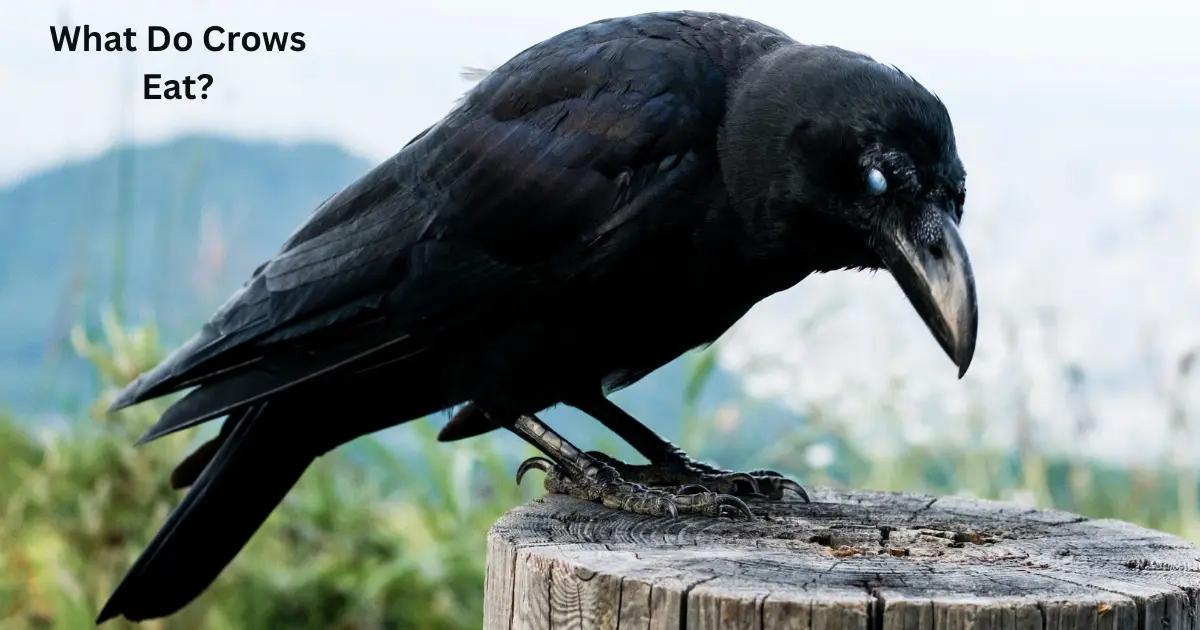
Crows are among the most intelligent and adaptable birds on the planet, and understanding what do crows eat reveals fascinating insights into their survival strategies and remarkable cognitive abilities. These omnivorous birds have thrived across diverse environments—from dense forests to bustling cities—largely because of their flexible and opportunistic diet. Whether you’re a backyard bird enthusiast hoping to attract these clever creatures, a homeowner wondering what draws crows to your property, or simply curious about crow behavior, this comprehensive guide covers everything you need to know about crow diet, feeding habits, and how to safely interact with these intelligent birds.
Crows belong to the Corvidae family, which includes ravens, jays, and magpies—all known for their problem-solving skills and complex social behaviors. Their dietary flexibility is a key factor in their success as a species, allowing them to exploit food sources that other birds cannot access. From scavenging roadkill to cracking nuts with remarkable ingenuity, crows demonstrate an impressive range of feeding behaviors that continue to captivate researchers and nature lovers alike.
What Do Crows Eat in the Wild? Natural Diet Overview
In their natural habitat, what do crows eat in the wild encompasses an extraordinarily diverse range of food sources. Crows are true omnivores, meaning they consume both plant and animal matter with equal enthusiasm. Their wild diet reflects seasonal availability, geographic location, and opportunistic feeding behaviors that have evolved over millions of years.
The natural crow diet consists primarily of insects, seeds, fruits, carrion, small animals, and eggs. During spring and summer months, crows heavily rely on protein-rich insects and invertebrates to feed their growing chicks. Beetles, grasshoppers, caterpillars, earthworms, and spiders form a substantial portion of their warm-weather diet. These protein sources are essential for nestling development and provide the energy adult crows need during the demanding breeding season.
Carrion—dead animal matter—represents another significant component of what crows eat in the wild. Crows are efficient scavengers, often spotted along roadsides feeding on animals killed by vehicles. This scavenging behavior serves an important ecological function, helping to clean up decomposing matter and recycle nutrients back into the ecosystem. Crows will consume everything from small rodents to deer carcasses, demonstrating their ability to exploit food sources that many other birds avoid.
Plant-based foods also feature prominently in the wild crow diet. Acorns, hickory nuts, beechnuts, and other tree seeds provide essential fats and carbohydrates, particularly during fall and winter when insect availability declines. Wild berries, including elderberries, mulberries, and wild cherries, offer important vitamins and minerals. Crows have been observed carefully selecting ripe fruits and even returning to productive berry patches repeatedly throughout the season.
Small vertebrates round out the natural diet of crows. These opportunistic hunters will prey on mice, voles, small snakes, frogs, and even small fish when the opportunity arises. While not their primary food source, this predatory behavior demonstrates the crow’s adaptability and willingness to exploit whatever protein sources are available in their environment.
Complete List of Foods Crows Eat (By Category)
Understanding the full spectrum of foods crows eat requires breaking down their diet into specific categories. This comprehensive list helps backyard bird enthusiasts, researchers, and curious observers appreciate the remarkable dietary range of these intelligent birds.
Animal Protein Sources
Crows consume a wide variety of animal-based foods that provide essential proteins and fats. Insects form the foundation of this category, with crows eating beetles, grasshoppers, crickets, caterpillars, moths, flies, and their larvae. They’re particularly skilled at finding grubs in soil and bark, using their strong beaks to excavate hidden insects.
Many people wonder do crows eat squirrels, and the answer is yes—though typically as carrion rather than through active hunting. Crows will scavenge dead squirrels and occasionally prey on very young or injured squirrels. Similarly, do crows eat rabbits is another common question, and crows will consume young rabbits or rabbit carrion when available, though adult rabbits are too large for crows to hunt successfully.
Other animal proteins in the crow diet include earthworms, snails, slugs, small fish, frogs, tadpoles, lizards, small snakes, bird eggs (including those of other species), nestling birds, mice, voles, and various forms of carrion from larger animals. The question do crows eat birds has a nuanced answer: while crows occasionally raid nests for eggs and chicks, they rarely hunt healthy adult birds.
Nuts and Seeds
Nuts represent a crucial food source, particularly during fall and winter. Crows eat acorns, walnuts, pecans, hickory nuts, beechnuts, and pine nuts. They’ve developed impressive techniques for accessing hard-shelled nuts, including dropping them from heights onto hard surfaces to crack them open—a behavior that demonstrates their problem-solving intelligence.
Seeds also feature prominently in crow feeding habits. Do crows eat sunflower seeds with shells? Absolutely—crows are adept at cracking sunflower seed shells with their powerful beaks. They also consume corn kernels, wheat, oats, barley, and various wild grass seeds. The question can crows eat oats is frequently asked by those wanting to feed crows, and oats are indeed a safe and nutritious option.
Fruits and Berries
Crows have a well-developed taste for fruits, and many people ask what fruits do crows eat. The list is extensive: apples, grapes, cherries, berries (including strawberries, blueberries, blackberries, and raspberries), mulberries, elderberries, dogwood berries, and wild cherries. Do crows eat apples? Yes, they particularly enjoy apples, though they prefer them slightly overripe. Can crows eat strawberries and can crows eat blueberries? Both are excellent food choices that crows readily consume.
Crows also eat melons, peaches, plums, pears, figs, and various wild fruits depending on regional availability. Their fruit consumption serves an ecological purpose, as crows help disperse seeds across wide areas, contributing to plant propagation.
Human Food and Scraps
Urban and suburban crows have adapted to exploit human food sources extensively. They consume bread, crackers, cooked rice, pasta, pizza crusts, french fries, potato chips, cookies, and various baked goods. However, the question can crows eat bread or do crows eat bread requires a careful answer: while crows will eat bread, it offers minimal nutritional value and should not form a significant part of their diet.
Crows also eat cheese, cooked eggs, meat scraps, and even dog food—both dry and wet varieties. Can crows eat dog food? Yes, and high-quality dog food can actually be a nutritious supplemental food for crows, as it contains balanced proteins and fats. However, it should be offered in moderation alongside more natural food sources.
What to Feed Crows in Your Backyard (Safe Foods)
If you’re interested in attracting crows to your yard, knowing what to feed crows safely is essential. The best foods for backyard crow feeding mimic their natural diet while providing optimal nutrition. Many people search for what to feed crows to befriend them, and the key is offering high-quality, nutritious foods consistently.
Unsalted peanuts—both in-shell and shelled—rank among the top foods for feeding crows. These provide healthy fats and proteins that crows need, and the birds particularly enjoy the challenge of cracking shells. Unsalted almonds are another excellent choice, though many wonder do crows eat almonds—they do, and almonds offer similar nutritional benefits to peanuts.
Hard-boiled eggs represent one of the most nutritious foods you can offer crows. Rich in protein and easy to digest, eggs are especially valuable during breeding season when adult crows need extra nutrition to feed their chicks. You can offer eggs whole, halved, or chopped, depending on your preference.
Fresh or frozen corn (thawed) provides carbohydrates and is readily accepted by crows. Whole kernel corn works well, and crows will happily pick kernels from corn cobs if you provide them. Cooked rice (without salt or seasoning) is another safe grain option, though it should be offered in moderation.
Fruits make excellent crow treats. Can crows eat carrots? While carrots aren’t a natural food, crows will eat them if they’re chopped into manageable pieces. More preferred fruits include apple slices, grapes (cut in half to prevent choking), berries of all types, melon chunks, and banana pieces. Can crows eat raisins? Yes, raisins are safe and provide concentrated energy, though they should be offered sparingly due to their high sugar content.
High-quality dry cat or dog food can supplement a crow’s diet effectively. Look for brands with real meat as the first ingredient and avoid foods with excessive fillers or artificial additives. Soak dry kibble in water briefly to make it easier for crows to eat and digest.
Mealworms—either live or dried—are protein-rich treats that crows find irresistible. These are particularly appreciated during nesting season and can help you establish a feeding relationship with local crows. Sunflower seeds (black oil variety preferred) are another staple that crows enjoy, and they’re adept at cracking the shells.
When considering what can I feed crows, remember that variety is important. Rotating different food types ensures crows receive balanced nutrition and prevents them from becoming overly dependent on any single food source. Establishing a consistent feeding schedule—such as putting food out at the same time each day—helps build trust with your local crow population.
Foods That Are Dangerous or Toxic to Crows
Understanding what should you not feed a crow is just as important as knowing what to offer. Several common foods can be harmful or even fatal to crows, and responsible feeding requires avoiding these dangerous items.
Salty foods top the list of dangerous items. While the question can crows eat cheese has a complex answer (small amounts of low-salt cheese are generally safe), most processed cheeses contain too much sodium for birds. Salted nuts, chips, pretzels, and processed meats can cause severe dehydration and kidney problems in crows. Birds lack the physiological mechanisms to process high sodium levels that mammals possess, making salt particularly dangerous.
Chocolate contains theobromine, a compound that is toxic to birds just as it is to dogs and cats. Even small amounts can cause digestive distress, heart problems, and potentially death. Never offer chocolate in any form—including chocolate chip cookies, candy bars, or chocolate-covered items.
Avocado contains persin, a fungicidal toxin that can cause heart damage and respiratory distress in birds. All parts of the avocado—flesh, pit, and skin—should be avoided completely. While some bird species show higher tolerance, it’s safest to never offer avocado to crows.
Onions and garlic contain compounds that can damage red blood cells in birds, leading to anemia. This includes all forms—raw, cooked, powdered, or as ingredients in other foods. Check ingredient lists on processed foods to ensure they don’t contain onion or garlic powder.
Caffeinated beverages and foods pose serious risks. Coffee, tea, soda, and energy drinks can cause cardiac distress, hyperactivity, and potentially fatal heart arrhythmias in birds. Never offer these items to crows.
Moldy or spoiled food presents another significant danger. While crows are scavengers, moldy foods can contain aflatoxins and other mycotoxins that cause liver damage and other serious health problems. Always provide fresh food and remove uneaten items before they spoil.
Alcohol is extremely toxic to birds. Even small amounts can cause severe intoxication, organ damage, and death. Never leave alcoholic beverages where crows might access them, and avoid feeding bread or other items that have been soaked in alcohol.
Raw beans (particularly kidney beans) contain lectins that are toxic to birds when uncooked. If you want to offer beans, they must be thoroughly cooked first. Dried beans should never be offered in their raw state.
Fruit pits and apple seeds contain cyanogenic compounds that release cyanide when digested. While crows typically avoid eating these parts, it’s best to remove pits from cherries, peaches, plums, and apricots before offering these fruits. Remove apple seeds as well, though the flesh is perfectly safe.
Excessive bread and baked goods, while not immediately toxic, provide empty calories with minimal nutritional value. A diet heavy in bread can lead to malnutrition, obesity, and a condition called “angel wing” in young birds. If you do offer bread occasionally, choose whole grain varieties and offer only small amounts.
How Crows Find and Store Food (Foraging Behavior)
The crow eating habits extend far beyond simply consuming food—these intelligent birds employ sophisticated strategies for finding, processing, and storing their meals. Understanding these behaviors provides insight into why crows are such successful survivors across diverse environments.
Crows use multiple sensory methods to locate food. Their excellent vision allows them to spot potential food sources from considerable distances, and they’re particularly adept at detecting movement that might indicate insects or small prey. Their hearing is equally impressive, enabling them to detect grubs moving beneath bark or soil. Crows also learn to associate specific environmental cues with food availability—such as the sound of garbage trucks or the sight of people eating outdoors.
Social learning plays a crucial role in crow foraging. Young crows learn what to eat and where to find it by watching their parents and other flock members. This cultural transmission of knowledge allows crows to rapidly adapt to new food sources and exploit novel feeding opportunities. Researchers have documented crows teaching each other to crack nuts by dropping them on roads and waiting for cars to run over them—a learned behavior that spreads through crow populations.
Tool use represents one of the most remarkable aspects of crow foraging behavior. Crows have been observed fashioning tools from twigs to extract insects from crevices, using leaves as sponges to soak up water, and even bending wire into hooks to retrieve food from containers. This level of cognitive sophistication is rare in the animal kingdom and demonstrates the crow’s exceptional problem-solving abilities.
Crows are prolific cachers, storing food for later consumption. This behavior is particularly pronounced during fall when nuts and seeds are abundant. A single crow may create hundreds of cache sites, burying food items in soil, hiding them in tree bark crevices, or tucking them under leaves. Remarkably, crows can remember the locations of these caches for months, using spatial memory and environmental landmarks to relocate their stored food.
The caching behavior also reveals sophisticated social awareness. Crows will watch where other crows hide food and later steal from those caches—a behavior called pilfering. In response, crows that are being watched will create false caches or wait until they’re alone to hide their most valuable food items. This “cache protection” strategy demonstrates that crows understand that other crows have knowledge and intentions—a cognitive ability called theory of mind.
Crows also engage in “washing” behavior, dunking food items in water before eating them. While this might serve to soften hard foods or remove dirt, researchers believe it may also be a learned behavior passed down through generations in certain crow populations. This cultural variation in feeding behavior adds another layer to the complexity of crow dietary habits.
Seasonal Changes in Crow Diet (What They Eat Year-Round)
The crow diet shifts dramatically throughout the year in response to food availability and nutritional needs. Understanding these seasonal patterns helps explain crow behavior and provides insight into the best times and methods for feeding these birds.
Spring Diet (March-May)
Spring marks the breeding season for crows, and their diet shifts heavily toward protein-rich foods needed for egg production and chick rearing. Insects become the primary food source, with crows consuming massive quantities of beetles, caterpillars, grubs, and earthworms. The increased insect activity during warming weather provides abundant protein exactly when crows need it most.
During this period, crows also raid the nests of other bird species, taking eggs and nestlings. While this behavior concerns some people, it’s a natural part of the ecosystem and provides essential calcium and protein for breeding crows. Spring also brings fresh plant growth, and crows supplement their diet with young shoots, emerging seeds, and early berries.
Summer Diet (June-August)
Summer continues the protein-heavy diet as crow parents feed their growing chicks. Insects remain abundant, and crows take full advantage, hunting grasshoppers in fields, catching flying insects mid-air, and excavating beetle larvae from dead wood. Fruits begin ripening during summer, and crows eagerly consume cherries, mulberries, blackberries, and other seasonal fruits.
Urban crows increasingly exploit human food sources during summer, scavenging from outdoor dining areas, parks, and garbage bins. The question what do crows eat during the day is particularly relevant in summer when crows are most active, and the answer includes both natural foods and opportunistic scavenging from human activities.
Fall Diet (September-November)
Fall represents a critical transition period as crows prepare for winter. Nuts become a dietary staple, with crows spending considerable time gathering and caching acorns, walnuts, hickory nuts, and other tree seeds. This caching behavior intensifies during fall, as crows create food reserves that will sustain them through winter months.
Late-season fruits, including apples, grapes, and persimmons, provide important calories and vitamins. Crows also continue eating insects while they remain available, though insect populations begin declining as temperatures drop. Carrion becomes more common in the fall diet as hunting season and increased roadkill provide scavenging opportunities.
Winter Diet (December-February)
Many people wonder what do crows eat in the winter when food sources become scarce. Winter forces crows to rely heavily on cached foods, carrion, and whatever supplemental feeding humans provide. Crows retrieve nuts and seeds from their fall caches, demonstrating impressive spatial memory even months after hiding food.
Carrion becomes increasingly important during winter, and crows are often seen feeding on road-killed animals. Their scavenging serves an ecological function, cleaning up dead animals that might otherwise spread disease. Winter crows also exploit human food sources more intensively, visiting bird feeders, dumpsters, and areas where people feed wildlife.
Some people ask what do crows eat at night, but crows are diurnal birds that roost at night and do not feed in darkness. However, they may begin foraging at first light and continue until dusk, maximizing their feeding time during short winter days.
Baby Crow Diet: What Do Crow Chicks Eat?
The diet of baby crows differs significantly from adult crow nutrition, reflecting the specialized needs of rapidly growing chicks. Understanding what crow chicks eat provides insight into crow parenting behavior and the nutritional requirements of developing birds.
Newly hatched crow chicks are altricial, meaning they’re born helpless, naked, and completely dependent on their parents for food. During the first week of life, parent crows feed their chicks a diet almost exclusively composed of soft, protein-rich foods. Insects form the foundation of this early diet, with parents bringing caterpillars, beetle larvae, moths, and other soft-bodied insects to the nest.
Parent crows carefully process food before feeding it to young chicks. They remove hard parts like insect wings and legs, and often partially digest food before regurgitating it for the youngest nestlings. This pre-digestion makes nutrients more accessible and easier for tiny chicks to absorb. As chicks grow, parents gradually introduce less processed foods.
By the second week, crow chicks can handle slightly larger and less processed food items. Parents bring whole insects, small earthworms, and bits of carrion. The protein content remains extremely high during this growth phase, as chicks are developing feathers, muscles, and bones at a remarkable rate. A single crow chick may consume its body weight in food every few days during peak growth periods.
As chicks approach fledging age (around 4-5 weeks), their diet begins to resemble that of adults. Parents introduce nuts, seeds, fruits, and a wider variety of animal proteins. Fledgling crows—those that have left the nest but still depend on parents—continue receiving supplemental feeding for several weeks while learning to forage independently.
The entire family unit often participates in feeding crow chicks. Older siblings from previous years may help parents gather food and feed younger nestlings—a behavior called cooperative breeding. This family cooperation allows crow parents to raise more chicks successfully and contributes to the strong social bonds characteristic of crow families.
If you find an orphaned or injured baby crow, never attempt to feed it without consulting a licensed wildlife rehabilitator. Baby crows have specific nutritional requirements and feeding schedules that differ from adults, and improper feeding can cause serious health problems or death. Wildlife rehabilitators have the expertise and resources to provide appropriate care for young crows.
Urban vs. Rural Crow Diets: How Location Affects Eating Habits
The environment where crows live dramatically influences what do crows eat from humans and their overall dietary composition. Urban and rural crows have adapted to exploit vastly different food sources, leading to distinct feeding patterns and behaviors.
Rural Crow Diet
Rural crows maintain diets closer to their ancestral feeding patterns, relying primarily on natural food sources. Agricultural areas provide abundant opportunities, with crows feeding on crop seeds (corn, wheat, soybeans), agricultural pests (including crop-damaging insects), and spilled grain. While farmers sometimes view crows as pests, these birds actually provide valuable pest control services by consuming enormous quantities of harmful insects.
Forest-dwelling rural crows exploit seasonal mast crops—acorns, beechnuts, and other tree seeds. They hunt small mammals in fields and meadows, scavenge carrion from predator kills and roadkill, and consume wild fruits and berries throughout the growing season. Rural crows also raid bird nests more frequently than urban populations, as songbird density is often higher in rural and forested areas.
The question do crows and squirrels get along is particularly relevant in rural settings where both species compete for nuts and seeds. While not exactly friendly, crows and squirrels generally tolerate each other, though crows will occasionally harass squirrels and steal their cached food. Some people wonder are squirrels afraid of crows, and while squirrels are wary of crows (especially when they have young), they’re not typically terrified of them.
Urban Crow Diet
Urban crows have adapted remarkably to city life, developing feeding strategies that exploit human food sources extensively. Fast food restaurants, outdoor dining areas, parks, and garbage bins provide consistent food availability that rural areas cannot match. Urban crows consume pizza crusts, french fries, sandwich scraps, and countless other human food items.
Interestingly, urban crows often have higher caloric intake but potentially lower nutritional quality compared to their rural counterparts. The abundance of processed foods means urban crows rarely go hungry, but they may miss out on the diverse vitamins, minerals, and nutrients provided by natural foods. This has led some researchers to study whether urban crow populations show different health markers compared to rural birds.
Urban crows have also developed unique foraging innovations. They’ve learned to time their visits to outdoor markets when vendors are packing up, wait at drive-through restaurants for dropped food, and even recognize garbage collection schedules. Some urban crows have learned to crack nuts by placing them in crosswalks and waiting for cars to run over them—then retrieving the kernels when the light changes.
Pet food represents another significant urban food source. Outdoor cat food bowls and dog dishes provide easy calories, and many urban crows have learned to visit specific houses at feeding times. Bird feeders intended for smaller species also attract crows, though their size often makes feeding awkward.
Despite heavy reliance on human food, urban crows still consume natural foods when available. City parks provide insects, urban trees produce nuts and fruits, and ornamental plantings offer berries. Urban crows also hunt pigeons, sparrows, and other city birds, and they scavenge roadkill just as rural crows do.
Suburban Crow Diet
Suburban crows enjoy the best of both worlds, accessing both natural and human food sources. Suburban yards provide insects, fruits from ornamental trees, and backyard bird feeders. Simultaneously, suburban crows can exploit garbage, pet food, and other human-provided foods. This dietary diversity may actually provide optimal nutrition, combining the variety of natural foods with the reliability of human food sources.
How Much Do Crows Eat Daily?
Understanding the quantity of food crows consume helps backyard feeders provide appropriate amounts and gives insight into the crow’s metabolic needs. The amount crows eat varies based on body size, activity level, season, and reproductive status.
An adult crow typically weighs between 11-21 ounces (300-600 grams), with American Crows averaging around 1 pound (450 grams). Like most birds, crows have high metabolic rates and need to consume approximately 10-15% of their body weight in food daily. For an average crow, this translates to roughly 1.5-2.5 ounces (40-70 grams) of food per day.
However, this baseline figure fluctuates significantly based on circumstances. During cold winter weather, crows may need to consume 20-30% more food to maintain body temperature. The thermoregulatory demands of winter require substantial caloric intake, and crows spend much of their winter day foraging to meet these needs.
Breeding season also increases food consumption dramatically. Parent crows feeding chicks may gather food almost constantly during daylight hours, consuming more themselves while also providing for their offspring. A family of crows with three or four chicks may collectively consume several hundred insects, numerous nuts, and various other foods daily during peak nestling growth.
The type of food also affects quantity. High-fat foods like nuts and seeds provide concentrated calories, meaning crows need less volume to meet energy needs. Conversely, low-calorie foods like lettuce or watermelon require larger volumes to provide equivalent nutrition. Crows instinctively select calorie-dense foods when available, maximizing energy intake while minimizing foraging time and predation risk.
Crows don’t eat continuously throughout the day. Instead, they engage in feeding bouts—periods of intensive foraging followed by rest, preening, and social interaction. Early morning typically sees intense feeding activity as crows replenish energy depleted overnight. Another feeding peak often occurs in late afternoon as crows prepare for the night ahead.
For those feeding backyard crows, providing 1-2 ounces of food per expected crow is a reasonable guideline. However, remember that supplemental feeding should complement natural foraging, not replace it entirely. Crows that rely too heavily on human-provided food may lose foraging skills and become vulnerable if the food source disappears.
Crow Feeding Tips: Best Practices for Attracting Crows
Successfully feeding crows requires understanding their behavior, preferences, and safety needs. These best practices will help you attract crows responsibly while supporting their health and natural behaviors.
Establish a Consistent Feeding Schedule
Crows are highly intelligent and quickly learn patterns. Feeding at the same time each day—preferably early morning—helps crows incorporate your feeding station into their daily routine. Consistency builds trust and allows crows to rely on your offerings without becoming completely dependent.
Choose an Appropriate Feeding Location
Select a feeding spot that’s visible from above (crows prefer to survey areas before landing) but offers nearby perches or escape routes. Crows are cautious birds that want quick exit options if they sense danger. Avoid feeding directly on the ground in areas frequented by cats or dogs. Elevated platforms, flat roof areas, or open lawn spaces work well.
Start with High-Value Foods
When establishing a relationship with crows, begin with their favorite foods. Unsalted peanuts in the shell are crow magnets—the birds love both the taste and the challenge of cracking shells. Hard-boiled eggs, mealworms, and high-quality dog food also rank as crow favorites. Once crows regularly visit, you can diversify the menu.
Provide Fresh Water
Water is just as important as food. A shallow birdbath or water dish attracts crows for drinking and bathing. Change the water daily to prevent disease transmission, and keep the water source clean. During winter, consider a heated birdbath to provide liquid water when natural sources freeze.
Respect Legal Considerations
Many people ask is it illegal to feed crows or wonder about specific regulations like is it illegal to feed crows in California or is it illegal to feed wild birds in California. Laws vary by location. Some municipalities prohibit feeding wildlife due to concerns about attracting rats, creating nuisances, or habituating wildlife. Check your local ordinances before establishing a feeding program. Even where legal, be considerate of neighbors—excessive crow gatherings can create noise and mess that others may find objectionable.
Avoid Creating Dependency
Supplement natural foraging rather than replacing it. Offer modest amounts of food rather than unlimited quantities. Crows should continue seeking natural food sources and maintaining their foraging skills. If you plan to stop feeding, taper off gradually rather than stopping abruptly, allowing crows time to adjust.
Maintain Cleanliness
Remove uneaten food daily to prevent spoilage and avoid attracting rodents. Clean feeding areas regularly to prevent disease transmission. Moldy food can sicken crows, and accumulated waste creates unsanitary conditions. Responsible feeding includes proper maintenance of feeding stations.
Observe and Learn
Watch how crows interact with your offerings. You’ll notice individual preferences, social hierarchies, and fascinating behaviors. Some crows may bring family members to your feeding station. Others might cache food for later. These observations deepen your connection with these remarkable birds and provide endless entertainment.
Consider Offering "Gifts"
Many people search for what do crows like as gifts or what do crows like to collect, hoping to receive gifts in return. Crows are attracted to shiny objects and sometimes bring items to people who feed them regularly. While not every crow exhibits this behavior, some do bring bottle caps, buttons, bits of glass, or other small objects. Providing shiny gifts for crows like marbles, coins, or metal objects in a designated spot may encourage this exchange behavior, though it’s never guaranteed.
Be Patient
Building trust with crows takes time. They’re cautious birds that carefully assess new food sources and the people providing them. It may take days or weeks before crows regularly visit your feeding station. Once established, however, crow feeding relationships can last years, with crows remembering generous feeders and even passing this knowledge to their offspring.
Document Your Observations
Keep notes about which foods crows prefer, how many individuals visit, and any interesting behaviors you observe. This information contributes to citizen science and helps you refine your feeding program. Some crow enthusiasts photograph their visitors and learn to identify individuals by subtle plumage variations or behavioral quirks.
The Ecological Role of Crow Diet and Feeding Behavior
Understanding crow eating habits extends beyond simple curiosity—it reveals the important ecological roles these birds play in their environments. Crows’ diverse diet and feeding behaviors contribute to ecosystem health in multiple ways.
As scavengers, crows provide essential cleanup services. Their consumption of carrion removes dead animals that could otherwise spread disease or attract less desirable scavengers. In urban areas, crows help manage waste by consuming food scraps that might otherwise contribute to rodent populations. This scavenging behavior represents a valuable ecosystem service that often goes unappreciated.
Crows also function as pest controllers. During spring and summer, a single crow family may consume thousands of crop-damaging insects, including cutworms, armyworms, and beetle larvae. While crows sometimes damage crops by eating seeds, their pest control services often outweigh the damage they cause. Organic farmers increasingly recognize crows as beneficial allies in managing insect populations without pesticides.
Seed dispersal represents another ecological contribution. Crows that cache nuts and seeds but fail to retrieve all their caches inadvertently plant trees and shrubs. This seed dispersal helps forests regenerate and expand, particularly in areas where other seed dispersers have declined. Oak trees, in particular, benefit from crow caching behavior, with forgotten acorn caches sprouting into new trees.
The question “are crows good or bad to have around” has a nuanced answer. While crows can be noisy and occasionally damage property or crops, their ecological benefits are substantial. They control pest populations, clean up carrion, disperse seeds, and serve as indicators of environmental health. A healthy crow population generally indicates a functioning ecosystem with adequate food resources and habitat.
Crows also play important roles in food webs. As both predators and prey, they transfer energy between trophic levels. While adult crows have few natural predators, their eggs and nestlings feed hawks, owls, raccoons, and snakes. This predator-prey dynamic contributes to ecosystem balance and biodiversity.
Their intelligence and adaptability make crows valuable subjects for scientific research. Studies of crow cognition, tool use, and social learning have contributed to our understanding of animal intelligence, brain evolution, and the origins of human cognitive abilities. Research into crow diet and foraging behavior has revealed insights applicable to conservation biology, urban ecology, and wildlife management.
Climate change may affect crow diets in coming decades. As temperatures shift and precipitation patterns change, the availability of insects, nuts, and other natural foods will fluctuate. Crows’ dietary flexibility and intelligence may help them adapt to these changes better than more specialized species, potentially making them even more common in future ecosystems.
Understanding and appreciating crow diet and feeding habits fosters a deeper connection with the natural world, even in urban environments. These intelligent, adaptable birds demonstrate that wildlife can thrive alongside humans when we understand their needs and make space for them in our landscapes. Whether you choose to feed crows or simply observe them, recognizing their ecological importance and remarkable cognitive abilities enriches our experience of the natural world and reminds us that we share our environment with creatures of remarkable complexity and capability.
Frequently Asked Questions
What do crows eat in the wild?
Crows eat a highly varied diet in the wild that includes insects, earthworms, small rodents, bird eggs, carrion, fruits, seeds, and nuts. They’re opportunistic omnivores who adapt their feeding habits based on seasonal availability and local food sources. In urban environments, crows also scavenge human food waste, while forest-dwelling crows focus more on natural prey like beetles, caterpillars, and acorns.
What is a crow's favorite food?
Crows show a strong preference for protein-rich foods, with unsalted peanuts (in the shell), eggs, and mealworms ranking among their absolute favorites. Many crow enthusiasts report that these intelligent birds also love dog or cat kibble, cooked chicken, and fresh corn. Individual crows may develop specific preferences, but high-protein, high-fat foods consistently attract the most interest from these opportunistic feeders.
What should you not feed a crow?
Never feed crows bread, salty foods, chocolate, avocado, onions, or processed junk food, as these can be harmful or even toxic to them. Bread offers little nutritional value and can cause malnutrition if it becomes a dietary staple, while salt can lead to serious health problems in birds. Stick to natural foods like unsalted nuts, fresh fruits, hard-boiled eggs, and quality birdseed to keep crows healthy.
Is it illegal to feed crows?
Feeding crows is illegal in some cities and municipalities, though not universally prohibited across the United States. Many local ordinances ban feeding wildlife (including crows) due to concerns about attracting large flocks, creating sanitation issues, or disturbing neighbors. Before regularly feeding crows, check your local wildlife feeding regulations and homeowners association rules to avoid potential fines or legal issues.
Are crows good or bad to have around?
Crows are generally beneficial to have around because they eat pest insects, clean up carrion, disperse seeds, and control rodent populations. However, large flocks can create noise, leave droppings, and occasionally damage crops or gardens. Most ecologists consider crows valuable members of healthy ecosystems, though individual tolerance varies based on flock size and proximity to human activity.
Do crows eat squirrels?
Yes, crows will eat squirrels, though they typically only consume young, injured, or already-dead squirrels rather than hunting healthy adults. Crows are opportunistic scavengers and will feed on roadkill squirrels or raid nests for baby squirrels when the opportunity arises. While not a primary food source, small mammals like squirrels do form part of what crows eat when available.
Can a crow recognize a person?
Yes, crows have exceptional facial recognition abilities and can remember individual human faces for years, even passing this information to other crows. Research has shown that crows can distinguish between people who have fed them versus those who have threatened them, responding accordingly when they encounter these individuals again. This remarkable cognitive ability makes crows one of the few wild animals capable of forming specific relationships with individual humans.
What do crows eat in the winter?
During winter, crows eat cached nuts and seeds they stored during autumn, along with carrion, persistent fruits like crabapples, and whatever human food sources they can find. Winter is a challenging time when insects are scarce, so understanding what do crows eat during cold months reveals their reliance on food storage, scavenging skills, and adaptability. Many urban crows increase their dependence on human-provided food and garbage during winter months.
What can I feed a baby crow?
Baby crows should be fed a high-protein diet of soaked dog or cat kibble, hard-boiled eggs, mealworms, and small pieces of raw meat if you’re caring for an orphaned or injured chick. The food should be moistened and offered at body temperature every 30-60 minutes during daylight hours for very young nestlings. However, it’s best to contact a licensed wildlife rehabilitator rather than attempting to raise a baby crow yourself, as they have specific nutritional and care requirements.
Why do we never see baby crows?
We rarely see baby crows because they remain hidden in nests high in trees for 4-5 weeks after hatching, and when they do fledge, they already resemble adult crows in size. Young crows stay close to their parents and are fed by them for several weeks after leaving the nest, but they look nearly identical to adults except for slightly different eye color and behavior. Unlike some birds that have distinctly different juvenile plumage, young crows are simply harder to distinguish from their parents.
You May Also Like
Crows vs Ravens: How to Tell the Difference (ID Guide)

Woolly Mammoth De-Extinction: Scientists Plan Revival by 2028

Dire Wolf De-Extinction: Can Scientists Bring Them Back?