
PogChamp Emote Meaning: What It Is & Why It Was Removed

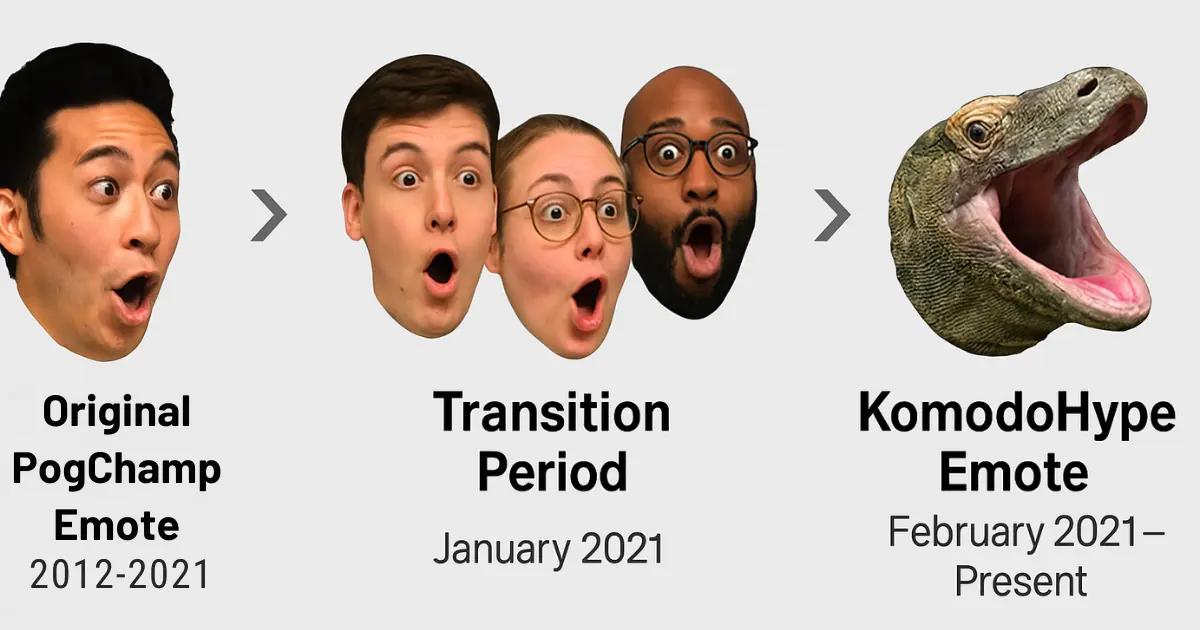
If you’ve spent any time watching Twitch streams or browsing gaming communities, you’ve probably encountered the term “PogChamp” spammed enthusiastically in chat during exciting moments. The PogChamp emote meaning represents excitement, surprise, or hype—essentially the digital equivalent of your jaw dropping in amazement. This iconic emote featuring a wide-eyed, open-mouthed expression of shock became Twitch’s most recognizable symbol of gaming culture before undergoing dramatic changes in 2021. Whether you’re new to streaming platforms or simply curious about why everyone keeps typing “Pog” when something incredible happens, understanding PogChamp’s journey from a simple image to a cultural phenomenon reveals fascinating insights into how internet communities create and evolve their own language.
What Does PogChamp Mean? (Quick Definition)
The PogChamp emote meaning is straightforward: it expresses excitement, amazement, or hype in response to something impressive happening on stream. When viewers type “PogChamp” in Twitch chat, they’re essentially saying “Wow, that was incredible!” or “I can’t believe that just happened!” The emote shows an exaggerated facial expression of shock and excitement, making it perfect for those clutch gaming moments, unexpected plot twists, or impressive feats of skill.
What does PogChamp mean in practical terms? Think of it as the internet’s way of capturing that moment when your favorite streamer pulls off an impossible headshot, wins against overwhelming odds, or reveals something genuinely surprising. The term has become so ubiquitous that even people outside Twitch use “Pog” as shorthand for anything exciting or noteworthy. You might see comments like “that’s so pog” on YouTube, Twitter, or Discord—all derivatives of this influential emote.
The word “Pog” itself comes from a 1990s children’s game involving cardboard discs, but in Twitch culture, it’s been completely repurposed. When combined with “Champ” (short for champion), it creates a term that celebrates excellence and exciting moments. The emote functions as both a reaction and a form of encouragement, creating a shared experience among thousands of viewers simultaneously witnessing something remarkable.
The Origin Story: Ryan 'Gootecks' Gutierrez and the Pog Face
The PogChamp origin story begins with Ryan “Gootecks” Gutierrez, a professional Street Fighter player and content creator. The iconic facial expression that would become internet-famous was captured during a 2010 outtake video for his web series “Cross Counter TV,” which he co-hosted with Mike Ross. In the blooper reel, Gootecks makes an exaggerated surprised face in reaction to a camera accidentally being bumped—a spontaneous moment that would define internet culture for the next decade.
But why is it called “PogChamp” specifically? The name combines two references: “Pog” comes from another video featuring Gootecks where he plays with Pogs (the 1990s game involving stacking cardboard discs), and “Champ” is short for champion. The video titled “Pogs Championship” showed Gootecks and Ross playing the nostalgic game, and when Twitch was looking for emote names, they merged these concepts together. Ryan Gutierrez PogChamp became the face that launched thousands of hype moments.
Gootecks himself was deeply embedded in the fighting game community before becoming an internet icon. His age and experience in competitive gaming gave him credibility, and his entertaining personality made him a natural fit for content creation. The Cross Counter brand focused on teaching fighting game fundamentals while maintaining an accessible, fun approach. Little did Gootecks know that a simple surprised expression would outlive all his competitive achievements and become his primary legacy in internet culture.
The original image was uploaded to Twitch (then Justin.tv) in 2012, and it quickly gained traction among fighting game streams before spreading to the broader Twitch community. What made this particular expression so perfect was its genuine authenticity—it wasn’t posed or planned, making it feel relatable and real. The wide eyes and open mouth captured that universal moment of “I can’t believe what I’m seeing,” which resonated across all types of content, from gaming to music to creative streams.
How PogChamp Became Twitch's Most Popular Emote
The rise of the PogChamp emote to become Twitch’s most iconic symbol wasn’t immediate—it was a gradual cultural adoption that reflected the platform’s growth. Initially popular in fighting game streams where Gootecks was already known, the emote began spreading to other gaming communities around 2013-2014. Speedrunners, League of Legends players, and Dota 2 streamers all adopted it as their go-to reaction for clutch plays and exciting moments.
What made PogChamp so successful was its versatility and emotional clarity. Unlike some emotes that require cultural context to understand, PogChamp’s meaning was immediately apparent from the facial expression alone. New viewers could intuitively grasp that this emote meant something exciting was happening, even without knowing the backstory. This accessibility helped it transcend individual gaming communities and become a universal Twitch language element.
By 2016-2017, PogChamp had become so prevalent that it was being used millions of times daily across the platform. Major esports events would see chat flooded with PogChamp during tournament-winning plays. The emote became a barometer for stream quality—if chat was spamming PogChamp, you knew something genuinely impressive was happening. Streamers themselves began acknowledging the emote, with many saying “Pog” out loud when something exciting occurred, further cementing its place in streaming vocabulary.
The emote’s popularity also spawned countless variations and derivatives. Artists created animated versions, communities developed inside jokes around it, and the term “Pog” became detached from the image itself, functioning as a standalone expression of excitement. This linguistic evolution demonstrated how deeply PogChamp had penetrated internet culture—it wasn’t just an emote anymore, it was a concept, a feeling, a shared cultural touchstone that defined the Twitch experience.
The 2021 Controversy: Why Twitch Removed PogChamp
The PogChamp controversy erupted on January 6, 2021, when Twitch made the unprecedented decision to remove the emote from its platform entirely. The reason? Gootecks Twitter activity following the U.S. Capitol riots. Ryan Gutierrez posted tweets that appeared to encourage further civil unrest, writing messages that Twitch deemed incompatible with their community values. The platform announced they would remove the emote, stating that they wanted the sentiment and use of “Pog” to live on but couldn’t in good conscience continue featuring someone promoting violence.
What happened to Gootecks in the aftermath was complex. The Gootecks controversy revealed a person whose views had shifted dramatically from his fighting game community days. Over the years leading up to 2021, his social media presence had become increasingly focused on conspiracy theories and alternative health claims. Many in the gaming community, including former collaborators, expressed disappointment and distance themselves from his views. Gootecks Reddit discussions showed a community grappling with separating the person from the cultural artifact he’d created.
The decision to remove the PogChamp emote sparked intense debate. Some argued that the emote had transcended its creator and belonged to the community now, making removal unnecessary. Others supported Twitch’s stance, believing that keeping the emote would implicitly endorse Gootecks’ statements. The situation highlighted a broader question about internet culture: when does a meme or emote become separate from its source, and who has the authority to make that determination?
Why was PogChamp removed specifically rather than just renamed? Twitch’s reasoning centered on the fact that the emote was literally Gootecks’ face—unlike more abstract emotes, this one was inextricably tied to a specific person. The platform couldn’t simply rebrand it without addressing the elephant in the room. The removal sent shockwaves through the streaming community, with many streamers and viewers expressing sadness not about losing Gootecks specifically, but about losing a piece of Twitch history that had defined so many memorable moments.
PogChamp Today: The Rotating Emote System
Rather than permanently retiring the concept, Twitch introduced an innovative solution: the new PogChamp would be a rotating emote featuring different streamers and content creators making their own “Pog face.” This system launched immediately after the original’s removal, with Twitch selecting a new face to represent PogChamp every 24 hours. The first replacement featured streamer UmiNoKaiju, and the rotation has continued with hundreds of different creators since then.
The rotating PogChamp system serves multiple purposes. It democratizes the emote, giving recognition to diverse creators across the platform rather than centering one person. It keeps the emote fresh and relevant, with communities rallying around their favorite streamers when they’re featured. And it solves the philosophical problem of ownership—PogChamp now belongs to the entire Twitch community rather than any individual. The new PogChamp emote maintains the same excited, open-mouthed expression but with constantly changing faces.
Is “pog champ” still used? Absolutely. Despite the controversy and changes, the term “Pog” and its variations remain as popular as ever in streaming culture. The rotating system has been generally well-received, though some purists argue nothing can truly replace the original. Many streamers have their own custom “Pog” emotes for their channels, creating a whole ecosystem of excitement expressions. The core concept—using “Pog” to express hype—has proven more durable than any single image.
The system has also created new opportunities for community engagement. Twitch occasionally runs campaigns where viewers can vote for who should be featured as PogChamp, and being selected has become a badge of honor for creators. This evolution demonstrates how platform culture can adapt and survive even when foundational elements are disrupted. The spirit of PogChamp lives on, even if the face keeps changing.
Cultural Impact: How PogChamp Changed Internet Language
The cultural impact of PogChamp extends far beyond Twitch itself. The emote fundamentally changed how internet communities express excitement and create shared experiences. Before PogChamp, online reactions were largely text-based—”wow,” “omg,” “amazing”—but this emote created a visual shorthand that conveyed emotion more effectively than words. It pioneered the concept that images could function as vocabulary in digital spaces.
The term “Pog” has entered mainstream internet vernacular, used across platforms that don’t even support the emote. You’ll find “that’s so pog” comments on YouTube, Twitter threads discussing “pog moments,” and Discord servers where “Pog” is understood even without the visual component. This linguistic migration demonstrates how Twitch culture influences broader internet communication patterns. The PogChamp meme has been remixed, referenced, and parodied countless times, cementing its place in internet history.
One particularly notable derivative is the phrase “you’re my little PogChamp,” which originated from a wholesome meme format. What does “you’re my little PogChamp” mean? It’s an affectionate, slightly ironic way of expressing pride or encouragement, often used between friends or in supportive contexts. The phrase became associated with comfort and validation, spawning artwork and variations. My little PogChamp meaning has evolved to represent the supportive, community-oriented side of gaming culture, contrasting with toxic stereotypes.
The emote also influenced how other platforms approach user expression. Discord, YouTube, and even professional communication tools began incorporating more sophisticated emoji and reaction systems, recognizing that visual emotional expression was becoming essential to digital communication. PogChamp proved that internet communities would create their own language systems if given the tools, and platforms that facilitated this would thrive.
Beyond gaming, PogChamp has appeared in unexpected contexts. Chess streaming exploded in popularity during 2020-2021, with events like PogChamps bringing together content creators to compete in chess tournaments. These PogChamp chess events—including PogChamps 3, PogChamps 4, PogChamps 5, PogChamps 6, and PogChamps 7—introduced chess to new audiences by combining the game with streaming culture. The name itself was a clever play on the emote’s meaning, suggesting that anyone could be a champion in their own right, which aligned perfectly with the events’ inclusive, entertainment-focused approach to competitive chess.
Other 'Pog' Variations You Should Know (POGGERS, PogU, etc.)
The success of PogChamp spawned an entire family of “Pog” emotes, each with subtle variations in meaning and usage. Understanding these derivatives is essential for anyone wanting to fully grasp Twitch chat culture. POGGERS is perhaps the most popular variation, featuring Pepe the Frog making a similar excited expression. POGGERS tends to be used in slightly more ironic or exaggerated contexts, and its association with Pepe gives it different cultural connotations depending on the community.
PogU is another common variant, typically featuring a more exaggerated or distorted version of the excited expression. It’s often used for moments that are exciting but perhaps slightly absurd or unexpected. The “U” doesn’t stand for anything specific—it’s simply part of the naming convention that developed as communities created custom emotes. PogU tends to appear in more casual, meme-heavy streams where the culture is less serious.
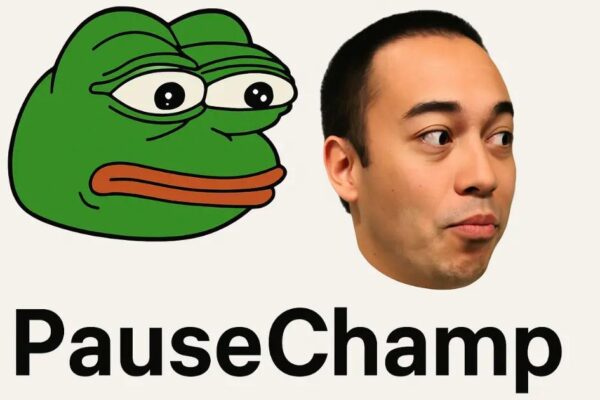
Other variations include Pog (just the word itself, often used when the emote isn’t available), PauseChamp (representing anticipation before something exciting happens), and WeirdChamp (expressing disappointment or disapproval, essentially the opposite sentiment). The PauseChamp emote specifically captures that moment of suspense when viewers are waiting to see if something amazing will happen, making it perfect for clutch situations where the outcome is uncertain.
Each variation serves a specific communicative function, creating a nuanced emotional vocabulary. Experienced Twitch users can distinguish between genuine hype (PogChamp/POGGERS), ironic excitement (PogU), anticipation (PauseChamp), and disappointment (WeirdChamp) instantly. This sophisticated system of visual communication represents one of the most interesting developments in how internet communities create shared meaning. The pog origin may have been a single surprised face, but it evolved into an entire emotional language.
Custom channel emotes have further expanded the Pog ecosystem. Many popular streamers have their own versions featuring their face or mascot making the Pog expression. This personalization strengthens community identity while maintaining connection to the broader Twitch culture. The proliferation of Pog variants demonstrates how internet culture values both shared reference points and individual expression.
How to Use PogChamp and Pog Emotes Correctly
Understanding when and how to use PogChamp and its variations is essential for participating authentically in Twitch culture. The primary rule is simple: use Pog emotes when something genuinely exciting, impressive, or surprising happens. This could be a difficult boss defeated, a perfect play executed, an unexpected plot twist revealed, or any moment that makes you think “wow, that was incredible.” Timing is crucial—spamming Pog emotes constantly dilutes their meaning and can be seen as annoying.
Context matters significantly. In competitive gaming streams, PogChamp is appropriate for clutch plays, comeback victories, or displays of exceptional skill. In creative streams, it might be used when an artist completes a particularly impressive detail or reveals a finished piece. In just-chatting streams, it could respond to surprising news or entertaining stories. The key is that the moment should warrant genuine excitement—using PogChamp sarcastically or inappropriately can confuse other viewers or disrupt chat flow.
What does pog mean in different contexts? While the core meaning remains “excitement,” the intensity and sincerity can vary. A single “Pog” might express mild appreciation, while repeated “POGGERS POGGERS POGGERS” indicates extreme hype. Some communities use Pog ironically for mundane achievements, creating humor through contrast. Understanding your specific stream’s culture is important—what’s appropriate in a casual variety stream might be out of place in a serious competitive environment.
For new Twitch users, observe before participating. Watch how established community members use emotes, notice what triggers Pog responses, and understand the rhythm of chat interaction. Different streamers cultivate different chat cultures—some encourage constant emote spam during exciting moments, while others prefer more measured responses. Matching your emote usage to the community norms shows respect and helps you integrate into the culture.
The PogChamp emote meaning urban dictionary and PogChamp emote meaning reddit discussions often emphasize that authenticity matters more than technical correctness. If you’re genuinely excited about what’s happening on stream, expressing that with Pog emotes is always appropriate. The community generally welcomes enthusiastic participation, even from newcomers who might not have perfect emote timing. The goal is shared experience and collective celebration of exciting moments, not rigid adherence to rules.
Finally, remember that emotes are just one part of Twitch communication. Combining Pog with relevant text comments can enhance your message: “That play was insane PogChamp” provides more context than just the emote alone. Balance emote usage with actual conversation to be a valued community member rather than just another face in the spam. The most respected chatters know when to Pog, when to discuss, and when to simply enjoy the moment quietly.
Beyond Twitch: Pog in Broader Internet Culture
The influence of PogChamp extends into spaces far removed from its Twitch origins. Gaming communities on Reddit frequently use “Pog” in post titles and comments, even when the actual emote isn’t available. Twitter users include “Pog” in tweets to express excitement about announcements, releases, or personal achievements. Discord servers across countless topics have incorporated Pog emotes into their custom emoji collections, recognizing that this form of expression resonates with internet-savvy users regardless of whether they actively watch streams.
This cross-platform adoption demonstrates how Twitch has become a cultural trendsetter for internet communication more broadly. Terms and concepts that originate in streaming culture increasingly influence how people communicate online everywhere. The PogChamp emote meaning Twitch may have started on one platform, but its impact on digital communication patterns is universal. Young people especially have adopted “Pog” as part of their everyday vocabulary, both online and occasionally in spoken conversation.
Educational and professional spaces have even begun acknowledging these communication patterns. Teachers report students using “Pog” to express excitement about good grades or interesting lessons. Marketing teams study Twitch emote culture to understand how younger demographics communicate and what resonates with them. The journey from a fighting game player’s surprised expression to a fundamental element of internet linguistics represents one of the most fascinating case studies in how digital culture evolves and spreads.
The staying power of PogChamp, despite controversy and changes, proves that truly resonant cultural elements can survive almost anything. The concept of expressing excitement through a specific visual shorthand has become so embedded in internet culture that no single event or person can eliminate it. Whether through the rotating official emote, custom variations, or simply the word “Pog” itself, this piece of internet history continues shaping how millions of people communicate online every day. Understanding PogChamp means understanding a crucial chapter in the ongoing story of how humans adapt language and expression to new digital environments.
Frequently Asked Questions
What does PogChamp emote mean?
The PogChamp emote meaning represents excitement, surprise, or hype in response to something amazing happening during a stream. It features a wide-eyed, open-mouthed expression of shock and is used by Twitch viewers to celebrate epic moments, impressive plays, or unexpected wins. The emote became the universal symbol for expressing genuine amazement in gaming culture.
Why was PogChamp removed from Twitch?
Twitch removed the original PogChamp emote in January 2021 after Ryan “Gootecks” Gutierrez, the face of the emote, posted controversial tweets encouraging further violence following the U.S. Capitol riots. The platform stated they wanted the emote’s imagery to represent positive values and couldn’t in good conscience continue featuring someone promoting civil unrest. Twitch initially replaced it with a rotating daily PogChamp featuring different streamers before settling on a komodo dragon version called “KomodoHype.”
What does "pog" mean and is it still used?
“Pog” is a shortened version of PogChamp that carries the same meaning of excitement or amazement, and yes, it’s absolutely still used today. The term has transcended Twitch and entered mainstream internet slang, appearing in social media comments, Discord servers, and everyday online conversations. Variations like “poggers” and phrases like “that’s so pog” remain popular despite the original emote’s removal.
Where did the term PogChamp come from?
The term PogChamp originated from a 2011 blooper video featuring fighting game personality Ryan “Gootecks” Gutierrez making an exaggerated surprised face while playing with POG bottle caps. The “Champ” part references the game Pogs (a 1990s playground game), while the expression itself captured the perfect reaction to something exciting. Twitch immortalized this moment as an emote in 2012, and it quickly became the platform’s most iconic symbol.
What does it mean when someone calls you a PogChamp?
When someone calls you a PogChamp, they’re complimenting you for doing something impressive, exciting, or worthy of celebration. It’s essentially saying “you’re awesome” or “you did something amazing” in internet speak. The phrase “you’re my little PogChamp” became a wholesome meme used to encourage or praise someone in an endearing way.
What is the PogChamp face and who is the person behind it?
The PogChamp face is the wide-eyed, open-mouthed expression of shock made by Ryan “Gootecks” Gutierrez, a professional Street Fighter player and content creator. The iconic facial expression was captured during an outtake from his web series “Cross Counter TV” in 2011. Gootecks became internet famous solely because of this single frame, which defined Twitch culture for nearly a decade.
Do people still say PogChamp after the controversy?
Yes, people absolutely still say PogChamp and use variations of the term despite the original emote’s removal from Twitch. The pogchamp emote meaning and cultural significance have outlived the specific image, with the community continuing to use “pog,” “poggers,” and “PogChamp” in everyday conversation. Alternative PogChamp-style emotes have filled the void on Twitch, and the term remains deeply embedded in gaming vocabulary.
What replaced the original PogChamp emote on Twitch?
Twitch initially replaced PogChamp with “PogChamp of the Day,” rotating the emote to feature different streamers making similar excited expressions each day. After experimenting with this community-driven approach, Twitch eventually settled on “KomodoHype,” featuring a komodo dragon with a similar open-mouthed expression. Many streamers and third-party extensions also created their own PogChamp alternatives to preserve the emote’s legacy.
Is the PogChamp emote considered a meme?
Yes, the PogChamp emote evolved into one of the internet’s most recognizable memes, extending far beyond its original Twitch context. The image spawned countless variations, parodies, and derivative memes across social media platforms. The pogchamp emote meaning became so culturally significant that it influenced how an entire generation expresses excitement online, cementing its status as a defining internet culture phenomenon.
What did Gootecks do that caused the PogChamp controversy?
Ryan “Gootecks” Gutierrez posted tweets on January 6, 2021, that appeared to encourage further civil unrest following the U.S. Capitol riots, including questioning whether there would be “civil unrest for the woman who was executed inside the Capitol today.” Twitch deemed these statements incompatible with their platform values and removed his face from the PogChamp emote within 24 hours. The decision sparked widespread debate about separating art from artist and the responsibilities of platforms in moderating cultural symbols.
You May Also Like
NYT Connections Hint: Today’s Puzzle Help & Solving Tips

SimpCityForum Guide: How to Navigate & Engage (2024)
PauseChamp Meaning: What Is the Twitch Emote & When to Use It







1 Comment
[…] PogChamp emote meaning and PauseChamp meaning: how Twitch emotes become shared language. […]