Are CBD Drinks Legal? UK, US, Canada & Australia Laws 2024

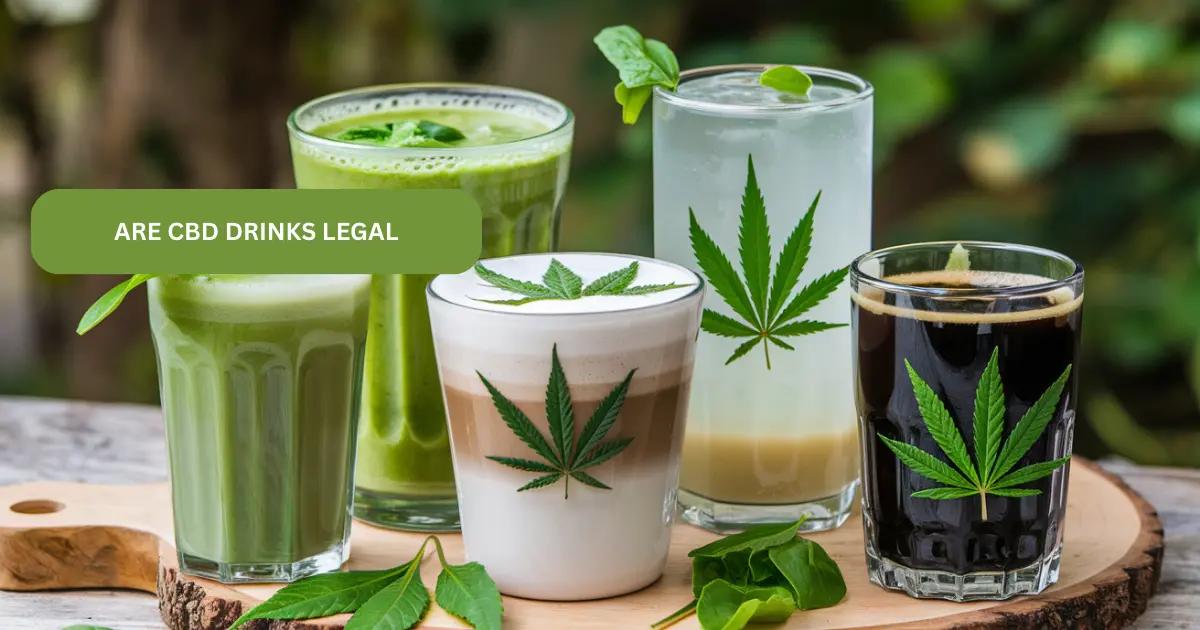
The legal status of CBD drinks remains one of the most confusing aspects of the cannabidiol industry, with regulations varying dramatically across countries, states, and even local jurisdictions. If you’re wondering are CBD drinks legal, the answer depends on where you live, the THC content of the beverage, how it’s manufactured, and how it’s marketed. In the United States, CBD drinks derived from hemp with less than 0.3% THC are federally legal under the 2018 Farm Bill, but the FDA has not approved CBD as a food or beverage additive, creating a regulatory gray area. The United Kingdom permits CBD beverages as long as they contain no detectable THC and meet Novel Food authorization requirements. Canada allows CBD drinks only through licensed provincial cannabis retailers, while Australia maintains strict prescription-only access in most states. This comprehensive guide breaks down the complex legal landscape of CBD beverages across major markets, helping you understand exactly what’s permitted, what’s prohibited, and what regulatory changes are coming in 2024-2025.
What Makes CBD Drinks Legal or Illegal? (The Key Factors)
Understanding whether CBD drinks are legal requires examining several critical factors that determine compliance across different jurisdictions. The legality of CBD beverages isn’t a simple yes-or-no question—it depends on multiple regulatory criteria that vary by location.
The source of CBD is the first determining factor. CBD derived from hemp (cannabis plants containing less than 0.3% THC) is treated differently than CBD extracted from marijuana in most legal frameworks. Hemp-derived CBD has broader legal acceptance in countries like the United States and United Kingdom, while marijuana-derived CBD faces stricter controls even in cannabis-legal jurisdictions.
The THC content represents the most critical legal threshold. Most jurisdictions that permit CBD drinks establish maximum THC limits—typically 0.3% in the US, non-detectable levels in the UK, and varying provincial limits in Canada. Exceeding these thresholds transforms a legal CBD beverage into a controlled substance, regardless of the manufacturer’s intentions.
Manufacturing standards and testing requirements also determine legality. Legal CBD drinks must undergo third-party laboratory testing to verify cannabinoid content, confirm the absence of contaminants, and ensure accurate labeling. Beverages that haven’t been properly tested or that contain undisclosed ingredients face regulatory action and potential criminal penalties.
The regulatory approval status matters significantly. In the UK, CBD drinks must receive Novel Food authorization from the Food Standards Agency. In the US, the FDA’s position that CBD cannot be legally added to food and beverages creates enforcement uncertainty. Canada requires CBD beverages to be sold exclusively through licensed cannabis retailers with proper provincial authorization.
Marketing claims and labeling can render an otherwise legal CBD drink illegal. Making therapeutic claims about treating, curing, or preventing diseases without proper drug approval violates regulations in virtually all jurisdictions. CBD drinks marketed as dietary supplements, functional beverages, or wellness products must avoid medical claims while providing accurate cannabinoid content information.
Are CBD Drinks Legal in the United States? (Federal and State Laws)
The legal status of CBD drinks in the United States exists in a complex regulatory space where federal law, FDA policy, and state regulations often conflict. Understanding whether are CBD drinks legal in America requires examining multiple layers of jurisdiction.
At the federal level, the 2018 Farm Bill legalized hemp and hemp-derived products containing no more than 0.3% THC on a dry weight basis. This legislation removed hemp from the Controlled Substances Act, theoretically making hemp-derived CBD legal nationwide. However, the Farm Bill explicitly preserved the FDA’s authority to regulate CBD in food, beverages, and dietary supplements.
The FDA’s position creates significant legal ambiguity. The agency has stated that CBD cannot be legally added to food or beverages under current regulations, citing concerns about safety data and the fact that CBD was first investigated as a pharmaceutical drug (Epidiolex). Despite this position, the FDA has taken limited enforcement action against CBD beverage manufacturers, creating a de facto tolerance for the market while maintaining that such products technically violate federal food and drug laws.
This regulatory contradiction means CBD drinks occupy a legal gray area—not explicitly illegal under the Farm Bill, but not approved by the FDA either. Many manufacturers and retailers operate in this space, banking on the FDA’s limited enforcement resources and evolving regulatory approach.
State-level regulations add another layer of complexity. Some states have explicitly legalized CBD beverages with clear regulatory frameworks, while others have banned them or maintained ambiguous positions. California permits CBD drinks but requires compliance with state cannabis regulations and testing standards. New York initially banned CBD in food and beverages but reversed course in 2019, allowing CBD drinks with proper licensing. Texas has taken a more restrictive approach, with enforcement actions against some CBD beverage retailers despite hemp legalization.
For federal employees, the question “is CBD legal for federal employees” has a clear answer: federal workplace drug policies typically prohibit CBD use regardless of state law, as federal employees remain subject to federal drug-free workplace requirements. Similarly, military personnel face strict prohibitions—is CBD federally legal for military service members is definitively no, as Department of Defense policy bans all CBD products due to THC contamination risks and federal compliance requirements.
The FDA warning letters issued to CBD companies provide insight into enforcement priorities. The agency has primarily targeted companies making egregious therapeutic claims or selling products with dangerously high THC levels. Companies selling CBD drinks as functional beverages without medical claims have faced less scrutiny, though they remain technically non-compliant with FDA policy.
Looking at specific state examples, is CBD legal in California is answered affirmatively—California allows CBD drinks through both hemp and cannabis regulatory pathways, though products must meet testing and labeling requirements. Similarly, is CBD legal in New York is yes, with the state permitting CBD beverages sold through licensed retailers with proper manufacturing standards.
Are CBD Drinks Legal in the United Kingdom?
The United Kingdom maintains a relatively clear regulatory framework for CBD drinks, though compliance requirements are stringent. CBD beverages are legal in the UK provided they meet specific criteria established by the Food Standards Agency (FSA) and contain no detectable THC.
Under UK law, CBD products including drinks must contain less than 1 mg of THC per container—effectively a zero-THC requirement for practical purposes. This standard is stricter than many other jurisdictions and requires sophisticated extraction and testing processes to achieve. CBD drinks containing any detectable THC above this threshold are classified as controlled substances under the Misuse of Drugs Act 1971.
The Novel Food authorization requirement represents the most significant regulatory hurdle for CBD beverage manufacturers in the UK. The FSA classified CBD as a novel food in 2020, requiring companies to submit detailed safety assessments and obtain authorization before legally selling CBD drinks. This process involves extensive toxicology data, manufacturing information, and evidence of safe consumption history.
As of 2024, the FSA maintains a public list of CBD products with validated Novel Food applications. CBD drinks not on this list or from companies without validated applications face removal from the market. The FSA has conducted enforcement sweeps removing non-compliant CBD beverages from retailers, making Novel Food authorization essential for legal operation.
UK regulations also mandate comprehensive labeling requirements for legal CBD drinks. Labels must accurately state CBD content in milligrams, include batch numbers for traceability, provide appropriate warnings about use during pregnancy and breastfeeding, and avoid any medical or therapeutic claims. The FSA recommends that healthy adults consume no more than 70 mg of CBD per day, and products should include guidance helping consumers stay within this limit.
The UK’s approach to CBD drinks differs significantly from its treatment of cannabis. While recreational cannabis remains illegal, CBD derived from approved industrial hemp strains is permitted. This creates a clear legal distinction—CBD drinks are legal consumer products when properly regulated, while THC-containing cannabis beverages remain prohibited.
For consumers wondering about specific products, checking the FSA’s validated products list provides the most reliable way to confirm whether a CBD drink is legally compliant in the UK. Purchasing from reputable retailers who verify Novel Food status helps ensure legal compliance and product safety.
Are CBD Drinks Legal in Canada? (Provincial Regulations)
Canada’s approach to CBD drink legality differs fundamentally from other jurisdictions by treating CBD beverages as cannabis products subject to comprehensive federal and provincial regulation. Under the Cannabis Act, CBD drinks are legal throughout Canada but must be purchased through licensed provincial cannabis retailers.
The federal Cannabis Act legalized recreational cannabis in 2018, with cannabis-infused beverages (including CBD drinks) becoming legal in October 2019 through the “Cannabis 2.0” regulations. This framework treats CBD drinks the same as THC beverages, requiring licensed production, strict testing, and sale exclusively through provincial cannabis distribution systems.
Unlike the United States or UK, where CBD drinks might be sold in regular retail stores or online, Canadian CBD beverages must be purchased from government-operated or licensed private cannabis retailers depending on the province. This means you won’t find legal CBD drinks in convenience stores, health food shops, or general e-commerce platforms—they’re restricted to the same channels as other cannabis products.
Provincial regulations create significant variation in CBD drink availability and rules. Ontario operates through the Ontario Cannabis Store (OCS) and licensed private retailers, with CBD drinks available alongside other cannabis products. British Columbia uses a mixed model with government stores and licensed private retailers. Alberta has a fully private retail system with numerous licensed stores selling CBD beverages. Quebec maintains stricter controls through the Société québécoise du cannabis (SQDC), with CBD drinks available but subject to provincial purchasing limits.
The THC limit for CBD drinks in Canada is 10 mg per container, though most CBD-focused beverages contain minimal or no THC. Beverages can contain up to 1000 mg of CBD per container, though most commercial products contain 10-50 mg per serving. All products require standardized Health Canada warning labels, child-resistant packaging, and detailed cannabinoid content information.
Canadian regulations mandate rigorous testing and quality control for CBD drinks. Licensed producers must test for cannabinoid content, microbial contaminants, heavy metals, pesticides, and residual solvents. Products failing testing cannot enter the legal market, ensuring consumer safety but increasing production costs.
The licensing requirements for producing CBD drinks in Canada are extensive. Manufacturers need federal licenses from Health Canada for cannabis processing and production, must meet Good Production Practices standards, and require provincial distribution agreements. This regulatory framework has limited the number of CBD beverage producers compared to less regulated markets, but ensures product quality and safety.
For consumers, the Canadian system provides certainty—CBD drinks purchased through licensed provincial retailers are definitively legal. However, CBD beverages marketed outside this system, including those sold in regular stores or imported from the US, are illegal regardless of their THC content or hemp derivation.
Are CBD Drinks Legal in Australia? (State-by-State Breakdown)
Australia maintains one of the most restrictive regulatory frameworks for CBD drinks among developed nations, with CBD classified as a Schedule 4 prescription medicine by the Therapeutic Goods Administration (TGA). This classification means CBD beverages are generally illegal for over-the-counter sale, though recent regulatory changes have created limited exceptions.
At the federal level, the TGA controls CBD regulation through the Poisons Standard. CBD products including drinks require either a prescription from a registered medical practitioner or approval as a listed medicine meeting strict criteria. This pharmaceutical approach differs dramatically from the consumer product frameworks in the US, UK, or Canada.
In February 2021, the TGA created a new pathway allowing low-dose CBD products to be sold over-the-counter in pharmacies without a prescription, provided they meet specific requirements. However, as of 2024, no CBD drinks have successfully navigated this approval pathway. The requirements include maximum daily doses of 150 mg CBD, extensive safety data, quality manufacturing standards, and pharmacist-only supply—criteria that CBD beverage manufacturers have found challenging to meet.
State and territory regulations add complexity to Australia’s CBD landscape. New South Wales, Victoria, Queensland, South Australia, Western Australia, Tasmania, the Australian Capital Territory, and the Northern Territory all defer to federal TGA regulations for CBD classification, but enforce possession and supply laws differently.
In New South Wales and Victoria, possessing CBD drinks without a valid prescription can result in criminal penalties under state drug laws, though enforcement typically focuses on larger-scale supply rather than personal possession. Queensland maintains similar restrictions with state police occasionally conducting compliance operations targeting retailers selling non-approved CBD products.
The Australian Capital Territory has taken a more progressive approach, decriminalizing small amounts of cannabis for personal use, but this doesn’t extend to commercial CBD drink sales, which remain subject to TGA regulations. Similarly, while South Australia decriminalized minor cannabis offenses decades ago, CBD drinks still require prescription authorization.
For consumers seeking legal access to CBD beverages in Australia, the prescription pathway remains the primary option. Patients can consult with doctors who are authorized prescribers under the TGA’s Special Access Scheme or Authorized Prescriber scheme. Some telehealth services specialize in cannabis medicine prescriptions, making access somewhat easier than traditional medical channels.
The practical reality is that legal CBD drinks are extremely rare in Australia compared to other markets. Most Australians interested in CBD consume it through prescription oils, capsules, or other pharmaceutical formats rather than beverages. Some gray-market CBD drinks exist, imported or manufactured without proper authorization, but purchasing or selling these products carries legal risks including fines and potential criminal charges.
Looking forward, Australian regulations may gradually liberalize. The TGA periodically reviews CBD scheduling, and advocacy groups continue pushing for over-the-counter access similar to other countries. However, significant regulatory change appears unlikely in the immediate future, leaving Australia with one of the world’s most restrictive approaches to CBD beverages.
THC Limits: The Critical Legal Threshold for CBD Beverages
The THC content of CBD drinks represents the single most important factor determining their legal status across virtually all jurisdictions. Understanding these thresholds is essential for manufacturers, retailers, and consumers navigating CBD drink regulations.
In the United States, the federal standard established by the 2018 Farm Bill sets the THC limit at 0.3% on a dry weight basis for hemp and hemp-derived products. For CBD beverages, this translates to approximately 0.3% THC in the finished product, though calculating dry weight basis for liquids involves complex testing methodologies. Products exceeding this threshold are legally classified as marijuana and subject to state-level cannabis regulations rather than federal hemp laws.
The 0.3% threshold has historical rather than scientific origins—it was adopted from a 1976 taxonomic paper distinguishing hemp from marijuana for agricultural purposes, not based on psychoactive effects or safety considerations. Nevertheless, this arbitrary line now determines federal legality for millions of CBD products including beverages.
The United Kingdom enforces a much stricter standard, requiring CBD drinks to contain less than 1 mg of THC per container—essentially a zero-THC requirement. This reflects the UK’s classification of THC as a controlled substance with no legal threshold for food products. British CBD beverage manufacturers must use CBD isolate or broad-spectrum extracts with THC completely removed, as full-spectrum CBD oils typically contain trace THC that would exceed UK limits.
Canada’s approach differs by treating CBD drinks as cannabis products with a maximum THC limit of 10 mg per container for beverages. This higher threshold reflects Canada’s comprehensive cannabis legalization framework, where both THC and CBD beverages are sold through the same regulated channels. Canadian CBD drinks can legally contain more THC than American or British products, though most CBD-focused beverages contain minimal THC to appeal to consumers seeking non-intoxicating effects.
Australia maintains the strictest approach, with CBD classified as a prescription medicine regardless of THC content. However, for CBD products to qualify for potential over-the-counter pharmacy sales, they must contain no more than 2% THC relative to CBD content—a ratio-based limit rather than an absolute threshold.
The challenge of THC testing accuracy complicates compliance across all jurisdictions. Different testing methodologies can produce varying results, and THC levels can change during product shelf life due to degradation or conversion from other cannabinoids. Reputable CBD drink manufacturers conduct multiple tests throughout production and implement safety margins below legal limits to ensure consistent compliance.
For consumers, understanding THC limits helps assess product legality and safety. A CBD drink labeled “THC-free” in the US may legally contain up to 0.3% THC, while the same claim in the UK should mean truly zero detectable THC. Reading third-party lab reports (Certificates of Analysis) provides the most reliable information about actual THC content.
The question “do CBD drinks get you buzzed” relates directly to THC content. Pure CBD is non-intoxicating and won’t produce a “high” or buzz regardless of dose. However, CBD drinks containing THC—even within legal limits—might produce mild psychoactive effects in sensitive individuals or at high doses. Most legal CBD beverages contain insufficient THC to cause intoxication, but full-spectrum products with the maximum allowable THC could potentially affect some users.
FDA and Regulatory Agency Positions on CBD Drinks
The FDA’s stance on CBD drinks represents one of the most significant regulatory uncertainties in the American CBD market. Despite hemp-derived CBD being federally legal under the Farm Bill, the FDA maintains that adding CBD to food and beverages violates federal law—a position that creates confusion for manufacturers, retailers, and consumers.
The FDA’s primary concern centers on CBD’s status as an active pharmaceutical ingredient in Epidiolex, an FDA-approved prescription drug for treating certain epilepsy syndromes. Under federal food and drug law, substances first investigated as drugs cannot be added to food or dietary supplements without FDA approval—a principle known as the drug exclusion rule. Since CBD was studied as a pharmaceutical before being widely used in consumer products, the FDA argues this rule applies.
The agency has issued numerous FDA CBD warning letters to companies making egregious violations—primarily those making therapeutic claims about treating cancer, Alzheimer’s, or other serious diseases without drug approval. However, the FDA has issued relatively few warning letters specifically targeting CBD beverage manufacturers who market their products as functional drinks without medical claims. This selective enforcement has allowed a substantial CBD beverage market to develop despite the FDA’s official position.
In congressional testimony and public statements, FDA officials have acknowledged the need for a regulatory pathway for CBD in food and beverages, but have not proposed specific rules or timelines. The agency cites concerns about potential liver toxicity at high doses, drug interactions, and effects on male reproductive systems based on animal studies. However, critics argue that millions of Americans have consumed CBD products for years without widespread adverse effects, suggesting the FDA’s concerns may be overstated.
The FDA has called for congressional action to create a clear regulatory framework for CBD in food and beverages, effectively acknowledging that current law doesn’t adequately address the market reality. Several bills have been introduced in Congress to establish CBD regulations, but none have passed as of 2024. This legislative inaction leaves the regulatory gray area unresolved.
Notably, the FDA has approved only one CBD product for any use: Epidiolex for prescription treatment of seizures. When consumers search for “FDA-approved CBD products,” they’ll find that no over-the-counter CBD drinks, oils, or supplements have received FDA approval. The agency maintains a public list of CBD companies that have received warning letters, which can help consumers identify potentially problematic manufacturers.
Other regulatory agencies have taken different approaches. The USDA regulates hemp cultivation and has established testing and licensing requirements for hemp farmers, but doesn’t directly regulate CBD beverages. The FTC (Federal Trade Commission) has taken enforcement action against CBD companies making unsubstantiated advertising claims, focusing on consumer protection rather than the underlying legality of CBD in beverages.
State regulatory agencies have filled some of the federal void. California’s Department of Public Health initially banned CBD in food and beverages but later reversed course, establishing testing and manufacturing standards. New York’s Department of Health similarly evolved from prohibiting CBD in food to creating a regulatory framework. These state-level initiatives demonstrate that workable CBD beverage regulations are feasible, even as federal policy remains unclear.
For the question “can I take CBD while on statins” or other medications, the FDA’s position is that CBD may interact with various drugs by affecting liver enzymes that metabolize medications. The agency recommends consulting healthcare providers before using CBD, especially for individuals taking prescription medications. This concern applies to CBD drinks just as it does to oils or other CBD products.
Legal Requirements for Selling CBD Drinks (Licensing and Labeling)
Successfully selling legal CBD drinks requires navigating complex licensing, manufacturing, testing, and labeling requirements that vary significantly by jurisdiction. Understanding these compliance obligations is essential for anyone entering the CBD beverage market.
In the United States, CBD drink manufacturers typically need multiple licenses and permits. A hemp processor license from the state agriculture department is required in most states for companies extracting or processing hemp-derived CBD. Food manufacturing licenses from state health departments apply to beverage production facilities, with requirements varying by state. Some states require specific CBD manufacturing licenses with additional testing and reporting requirements beyond standard food production permits.
Federal requirements include FDA food facility registration for any facility manufacturing food or beverages for commercial distribution in the US. While the FDA maintains that CBD beverages violate federal law, manufacturers still register facilities to comply with general food safety regulations. Companies must also implement Hazard Analysis and Critical Control Points (HACCP) plans and follow Current Good Manufacturing Practices (cGMP) for food production.
Third-party laboratory testing represents a critical compliance requirement across all jurisdictions. Legal CBD drinks must undergo testing for cannabinoid content verification (confirming CBD levels and THC compliance), microbial contaminants (bacteria, mold, yeast), heavy metals (lead, arsenic, mercury, cadmium), pesticides, and residual solvents from extraction processes. Reputable manufacturers test both raw CBD ingredients and finished beverages, providing Certificates of Analysis (COAs) to retailers and consumers.
Labeling requirements for CBD drinks include numerous mandatory elements. The cannabinoid content must be clearly stated in milligrams per serving and per container. A complete ingredient list following standard food labeling formats is required. Batch or lot numbers enable traceability for quality control and recalls. Net contents, manufacturer information, and nutritional facts panels must meet standard beverage labeling requirements.
Many jurisdictions require specific warnings and disclaimers on CBD drink labels. Common requirements include statements that the product contains hemp-derived CBD, warnings against use during pregnancy or breastfeeding, advisories about potential drug interactions, and disclaimers that the product is not intended to diagnose, treat, cure, or prevent any disease. Some states mandate specific warning language or symbols.
In the United Kingdom, CBD drink sellers must ensure products have Novel Food authorization and display FSA-compliant labeling. Labels must include the validated Novel Food application number, accurate CBD content, appropriate warnings, and avoid any medical or therapeutic claims. UK regulations also require that CBD content be expressed in milligrams rather than percentages to improve consumer understanding.
Canadian CBD beverage manufacturers face the most comprehensive licensing requirements. A federal cannabis processing license from Health Canada is mandatory, requiring extensive facility inspections, security measures, quality assurance programs, and Good Production Practices compliance. Provincial distribution agreements are necessary to sell through licensed retailers. All packaging must include standardized Health Canada warnings, THC warning symbols, and child-resistant features.
For retailers, selling CBD drinks legally requires understanding both supplier compliance and retail-level requirements. Retailers should verify that suppliers provide third-party lab testing, maintain proper licenses, and use compliant labeling. Many states require retailers to maintain records of CBD product purchases, including batch numbers and COAs. Some jurisdictions restrict CBD sales to specific retail categories—for example, limiting sales to licensed cannabis retailers, pharmacies, or age-restricted establishments.
Insurance considerations also affect legal CBD drink sales. Many standard business insurance policies exclude cannabis-related products, requiring specialized coverage. Manufacturers and retailers should secure product liability insurance specifically covering CBD products to protect against potential claims.
The question of whether CBD drinks can be sold online adds another compliance layer. Interstate commerce in CBD beverages faces additional scrutiny, as products must comply with laws in both the origin and destination states. Payment processors and shipping carriers often have policies restricting CBD products, creating practical barriers even where sales are technically legal.
Can You Travel Internationally with CBD Drinks?
Traveling internationally with CBD drinks presents significant legal risks, as CBD’s legal status varies dramatically between countries and international transportation regulations add complexity. Understanding these restrictions is essential for anyone considering crossing borders with CBD beverages.
The fundamental challenge is that CBD legality is not universal. While CBD drinks may be legal in your departure country, they could be completely illegal in your destination or transit countries. Cannabis-derived products, including CBD, remain controlled substances under international drug treaties, though individual countries have varying implementation approaches.
For air travel, the Transportation Security Administration (TSA) in the United States has stated that hemp-derived CBD products containing less than 0.3% THC are permitted in carry-on and checked bags, as they’re legal under federal law. However, TSA’s primary mission is security screening, not drug enforcement, and they refer suspected violations to law enforcement. More importantly, TSA’s policy only applies to domestic US flights—international travel involves destination country laws.
Traveling from the United States to Canada with CBD drinks is technically illegal, despite both countries having legal CBD frameworks. Canadian border officials can deny entry to travelers carrying CBD products purchased in the US, as these products don’t meet Canadian cannabis regulations requiring purchase through licensed provincial retailers. Conversely, bringing Canadian CBD drinks into the US violates federal importation rules, even though the products might be legal in both countries.
European travel with CBD drinks depends on both departure and destination countries. The European Union has no unified CBD policy, with member states maintaining different regulations. Traveling between the UK and EU countries with CBD beverages risks customs violations, as UK products may not meet EU member state requirements and vice versa. The Schengen Area’s open borders reduce internal checks, but travelers still face legal risks if stopped by authorities.
Traveling to countries with strict drug laws poses severe risks. Many Asian countries, Middle Eastern nations, and some African countries classify all cannabis-derived products, including CBD, as illegal drugs with harsh penalties. Singapore, for example, maintains capital punishment for drug trafficking, and CBD products could theoretically fall under these laws. The United Arab Emirates, Japan, and Thailand (despite recent cannabis law reforms) all prohibit CBD products, with penalties ranging from fines to imprisonment.
Australia’s prescription-only CBD framework means that bringing CBD drinks into the country without proper pharmaceutical documentation violates importation laws. Even travelers with prescriptions from other countries may face difficulties, as Australian customs requires specific documentation and approval for importing scheduled medicines.
The safest approach to international travel is to not bring CBD drinks across borders. Instead, travelers should research destination country laws and purchase CBD products locally if legal and desired. Many countries with legal CBD markets have local products available through compliant retailers, eliminating importation risks.
For travelers who must bring CBD products for medical reasons, several steps can reduce risks. Carry documentation including lab test results showing THC content, prescription or medical recommendation if applicable, and original packaging with clear labeling. Research both destination country laws and airline policies before traveling. Consider contacting the destination country’s customs authority or embassy for clarification on CBD importation rules.
Cruise ship travel with CBD drinks presents unique challenges, as ships may visit multiple countries during a single voyage. Cruise lines typically prohibit CBD products due to the complexity of complying with various port countries’ laws. Passengers bringing CBD drinks on cruises risk confiscation and potential legal issues in ports of call.
What Happens If You Break CBD Drink Laws? (Penalties and Risks)
Violating CBD drink regulations can result in serious consequences ranging from civil penalties to criminal charges, depending on the jurisdiction and nature of the violation. Understanding these risks is crucial for manufacturers, retailers, and consumers operating in the CBD beverage space.
For manufacturers producing non-compliant CBD drinks, penalties vary by jurisdiction and violation severity. In the United States, the FDA can issue warning letters demanding immediate corrective action, seize non-compliant products, and pursue injunctions preventing further manufacturing or distribution. Companies that ignore FDA warning letters may face civil penalties up to $250,000 per violation, with potential criminal prosecution for egregious cases involving intentional fraud or safety risks.
State-level penalties for manufacturing violations include license revocation, civil fines ranging from thousands to hundreds of thousands of dollars, and potential criminal charges for serious violations. California’s cannabis regulations, for example, impose fines up to $30,000 per violation for unlicensed manufacturing or non-compliant products. New York can levy civil penalties up to $10,000 per violation for CBD products that don’t meet state standards.
Retailers selling illegal CBD drinks face similar risks. Civil penalties for retailers typically range from $500 to $10,000 per violation depending on the state, with repeat violations resulting in higher fines and potential business license suspension or revocation. Some jurisdictions impose per-product penalties, meaning a retailer with multiple non-compliant CBD drinks could face cumulative fines reaching tens of thousands of dollars.
In the United Kingdom, selling CBD drinks without Novel Food authorization or containing illegal THC levels can result in product seizures, fines up to £5,000, and potential criminal prosecution under the Food Safety Act or Misuse of Drugs Act. Trading Standards authorities conduct compliance operations, removing non-compliant products and pursuing enforcement action against repeat offenders.
Canadian penalties for selling CBD drinks outside the licensed cannabis retail system are particularly severe. Illegal cannabis sales, including CBD beverages, can result in criminal charges with penalties up to 14 years imprisonment for large-scale operations. Even small-scale violations face fines up to $5,000 and potential jail time up to six months. Provincial cannabis authorities actively investigate and prosecute illegal sales, viewing them as undermining the legal cannabis framework.
Australian violations carry serious consequences due to CBD’s prescription medicine status. Selling CBD drinks without proper authorization violates both therapeutic goods regulations and state drug laws. Penalties include fines up to $1.1 million for corporations and $220,000 for individuals under federal therapeutic goods laws, plus potential state-level criminal charges for drug supply offenses.
For consumers, penalties are generally less severe but still significant. Possessing illegal CBD drinks typically results in product confiscation and potential fines, though criminal prosecution is rare for personal possession. However, attempting to import illegal CBD beverages across international borders can result in customs seizures, fines, and in strict jurisdictions, criminal charges for drug importation.
Beyond legal penalties, violating CBD drink laws carries substantial business risks. Reputational damage from regulatory action or media coverage of violations can destroy consumer trust and brand value. Payment processors and banks may terminate relationships with companies facing regulatory scrutiny, creating operational challenges. Insurance companies may deny coverage or cancel policies for businesses with compliance violations.
Product liability risks increase dramatically for non-compliant CBD drinks. If a consumer suffers adverse effects from a CBD beverage that wasn’t properly tested or labeled, manufacturers and retailers face potential lawsuits with limited insurance protection. Courts may view regulatory violations as evidence of negligence, strengthening plaintiff claims.
The question “will the hemp ban affect legal states” relates to ongoing regulatory uncertainty. While no comprehensive hemp ban is currently in effect, regulatory changes could impact even states with established legal CBD markets. Companies operating in legal gray areas face particular risk if federal or state authorities decide to increase enforcement.
For individuals concerned about specific health situations, such as “is CBD ok for dementia patients,” the legal risks of using non-compliant CBD drinks compound medical risks. Products that haven’t undergone proper testing may contain contaminants, inaccurate CBD levels, or excessive THC that could interact with dementia medications or worsen cognitive symptoms. Legal, properly tested CBD products provide both regulatory compliance and safety assurance.
The Future of CBD Drink Legislation (2024-2025 Updates)
The regulatory landscape for CBD drinks continues evolving rapidly, with significant legislative and policy changes expected in 2024-2025 that will reshape the market across major jurisdictions. Understanding these anticipated developments helps manufacturers, retailers, and consumers prepare for the future of CBD beverage regulation.
In the United States, the most significant potential change involves FDA regulatory clarity. The agency has indicated that congressional action is necessary to create a legal pathway for CBD in food and beverages. Several bills introduced in Congress would establish federal standards for CBD products, including beverages, with provisions for maximum daily doses, testing requirements, and labeling standards. While passage timing remains uncertain, industry observers expect some form of federal CBD regulation within the next 1-3 years as political pressure increases and the market continues expanding.
The proposed regulations would likely establish a maximum daily CBD dose for beverages, possibly in the range of 50-100 mg per day based on FDA safety assessments. Products would require third-party testing, standardized labeling including CBD content and warnings, and potentially age restrictions limiting sales to adults 21 or older. These federal standards would provide much-needed clarity while potentially restricting some current market practices.
State-level developments continue advancing independently of federal action. California is considering legislation to create a comprehensive CBD regulatory framework with clear manufacturing, testing, and retail standards. New York is expanding its CBD regulations following cannabis legalization, potentially creating a unified approach for both THC and CBD beverages. Texas may liberalize its relatively restrictive CBD policies as hemp industry advocates push for clearer regulations.
In the United Kingdom, the Novel Food authorization process continues maturing, with more CBD products including beverages receiving approval. The Food Standards Agency is refining its safety assessment requirements and may streamline the approval process for CBD drinks that meet established safety standards. However, the UK is unlikely to significantly relax its zero-THC requirement, maintaining one of the world’s strictest approaches to THC in CBD products.
Canada’s CBD beverage market is expected to expand as the cannabis retail infrastructure matures and more companies enter the market. Provincial regulations may evolve to allow different product formats or adjust purchasing limits. However, Canada’s fundamental approach—treating CBD drinks as cannabis products sold through licensed retailers—is unlikely to change, as it’s embedded in the federal Cannabis Act framework.
Australia represents the jurisdiction most likely to see significant liberalization. Advocacy groups are pushing for over-the-counter CBD access similar to other countries, and the TGA periodically reviews CBD scheduling. If Australia reclassifies low-dose CBD as a pharmacy medicine or even a general retail product, CBD drinks could become legally available without prescriptions. However, such changes typically occur slowly in Australia’s conservative regulatory environment, and any liberalization would likely include strict quality and labeling requirements.
Internationally, the World Health Organization’s 2019 recommendation that CBD not be scheduled as a controlled substance under international drug treaties has influenced some countries to reconsider their CBD policies. This may lead to gradual liberalization in currently restrictive markets, though implementation varies widely by country.
Emerging trends shaping future CBD drink regulations include increased focus on standardization and quality control. Regulators worldwide are moving toward mandatory third-party testing, standardized labeling formats, and quality assurance requirements similar to pharmaceutical standards. This professionalization of the CBD industry will likely eliminate low-quality products while increasing compliance costs.
The integration of CBD drinks with functional beverage categories is influencing regulatory approaches. As CBD beverages position themselves alongside energy drinks, sports drinks, and wellness beverages, regulators are developing frameworks that acknowledge CBD’s role as a functional ingredient rather than treating it solely as a cannabis derivative. This shift could lead to more permissive regulations focused on safety and labeling rather than prohibition.
Technology advances in testing and traceability are enabling more sophisticated regulatory compliance. Blockchain-based tracking systems, rapid testing technologies, and improved analytical methods allow regulators to verify product compliance more efficiently. These technological tools may support more flexible regulations as authorities gain confidence in their ability to monitor the market.
Consumer protection remains a central focus of evolving regulations. Future CBD drink laws will likely emphasize accurate labeling, safety testing, and prohibition of misleading claims while potentially relaxing restrictions on legal sales channels. This consumer-focused approach balances market access with safety assurance.
For those interested in creating their own CBD products, understanding regulatory trends is essential. While commercial CBD drinks face complex regulations, individuals exploring home preparation—such as learning how to infuse honey with CBD—should still understand local laws regarding CBD possession and use, even for personal consumption.
The next few years will likely bring greater regulatory clarity for CBD drinks across major markets, though the specific approaches will vary by jurisdiction. Manufacturers and retailers should monitor legislative developments, engage with industry associations advocating for sensible regulations, and maintain flexible compliance programs that can adapt to changing requirements. Consumers can expect improved product quality and safety as regulations mature, though potentially with higher prices reflecting increased compliance costs.
Conclusion: Navigating the Complex Legal Landscape of CBD Drinks
The question “are CBD drinks legal” has no simple universal answer—legality depends on your location, the specific product formulation, compliance with testing and labeling requirements, and how the beverage is marketed and sold. In the United States, CBD drinks exist in a federal gray area where they’re technically legal under the Farm Bill but not approved by the FDA for food and beverage use. The United Kingdom permits CBD beverages with Novel Food authorization and zero THC content. Canada treats CBD drinks as cannabis products sold exclusively through licensed retailers. Australia maintains prescription-only access with extremely limited legal availability.
The critical factors determining CBD drink legality remain consistent across jurisdictions: THC content must stay within legal limits (0.3% in the US, non-detectable in the UK, variable in Canada), products must undergo proper testing and labeling, and manufacturers must maintain appropriate licenses and comply with local regulations. Violating these requirements carries significant penalties including fines, product seizures, license revocations, and potential criminal charges.
For consumers, purchasing CBD drinks from reputable manufacturers who provide third-party lab testing and comply with local regulations offers the best assurance of legality and safety. Retailers should verify supplier compliance and maintain proper documentation. Manufacturers must invest in quality control, testing, and legal expertise to navigate the complex regulatory environment successfully.
Looking forward, the CBD beverage industry will likely see increased regulatory clarity as governments develop comprehensive frameworks balancing consumer access with safety assurance. While specific regulations will vary by country and state, the trend is toward standardization, quality control, and consumer protection rather than prohibition. Staying informed about regulatory developments, maintaining strict compliance practices, and prioritizing product quality will position businesses and consumers for success in the evolving legal landscape of CBD drinks.
Frequently Asked Questions
Are CBD drinks legal in the United States?
Yes, CBD drinks derived from hemp containing less than 0.3% THC are federally legal in the United States under the 2018 Farm Bill. However, the FDA has not approved CBD as a food or beverage additive, creating a gray area where federal legality doesn’t necessarily mean full regulatory approval. State laws vary significantly, so it’s essential to check your local regulations before purchasing or consuming CBD drinks.
Are CBD drinks legal in all states?
No, CBD drinks are not legal in all states despite federal legalization. While most states permit hemp-derived CBD beverages, some states like Idaho, Nebraska, and South Dakota have stricter regulations that may prohibit or heavily restrict CBD products. Additionally, some states require specific licensing, testing, or labeling requirements that manufacturers must meet before CBD drinks can be sold legally.
Are CBD infused drinks legal in the UK?
Yes, CBD infused drinks are legal in the UK as long as they contain less than 0.2% THC and comply with Novel Food regulations established by the Food Standards Agency (FSA). All CBD products, including beverages, must be derived from approved hemp strains and manufacturers must have proper Novel Food authorization to sell them legally. The UK has one of the more established regulatory frameworks for CBD products in Europe.
Do CBD drinks get you buzzed or high?
No, CBD drinks do not get you buzzed or produce a “high” because CBD is non-intoxicating and legal products contain minimal THC (the psychoactive compound in cannabis). CBD may produce feelings of relaxation or calmness, but this is fundamentally different from the euphoric effects associated with THC. If a CBD drink contains the legal limit of THC (0.3% in the US or 0.2% in the UK), the amount is far too low to cause intoxication.
Can I sell CBD drinks legally?
Selling CBD drinks legally requires compliance with federal, state, and local regulations, which vary significantly by jurisdiction. In the US, you’ll need to ensure your products meet FDA guidelines, contain less than 0.3% THC, and comply with state-specific licensing and labeling requirements. You may also need business licenses, liability insurance, and third-party lab testing certificates to legally sell CBD beverages in most markets.
Where are CBD drinks legal internationally?
CBD drinks are legal in many countries including the United States, United Kingdom, Canada, and Switzerland, though regulations differ considerably. In Canada, CBD beverages are legal but must be purchased through licensed cannabis retailers, while Australia requires a prescription for most CBD products. Many European countries permit CBD drinks with strict THC limits, but some nations like Slovakia and Lithuania maintain complete bans on CBD products.
Is CBD legal for federal employees in the United States?
While hemp-derived CBD is federally legal, federal employees should exercise caution as CBD use may still violate workplace drug policies. The federal government maintains a drug-free workplace policy, and CBD products can contain trace amounts of THC that might appear on drug tests. Federal employees, especially those in safety-sensitive positions or with security clearances, should consult their agency’s specific policies before using any CBD products including drinks.
Can I take CBD drinks while on medications like statins or sertraline?
CBD can interact with various medications including statins, sertraline (Zoloft), and antipsychotics by affecting how your body metabolizes these drugs through the cytochrome P450 enzyme system. Before consuming CBD drinks while taking any prescription medication, you should consult with your healthcare provider or pharmacist. They can assess potential interactions based on your specific medications, dosages, and health conditions to ensure your safety.
What is the FDA's position on CBD drinks?
The FDA has not approved CBD as a food additive or dietary supplement, which creates regulatory uncertainty even though hemp-derived CBD is federally legal. The FDA has issued warning letters to companies making unsubstantiated health claims about CBD products and continues to evaluate the safety of CBD in food and beverages. This means that while CBD drinks aren’t explicitly illegal at the federal level, they exist in a regulatory gray area without full FDA approval.
Are CBD drinks legal in California and New York?
Yes, CBD drinks are legal in both California and New York, though each state has specific regulations. California permits the sale of hemp-derived CBD beverages and has established a regulatory framework for testing and labeling. New York legalized CBD in food and beverages in 2019 and requires products to meet specific manufacturing standards, contain less than 0.3% THC, and include proper labeling with CBD content and warnings.
You May Also Like