Why PPE is Essential in the Workplace: 5 Critical Reasons

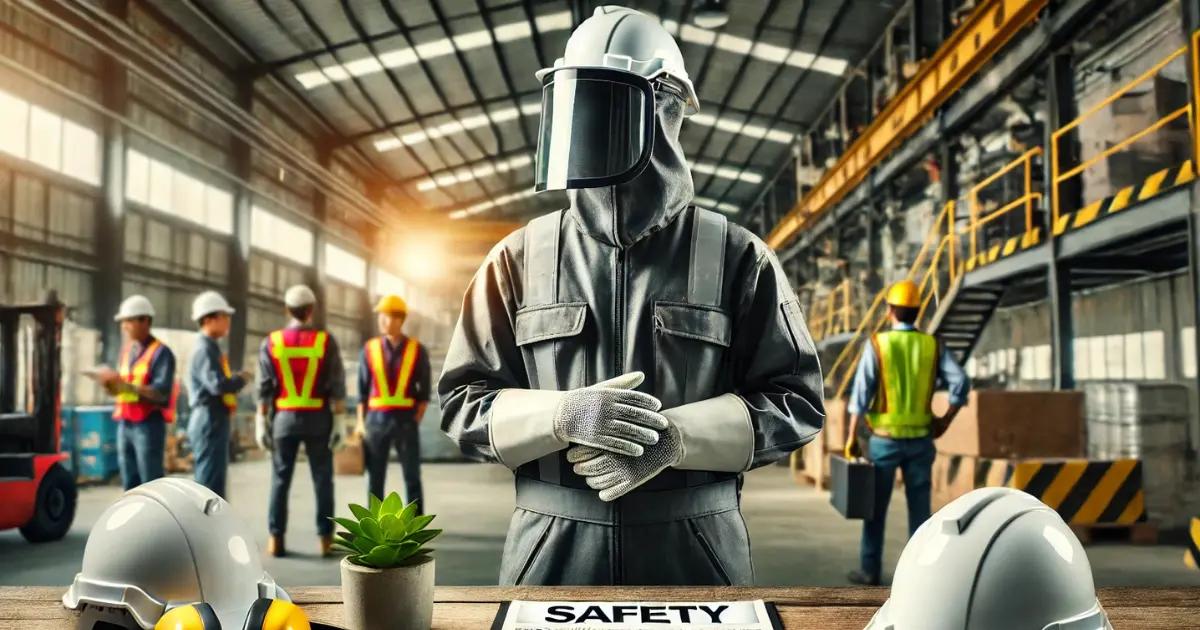
Understanding why PPE is essential in the workplace goes far beyond simple compliance—it’s about protecting lives, preserving livelihoods, and building a culture where safety is paramount. Personal protective equipment (PPE) serves as the critical last line of defense against workplace hazards that claim thousands of lives and cause millions of injuries annually. Whether you’re managing a construction site, overseeing healthcare operations, or implementing safety protocols in manufacturing, the strategic use of PPE in the workplace directly impacts your organization’s safety record, financial health, and legal standing. This comprehensive guide explores the crucial reasons why PPE is essential across industries, with specific focus on construction and healthcare environments where the stakes are highest.
What is PPE and Why Does It Matter?
Personal protective equipment (PPE) refers to specialized clothing, equipment, and devices designed to protect workers from workplace hazards that could cause injury or illness. The PPE definition encompasses everything from safety glasses and hard hats to respirators, gloves, and full-body protective suits. Unlike engineering controls that eliminate hazards at the source or administrative controls that change work procedures, PPE equipment creates a protective barrier between the worker and the hazard itself.
The importance of PPE becomes immediately clear when examining workplace injury statistics. According to the Bureau of Labor Statistics, nearly 3 million nonfatal workplace injuries and illnesses occur annually in the United States alone. A significant portion of these incidents could be prevented or mitigated through proper use of appropriate protective equipment. PPE matters because it represents the difference between a worker going home safely at the end of their shift or suffering a life-altering injury.
Common PPE examples include hard hats for head protection, safety goggles for eye protection, earplugs or earmuffs for hearing conservation, respirators for respiratory protection, gloves for hand protection, safety footwear for foot protection, and high-visibility clothing for visibility in hazardous environments. Each piece serves a specific protective function based on identified workplace hazards.
The hierarchy of controls in occupational safety places PPE as the last line of defense—not because it’s least important, but because it’s the final protection when other controls cannot fully eliminate risks. This makes understanding what is PPE in safety contexts essential for anyone responsible for workplace protection programs.
Legal Requirements: OSHA and Workplace Safety Regulations
The Occupational Safety and Health Administration (OSHA) establishes comprehensive regulations governing PPE in the workplace under the general industry standard 29 CFR 1910 Subpart I and the construction standard 29 CFR 1926 Subpart E. These regulations aren’t suggestions—they’re legally enforceable requirements that carry significant penalties for non-compliance.
OSHA PPE standards mandate that employers conduct hazard assessments to identify workplace dangers and determine appropriate protective equipment. The OSHA PPE requirements for employers include providing PPE at no cost to employees (with limited exceptions for certain footwear and weather-related clothing), ensuring proper fit, maintaining equipment in sanitary and reliable condition, and providing training on proper use, limitations, and care of PPE.
The OSHA PPE standard for construction (1926.95) specifically addresses the unique hazards of construction environments, requiring employers to ensure that employees use protective equipment for eyes, face, head, and extremities, as well as protective clothing, respiratory devices, and protective shields when exposed to hazardous conditions. Construction sites present multiple simultaneous hazards—falling objects, electrical dangers, respiratory hazards from dust and chemicals, and noise exposure—making comprehensive PPE programs non-negotiable.
Healthcare settings operate under additional regulatory frameworks. The OSHA Bloodborne Pathogens Standard (29 CFR 1910.1030) requires specific personal protective equipment for employees who may be exposed to blood or other potentially infectious materials. This includes gloves, gowns, face shields, masks, and eye protection. Recent pandemic experiences have reinforced the critical importance of respiratory protection in healthcare, with N95 respirators and surgical masks becoming essential components of infection control protocols.
Employers who fail to comply with OSHA PPE regulations face citations and penalties ranging from thousands to hundreds of thousands of dollars for willful or repeated violations. Beyond financial penalties, non-compliance can result in work stoppages, increased insurance premiums, and potential criminal liability in cases of serious injury or death.
Reason 1: Preventing Fatal and Serious Injuries
The most fundamental reason why PPE is essential is its proven ability to prevent deaths and catastrophic injuries in the workplace. Every year, proper use of personal protective equipment saves countless lives across industries. Hard hats prevent traumatic brain injuries from falling objects, safety harnesses stop fatal falls from heights, and respirators protect workers from inhaling toxic substances that could cause permanent lung damage or death.
In construction, the “Fatal Four” hazards identified by OSHA—falls, struck-by objects, electrocutions, and caught-in/between incidents—account for more than half of all construction worker deaths. Appropriate PPE directly addresses these hazards: fall protection equipment prevents the leading cause of construction fatalities, hard hats protect against struck-by incidents, insulated gloves and arc-rated clothing protect against electrical hazards, and high-visibility clothing helps prevent caught-between accidents involving vehicles and equipment.
The consequences of not wearing proper protective equipment can be devastating. A worker who suffers a brain injury from a falling object because they weren’t wearing a hard hat may face permanent cognitive impairment, loss of motor function, and dramatically reduced quality of life. Eye injuries from flying particles or chemical splashes can result in permanent vision loss. Hearing loss from noise exposure is irreversible, yet completely preventable with proper hearing protection.
Healthcare workers face equally serious risks. What is PPE in healthcare contexts includes protection against bloodborne pathogens, infectious diseases, chemical exposures from medications and cleaning agents, and radiation from diagnostic equipment. During the COVID-19 pandemic, healthcare workers without adequate respiratory protection faced significantly higher infection rates, with some experiencing severe illness or death. Proper use of N95 respirators, face shields, gowns, and gloves created essential barriers against viral transmission.
Statistics consistently demonstrate that workplaces with comprehensive PPE programs and high compliance rates experience dramatically lower rates of serious injuries and fatalities. The National Safety Council reports that proper eye protection alone could prevent or reduce the severity of 90% of eye injuries. Similarly, proper hearing protection can prevent the estimated 22 million workers exposed to hazardous noise levels from developing permanent hearing loss.
Reason 2: Reducing Workers' Compensation Costs
Beyond the human cost, workplace injuries carry enormous financial implications that make the importance of PPE in the workplace a critical business consideration. Workers’ compensation claims for preventable injuries cost employers billions of dollars annually in direct costs, with indirect costs often exceeding direct costs by a factor of four or more.
Direct costs of workplace injuries include medical expenses, rehabilitation costs, disability payments, and workers’ compensation insurance premiums. A single serious injury can generate medical bills exceeding hundreds of thousands of dollars. For example, a fall from height resulting in spinal injury might require emergency surgery, extended hospitalization, months of rehabilitation, and ongoing medical care—costs that quickly escalate into six or seven figures.
Indirect costs are equally significant and often underestimated. These include lost productivity from the injured worker’s absence, costs of hiring and training replacement workers, administrative time spent on incident investigation and claims processing, potential overtime costs for other workers covering duties, equipment damage, and project delays. When a skilled worker is injured, the loss of their expertise and experience can impact team performance and project timelines substantially.
Organizations with strong PPE compliance experience measurably lower workers’ compensation costs. Insurance companies recognize this connection and often offer premium discounts to employers who demonstrate robust safety programs, including comprehensive PPE policies. The return on investment for PPE programs is substantial—studies show that every dollar invested in workplace safety, including PPE, returns four to six dollars in cost savings through reduced injuries, lower insurance premiums, and improved productivity.
Consider a construction company that invests $50,000 annually in high-quality PPE and training. If this investment prevents just one serious fall injury that would have cost $200,000 in workers’ compensation claims, lost productivity, and potential litigation, the ROI is immediately apparent. Over time, consistent PPE use builds a safety record that translates to lower insurance premiums, potentially saving tens of thousands of dollars annually.
Reason 3: Ensuring Compliance and Avoiding Penalties
Regulatory compliance represents another crucial reason why PPE is essential in the workplace. OSHA conducts thousands of workplace inspections annually, and PPE violations consistently rank among the most frequently cited standards. The financial and reputational costs of non-compliance can be devastating for organizations of any size.
OSHA penalties have increased significantly in recent years. Serious violations—those with substantial probability of death or serious physical harm—can result in penalties up to $15,625 per violation. Willful or repeated violations carry penalties up to $156,259 per violation. A single OSHA inspection finding multiple PPE violations across different standards can quickly generate six-figure penalty assessments.
Beyond direct penalties, OSHA citations become public record and can damage an organization’s reputation. In industries where safety records influence contract awards—particularly in construction and manufacturing—a poor OSHA compliance history can disqualify companies from bidding on lucrative projects. Many general contractors and project owners now require subcontractors to maintain clean safety records and demonstrate robust PPE programs as a condition of contract eligibility.
The 5 advantages of wearing PPE at work from a compliance perspective include: avoiding OSHA citations and penalties, maintaining eligibility for contracts requiring clean safety records, qualifying for lower workers’ compensation insurance rates, protecting against potential criminal liability in cases of serious injury or death, and demonstrating due diligence that can reduce liability in civil litigation.
Compliance extends beyond simply providing PPE. Employers must document hazard assessments, maintain records of PPE training, ensure proper fit testing for respirators, and demonstrate that employees actually use required protective equipment. This documentation becomes critical evidence of compliance during OSHA inspections and can mean the difference between a citation and a clean inspection.
Reason 4: Protecting Against Industry-Specific Hazards
Different industries present unique hazards that require specialized protective equipment, making workplace safety equipment selection a critical, industry-specific decision. Understanding these industry-specific risks and corresponding PPE requirements is essential for effective protection programs.
Manufacturing environments often involve machinery with moving parts, chemical exposures, noise hazards, and material handling risks. PPE equipment in manufacturing typically includes safety glasses with side shields, hearing protection in high-noise areas, cut-resistant gloves for material handling, steel-toed boots, and respiratory protection when working with chemicals or in dusty environments. Machine operators may require additional protection such as face shields when working with equipment that generates flying debris.
Chemical processing and laboratory environments require specialized PPE to protect against corrosive substances, toxic chemicals, and reactive materials. This includes chemical-resistant gloves rated for specific substances, chemical splash goggles or face shields, lab coats or chemical-resistant suits, and appropriate respiratory protection ranging from half-face respirators to supplied-air systems depending on exposure levels.
Welding operations present multiple simultaneous hazards—intense light and radiation, flying sparks, hot metal, and toxic fumes. Welders require specialized helmets with appropriate shade ratings, flame-resistant clothing, welding gloves, and respiratory protection against metal fumes. The specific PPE requirements vary based on welding process, materials, and work environment.
Agricultural work involves unique hazards including pesticide exposure, machinery dangers, animal-related risks, and environmental extremes. Farm workers may require chemical-resistant clothing and respirators when applying pesticides, hearing protection around loud equipment, and specialized footwear for working with livestock. Seasonal variations add complexity, requiring cold-weather or heat-stress prevention equipment depending on conditions.
Understanding what is the importance of PPE in each specific industry context allows safety managers to select appropriate equipment that addresses actual hazards rather than applying generic solutions that may leave workers inadequately protected.
PPE Requirements in Construction Sites
PPE requirements construction sites must address are among the most comprehensive across industries due to the diverse and dynamic nature of construction hazards. Construction workers often face multiple hazards simultaneously, requiring layered protection approaches that combine different types of PPE.
Head protection is mandatory on virtually all construction sites. Hard hats must meet ANSI Z89.1 standards and be appropriate for the specific hazards present—Type I hard hats protect against vertical impacts, while Type II hard hats provide protection from both vertical and lateral impacts. Construction sites with electrical hazards require Class E (electrical) hard hats rated for high-voltage protection. Hard hats must be inspected regularly for cracks, dents, or other damage that could compromise their protective capability.
Eye and face protection requirements vary by task. General construction work requires safety glasses with side shields at minimum. Workers performing grinding, cutting, or chipping operations need additional protection such as face shields worn over safety glasses. Welding operations require specialized welding helmets with appropriate shade ratings—typically shade 10-14 for arc welding processes. Workers exposed to chemical splashes need chemical splash goggles that seal against the face.
Fall protection represents the most critical PPE category in construction, given that falls are the leading cause of construction worker deaths. Workers operating at heights of six feet or more (four feet in certain situations) must use appropriate fall protection systems. This includes full-body harnesses connected to secure anchor points via lanyards, self-retracting lifelines, or rope grabs on vertical lifelines. Fall protection equipment must be inspected before each use and removed from service if any defects are found.
Respiratory protection on construction sites addresses multiple hazards including silica dust from cutting or grinding concrete, asbestos in renovation work, paint fumes, welding fumes, and other airborne contaminants. The specific respirator required depends on the contaminant and exposure level. Silica dust typically requires N95 filtering facepiece respirators at minimum, while higher exposures may require half-face or full-face respirators with P100 filters. All respirator users must be medically cleared, fit-tested, and trained on proper use and limitations.
Hand protection in construction must be task-specific. General construction gloves protect against cuts, abrasions, and punctures during material handling. Electrical work requires insulated gloves rated for the voltage level. Chemical handling requires chemical-resistant gloves appropriate for the specific substances. Cut-resistant gloves are essential when using sharp tools or handling materials with sharp edges. Many construction tasks require workers to change gloves multiple times daily as tasks and hazards change.
Foot protection on construction sites must meet ASTM F2413 standards for impact and compression resistance. Steel-toed or composite-toed safety boots protect against falling objects and compression injuries. Electrical hazard-rated footwear is required when working around electrical hazards. Puncture-resistant soles protect against stepping on nails or other sharp objects. Some specialized construction tasks require additional protection such as metatarsal guards or chemical-resistant boots.
High-visibility clothing is mandatory in many construction situations, particularly when working near vehicle traffic or operating equipment. ANSI/ISEA 107 establishes three classes of high-visibility apparel based on risk level, with Class 3 providing the highest visibility for workers in high-risk situations such as highway construction.
PPE Requirements in Healthcare Settings
PPE requirements healthcare facilities must implement are specifically designed to protect against biological hazards, infectious diseases, chemical exposures, and other health-specific risks. Understanding what is PPE in healthcare contexts requires recognizing that healthcare workers face unique exposure risks that demand specialized protective equipment and rigorous protocols.
The 5 types of PPE in healthcare most commonly used include gloves, gowns, masks and respirators, eye protection, and face shields. Each serves specific protective functions, and many healthcare procedures require multiple types used simultaneously to create comprehensive protection barriers.
Gloves represent the most frequently used personal protective equipment in hospital settings. Healthcare workers must understand that different glove types serve different purposes—examination gloves for routine patient care, sterile surgical gloves for invasive procedures, and specialized gloves for handling chemotherapy drugs or other hazardous medications. Gloves must be changed between patients and whenever they become contaminated. Double-gloving is recommended for certain high-risk procedures.
Gowns and protective clothing protect healthcare workers’ skin and clothing from contamination. Isolation gowns are used during patient care activities likely to generate splashes or sprays of blood or body fluids. Surgical gowns provide barrier protection during invasive procedures. The level of protection required depends on the anticipated exposure—fluid-resistant gowns for routine care, fluid-proof gowns for procedures generating significant fluid exposure.
Respiratory protection in healthcare has received unprecedented attention following the COVID-19 pandemic. Enough scientific research and data circulating demonstrates the effectiveness of proper respiratory protection in preventing disease transmission. N95 respirators are required when caring for patients with airborne infectious diseases such as tuberculosis, measles, or COVID-19. Surgical masks protect against droplet transmission and prevent healthcare workers from transmitting infections to patients. Powered air-purifying respirators (PAPRs) provide the highest level of respiratory protection for certain high-risk procedures.
Personal protective equipment for nurses and other direct care providers must be readily accessible and appropriate for anticipated exposures. This includes having multiple sizes available to ensure proper fit, maintaining adequate supplies to prevent shortages during high-demand periods, and establishing clear protocols for when each type of PPE is required.
Eye protection and face shields protect mucous membranes of the eyes, nose, and mouth from splashes, sprays, and droplets. Goggles provide eye protection and must fit snugly to prevent contamination around the edges. Face shields provide broader protection for the entire face and are often used in combination with masks or respirators during aerosol-generating procedures.
The proper sequence for donning (putting on) and doffing (removing) PPE is critical in healthcare settings. Incorrect removal technique can result in self-contamination even when PPE was worn correctly. Healthcare facilities must provide training on proper donning and doffing sequences, with visual aids posted in areas where PPE is used to reinforce correct procedures.
Types of PPE in healthcare extend beyond basic protective equipment to include specialized items such as radiation protection aprons and thyroid shields for workers in radiology and interventional procedures, chemotherapy-resistant gloves and gowns for oncology staff, and specialized respiratory protection for workers handling hazardous drugs.
Reason 5: Improving Employee Morale and Productivity
An often-overlooked reason why PPE is essential in the workplace is its significant impact on employee morale, job satisfaction, and productivity. Workers who feel protected and valued by their employers demonstrate higher engagement, lower turnover, and better overall performance.
When employers invest in high-quality PPE and enforce its use consistently, they send a powerful message that worker safety is a genuine priority rather than mere regulatory compliance. This investment in protection builds trust between management and workers, creating a positive safety culture where employees feel their wellbeing matters. Workers who trust their employer’s commitment to safety are more likely to report hazards, participate in safety programs, and look out for their coworkers’ safety.
Conversely, inadequate PPE or inconsistent enforcement creates anxiety and resentment. An anxious brain cannot focus effectively on complex tasks, leading to reduced productivity and increased error rates. Workers worried about their safety are distracted, less efficient, and more likely to make mistakes that could cause injuries or quality problems.
Proper PPE directly enhances productivity by enabling workers to perform tasks they couldn’t safely accomplish without protection. Respiratory protection allows workers to operate in environments with airborne contaminants. Hearing protection enables work in high-noise areas without risking hearing damage. Fall protection equipment allows work at heights that would otherwise be impossible. In this way, PPE doesn’t just prevent injuries—it enables productive work in challenging environments.
Comfort and fit significantly influence PPE effectiveness and worker compliance. Ill-fitting or uncomfortable PPE is less likely to be worn consistently, reducing its protective value. Modern PPE designs increasingly emphasize comfort alongside protection—lightweight materials, improved ventilation, ergonomic designs, and adjustable features that accommodate different body types. Investing in comfortable, well-fitting PPE pays dividends in compliance rates and worker satisfaction.
The importance of PPE in the workplace extends to recruitment and retention. In competitive labor markets, workers increasingly consider safety records and safety culture when choosing employers. Companies known for strong safety programs and comprehensive PPE provision attract higher-quality candidates and experience lower turnover. The cost of recruiting and training replacement workers far exceeds the investment in quality PPE programs.
Employee morale also benefits from visible management commitment to safety. When supervisors and executives wear the same PPE as frontline workers and enforce safety rules consistently across all organizational levels, it demonstrates that safety is a core value rather than a burden imposed only on certain workers. This consistency builds respect and reinforces safety culture throughout the organization.
Common PPE Compliance Mistakes to Avoid
Even organizations committed to safety often make critical mistakes in their PPE programs that undermine effectiveness and leave workers inadequately protected. Understanding these common errors helps safety managers develop more robust programs.
One frequent mistake is failing to conduct proper hazard assessments before selecting PPE. OSHA requires employers to assess workplace hazards and document the assessment in writing. Simply providing generic PPE without understanding specific hazards may leave workers exposed to risks the equipment doesn’t address. For example, providing standard safety glasses when chemical splash goggles are needed, or supplying general work gloves when chemical-resistant gloves are required for specific substances.
Inadequate training represents another critical failure. Providing PPE without thorough training on proper use, limitations, maintenance, and storage renders even the best equipment ineffective. Workers must understand not just how to wear PPE, but when it’s required, how to inspect it for damage, how to clean and maintain it, and what its limitations are. Training must be documented and refreshed periodically, particularly when new equipment is introduced or when workplace hazards change.
Failing to ensure proper fit is a widespread problem, particularly with respiratory protection. OSHA’s respiratory protection standard requires fit testing for tight-fitting respirators to ensure they seal properly against the wearer’s face. Without proper fit, respirators provide inadequate protection regardless of their filtration efficiency. Similarly, ill-fitting hard hats, safety glasses, or gloves may not provide intended protection and are less likely to be worn consistently.
Inconsistent enforcement undermines even well-designed PPE programs. When supervisors or managers fail to wear required PPE or allow some workers to skip protection while enforcing rules for others, it signals that safety requirements are negotiable. Effective PPE programs require consistent enforcement at all organizational levels, with clear consequences for non-compliance and recognition for exemplary safety behavior.
Neglecting PPE maintenance and replacement is another common error. PPE has limited service life and must be inspected regularly and replaced when damaged or worn. Hard hats exposed to sunlight degrade over time. Safety glasses with scratched lenses reduce visibility. Respirator cartridges have limited service life. Fall protection equipment must be removed from service after arresting a fall. Organizations must establish inspection schedules, maintenance procedures, and replacement criteria for all PPE types.
Providing inadequate quantities of PPE creates situations where workers share equipment or continue using damaged items because replacements aren’t available. Each worker should have personal PPE that fits properly, with additional supplies readily available for replacement. Shared PPE raises hygiene concerns and makes it difficult to ensure proper fit for each user.
Overlooking the importance of worker input in PPE selection often results in equipment that workers find uncomfortable or impractical, reducing compliance. Workers who will actually use the equipment often have valuable insights about what works in real-world conditions. Involving workers in PPE selection trials and gathering feedback on comfort and functionality leads to better equipment choices and higher acceptance rates.
Failing to address PPE compatibility issues can create new hazards. Some PPE combinations interfere with each other—for example, certain safety glasses may not seal properly under welding helmets, or bulky gloves may reduce dexterity to dangerous levels for certain tasks. PPE programs must consider how different protective equipment items work together and ensure combinations don’t create new risks.
How to Implement an Effective PPE Program
Implementing a comprehensive PPE program requires systematic planning, clear policies, ongoing training, and continuous improvement. Understanding the 5 personal protective equipment and their uses is just the beginning—effective programs integrate PPE into broader safety management systems.
The foundation of any effective PPE program is a thorough hazard assessment. This involves systematically identifying all workplace hazards through job safety analyses, reviewing injury records, consulting with workers who perform the tasks, and evaluating each work area and task for potential exposures. The hazard assessment must be documented in writing and updated whenever workplace conditions change, new equipment is introduced, or new tasks are added.
Based on hazard assessment findings, develop a written PPE program that specifies required equipment for each job task and work area. The program should include a personal protective equipment list organized by job function or work area, making it easy for workers and supervisors to identify required protection. This document becomes the foundation for training, enforcement, and compliance verification.
Equipment selection should prioritize both protection and practicality. Involve workers in trial evaluations of different PPE options when possible, gathering feedback on comfort, functionality, and any interference with job tasks. Select equipment that meets or exceeds applicable standards (ANSI, ASTM, NIOSH) and is appropriate for identified hazards. Consider factors such as durability, ease of maintenance, and total cost of ownership rather than simply choosing the lowest initial price.
Develop comprehensive training programs that cover all aspects of PPE use. Training must address when PPE is required, what type is appropriate for specific hazards, how to properly put on and remove equipment, how to adjust for proper fit, limitations of the equipment, proper care and maintenance, and useful life and disposal. Training should be hands-on whenever possible, allowing workers to practice with the actual equipment they’ll use. Document all training with signed records indicating topics covered and dates.
Establish clear accountability systems with defined roles and responsibilities. Designate who is responsible for conducting hazard assessments, selecting appropriate PPE, ensuring adequate supplies, conducting training, performing inspections, and enforcing compliance. Supervisors must understand their responsibility to ensure workers use required PPE and to model proper use themselves.
Create accessible PPE storage and distribution systems. Equipment must be readily available when needed, properly stored to prevent damage, and easy to obtain in correct sizes. Many organizations establish PPE vending machines or automated dispensing systems that track usage and trigger reordering when supplies run low. Ensure multiple sizes are available for all equipment types to accommodate different workers.
Implement regular inspection and maintenance procedures. Establish schedules for inspecting PPE, criteria for determining when equipment must be replaced, and procedures for removing damaged equipment from service. Some equipment requires daily inspection before use (such as fall protection), while other items may be inspected weekly or monthly. Maintain records of inspections and replacements to track equipment lifecycle and identify patterns that might indicate quality issues or misuse.
Develop enforcement procedures that are fair, consistent, and progressive. Establish clear consequences for PPE violations, typically starting with verbal warnings, progressing to written warnings, and potentially leading to suspension or termination for repeated violations. However, enforcement should be balanced with positive reinforcement—recognize and reward workers and teams who consistently demonstrate excellent safety practices.
Create feedback mechanisms that allow workers to report PPE problems, suggest improvements, and raise safety concerns without fear of retaliation. Regular safety meetings provide forums for discussing PPE issues. Anonymous reporting systems can surface concerns workers might hesitate to raise directly. Act on feedback promptly to demonstrate that worker input is valued and considered seriously.
Establish metrics to measure PPE program effectiveness. Track compliance rates through regular observations and audits. Monitor injury rates and analyze whether injuries occurred when required PPE wasn’t used or when equipment failed. Review workers’ compensation claims to identify patterns. Survey workers about PPE comfort, fit, and any barriers to consistent use. Use these metrics to identify improvement opportunities and demonstrate program value to organizational leadership.
Integrate PPE requirements into broader safety management systems. Include PPE considerations in job hazard analyses, standard operating procedures, and new employee orientation. Ensure PPE requirements are communicated during pre-job briefings and toolbox talks. Make PPE compliance a standard element of performance evaluations for both workers and supervisors.
Budget adequately for PPE programs, recognizing that quality equipment represents an investment in worker protection and organizational success. Include costs for initial equipment, replacement items, training materials, fit testing equipment and services, storage systems, and administrative time for program management. Present PPE budgets in context of potential cost savings from prevented injuries and reduced workers’ compensation claims.
Stay current with evolving PPE technologies and standards. New materials and designs continually improve protection, comfort, and durability. Changes to regulatory standards may require program updates. Industry best practices evolve based on new research and incident investigations. Designate someone to monitor developments in PPE technology and regulations relevant to your industry and update programs accordingly.
Building a Culture Where PPE is Essential
The ultimate goal extends beyond mere compliance to creating an organizational culture where using PPE is automatic, valued, and non-negotiable. This cultural transformation requires sustained commitment from leadership, consistent messaging, visible accountability, and genuine care for worker wellbeing.
Leadership commitment must be visible and authentic. When executives and senior managers consistently wear required PPE during facility visits, stop work when they observe violations, and allocate resources to safety programs, they demonstrate that safety is a core organizational value. Conversely, leaders who skip PPE requirements or treat safety as secondary to production undermine even the most well-designed programs.
Communication about why is it important to wear personal protective equipment should emphasize personal benefits rather than just regulatory compliance. Help workers understand how PPE protects their ability to continue doing work they enjoy, support their families, and maintain their quality of life. Share stories of how PPE prevented serious injuries in your organization or industry. Make the connection between protection and personal wellbeing tangible and immediate.
Recognize that behavior change takes time and requires multiple reinforcement strategies. Combine training with mentoring, where experienced workers model proper PPE use for newer employees. Use visual reminders such as posters, signs, and floor markings to reinforce PPE requirements at point of use. Incorporate PPE compliance into regular safety observations and provide immediate positive feedback when workers demonstrate good practices.
Address barriers to compliance directly rather than simply demanding adherence. If workers complain that PPE is uncomfortable, investigate whether better options exist or whether fit issues need addressing. If workers say PPE interferes with job tasks, examine whether work procedures can be modified or whether different equipment might work better. When workers feel their concerns are heard and addressed, compliance improves dramatically.
The comprehensive understanding of why PPE is essential across construction, healthcare, and all workplace environments ultimately comes down to a simple truth: every worker deserves to return home safely at the end of their shift. Personal protective equipment represents our commitment to making that happen, backed by regulatory requirements, economic incentives, and most importantly, genuine care for the people who make our organizations successful. By implementing robust PPE programs, maintaining consistent enforcement, and fostering cultures where safety is truly valued, we create workplaces where protection is automatic, injuries are rare, and everyone understands that no task is so important that it justifies risking someone’s health or life.
Frequently Asked Questions
Why is PPE so important in the workplace?
PPE is important because it serves as the last line of defense against workplace hazards that can cause serious injuries, illnesses, or death. Understanding why PPE is essential helps employers and workers recognize that proper protective equipment reduces exposure to chemical, physical, biological, and environmental hazards that engineering controls and administrative measures cannot fully eliminate. According to OSHA, proper PPE use prevents thousands of workplace injuries annually and significantly reduces the severity of accidents when they do occur.
What are the 5 main reasons why PPE is essential in the workplace?
The five key reasons include: (1) preventing fatal and serious injuries from workplace hazards, (2) reducing exposure to chemical, biological, and physical dangers, (3) ensuring legal compliance with OSHA and industry regulations, (4) minimizing workers’ compensation costs and lost productivity, and (5) building a safety-first culture that protects employee wellbeing. These reasons apply across all industries, from construction sites where hard hats prevent head injuries to healthcare settings where gloves and masks protect against infectious diseases.
How does PPE prevent injuries in construction and healthcare?
PPE prevents injuries by creating a physical barrier between workers and hazards specific to their environment. In construction, hard hats protect against falling objects, safety harnesses prevent falls from heights, and steel-toed boots shield feet from crushing injuries. In healthcare settings, gloves prevent pathogen transmission, face shields protect against splashes of bodily fluids, and respirators filter airborne contaminants, collectively reducing infection rates and exposure incidents by up to 70% when used correctly.
Why is it essential for employers to provide PPE to their employees?
Employers are legally required under OSHA regulations to provide appropriate PPE at no cost to employees when workplace hazards cannot be eliminated through other controls. Beyond legal compliance, providing PPE demonstrates an employer’s commitment to worker safety, reduces liability exposure, lowers insurance premiums, and decreases costly downtime from workplace injuries. Employers who fail to provide adequate PPE face significant fines, potential lawsuits, and increased workers’ compensation claims.
Which PPE is most important and why?
The most important PPE varies by industry and specific job hazards, but respiratory protection and head protection consistently rank as critical across multiple sectors. Respiratory equipment is vital because lung damage from inhaled contaminants is often irreversible and can be fatal, while head protection prevents traumatic brain injuries that account for a significant percentage of workplace fatalities. The key is conducting proper hazard assessments to identify which PPE is most critical for your specific workplace risks.
What does OSHA say about PPE requirements?
OSHA requires employers to assess workplace hazards, provide appropriate PPE at no cost to workers, train employees on proper use and maintenance, and ensure PPE is properly fitted and maintained. OSHA’s PPE standards (29 CFR 1910 Subpart I) specify that employers must conduct hazard assessments, select PPE that adequately protects workers, and document training to verify compliance. Violations of OSHA PPE standards can result in citations and penalties ranging from thousands to tens of thousands of dollars per violation.
Why is PPE important in healthcare settings specifically?
PPE is critical in healthcare because it protects workers from exposure to infectious diseases, bloodborne pathogens, and hazardous medications that pose serious health risks. Healthcare workers face daily exposure to bacteria, viruses, and other biological hazards that can cause life-threatening infections, making gloves, gowns, masks, and face shields essential barriers. The COVID-19 pandemic highlighted why PPE is essential in healthcare, as proper equipment use significantly reduced transmission rates among frontline medical staff.
What are the 7 main types of PPE used in workplaces?
The seven primary types of PPE include: (1) eye and face protection (safety glasses, goggles, face shields), (2) head protection (hard hats, bump caps), (3) hearing protection (earplugs, earmuffs), (4) respiratory protection (masks, respirators), (5) hand protection (gloves for various hazards), (6) foot protection (safety boots, toe guards), and (7) body protection (coveralls, vests, full-body suits). Each type addresses specific hazards and should be selected based on comprehensive workplace risk assessments.
How does proper PPE use protect workers from long-term health effects?
Proper PPE use prevents chronic conditions that develop from repeated exposure to workplace hazards over time, including hearing loss from noise exposure, respiratory diseases from inhaling dust or chemicals, and skin conditions from contact with irritants. Many occupational illnesses take years to manifest, making consistent PPE use crucial for protecting workers’ long-term health and quality of life. Understanding why PPE is essential includes recognizing that today’s protection prevents tomorrow’s debilitating health conditions and ensures workers can enjoy healthy retirements.
What can PPE protect workers from according to OSHA guidelines?
According to OSHA, PPE protects workers from a wide range of hazards including impact and penetration injuries, chemical burns and absorption, extreme temperatures, electrical hazards, airborne contaminants, infectious materials, and radiation exposure. OSHA categorizes these hazards and requires specific PPE types for each, ensuring comprehensive protection across different work environments. Proper PPE selection based on hazard assessment can reduce workplace injury severity by up to 60% and prevent many injuries entirely.
You May Also Like

How to Improve Accuracy in Health and Fitness Wearable Apps
What is an Essix Retainer? Complete Guide to Clear Retainers
Lost Your Retainer? Here’s What to Do Right Away