Types of Earmuffs: Complete Guide to Features & Selection

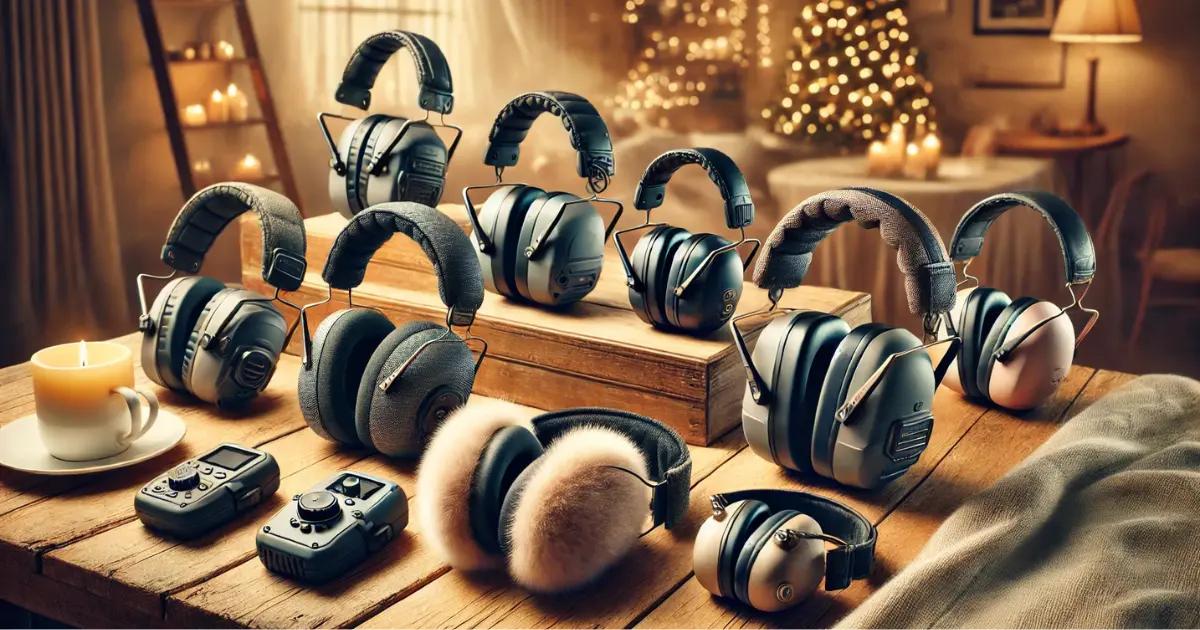
When searching for the right types of earmuffs, understanding the fundamental differences between categories is essential for making an informed purchase decision. Earmuffs serve three distinct primary purposes: protecting your ears from cold weather, reducing harmful noise exposure, and providing industrial-grade hearing protection in occupational settings. Each type of earmuff is engineered with specific features, materials, and performance standards tailored to its intended use. Whether you need winter earmuffs to brave freezing temperatures, noise-canceling earmuffs for shooting sports or sleeping, or OSHA-compliant safety earmuffs for construction work, selecting the appropriate type ensures both comfort and effectiveness. This comprehensive guide explores the different types of earmuffs available, their unique features and benefits, and provides practical advice on how to choose earmuffs that perfectly match your specific requirements.
What Are Earmuffs? Understanding the Main Categories
Earmuffs are protective devices designed to cover the external ears, but the term encompasses three fundamentally different product categories that often cause confusion among buyers. Understanding these main categories is the first step in identifying which types of earmuffs you actually need.
Winter earmuffs (also called ear warmers) are fashion and functional accessories designed primarily for thermal insulation. They protect ears from cold weather, wind, and frostbite during winter months. These are typically made from soft, insulating materials like fleece, faux fur, or wool, and focus on comfort and style alongside warmth. Winter earmuffs come in various designs including behind-the-head bands, over-the-head styles, and wrap-around models.
Noise-canceling or noise-reducing earmuffs are designed to protect hearing by reducing the intensity of sound reaching the ear canal. These are used in various settings including shooting ranges, concerts, sleeping environments, and by individuals with sensory sensitivities such as autism. They work through passive noise reduction (using dense materials to block sound) or active noise cancellation (using electronic components to counteract sound waves). The effectiveness is measured by their Noise Reduction Rating (NRR), typically ranging from 20 to 35 decibels.
Industrial safety earmuffs are specialized hearing protection devices designed for occupational use in environments with hazardous noise levels. These must meet specific OSHA (Occupational Safety and Health Administration) standards and provide certified protection levels. They’re engineered for extended wear during work shifts and often feature more robust construction than consumer-grade noise-reducing earmuffs.
Some modern earmuffs blur these categories by combining features—such as Bluetooth winter earmuffs that play music, or electronic shooting earmuffs that amplify safe sounds while blocking harmful noise. Understanding your primary need helps narrow down which category and specific features matter most for your situation.
Winter Earmuffs: Features and Benefits for Cold Weather Protection
Winter earmuffs are designed with one primary goal: keeping your ears warm and protected from harsh cold weather conditions. The best winter earmuffs combine effective insulation, comfortable fit, and often stylish designs that complement winter wardrobes.
Key Features of Winter Earmuffs
The outer shell of quality winter earmuffs typically uses water-resistant or windproof materials to block cold air and moisture. Common outer materials include nylon, polyester, or treated fabrics that repel snow and light rain. The insulation layer is where warmth comes from—materials like Thinsulate, fleece, faux fur, or down provide thermal protection without excessive bulk.
The headband design significantly impacts comfort and functionality. Traditional over-the-head bands distribute weight evenly but can interfere with hairstyles or hats. Behind-the-head designs preserve hairstyles and work better with hoods but may feel less secure. Wrap-around or adjustable bands offer customizable fit and are particularly popular in women’s earmuffs collections. Some models feature foldable or collapsible designs for easy storage in pockets or bags.
Modern winter earmuffs often incorporate additional features such as built-in Bluetooth speakers for music listening, reflective elements for visibility during evening activities, and adjustable sizing mechanisms to accommodate different head sizes. The ear cup size and padding thickness determine both warmth level and comfort during extended wear.
Benefits of Winter Earmuffs Over Alternatives
Compared to winter hats or headbands, earmuffs offer targeted ear protection without causing overheating of the entire head. This makes them ideal for active winter sports like skiing, snowboarding, or running where temperature regulation matters. They’re also easier to put on and remove than hats, making them convenient for transitioning between indoor and outdoor environments.
For individuals who wear glasses, winter earmuffs typically cause less interference than hats pulled down over the ears. The adjustable fit of quality earmuffs accommodates eyeglass frames without creating uncomfortable pressure points. Additionally, earmuffs preserve hairstyles better than hats, making them a preferred choice for professional settings or social occasions.
Winter earmuffs provide excellent protection against frostbite, which can occur on exposed ears in temperatures below 32°F (0°C), especially with wind chill. The ears have minimal fat tissue and poor blood circulation compared to other body parts, making them particularly vulnerable to cold injury. Quality insulated earmuffs create a warm microclimate around the ears, maintaining healthy tissue temperature even in extreme conditions.
Noise-Canceling Earmuffs: Types and Best Uses
Noise-canceling earmuffs serve a completely different purpose than winter varieties—they protect hearing by reducing sound intensity. Understanding the different types of noise protection earmuffs helps you select the right model for your specific noise environment.
Passive Noise Reduction Earmuffs
Passive noise-reducing earmuffs work through physical sound blocking. They use dense materials like foam, gel, or specialized acoustic padding inside the ear cups to absorb and deflect sound waves. The effectiveness depends on the seal created around the ear, the thickness and density of the padding materials, and the overall cup design.
These earmuffs are ideal for consistent, predictable noise environments such as construction sites, manufacturing facilities, lawn care work, or sleeping near constant noise sources. They’re simple, reliable, require no batteries, and typically cost less than electronic alternatives. The best noise cancelling ear muffs for sleeping use passive technology because they don’t introduce any electronic hum and remain comfortable during side-sleeping positions.
Passive earmuffs for autism provide sensory relief for individuals who experience auditory sensitivities. These specialized models often feature extra-soft padding, adjustable tension headbands to reduce pressure, and lightweight construction for all-day comfort. Many parents seek noise cancelling ear muffs for autism adults and children to help manage overwhelming sound environments in schools, shopping centers, or public spaces.
Active Noise Cancellation (ANC) Earmuffs
Active noise cancellation uses electronic components—microphones, processors, and speakers—to detect incoming sound waves and generate inverse sound waves that cancel them out. This technology is particularly effective against low-frequency, constant sounds like airplane engines, HVAC systems, or traffic noise.
ANC earmuffs require battery power (usually AAA batteries or rechargeable lithium-ion) and cost more than passive models. They’re best for environments with predictable, low-frequency noise rather than sudden, sharp sounds. Some users find them helpful as noise cancelling ear muffs for studying in libraries or dorms where ambient noise is distracting but not dangerously loud.
Electronic Hearing Protection for Shooting
Electronic ear muffs for shooting represent a specialized category that combines hearing protection with sound amplification. These sophisticated devices use microphones to pick up ambient sounds, amplify safe sounds (like conversation or range commands) to normal hearing levels, and instantly compress or shut off when detecting harmful noise levels above 85 decibels.
The best electronic ear muffs for shooting feature fast reaction times (measured in milliseconds), high NRR ratings (typically 22-30 dB), and comfortable designs for extended range sessions. Premium models offer independent volume controls for each ear, auxiliary input jacks for communication devices, and automatic shut-off to preserve battery life. The highest NRR electronic ear muffs for shooting provide maximum protection while maintaining situational awareness—critical for both safety and performance.
Some shooters prefer the best in-ear electronic hearing protection for shooting with Bluetooth, which offers a lower profile that doesn’t interfere with rifle stocks, plus wireless connectivity for music or communication. However, over-ear electronic muffs generally provide higher NRR ratings and better protection for frequent shooters.
Industrial Safety Earmuffs: OSHA Standards and Protection Levels
Industrial safety earmuffs must meet stringent regulatory standards to protect workers in occupational settings with hazardous noise exposure. Understanding these standards and protection classifications helps employers and workers select appropriate hearing protection.
OSHA Requirements and Noise Exposure Limits
The Occupational Safety and Health Administration mandates hearing protection when noise exposure reaches or exceeds 85 decibels (dB) over an 8-hour time-weighted average. At 90 dB, the permissible exposure time drops to 8 hours; at 95 dB, only 4 hours; and at 100 dB, just 2 hours. Employers must provide appropriate hearing protection and implement hearing conservation programs in these environments.
Safety earmuffs used in industrial settings must be tested and certified according to ANSI S3.19 standards (American National Standards Institute) or equivalent international standards. These tests measure the Noise Reduction Rating (NRR), which indicates how many decibels the device reduces noise exposure. An earmuff with an NRR of 30 dB theoretically reduces a 100 dB environment to 70 dB, though real-world reduction is typically less due to fit variations and other factors.
Classification Systems for Safety Earmuffs
Different countries use various classification systems for hearing protection. In Europe, earmuffs are rated by SNR (Single Number Rating) and divided into classes. Class 5 earmuffs represent the highest level of hearing protection in the Australian/New Zealand classification system (AS/NZS 1270), providing maximum attenuation for extremely loud environments like airports, heavy manufacturing, or demolition sites. Class 5 earmuffs typically offer 30+ dB of noise reduction.
The classification system ranges from Class 1 (lowest protection, suitable for 87-90 dB environments) through Class 5 (highest protection, for 105+ dB environments). Selecting the appropriate class depends on the specific noise levels in your workplace, measured through professional noise assessments.
Features of Industrial-Grade Safety Earmuffs
The best safety earmuffs for industrial use feature durable construction with impact-resistant cups, replaceable cushions for hygiene and longevity, and adjustable headbands that maintain consistent pressure without causing discomfort during long shifts. Many models include dielectric (non-conductive) materials for electrical work environments and are designed to integrate with hard hats and other safety equipment.
Industrial earmuffs must withstand harsh conditions including temperature extremes, moisture, chemicals, and physical impacts. They’re typically heavier and more robust than consumer-grade models, with emphasis on protection and durability over style. Some advanced models incorporate communication systems allowing workers to communicate clearly while maintaining hearing protection.
Bluetooth and Electronic Earmuffs: Modern Features Explained
Modern technology has transformed traditional earmuffs into multifunctional devices that combine protection or warmth with entertainment, communication, and smart features. Understanding these technological enhancements helps you decide whether they’re worth the additional investment.
Bluetooth Winter Earmuffs
Bluetooth-enabled winter earmuffs integrate wireless speakers and microphones into the ear cups, allowing users to listen to music, take phone calls, or access voice assistants while keeping ears warm. These devices pair with smartphones, tablets, or other Bluetooth-enabled devices, typically offering 6-10 hours of playback time on a single charge.
The audio quality in Bluetooth earmuffs varies significantly by price point and brand. Premium models feature enhanced bass response, noise isolation for clearer sound, and built-in microphones with noise cancellation for clear phone conversations. Some include physical controls on the ear cups for volume, track selection, and call management, while others rely on voice commands or smartphone controls.
When evaluating Bluetooth winter earmuffs, consider battery life, charging method (USB-C is most convenient), water resistance rating (important for snow and rain), and whether they can function as regular earmuffs when the battery dies. Models like the Kaleidoscope Earmuffs combine fashion-forward design with practical winter protection, though not all stylish options include Bluetooth features.
Electronic Hearing Protection Features
Electronic earmuffs for hearing protection incorporate sophisticated audio processing that distinguishes between safe and harmful sounds. The key features include sound amplification (typically up to 85 dB), compression technology that reduces loud sounds to safe levels, and directional microphones that help users locate sound sources.
Advanced electronic hearing protection offers adjustable amplification levels, allowing users to customize how much ambient sound they hear. This is particularly valuable for hunters who need to hear game movement or range officers who must monitor multiple shooters. Some models include wind noise reduction, which filters out the rushing sound that can be amplified to uncomfortable levels in outdoor settings.
Premium electronic earmuffs may include audio input jacks for connecting radios, smartphones, or communication systems, automatic shut-off features to conserve battery life, and low-battery indicators. The best electronic ear muffs balance protection, amplification quality, comfort, and battery efficiency.
Smart Features and Connectivity
Cutting-edge earmuffs now incorporate smart features like ambient sound modes (allowing specific frequencies through while blocking others), app connectivity for customizing sound profiles, and even hearing enhancement for individuals with hearing impairments. Electronic ear muffs for hearing impaired can amplify conversation and important sounds while still protecting against harmful noise spikes.
Some industrial models include Bluetooth connectivity for workplace communication systems, allowing workers to maintain hearing protection while receiving instructions or coordinating tasks. These systems often integrate with two-way radios and can support multiple users on the same channel.
Key Features to Consider When Choosing Earmuffs
Regardless of which type of earmuffs you need, certain features significantly impact performance, comfort, and value. Evaluating these characteristics helps you compare models and identify the best option for your specific situation.
Noise Reduction Rating (NRR) for Protective Earmuffs
For any earmuff designed to protect hearing, the NRR is the most critical specification. This number, measured in decibels, indicates how much noise the earmuff reduces under ideal laboratory conditions. However, real-world performance is typically lower—OSHA suggests derating NRR values by 50% for earmuffs to estimate actual protection.
An earmuff with NRR 30 provides approximately 15 dB of real-world noise reduction. For environments with 100 dB noise levels, this brings exposure down to 85 dB—the threshold where hearing protection becomes mandatory. Higher NRR ratings (28-35) are necessary for very loud environments like shooting ranges, airports, or heavy machinery operation. Moderate NRR ratings (20-27) suffice for lawn care, woodworking, or general construction. Lower ratings (15-20) work for studying, sleeping, or sensory management.
Comfort and Fit Considerations
Comfort determines whether you’ll actually wear the earmuffs consistently. Key comfort factors include headband padding, ear cup cushion material, overall weight, and pressure distribution. Earmuffs that create excessive clamping force cause headaches during extended wear, while insufficient pressure compromises the seal and reduces effectiveness.
Ear cup depth matters significantly—shallow cups may press against the ears themselves, causing discomfort, while deeper cups create space around the entire ear. The cushion material affects both comfort and performance: gel-filled cushions conform better to head shape, foam cushions provide good insulation but may compress over time, and liquid-filled cushions offer excellent sealing but add weight.
For individuals who wear glasses, earmuffs with special channels or grooves in the cushions accommodate eyeglass temples without breaking the seal. Some manufacturers specifically design models for eyeglass wearers, maintaining both comfort and protection effectiveness.
Durability and Build Quality
Construction quality affects longevity and reliability. Industrial and shooting earmuffs should feature impact-resistant cups, reinforced headbands, and replaceable parts (especially cushions, which wear out first). Metal headband components generally outlast plastic, though quality plastics with UV resistance perform well in most conditions.
For winter earmuffs, stitching quality, material durability, and water resistance determine how many seasons they’ll last. Check whether cushions or covers are removable and washable—this significantly extends the usable life of any earmuff type.
Portability and Storage
Foldable ear muffs for winter collapse for easy storage in bags, pockets, or gloves compartments. Many safety and shooting earmuffs also fold flat or feature compact designs for storage in range bags or toolboxes. Some models include carrying cases or pouches that protect the earmuffs and keep cushions clean.
For frequent travelers or commuters, compact folding designs are essential. For dedicated workshop or range use, storage convenience matters less than protection and comfort.
Temperature Performance
Winter earmuffs should maintain insulation effectiveness in extreme cold without becoming stiff or uncomfortable. Some materials perform poorly below certain temperatures, losing flexibility or insulation properties. Look for specifications indicating the temperature range for optimal performance.
Conversely, hearing protection earmuffs used in hot environments should feature breathable materials or ventilation that reduces heat buildup without compromising noise reduction. Some industrial earmuffs include moisture-wicking cushions that manage sweat during physical work.
How to Choose the Right Earmuffs for Your Needs
Selecting the appropriate earmuffs requires matching product features to your specific use case, environment, and personal preferences. This systematic approach ensures you invest in earmuffs that actually solve your problem.
Identify Your Primary Purpose
Start by clearly defining why you need earmuffs. Are you protecting against cold weather, reducing noise for sleep or concentration, safeguarding hearing in a loud workplace, or engaging in shooting sports? Your primary purpose determines which category of earmuffs to focus on and which features matter most.
For cold weather protection, prioritize insulation quality, comfort, and weather resistance over noise reduction capabilities. For hearing protection, NRR rating and seal quality trump style considerations. For multi-purpose use, you might need multiple pairs of specialized earmuffs rather than one compromise solution.
Assess Your Environment and Conditions
Consider where and when you’ll use the earmuffs. Winter earmuffs for outdoor winter sports need different features than earmuffs for walking to work in a moderately cold city. Noise cancelling ear muffs for work in a factory require higher protection than noise cancelling ear muffs for studying in a library.
Evaluate noise levels if hearing protection is your goal. If possible, obtain actual decibel measurements of your environment. For workplace settings, your employer should provide this data. For shooting, different firearms produce different noise levels—shotguns and rifles typically generate 140-165 dB, requiring maximum protection. For sleeping with a snorer, you’re dealing with 60-90 dB, requiring only moderate noise reduction.
Consider Comfort Requirements for Duration of Use
How long will you wear the earmuffs at a time? All-day wear for work requires maximum comfort features: adjustable tension, breathable materials, and lightweight construction. Short-duration use (like a 30-minute commute or occasional shooting sessions) tolerates less comfortable designs if they excel in other areas.
Soft ear muffs for sleeping must be exceptionally comfortable for side-sleeping positions. Look for low-profile designs, extra-soft cushions, and minimal headband pressure. Some people prefer ear muffs for sleeping with snorer that use a behind-the-head band design to avoid pressure on the top of the head while lying on a pillow.
Budget Considerations and Value Assessment
Earmuff prices range from $10 for basic winter earmuffs to over $300 for premium electronic hearing protection. Establish a realistic budget based on how frequently you’ll use the earmuffs and how critical their performance is to your safety or comfort.
For occasional use, mid-range options often provide the best value. For daily use or critical safety applications, investing in premium models pays off through better protection, greater comfort, and longer lifespan. The best ear protection muffs for industrial use might cost $50-100 but last several years with proper care, while cheap $20 alternatives might need replacement annually.
Consider the total cost of ownership, including replacement parts. Models with replaceable cushions and batteries cost more upfront but less over time than sealed units requiring complete replacement when components wear out.
Special Considerations for Specific Use Cases
Certain situations require specialized features. For autism-related sensory needs, seek the best noise cancelling ear muffs for autism that emphasize comfort, adjustability, and consistent performance without electronic components that might malfunction. These often feature extra padding, minimal pressure, and come in discrete colors suitable for school or public use.
For shooting sports, electronic hearing protection provides the best balance of safety and situational awareness. The best ear muffs for shooting allow you to hear range commands and communicate with others while protecting against harmful gunshot noise. If you shoot frequently, invest in models with high NRR ratings (28+) and quality electronic components.
For sleeping, the best noise cancelling ear muffs for sleeping prioritize comfort over maximum noise reduction. You need enough reduction to block disruptive sounds but not so much isolation that you can’t hear important sounds like alarms or emergencies. Passive earmuffs work better than electronic for sleeping since they have no battery concerns or electronic hum.
Earmuff Sizing and Fit Guide
Proper fit is essential for both comfort and effectiveness. An ill-fitting earmuff won’t provide adequate protection, warmth, or noise reduction regardless of its specifications. Understanding sizing and adjustment ensures optimal performance.
Measuring for Proper Fit
Most earmuffs feature adjustable headbands that accommodate a range of head sizes, but some models are specifically designed for small, medium, or large heads. To determine your size, measure the distance from the top of one ear, over the crown of your head, to the top of the other ear. This measurement typically ranges from 13-16 inches for adults.
Ear cup size also matters. Measure the height and width of your ears to ensure the cups will completely encompass them without pressing against the ears themselves. Most adult earmuffs feature cups 3-4 inches in diameter, but individuals with larger ears may need oversized models.
For children, always select earmuffs specifically designed for smaller head sizes. Adult earmuffs adjusted to their smallest setting still may not provide proper seal or comfortable fit for children, compromising both safety and comfort.
Adjusting for Optimal Seal and Comfort
Once you have earmuffs, proper adjustment is critical. The headband should rest comfortably on top of your head with the ear cups centered over your ears. The cushions should create a complete seal around your ears without gaps, but the pressure shouldn’t cause discomfort.
For behind-the-head models, position the band at the base of your skull, ensuring the cups pull forward to seal against your head. This design works well with hard hats, helmets, or when you want to preserve hairstyles, but may feel less secure during vigorous movement.
Test the seal by cupping your hands over the earmuffs and listening for sound reduction changes. If you notice significant improvement, the earmuffs aren’t sealing properly on their own. Adjust the position, check for hair or clothing interfering with the seal, and ensure the cushions are in good condition.
Compatibility with Other Equipment
If you wear glasses, hearing aids, or other equipment, test compatibility before purchasing. Some earmuffs feature cutouts or channels specifically designed to accommodate eyeglass temples without breaking the seal. For hearing aids, ensure the ear cups are deep enough that they don’t press the devices against your ears.
For workplace use with hard hats, select earmuffs designed for hard hat mounting or ensure over-the-head models don’t interfere with the hat’s fit. Many industrial earmuffs include mounting kits for direct attachment to safety helmets.
Signs of Poor Fit
Several indicators suggest your earmuffs don’t fit properly. Pressure headaches after short wear periods indicate excessive clamping force—look for models with adjustable tension or softer headband padding. Gaps between the cushions and your head compromise both noise reduction and thermal insulation—try different sizes or models with larger cups.
If earmuffs slide down or shift position during normal movement, they’re too loose. Tighten the adjustment or consider a different model with better grip. For winter earmuffs, cold spots around your ears indicate inadequate coverage or gaps in the seal.
Top Materials Used in Earmuffs and Their Benefits
The materials used in earmuff construction directly impact performance, comfort, durability, and price. Understanding material properties helps you evaluate quality and make informed comparisons between models.
Insulation Materials for Winter Earmuffs
Fleece is one of the most popular materials for winter earmuffs due to its excellent warmth-to-weight ratio, softness, and affordability. Synthetic fleece (polyester) provides good insulation even when damp, dries quickly, and resists compression. It’s easy to clean and maintain, making it ideal for everyday winter use.
Faux fur offers superior warmth and a luxurious feel while being more ethical and affordable than real fur. Quality faux fur provides excellent wind resistance and creates an effective thermal barrier. It’s particularly popular in fashion-oriented winter earmuffs where appearance matters as much as function.
Thinsulate is a synthetic microfiber insulation that provides exceptional warmth without bulk. Originally developed by 3M, Thinsulate is approximately 1.5 times warmer than down and twice as warm as other synthetic insulations of the same thickness. It’s water-resistant, breathable, and maintains insulation properties when compressed, making it ideal for active winter use.
Down and down alternatives offer the highest warmth-to-weight ratio but are less common in earmuffs due to bulk and moisture sensitivity. Synthetic down alternatives provide similar insulation with better moisture resistance and easier care.
Acoustic Materials for Noise Reduction
Acoustic foam is the foundation of passive noise reduction in most earmuffs. This specialized open-cell foam absorbs sound energy, converting it to minimal heat. Different foam densities and thicknesses provide varying levels of noise reduction—denser foams generally block more sound but may feel less comfortable.
Gel cushions conform to head shape better than foam, creating superior seals that enhance noise reduction. They’re particularly effective for individuals with irregular head shapes or those who wear glasses. Gel cushions tend to be heavier and more expensive but provide better long-term comfort and consistent performance.
Liquid-filled cushions offer the best seal and highest noise reduction but add significant weight. They’re most common in industrial-grade safety earmuffs where maximum protection justifies the added bulk.
Memory foam combines comfort with good acoustic properties. It conforms to individual head shapes, creating personalized seals that improve over time. Memory foam maintains its shape better than standard foam, providing longer-lasting performance.
Structural Materials
ABS plastic (Acrylonitrile Butadiene Styrene) is the most common material for earmuff cups and structural components. It’s impact-resistant, lightweight, affordable, and can be molded into complex shapes. Quality ABS includes UV stabilizers to prevent degradation from sun exposure.
Polycarbonate offers higher impact resistance than ABS and better temperature stability, making it ideal for industrial safety earmuffs used in extreme conditions. It costs more but provides superior durability.
Metal components (usually stainless steel or aluminum) in headbands provide durability and consistent tension over time. Metal headbands resist deformation better than plastic alternatives, maintaining proper fit throughout the product’s lifespan.
Cushion Cover Materials
Vinyl or leatherette covers are easy to clean, moisture-resistant, and durable. They’re standard in industrial and shooting earmuffs where hygiene and longevity matter more than breathability. However, vinyl can feel hot during extended wear and may crack over time.
Fabric covers (usually polyester or nylon blends) provide better breathability and comfort, making them popular in winter earmuffs and consumer-grade hearing protection. They require more maintenance but feel more comfortable against skin.
Moisture-wicking materials in premium models manage sweat and humidity, maintaining comfort during physical activity or in hot environments. These specialized fabrics pull moisture away from skin while maintaining the acoustic seal.
Comparing Material Performance
When evaluating materials, consider your priorities. For maximum warmth in winter earmuffs, Thinsulate or quality faux fur provides the best performance. For highest noise reduction, gel or liquid-filled cushions with dense acoustic foam create the most effective barrier. For durability in harsh conditions, polycarbonate cups with metal headbands and vinyl cushions outlast other options.
Budget-conscious buyers can find good performance from synthetic materials like fleece and standard acoustic foam, while premium models justify higher costs through superior materials like Thinsulate, gel cushions, and reinforced structural components.
Maintenance and Care for Extended Earmuff Lifespan
Proper maintenance significantly extends earmuff lifespan and maintains performance. Different types of earmuffs require specific care approaches, but some principles apply universally.
Cleaning and Hygiene
For winter earmuffs, follow manufacturer care instructions carefully. Most fabric and fleece earmuffs can be hand-washed in cold water with mild detergent, then air-dried completely before storage. Avoid machine washing unless specifically recommended, as agitation can damage insulation and structural components. Faux fur requires gentle cleaning with specialized fur shampoos to maintain texture and appearance.
Hearing protection earmuffs need regular cleaning to maintain hygiene and performance. Wipe vinyl or leatherette cushions with disinfectant wipes or mild soap solution after each use, especially in shared environments. For fabric cushions, remove them if possible and hand-wash monthly or as needed. Always ensure cushions are completely dry before reassembling to prevent mold growth.
Electronic components require extra care—never submerge electronic earmuffs in water. Clean around electronic components with slightly damp cloths, avoiding moisture contact with speakers, microphones, or battery compartments.
Storage Best Practices
Store earmuffs in cool, dry locations away from direct sunlight. UV exposure degrades plastics and cushion materials over time, reducing effectiveness and comfort. Avoid storing earmuffs in compressed positions (like under heavy objects) as this can permanently deform cushions and affect the seal.
For electronic earmuffs, remove batteries during extended storage periods to prevent corrosion from battery leakage. Store in protective cases when possible to prevent physical damage and keep cushions clean.
Winter earmuffs should be stored in breathable bags or containers that allow air circulation, preventing moisture accumulation that could lead to mildew or odors. Avoid plastic bags that trap moisture.
Component Replacement
Most quality earmuffs feature replaceable cushions, which typically need replacement every 6-12 months with regular use. Worn cushions compromise both comfort and performance—compressed foam reduces noise reduction, and cracked vinyl breaks the seal. Keep replacement cushions on hand for critical hearing protection applications.
Some models allow headband padding replacement as well. This extends the useful life of earmuffs significantly, as worn padding causes discomfort that might otherwise lead to replacing the entire unit.
Performance Testing
Periodically test hearing protection earmuffs to ensure they’re still providing adequate noise reduction. A simple test involves wearing the earmuffs in a known noise environment and assessing whether sounds seem properly attenuated. If you notice increased noise penetration, check for cushion wear, structural damage, or seal issues.
For winter earmuffs, assess insulation effectiveness each season. If you notice cold spots or reduced warmth, the insulation may have compressed or degraded, indicating it’s time for replacement.
Understanding the Advantage of Wearing Earmuffs vs. Alternatives
When considering ear protection, whether for cold or noise, earmuffs compete with several alternatives. Understanding the advantages and disadvantages of each option helps you make the best choice for your situation.
Earmuffs vs. Earplugs for Hearing Protection
The debate between canal caps vs ear plugs vs ear muffs centers on protection level, comfort, convenience, and use case. Earplugs insert into the ear canal, providing portable, discrete protection with NRR ratings typically ranging from 20-33 dB. They’re ideal for situations where earmuffs would be impractical—sleeping, wearing helmets, or in hot environments where earmuffs would be uncomfortable.
However, earmuffs offer several advantages over earplugs. They’re easier to put on and remove correctly—improper earplug insertion significantly reduces effectiveness, while earmuffs provide consistent protection when worn. Earmuffs don’t require direct ear canal contact, making them more hygienic for shared use and more comfortable for individuals with ear sensitivities or infections.
For maximum protection in extremely loud environments, wearing both earplugs and earmuffs together (double protection) provides approximately 5-10 dB additional reduction beyond using either alone. This combination is common in shooting sports and industrial settings with noise levels exceeding 110 dB.
Canal caps (also called banded earplugs) offer a middle ground—they use earplug-style tips connected by a band that rests under the chin or behind the head. Canal caps provide more or less protection than earplugs depending on the specific model and fit, but generally offer less protection than quality earmuffs while being more portable and convenient for intermittent use.
Earmuffs vs. Hats and Headbands for Winter Protection
For cold weather protection, earmuffs compete with winter hats, headbands, and ear warmers. Each option has distinct advantages. Earmuffs provide targeted ear protection without causing head overheating, making them ideal for active winter sports or individuals who overheat easily. They’re easy to remove when entering warm buildings and don’t disturb hairstyles as much as hats.
Hats provide more comprehensive head protection, covering the top of the head where significant heat loss occurs. They’re better for extreme cold conditions where full head coverage is necessary. However, hats can be too warm for moderate conditions or active pursuits.
Headbands and ear warmers cover the ears while leaving the top of the head exposed, offering a compromise between earmuffs and hats. They stay in place better during vigorous activity but may not provide as much ear coverage as over-ear earmuffs.
What is an Advantage of Wearing Earmuffs?
The primary advantages of wearing earmuffs include consistent, reliable protection (whether from cold or noise), ease of use requiring no special fitting skills, reusability and durability compared to disposable alternatives, and versatility across different situations. For hearing protection specifically, earmuffs provide visible confirmation of use (important for safety compliance), don’t require touching the ear canal (reducing infection risk), and can incorporate electronic features impossible with passive earplugs.
For cold protection, earmuffs offer adjustable, removable warmth that adapts to changing conditions throughout the day. They’re more socially acceptable in some professional settings than hats, and they accommodate glasses and hairstyles better than most alternatives.
Specialized Earmuff Types for Specific Needs
Beyond the main categories, several specialized earmuff types serve niche purposes. Understanding these options ensures you don’t overlook a solution perfectly suited to your unique situation.
Flat Attenuation Earmuffs
Flat attenuation earmuffs reduce sound levels evenly across all frequencies rather than blocking certain frequencies more than others. This preserves sound quality and clarity while reducing volume, making them ideal for musicians, audio professionals, and concert-goers who need hearing protection without distorting music.
Standard earmuffs typically block high frequencies more effectively than low frequencies, which can make speech and music sound muffled or unclear. Flat attenuation designs use specialized acoustic filters to maintain frequency balance, providing protection while preserving audio fidelity.
Communication-Integrated Earmuffs
Some industrial and tactical earmuffs integrate two-way radio systems, allowing clear communication while maintaining hearing protection. These systems use boom microphones positioned near the mouth and speakers inside the ear cups, with sophisticated noise cancellation that filters out background noise from transmitted speech.
These specialized earmuffs are essential in environments where both hearing protection and constant communication are necessary—construction sites, airports, military operations, and industrial facilities. They’re significantly more expensive than standard earmuffs but provide critical functionality for team coordination in loud environments.
Earmuffs for Sensory Processing Disorders
Individuals with autism, ADHD, or other sensory processing differences often experience auditory hypersensitivity—normal environmental sounds feel overwhelming or painful. Specialized noise cancelling ear muffs for autism adults and children provide relief without the social stigma of industrial-looking hearing protection.
These earmuffs emphasize comfort for all-day wear, discrete appearance suitable for school or public settings, adjustable noise reduction allowing some sound through for safety and communication, and durable construction to withstand frequent use. They typically feature softer clamping pressure than industrial models and come in various colors and styles to appeal to different age groups.
Sleep-Specific Earmuffs
The best ear muffs for sleeping differ significantly from other types. They feature ultra-soft, low-profile designs that remain comfortable during side-sleeping, moderate noise reduction (blocking disruptive sounds while allowing important sounds like alarms), and breathable materials that don’t cause overheating during sleep.
Some sleep earmuffs incorporate flat speakers for playing white noise, nature sounds, or sleep meditations while blocking external noise. These hybrid devices combine the physical noise blocking of earmuffs with the masking effects of sound therapy.
Making Your Final Decision: Putting It All Together
Choosing the right types of earmuffs requires balancing multiple factors—protection level, comfort, features, budget, and intended use. By now, you understand the fundamental differences between winter earmuffs, noise-canceling earmuffs, and industrial safety earmuffs, along with the specialized features available in each category.
Start by clearly identifying your primary need. If you’re protecting against cold weather, focus on insulation quality, comfort, and weather resistance. Brands offering quality winter options provide various styles from functional to fashionable, ensuring you don’t have to compromise between warmth and appearance. If hearing protection is your goal, determine the noise levels you’re facing and select earmuffs with appropriate NRR ratings—remembering that real-world protection is typically about half the rated NRR.
Consider your usage patterns. Daily use justifies investing in premium models with superior comfort and durability. Occasional use allows you to prioritize other factors like portability or specific features. For multiple use cases, you may need different earmuffs for different situations rather than trying to find one perfect solution.
Don’t overlook fit and comfort—the best-rated earmuffs won’t help if they’re too uncomfortable to wear consistently. If possible, try earmuffs before purchasing, or buy from retailers with good return policies allowing you to test fit at home. Pay attention to weight, pressure distribution, cushion softness, and how the earmuffs feel after 30 minutes of wear.
For electronic or Bluetooth earmuffs, weigh whether the additional features justify the higher cost and maintenance requirements (battery replacement, charging). Basic passive earmuffs often provide better value for straightforward protection needs, while electronic features become worthwhile when you need amplification, communication, or entertainment alongside protection.
Finally, remember that quality earmuffs are an investment in your comfort, safety, or hearing health. Cheap earmuffs that don’t fit properly, provide inadequate protection, or fall apart quickly end up costing more through replacements and potential hearing damage or discomfort. Research thoroughly, read reviews from users with similar needs, and choose earmuffs from reputable manufacturers who stand behind their products with warranties and replacement part availability.
Whether you need winter earmuffs to brave harsh cold, noise-canceling earmuffs for peaceful sleep or concentration, electronic hearing protection for shooting sports, or industrial safety earmuffs for workplace compliance, the right choice exists. By understanding the different types of earmuffs, their features and benefits, and how to evaluate them against your specific needs, you’re now equipped to make an informed decision that provides the protection, comfort, and performance you require.
Frequently Asked Questions
What are the different types of earmuffs?
The main types of earmuffs include thermal earmuffs for cold weather protection, passive noise-reduction earmuffs for hearing protection, electronic earmuffs with sound amplification features, and industrial-grade earmuffs designed for occupational safety. Each type serves a specific purpose, with thermal earmuffs focusing on warmth, while noise-reduction models protect against harmful sound levels in various environments. Some advanced models combine multiple features, such as Bluetooth connectivity or communication capabilities for specialized applications.
How do I choose the right earmuffs for my needs?
To choose the right earmuffs, first identify your primary need: cold weather protection, noise reduction, or industrial hearing safety. For noise protection, check the Noise Reduction Rating (NRR) to ensure it meets your environment’s requirements—higher NRR values provide greater protection. Consider comfort features like adjustable headbands, cushioned ear cups, and weight, especially if you’ll wear them for extended periods. Also evaluate additional features such as foldability for portability, electronic components for shooting sports, or communication capabilities for work environments.
What is the difference between Class 5 earmuffs and other classes?
Class 5 earmuffs represent the highest level of hearing protection available, typically offering an NRR of 30 decibels or higher for extreme noise environments. These industrial-grade earmuffs are designed for the loudest workplaces such as airports, construction sites with heavy machinery, or shooting ranges. Lower classes (1-4) provide progressively less protection and are suitable for moderate noise environments, making Class 5 the premium choice when maximum hearing safety is essential.
Is it better to have a higher or lower NRR rating?
A higher NRR (Noise Reduction Rating) is better for blocking out louder sounds and providing superior hearing protection. NRR values typically range from 20 to 33 decibels, with higher numbers indicating greater noise reduction capability. However, you should match the NRR to your specific environment—using excessively high protection in moderate noise settings can create isolation and safety concerns, while insufficient protection in loud environments risks hearing damage.
Which type of earmuffs are the warmest for winter?
Thermal earmuffs made with genuine sheepskin, thick fleece, or high-quality faux fur provide the warmest protection for winter weather. Behind-the-head and wrap-around band styles offer better insulation than on-ear designs because they provide more coverage and create a tighter seal against cold air. Look for earmuffs with windproof outer shells and moisture-wicking interior materials for optimal warmth in extreme cold conditions.
Can earmuffs help with tinnitus?
Earmuffs can help manage tinnitus by protecting your ears from loud noises that may worsen the condition or cause further hearing damage. However, standard noise-blocking earmuffs may make tinnitus more noticeable in quiet environments by eliminating background sounds. Some people with tinnitus benefit from electronic earmuffs that allow normal conversation while blocking harmful noise levels, or specialized sound therapy earmuffs that provide masking sounds to reduce tinnitus perception.
What are electronic earmuffs and when should I use them?
Electronic earmuffs feature built-in microphones and speakers that amplify safe sounds while automatically blocking harmful noise levels above a certain threshold. They’re ideal for shooting sports, hunting, and tactical applications where you need to hear conversations and environmental sounds while protecting against gunfire or sudden loud noises. Many models include Bluetooth connectivity, allowing you to take calls or listen to music while maintaining hearing protection.
What are the three main types of ear protection?
The three main types of ear protection are earplugs, earmuffs, and canal caps. Earplugs insert directly into the ear canal and are compact and portable, earmuffs cover the entire outer ear with cushioned cups for comfortable extended wear, and canal caps rest at the ear canal entrance on a lightweight band. Each type offers different levels of protection, comfort, and convenience depending on your specific noise exposure and usage requirements.
What are the key characteristics to look for in quality earmuffs?
Quality earmuffs should feature adequate noise reduction ratings for your intended use, comfortable padded ear cushions that create a proper seal, and an adjustable headband for secure fit across different head sizes. Additional important characteristics include durable construction materials, appropriate weight for extended wear, and easy maintenance with replaceable cushions. For noise-protection types of earmuffs, verify they meet ANSI or OSHA safety standards, while thermal models should offer moisture-wicking and breathable materials.
Are earmuffs better than earplugs for hearing protection?
Earmuffs and earplugs each have distinct advantages depending on the situation. Earmuffs are generally easier to put on and remove, more comfortable for extended wear, and provide consistent protection without requiring proper insertion technique. Earplugs are more portable, work better with safety glasses or helmets, and can be more comfortable in hot environments. For maximum protection in extremely loud settings, many professionals use both types of earmuffs and earplugs together for dual protection.
You May Also Like

Walk-In Injectables: Beauty on Your Terms

Spider Hoodie: The Perfect Blend of Streetwear Style and Everyday Comfort

What Are Solar Nails? Complete Guide to Solar Nail Systems