What is an Essix Retainer? Complete Guide to Clear Retainers

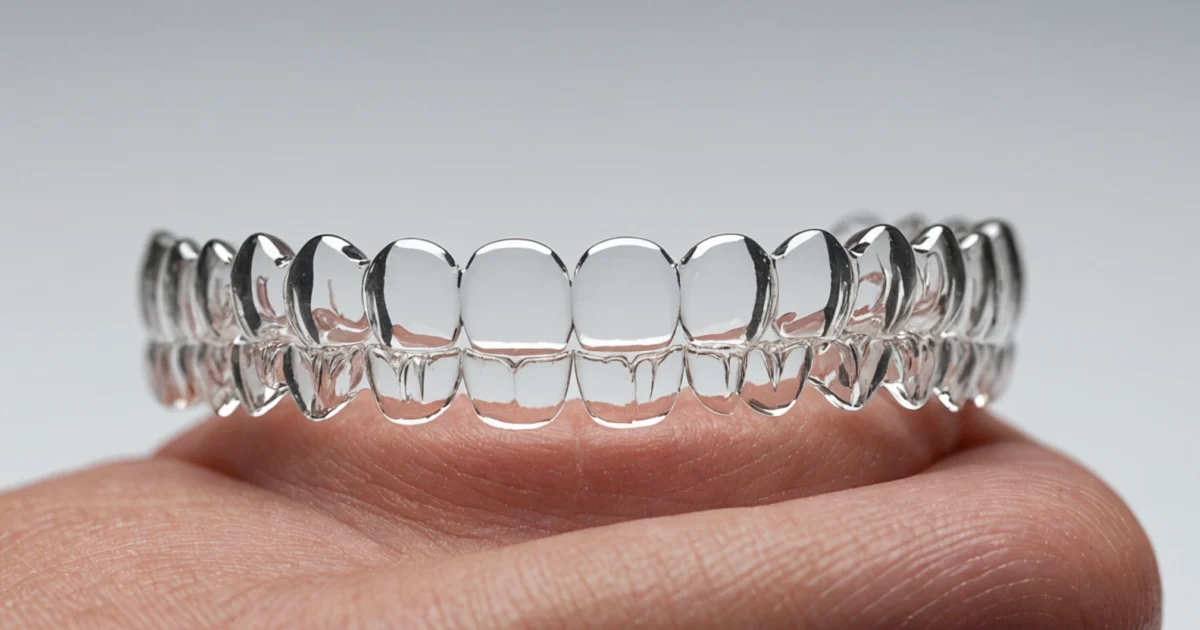
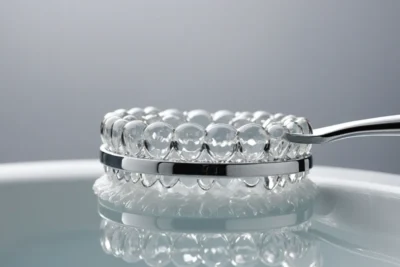
What is an Essix retainer? An Essix retainer is a clear, thermoplastic orthodontic appliance designed to maintain teeth alignment after orthodontic treatment. Unlike traditional wire retainers, these vacuum-formed devices are nearly invisible and custom-fitted to your teeth using dental impressions or digital scans.
These clear retainers work by applying gentle pressure to keep teeth in their corrected positions. Additionally, Essix retainers can include pontics (fake teeth) to replace missing teeth temporarily while implants heal or permanent solutions are prepared.
The thermoplastic material makes Essix retainers flexible yet durable, typically lasting 6 months to 2 years depending on care and usage. However, proper maintenance and wearing schedules are essential for optimal results. For comprehensive retainer care tips, check our guide on how to clean retainers.
TL;DR
- Essix retainers are clear, thermoplastic devices that maintain teeth alignment after orthodontic treatment
- They’re nearly invisible and custom-fitted using dental impressions or digital scans
- Available in multiple types including standard retention, with fake teeth, and for active tooth movement
- Typically last 6 months to 2 years with proper care and cost $100-$500 per retainer
What is an Essix Retainer?
An Essix retainer is a clear, thermoplastic orthodontic appliance designed to maintain teeth alignment after orthodontic treatment. Furthermore, this transparent device serves as the most popular alternative to traditional wire retainers due to its nearly invisible appearance and comfortable fit.
The primary function of an Essix retainer involves maintaining teeth in their corrected positions through gentle, consistent pressure. Additionally, these retainers prevent teeth from shifting back to their original misaligned positions, a process orthodontists call relapse.
Construction and Custom-Fitted Design
The vacuum-forming process creates each Essix retainer from a precise mold of your teeth. Initially, orthodontists take dental impressions or digital scans to capture exact tooth dimensions and positioning.
During fabrication, technicians heat thermoplastic material until pliable, then vacuum-form it over your dental model. Consequently, this process ensures a snug, custom fit that applies appropriate pressure to each tooth surface.
The thermoplastic material typically consists of polyethylene terephthalate glycol (PETG) or similar clear polymers. These materials provide flexibility for comfortable wear while maintaining sufficient rigidity for effective tooth retention.
Clear, Nearly Invisible Appearance
Unlike traditional Hawley retainers with visible metal wires, Essix retainers remain virtually undetectable when worn. The transparent thermoplastic material allows natural tooth color to show through, making them ideal for professional and social situations.
This aesthetic advantage makes Essix retainers particularly popular among adults and teenagers who prefer discreet orthodontic appliances. Moreover, the clear design eliminates the self-consciousness often associated with wearing traditional wire retainers in public.
Key Benefit
The smooth plastic surface also feels more comfortable against lips and cheeks compared to metal components found in wire retainers. However, proper care and maintenance remain essential for preserving both clarity and effectiveness of these orthodontic devices.
Types of Essix Retainers
Orthodontists customize Essix retainers for various clinical situations beyond basic tooth retention. Different types serve specific purposes, from maintaining orthodontic results to replacing missing teeth temporarily. Understanding these variations helps patients choose the most appropriate option for their dental needs.
Standard Essix Retainer for Post-Orthodontic Retention
The standard Essix retainer represents the most common type used after braces or clear aligner treatment. This clear thermoplastic appliance covers all teeth from canine to canine or extends to the molars for comprehensive retention. Orthodontists prescribe these retainers to prevent teeth from shifting back to their original positions.
Patients typically wear standard retainers full-time initially, then transition to nighttime-only wear. The retention schedule varies based on individual factors like age, treatment complexity, and bone density. Most orthodontists recommend wearing these retainers indefinitely to maintain optimal tooth alignment.
Essix Retainer with Pontic for Missing Teeth
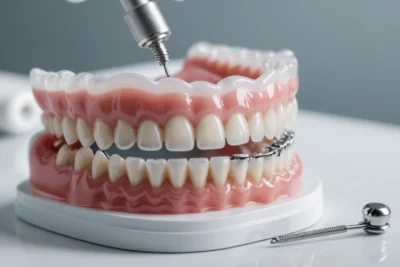
An Essix retainer with pontic incorporates a fake tooth to replace one or more missing teeth temporarily. The pontic attaches to the clear retainer material, creating an aesthetic solution while patients await permanent restoration. This type proves especially valuable for front teeth where gaps would be highly visible.
Dentists often recommend pontic retainers for teenagers who lose teeth due to trauma or congenital absence. The fake tooth maintains facial support and prevents adjacent teeth from drifting into the empty space. However, patients cannot eat with pontic retainers due to the risk of damaging the attached tooth.
Compared to partial dentures or flippers, Essix retainers with pontics offer superior comfort and aesthetics. The thin thermoplastic material feels less bulky than traditional removable partial dentures while providing excellent cosmetic results.
Active Essix Retainer for Minor Tooth Movement
Active Essix retainers incorporate selective pressure points to create controlled tooth movement. Orthodontists modify these retainers by adding dimples, springs, or strategic material thickness to apply specific forces. This type can correct minor relapse or make small adjustments without full orthodontic retreatment.
The active design allows gradual tooth repositioning over several months of wear. Patients must follow precise wearing schedules to achieve desired movement while avoiding complications. Regular orthodontic monitoring ensures proper progress and prevents unwanted side effects.
Essix Retainer for Implant Sites During Healing
Specialized Essix retainers for implant sites protect extraction sites and maintain space during the healing period before implant placement. These retainers feature modified areas around extraction sites to accommodate tissue healing while preventing adjacent teeth from shifting. The design promotes proper bone formation for future implant success.
Oral surgeons coordinate with orthodontists to design these protective retainers immediately after tooth extraction. The appliance maintains facial aesthetics if the missing tooth is visible while preserving optimal implant positioning. Patients typically wear these retainers for 3-6 months during the healing phase.
Additionally, some implant site retainers include tissue conditioners or soft liners for enhanced comfort during initial healing. These modifications reduce pressure on sensitive extraction sites while maintaining the retainer’s primary functions of space maintenance and aesthetics.
Essix Retainer vs Other Retainer Types
Understanding the differences between Essix retainers and other orthodontic appliances helps patients make informed decisions about their post-treatment care. Each retainer type offers unique advantages and limitations based on material composition, appearance, and functionality. Therefore, comparing these options reveals which appliance best suits individual needs and lifestyle preferences.
Essix vs Hawley Retainer: Material and Design Differences
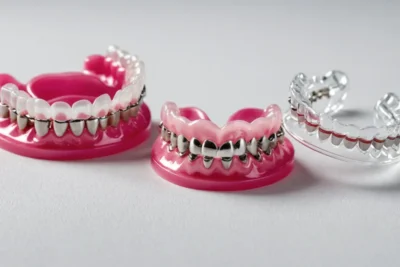
Essix retainers use clear thermoplastic material that covers the entire tooth surface, while Hawley retainers combine acrylic and wire components. The Essix design provides superior aesthetics since the clear plastic remains virtually invisible during wear. Conversely, Hawley retainers feature visible metal wires across the front teeth, making them more noticeable in social situations.
Functionality differs significantly between these two retainer types. Hawley retainers allow minor tooth adjustments through wire modifications, whereas Essix retainers primarily maintain existing tooth positions. Additionally, Hawley designs permit normal tongue contact with tooth surfaces, which some patients prefer for speech and comfort.
Pros
- Essix: Nearly invisible appearance
- Essix: Covers entire tooth surface
- Hawley: Allows minor adjustments
- Hawley: Permits normal tongue contact
Cons
- Essix: Cannot make tooth adjustments
- Essix: May affect speech initially
- Hawley: Visible metal components
- Hawley: Bulkier design
Essix vs Vivera Retainer: Brand and Material Variations
Vivera retainers represent Invisalign’s proprietary clear retainer system, while Essix retainers encompass various clear thermoplastic designs from multiple manufacturers. Both types utilize similar clear plastic materials, but Vivera retainers claim enhanced durability through specialized manufacturing processes. However, the fundamental design principles remain consistent between these clear retainer options.
Cost differences often influence patient choice between these retainer types. Vivera retainers typically cost more due to brand positioning and marketing, while generic Essix-style retainers offer comparable functionality at lower prices. Furthermore, both retainer types require similar care routines and replacement schedules, making cost the primary differentiating factor for many patients.
Essix Retainer with Tooth vs Flipper: Temporary Replacement Options
An Essix retainer with tooth incorporates a replacement tooth directly into the clear retainer material, while a flipper uses acrylic construction with clasps for retention. The Essix design provides superior aesthetics since the artificial tooth appears naturally positioned within the clear appliance. Meanwhile, flippers often display visible clasps and bulkier acrylic components that compromise appearance.
Eating restrictions vary significantly between these temporary tooth replacement options. Patients must remove Essix retainers with teeth before eating to prevent damage to the integrated artificial tooth. Conversely, some flipper designs allow limited eating with the appliance in place, though removal remains recommended for optimal longevity.
Comfort levels differ notably between these appliances during extended wear. Essix retainers with teeth typically feel less bulky and interfere minimally with tongue movement and speech patterns. However, flippers may cause initial speech difficulties due to their thicker acrylic construction and altered oral space.
Comprehensive Advantages and Disadvantages Analysis
| Retainer Type | Primary Advantages | Main Disadvantages |
|---|---|---|
| Essix | Invisible appearance, comfortable fit, easy cleaning | No adjustability, potential speech effects, eating restrictions |
| Hawley | Adjustable, durable, allows tongue contact | Visible wires, bulky design, higher cost |
| Vivera | Enhanced durability, precise fit, brand reputation | Higher cost, limited availability, similar function to Essix |
| Flipper | Immediate tooth replacement, some eating capability | Visible clasps, bulky feel, speech interference |
Durability considerations significantly impact long-term retainer selection. Hawley retainers typically last 5-10 years with proper care, while clear retainers require replacement every 1-3 years due to material wear and discoloration. Nevertheless, the lower initial cost of Essix retainers often offsets their shorter lifespan for budget-conscious patients.
Patient compliance rates vary among different retainer types based on comfort and aesthetics. Studies indicate higher compliance with clear retainers due to their invisible appearance, particularly among adult patients and teenagers concerned about social appearance. Consequently, the improved compliance often leads to better long-term orthodontic stability despite the need for more frequent replacements.
How Essix Retainers Work
Essix retainers function through passive retention, applying gentle, continuous pressure to maintain teeth in their corrected positions. The clear thermoplastic material creates a snug fit around each tooth, distributing retention forces evenly across the dental arch. This mechanism prevents teeth from shifting back to their original positions after orthodontic treatment.
The retention process works by creating a physical barrier that holds teeth in place. Additionally, the retainer’s elastic properties generate light pressure against any attempted tooth movement. Furthermore, the continuous contact maintains the periodontal ligament in its new configuration, supporting long-term stability.
Custom Molding and Fabrication Process
Essix retainer creation begins with precise dental impressions or digital scans of the patient’s teeth. Orthodontists use alginate impressions, polyvinyl siloxane molds, or intraoral scanners to capture exact tooth positions and gum contours. Subsequently, dental laboratories create plaster models from these impressions for retainer fabrication.
The molding process involves heating thermoplastic sheets to approximately 300°F before vacuum-forming them over the dental model. This technique ensures the material conforms precisely to every tooth surface and interdental space. Moreover, the cooling process locks the retainer into its final shape, creating a custom-fitted appliance.
Digital scanning technology increasingly replaces traditional impressions for enhanced accuracy. These scans eliminate impression distortions and provide three-dimensional models for computer-aided retainer design. Consequently, digital workflows reduce fabrication time and improve overall fit quality.
Thermoplastic Material Properties
Polyethylene terephthalate glycol (PETG) serves as the primary material for most Essix retainers due to its optimal balance of flexibility and durability. This thermoplastic exhibits excellent clarity, biocompatibility, and resistance to oral bacteria. Additionally, PETG maintains its shape under normal oral temperatures while remaining flexible enough for comfortable wear.
The material’s elastic modulus allows controlled flexibility that accommodates slight tooth movements without breaking. However, this same flexibility means the retainer cannot actively move teeth like traditional braces. Instead, it maintains existing positions through passive resistance to unwanted movement.
Thickness variations between 0.020 to 0.040 inches affect both durability and retention force. Thicker materials provide stronger retention but may feel bulkier and affect speech initially. Conversely, thinner retainers offer better comfort but require more frequent replacement due to wear and tear.
Retention Force Distribution
Essix retainers distribute retention forces across the entire dental arch rather than focusing pressure on individual teeth. This distribution pattern reduces stress concentration points and minimizes discomfort during initial wear. Furthermore, the even force application helps maintain proper tooth alignment throughout the retention period.
The retainer’s design creates three-dimensional control over tooth position by engaging both the crown and gingival areas of each tooth. This comprehensive contact prevents rotation, tipping, and translation movements effectively. Moreover, the material’s memory properties ensure consistent force application even after repeated removal and insertion.
Force magnitude typically ranges from 50 to 150 grams per tooth, depending on the material thickness and fit tightness. This light force level maintains tooth position without causing discomfort or root resorption. Nevertheless, patients may experience initial pressure sensations as teeth adapt to the retention forces.
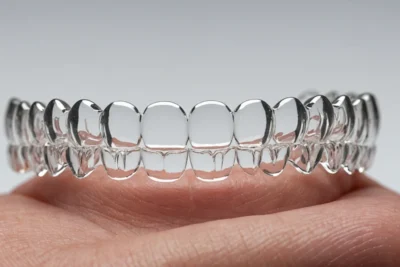
Understanding what retainers look like helps patients recognize proper fit and function. The clear appearance allows visual monitoring of tooth positions while the snug fit ensures effective retention force distribution across all treated teeth.
Wearing Instructions and Guidelines
Proper Essix retainer usage requires following specific wearing schedules and handling procedures to maintain orthodontic results effectively. Initially, patients must wear their retainers for 22 hours daily during the first three to six months after treatment completion. This full-time schedule allows teeth to stabilize in their new positions while the surrounding bone and ligaments adapt to the changes.
After the initial stabilization period, most orthodontists transition patients to nighttime-only wear schedules. This transition typically occurs between six months to one year post-treatment, depending on individual case complexity and tooth movement history. However, some patients may require extended full-time wear if their teeth show signs of relapse or instability.
Proper Insertion and Removal Techniques
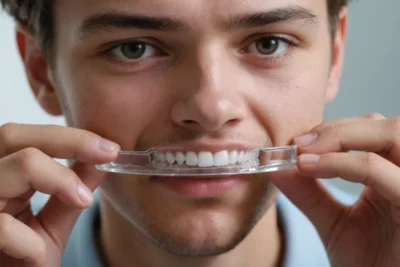
Correct insertion begins with positioning the retainer over the front teeth first, then gently pressing down on the back teeth until the retainer seats completely. Patients should use their fingertips rather than biting down to avoid cracking the thermoplastic material. Furthermore, the retainer should snap into place with minimal force when properly aligned.
Removal requires lifting the retainer from the back molars using fingernails or fingertips on both sides simultaneously. Never pull from the front teeth alone, as this creates stress concentration that can crack or break the retainer. Additionally, patients should remove retainers slowly and evenly to prevent distortion of the material.
Insertion Safety Tip
When to Remove Retainers
Patients must remove their Essix retainers before eating any food to prevent damage and maintain hygiene. The clear thermoplastic material can crack, stain, or warp when exposed to hot foods or hard substances. Moreover, food particles can become trapped between the retainer and teeth, promoting bacterial growth and tooth decay.
Drinking requires careful consideration of beverage temperature and sugar content. Water consumption is safe with retainers in place, but patients should remove them before drinking hot beverages, sugary drinks, or acidic liquids. These substances can damage the retainer material or create an environment for bacterial proliferation around the teeth.
Cleaning routines necessitate retainer removal for both oral hygiene and retainer maintenance. Patients should remove their retainers to brush and floss teeth thoroughly, then clean the retainer separately before reinsertion. This process prevents plaque accumulation and maintains both oral health and retainer integrity. Proper cleaning techniques ensure retainer longevity and effectiveness throughout the retention period.
- Always remove before eating solid foods
- Remove for hot beverages above room temperature
- Take out for thorough teeth brushing and flossing
- Remove during contact sports or physical activities
- Take out when cleaning the retainer itself
Compliance with wearing schedules directly correlates with treatment success and long-term stability. Patients who follow prescribed wearing times experience better retention outcomes and require fewer adjustments or replacements. Consequently, understanding and adhering to these guidelines ensures optimal orthodontic results and protects the investment in dental treatment.
Eating and Drinking with Essix Retainers
Essix retainers require removal before eating to prevent damage and maintain oral hygiene. The clear thermoplastic material can crack, warp, or stain when exposed to food particles and chewing forces. Additionally, food debris becomes trapped between the retainer and teeth, creating an environment for bacterial growth and potential tooth decay.
Chewing places significant stress on the thin retainer material. Hard foods like nuts, ice, or candy can cause immediate cracking or fracturing of the appliance. Furthermore, sticky foods such as caramel or gum can pull the retainer away from teeth or become permanently embedded in the plastic surface.
Temperature and Beverage Risks
Hot beverages pose the greatest risk to Essix retainer integrity. Coffee, tea, and hot chocolate can reach temperatures that warp or distort the thermoplastic material. The retainer may lose its precise fit after heat exposure, compromising its effectiveness in maintaining tooth position.
Cold beverages generally present fewer risks, but sugary drinks create additional concerns. Sodas, fruit juices, and sports drinks can become trapped under the retainer, bathing teeth in sugar for extended periods. This prolonged exposure significantly increases cavity risk and enamel erosion.
Temperature Warning
Special Considerations for Essix Retainers with Fake Teeth
Essix retainers with pontics (fake teeth) require extra caution during eating and drinking. The attached artificial tooth creates additional stress points where the retainer can break or separate. Patients must remove these specialized retainers before consuming any solid food to prevent damage to both the retainer and the pontic attachment.
The pontic area collects food particles more readily than standard retainers. Thorough cleaning becomes essential after each meal to prevent bacterial accumulation around the artificial tooth. Moreover, the added bulk of the pontic makes the retainer more noticeable during eating, causing discomfort and potential speech difficulties.
Replacement costs for Essix retainers with fake teeth exceed those of standard retainers due to the additional laboratory work required. Consequently, protecting these appliances from damage through proper removal protocols becomes even more critical for patients.
Safe Drinking Options
Plain water remains the only completely safe beverage for consumption while wearing Essix retainers. Room temperature water does not damage the retainer material and helps rinse away bacteria and food particles. However, even with water, patients should remove retainers for thorough cleaning at regular intervals.
- Plain water at room temperature
- Unsweetened sparkling water (remove retainer afterward for cleaning)
- Clear broths (only if cooled to room temperature)
Patients should avoid all other beverages while wearing retainers. Drinking guidelines emphasize that even seemingly harmless drinks like flavored water or diet sodas can cause staining or create acidic conditions that damage both teeth and retainer material.
Emergency situations may require brief beverage consumption with retainers in place. In such cases, patients should rinse immediately with plain water and remove the retainer for thorough cleaning as soon as possible. This approach minimizes potential damage while accommodating unavoidable circumstances.
Care and Maintenance
Proper care extends the lifespan of Essix retainers significantly while maintaining their clarity and effectiveness. Daily maintenance routines prevent bacterial buildup and preserve the retainer’s structural integrity. Furthermore, consistent care habits reduce replacement costs and ensure optimal oral health outcomes.
Daily Cleaning Routine
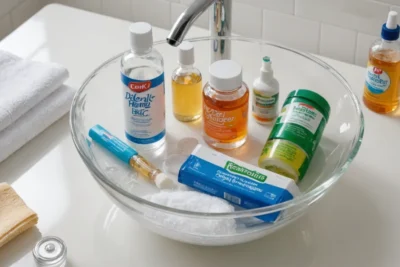
Gentle soap and cool water provide the safest cleaning method for Essix retainers. Patients should rinse the retainer immediately after removal to prevent saliva and bacteria from hardening on the surface. Additionally, a soft-bristled toothbrush removes stubborn debris without scratching the clear plastic material.
Morning and evening cleaning sessions maintain retainer hygiene effectively. Patients should gently scrub all surfaces, paying special attention to areas where the retainer contacts teeth. Subsequently, thorough rinsing removes soap residue that could cause taste issues or irritation.
Cleaning Tip
What to Avoid
Hot water warps Essix retainers permanently, making them unusable. The thermoplastic material softens at temperatures above 140°F (60°C), causing dimensional changes that prevent proper fit. Therefore, patients must use only cool or lukewarm water during cleaning.
Harsh chemicals and abrasive cleaners damage the retainer surface and compromise its transparency. Bleach, alcohol-based mouthwashes, and denture cleaners containing persulfates can cause clouding or cracking. Moreover, abrasive toothpastes create microscopic scratches that harbor bacteria and reduce clarity.
- Hot water or steam cleaning
- Bleach or hydrogen peroxide solutions
- Alcohol-based mouthwashes
- Abrasive toothpastes or baking soda
- Denture cleaning tablets with persulfates
- Dishwasher or microwave cleaning
Proper Storage
A dedicated retainer case protects Essix retainers from damage, loss, and contamination when not in use. The case should be well-ventilated to prevent moisture buildup that encourages bacterial growth. Consequently, patients should clean the case regularly with soap and water to maintain hygiene.
Never wrap retainers in tissues or napkins, as this leads to accidental disposal. Similarly, leaving retainers on countertops or tables exposes them to damage from pets, heat sources, or cleaning chemicals. Instead, immediate case storage after removal ensures protection and prevents loss.
For detailed cleaning techniques and troubleshooting tips, patients can reference comprehensive retainer cleaning guides that cover various maintenance scenarios and solutions.
Signs of Wear and Replacement Needs
Visible cracks or stress marks indicate structural weakness that compromises retainer effectiveness. These defects typically appear along the gum line or areas of high stress during insertion and removal. Additionally, clouding or permanent discoloration suggests material degradation that affects both appearance and function.
Fit changes signal the need for retainer evaluation or replacement. Loose retainers fail to maintain tooth positions effectively, while tight retainers may indicate tooth movement requiring orthodontic attention. Furthermore, rough edges or sharp areas can irritate oral tissues and require immediate professional assessment.
| Warning Sign | Potential Issue | Action Required |
|---|---|---|
| Visible cracks | Structural failure | Immediate replacement |
| Cloudy appearance | Material degradation | Professional evaluation |
| Loose fit | Tooth movement | Orthodontic consultation |
| Sharp edges | Wear or damage | Adjustment or replacement |
| Persistent odor | Bacterial buildup | Enhanced cleaning or replacement |
Typical lifespan for Essix retainers ranges from six months to two years depending on usage patterns and care quality. Nighttime-only wear extends retainer life compared to full-time use. However, patients with bruxism or heavy clenching may require more frequent replacements due to accelerated wear patterns.
Regular orthodontic check-ups help identify replacement needs before retainer failure occurs. Early detection prevents tooth movement and reduces the need for additional orthodontic treatment. Therefore, patients should schedule retainer evaluations every six months or as recommended by their orthodontist.
Durability and Replacement Timeline
Essix retainers typically last between six months and two years, depending on individual usage patterns and maintenance habits. Patients who wear their retainers only at night generally experience longer lifespans compared to those requiring full-time wear. Moreover, the quality of the thermoplastic material and manufacturing precision significantly influence overall durability.
Several factors directly impact retainer longevity and replacement frequency. Bruxism or teeth grinding accelerates wear patterns and creates stress fractures in the plastic material. Additionally, poor cleaning habits allow bacterial buildup that can degrade the retainer structure over time.
Key Factors Affecting Retainer Lifespan
- Usage frequency: Nighttime-only wear extends lifespan significantly
- Grinding habits: Bruxism reduces durability by 50-70%
- Care routine: Daily cleaning prevents material breakdown
- Material quality: Premium thermoplastics resist cracking longer
- Insertion technique: Gentle handling prevents stress damage
Proper care habits directly correlate with extended retainer life. Patients who follow recommended cleaning protocols maintain their retainers in optimal condition for longer periods. Furthermore, storing retainers in protective cases prevents accidental damage and contamination.
Replacement Warning Signs
Recognizing replacement indicators helps prevent orthodontic relapse and oral health issues. Visible cracks or stress fractures compromise structural integrity and require immediate attention. Similarly, persistent cloudiness indicates material degradation that affects retainer function.
Fit changes signal potential problems requiring professional evaluation. Loose retainers fail to maintain proper tooth positioning, while overly tight retainers may indicate unwanted tooth movement. Additionally, rough edges or sharp areas can irritate gum tissues and create discomfort during wear.
Immediate Replacement Needed
Odor persistence despite thorough cleaning indicates bacterial colonization within microscopic cracks. These bacteria can cause oral health problems and make the retainer unsuitable for continued use. Therefore, patients should replace retainers showing signs of irreversible contamination.
Professional Assessment Schedule
Regular dental checkups every six months allow orthodontists to assess retainer condition before problems develop. Early detection prevents costly orthodontic retreatment and maintains long-term smile stability. During these appointments, professionals evaluate fit, wear patterns, and overall retainer integrity.
Orthodontists use specialized tools to measure retainer thickness and identify stress points invisible to patients. They also assess tooth positioning to ensure retainers continue providing adequate retention force. Consequently, professional monitoring helps optimize replacement timing and prevents emergency situations.
Proactive retainer replacement based on professional assessment prevents orthodontic relapse and reduces long-term treatment costs significantly.
Patients should schedule immediate appointments if they experience sudden fit changes or retainer damage between regular checkups. Prompt professional evaluation prevents minor issues from becoming major orthodontic problems requiring extensive treatment.
Cost and Insurance Coverage
Essix retainer costs typically range from $100 to $500 per retainer, making them one of the most affordable orthodontic retention options available. However, pricing varies significantly based on several key factors that patients should understand before budgeting for their orthodontic care.
Factors Affecting Essix Retainer Pricing
Geographic location plays a major role in determining Essix retainer costs, with urban dental practices typically charging more than rural providers. Additionally, practice overhead expenses, laboratory fees, and regional economic conditions influence final pricing structures significantly.
Dental practice specialization affects pricing as well. Orthodontic specialists often charge premium rates compared to general dentists offering retainer services. Furthermore, practices using advanced digital scanning technology may include equipment costs in their fee structure.
Case complexity determines the amount of customization required for proper Essix retainer fabrication. Simple cases with minimal tooth irregularities cost less than complex cases requiring precise adjustments. Moreover, patients needing specialized features like pontics or attachments pay additional fees for enhanced functionality.
| Cost Factor | Low Range | High Range | Average |
|---|---|---|---|
| Basic Essix Retainer | $100 | $300 | $200 |
| Specialist Practice | $200 | $500 | $350 |
| Complex Case | $250 | $500 | $375 |
| Digital Scanning | $150 | $400 | $275 |
Insurance Coverage and Orthodontic Benefits
Most dental insurance plans provide partial coverage for orthodontic retainers when prescribed following active treatment completion. Typically, insurance companies cover 50% to 80% of retainer costs up to annual maximum limits established in policy terms.
Orthodontic benefits often include separate lifetime maximums specifically for retention appliances. These benefits usually range from $1,000 to $2,000 per lifetime, covering multiple retainer replacements throughout the retention period. Consequently, patients should verify their specific coverage details before treatment begins.
Insurance pre-authorization requirements vary by provider and may affect coverage approval timelines. Some plans require documentation proving medical necessity, while others automatically approve retainer coverage following completed orthodontic treatment. Therefore, patients should contact their insurance providers to understand specific authorization procedures.
Insurance Tip
Replacement Cost Planning and Budgeting
Patients should budget for retainer replacement every 2-5 years depending on wear patterns, care habits, and individual usage factors. Proactive replacement planning prevents emergency situations that may require expedited fabrication at premium costs.
Many orthodontic practices offer retainer replacement programs with discounted pricing for multiple units or annual plans. These programs typically reduce per-unit costs by 20% to 40% compared to individual replacement pricing. Additionally, some practices provide warranty coverage for manufacturing defects within specified timeframes.
Flexible spending accounts (FSAs) and health savings accounts (HSAs) can help patients manage retainer costs using pre-tax dollars. These accounts allow annual contributions up to IRS limits, providing tax advantages for orthodontic expenses. Furthermore, many employers offer dependent care FSAs covering children’s orthodontic retention needs.
For comprehensive cost information across different retainer types and situations, patients can reference our detailed retainer cost guide covering various orthodontic retention options and pricing factors.
Planning for retainer replacement costs prevents treatment interruptions and maintains long-term orthodontic stability
Emergency replacement situations often cost 25% to 50% more than routine replacements due to expedited laboratory processing and urgent appointment scheduling. Therefore, maintaining backup retainers or scheduling proactive replacements saves money and prevents orthodontic complications.
Potential Issues and Solutions
While Essix retainers provide effective orthodontic retention, users may encounter several common problems during their treatment journey. Understanding these potential issues helps patients identify problems early and seek appropriate solutions. Most complications resolve quickly with proper intervention and professional guidance.
Common Physical Problems
Poor fit represents the most frequent issue with Essix retainers, often developing gradually as teeth shift slightly or the thermoplastic material stretches. Retainers that feel loose or tight require immediate professional evaluation to prevent orthodontic relapse. Additionally, cracking occurs when patients bite down forcefully or expose retainers to excessive heat during cleaning.
Discoloration affects many clear retainers over time, particularly when users consume staining beverages while wearing their appliances. Coffee, tea, and colored beverages penetrate the thermoplastic material, creating yellow or brown tints that compromise aesthetics. Furthermore, persistent odor develops when bacteria accumulate in microscopic scratches or inadequate cleaning allows plaque buildup.
Immediate Action Required
Speech Adjustment and Temporary Effects
Most patients experience a speech adjustment period lasting 3 to 7 days when beginning Essix retainer wear. The clear thermoplastic material creates subtle changes in tongue positioning, temporarily affecting pronunciation of certain sounds. Temporary lisping commonly occurs with “s” and “th” sounds as the tongue adapts to the retainer’s presence.
Speech difficulties resolve naturally as oral muscles adapt to the new appliance configuration. Patients can accelerate this adjustment process by reading aloud for 10-15 minutes daily while wearing their retainers. However, persistent speech problems lasting beyond two weeks warrant professional evaluation to assess retainer fit and design.
Allergic Reactions and Material Sensitivities
Allergic reactions to thermoplastic materials remain rare, affecting fewer than 2% of retainer users according to orthodontic research. These reactions typically manifest as localized swelling, persistent irritation, or unusual tissue inflammation around retainer contact areas. Patients with known plastic sensitivities should inform their orthodontist before beginning Essix retainer treatment.
Material sensitivities may develop gradually, with symptoms including increased salivation, metallic taste, or gum irritation. Alternative retainer materials exist for patients experiencing confirmed allergic responses to standard thermoplastic compositions. Consequently, prompt professional consultation ensures appropriate material selection and treatment continuation.
When to Contact Your Orthodontist
Patients should contact their orthodontist or dentist immediately when experiencing specific warning signs that indicate potential complications. Severe pain, persistent bleeding, or significant swelling around retainer contact areas require urgent professional evaluation. Similarly, retainers that crack, break, or become completely loose need immediate replacement to prevent orthodontic relapse.
- Persistent pain lasting more than 48 hours after initial fitting
- Visible cracks or damage to the retainer material
- Loose fit that allows easy removal without effort
- Allergic symptoms including swelling or unusual irritation
- Speech problems persisting beyond two weeks
Regular follow-up appointments help prevent minor issues from developing into significant problems requiring extensive intervention. Most orthodontic practices provide emergency contact information for urgent retainer concerns outside normal business hours. Therefore, maintaining open communication with dental professionals ensures optimal treatment outcomes and prevents costly complications.
For comprehensive retainer maintenance guidance, patients can reference our complete retainer cleaning guide covering proper care techniques and troubleshooting common problems.
Frequently Asked Questions
What is the purpose of an Essix retainer?
The primary purpose of an Essix retainer is to maintain teeth alignment after orthodontic treatment. These clear, thermoplastic devices apply gentle pressure to keep teeth in their corrected positions and prevent them from shifting back to their original misaligned state, a process called relapse. Additionally, Essix retainers can include pontics (fake teeth) to temporarily replace missing teeth while implants heal.
How much does an Essix retainer cost?
Essix retainers typically cost between $100-$500 per retainer, depending on your location, orthodontist, and specific customization needs. Retainers with pontics (fake teeth) may cost more due to additional fabrication complexity. Many orthodontists offer payment plans or include retainer costs in comprehensive treatment packages.
How long will an Essix retainer last?
With proper care and usage, Essix retainers typically last 6 months to 2 years. The lifespan depends on factors like how often you wear them, your oral habits (teeth grinding), and maintenance routine. Regular cleaning and proper storage help maximize their durability and effectiveness.
Can I eat with Essix retainers in?
No, you should remove Essix retainers before eating or drinking anything except water. Food particles can get trapped under the retainer, leading to bacteria buildup and potential tooth decay. Hot beverages can also warp the thermoplastic material. Always remove your retainer before meals and clean your teeth before putting it back in.
What's the difference between an Essix retainer with tooth vs a flipper?
An Essix retainer with tooth (pontic) is a clear, thin retainer that includes a fake tooth and primarily serves to maintain orthodontic results while temporarily replacing a missing tooth. A flipper is typically thicker, made of acrylic, and designed primarily as a temporary tooth replacement rather than orthodontic retention. Essix retainers with pontics are more discreet and comfortable for daily wear.
How is an Essix retainer made?
Essix retainers are created through a vacuum-forming process using precise dental impressions or digital scans of your teeth. Technicians heat thermoplastic material (typically PETG) until pliable, then vacuum-form it over your dental model. This process ensures a custom, snug fit that applies appropriate pressure to each tooth surface.
What does an Essix retainer look like?
An Essix retainer looks like a clear, thin plastic tray that fits snugly over your teeth. It’s nearly invisible when worn, allowing your natural tooth color to show through. Unlike Hawley retainers with visible metal wires, Essix retainers are completely transparent and virtually undetectable in social and professional situations.
What's the difference between Essix and Vivera retainers?
Essix retainers are the generic term for clear, vacuum-formed retainers made from thermoplastic material. Vivera retainers are Invisalign’s proprietary brand of clear retainers, made from a specific material that’s claimed to be 30% stronger than other clear retainer materials. Both serve the same function, but Vivera retainers are typically more expensive and only available through Invisalign providers.
Can Essix retainers be used for implant sites?
Yes, Essix retainers are commonly used for implant sites. They can include a pontic (fake tooth) to maintain aesthetics and prevent adjacent teeth from shifting while the implant heals. This temporary solution allows patients to maintain their smile appearance during the 3-6 month healing period before the permanent crown is placed.
What is an active Essix retainer?
An active Essix retainer is designed to make minor tooth movements rather than just maintain current positions. These retainers have strategic modifications or pressure points that apply targeted force to move specific teeth. They’re used for minor corrections like closing small gaps or making slight rotational adjustments without requiring full orthodontic treatment.
How do I clean my Essix retainer?
Clean your Essix retainer daily using these methods:
- Gentle brushing with a soft toothbrush and mild soap
- Retainer cleaning tablets for deep cleaning
- Cool water rinse after each use
- Avoid hot water which can warp the plastic
- Store in a protective case when not wearing
How often should I wear my Essix retainer?
Initially, wear your Essix retainer 22-24 hours per day for the first few months after orthodontic treatment. After this stabilization period, most orthodontists recommend nighttime wear only. However, follow your orthodontist’s specific instructions, as wearing schedules vary based on individual cases and treatment complexity.
What material are Essix retainers made from?
Essix retainers are typically made from polyethylene terephthalate glycol (PETG) or similar clear thermoplastic polymers. These materials provide the ideal combination of flexibility for comfortable wear and rigidity for effective tooth retention. The thermoplastic nature allows the material to be heated and molded during fabrication while maintaining its shape during normal use.
You May Also Like
Lost Your Retainer? Here’s What to Do Right Away
What Is a Hawley Retainer? Complete Guide & Comparison